How to Maintain Olympic Size Rods and Weight Plates
High-Traffic Environments and the Wear Patterns of Heavy Iron
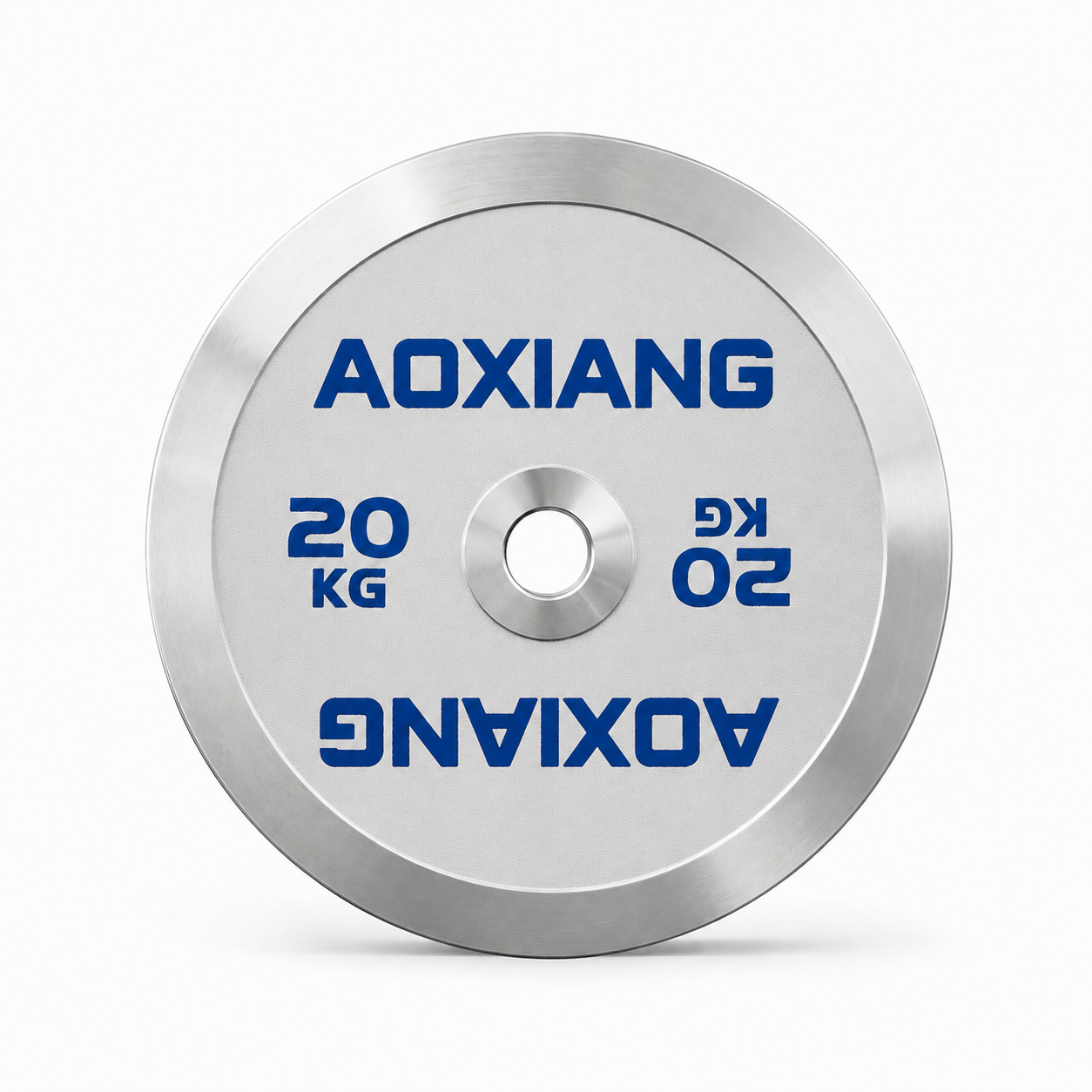
Olympic size rods and weight plates represent the fundamental backbone of professional strength training facilities, engineered to withstand extreme mechanical loads. Commercial buyers prioritize these high-specification steel and cast iron components because they provide the standardized stability and durability required for high-performance athletic environments.
In any high-volume training facility, the sheer volume of high-frequency usage creates a relentless cycle of friction and impact. Whether in a boutique strength studio or a large-scale commercial gym, the constant loading and unloading of olympic size rods and weight plates inevitably leads to physical wear. Beyond simple mechanical impact, equipment is often subjected to various environmental stressors, such as humidity fluctuations and sweat-induced oxidation. Without a proactive approach to weight plate maintenance, these factors can compromise the structural integrity and smooth rotation of the bearings, ultimately diminishing the long-term ROI of your initial equipment procurement.
Understanding the specific operational context of your facility is critical for developing an effective barbell care guide. The rate of degradation for olympic size rods and weight plates varies significantly depending on whether the equipment is subjected to professional-grade volume or intermittent residential use. For procurement specialists and facility managers, recognizing these patterns allows for more accurate budgeting regarding gym equipment longevity and replacement cycles.
The following comparison highlights how different training environments impact the lifecycle of your steel and iron assets:
| Facility Type | Frequency of Use | Maintenance Difficulty | Durability Expectations |
|---|---|---|---|
| Commercial Strength Gym | Extremely High (Constant) | High (Requires Scheduled Protocols) | Heavy-Duty / High-Impact Resistance |
| Boutique Fitness Studio | Moderate to High | Medium (Routine Cleaning Needed) | Standard Professional Grade |
| Residential / Home Gym | Low to Moderate | Low (Occasional Inspection) | Standard / Long-Term Lifespan |
In high-traffic commercial settings, the friction from heavy weight plate maintenance cycles is more frequent, often necessitating more rigorous inspection of the knurling and sleeve bearings. Identifying these environmental risks early ensures that your investment in olympic size rods and weight plates remains a high-performing asset rather than a recurring expense.
Neglecting these subtle indicators of wear can lead to a rapid decline in asset value. For facility owners, the transition from routine upkeep to costly replacement often happens when small issues, such as minor oxidation or bearing friction, are ignored. Implementing a cost-effective upkeep strategy is not just about cleanliness; it is about protecting the structural integrity of your most used assets. By integrating a standardized barbell care guide into your staff training, you can effectively mitigate the depreciation of your olympic size rods and weight plates.
Ultimately, the goal of professional weight plate maintenance is to maximize gym equipment longevity while minimizing unexpected capital expenditures. When you prioritize consistent, preventative care, you ensure that the high-quality steel and iron components you have sourced continue to perform at peak standards. This proactive stance transforms maintenance from a reactive chore into a strategic tool for sustaining long-term ROI and operational excellence.
Protecting Precision: Essential Care for Olympic Size Rods
Maintaining a high-performance training environment requires more than just high-quality sourcing; it demands a commitment to routine upkeep. For facility owners and distributors, understanding the nuances of a professional barbell care guide is the difference between long-term durability and premature replacement. Neglecting the basic upkeep of olympic size rods and weight plates can lead to rapid depreciation of your assets, especially in high-traffic commercial settings.
The primary threats to your equipment are oxidation and structural wear. Without proper cleaning techniques, moisture and sweat can settle into the microscopic grooves of the steel, leading to surface corrosion. Our focus is on preventing rust and maintaining knurling integrity to ensure that the grip remains aggressive and the rotation stays smooth. By implementing a disciplined inspection routine, you protect the precision engineering of your olympic size rods and weight plates, ensuring they remain a reliable centerpiece of your facility's strength zone.
To optimize your inventory management, it is vital to recognize that different materials require distinct protocols. A "one-size-fits-all" approach often leads to improper weight plate maintenance, potentially causing surface degradation or material fatigue. Below is a comparative reference to help you align your facility's upkeep schedule with the specific material types in your shipment.
| Material Type | Maintenance Difficulty | Frequency of Care | Recommended Tools & Materials |
|---|---|---|---|
| Cast Iron | Moderate | Quarterly or Bi-Annually | Microfiber cloths, light machine oil, rust inhibitor |
| Rubber Bumper | Low | Monthly | Mild soap solution, soft brush, damp cloth |
| Steel/Chrome Rods | High (Precision) | Weekly/Post-Session | Silicone-based lubricant, dry microfiber, specialized cleaners |
By tailoring your gym equipment longevity strategies to these specific material needs, you ensure that your olympic size rods and weight plates withstand the rigors of heavy commercial use while maintaining their professional aesthetic and functional precision.
Beyond surface cleaning, the long-term preservation of your assets depends heavily on the environment in which they reside. For large-scale distributors and facility managers, effective storage solutions are just as critical as the cleaning protocols themselves. Leaving olympic size rods and weight plates in areas with poor ventilation or high humidity can lead to deep-seated oxidation that no amount of surface wiping can fix.
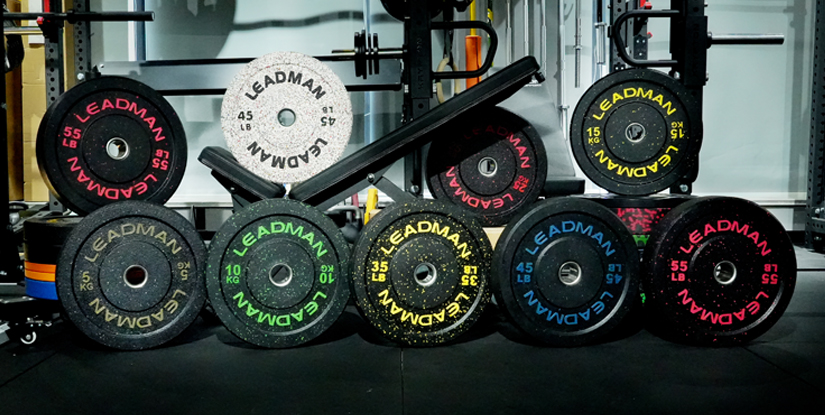
To maximize gym equipment longevity, we recommend prioritizing humidity control within your training zones. Utilizing industrial-grade dehumidifiers or climate-controlled storage can significantly mitigate the risk of moisture-induced damage. When not in active use, ensure that your equipment is kept off the floor and away from direct contact with damp surfaces. Implementing these moisture protection standards—such as using elevated racks and maintaining consistent air circulation—is a cornerstone of professional upkeep. By controlling the ambient environment, you safeguard the structural integrity of your shipment and ensure your high-value inventory remains in peak condition for years to come.
Preventing Oxidation and Surface Degradation on Weight Plates
In high-traffic training facilities, the structural integrity of your inventory is constantly under siege from environmental factors. The primary culprit behind the premature aging of olympic size rods and weight plates is a chemical process known as oxidation. When metal surfaces encounter moisture exposure—whether from high ambient humidity or direct contact with perspiration—a chemical reaction occurs that can compromise the finish and structural density of the equipment.
Without strict humidity control within your facility, even premium-grade steel is susceptible to surface degradation causes such as pitting and rust. This is not merely an aesthetic issue; uncontrolled oxidation can lead to friction issues in bearings and a decrease in the overall lifespan of your assets. For distributors and gym owners, prioritizing oxidation prevention through proper storage and climate management is a fundamental step in ensuring long-term gym equipment longevity and protecting your initial capital investment.
When sourcing inventory, understanding the inherent material durability of your stock is vital for setting realistic weight plate maintenance protocols. Different materials react uniquely to moisture and friction, which directly influences your long-term operational costs. For instance, the choice between cast iron vs bumper plates dictates whether your primary concern is rust prevention or surface abrasion management.
While cast iron is highly durable, its exposed metallic surface is extremely vulnerable to oxidation if the coating is chipped. Conversely, high-quality rubberized bumper plates offer better protection against impact, yet require different care to prevent rubber degradation. To help you decide on the most efficient upkeep strategy for your facility, we have outlined a maintenance difficulty comparison below.
| Material Type | Primary Vulnerability | Maintenance Focus | Difficulty Level |
|---|---|---|---|
| Cast Iron | Moisture & Oxidation | Rust prevention & coating repair | Moderate |
| Rubber Bumper | UV & Surface Abrasion | Cleaning & temperature control | Low |
| Steel/Vinyl | Surface Scratches | Gentle wiping & dry storage | Low |
To mitigate these risks, facility managers should implement standardized cleaning protocols that go beyond surface-level wiping. A comprehensive barbell care guide should prioritize the removal of sweat, chalk, and skin oils immediately after use. We recommend using a non-abrasive, pH-neutral cleaner to sanitize the knurling and plate surfaces, followed by a thorough drying process. Leaving equipment damp is the fastest way to trigger oxidation, regardless of the quality of your initial procurement.
Beyond active cleaning, effective storage solutions are the backbone of gym equipment longevity. Rather than leaving olympic size rods and weight plates on the gym floor, utilize vertical racks and specialized plate trees that allow for airflow. Ideally, all heavy lifting inventory should be kept in a moisture-free environment with stable temperature controls. By incorporating these routine maintenance tips into your staff training, you significantly reduce the frequency of replacement cycles and protect the long-term value of your facility's assets.
Optimizing Storage Solutions for Long-Term Asset Integrity
Improper handling of high-value inventory can lead to rapid depreciation. When sourcing for a commercial facility, many buyers overlook how environmental factors impact their initial investment. A fundamental part of any professional barbell care guide involves more than just cleaning; it requires strategic organized storage to ensure your olympic size rods and weight plates remain in peak condition. Without a dedicated setup, even premium steel is susceptible to structural issues and surface degradation.
One of the primary risks of neglected storage is the lack of moisture control, which triggers oxidation and rust. Furthermore, leaving heavy loads in improper positions can prevent bending and permanent structural deformation over time. To maximize your ROI, consider the following storage configurations based on your facility's scale and budget:
| Storage Method | Primary Benefit | Maintenance Level | Asset Protection |
|---|---|---|---|
| Vertical Barbell Trees | Space efficiency | Low | High (prevents bending) |
| Horizontal Weight Racks | Easy access | Medium | High (weight distribution) |
| Wall-Mounted Pegs | Floor clearance | Low | Medium (moisture exposure) |
By implementing these systems, you protect your olympic size rods and weight plates from the physical and environmental stressors that diminish gym equipment longevity. Investing in quality storage is as critical as the procurement of the equipment itself.
Selecting the right configuration depends heavily on your facility's floor plan and the frequency of use. For high-traffic commercial gyms, vertical storage via barbell trees is often the preferred choice to maximize space efficiency. By lifting the bars off the ground, you eliminate direct contact with floor moisture, which is a critical component of proactive weight plate maintenance and metal preservation. However, while verticality saves floor area, it requires a sturdy base to ensure stability.
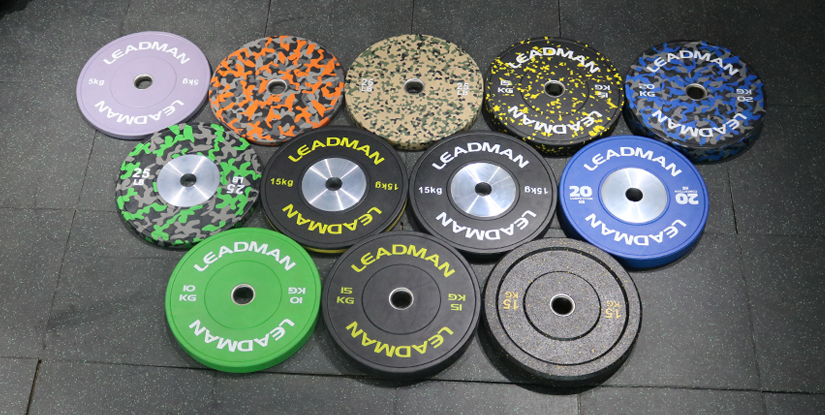
Conversely, horizontal racks offer superior weight distribution for your heaviest sets. Using dedicated plate trees or horizontal shelving prevents the uneven pressure that can occur with disorganized floor stacking. While floor stacking is a low-cost option, it often leads to uneven weight distribution and potential damage to the knurling of your bars. For distributors and gym owners looking to optimize gym equipment longevity, a hybrid approach—using horizontal racks for heavy plates and vertical trees for bars—provides the best balance of accessibility and long-term asset protection.
Beyond physical organization, strict humidity regulation is the most effective way to prevent rust in high-performance metal. In many climates, even a well-organized rack can become a site for oxidation if the air is saturated with moisture. We recommend utilizing dehumidifiers or climate-controlled storage areas to maintain a stable environment. This level of oversight ensures the long-term asset integrity of your inventory, preventing the unsightly pitting and corrosion that can devalue a professional setup.
Additionally, never underestimate the importance of floor protection. Constant vibration and heavy impact from dropping olympic size rods and weight plates can lead to micro-fractures in subflooring or uneven settling. Utilizing high-density rubber matting not only absorbs shock but also creates a moisture barrier between the equipment and the ground. By prioritizing these environmental safeguards during your procurement planning, you ensure that your initial capital expenditure yields a much higher ROI through extended service life and reduced replacement frequency.
Standardizing Maintenance Protocols Across Large-Scale Facilities
For high-traffic training centers and commercial distributors, the true cost of ownership is not found in the initial purchase order, but in the long-term upkeep of assets. Neglecting the care of olympic size rods and weight plates leads to accelerated wear, forcing premature replacement cycles that drain operational budgets. To ensure gym equipment longevity, facility owners must transition from reactive repairs to proactive management. By implementing routine inspection schedules, you can identify microscopic oxidation or structural fatigue before they compromise user safety or equipment utility.
A standardized approach to facility management ensures that every piece of iron performs predictably. When your team maintains high standards for weight plate maintenance and barbell upkeep, you secure consistent performance across all training zones. This disciplined oversight protects your capital investment, ensuring that your high-quality inventory remains a reliable asset rather than a mounting maintenance liability.
To streamline operations, we recommend categorizing your maintenance workflow into two distinct tracks based on the specific mechanical requirements of each component. This systematic approach ensures that your barbell care guide remains actionable for staff and prevents the oversight of critical safety elements.
Tiered Maintenance Framework
Establishing a clear inspection frequency allows your team to allocate labor efficiently without disrupting daily training sessions. For high-performance facilities, we suggest the following division of labor:
- Mechanical Precision (Rods): Focus on the structural integrity of the knurling and the smoothness of the sleeve rotation. Preventative care should include checking for shaft bends and ensuring the bearing or bushing systems remain free of debris.
- Surface & Composition (Plates): Prioritize routine cleaning to remove sweat, chalk, and dust. Effective weight plate maintenance prevents material degradation and ensures that the center holes remain perfectly concentric for smooth loading.
By treating these as separate maintenance workflows, you mitigate the risk of unexpected equipment failure and maximize the lifespan of your entire inventory.
Beyond the physical tasks, the real driver of cost-efficiency is the integration of standard operating procedures (SOPs) into your daily facility culture. Relying on ad-hoc fixes is a costly mistake; instead, investing in professional training for your floor staff transforms them from simple users into frontline guardians of your assets. When technicians and trainers understand the nuances of olympic size rods and weight plates, they can execute preventative maintenance with precision, catching minor issues like sleeve friction or plate oxidation before they escalate into expensive replacements.
This rigorous approach directly impacts the total equipment lifecycle. A facility that prioritizes standardized care protocols will see a significantly lower total cost of ownership compared to those following a reactive model. By institutionalizing these habits, you protect your initial procurement investment and ensure that your high-grade steel and cast iron assets remain in peak condition for years, providing a much higher return on investment for your facility.
Evaluating Material Quality for Reduced Replacement Cycles
When sourcing for a high-traffic facility, the debate between durability vs. initial cost often determines your bottom line. While budget-grade options may seem attractive during the initial procurement phase, they frequently lead to premature replacement cycles. To ensure the gym equipment longevity your business requires, it is essential to prioritize the metallurgical composition of your gear.
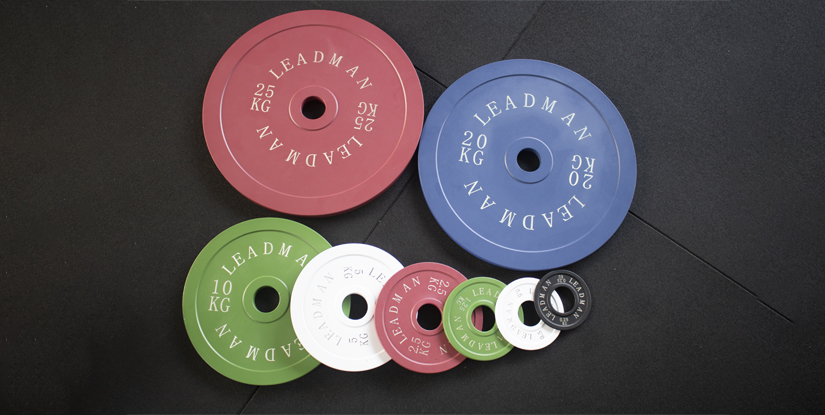
Premium olympic size rods and weight plates are typically engineered from high-tensile steel to withstand extreme mechanical stress. This superior material grade preserves the structural integrity of the barbell under heavy loads, preventing permanent bending or knurling wear. By selecting high-grade components, you are not just buying equipment; you are making a long-term investment. Investing in quality olympic size rods and weight plates reduces the frequency of turnover, effectively lowering your total cost of ownership and ensuring your facility remains operational without constant reinvestment in replacement stock.
To make an informed purchasing decision, you must weigh the upfront expenditure against the expected lifecycle of the equipment. Choosing the wrong material for your specific training environment can lead to unexpected maintenance costs or the need for rapid re-ordering. Use the following comparison to align your procurement strategy with your facility's actual usage patterns.
| Material Type | Typical Usage Scenario | Maintenance Level | Budget Impact |
|---|---|---|---|
| Chrome-Plated Steel | Standard Commercial Gyms | Moderate (Rust Prevention) | Mid-Range |
| Stainless Steel | High-End/Premium Training Centers | Low (Corrosion Resistant) | High Initial Cost |
| Cast Iron | Budget-Conscious/Home Studios | High (Chipping Risk) | Low |
| Urethane-Coated | Heavy-Duty/CrossFit Facilities | Very Low (High Impact Resistance) | Premium Investment |
When following a barbell care guide, remember that high-end finishes like stainless steel or urethane offer much better weight plate maintenance profiles. While cast iron or standard chrome might offer a lower entry price, the long-term weight plate maintenance and replacement costs often negate those initial savings in high-volume environments.
Ultimately, the most efficient procurement strategy focuses on quality over quantity. While it may be tempting to stock up on lower-tier inventory to meet a strict budget, the resulting reduced replacement frequency offered by premium materials provides a much higher return on investment. By choosing high-grade olympic size rods and weight plates, you minimize the logistical headaches of frequent re-ordering and the downtime associated with equipment failure.
A robust barbell care guide is only as effective as the equipment it addresses; even the best maintenance routines cannot fully compensate for substandard metallurgical quality. Prioritizing high-tensile steel and impact-resistant coatings ensures that your weight plate maintenance remains a routine task rather than a constant struggle against rust or structural fatigue. For professional distributors and facility owners, investing in superior builds is the most reliable way to guarantee long-term gym equipment longevity and maintain a professional training standard.
The Long-Term Value of Proactive Equipment Stewardship
For facility owners and distributors, the true cost of ownership extends far beyond the initial procurement invoice. While high-grade olympic size rods and weight plates represent a significant upfront capital expenditure, their long-term profitability depends entirely on how they are treated post-delivery. Neglecting basic upkeep often leads to premature oxidation, bearing friction, or surface degradation, which accelerates depreciation prevention failures and forces costly replacement cycles.
By integrating a structured barbell care guide into your standard operating procedures, you shift from a reactive "fix-it-when-it-breaks" mindset to a proactive asset management strategy. This approach ensures maximum gym equipment longevity, protecting the structural integrity of your premium inventory. Investing time in routine cleaning and lubrication is not just about aesthetics; it is a direct driver of cost-efficiency. When you maintain the precision of your lifting components, you safeguard your margins and ensure that your high-quality olympic size rods and weight plates remain high-performing assets rather than becoming depreciating liabilities.
To visualize the impact of your operational decisions, consider the following comparison between reactive neglect and proactive management. The difference in long-term value is often the deciding factor in whether a facility remains profitable or suffers from constant overhead spikes.
| Maintenance Scenario | Maintenance Frequency | Financial Impact | Equipment Lifespan |
|---|---|---|---|
| Reactive (Neglect) | Only when broken | High: Frequent cost of replacement vs. cost of care | Shortened: Rapid degradation |
| Proactive (Routine) | Scheduled intervals | Low: Minimal labor/supplies vs. high asset retention | Extended: Maximum gym equipment longevity |
A lack of consistent weight plate maintenance and rod inspection often leads to a cycle of emergency procurement and shipping costs. While the labor for routine care is minimal, the cost of replacement vs. cost of care favors the diligent owner every time. By prioritizing a consistent maintenance frequency, you protect the quality of your olympic size rods and weight plates, ensuring your capital expenditure continues to generate returns for years rather than months.
Ultimately, viewing your inventory through the lens of asset management rather than consumable expense is what distinguishes a premier facility from a standard gym. When you treat olympic size rods and weight plates as long-term capital investments, you are actively building a professional training environment that commands higher client retention and lower overhead. A well-maintained lifting floor signals quality and reliability to your members, reinforcing the value of your brand.
Prioritizing these small, repetitive actions is a cornerstone of sustainable gym operations. Instead of facing sudden, unbudgeted expenses due to rusted sleeves or damaged coatings, a disciplined approach to weight plate maintenance allows for predictable, controlled operational costs. By mastering the basics of equipment stewardship, you ensure that your high-performance hardware remains a reliable cornerstone of your facility, maximizing the return on every dollar spent during your initial sourcing phase.