neoprene vs vinyl kettlebell | Neoprene vs Vinyl Guide
Evaluating Long-Term Asset Value and Lifecycle Costs
A boutique fitness studio owner often prioritizes aesthetic appeal and low entry costs, whereas a large-scale commercial gym franchise must focus on the long-term durability of their inventory. When deciding between neoprene vs vinyl kettlebell options, the decision extends far beyond the initial invoice. For procurement managers, the true metric of success is the Total Cost of Ownership (TCO), which accounts for how frequently an item must be removed from circulation due to wear.
While some commercial kettlebell coatings may offer a lower initial investment, they often suffer from a higher replacement frequency in high-traffic environments. Neoprene, for instance, can be susceptible to tearing or peeling if the bonding process is not up to industrial standards, potentially increasing your long-term overhead. Conversely, high-grade vinyl often provides a more stable initial investment vs long-term value ratio, as it resists the degradation typically caused by constant friction and environmental exposure. Understanding these lifecycle nuances ensures your facility remains stocked without constant reordering cycles.
To assist in your budget forecasting, we have compiled a comparison of how these two common materials behave under standard commercial usage. This data helps distributors and facility managers weigh the trade-offs between upfront procurement savings and long-term maintenance requirements.
| Feature Evaluation | Neoprene Coating | Vinyl Coating |
|---|---|---|
| Typical Lifespan | Moderate (High-frequency wear) | Extended (High-durability) |
| Durability Profile | Prone to surface tearing/abrasion | Resistant to impact and scuffs |
| Maintenance Needs | Requires careful cleaning to prevent peeling | Low maintenance; easy to sanitize |
| Best Use Case | Yoga studios, boutique wellness centers | High-traffic gyms, CrossFit facilities |
When evaluating neoprene vs vinyl durability, it is essential to consider your facility's cleaning protocols and user density. While neoprene offers a soft, premium tactile feel, the maintenance requirements for vinyl are generally lower, making it a more predictable asset for large-scale inventory management. For wholesalers and distributors, selecting the appropriate coating can significantly reduce the frequency of replacement requests from end-users.
Logistics, Stability, and Inventory Reliability
Beyond the physical wear in the gym, procurement specialists must consider how material integrity affects the global supply chain. A critical component of any gym equipment procurement guide is the assessment of coating adhesion during transit. Neoprene, being a softer polymer, can sometimes be more sensitive to temperature fluctuations and pressure during bulk shipping. If the bonding process is substandard, the coating may suffer from localized compression or surface cracking before it even reaches your warehouse.
For distributors managing high inventory turnover, reliability is paramount. A shipment of vinyl-coated kettlebells typically offers higher bulk shipping stability due to the material's structural resilience. This reduces the risk of receiving damaged goods that fail to meet quality control (QC) standards upon arrival. When sourcing at scale, ensuring your manufacturer utilizes high-grade injection or dip-molding techniques is vital to prevent the "peeling effect" that can lead to costly returns and disrupted stock levels. Prioritizing these technical specifications during the initial RFQ stage protects your margins and ensures your clients receive consistent, high-quality inventory.
Material Integrity and Surface Durability in High-Traffic Environments
In high-traffic commercial fitness facilities, the frequency of usage dictates the total cost of ownership. When evaluating neoprene vs vinyl durability, procurement officers must look beyond the initial unit price and focus on how these commercial kettlebell coatings withstand constant impact and surface abrasion. In high-frequency usage scenarios—such as HIIT studios or CrossFit boxes—equipment is often dropped or set down with significant force, making the integrity of the outer layer a critical factor in replacement cycles.
Neoprene coatings generally offer superior shock absorption, which helps mitigate the risk of the coating separating from the cast iron core. Conversely, vinyl coatings, while easy to sanitize, may face higher peeling or cracking risks if the adhesion process during manufacturing is not strictly controlled. For distributors and gym owners, choosing the wrong material can lead to premature aesthetic degradation and increased maintenance overhead.
| Durability Factor | Neoprene Coating | Vinyl Coating |
|---|---|---|
| Impact Resistance | High (Absorbs shock) | Moderate (Prone to dents) |
| Surface Abrasion | Resistant to scuffing | Vulnerable to scratches |
| Long-term Integrity | Low risk of cracking | Risk of peeling over time |
| Maintenance Cycle | Extended lifecycle | Requires frequent inspection |
Strategic Sourcing Note: When placing bulk orders, we recommend requesting samples specifically to test the bond strength of the coating. A high-quality manufacturing process ensures that the coating remains a seamless part of the tool, even under rigorous commercial use.
To accurately calculate the Total Cost of Ownership (TCO), buyers must distinguish between surface scuffing and structural failure. Neoprene typically experiences gradual surface wear, whereas vinyl is more susceptible to sudden material delamination. Understanding these failure modes allows procurement teams to better forecast replacement cycles and budget for long-term inventory replenishment.
| Material | Typical Failure Mode | Maintenance Requirement | Best Use Case | Durability Rating |
|---|---|---|---|---|
| Neoprene | Surface scuffing | Minimal (Wipe down) | HIIT & High-Impact Studios | High |
| Vinyl | Peeling & Cracking | Regular Inspection | Commercial Boutique Gyms | Moderate |
For distributors managing large-scale facility rollouts, the choice between neoprene vs vinyl kettlebell options often comes down to the environment. If your clients prioritize equipment that can withstand heavy drops and high-intensity movement, neoprene offers a more resilient profile. However, if the priority is a smooth, non-porous surface for rapid sanitation in low-impact settings, vinyl remains a cost-effective standard.
Rigorous Quality Control and Receiving Protocols
For procurement managers handling large-scale shipments, the risk of receiving inconsistent batches is a significant concern. Even within the same production run, variations in coating adhesion can lead to premature failure in the field. To mitigate this, we advise implementing a strict inspection protocol during the bulk receiving phase. Rather than a superficial visual check, your team should perform a physical "scratch and squeeze" test on a randomized sample from each pallet to ensure the coating is seamlessly bonded to the core.
When evaluating batch consistency, pay close attention to the uniformity of the surface texture. In many cases, uneven thickness or air bubbles within the coating can indicate a lack of precision during the dip or injection process. A vital bulk procurement tip: always request a pre-shipment inspection report from your manufacturer that specifically validates the thickness and bond strength of the coating across different weight increments.
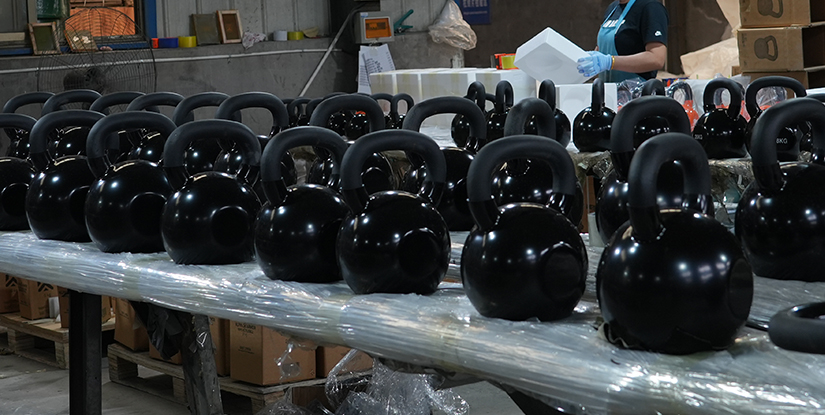
By establishing a clear long-term maintenance window—typically every six months for high-impact zones—facility managers can identify early signs of delamination or surface fatigue. Proactive monitoring ensures that minor coating issues do not escalate into full-scale equipment replacements, protecting both your budget and your facility's professional appearance.
Grip Performance and User Experience Standards
When selecting equipment for high-traffic training zones, the tactile interaction between the athlete and the weight dictates long-term user satisfaction. In the debate of neoprene vs vinyl kettlebell applications, the choice of coating directly impacts how much friction is available during high-repetition movements. Neoprene offers a softer, high-friction grip that remains comfortable even when hands become sweaty, making it a staple for boutique studios and functional fitness programming. However, from a procurement standpoint, the density and texture of the material must be vetted to ensure consistent grip performance across an entire shipment.
Vinyl coatings, conversely, provide a smoother, more streamlined surface that is often preferred in multi-purpose commercial settings. While vinyl can feel more "slick" under heavy perspiration, it offers a distinct advantage in terms of hygiene and ease of maintenance. For facility managers, understanding the nuances of commercial kettlebell coatings is essential for calculating the Total Cost of Ownership. A coating that fails prematurely due to surface degradation or improper cleaning protocols will result in frequent replacement cycles, driving up long-term operational costs and complicating inventory management.
Durability and Environmental Resilience
Beyond the immediate tactile feel, procurement officers must evaluate the long-term neoprene vs vinyl durability through the lens of environmental stressors. Neoprene, being a porous elastomer, is highly susceptible to moisture absorption and UV exposure. In facilities with high humidity or inadequate climate control, the material can undergo structural degradation, leading to unsightly peeling or cracking. This necessitates a more rigorous maintenance frequency, as the coating may lose its integrity if exposed to harsh chemical disinfectants or extreme temperature fluctuations.
In contrast, vinyl-coated options typically demonstrate superior moisture resistance, making them a more resilient choice for diverse training environments. The non-porous nature of high-quality vinyl prevents deep-seated perspiration from compromising the shell, which is a critical factor for maintaining hygiene standards in high-volume gyms. While neoprene provides a premium feel, vinyl often offers a more predictable lifespan in high-traffic zones, reducing the risk of sudden replacement needs and ensuring a more stable inventory cycle for distributors and facility owners.
Maintenance and Lifespan Comparison
For distributors and facility managers, the decision between these two materials often hinges on the projected replacement cycle and the available labor for upkeep. A high-maintenance inventory can lead to hidden operational costs that outweigh the initial savings of a lower-priced unit. To assist in your procurement planning, we have outlined the standard maintenance profiles for both material types below.
| Material Type | Cleaning Method | Wear Resistance | Expected Lifespan | Best Use Case |
|---|---|---|---|---|
| Neoprene | Mild soap and damp cloth; avoid harsh solvents | Moderate (prone to tearing or peeling) | Medium-term | Boutique studios and yoga-centric gyms |
| Vinyl | Standard disinfectant wipes or non-abrasive cleaners | High (resilient against moisture and friction) | Long-term | High-traffic commercial gyms and outdoor facilities |
When sourcing in bulk, we recommend verifying the quality control standards regarding the adhesion of the coating to the internal core. For high-volume distributors, selecting a vinyl option often simplifies the logistics of long-term client satisfaction, as the material handles the rigorous cleaning protocols of modern commercial environments with significantly less degradation.
Sourcing Strategies for Bulk Neoprene and Vinyl Inventory
When scaling a fitness facility or fulfilling a large-scale distribution order, the decision between a neoprene vs vinyl kettlebell often comes down to a complex calculation of capital expenditure versus long-term value. From a procurement standpoint, the initial investment for vinyl-coated options is frequently lower, making them an attractive choice for budget-conscious startups or high-turnover boutique studios looking to minimize upfront CAPEX.
However, savvy facility managers must look beyond the invoice to understand the total cost of ownership (TCO). While vinyl coatings offer a cost-effective entry point, they may suffer from different wear patterns compared to neoprene under heavy commercial use. Choosing the wrong commercial kettlebell coatings can lead to an increased replacement frequency, ultimately driving up operational costs through frequent re-ordering and logistics overhead. We advise buyers to weigh the immediate savings of vinyl against the potential longevity of neoprene to ensure that your bulk procurement strategy aligns with both your current budget and your long-term maintenance cycles.
To streamline your decision-making process, we have developed a framework that categorizes these materials based on facility type and usage intensity. This comparison helps distributors and procurement officers determine whether the lower vinyl kettlebell cost or the premium durability of neoprene offers the best return on investment for their specific client base.
Cost and Durability Framework by Facility Type
The following table provides a high-level overview of how these two coating types typically perform across different commercial environments. Use this as a baseline for your inventory planning and client recommendations.
| Facility Profile | Recommended Coating | Primary Driver | Expected Lifespan |
|---|---|---|---|
| Boutique Studios & Home Gyms | Vinyl | Budget-friendly / Low CAPEX | Moderate |
| Standard Commercial Gyms | Neoprene | Balanced Performance | High |
| High-traffic Gyms & CrossFit Boxes | Neoprene (Heavy Duty) | Premium Durability | Very High |
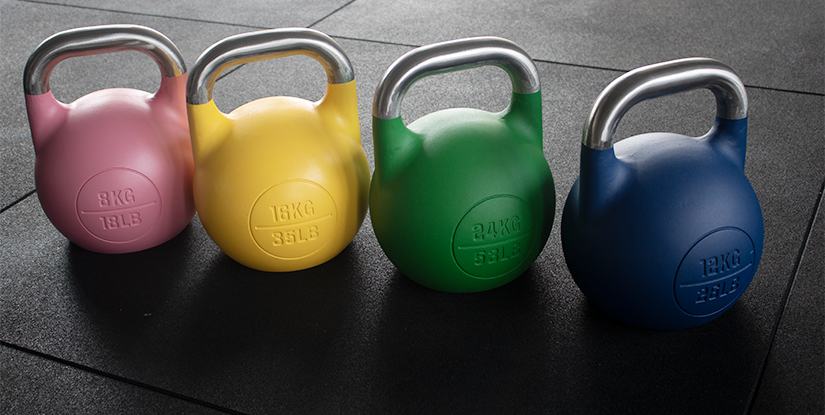
For distributors managing high-volume orders, we recommend a tiered inventory approach. While vinyl is an excellent option for entry-level retail or low-intensity studio settings, a high-traffic gym environment generally requires the resilience of neoprene to prevent frequent replacement cycles and maintain a professional appearance.
Optimizing Wholesale Sourcing and Logistics
When executing large-scale orders, your gym equipment procurement guide should prioritize more than just unit price. Successful wholesale sourcing requires a deep dive into manufacturer capabilities regarding MOQ (Minimum Order Quantity) and technical precision. For instance, when ordering neoprene vs vinyl kettlebell sets in bulk, the primary risk is not just the cost, but the variance in material application across different weight increments.
We strongly recommend requesting detailed quality control (QC) reports that specifically address coating consistency. A high-quality manufacturer should be able to demonstrate that the thickness of the neoprene or vinyl remains uniform across a full weight range to prevent peeling or uneven grip. Additionally, because these items are high-density and heavy, your logistics planning must account for high shipping volume and weight-to-volume ratios. Efficiently palletizing these items is critical to reducing freight costs and preventing damage during transit. Always confirm that your supplier provides standardized packaging that can withstand the rigors of international sea freight to ensure your inventory arrives in retail-ready condition.
Quality Control Benchmarks for Commercial Kettlebell Coatings
In high-traffic gym environments, the distinction between a premium facility and one with aging equipment often comes down to how well the surface coatings withstand daily friction. When evaluating the neoprene vs vinyl kettlebell debate, procurement professionals must look beyond the initial purchase price and focus on the long-term maintenance costs associated with surface degradation.
Neoprene coatings, while excellent for grip, are susceptible to tearing or peeling if the underlying material is not high-grade, often requiring more frequent replacement in heavy-use zones. Conversely, vinyl offers a more resilient, non-porous shield that resists moisture and sweat, yet it can become slick under specific conditions. For distributors and facility managers, understanding these nuances in commercial kettlebell coatings is vital for calculating the Total Cost of Ownership (TCO). Choosing the wrong material can lead to premature replacement cycles, increasing your restocking frequency and impacting your bottom line.
Effective facility management requires a standardized approach to hygiene and surface care. While both materials are designed for heavy use, their chemical resistance and reaction to cleaning agents differ significantly. Neoprene, being a porous polymer, tends to absorb organic matter more readily, necessitating strict adherence to non-abrasive cleaning protocols to prevent degradation. Vinyl, being non-porous, generally offers superior resistance to common gym disinfectants, though it remains sensitive to certain harsh solvent-based cleaners that can compromise its surface integrity over time.
To assist in your procurement decision, the following table outlines the typical maintenance benchmarks and durability expectations for these two coating types in a commercial setting.
| Feature/Requirement | Neoprene Coating | Vinyl Coating |
|---|---|---|
| Surface Integrity | High grip; prone to minor abrasions | Smooth finish; highly resistant to tears |
| Chemical Resistance | Sensitive to harsh solvents | Resistant to most standard sanitizers |
| Cleaning Protocol | Mild soap and water; avoid scrubbing | Damp cloth; quick-dry disinfectant |
| Maintenance Frequency | Moderate (requires regular inspection) | Low (standard wipe-down) |
| Long-term Durability | Subject to surface wear in high-friction zones | High durability against moisture/sweat |
When sourcing for large-scale distribution or multi-site facility rollouts, we recommend requesting samples to test neoprene vs vinyl durability against your specific facility cleaning agents. This ensures your chosen equipment meets both your aesthetic standards and your operational maintenance capacity.
Inspection Cycles and Replacement Triggers
Proactive facility management relies on a disciplined inspection schedule to prevent safety liabilities. We recommend that procurement teams implement a quarterly inspection cycle for all weighted training equipment. During these checks, staff should look for specific indicators of degradation that signal the need for replacement. For neoprene options, the primary concern is surface fraying or localized tearing, which can compromise grip and harbor bacteria. For vinyl, the focus should be on the presence of coating peeling or bubbling, often caused by improper chemical exposure or extreme temperature shifts.
Establishing clear replacement triggers is essential for maintaining high hygiene standards and user safety. If you observe any significant loss of surface texture or exposed core material, the unit should be removed from rotation immediately. In high-intensity training zones, these triggers often occur sooner than in general strength areas. By incorporating these benchmarks into your standard operating procedures, you can manage your inventory more effectively and ensure that your equipment lifespan aligns with your long-term budget projections.
Logistics and Packaging Optimization for International Shipments
When planning large-scale procurement, the physical footprint of your order often dictates the final landed cost more than the unit price itself. In the debate of neoprene vs vinyl kettlebell selection, the density of the coating significantly impacts the shipping volume. Neoprene coatings tend to be thicker and more textured, which can increase the outer diameter of the kettlebell compared to a sleek, high-density vinyl finish. For distributors managing bulk orders, these subtle differences in exterior dimensions aggregate quickly during palletization.
From a freight optimization standpoint, the increased bulkiness of neoprene can lead to a higher volumetric weight, potentially triggering higher dimensional weight charges from air or sea freight carriers. If your facility is sourcing high volumes, we recommend reviewing the exact dimensions per SKU to ensure your container or pallet configuration remains efficient. Choosing a more compact vinyl option may allow for tighter packing densities, effectively reducing the total shipping volume and lowering your long-term logistics overhead.
To facilitate a more precise procurement decision-making process, we have outlined the typical economic trade-offs between these two commercial kettlebell coatings. While unit costs may appear similar at a glance, the total landed cost (TLC) is heavily influenced by the weight-to-volume ratio and the required packaging durability for long-haul transit.
| Cost & Logistics Factor | Neoprene Coated Options | Vinyl Coated Options |
|---|---|---|
| Volumetric Impact | Higher; thicker profile increases dimensional weight. | Lower; more compact surface allows for tighter palletization. |
| Packaging Requirements | Requires reinforced boxing to protect textured surface. | Standard high-density cartons are usually sufficient. |
| Shipping Cost Factor | Potentially higher per unit due to bulkier dimensions. | Optimized for sea freight container density. |
| Long-term Maintenance | Higher replacement frequency in high-traffic zones. | Lower TCO due to superior coating resilience. |
When evaluating your inventory strategy, consider that vinyl often provides a more predictable shipping profile for international distributors. While neoprene offers a premium tactile feel, the increased volume can complicate container loading optimization. We suggest requesting a detailed packing list and dimensional breakdown from your supplier to calculate your exact freight expenditure before finalizing large-scale purchase orders.
Beyond immediate freight costs, procurement professionals must account for the environmental variables encountered during long-haul transit. The neoprene vs vinyl durability comparison extends into how these materials behave in high-humidity sea containers or non-climate-controlled warehouse storage. Neoprene, being a porous, cellular material, is more susceptible to moisture absorption if the outer packaging is compromised. This can lead to degradation of the coating's structural integrity or even scent issues during extended international shipment safety windows.
In contrast, vinyl serves as a non-porous barrier, offering superior moisture resistance that is critical for maintaining long-term maintenance standards. For distributors receiving large shipments in coastal regions or humid climates, vinyl-coated products typically arrive in a more stable condition. When sourcing for high-traffic commercial gyms, the resilience of the coating against environmental aging ensures that your inventory remains a high-value asset rather than a liability prone to premature wear or surface breakdown before it even reaches the gym floor.
Strategic Procurement Checklist for Facility Managers
When sourcing for high-traffic fitness centers, focusing solely on the unit price of a single shipment is a common procurement oversight. To achieve a sustainable bottom line, facility managers must evaluate the Total Cost of Ownership (TCO). This involves analyzing how different commercial kettlebell coatings behave under constant friction and environmental exposure over several years.
The primary differentiator in a lifecycle assessment is how the coating reacts to heavy usage. While vinyl might offer a lower entry cost, its tendency to crack or peel under high-impact scenarios can shorten its functional life. Conversely, high-grade neoprene typically offers superior neoprene vs vinyl durability in terms of impact absorption, though it requires specific cleaning protocols to prevent moisture retention. Understanding the maintenance window—the time between required deep cleans or replacements—is essential for accurate budgeting and long-term inventory planning.
| Procurement Factor | Neoprene Coated | Vinyl Coated |
|---|---|---|
| Expected Lifespan | High (Durable/Impact Resistant) | Moderate (Prone to surface cracking) |
| Maintenance Effort | Low (Wipe down with damp cloth) | Low (Standard sanitization) |
| Replacement Frequency | Infrequent in commercial settings | Higher in high-intensity zones |
| TCO Profile | Higher initial cost; lower long-term | Lower initial cost; higher replacement cycle |
Ultimately, your replacement frequency dictates your annual procurement budget. For premium studios, investing in more resilient coatings reduces the logistical headache of frequent reordering and shipping costs for replacement stock.
Comparison Table: Coating Durability & Maintenance
To streamline your quality control process during factory inspections or distributor audits, use the following technical benchmarks. This data helps differentiate between high-performance gear and budget-tier options that may fail under rigorous commercial use. When evaluating the neoprene vs vinyl kettlebell debate from a technical standpoint, focus on how each material responds to chemical exposure and physical abrasion.
| Technical Metric | Neoprene Performance | Vinyl Performance |
|---|---|---|
| Surface Abrasion Resistance | High; handles repeated floor impact well | Moderate; susceptible to punctures/scuffs |
| Chemical Resistance | Requires mild detergents; avoid harsh solvents | High; resistant to most standard sanitizers |
| Grip Longevity | Maintains texture under heavy perspiration | Can become slippery if surface oils build up |
| Typical Replacement Triggers | Structural deformation or deep tearing | Surface cracking, peeling, or discoloration |
Pro tip for procurement: When negotiating MOQs or shipping volumes, always request detailed specifications regarding the thickness of the coating. A thinner coating may lower your freight costs per unit but will significantly accelerate the replacement cycle in high-traffic environments, ultimately increasing your operational overhead.
Logistics and Quality Control Benchmarks
Successful bulk procurement requires looking beyond the surface level. When finalizing a purchase order, treat the gym equipment procurement guide as a technical checklist rather than a suggestion. To mitigate the risk of receiving substandard batches, you must verify the factory's technical capabilities regarding coating uniformity. A common failure point in lower-tier manufacturing is inconsistent application, where certain weight increments exhibit uneven thickness, leading to premature peeling during high-intensity training.
Before authorizing a large-scale shipment, ensure your QC inspection points include the following critical assessments:
- Coating Thickness Consistency: Confirm the manufacturer can maintain uniform thickness across all weight increments to prevent uneven weight distribution.
- Adhesion Strength: Verify the bonding integrity between the core and the coating to ensure durability during impact.
- Shipping Durability: Evaluate the manufacturer's packaging standards to prevent crushing or coating compression during long-haul maritime transit.
- MOQ and Customization: Clarify how MOQ considerations impact your ability to request specific coating textures or branded colors.
Strategic Sourcing Tip: Always request a pre-shipment sample from the actual production line intended for your order. This ensures that the neoprene vs vinyl kettlebell specifications you negotiated are physically present in the batch before it leaves the factory floor, protecting your capital and reducing the likelihood of costly returns.