Understanding the Different Types of Olympic Weight Plates
Vetting Manufacturers and Ensuring Material Consistency
When sourcing high-volume orders, professional buyers must look beyond the initial quote to mitigate three critical risks: technical specification deviations, long-term structural failure, and logistical inconsistencies. A failure to vet the underlying weight plate materials can lead to uneven load distribution or premature cracking, which ultimately damages your reputation as a supplier. Ensuring that your manufacturer adheres to strict manufacturing standards is the only way to guarantee that every shipment meets the rigorous demands of a commercial environment.
The fundamental difference in bumper plates vs iron plates lies in how they handle impact and density. While iron discs rely on high material density for precision, rubberized bumper plates require advanced vulcanization processes to prevent uneven wear. For distributors, the primary concern is consistency in weight and thickness; if the diameter varies even slightly between units, it can compromise barbell balance and user safety. Prioritizing high-quality olympic lifting equipment means selecting partners who maintain tight tolerances to ensure long-term durability across every set and every shipment.
Choosing between different types of olympic weight plates requires a strategic understanding of how your specific environment will affect the lifespan of the equipment. A high-traffic facility requires different weight plate materials than a boutique studio or a private residential space. To assist in your procurement decision, we have outlined the primary differences in durability and maintenance requirements below.
| Feature | Bumper Plates (Rubber/Urethane) | Iron Plates (Cast/Steel) |
|---|---|---|
| Impact Resistance | High; designed for heavy drops | Low; prone to chipping or cracking |
| Maintenance | Low; minimal upkeep required | Moderate; may require rust prevention |
| Ideal Use Case | Commercial Gyms & CrossFit Boxes | Home Gyms & Bodybuilding Studios |
| Long-term Durability | Superior for high-volume impact | Excellent for static, precision lifting |
When evaluating olympic lifting equipment, consider that while iron is often more budget-friendly for low-impact settings, rubberized options offer much higher impact resistance. For large-scale distributors, investing in high-grade bumper plates is generally the safer long-term play to ensure equipment longevity in demanding commercial environments.
To distinguish a premium supplier from a budget-tier factory, procurement specialists must look for subtle indicators of manufacturing excellence. A high-quality quality inspection process is evident in the fine details that generic manufacturers often overlook. For instance, examine the surface finish of the plates; a uniform, smooth texture indicates controlled cooling and advanced molding techniques, whereas pitting or unevenness suggests poor quality control. Furthermore, pay close attention to edge precision. In high-performance olympic lifting equipment, the edges must be perfectly concentric and smooth to prevent chipping during high-velocity drops or uneven barbell loading.
Securing long-term value requires more than just comparing unit prices; it demands verifying that the manufacturer maintains strict professional training standards throughout their production cycle. Reliable partners will provide documented evidence of weight tolerance testing and material density verification. By prioritizing these technical nuances over the lowest bid, distributors can avoid the costly pitfalls of inconsistent batches and ensure their clients receive equipment that meets global excellence standards.
Quality Control Standards for Weight Plate Precision
When sourcing high-volume orders, many distributors overlook the technical nuances of manufacturing tolerances. However, the distinction between premium olympic lifting equipment and substandard alternatives lies in the microscopic precision of the casting and molding process. Whether you are evaluating bumper plates vs iron plates, the demand for consistency remains high. For high-performance bumper plates, even a slight deviation in thickness can cause uneven loading on the barbell, affecting a lifter's center of gravity and increasing injury risks during heavy sets.
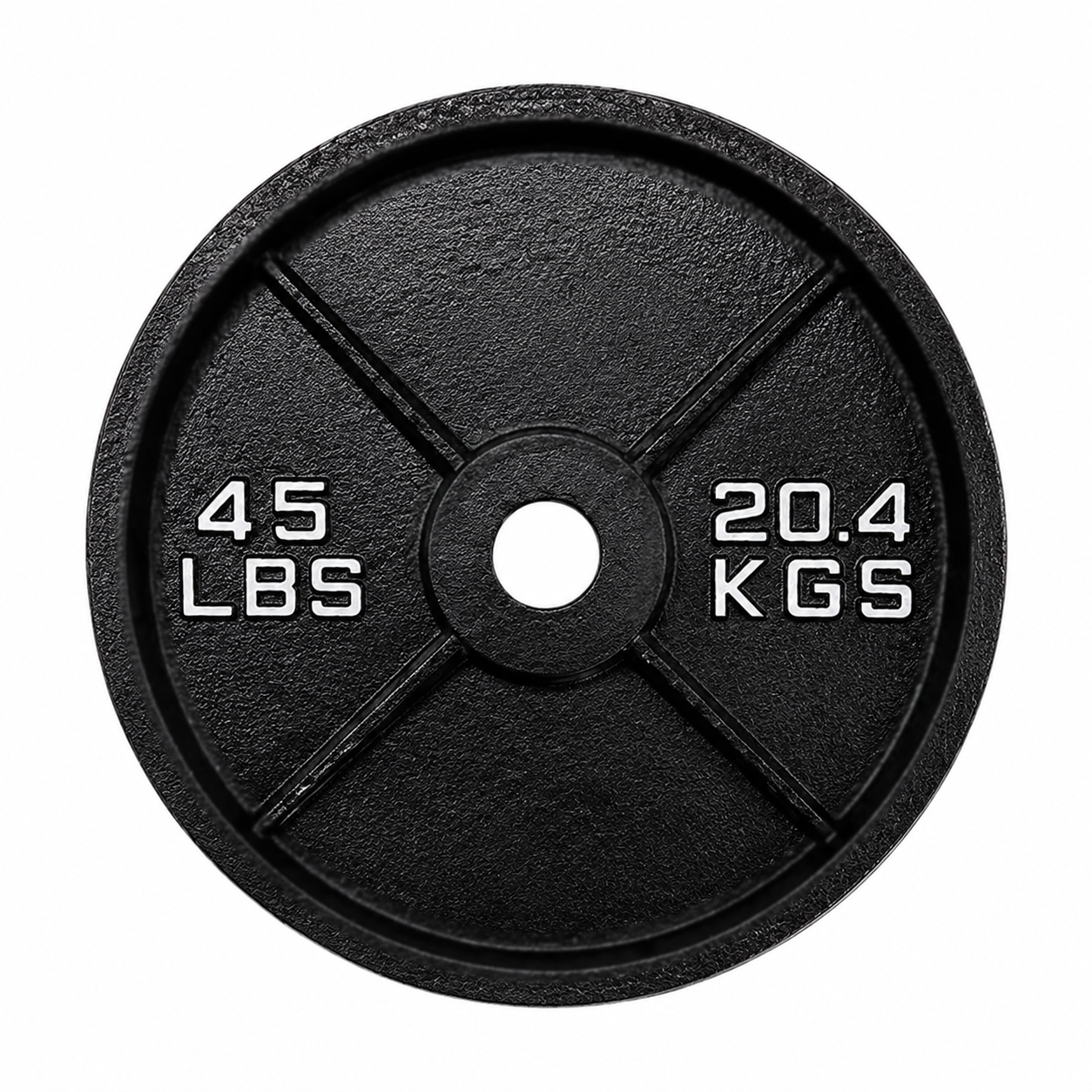
The quality of various weight plate materials—ranging from high-density rubber to cast iron—is defined by strict precision standards. Professional-grade types of olympic weight plates must adhere to tight tolerance levels to ensure that a 20kg plate actually weighs 20kg. For commercial gym owners and wholesalers, prioritizing manufacturers that implement rigorous quality control ensures that every shipment meets international weight accuracy requirements, maintaining the long-term reliability and safety of the training environment.
Beyond initial weight accuracy, long-term operational costs are heavily influenced by how different weight plate materials react to high-frequency use. For facility managers, understanding the relationship between material density and degradation is essential for budgeting replacement cycles. While high-end rubber may offer superior impact absorption, it requires different care than traditional metal discs. To help you decide which types of olympic weight plates best suit your facility's maintenance capacity, we have outlined the typical performance metrics below.
| Material Type | Typical Tolerance | Maintenance Needs | Longevity/Durability |
|---|---|---|---|
| Rubber Bumper Plates | ±1% to 3% | Low (Occasional wipe down) | High (Excellent impact resistance) |
| Cast Iron Discs | ±1% to 2% | Moderate (Rust prevention/Cleaning) | Very High (Virtually indestructible) |
| Steel/Precision Plates | ±0.25% to 0.5% | High (Strict cleanliness required) | High (Depends on coating quality) |
When evaluating bumper plates vs iron plates for large-scale distribution, consider that rubberized surfaces are generally more forgiving in high-traffic environments, whereas metal plates may require more frequent inspections for oxidation or surface wear to maintain professional standards.
Optimizing Lifespan Through Proper Care
Maintaining the integrity of premium olympic lifting equipment requires a proactive approach to facility management. To ensure your investment remains a high-performing asset, implement standardized cleaning protocols tailored to specific weight plate materials. For rubberized surfaces, a simple damp cloth is sufficient, but for metal-based types of olympic weight plates, moisture is a primary enemy. We recommend regular inspections to identify early signs of preventing oxidation; if any surface rust appears, a light application of specialized metal protectant can halt the process before it compromises structural integrity.
Effective storage tips are equally vital for long-term durability. Avoid storing plates in high-humidity environments or directly on damp concrete floors, which can accelerate wear. Furthermore, your staff should perform routine checking for balance by inspecting the center holes and surface evenness. This ensures that the plates remain perfectly calibrated for high-intensity training. By adhering to these systematic maintenance habits, distributors and gym owners can significantly extend the functional life of their inventory, ensuring consistent performance and reducing the frequency of replacement cycles.
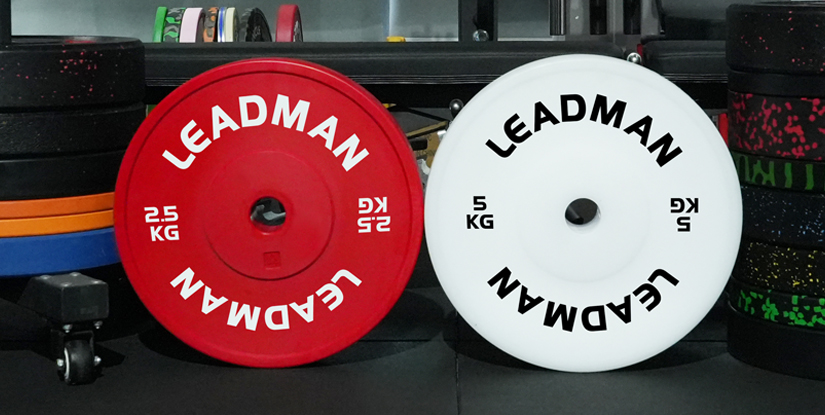
Comparing Bumper Plates vs Iron Plates for Performance
When sourcing high-quality olympic lifting equipment, the most critical decision for your budget involves the fundamental trade-off between durability vs upfront cost. While both options serve the same primary function, the types of olympic weight plates you select will dictate your long-term maintenance schedule and replacement frequency. For many gym owners and distributors, understanding the economic profile of bumper plates vs iron plates is the first step in calculating a realistic total cost of ownership.
Iron plates generally offer a lower initial investment, making them a staple for traditional strength training environments where weights are rarely dropped. In contrast, high-density rubber bumper plates are engineered to withstand the impact of high-intensity functional training, justifying a higher price point through extended service life in high-traffic facilities.
| Investment Factor | Iron Discs | Rubber Bumper Plates |
|---|---|---|
| Initial Capital Outlay | Low / Budget-Friendly | Moderate to High |
| Impact Resilience | Low (Risk of cracking/damage) | High (Designed for drops) |
| Long-term Maintenance | Frequent (Rust/Surface wear) | Minimal (Durable coating) |
| Best Use Case | Standard Strength Training | Olympic Lifting & HIIT |
Deciding on the specific weight plate materials requires a strategic look at your facility's primary movement patterns. If your business model focuses on a high-volume commercial gym or a CrossFit box, the increased cost of rubber is often offset by reduced facility damage and lower replacement rates. Conversely, for boutique weight rooms or home-office setups where floor protection is a priority and heavy dropping is discouraged, iron remains a highly efficient choice.
When evaluating these types of olympic weight plates, consider that the "cheaper" option may incur hidden costs in flooring repair or frequent re-ordering. A robust procurement strategy balances the immediate budget levels with the long-term operational needs of your training environments. Whether you are stocking a professional competition venue or a localized fitness studio, selecting the right material ensures your equipment investment survives the rigors of daily commercial use.
To make a truly cost-effective choice, you must look beyond the initial invoice and evaluate the long-term value of your olympic lifting equipment. A common mistake in procurement is prioritizing the lowest unit price without accounting for the wear and tear inherent to different training styles. For instance, a home gym vs commercial gym setup requires vastly different economic logic; a home user might prioritize the low entry cost of iron, whereas a high-traffic facility must account for the depreciation of equipment and potential floor damage.
When sourcing at scale, we recommend analyzing the lifecycle of each material. While premium rubberized weight plate materials carry a higher upfront premium, their ability to absorb shock reduces the frequency of replacement and protects your facility's structural integrity. Ultimately, the most professional approach is to invest in quality that matches your usage intensity, ensuring that your capital expenditure translates into years of reliable, high-performance training.
Selecting the Right Weight Plate Materials for Your Gym Environment
When sourcing inventory for a commercial facility, understanding the fundamental differences in weight plate materials is essential for long-term operational success. The primary decision often comes down to bumper plates vs iron plates, a choice that dictates both your maintenance schedule and the longevity of your facility's flooring.
For facilities focusing on high-impact training, such as CrossFit boxes or weightlifting gyms, high-density rubberized bumper plates are the industry standard. These are engineered for extreme durability, allowing athletes to drop weights safely without causing structural damage. Beyond the plates themselves, the superior floor protection offered by rubberized edges is a critical factor in reducing long-term facility repair costs. Conversely, cast iron or steel plates offer unparalleled density and precision for traditional strength training, but they lack the shock absorption required for heavy drops. Selecting the correct material ensures your equipment can withstand rigorous usage cycles while protecting your venue's physical assets.
To streamline your procurement process, we have categorized the most common types of olympic weight plates based on their operational utility. This comparison helps you align your inventory with your specific training environment and long-term budget.
| Material Type | Best Use Case | Durability Level | Maintenance | Budget Consideration |
|---|---|---|---|---|
| Rubber Bumper Plates | CrossFit & Olympic Lifting | Very High (Impact Resistant) | Low (Easy to clean) | Moderate to High |
| Cast Iron Discs | Standard Strength Training | High (Rigid/Dense) | Moderate (Rust prevention) | Budget-Friendly |
| Steel/Precision Plates | Powerlifting/Competition | Extreme (High Precision) | High (Careful handling) | Premium Investment |
When evaluating olympic lifting equipment, remember that while iron plates offer a lower entry cost, rubberized options significantly extend the lifespan of your facility's flooring and reduce noise pollution in multi-use spaces.
Environmental Suitability and Long-Term Maintenance
Beyond the immediate impact resistance, professional buyers must consider how environmental variables affect the lifespan of their olympic lifting equipment. For instance, metal-based discs are highly susceptible to oxidation if stored in suboptimal conditions. In regions with high humidity, untreated iron can quickly succumb to surface degradation, which not only looks unprofessional but can also compromise the integrity of the plate over time. To ensure effective rust prevention, we recommend prioritizing plates with high-quality powder coating or specialized plating, especially when shipping to coastal or tropical markets.
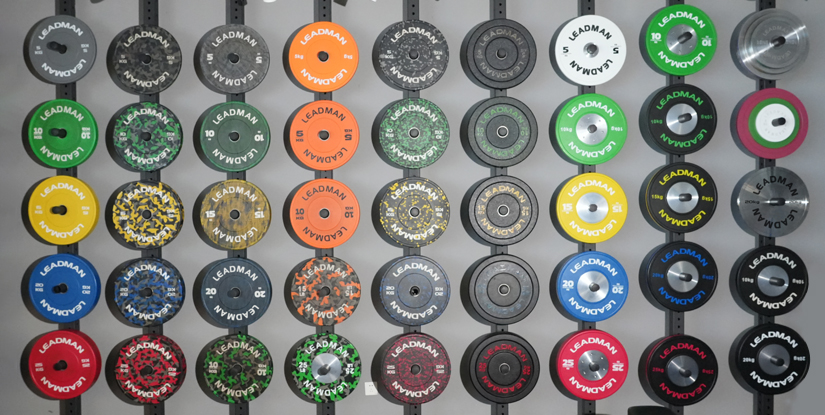
Managing long-term wear requires a proactive approach to facility upkeep. While rubber bumper plates are generally more resilient against moisture, they can still face issues with UV exposure or extreme temperature fluctuations, which may affect the elasticity of the outer rim. Our professional maintenance tips for gym owners include keeping equipment in climate-controlled environments whenever possible and performing regular inspections for any signs of material fatigue. By selecting the right weight plate materials for your specific climate, you protect your initial investment and reduce the frequency of costly replacement cycles.
Optimizing Storage and Layout with Different Plate Profiles
When designing a high-performance facility, the physical footprint of your inventory is a critical logistical factor. One of the primary distinctions in weight plate materials involves the physical profile of the disc, which directly dictates your space efficiency. For instance, when evaluating bumper plates vs iron plates, the thickness comparison becomes a deciding factor for long-term layout planning.
Bumper plates are engineered with a wider diameter and a thicker cross-section to absorb impact, which means they occupy significantly more volume per kilogram. While essential for high-impact olymic lifting equipment, they require more robust vertical storage solutions, such as heavy-duty weight trees or specialized racks. Conversely, iron or steel discs offer a much thinner profile, allowing distributors and gym owners to stack more weight into a smaller cubic footprint. Understanding these types of olympic weight plates allows you to balance the high-intensity training requirements of your clients with the practical constraints of your facility's square footage and storage density.
To assist in your procurement planning, we have synthesized the spatial and functional differences between the most common types of olympic weight plates. Selecting the right profile depends on whether your priority is the durability of high-impact movements or the density of your storage footprint.
| Feature/Profile | Bumper Plates | Iron/Steel Discs |
|---|---|---|
| Standard Dimensions | 450mm Diameter (Uniform) | Varies (Often Thinner) |
| Storage Footprint | High Volume / High Depth | Low Volume / High Density |
| Ideal Use Case | Olympic Lifting & CrossFit | Bodybuilding & Traditional Strength |
| Durability vs Space | High Impact / Large Footprint | High Precision / Compact Footprint |
When sourcing olympic lifting equipment, remember that while bumper plates vs iron plates may offer different training advantages, the decision often hinges on your floor plan. If your facility specializes in high-velocity drops, you must allocate more cubic space for rubberized bumpers. However, if you are optimizing for a compact commercial studio, the thinner profile of iron-based weight plate materials can significantly increase your total weight capacity per barbell sleeve.
Effective gym layout planning requires more than just choosing the right equipment; it demands a strategic approach to how that equipment occupies your facility. When managing various types of olympic weight plates, the choice between vertical vs horizontal storage can dictate the flow and safety of your training zones. For facilities heavy on rubberized bumper plates, we recommend prioritizing weight tree optimization. Using heavy-duty, multi-tier vertical trees allows you to utilize vertical air space, keeping the floor clear for movement and reducing trip hazards in high-traffic lifting areas.
For distributors or gym owners managing a mix of olympic lifting equipment, a hybrid approach is often best. You might utilize horizontal plate trees for thinner iron discs to maximize density in compact corners, while reserving dedicated vertical stations for the bulkier bumper plates. By aligning your storage hardware with the specific dimensions of your weight plate materials, you ensure that your facility remains both functional and professional, maximizing every square foot of your commercial investment.
Navigating International Shipping and Landed Costs
When sourcing high-quality olympic lifting equipment, the sticker price is only one part of the equation. Professional buyers must account for how different weight plate materials impact the total landed cost. For instance, the debate of bumper plates vs iron plates often comes down to more than just durability; it is a matter of logistics and shipping density. Because iron plates are significantly more compact, they offer a higher volume vs weight ratio, making them more cost-effective for sea freight when maximizing container space.
Conversely, while rubberized bumper plates are essential for high-impact training, their increased thickness means you will fit fewer units per cubic meter. This change in shipping density can lead to higher freight costs per kilogram compared to dense cast iron. When evaluating various types of olympic weight plates for a large-scale gym installation, we recommend calculating your total volume requirements early. Balancing the physical dimensions of the plates with your budget ensures that your procurement strategy accounts for both the material quality and the inevitable logistical overhead of international transit.
Optimizing your procurement budget requires a deep dive into the actual landed cost of your order. For large-scale distributors or gym owners, bulk ordering is the most effective way to mitigate the high expenses associated with international shipping methods. While iron plates might seem cheaper on a per-unit basis, the true cost is realized once you factor in the freight considerations of moving heavy, high-density cargo across oceans.
When planning your shipment, consider that olympic lifting equipment often requires specialized palletization to prevent damage and ensure stability. Depending on your scale, you may choose between LCL (Less than Container Load) for smaller, specialized orders or FCL (Full Container Load) to maximize efficiency. For those sourcing multiple types of olympic weight plates, a mixed container strategy—combining high-density iron with high-volume bumper plates—can help balance the weight-to-volume ratio. By understanding these logistical nuances, you can better predict your final arrival costs and maintain a healthy margin for your facility or retail business.
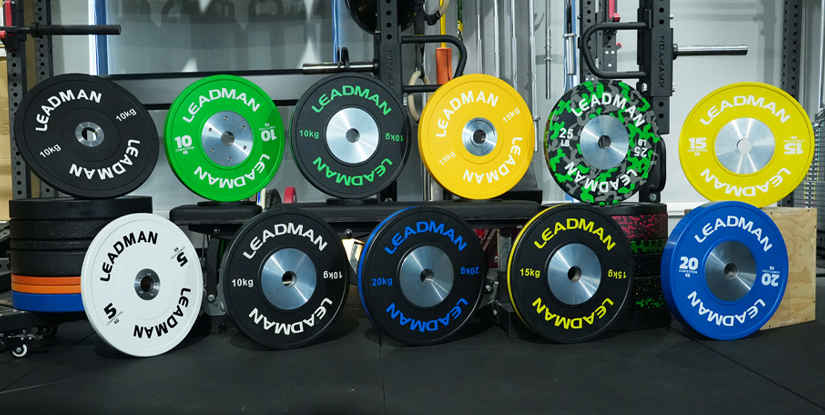
To help you visualize the long-term financial impact, we have outlined a comparison of how different weight plate materials influence your bottom line. Beyond the initial purchase price, you must consider the long-term value, which includes the frequency of maintenance and the eventual replacement cycle. While bumper plates require a higher upfront investment due to their specialized rubber construction, their ability to withstand high-impact drops often results in a lower cost-per-use in high-traffic facilities.
The following table illustrates the relationship between material density, logistical overhead, and overall durability to assist in your procurement planning.
| Material Type | Shipping Impact | Durability & Maintenance | Long-term Value |
|---|---|---|---|
| Iron Plates | High density; maximizes container weight capacity. | High durability; requires minimal maintenance. | Excellent for budget-conscious, low-impact setups. |
| Bumper Plates | Lower density; higher volume per unit. | Designed for impact; reduces floor wear and tear. | High; ideal for professional olympic lifting equipment. |
| Hybrid/Coated | Moderate; depends on coating thickness. | Protects against oxidation and surface rust. | Strong; balances protection with longevity. |
When weighing bumper plates vs iron plates, remember that the cheapest option at the factory level may become the most expensive if it necessitates frequent floor repairs or premature replacement. A strategic approach to selecting types of olympic weight plates ensures your facility remains both functional and cost-efficient over several years of intensive use.
Lifecycle maintenance planning for busy facilities
Effective facility management requires looking beyond the initial purchase price to the long-term cost of ownership. When evaluating the various types of olympic weight plates, the primary differentiator in your operational budget will be the upkeep required for different weight plate materials.
In the debate of bumper plates vs iron plates, the maintenance profiles are vastly different. High-quality rubberized bumper plates are designed for high-impact olymber lifting equipment environments, but they are susceptible to surface wear and environmental degradation if stored in extreme humidity. While they offer superior shock absorption, they may require periodic cleaning to prevent rubber oxidation or debris buildup.
Conversely, cast iron or steel plates offer immense durability and resistance to impact, but they are prone to oxidation and rust if the coating is compromised. For distributors and gym owners, understanding these storage requirements is vital. While iron plates are virtually indestructible, bumper plates require a climate-controlled mindset to ensure longevity. Planning your replacement cycles based on these material characteristics ensures your facility remains premium without unexpected capital expenditures.
To streamline your procurement and operational planning, we have synthesized the maintenance profiles of the most common types of olympic weight plates. This comparison helps facility managers and distributors predict replacement cycles and allocate staff time more effectively.
| Plate Type | Typical Lifespan | Primary Wear Factor | Maintenance Level | Best For |
|---|---|---|---|---|
| Rubber Bumper Plates | 3–7 Years | Surface cracking/oxidation | Moderate | CrossFit & High-Impact Training |
| Cast Iron Plates | 10+ Years | Rust/Surface oxidation | Low | Standard Strength Training |
| Steel/Machined Plates | 15+ Years | Striation/Scratches | Very Low | Powerlifting & Precision Lifting |
When sourcing olympic lifting equipment, remember that the weight plate materials you choose dictate your long-term labor costs. While bumper plates vs iron plates is often a discussion of performance, it is equally a discussion of facility upkeep. Investing in high-grade, UV-resistant rubber or corrosion-resistant coatings can significantly extend the lifecycle of your inventory, protecting your initial investment and reducing the frequency of reordering.
To maintain a professional standard, implement structured inspection routines that go beyond basic visual checks. For high-traffic commercial gyms, we recommend a monthly audit of all olympic lifting equipment to identify micro-cracks in rubber or signs of surface corrosion on metal. Detecting these issues early is the most effective way of preventing oxidation and structural degradation before they necessitate a full replacement.
Standard cleaning protocols should be non-abrasive to protect the integrity of the weight plate materials. For bumper plates, use a damp cloth with mild soap to remove chalk dust and sweat, ensuring the surface remains free of abrasive particles that can accelerate wear. For metal discs, ensuring they are completely dry before storage is critical to maintaining long-term value. By establishing these routine care habits, facility managers can stabilize their replacement cycles and ensure that the high-quality types of olympic weight plates they have sourced continue to perform at a premium level for years to come.