Steel vs Iron Weight Plates: Which Is Best for Your Gym?
High-Traffic Environments and the Material Choice Dilemma
For facility managers overseeing high-volume strength training zones or multi-location boutique studios, every square foot of floor space represents a premium asset. In these high-traffic environments, the physical footprint of your weight sets can dictate the flow of the entire gym floor. When evaluating steel vs iron weight plates, the conversation quickly shifts from mere weight to the critical concept of space efficiency. A dense, high-quality load is essential for maximizing your facility's capacity without cluttering the training area.
Standard cast iron plates, while cost-effective for bulk procurement, often require a thicker profile to reach specific weight increments. This added thickness can lead to crowded barbell sleeves and limited capacity on your storage racks. Conversely, premium steel weight plates offer a much higher density-to-volume ratio. By choosing steel weight plates, distributors and gym owners can stack significantly more weight within a smaller footprint, ensuring that heavy lifting stations remain streamlined and professional even during peak hours.
Beyond the immediate layout of the training floor, the long-term gym equipment durability is often tied to how much space your storage solutions occupy. A common challenge for facility owners is the "clutter creep" that occurs when bulky equipment begins to overwhelm designated zones. Because steel weight plates are inherently thinner than traditional cast iron plates, they allow for more compact storage configurations, reducing the overall footprint comparison between different loading styles.
To help you visualize the operational impact, consider the following comparison regarding space and upkeep:
| Feature Dimension | Cast Iron Profile | Steel Profile |
|---|---|---|
| Storage Density | Bulky; requires more rack depth | Slim; maximizes rack capacity |
| Maintenance Needs | Higher; susceptible to oxidation | Lower; more resilient in high-use areas |
| Visual Impact | Traditional/Heavy look | Modern/Streamlined aesthetic |
When calculating your total cost of ownership, remember that steel weight plates may have a higher initial procurement cost, but their ability to optimize square footage and lower maintenance needs often provides a better return on investment for premium commercial facilities.
Ultimately, the decision between steel vs iron weight plates should be viewed through the lens of long-term operational efficiency. For large-scale distributors or facility owners, spatial optimization is not just about aesthetics; it is about maximizing the revenue potential of every square meter. While cast iron plates are a reliable staple, the compact nature of high-density steel allows for more efficient loading on barbells and more organized storage in weight trees.
Furthermore, prioritizing high-density materials directly influences the equipment lifecycle and long-term maintenance schedules. Steel options generally offer a more streamlined profile that reduces the physical wear on barbell sleeves and storage racks over time. By investing in materials that promote better gym equipment durability and easier organization, you are effectively reducing the frequency of equipment turnover and logistical headaches, ensuring your facility remains a high-performance environment for years to come.
Density and Footprint: Optimizing Your Floor Layout
When planning a commercial layout, the physical dimensions of your inventory are just as critical as the total weight. The fundamental difference between steel vs iron weight plates lies in their material density, which dictates the thickness of each unit. Because steel weight plates are significantly more compact than traditional cast iron plates, they offer a massive advantage for high-performance training environments where space is a premium commodity.
For facility owners, choosing high-density steel means you can load more weight onto a single bar without hitting the limit of the sleeve. This increased barbell capacity allows your athletes to push heavier loads while using fewer total units, effectively maximizing your gym equipment durability and utility per square foot. If your facility relies on compact storage solutions or limited barbell sleeve lengths, the streamlined profile of steel is often the superior procurement choice.
| Storage Factor | Cast Iron Plates | Steel Weight Plates |
|---|---|---|
| Thickness Profile | Bulkier/Thicker | Slim/Compact |
| Space Efficiency | Requires more rack depth | Optimized for tight spaces |
| Barbell Loading | Limited sleeve capacity | High-capacity loading |
| Ideal Use Case | General strength/Budget-focused | Performance/Space-constrained |
Understanding these dimensional differences is vital when calculating your long-term inventory needs. While cast iron plates are a reliable staple for general fitness centers or budget-conscious setups, their increased thickness can quickly clutter a barbell sleeve. In contrast, steel weight plates provide a streamlined profile that maximizes space efficiency, allowing for much higher weight capacity on a single bar. This makes steel the preferred option for professional powerlifting studios or boutique gyms where floor area and barbell real estate are highly contested. Whether you are optimizing a small studio or a large-scale training facility, selecting the right density ensures your equipment layout remains functional and professional.
Beyond the barbell sleeve, the footprint of your storage systems is a vital consideration for long-term maintenance and operational flow. In high-traffic commercial settings, bulky cast iron plates can quickly overwhelm weight trees and storage racks, leading to cluttered walkways and potential safety hazards. By prioritizing steel weight plates, you achieve superior space optimization, allowing for denser storage configurations that keep your floor layout clean and professional.
This compact nature does more than just clear up floor space; it protects your gym equipment durability by reducing the physical volume of inventory that needs to be managed and moved. A more streamlined inventory means less wear and tear on your storage racks and easier transitions between training sessions. When sourcing for a new facility or upgrading an existing one, the decision between steel vs iron weight plates should be viewed through the lens of spatial efficiency. Choosing a thinner, high-density profile ensures that your facility remains scalable, organized, and capable of handling heavy loads without the visual or physical clutter of oversized equipment.
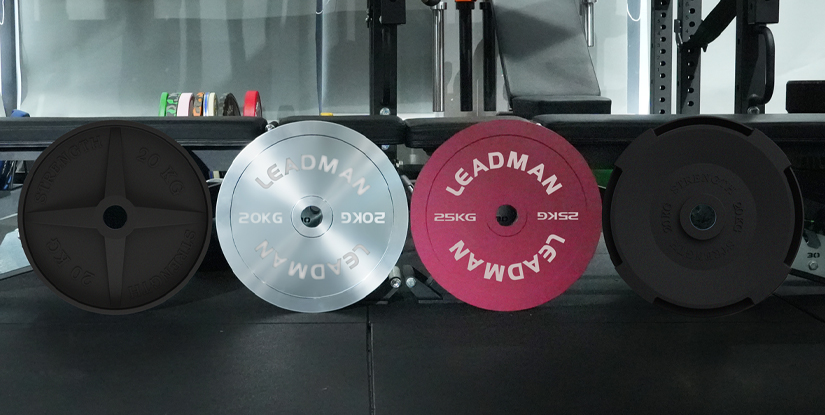
Durability Profiles of Cast Iron vs. Steel Construction
When evaluating long-term gym equipment durability, the fundamental distinction lies in how each material handles physical stress and impact. Cast iron plates are prized for their high material density, which provides a classic, heavy feel and a robust profile. However, because cast iron is more brittle by nature, it is more susceptible to surface fractures or edge degradation if subjected to repeated high-impact drops on concrete. For many facility owners, this means a higher frequency of monitoring for surface imperfections over years of heavy use.
In contrast, steel weight plates offer a different structural advantage. Steel possesses a higher level of ductility, which directly translates to superior structural integrity under extreme tension or impact. This inherent flexibility provides much higher chipping resistance compared to traditional iron. While cast iron plates are an excellent, cost-effective staple for standard weightlifting, steel weight plates are often the preferred choice for high-traffic commercial environments where the equipment must withstand the rigors of constant loading, unloading, and heavy-duty training sessions without losing their form.
To simplify your procurement decision, we have synthesized the primary maintenance and longevity factors. Understanding the steel vs iron weight plates trade-off is essential for predicting your long-term operational costs and facility upkeep requirements.
| Durability Dimension | Cast iron plates | Steel weight plates |
|---|---|---|
| Surface Coating | Often powder-coated or painted; prone to chipping | High-grade plating or specialized finishes; more resilient |
| Impact Resistance | Moderate; susceptible to brittle fractures under heavy drops | High; engineered to absorb shock and resist deformation |
| Maintenance Frequency | Regular inspections required for rust and surface cracks | Low; ideal for high-intensity, high-traffic environments |
Selecting the right material ensures that your investment in gym equipment durability remains a long-term asset rather than a recurring maintenance liability. While iron serves the budget-conscious facility, steel provides the endurance required for professional-grade performance.
Beyond immediate impact strength, the long-term viability of your inventory depends heavily on how these materials react to environmental exposure. A common concern for facility managers is oxidation and surface degradation. Cast iron plates, particularly those with lower-grade finishes, can be more vulnerable to rust if the protective coating is breached by heavy usage or humidity. This necessitates a more rigorous maintenance schedule to prevent aesthetic and structural decline over time.
On the other hand, high-quality steel weight plates are typically engineered with advanced plating or specialized coatings that act as a more robust barrier against moisture. This makes them a superior long-term investment for clubs located in high-humidity regions or those with intensive, 24/7 heavy-duty usage requirements. When weighing the steel vs iron weight plates debate, the decision often comes down to the total cost of ownership. While iron may offer a lower initial acquisition cost, the resilience of steel often reduces the frequency of replacement and surface upkeep, ensuring your facility remains professional and well-maintained for years to come.
Maintenance Cycles and Long-Term Wear Resistance
When evaluating gym equipment durability, the environmental conditions of your facility play a decisive role. While cast iron plates are a staple in many commercial settings due to their cost-effectiveness, they possess a specific vulnerability: susceptibility to oxidation. In high-humidity regions or facilities with limited climate control, moisture can react with the raw metal surface, leading to surface rust that compromises both aesthetics and structural integrity.
For distributors and gym owners, this means a higher maintenance frequency compared to more advanced alloys. To ensure longevity, a consistent rust prevention protocol—such as periodic cleaning and the application of specialized protective coatings—is essential. If you are sourcing for a high-traffic or coastal location, neglecting these upkeep cycles can lead to premature degradation. Understanding these material behaviors allows you to better manage your long-term operational overhead and ensure your inventory remains in professional, client-ready condition.
In contrast, steel weight plates are often engineered with a more robust surface coating, such as high-grade powder coating or advanced plating. This design provides superior corrosion resistance, making them an ideal choice for facilities that prioritize a "set and forget" approach to inventory management. While the initial procurement cost may be higher, the long-term value of steel becomes evident through reduced labor costs and extended product lifespans.
To help you decide which material aligns with your operational budget and facility environment, we have outlined the maintenance difficulty and upkeep requirements in the comparison below:
| Feature | Cast Iron Plates | Steel Weight Plates |
|---|---|---|
| Primary Maintenance | Regular rust inspection & oiling | Occasional dusting & wipe-down |
| Corrosion Resistance | Moderate (Requires climate control) | High (Resistant to moisture/sweat) |
| Surface Coating | Often painted or raw finish | Durable powder coating or plating |
| Long-term Value | Low upfront cost; higher upkeep | Higher upfront cost; lower upkeep |
When weighing steel vs iron weight plates, consider your local climate and staff availability. If your facility is in a humid zone or lacks strict HVAC control, the advanced surface coating found on premium steel options will significantly lower your long-term maintenance burden.
Beyond material selection, your daily operational habits will dictate the ultimate longevity of your inventory. Regardless of whether you opt for the density of iron or the resilience of steel weight plates, implementing a standardized cleaning routine is vital for professional gym maintenance. We recommend using a non-abrasive, pH-neutral cleaner to remove sweat and skin oils, which can become acidic and degrade even high-quality finishes over time.
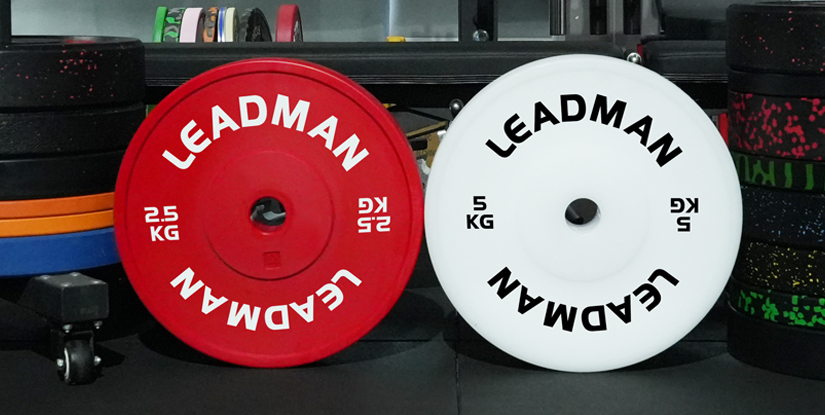
Furthermore, effective storage tips can prevent unnecessary wear. Avoid leaving plates in damp areas or directly on concrete floors without protective mats, as this prevents moisture trapment. For high-volume facilities, organizing plates on dedicated, heavy-duty racks rather than stacking them haphazardly will minimize surface friction and preserve the integrity of the coatings. By prioritizing these small preventive measures, you can maximize the lifecycle of your equipment and ensure a higher return on your initial procurement investment.
Budget Allocation and Total Cost of Ownership
When scaling a commercial facility, the debate of steel vs iron weight plates often begins with the bottom line. For many facility owners and distributors, the initial purchase price is the most visible metric during the procurement phase. If you are looking for a budget-friendly solution to fill out a high-volume weight room quickly, cast iron plates are the industry standard for minimizing upfront capital expenditure. They offer a reliable, high-density option that keeps your shipping costs lower due to their traditional manufacturing processes.
However, viewing this purely as a low-cost entry point can be a mistake. While iron serves the immediate budget, steel often represents a more strategic long-term investment. The choice is essentially a trade-off between immediate liquidity and the total cost of ownership over several years of heavy commercial use.
| Procurement Factor | Cast Iron Plates | Steel Weight Plates |
|---|---|---|
| Upfront Cost | Lower / Budget-Friendly | Higher Initial Investment |
| Durability Profile | High (Prone to chipping) | Extreme (High impact resistance) |
| Space Efficiency | Standard Footprint | Compact / High Density |
| Value Proposition | Short-term Savings | Long-term Asset Value |
Understanding these economic nuances helps you decide whether to prioritize immediate cash flow or long-term gym equipment durability. Choosing the right material depends on whether your goal is to launch a facility with minimal starting debt or to build a high-endurance environment that requires less frequent replacement cycles.
To make a final determination, you must weigh the immediate financial relief of cast iron plates against the streamlined operational efficiency of steel weight plates. While the latter may require a larger initial budget, the reduction in replacement frequency and the ability to store more weight in less square footage often offset the premium price. If your facility focuses on high-traffic strength training where equipment undergoes constant impact, the superior gym equipment durability of steel can significantly lower your long-term maintenance overhead.
Consider the following comparison to align your procurement strategy with your specific business model:
| Investment Metric | Cast Iron Plates | Steel Weight Plates |
|---|---|---|
| Upfront Cost | Low (Best for startup budgets) | Moderate to High (Premium tier) |
| Maintenance Needs | Occasional (Check for chips/rust) | Minimal (Highly resilient) |
| Ideal User | Commercial/Home Gyms on a budget | High-performance/Professional Gyms |
| Primary Benefit | Immediate capital savings | Optimized space and longevity |
Ultimately, the steel vs iron weight plates decision is not just about the price tag; it is about calculating the total lifecycle of your assets. For distributors and gym owners, balancing these factors ensures that your equipment remains a reliable asset rather than a recurring expense.
Ultimately, the decision between steel vs iron weight plates is not just about the initial price tag; it is about calculating the total lifecycle of your assets. For distributors and gym owners, balancing these factors ensures that your equipment remains a reliable asset rather than a recurring expense.
When selecting a procurement strategy, consider the specific training environment your facility provides. If you are managing a high-traffic facility where heavy drops and intense usage are frequent, the long-term value of steel weight plates often outweighs the initial savings of cast iron plates. While iron is a cost-effective solution for entry-level setups or low-impact zones, its susceptibility to surface wear and tear can lead to a higher replacement frequency over time.
In contrast, investing in steel can optimize your operational efficiency. By prioritizing gym equipment durability, you reduce the logistical headaches of frequent reordering and shipping. For professional-grade facilities, choosing a high-density material is a strategic move to ensure that your equipment remains a high-performing asset throughout its entire operational lifespan.
Strategic Sourcing for Scaling Your Fitness Facility
When scaling a commercial facility, the choice between steel vs iron weight plates extends far beyond immediate procurement costs; it is a decision that dictates your long-term operational overhead. For high-traffic gyms, the primary concern is gym equipment durability and how quickly your inventory will degrade under heavy use. While cast iron plates are a cost-effective entry point for budget-conscious setups, they often require more frequent inspections for rust or structural chipping.
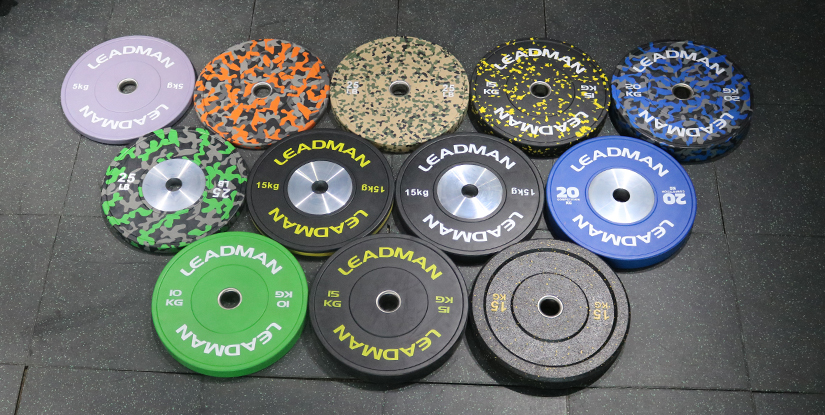
From a facility management perspective, the density vs volume ratio is the most critical factor for space optimization. Because steel is significantly more compact, you can achieve higher loading capacities on barbell sleeves without the bulk of traditional iron. This allows for more efficient rack management and higher weight density in smaller footprints. Ultimately, investing in high-grade steel may involve a higher upfront cost, but it often results in lower long-term maintenance costs and a more streamlined, premium floor layout that scales seamlessly as your membership grows.
To optimize your budget allocation, you must align your procurement strategy with your specific business model. A high-traffic vs boutique gym distinction is essential when evaluating your long-term replacement cycles. For large-scale commercial warehouses or heavy-duty powerlifting gyms, the sheer volume of movement can lead to faster wear on traditional cast iron plates, potentially increasing your annual reinvestment needs.
Conversely, if you are managing a premium boutique studio where floor space is a premium commodity, opting for steel weight plates provides a strategic advantage. The increased density allows you to pack more weight into a smaller footprint, keeping your training area organized and high-end. While the initial purchase order for steel may be higher, the extended lifespan and reduced need for frequent inventory turnover often yield a superior ROI. We suggest evaluating whether your facility prioritizes low upfront capital expenditure or a long-term, low-maintenance equipment lifecycle to ensure your sourcing decisions support sustainable growth.
Ultimately, a successful investment strategy requires looking past the initial invoice to the total equipment lifecycle. When scaling your facility, the goal is to minimize downtime and replacement frequency. While cast iron plates offer an accessible entry point for startups, the long-term cost of managing rust, chipping, and larger storage footprints can become a bottleneck during rapid expansion.
For distributors and gym owners focused on professional growth, smart sourcing means choosing materials that match your facility's trajectory. Opting for steel weight plates may represent a higher initial outlay, but the density benefits and enhanced gym equipment durability often translate to a more predictable and profitable operational model. By prioritizing high-density steel, you are not just buying weight; you are investing in a scalable infrastructure that maximizes square footage and reduces the frequency of future procurement cycles.
Maximizing ROI Through Material Selection
When calculating the total cost of ownership for a new facility, the debate over steel vs iron weight plates shifts from simple preference to a strategic financial decision. For high-volume commercial gyms, the primary driver of return on investment is the space-to-weight ratio. Because steel weight plates are significantly more compact than their counterparts, they allow you to pack more load onto a single barbell and occupy less storage footprint. This density is a critical factor in optimizing floor plans and reducing the volume of shipping containers, which directly lowers landed costs for international distributors.
On the other hand, cast iron plates remain a staple for budget-conscious startups due to their lower initial procurement price. However, savvy buyers must weigh these savings against long-term maintenance costs. While gym equipment durability is high for both, steel options often provide better resistance to the wear and tear of heavy daily usage in high-traffic environments. Ultimately, choosing the right material depends on whether your priority is minimizing upfront capital expenditure or maximizing long-term spatial efficiency and equipment longevity.
To simplify your procurement strategy, we have categorized the primary differences between these materials. Use the following comparison to align your inventory with your specific operational goals and budget constraints.
| Feature Factor | Cast Iron Plates | Steel Weight Plates |
|---|---|---|
| Budget Level | Entry-level / Low CapEx | Mid-to-High / Premium |
| Usage Frequency | Moderate to High | Heavy-duty / Professional |
| Storage Footprint | Large / Bulkier | Compact / Space-efficient |
| Maintenance Difficulty | Moderate (Rust prevention) | Low (Highly durable) |
| Ideal Setting | Home gyms & Small studios | Commercial & High-traffic gyms |
When deciding on steel vs iron weight plates, consider your facility's lifecycle. While cast iron plates offer an excellent entry point for minimizing initial costs, steel weight plates provide a superior long-term solution for facilities where maximizing gym equipment durability and space optimization is the priority for sustained profitability.
Final Procurement Checklist
Before finalizing your order, use this checklist to ensure your selection aligns with your long-term investment strategy. A successful purchase goes beyond the initial price tag; it requires balancing immediate budget availability with future operational needs.
- Identify Training Goals: Are you catering to powerlifters requiring high-density loads, or general fitness enthusiasts? For high-density training environments, prioritize the compact profile of steel weight plates.
- Assess Facility Type: Is this a commercial vs home gym scenario? Commercial facilities benefit from the rugged material longevity of steel, whereas home users often find cast iron plates more than sufficient for personal use.
- Calculate Total Volume: Factor in shipping dimensions. The smaller footprint of steel can often lead to more efficient container loading, potentially offsetting higher unit costs during international freight.
- Evaluate Maintenance Cycles: Consider the long-term labor costs. Higher-quality steel often requires less frequent upkeep regarding rust or surface degradation compared to standard iron.
By running your inventory list through these criteria, you can make an informed decision on the steel vs iron weight plates debate, ensuring your equipment remains a high-performing asset for years to come.