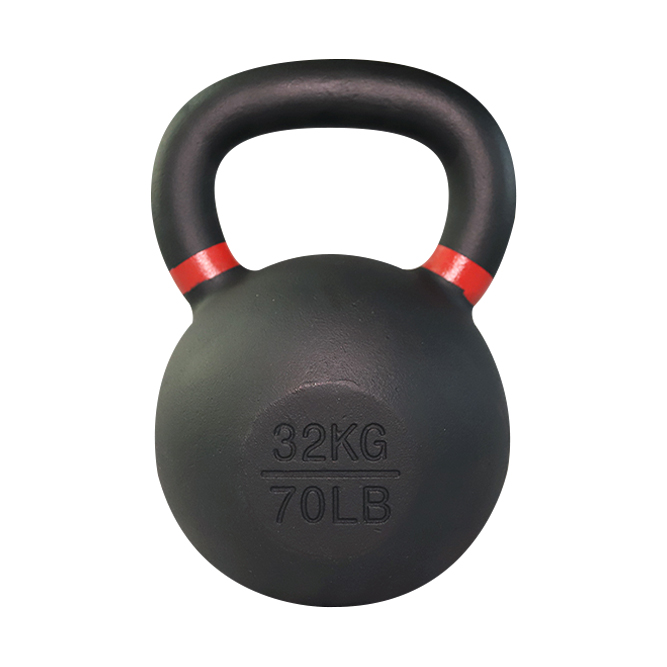
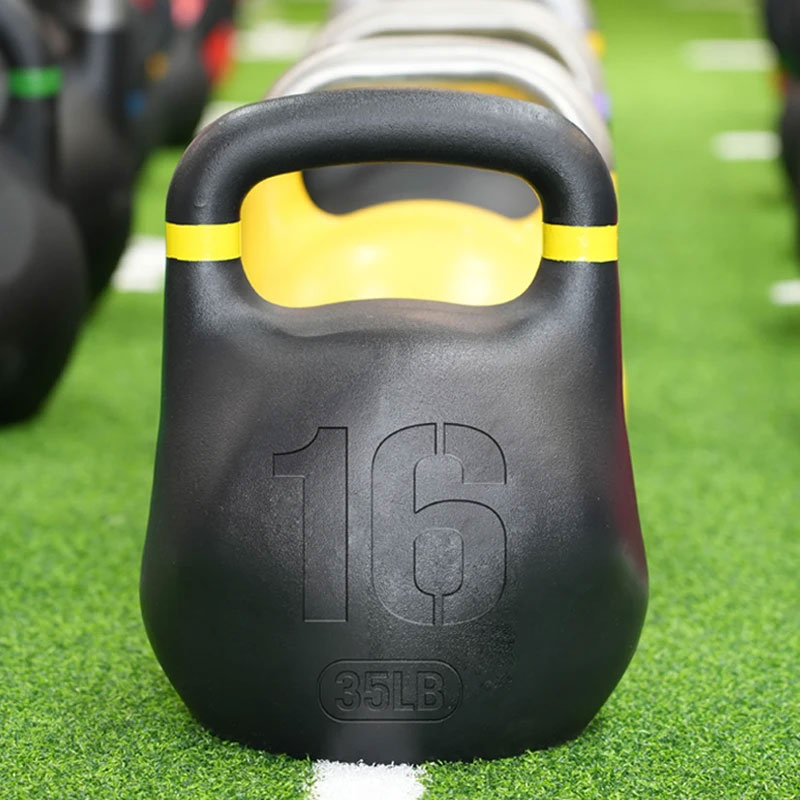
difference between competition kettlebells | Competition vs
Optimizing High-Traffic Training Zones with Precision Equipment
For boutique strength studios or high-end hotel gyms, floor space is often the most expensive commodity. When selecting equipment, the difference between competition kettlebells and standard cast iron models becomes a matter of spatial efficiency and operational longevity. A competition grade kettlebell is engineered to adhere to strict kettlebell weight standards, utilizing high-density materials to maintain a consistent, compact diameter regardless of the weight increment. This smaller footprint allows distributors and gym owners to pack more functional utility into tighter high-traffic training zones without sacrificing the professional aesthetic.
Beyond mere dimensions, the material density of precision-engineered bells directly impacts long-term durability. In environments where equipment undergoes constant impact and heavy turnover, the structural integrity of the bell is paramount. Unlike cheaper alternatives that may suffer from surface degradation or uneven weight distribution, premium competition models are built to withstand rigorous use. Investing in high-density, standardized equipment ensures that your facility maintains a premium standard of quality control while minimizing the frequency of replacement cycles in demanding commercial settings.
To help you make an informed procurement decision, we have outlined how different kettlebell training types and environmental factors influence your long-term ROI. Whether you are outfitting a specialized strength facility or a general-purpose commercial gym, understanding these operational variables is essential for efficient inventory management.
| Feature/Metric | Standard Cast Iron Kettlebells | Competition Grade Kettlebells |
|---|---|---|
| Space Requirements | Larger footprint; uneven diameter per weight increment. | Compact, consistent diameter; optimized for tight areas. |
| Maintenance | Higher; potential for rust or surface wear in high-use zones. | Low; high-density materials offer superior durability. |
| Usage Frequency | Ideal for general strength and casual fitness use. | Engineered for high-frequency, high-impact training. |
| Budget Considerations | Lower initial cost; suitable for budget-conscious setups. | Higher upfront investment; lower long-term replacement costs. |
When evaluating the difference between competition kettlebells and standard models, consider your facility's turnover rate. While standard bells offer a cost-effective entry point, the precision and resilience of competition-grade equipment often provide better value for professional environments where equipment longevity is a key performance indicator.
Ultimately, the decision to upgrade to precision equipment is a strategic move toward long-term training optimization. For facility managers and distributors, the initial price gap between standard and competition-grade models is often offset by the significant reduction in equipment turnover. High-performance environments demand gear that remains consistent through thousands of repetitions; investing in equipment that adheres to strict kettlebell weight standards ensures your clients experience a uniform stimulus every time they train.
Prioritizing long-term equipment durability is not just about toughness—it is about maintaining a professional standard that protects your brand reputation. By sourcing high-density, standardized bells, you mitigate the risks of uneven wear and frequent replacement cycles. This approach stabilizes your long-term operational costs and ensures that your high-traffic zones remain functional, safe, and aesthetically premium for years to come.
Why Kettlebell Weight Standards Matter for Facility Layouts
When designing a high-performance training zone, the difference between competition kettlebells and standard cast-iron models becomes a matter of operational logistics rather than just weight. For facility owners and distributors, the primary advantage of investing in a competition grade kettlebell lies in its uniform dimensions. Unlike standard bells where the diameter increases significantly as the weight grows, competition models maintain a consistent sphere size across the entire weight spectrum.
This consistency is a game-changer for space efficiency within a commercial gym. Because the outer diameter remains constant, you can utilize specialized storage racks and tiered shelving without the awkward overhangs or irregular stacking issues caused by varying bell sizes. This predictable footprint allows for a much more streamlined professional gym layout, ensuring that your heavy-duty training areas remain organized, safe, and visually cohesive. By prioritizing equipment with standardized sizing, you optimize your floor real estate and reduce the clutter often associated with unorganized weight stations.
Selecting the right inventory requires a strategic balance between kettlebell weight standards and your facility's specific operational needs. To assist in your procurement planning, we have outlined how these two distinct categories impact your long-term budget considerations and spatial management.
| Feature/Metric | Standard Cast Iron | Competition Grade Kettlebell |
|---|---|---|
| Storage Footprint | Irregular; requires varied spacing | Uniform; optimized for compact racks |
| Primary Training Types | General strength & conditioning | Sport-specific & high-level skill work |
| Cost Efficiency | Lower initial investment | Higher upfront, higher long-term value |
| Durability & Precision | High (rugged/functional) | Extreme (precision-engineered/consistent) |
While standard bells offer a cost-effective entry point for general kettlebell training types, a full set of competition-style equipment offers superior durability and a more professional aesthetic. When calculating your total cost of ownership, remember that the predictable sizing of competition models often reduces the need for frequent rack upgrades or floor redesigns as your facility grows.
Beyond immediate spatial organization, the difference between competition kettlebells and standard iron models is deeply rooted in the long-term value of your procurement strategy. For distributors and large-scale facility managers, choosing equipment based solely on the lowest initial price point often leads to hidden costs down the road. Standardized, precision-engineered equipment offers a significantly longer equipment lifecycle, as these models are built to withstand high-frequency use in professional training environments without losing dimensional integrity.
Investing in a standardized set ensures seamless scalability for your business. As your client base grows or your training programs evolve, you won't be forced into frequent, costly inventory turnover or the logistical headache of replacing mismatched gear. While the upfront cost for a competition grade kettlebell may be higher, the ability to expand your weight sets while maintaining consistent rack compatibility and storage footprints provides a much higher return on investment. Ultimately, prioritizing kettlebell weight standards protects your capital by reducing the need for constant equipment updates and structural redesigns.
Evaluating Competition Grade Kettlebells for Performance Centers
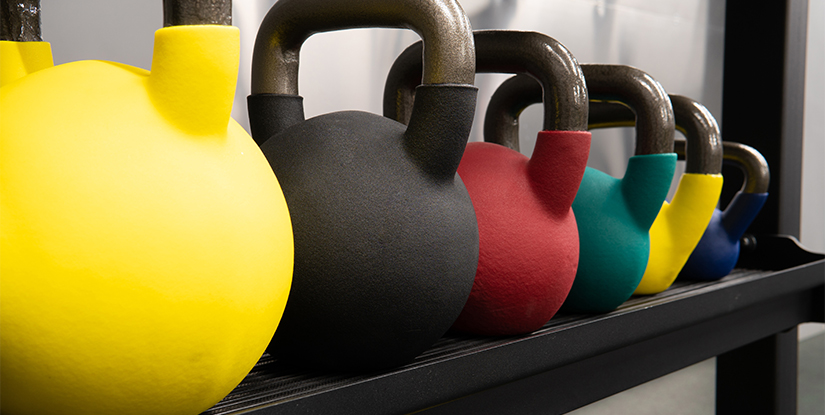
In professional strength and conditioning facilities, equipment undergoes extreme stress. When managing high-volume training environments, the primary concern shifts from initial cost to long-term durability. Standard cast iron models often suffer from surface degradation, but a competition grade kettlebell is engineered to withstand the rigors of constant handling and high-impact use.
The fundamental difference between competition kettlebells and standard versions lies in their structural integrity and surface wear resistance. While basic models may develop rust or chipped coatings under heavy use, competition-spec equipment utilizes high-quality steel and specialized finishes designed to maintain a consistent grip and aesthetic profile over years of service. For distributors and facility owners, investing in superior material quality reduces replacement cycles and minimizes maintenance downtime.
| Equipment Tier | Primary Use Case | Surface Resilience | Maintenance Requirement |
|---|---|---|---|
| Standard Cast Iron | Home Gyms / Light Commercial | Moderate (prone to chipping) | Periodic cleaning/rust prevention |
| Competition Grade Kettlebell | Performance Centers / Sport Training | High (optimized surface wear resistance) | Low (minimal upkeep needed) |
| Rubber Coated | General Fitness / Functional Training | Variable (dependent on coating quality) | Monitor for peeling/cracking |
Selecting the right equipment based on kettlebell weight standards and material toughness ensures that your facility remains a premium destination. For those managing high-traffic centers, the ability to provide consistent, high-performance tools is essential for maintaining professional standards.
When calculating the long-term cost-effectiveness of your inventory, it is vital to look beyond the initial purchase price. High-traffic facilities must account for the maintenance frequency required to keep equipment in top condition. While standard bells may require frequent cleaning or reapplying of protective layers to combat oxidation, premium options are designed for longevity.
The following comparison highlights how different kettlebell training types dictate your long-term upkeep needs. For example, a competition grade kettlebell typically features a much smoother, more consistent surface texture comparison than rough-cast iron, which prevents the accumulation of skin oils and debris that can degrade standard finishes over time.
| Feature Dimension | Standard Cast Iron | Competition Grade |
|---|---|---|
| Surface Texture | Rough/Irregular | Smooth/Consistent |
| Maintenance Frequency | High (Rust/Chip Watch) | Low (Minimal Upkeep) |
| Long-term Cost-effectiveness | Lower upfront / Higher replacement | Higher upfront / Lower lifecycle cost |
| Weight Accuracy | Variable Tolerance | Strict kettlebell weight standards |
Understanding the difference between competition kettlebells and entry-level models allows procurement specialists to build a more resilient inventory. By prioritizing equipment that meets rigorous kettlebell weight standards and offers superior durability, you protect your capital investment and ensure a seamless experience for your athletes.
Optimizing Equipment Lifecycle and Professional Standards
For procurement managers and facility directors, the true difference between competition kettlebells and standard models is reflected in the total equipment lifecycle. While budget-friendly options may seem attractive during initial sourcing, they often fail to meet the rigorous professional facility standards required for high-performance training. Inconsistent casting and varying tolerances can lead to uneven wear, whereas premium gear is engineered for precision and longevity.
A critical factor in long-term value is the consistent weight distribution found in high-end models. In professional settings, any deviation in balance can compromise athlete safety and performance. By investing in equipment that adheres to strict kettlebell weight standards, facility owners reduce the frequency of replacement cycles and ensure that every training session remains standardized. Ultimately, choosing high-spec equipment is a strategic decision to minimize operational downtime and maintain a world-class training environment.
Matching Kettlebell Training Types to Your Member Demographics
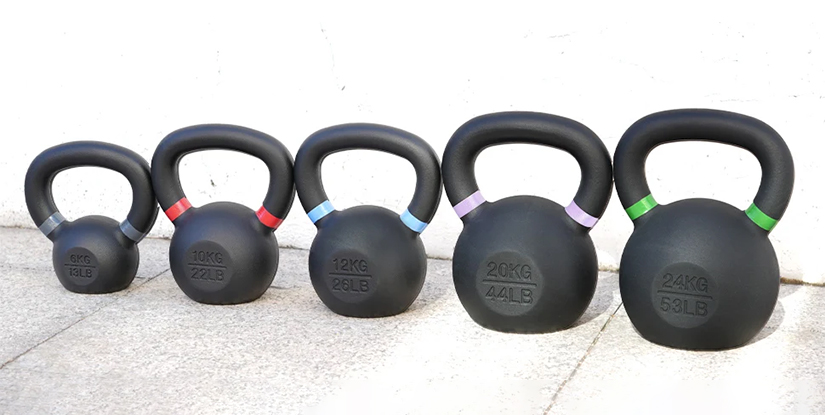
From a procurement standpoint, understanding the difference between competition kettlebells and standard cast iron models is about more than just aesthetics; it is about maximizing your facility's return on investment. A savvy gym owner recognizes that different kettlebell training types demand specific equipment profiles to satisfy diverse clientele. While entry-level functional training zones may thrive with durable, cost-effective cast iron, high-end performance studios require a competition grade kettlebell to meet professional standards.
Investing in high-spec equipment creates a tiered service model. By offering precision-balanced, powder-coated steel options, you cater to the advanced athlete seeking a premium member experience. This strategic differentiation justifies higher membership dues and fosters long-term loyalty. Furthermore, prioritizing long-term durability through high-quality manufacturing ensures that your capital expenditure remains a stable asset rather than a recurring replacement cost. Aligning your inventory with your demographic's skill level is the most efficient way to scale your facility's value.
To assist with your inventory planning, we have outlined how different equipment profiles impact your budget and operational efficiency. Choosing the correct kettlebell weight standards for your specific facility setup ensures you aren't overspending on unnecessary precision or under-equipping your professional athletes.
| Facility Type | Recommended Model | Primary Benefit | Target Audience |
|---|---|---|---|
| Commercial Gym / CrossFit Box | Standard Cast Iron | High cost-effectiveness & durability | General fitness enthusiasts |
| Performance Studio / Sport Club | Competition grade kettlebell | Precision balance & grip comfort | Competitive athletes & specialists |
| Boutique HIIT Studio | Hybrid/Mixed Set | Versatile kettlebell training types | Diverse member demographics |
When calculating your procurement budget, consider that while standard iron models offer lower initial costs, high-end steel models often require less maintenance over years of high-volume use. For distributors and large-scale facility managers, the goal is to balance the difference between competition kettlebells and standard iron to create a tiered equipment ecosystem that scales with your membership growth.
Ultimately, the decision to upgrade your inventory hinges on the long-term equipment lifecycle and your vision for business growth. While a standard iron set provides a reliable baseline for general fitness, a facility that intends to host sanctioned events or high-level coaching must prioritize equipment that meets strict kettlebell weight standards. By optimizing training environments with precision-engineered steel, you reduce the frequency of replacements caused by uneven wear or dimensional inconsistencies. This foresight prevents the hidden costs of frequent re-ordering and shipping. Whether you are sourcing for a single boutique studio or managing a global distribution network, selecting the appropriate grade of equipment ensures your capital is working toward a scalable, professional-grade infrastructure that supports your members as they advance.
Long-Term Value and Replacement Cycles in Specialized Gyms
When outfitting a high-traffic facility, the difference between competition kettlebells and standard cast-iron models becomes a matter of operational overhead rather than just aesthetics. While standard bells may offer a lower initial entry price, they often lack the structural consistency required for rigorous, high-volume training environments. Investing in a competition grade kettlebell ensures that your facility meets professional gym standards, providing a uniform grip and balanced center of gravity that remains constant even under heavy use.
From a procurement standpoint, the long-term value of premium equipment lies in its durability and reduced replacement frequency. Standard models frequently suffer from uneven weight distribution or coating degradation, leading to premature turnover. In contrast, high-spec competition equipment is engineered to withstand the friction of intense kettlebell training types, significantly extending the lifecycle of your inventory. For distributors and gym owners, choosing superior builds minimizes maintenance disruptions and maximizes the return on your initial capital expenditure.
To help you evaluate your procurement strategy, we have outlined the primary functional and economic distinctions. Understanding these variables is essential when aligning your inventory with specific kettlebell weight standards and your facility's operational demands.
| Feature / Metric | Standard Cast Iron | Competition Grade Kettlebell |
|---|---|---|
| Usage Frequency | Moderate / Home Gyms | High-Volume / Professional Gyms |
| Weight Consistency | Variable tolerances | Strictly standardized precision |
| Maintenance | Occasional rust/coating checks | Minimal; high surface durability |
| Replacement Cycle | Shorter due to wear/imbalance | Extended; high longevity |
| Budget Focus | Low initial CAPEX | Higher upfront; lower long-term OPEX |
When calculating the difference between competition kettlebells and standard options, consider the total cost of ownership. While a competition grade kettlebell requires a higher initial investment, the stability of its build reduces the frequency of replacement cycles. For commercial operators managing diverse kettlebell training types, prioritizing equipment that adheres to strict kettlebell weight standards prevents the hidden costs of constant inventory turnover and frequent maintenance requests.
A smart investment strategy requires looking beyond the initial invoice to the total equipment lifecycle. In many commercial settings, the difference between competition kettlebells and budget-friendly alternatives is most visible in the long-term depreciation of assets. While basic models may suffice for casual use, they often fail to meet the rigorous demands of specialized gym equipment requirements, leading to faster degradation of the surface and weight inaccuracies.
By selecting high-caliber gear, facility managers can effectively optimize their kettlebell training types, ensuring that whether clients are performing high-repetition ballistic movements or heavy strength work, the gear remains consistent. This proactive approach to sourcing minimizes the downtime caused by worn-out inventory and ensures that your facility remains a top-tier destination for serious athletes. Ultimately, prioritizing quality over the lowest unit price protects your bottom line by reducing the frequency of reinvestment.
Sourcing Strategies for High-End Strength Equipment
When scaling a premium strength zone, procurement officers often face a choice between low-cost cast iron and high-spec alternatives. While standard iron bells offer a lower initial price point, understanding the difference between competition kettlebells and basic models is essential for calculating true long-term value. In a high-traffic commercial setting, the investment vs expense debate centers on replacement cycles and user experience.
Standard cast iron models often feature irregular surfaces and inconsistent weight distributions. In contrast, a competition grade kettlebell is engineered to meet strict kettlebell weight standards, ensuring precision and uniform dimensions. For professional facilities, this precision translates to superior durability; high-quality steel construction resists the chipping and structural degradation common in cheaper alternatives. By prioritizing equipment that adheres to international standards, distributors and gym owners reduce the frequency of re-ordering, ultimately lowering the total cost of ownership through extended product lifecycles and reduced maintenance needs.
Deciding which tier of equipment to stock depends heavily on the specific kettlebell training types your facility supports. For example, a boutique functional training studio may require high-spec models for precision work, whereas a high-volume warehouse gym might prioritize volume over technical specifications. To maximize cost-effectiveness, we recommend a tiered procurement approach: deploy premium models for specialized strength zones and standard bells for general conditioning areas. This strategy balances your initial capital expenditure with the necessary maintenance requirements of your facility.
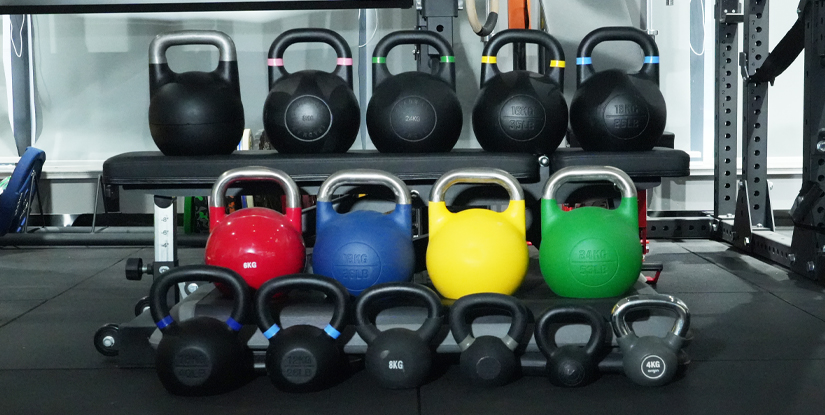
Investment Framework: Competition vs. Standard Models
The following framework helps determine the most efficient allocation of your procurement budget based on anticipated usage and environment.
| Usage Profile | Durability Expectation | Initial Cost | Longevity |
|---|---|---|---|
| High-Intensity/Professional | Extreme (High-Impact) | Premium | Long-Term (Multi-Year) |
| General Commercial/Fitness | Moderate (Standard Wear) | Mid-Range | Medium-Term |
| Home/Light Training | Basic (Low Frequency) | Budget-Friendly | Short-to-Medium Term |
By analyzing these variables, buyers can avoid the hidden costs of frequent replacements and ensure their equipment inventory aligns with both their budget and their clients' performance needs.
Beyond the surface-level price tag, the real differentiator in a professional procurement cycle is the level of precision manufacturing involved. When sourcing for professional training environments, relying on generic suppliers can lead to significant headaches regarding quality consistency. A lack of standardized casting or uneven handle diameters can disrupt a facility's ability to host sanctioned events or high-level coaching sessions, where even minor deviations matter.
We have observed that distributors who prioritize a competition grade kettlebell with documented kettlebell weight standards often see a higher rate of client retention. This is because the seamless finish and uniform grip found in high-end models provide a predictable user experience. While the upfront cost may be higher, the quality control inherent in premium production prevents the premature wear and tear that plagues budget-tier equipment. Investing in high-spec gear is not just about the difference between competition kettlebells and standard iron; it is a strategic move to ensure your facility remains a top-tier destination for serious athletes who demand excellence and reliability.
Maximizing Value Through Strategic Selection
When scaling a fitness facility or a specialized strength studio, the difference between competition kettlebells and standard cast iron models becomes a matter of financial strategy rather than just equipment preference. For procurement professionals, the decision rests on the investment vs cost equation. While standard bells offer a lower initial price point, a competition grade kettlebell provides superior long-term value through precision and consistency.
Investing in high-spec equipment ensures that your facility can accommodate diverse kettlebell training types, from high-repetition metabolic conditioning to technical strength competitions. Because competition-style bells are designed for high-frequency use and rigorous standards, they offer significantly higher long-term durability. Choosing the right specification upfront prevents the frequent replacement cycles common with lower-tier equipment. By prioritizing high-quality manufacturing and strict weight tolerances, buyers reduce the total cost of ownership and ensure the facility remains a premium destination for serious athletes.
To streamline your procurement process, we have developed a practical framework. This guide helps you determine whether the precision of kettlebell weight standards is necessary for your specific environment or if standard models better suit your budget constraints.
| Training Setting | Durability | Grip Consistency | Cost-Effectiveness |
|---|---|---|---|
| Standard (Commercial Gym/CrossFit) | High (Rugged/Cast Iron) | Moderate (Texture Varies) | High (Low Initial Cost) |
| Competition (Strength/Specialized Studio) | Extreme (Precision Finish) | Exceptional (Uniformity) | Moderate (Higher Upfront ROI) |
When evaluating the difference between competition kettlebells and standard versions, consider your end-user. If your facility targets competitive athletes who demand exact kettlebell weight standards for technical training, the precision of a competition grade kettlebell is a vital asset. However, for general high-traffic commercial use, standard cast iron models often provide the most efficient way to scale your inventory without overextending your initial procurement budget.
Final Procurement Quality Checklist
To safeguard your investment and ensure your facility meets the highest operational benchmarks, we recommend a rigorous vetting process during the sourcing stage. High-end kettlebell training types demand equipment that performs predictably under pressure. Before finalizing any bulk order, verify that your supplier implements comprehensive quality control protocols to address the nuances of high-performance gear.
A professional-grade order should be audited against these three critical physical benchmarks:
- Material Consistency: Ensure the density and weight distribution are uniform across the entire set to maintain strict kettlebell weight standards.
- Seamless Finish: Inspect the surface for a smooth, non-abrasive texture. A high-quality competition grade kettlebell must feature a consistent coating that prevents skin irritation during high-repetition movements.
- Handle Ergonomics: Verify that the grip is engineered for professional use, offering a reliable feel that remains consistent regardless of the weight increment.
By focusing on these technical details, you mitigate the risk of receiving subpar inventory and ensure your facility delivers a premium experience that justifies its premium positioning.