what is the difference between olympic weight plates and
Vetting Manufacturers for Precision and Consistency
When a commercial gym owner or a large-scale distributor sources new inventory, a minor discrepancy in equipment specifications can lead to significant operational headaches. Imagine a scenario where a boutique strength studio receives a shipment of heavy plates that do not sit flush against the barbell. This lack of uniformity isn't just a minor nuisance; it is a direct result of poor precision manufacturing. Whether you are dealing with various weight plate types or standard bar sets, the structural integrity of your facility depends on the tight tolerance levels maintained during the production process.
The most critical technical factor to vet is the barbell sleeve diameter compatibility. High-quality Olympic weight plates are engineered to fit a much larger sleeve than their standard counterparts, requiring exact machining to ensure a smooth, centered load. If the manufacturing process lacks strict quality control, even a millimeter of deviation can cause uneven weight distribution, leading to premature wear on the barbell and reduced durability. For professional buyers, prioritizing suppliers who emphasize these microscopic technical standards is the only way to ensure long-term equipment reliability and user safety.
To better understand the investment implications of these specifications, we have categorized the primary differences in a way that highlights the long-term value of each tier. When evaluating what is the difference between olympic weight plates and standard options, the most significant divergence lies in the manufacturing precision and the resulting lifespan of the equipment.
| Dimension/Tolerance | Standard Plates (Budget) | Olympic Plates (Premium) | Impact on Longevity |
|---|---|---|---|
| Inner Diameter | 1-inch (approx. 25.4mm) | 2-inch (approx. 50.8mm) | Precision fit prevents sleeve erosion. |
| Thickness Consistency | Variable/Loose Tolerances | Strict/High Precision | Reduces uneven wear on the barbell. |
| Material Density | Often uneven/lower grade | High-density/Uniform | Minimizes vibration and structural fatigue. |
| Ideal Use Case | Home gym equipment guide basics | Commercial & Professional Gyms | Higher durability for heavy daily use. |
For those building a commercial facility, choosing the premium tier is rarely about the aesthetic; it is a strategic decision regarding durability. While budget-tier plates may suffice for light home use, the rigorous demands of a high-traffic gym require the exact barbell sleeve diameter matching and structural consistency found in professional-grade inventory.
Beyond the basic physical dimensions, professional buyers must look deeper into a factory's internal quality control protocols. A common pitfall in the sourcing process is overlooking the consistency of weight accuracy across a single production batch. In a high-performance environment, a 1% or 2% deviation in mass might seem negligible, but it can compromise the weight distribution during heavy lifts, creating an unbalanced load that affects both athlete safety and the lifespan of the barbell.
When consulting a home gym equipment guide or building a commercial inventory, we recommend requesting detailed technical specifications regarding the manufacturer's manufacturing standards. Reliable suppliers will demonstrate a commitment to precision, ensuring that every plate produced adheres to strict tolerance levels. This level of detail is what separates professional-grade equipment from entry-level alternatives. By prioritizing suppliers who treat mass and diameter as critical variables rather than approximations, you protect your long-term investment and ensure a seamless experience for every user in your facility.
Technical Standards: Barbell Sleeve Diameter and Fitment
Understanding what is the difference between olympic weight plates and standard begins with a fundamental measurement: the barbell sleeve diameter. This technical specification dictates how the weight interacts with the bar, and getting it wrong leads to immediate compatibility issues that can halt a training session or damage your equipment.
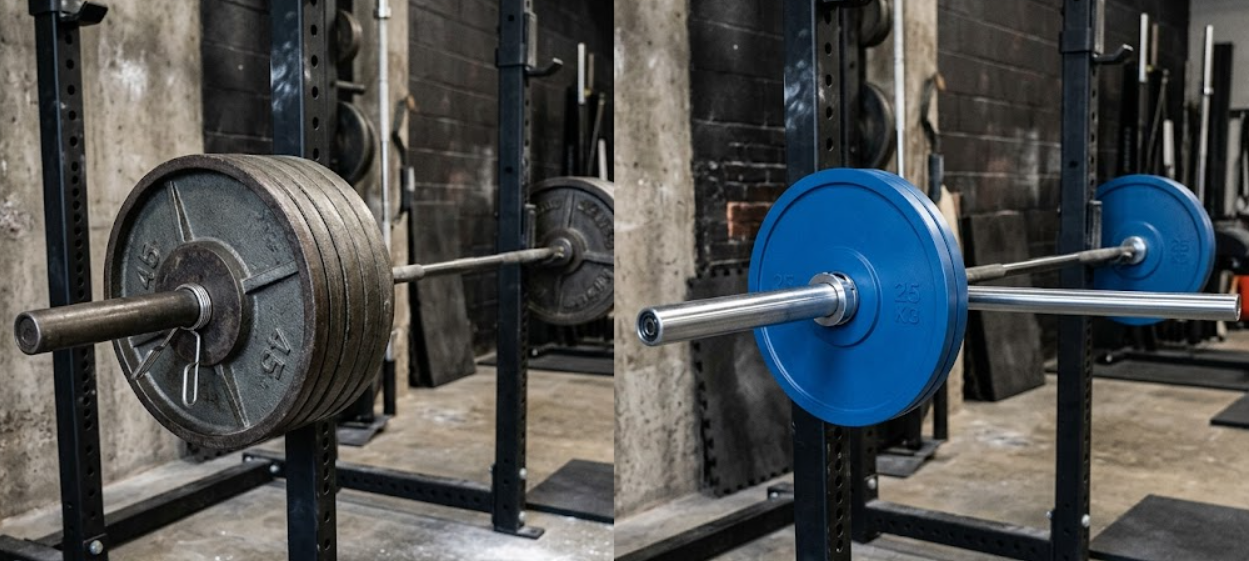
In the fitness industry, weight plate types are primarily categorized by their center hole size. The most common distinction is 2-inch vs 1-inch. Olympic-style equipment utilizes a 2-inch (50mm) sleeve, designed to accommodate heavy, high-performance plates used in professional strength facilities. Conversely, standard equipment typically features a 1-inch (25mm) sleeve, often found in lighter, budget-friendly setups. For distributors and gym owners, ensuring these dimensions align is critical; attempting to load 2-inch Olympic plates onto a 1-inch standard bar is physically impossible, while 1-inch plates will slip loosely and unsafely on an Olympic bar. Identifying these specifications early is the first step in any professional home gym equipment guide.
To help you visualize how these specifications impact your procurement and facility setup, we have synthesized the technical data into a quick-reference comparison. Selecting the wrong specification can lead to unnecessary downtime or safety risks during high-intensity training.
| Feature | Olympic Specification | Standard Specification |
|---|---|---|
| Barbell Sleeve Diameter | 50mm (approx. 2 inches) | 25mm (approx. 1 inch) |
| Typical Use Cases | Professional gyms, CrossFit, heavy lifting | Home studios, light aerobics, beginner setups |
| Stability Level | High (Precision fit for heavy loads) | Moderate (Better for lighter, static weights) |
| Plate Compatibility | Requires 2-inch diameter plates | Requires 1-inch diameter plates |
When reviewing your inventory, always verify these dimensions against your existing hardware. Understanding what is the difference between olympic weight plates and standard ensures your equipment remains compatible and safe for long-term use.
Beyond mere compatibility, the precision of the barbell sleeve diameter directly dictates your long-term maintenance requirements and the overall long-term equipment durability of your facility. In high-performance settings, the interaction between the plate and the sleeve is a critical variable. Olympic bars are engineered with sophisticated sleeve bearing/bushing care in mind, allowing for smooth rotation under heavy loads. If a user attempts to use low-quality, ill-fitting plates, it can cause uneven weight distribution and increased friction, which prematurely wears down the internal bearings.
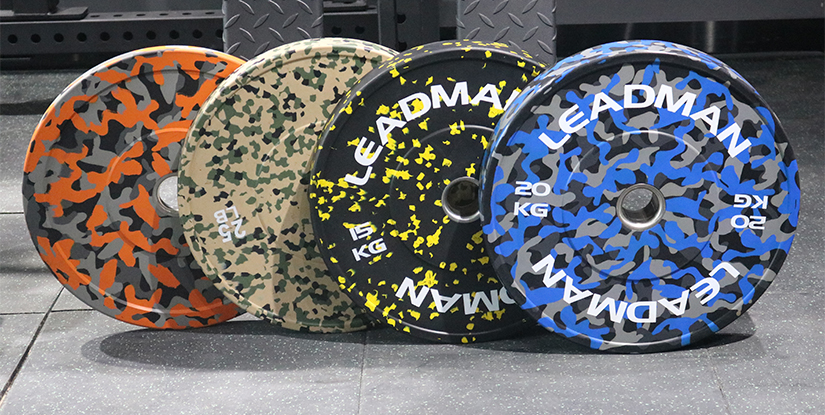
For distributors and facility managers, preventing plate wobble is essential for both safety and hardware longevity. A loose fit on a standard bar can lead to jarring vibrations that damage the barbell's structural integrity over time. To ensure maximum service life, we recommend regular inspections of the sleeve area to remove debris and ensuring that the weight plate types selected match the sleeve's tolerance levels perfectly. Investing in high-quality, precision-sized equipment reduces the frequency of mechanical failures and keeps your strength training area operational and safe.
Comparing Weight Plate Types for Different Training Environments
When planning a facility layout or a residential setup, the barbell sleeve diameter is a critical factor that dictates your long-term spatial footprint. Because Olympic weight plates feature a larger 50mm center hole, they require more substantial barbell bars and specialized storage solutions. While this setup is the gold standard for professional strength conditioning, it demands a larger dedicated area for racks and weight trees to remain organized.
Conversely, standard weight plates utilize a much smaller diameter, making them ideal for compact setups where footprint is a premium. As a vital part of any home gym equipment guide, understanding these dimensions helps you avoid the common mistake of purchasing incompatible gear that wastes valuable square footage. Choosing the right weight plate types ensures your training environment remains efficient and space-saving.
| Plate Category | Typical Sleeve Size | Storage Footprint | Best Use Case |
|---|---|---|---|
| Olympic Style | 50mm | Large/Heavy-Duty | Commercial Gyms & High-Performance Centers |
| Standard Style | 1-inch (25.4mm) | Compact/Minimal | Small Home Studios & Limited Space Setups |
Deciding what is the difference between olympic weight plates and standard plates often comes down to how much room you have for both training and organization. While Olympic setups offer superior stability for heavy lifting, they require more robust, wider storage racks. Standard plates, being more compact, allow for a tighter storage density, making them a budget-friendly option for those working within a constrained training environment.
If you are sourcing equipment for a high-traffic facility, the larger barbell sleeve diameter of Olympic gear is a non-negotiable standard for durability. However, for boutique studios or residential builds where every square inch counts, the smaller profile of standard plates can significantly reduce your equipment's total footprint. Use the comparison below to align your procurement strategy with your available square footage and long-term scaling needs.
| Metric | Olympic Weight Plates | Standard Weight Plates |
|---|---|---|
| Training Environment | Commercial/Professional | Home/Light Commercial |
| Storage Density | Requires wide, heavy racks | High density in compact areas |
| Space Footprint | Expansive/Robust | Minimal/Efficient |
| Cost Profile | Premium Investment | Budget-friendly/Entry-level |
When optimizing your facility layout, knowing what is the difference between olympic weight plates and standard sizes helps you manage your floor plan effectively. For a professional commercial gym, the larger 50mm barbell sleeve diameter is the industry standard, but it necessitates wider, more robust storage solutions to accommodate the heavier, larger-diameter plates. This requires a more expansive footprint to ensure safety and organization.
On the other hand, if you are designing a garage gym or a specialized compact training area, standard plates offer a significant advantage. Their smaller profile allows for much tighter storage density, making them a practical choice when square footage is limited. Whether you are scaling a high-performance center or building a personal home gym equipment guide-compliant setup, always match your weight plate types to the physical constraints of your environment to ensure long-term operational efficiency.
Quality Control Audits for Dimensional Accuracy
When sourcing for high-traffic facilities or premium home setups, the most overlooked factor is often the precision of the fit. Understanding what is the difference between olympic weight plates and standard involves more than just weight; it is about the tolerance of the center hole. In professional manufacturing, precision manufacturing ensures that the internal diameter of the plate aligns perfectly with the barbell sleeve diameter. If a plate is even a millimeter too loose, it creates micro-instability during heavy lifts.
This lack of precision leads to uneven weight distribution, which can cause excessive vibration and preventing barbell wear from being a guarantee. High-quality weight plate types are engineered to provide a snug, centered fit, ensuring smooth loading/unloading and protecting the barbell's rotating mechanism. For distributors and gym owners, investing in equipment with strict dimensional tolerances is a safeguard against premature equipment fatigue and long-term maintenance costs.
To help you evaluate your procurement options, we have summarized how these dimensional variations impact the lifecycle of your inventory. The following table highlights how precision affects the long-term utility of different weight plate types.
| Feature/Metric | Olympic Weight Plates | Standard Weight Plates |
|---|---|---|
| Dimensional Precision | High (Tight tolerance for 50mm sleeves) | Moderate (Designed for 1-inch sleeves) |
| Fitment Issues | Minimal; designed for stability under load | Common; prone to wobbling on larger bars |
| Long-term Wear and Tear | Low; protects the barbell sleeve diameter | Higher; uneven friction can damage bar coatings |
| Ideal Use Case | Commercial gyms & professional training | Lightweight home gym or basic utility |
When navigating your home gym equipment guide or scaling a commercial facility, remember that a loose fit is not just a nuisance—it is a durability risk. While standard plates are cost-effective for light use, the lack of precision often leads to increased long-term wear and tear on your barbells. For distributors seeking longevity, choosing Olympic-spec precision ensures a more stable, durable training environment.
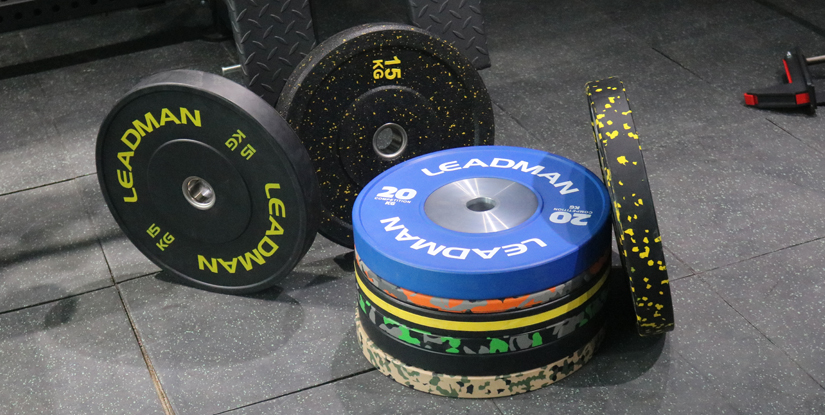
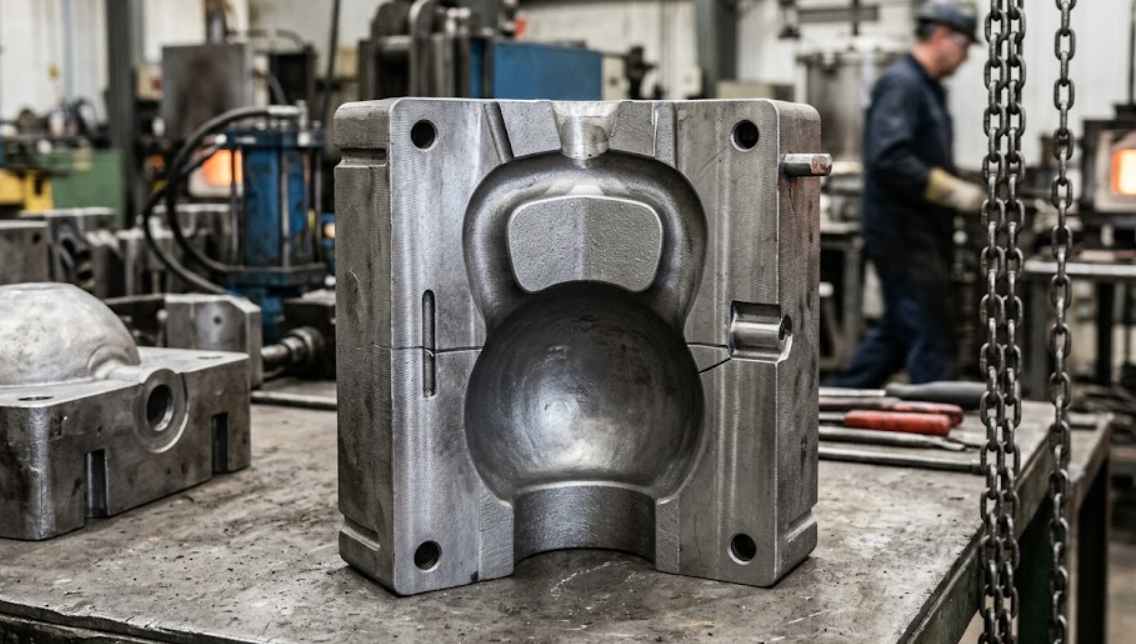
Beyond the basic dimensions, true durability is dictated by how a manufacturer handles the casting and finishing processes. When evaluating suppliers, it is essential to look for evidence of rigorous quality control audits that go beyond simple weight checks. For instance, high-tier production lines prioritize concentricity, ensuring the center hole is perfectly centered within the plate. Without this precision, you face avoiding uneven weight distribution issues that can destabilize a lift and prematurely age your barbell sleeves.
A critical indicator of quality is consistent thickness across a full set. In many lower-tier manufacturing scenarios, slight variations in plate thickness can lead to an unbalanced barbell, even if the total weight is technically correct. For professional buyers and distributors, verifying that a factory maintains strict tolerances is the best way to ensure the equipment survives heavy, repetitive training cycles without mechanical failure or unexpected wobbling.
Managing Warranty Claims and Material Integrity
When sourcing high-volume inventory, understanding what is the difference between olympic weight plates and standard equipment often comes down to long-term durability and maintenance overhead. The longevity of your investment is directly tied to material durability and how well the product withstands environmental stressors. For instance, while rubber-coated weight plate types offer excellent impact protection, they require specific care to prevent cracking or delamination in humid climates.
A critical factor in preventing premature wear is ensuring strict compatibility with the barbell sleeve diameter. If a plate does not seat perfectly on the sleeve, uneven friction can lead to accelerated metal fatigue or surface scoring. Furthermore, for iron-based products, oxidation prevention is a vital part of your maintenance protocol. We recommend regular inspections to ensure that moisture does not compromise the finish, as rust can significantly decrease the lifespan of your commercial-grade assets. Choosing high-quality manufacturing standards during the procurement process minimizes these long-term operational headaches.
To optimize your operational budget, you must consider the long-term upkeep of different weight plate types. While the initial purchase price is a major factor, the ongoing labor required for cleaning and storage can shift the total cost of ownership. For example, understanding what is the difference between olympic weight plates and standard plates from a maintenance standpoint helps you predict how much time your staff will spend on upkeep versus actual training.
Maintenance Comparison: Cast Iron vs. Bumper Plates
The following comparison highlights the practical upkeep requirements for various materials to help you build a better home gym equipment guide or commercial facility protocol.
| Feature | Cast Iron Plates | Rubber Bumper Plates |
|---|---|---|
| Durability | High; resistant to cracking but prone to rust. | Excellent impact resistance; rubber may degrade over years. |
| Cleaning Requirements | Wipe with dry cloth; avoid excessive moisture. | Mild soap and water; avoid harsh chemicals. |
| Storage Tips | Store in low-humidity environments to prevent oxidation. | Avoid direct sunlight to prevent rubber hardening. |
Properly managing these assets ensures that your barbell sleeve diameter and the plates themselves remain in peak condition, protecting your long-term investment.
Beyond routine cleaning, savvy buyers must differentiate between cosmetic flaws and genuine manufacturing defects. During the initial unboxing and inspection, look closely for surface imperfections like uneven coating or pitting, which can indicate poor quality control at the factory level. While minor aesthetic variations are common in cast iron, significant irregularities may compromise the structural integrity of the plate over long-term usage. If you notice a mismatch between the plate's thickness and the expected barbell sleeve diameter, it may lead to uneven weight distribution and premature wear on your bars. When filing a warranty claim, provide clear photographic evidence of these deviations to demonstrate that the issue is a manufacturing defect rather than standard wear and tear. Proactive inspection ensures that the distinction in what is the difference between olympic weight plates and standard equipment remains a matter of specification, not a decline in safety or performance.
Optimizing Logistics and Landed Costs for Heavy Inventory
When sourcing for a commercial facility or a large-scale distribution center, the what is the difference between olympic weight plates and standard question extends far beyond the gym floor; it directly impacts your bottom line through freight logistics. Because Olympic plates are designed for a larger barbell sleeve diameter (typically 50mm), they possess a significantly larger outer diameter compared to standard plates. This physical footprint means that weight plate types categorized as Olympic gear occupy substantially more volume per unit of mass.
From a procurement standpoint, this increased volume affects your shipping density. While standard plates are more compact, Olympic plates often trigger higher dimensional weight vs actual weight calculations during international transit. If your logistics provider calculates based on volumetric weight, the bulkier profile of Olympic equipment can lead to higher landed costs per kilogram. When planning your inventory replenishment, we recommend calculating the total cubic volume of your order to ensure that the increased size of the Olympic diameter does not unexpectedly inflate your sea or air freight expenditures.
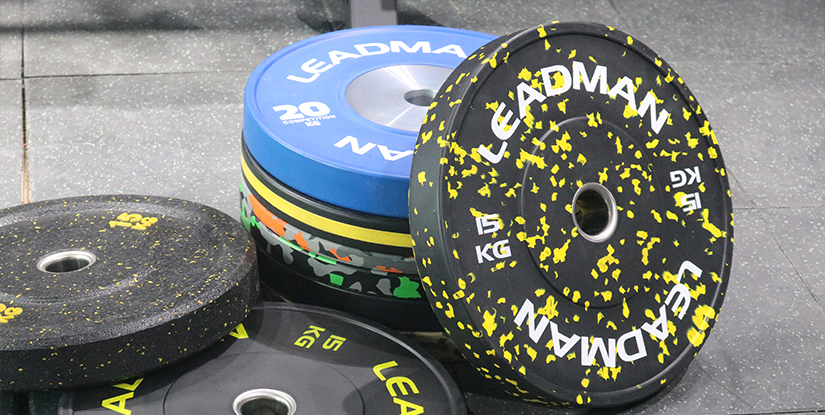
Beyond the logistics of volume, professional buyers must evaluate the standard vs olympic cost-benefit through the lens of long-term investment. While standard plates offer an attractive entry point for those managing tight budget considerations, they often lack the durability required for high-frequency training. In a home gym equipment guide, beginners might favor the lower initial price of standard iron, but for any growing facility, the transition to Olympic gear is almost inevitable.
Choosing Olympic plates represents a strategic decision to invest in versatility. Because they are compatible with a wider range of professional bars and can handle more intense, high-impact movements, they offer superior long-term value. While the upfront procurement cost is higher, the ability to scale weight increments and the resistance to wear and tear means you won't be replacing your inventory as frequently. Ultimately, whether you prioritize low initial costs or high-performance longevity, understanding these weight plate types ensures your capital is allocated toward equipment that matches your facility's long-term growth trajectory.
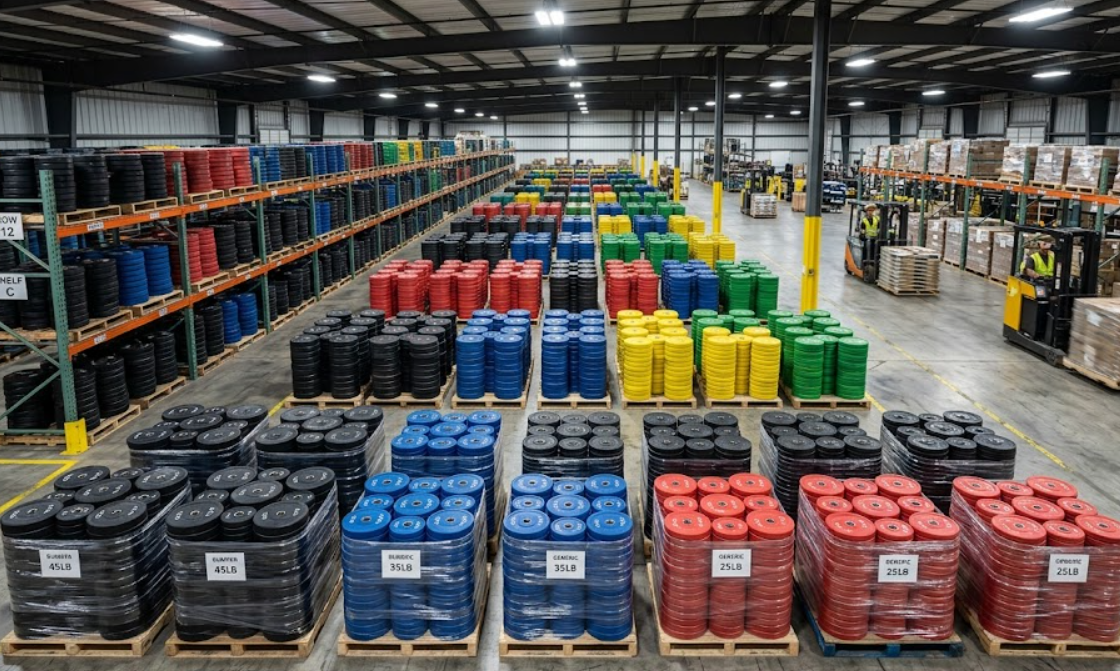
To truly master landed cost management, savvy distributors must look toward bulk ordering and logistics optimization strategies. Because the physical dimensions of Olympic plates differ so significantly from standard versions, your storage space requirements will scale differently. When importing large quantities, we suggest coordinating with your factory partner to optimize weight distribution within shipping containers. For example, nesting plates or utilizing specialized pallet configurations can help mitigate the higher volumetric costs associated with the larger Olympic barbell sleeve diameter footprint.
Furthermore, a strategic approach to sourcing involves balancing the weight plate types in your inventory to optimize container utilization. While standard plates may allow for denser packing, a high-performance facility requires the versatility of Olympic gear. To protect your margins, always request precise packing lists from your supplier. This level of detail allows you to forecast freight expenses accurately, ensuring that the transition from standard to Olympic equipment remains a profitable move for your business rather than a logistical oversight.
Lifecycle maintenance planning for busy facilities
When managing high-traffic training environments, understanding what is the difference between olympic weight plates and standard regarding long-term upkeep is vital for your bottom line. The primary driver of wear and tear in a commercial setting often stems from the barbell sleeve diameter and the resulting mechanical friction. Olympic-standard equipment, designed with a 2-inch sleeve, typically accommodates high-quality bushings or bearings that allow for smoother rotation. While this reduces stress on the bar, it requires a specific maintenance frequency to ensure the internal components remain lubricated and free of debris.
In contrast, standard equipment with a 1-inch diameter often lacks these advanced rotational features, leading to increased vibration and metal-on-metal contact. For facility managers sourcing weight plate types for budget-conscious setups, it is important to recognize that while standard gear may have lower upfront costs, the lack of sophisticated sleeve engineering can lead to accelerated degradation of the barbell itself. Choosing the right specification is not just about the weight; it is about predicting the long-term durability and the labor costs associated with equipment upkeep.
To optimize your procurement strategy, we have categorized these weight plate types by their operational lifecycles. Selecting the correct equipment involves balancing the initial investment against the expected replacement intervals and the labor required for upkeep. Whether you are building a boutique studio or a high-volume training center, this comparison will clarify what is the difference between olympic weight plates and standard in terms of practical management.
| Feature | Olympic Plates (2" Sleeve) | Standard Plates (1" Sleeve) |
|---|---|---|
| Usage Intensity | High (Heavy lifting/CrossFit) | Low to Moderate (General fitness) |
| Durability Expectation | High (Engineered for impact) | Moderate (Prone to surface wear) |
| Maintenance Needs | Occasional (Sleeve lubrication) | Minimal (Basic cleaning) |
| Ideal Setting | Commercial Gyms / Performance Centers | Home Gyms / Light Commercial Studios |
When consulting a home gym equipment guide or planning a large-scale facility rollout, consider that Olympic gear offers a longer functional lifespan in rigorous environments. While the barbell sleeve diameter dictates the precision of the movement, your choice of plate material will ultimately determine how often your staff must intervene for repairs or replacements.
To ensure maximum longevity for your investment, implementing rigorous cleaning protocols is non-negotiable. Regardless of whether you have opted for high-performance Olympic gear or more basic weight plate types, moisture and sweat accumulation are the primary enemies of metal surfaces. We recommend a routine wipe-down with a non-corrosive, pH-neutral cleaner to prevent buildup. For high-intensity zones, specialized rust prevention treatments—such as applying a thin layer of silicone-based lubricant to the barbell sleeves—can significantly extend the life of the rotational components.
Effective storage solutions are equally critical to preventing premature degradation. Avoid leaving plates on the floor or in high-humidity areas where oxidation can occur. Utilizing vertical plate trees or dedicated weight racks not only organizes the training floor but also keeps the metal surfaces elevated and dry. As part of a comprehensive home gym equipment guide for facility managers, we suggest a monthly inspection of the contact points. By proactively managing these small details, you reduce the frequency of costly replacements and ensure your equipment remains a reliable asset for years to come.