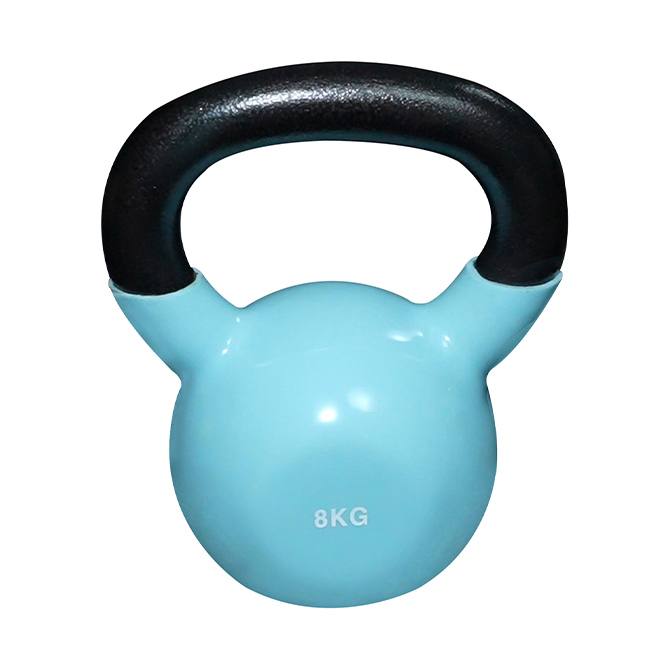
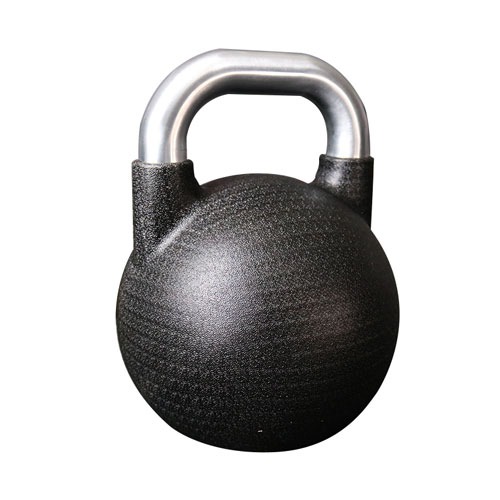
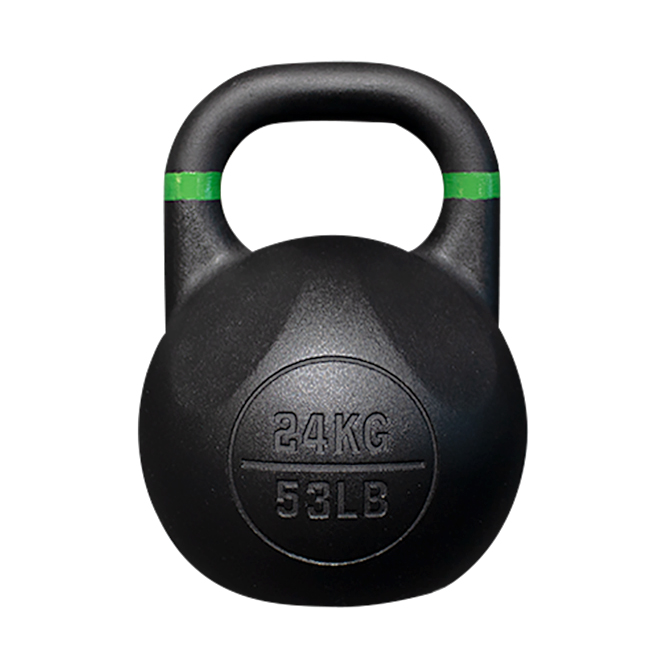
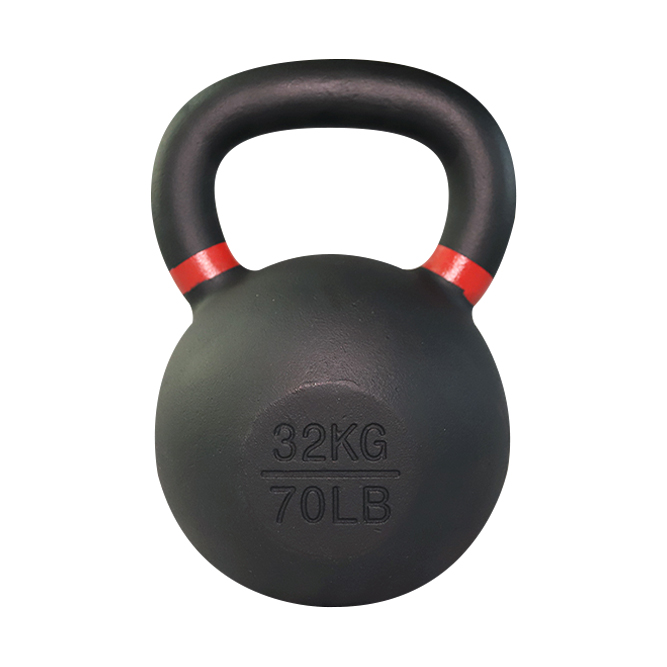
Vinyl vs Cast Iron Kettlebells: Facility Selection Guide
Analyzing Total Cost of Ownership and Lifecycle Longevity
When evaluating the vinyl kettlebell vs cast iron debate, procurement specialists must look beyond the initial invoice. While one option may offer a lower entry price, the true cost is dictated by the long-term operational impact on your facility’s infrastructure and replacement cycles.
A common pitfall in gym equipment procurement is focusing solely on the unit price while ignoring the initial investment vs long-term ROI. For example, choosing cast iron without considering the necessary floor protection can lead to significant secondary expenses. If a facility lacks high-grade rubber matting, the impact of heavy iron weights can cause structural damage to subfloors, necessitating costly repairs or premature flooring replacement.
Conversely, the commercial kettlebell durability of vinyl-coated models often provides a different value proposition. While the coating may eventually face wear and tear from high-frequency use, the inherent shock absorption often reduces the strain on your facility's surfaces. Buyers must weigh the replacement frequency of the coating against the potential cost of floor remediation to determine which material aligns best with their facility's budget and maintenance capabilities.
To facilitate a data-driven decision, we have synthesized the primary economic variables into a comparison framework. This helps distributors and facility managers quantify the trade-offs between upfront capital expenditure and long-term operational overhead.
| Material Type | Initial Unit Cost | Expected Lifespan | Maintenance Requirements | Floor Impact Cost | Best Use Case |
|---|---|---|---|---|---|
| Vinyl Coated | Moderate | Medium (Coating dependent) | Low (Surface cleaning) | Low (High shock absorption) | Boutique studios & functional training zones |
| Cast Iron | Low to Moderate | High (Structural longevity) | Moderate (Rust/Surface care) | High (Requires matting) | High-traffic strength & conditioning gyms |
Strategic Procurement Note: When sourcing in bulk, consider that the lower unit price of cast iron is often offset by the necessity of investing in high-density rubber flooring. If your facility is already equipped with heavy-duty impact protection, the structural reliability of iron may offer a more predictable lifecycle for high-volume commercial environments.
Beyond the immediate purchase, the rubber coated vs cast iron comparison shifts toward inventory management and the frequency of re-ordering. For high-traffic facilities, the durability in high-use environments is often defined by how the exterior layer reacts to repeated impact and environmental exposure. Vinyl or rubber-coated options tend to offer a protective buffer, but the integrity of this coating determines your long-term inventory turnover. If a coating begins to peel or crack due to low-quality manufacturing, it can trigger a premature replacement cycle, increasing the workload for your facility's maintenance staff.
In contrast, cast iron provides a more permanent structural solution, though it requires a different maintenance window to address oxidation or surface rust. From a gym equipment procurement standpoint, the goal is to minimize "hidden" costs like frequent shipping for replacements or labor-intensive surface upkeep. When planning large-scale orders, distributors should prioritize high-quality coating adhesion for vinyl models to ensure the product remains aesthetically and functionally viable throughout its lifecycle, thereby protecting the long-term value of the initial capital expenditure.
Impact of Coating Integrity on Floor Protection and Facility Maintenance
For facility managers, the choice between vinyl kettlebell vs cast iron often comes down to the long-term stability of the training environment. The primary concern during high-volume usage is not just the weight itself, but how the equipment interacts with the subfloor. While raw cast iron provides a classic feel, it lacks the inherent impact absorption required for high-traffic zones, often leading to accelerated wear on expensive rubber mats or specialized gym flooring.
A high-quality coating acts as a critical buffer. When evaluating rubber coated vs cast iron options, procurement specialists must consider how surface abrasion affects both the equipment and the floor. A premium vinyl or rubber shell mitigates the kinetic energy transferred during accidental drops, serving as a vital component of commercial gym flooring maintenance. Neglecting this variable can result in cracked tiles or permanent indentations, significantly increasing the total cost of ownership through premature facility repairs.
| Coating Type | Floor Protection Level | Abrasion Resistance | Maintenance Requirement |
|---|---|---|---|
| Raw Cast Iron | Low | High (High Impact) | Minimal (Rust Control) |
| Vinyl/Poly Coating | Moderate to High | Low (Soft Impact) | Moderate (Surface Cleaning) |
| Premium Rubber | High | Very Low | Low (Standard Hygiene) |
When sourcing in bulk, ensure your supplier provides specifications regarding coating adhesion. A failure in coating integrity leads to peeling, which creates localized surface abrasion and compromises the floor protection standards of your facility.
Evaluating the long-term Total Cost of Ownership (TCO) requires looking beyond the initial unit price. A lower upfront cost for raw iron may seem attractive, but the hidden expenses of floor replacement and frequent equipment refinishing can quickly erode your margins. For distributors and gym owners, the decision rests on balancing the durability of the coating against the frequency of facility upkeep.
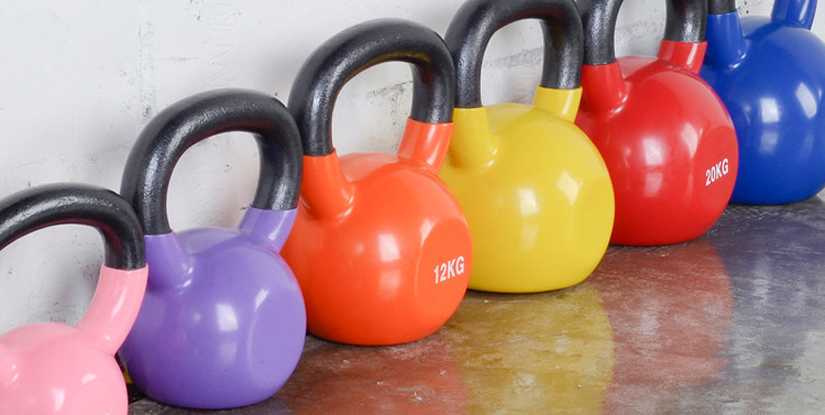
Comparative Maintenance and Operational Impact
The following comparison highlights the operational trade-offs between these two common specifications. While cast iron requires less direct surface care, the secondary costs related to floor impact and potential rust management are often higher in high-intensity commercial environments.
| Feature | Vinyl/Poly Coating | Cast Iron |
|---|---|---|
| Coating Durability | High (Resistant to chipping) | N/A (Direct metal exposure) |
| Floor Impact | Low (Absorbs kinetic energy) | High (Requires heavy matting) |
| Maintenance Frequency | Moderate (Surface wiping) | Low (Occasional rust prevention) |
From a procurement standpoint, premium coated options typically offer a more predictable maintenance schedule. When managing large-scale inventory, prioritizing items with high-adhesion coatings reduces the risk of receiving damaged or peeling units during shipping, ensuring that your facility maintenance remains a routine task rather than an emergency repair.
A robust procurement strategy must prioritize QC standards regarding material degradation. In high-traffic gym environments, the primary failure point is often the bond between the weight and its exterior shell. If a supplier lacks rigorous testing for coating integrity, you may encounter peeling or cracking within months of deployment. This is not merely an aesthetic issue; compromised coatings can lead to oxidation of the internal core or unexpected weight distribution shifts, complicating long-term inventory management.
Ultimately, the long-term ROI of your equipment selection depends on the stability of these materials under heavy use. While cast iron offers a lower entry price, the cumulative cost of floor repairs and rust mitigation can be substantial. By selecting high-adhesion coated options, distributors and facility owners can ensure a more predictable lifecycle, reducing the frequency of replacement cycles and optimizing the total value of their initial investment.
Optimizing Storage Density and Spatial Footprints in Commercial Settings
When designing a high-traffic training zone, the physical dimensions of your equipment dictate the efficiency of your floor plan. A critical factor often overlooked during the procurement stage is how the vinyl kettlebell vs cast iron comparison affects the actual spatial footprint of your facility. Because vinyl-coated options typically feature a thicker outer layer to accommodate the polymer skin, the overall diameter of the bell is slightly larger than a traditional bare cast iron model of the same weight. This increased circumference can impact how tightly equipment can be racked or stored in compact functional training areas.
Furthermore, the choice between these two materials directly influences long-term floor durability and movement flow. While cast iron offers a more compact profile, it requires high-grade rubber matting to mitigate impact damage. Conversely, the integrated cushioning of a vinyl coating provides an inherent layer of protection, allowing for more fluid transitions in multi-use spaces. For distributors and gym owners, balancing these spatial requirements with commercial kettlebell durability standards is essential to ensure that the equipment layout remains both functional and safe under heavy use.
To assist in your inventory planning and facility layout design, we have outlined the operational differences between these two common specifications. When calculating storage density, procurement officers must account for the slight diameter increase in coated models, which may affect the capacity of standard metal racks or tiered shelving units.
| Technical Metric | Vinyl / Rubber Coated | Traditional Cast Iron |
|---|---|---|
| Storage Density | Lower; larger diameter requires more spacing | Higher; compact profile for tight racking |
| Floor Protection | High; integrated layer reduces impact noise | Requires external heavy-duty matting |
| Maintenance Requirements | Low; easy to wipe down and non-abrasive | Moderate; requires monitoring for oxidation |
| Spatial Footprint | Larger; better for multi-use/yoga zones | Minimal; optimized for heavy lifting zones |
From a logistics and sourcing perspective, understanding the rubber coated vs cast iron distinction ensures you order the correct accessory configurations, such as specialized racks, to match your shipment's total volume. While cast iron maximizes space in weight rooms, vinyl options reduce the need for additional floor protection investments, offering a different type of long-term value for boutique or high-end commercial studios.
Effective facility management requires a forward-looking approach to how equipment interacts with existing infrastructure. When planning your next shipment, consider that the volumetric differences between these two types of bells can alter your storage solutions strategy. For instance, a standard tiered rack designed for slim-profile cast iron may not accommodate the increased girth of a vinyl-coated set without significant adjustments. This discrepancy can lead to unexpected logistical friction during unboxing and initial setup if the dimensions are not cross-referenced with your shelving specifications.
For professional buyers, the decision hinges on a calculation of long-term ROI regarding both space and upkeep. While cast iron allows for higher density in weight-focused zones, vinyl models offer a "plug-and-play" advantage in multi-functional studios where floor-to-ceiling space is at a premium. When approaching gym equipment procurement, we recommend auditing your rack compatibility and floor-protection budgets simultaneously. Choosing the right material is not just about the weight itself, but about how that weight occupies your facility's square footage over the next several years of operation.
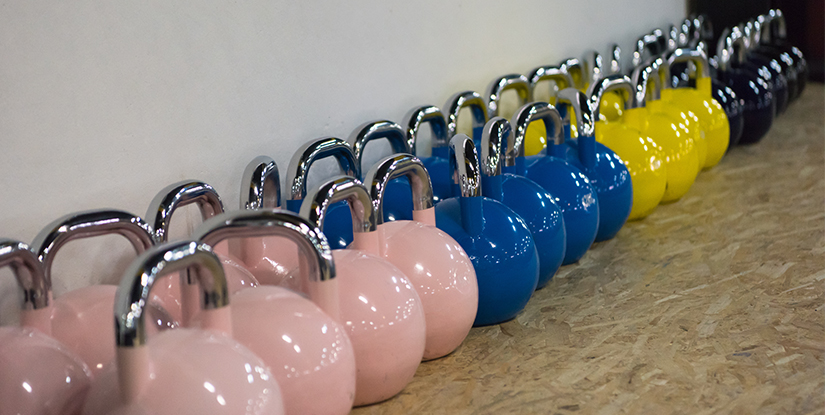
Sourcing Strategies for High-Volume Gym Equipment Procurement
When scaling a fitness facility, procurement professionals must look beyond the sticker price to understand the long-term financial implications of their inventory. Choosing between a vinyl kettlebell vs cast iron involves a fundamental trade-off between immediate CAPEX and ongoing OPEX. Cast iron models typically offer a lower initial unit cost, making them an attractive option for high-volume orders where budget constraints are tight during the setup phase.
However, a low entry price can be deceptive. While cast iron is exceptionally rugged, the lack of a protective layer can lead to increased wear on flooring and potential oxidation if not stored correctly. Conversely, while vinyl-coated options may require a higher upfront investment, their impact on commercial kettlebell durability and facility maintenance is significant. High-traffic environments often see vinyl coatings degrade due to heavy use or chemical cleaners, which can shorten replacement cycles. For distributors and gym owners, the goal is to balance the low cost of raw iron against the potential long-term costs of replacing damaged coatings and repairing floor surfaces.
To make an informed decision, procurement officers should evaluate the total cost of ownership (TCO) rather than just the unit price. The choice between rubber coated vs cast iron options often dictates whether your budget is spent on initial inventory or subsequent facility repairs. For instance, a facility utilizing unprotected cast iron may face higher floor protection costs over time due to surface impact and vibration, whereas high-quality vinyl coatings act as a built-in buffer.
The following framework assists in calculating procurement ROI based on your specific facility model and expected usage frequency:
| Metric | Cast Iron (Standard) | Vinyl/Rubber Coated |
|---|---|---|
| Initial Unit Cost | Lower (Budget-friendly) | Moderate to High |
| Durability vs Price | High structural longevity; low coating protection | High impact resistance; coating wear risk |
| Floor Impact | High (Requires mats/protection) | Low (Built-in cushioning) |
| Best Use Case | Standard strength rooms; high-volume wholesale | Premium studios; boutique fitness environments |
When negotiating with manufacturers, consider how the durability vs price ratio affects your replacement cycle. While cast iron offers a predictable cost for bulk orders, the integration of a protective layer can often yield a better long-term return by preserving your facility's flooring and reducing maintenance overhead.
Optimizing Shipping Volume and Bulk Order Logistics
Beyond unit costs, sophisticated gym equipment procurement requires a deep dive into the physical logistics of weight and volume. One of the most overlooked variables in the vinyl kettlebell vs cast iron debate is the impact of weight density on shipping efficiency. Because cast iron is a high-density material, it offers a compact footprint, which is ideal for maximizing the weight-to-volume ratio within a standard shipping container. This density often results in lower shipping volume per unit, making it a predictable choice for heavy-duty freight logistics.
In contrast, vinyl-coated options often have a larger outer diameter relative to their weight to accommodate the protective layer. For large-scale gym fit-outs, this increased volume can lead to higher dimensional weight charges. When managing bulk order logistics, buyers must account for how these volumetric differences affect container utilization. We recommend reviewing MOQ considerations with your supplier not just for price breaks, but to align with container load optimization. Efficiently nesting these items can significantly reduce landed costs, ensuring your high-volume order remains cost-effective from the factory floor to your facility.
Quality Control Standards for Rubber Coated vs Cast Iron Specifications
When evaluating long-term inventory turnover, the primary concern for facility managers shifts from initial unit cost to commercial kettlebell durability. In high-use environments, the physical stress placed on equipment is relentless. The core tension in a vinyl kettlebell vs cast iron comparison lies in how each material handles mechanical fatigue and impact resistance over thousands of repetitions.
Cast iron remains the industry benchmark for structural integrity, offering a solid, monolithic form that resists deformation under heavy use. However, the primary vulnerability for distributors sourcing these units is surface oxidation or chipping if the protective finish fails. Conversely, while vinyl-coated options provide superior grip and floor protection, the coating integrity is the critical failure point. In rigorous training settings, low-quality vinyl can suffer from peeling or tearing, which compromises the aesthetic and functional lifespan of the product. For procurement professionals, understanding these material behaviors is essential to predicting replacement cycles and ensuring the long-term ROI of a facility's strength training arsenal.
To streamline your procurement assessment, we have synthesized the technical differences between these two common specifications. This comparison focuses on the operational variables that most frequently impact total cost of ownership (TCO) and facility maintenance schedules.
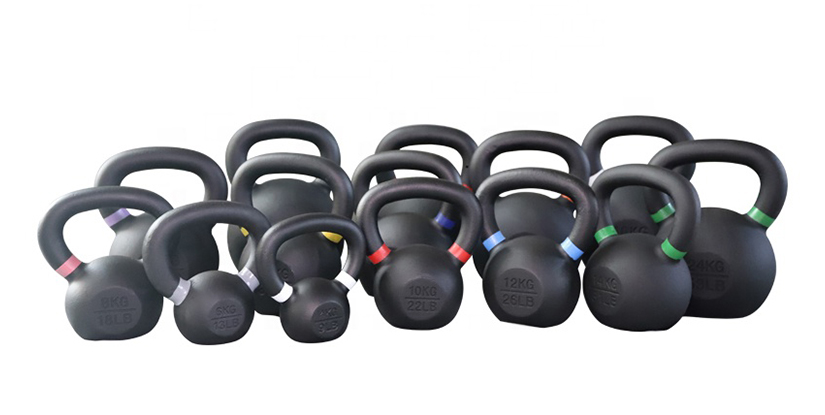
Comparison Table: Material Durability & Maintenance
| Evaluation Metric | Vinyl-Coated Kettlebells | Cast Iron Kettlebells |
|---|---|---|
| Surface Abrasion | High resistance; coating protects against minor scuffs. | Moderate; prone to paint chipping under heavy impact. |
| Oxidation/Rust Resistance | Excellent; the non-porous layer prevents moisture ingress. | Variable; requires high-quality powder coating to prevent rust. |
| Floor Protection | Superior; the soft exterior minimizes impact noise and surface damage. | Standard; requires specialized rubber matting to prevent floor wear. |
| Replacement Frequency | Lower for surface wear, but higher if coating integrity fails. | Low; highly durable if stored in controlled environments. |
When negotiating with manufacturers, we recommend requesting specific details regarding the rubber coated vs cast iron bonding processes. For vinyl models, verify the thickness and adhesion strength of the coating to ensure it meets commercial standards for high-traffic gym equipment procurement.
Critical QC Checkpoints for Bulk Sourcing
Mitigating the risk of premature replacement requires a rigorous inspection protocol during the manufacturing and shipment phases. When managing large-scale gym equipment procurement, relying solely on a manufacturer's specification sheet is insufficient. To protect your long-term TCO, your quality control checklist must move beyond visual aesthetics to functional stress testing.
For vinyl-coated models, the most frequent failure point is delamination. We advise requesting adhesion testing data to ensure the polymer layer remains bonded to the core under varying thermal conditions. Additionally, verify thickness consistency across the entire weight range; uneven coating not only affects the center of gravity but also creates weak points prone to tearing. For cast iron orders, your shipment inspection should prioritize the integrity of the powder coating and the absence of structural micro-fissures that could lead to oxidation. By implementing these technical checkpoints, distributors can minimize the hidden costs of faulty batches and ensure that the chosen material—whether it be the impact-absorbing vinyl or the rugged cast iron—delivers the expected service life in a professional setting.
Logistics and Bulk Shipping Considerations for International Orders
When managing large-scale procurement, the physical dimensions of your order can influence your landed cost as much as the unit price itself. A critical factor in the vinyl kettlebell vs cast iron debate is the relationship between weight and volume. Because cast iron is highly dense, it offers superior shipping density, allowing distributors to maximize the weight capacity of a container without hitting dimensional limits prematurely. This makes cast iron an efficient choice for high-volume orders where freight cost optimization is a priority.
In contrast, vinyl-coated models typically feature a thicker outer shell to accommodate the protective layer. This increased profile results in a higher volumetric weight per unit. For international buyers, this means that a shipment of vinyl kettlebells may hit the volume limit of a standard 20ft or 40ft container before reaching its maximum weight capacity. Failing to account for this lower container utilization efficiency can lead to higher per-unit shipping costs. When calculating your total landed cost, we recommend evaluating whether the added durability of a coated finish justifies the increased logistics overhead compared to the compact footprint of traditional iron.
Beyond container volume, a sophisticated procurement strategy must account for the nuances of packaging durability and minimum order quantities (MOQ). Cast iron units often require robust, heavy-duty corrugated boxing to prevent chipping during transit, whereas the rubber coated vs cast iron distinction extends to how the products are palletized. Vinyl-coated options, while more forgiving on gym floors, are susceptible to compression or surface abrasions if the packaging durability is not up to commercial standards. This can lead to rejected shipments or increased returns if the protective layer is compromised before reaching the facility.
From a budget perspective, the landed cost of vinyl-coated equipment is frequently influenced by these specialized packaging requirements and the potential for higher MOQs to achieve economies of scale. While cast iron offers a predictable, high-density shipping profile, vinyl models may necessitate more complex stacking configurations to protect the coating. For distributors, calculating the true cost of commercial kettlebell durability involves weighing the initial unit price against these logistical variables. We advise buyers to request detailed packing lists and volumetric specifications during the quoting phase to ensure the total procurement budget accounts for both the physical product and the logistical realities of international freight.
Effective gym equipment procurement extends far beyond the initial purchase order; it requires a deep understanding of how product lifecycles influence long-term ROI. When selecting between a vinyl kettlebell vs cast iron, the primary differentiator in total cost of ownership is the maintenance-related replacement cycle. Cast iron, while incredibly durable, is prone to surface oxidation or chipping if the finish is compromised, which may necessitate periodic repainting or eventual replacement in high-humidity environments. Conversely, high-quality vinyl coatings provide a resilient barrier that protects the core, often extending the functional life of the equipment in high-traffic commercial settings.
From an operational standpoint, these material choices also dictate your inventory turnover and warehouse management strategies. Because cast iron is more compact and dense, it allows for a smaller storage footprint in your distribution center, making it easier to manage high-density stock. Vinyl-coated units, due to their larger volumetric profile, require more shelf or pallet space per kilogram of weight. Buyers must balance the immediate inventory turnover benefits of compact iron against the long-term savings of a low-maintenance vinyl coating that reduces the frequency of reordering. Ultimately, a successful procurement model accounts for both the physical space occupied in the warehouse and the eventual replacement frequency of the gear.