All-in-One Adjustable Kettlebell: Quick Weight Selection Guide for Commercial Procurement
Defining the Commercial Advantage of the adjustable kettlebell
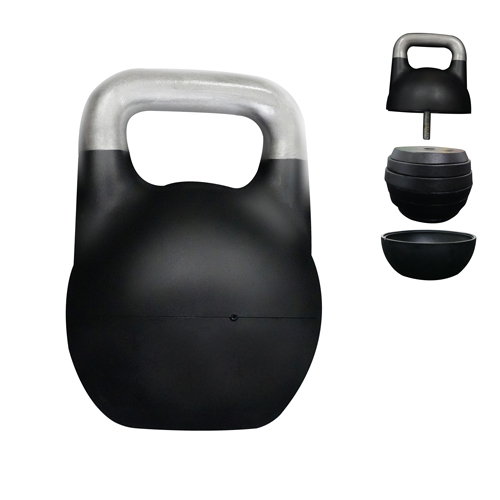
An adjustable kettlebell provides a consolidated strength solution, replacing a traditional kettlebell set with a single, high-performance unit. Designed for commercial durability, it utilizes internal weight plates to offer rapid transitions between resistance levels, maximizing floor space, reducing procurement logistics, and significantly lowering the total cost of ownership for professional fitness facilities.
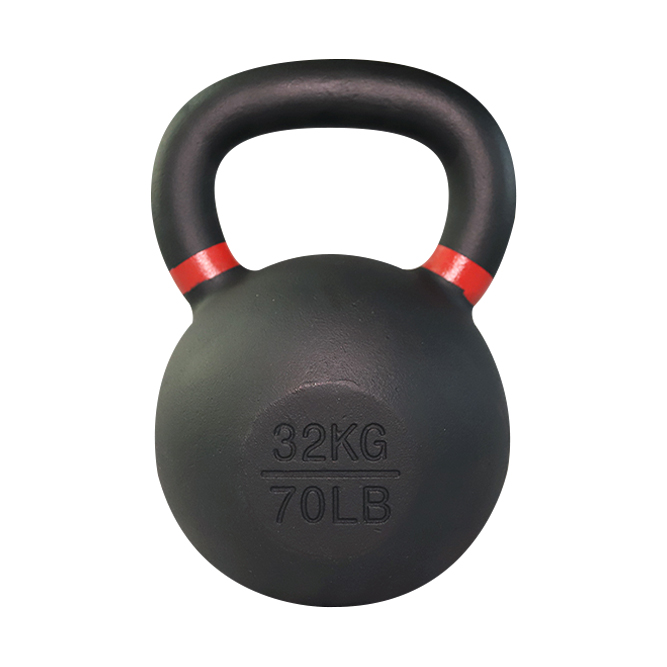
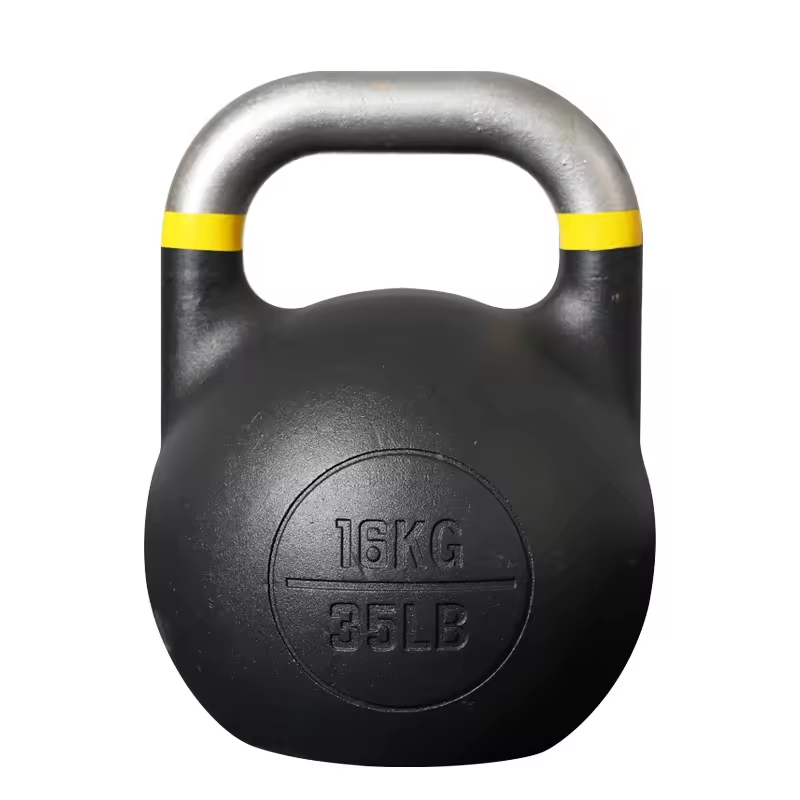
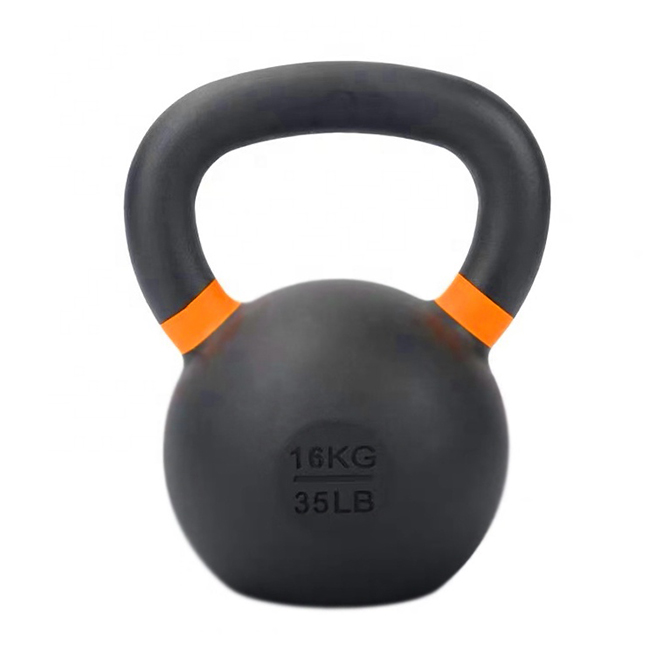
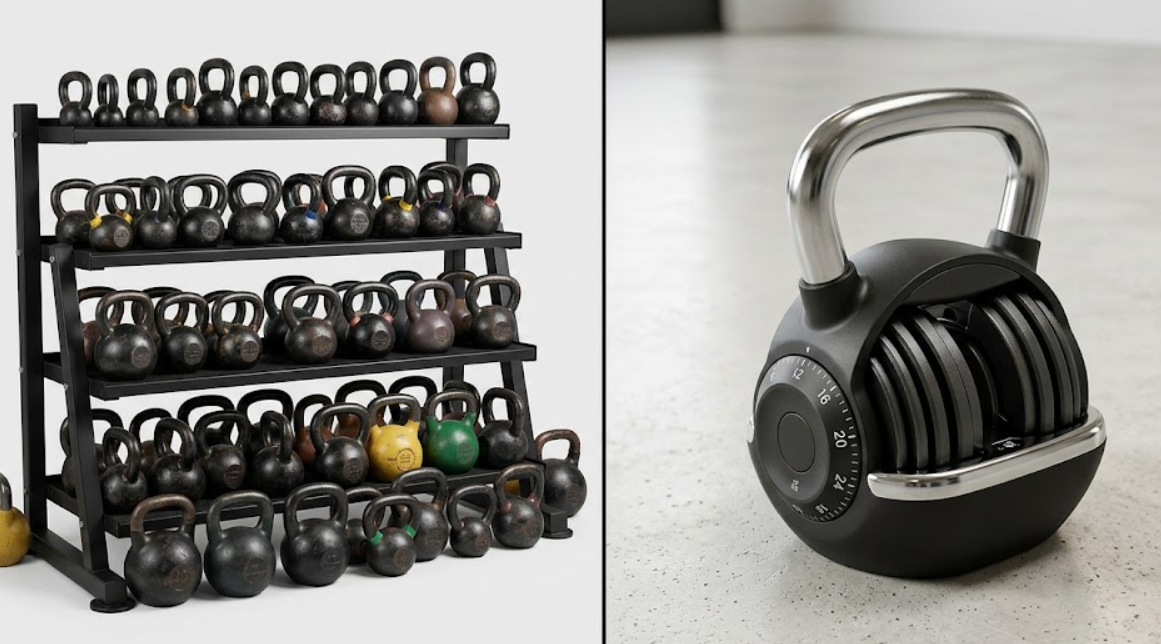
For facility managers and studio owners, the transition from fixed iron to an adjustable kettlebell system is rarely about the exercise itself—it is about the math of the gym floor. In a commercial environment where every square foot must generate revenue, dedicating a massive wall to a 10-piece kettlebell set is often an inefficient use of capital and physical space. A professional-grade adjustable kettlebell offers the same structural integrity as cast iron but with a footprint that is 90% smaller than a tiered rack.
The Footprint Crisis: Why Traditional Kettlebell Racks Drain Studio Profits
Managing a boutique studio or a high-traffic gym requires a ruthless focus on "revenue per square foot." When you purchase a standard kettlebell set ranging from 8kg to 32kg, you aren't just buying iron; you are committing to a large, heavy storage rack that occupies prime real estate. This clutter creates a bottleneck in group training sessions and increases the risk of tripping hazards, which can impact your liability insurance and overall member experience.
The agitation for many owners comes during expansion. Adding more weight options usually means adding more racks, further encroaching on the functional training area. This "storage creep" limits the number of participants you can fit into a single class, directly capping your hourly ROI. Furthermore, the logistical headache of inventorying, cleaning, and maintaining twenty individual units versus three or four adjustable kettlebell units results in higher labor costs over time.
By integrating an adjustable kettlebell, you effectively eliminate the need for expansive racking. The internal weight plates are securely housed within a single shell, allowing trainers to adjust the load for a client in seconds without leaving their station. This keeps the training floor clear and the workout intensity high.
| Efficiency Factor | Traditional kettlebell set (10 Units) | Commercial adjustable kettlebell (1 Unit) |
|---|---|---|
| Storage Footprint | Approx. 12 - 15 Square Feet | Less than 1 Square Foot |
| Procurement Complexity | High (Multiple SKUs, freight costs) | Low (Single SKU, compact shipping) |
| Cleaning & Maintenance | Time-consuming (10 surfaces) | Minimal (1 shell surface) |
| Weight Flexibility | Fixed increments only | Dynamic via internal weight plates |
| Facility ROI | Depreciates via space loss | Optimizes floor for more members |
Engineering Integrity: Mechanism Reliability vs. Impact Resistance
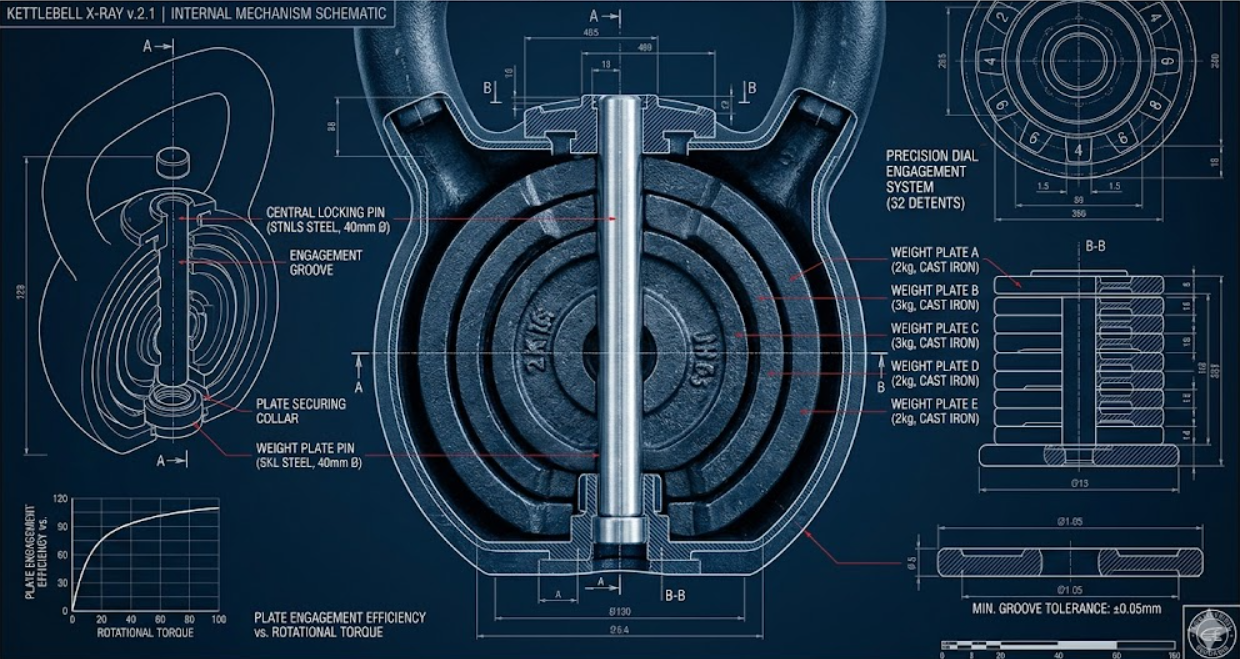
A common concern for procurement managers is the mechanical longevity of an adjustable kettlebell compared to a solid cast iron piece. In a high-traffic commercial facility, equipment is subjected to frequent drops and rapid weight changes. If the internal locking system or the weight plates are engineered with sub-standard materials, the unit becomes a liability rather than an asset. A malfunctioning adjustment pin or a loose internal plate creates noise, vibration, and—most critically—safety risks during high-velocity movements like snatches or cleans.
The agitation lies in the "hidden cost of cheap hardware." Purchasing consumer-grade adjustable units for a commercial setting often leads to a high failure rate within the first six months. Replacing these units repeatedly destroys any initial savings. Professional-grade adjustable kettlebell designs prioritize a "lock-and-stay" architecture. High-tensile steel or heavy-duty cast iron shells protect the internal weight plates, ensuring that the center of gravity remains consistent regardless of the selected load. This engineering precision is vital for maintaining the technical integrity of the lift, which is a non-negotiable requirement for professional coaches and athletes.
Procurement Logic: Comparing Total Cost of Ownership (TCO)
When evaluating a kettlebell set versus an adjustable kettlebell, savvy buyers look beyond the initial sticker price and analyze the Total Cost of Ownership (TCO). A traditional kettlebell set requires a higher upfront investment in shipping—due to the sheer volume and weight of multiple iron spheres—and significant recurring costs in floor space depreciation. For a 50-square-meter studio, the space occupied by a large rack could instead house an additional cardio machine or a functional trainer, both of which have higher direct billing potential.
The solution is a strategic procurement shift. By investing in a high-quality adjustable kettlebell, you consolidate your SKU management. For distributors, this means lower warehouse overhead and simplified shipping logistics. For gym owners, it means a lower cost per pound of "accessible weight." Instead of paying for ten different handles and ten different shells, you pay for one premium handle and a versatile stack of weight plates. This allows you to reallocate your budget toward other high-impact equipment or marketing efforts to grow your membership base.
| Financial Metric | Fixed kettlebell set (Commercial Grade) | Professional adjustable kettlebell |
|---|---|---|
| Inbound Freight Cost | High (Heavy palletized shipping) | Low (Compact, individual boxing) |
| Warehouse Storage Cost | Extensive (Requires significant racking) | Minimal (High density per shelf) |
| Replacement Unit Cost | Moderate (Must replace specific weight) | Low (Modular component replacement) |
| Versatility per $1,000 | Limited (Few fixed increments) | High (Comprehensive range of weights) |
From a long-term maintenance perspective, the adjustable kettlebell also wins on simplicity. Modern units often feature a powder coat finish that resists chipping and sweat corrosion. Because you are maintaining fewer units, your staff spends less time on equipment inspections and more time on member engagement, further improving the operational efficiency of your facility.
Weight Plates and Internal Balance: Maintaining Training Precision
In professional strength training, the center of gravity is paramount. A major criticism of lower-end adjustable kettlebell models is the "rattle" or shifting of internal weight plates during dynamic movements. For a gym owner, this isn't just a noise complaint; it is a performance and safety issue. If the weight shifts mid-swing, it alters the torque on the athlete’s shoulder and wrist, potentially leading to injury and liability concerns for the facility. Commercial-grade units solve this by utilizing precision-machined weight plates that lock into a central pillar, ensuring the unit feels as solid as a traditional cast iron piece.
From a procurement standpoint, the quality of these weight plates determines the lifespan of the product. High-density iron or steel plates resist compression and wear, maintaining weight accuracy over thousands of adjustment cycles. When you invest in a premium adjustable kettlebell, you are ensuring that the 16kg setting is exactly 16kg every time. This consistency allows coaches to track client progress accurately—a critical component of retention for boutique personal training studios that pride themselves on data-driven results.
Versatility in Group Programming: From Beginners to Advanced Athletes
Group functional training often faces the "equipment bottleneck." In a typical class, you might have a professional athlete and a fitness novice side-by-side. If your kettlebell set only has one 12kg and one 24kg unit, your programming is limited by your inventory. The adjustable kettlebell breaks this bottleneck. Each participant can have their own station with a full range of weights available at their feet. This eliminates the "scramble for the rack" that often disrupts the flow and intensity of a high-intensity interval training (HIIT) session.
For the studio owner, this versatility translates to better class management. Instead of purchasing 20 individual units to cover a 10-person class, you can purchase 10 adjustable kettlebell units. This setup ensures that every member, regardless of their strength level, has the correct resistance for every exercise, from heavy deadlifts to high-rep snatches. The ability to fine-tune the load in small increments—often not possible with a standard kettlebell set—allows for more granular progressive overload, leading to faster member results and higher long-term satisfaction rates.
Furthermore, the adjustable kettlebell simplifies the setup and teardown process. Coaches spend less time hauling heavy iron across the gym floor and more time focusing on form correction and motivation. This operational efficiency is a key driver in maximizing the number of classes you can run per day, directly impacting your bottom line.
| User Scenario | Fixed Weight Limitation | adjustable kettlebell Advantage |
|---|---|---|
| Personal Training | Requires moving to the rack between sets | Instant adjustments at the training station |
| Small Group Classes | Common weights (12kg/16kg) run out quickly | Every station has all weights available |
| Progressive Overload | Large jumps (e.g., 4kg increments) | Small, precise increments via weight plates |
| Recovery/Mobility | Fixed sets often lack very light options | Can be stripped down to the base weight easily |
Distributor Logistics: Inventory Optimization and Shipping Efficiency
For fitness equipment distributors and wholesalers, the logistical burden of a traditional kettlebell set is significant. Stocking a full range of fixed weights requires managing multiple SKUs, large amounts of warehouse pallet space, and complex inventory tracking. When shipping to the end-user, the bulk and weight of a 10-piece set often lead to high freight costs and a higher probability of packaging failure during transit. If one unit in a set is damaged or lost, the entire shipment is compromised, leading to costly returns and dissatisfied B2B clients.
The adjustable kettlebell simplifies the entire supply chain. By consolidating the functionality of a whole set into a single SKU, distributors can drastically increase their "inventory density." You can store ten adjustable kettlebell units in the same square footage required for just two full fixed sets. This high value-to-volume ratio reduces warehouse overhead and allows for more efficient parcel shipping rather than expensive LTL (Less Than Truckload) freight. Additionally, the modular nature of the internal weight plates means that in the rare event of a component issue, you can ship a replacement part rather than a 50lb iron sphere, preserving your profit margins.
| Logistics Metric | Fixed kettlebell set | Commercial adjustable kettlebell |
|---|---|---|
| SKU Management | High (10-15 SKUs per set) | Low (1 SKU per unit) |
| Warehouse Pallet Density | Low (Bulky, non-stackable) | High (Compact, uniform boxing) |
| Shipping Method | Palletized Freight (Expensive) | Standard Parcel (Cost-effective) |
| Return Handling | Difficult (Heavy, high ship cost) | Simple (Modular part replacement) |
Strategic Implementation: Where to Deploy Adjustable Units for Maximum ROI
Successful gym owners use the adjustable kettlebell strategically rather than randomly. In a large commercial gym, these units are best deployed in the Personal Training (PT) zone or high-end recovery areas. By providing a dedicated adjustable kettlebell at each PT station, trainers can maintain a high session tempo without walking back and forth to the main weight floor. This professional setup justifies higher session rates by providing a "VIP" experience where the equipment is always available and perfectly tailored to the client's strength level.
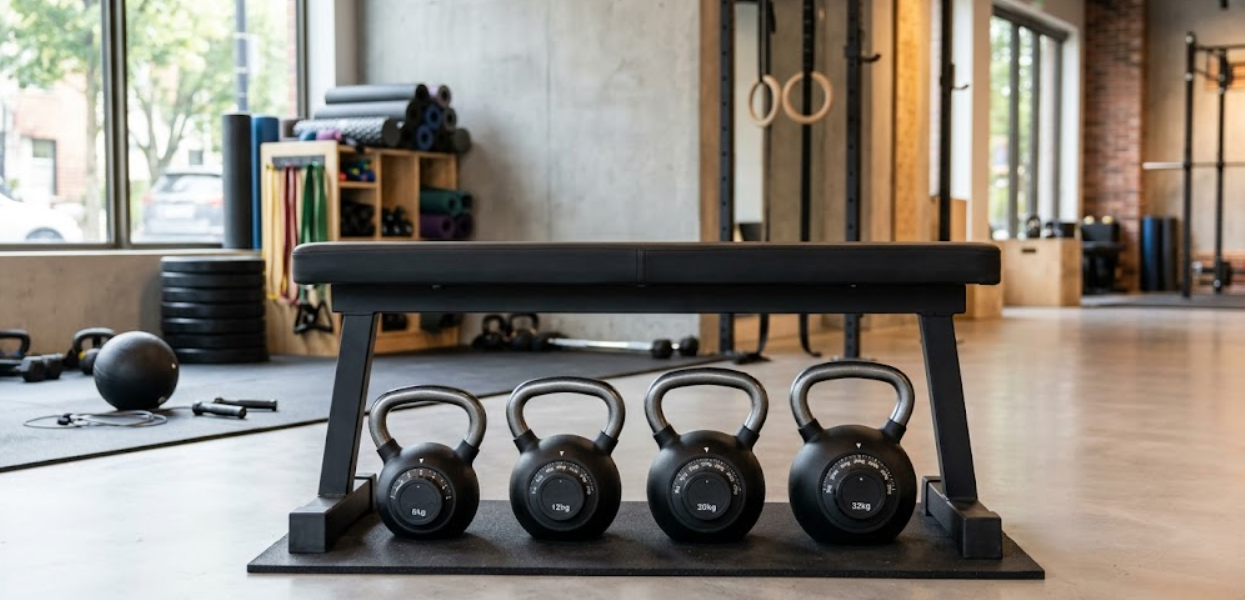
For home gym builders and small studio operators, the adjustable kettlebell is the primary solution for the "one-room" challenge. When the training floor must double as a yoga space or a mobility zone, the ability to tuck the weight plates and handle under a single bench is invaluable. This flexibility allows for a multi-functional environment that can pivot between heavy strength training and low-impact wellness without a 10-minute equipment teardown. From a procurement perspective, the ROI is realized through the avoidance of expensive racking and the preservation of floor versatility, which is the most valuable asset in any small-scale fitness facility.
In high-traffic environments, we recommend a hybrid approach: maintain a few heavy fixed bells for the "power users" while utilizing the adjustable kettlebell to cover the high-demand 8kg to 24kg range. This setup ensures you have the weight coverage needed for 90% of your members while using only 10% of the traditional storage space. This balanced equipment mix is the hallmark of a modern, efficient, and profitable fitness center.
Maintenance and Longevity: Protecting Your Iron Investment
In a commercial setting, "maintenance-free" is a myth, but "low-maintenance" is a strategic requirement. Traditional kettlebell set units often suffer from paint chipping, which leads to surface rust and a gritty texture that can tear a member's hands. While a single cast iron bell is durable, the cumulative maintenance of 20 or 30 individual units is a significant drain on facility resources. An adjustable kettlebell, when engineered for professional use, typically features a high-grade powder coat finish that provides superior resistance to sweat and high-humidity gym environments.
The procurement logic here centers on the longevity of the adjustment mechanism. For an adjustable kettlebell to survive a commercial lifecycle, the internal threads and locking pins must be constructed from hardened steel to prevent stripping over time. We recommend a monthly inspection protocol: checking the tightness of the internal weight plates and ensuring the locking dial is free of debris. Compared to the labor-intensive task of re-painting and de-rusting a full kettlebell set, maintaining a few adjustable units is significantly more efficient. This proactive care ensures the equipment remains in "like-new" condition, preserving the professional aesthetic of your facility and extending the replacement cycle.
| Maintenance Task | Fixed kettlebell set (Commercial) | Professional adjustable kettlebell |
|---|---|---|
| Surface Refurbishment | Frequent (Chipping/Rusting on multiple units) | Rare (Single high-durability shell) |
| Sanitization | High volume (Every unit needs wiping) | Low volume (Wipe only the units used) |
| Mechanical Inspection | N/A | Monthly (Check locking mechanism) |
| Total Annual Labor Hours | 10 - 15 Hours | 2 - 3 Hours |
Ergonomics and Handle Design: Why Grip Diameter Matters for Commercial Retention
For a gym owner, equipment is a tool for member retention. If a kettlebell is uncomfortable or has a poorly designed handle, members will avoid it, and trainers will stop programming it. A significant advantage of a professional adjustable kettlebell is that the handle is often modeled after competition standards. This means a consistent grip diameter (typically 33mm to 35mm) regardless of the weight setting. In a standard kettlebell set, handles often get thicker as the weight increases, which can be a barrier for female athletes or members with smaller hands.
The ergonomics of the adjustable kettlebell ensure that the user can transition from a 12lb swing to a 30lb snatch without having to adjust their grip technique or hand positioning. This consistency is vital for "muscle memory" and technical proficiency. From a B2B perspective, providing equipment that accommodates the widest possible demographic of members is a smart business move. It reduces the need for "specialty" sets and ensures that your adjustable kettlebell stations are the most used—and therefore most valuable—pieces of hardware on your floor.
Furthermore, the finish of the handle on a high-quality adjustable kettlebell is designed to hold chalk effectively without being overly abrasive. This balance is critical for preventing skin tears during high-rep sessions. By prioritizing ergonomic excellence in your procurement phase, you are investing in a better training experience, which directly translates to higher member satisfaction and lower churn rates for your fitness business.