Why Steel Calibrated Weight Plates Matter for Precision
Optimizing High-Traffic Strength Zones and Floor Layouts
For boutique strength studios or high-end hotel gyms where every square foot translates to premium real estate, floor management is a constant challenge. Unlike large-scale warehouse gyms, these specialized facilities must balance high-density equipment with an open, aesthetic feel. This is where the slim profile of steel calibrated weight plates becomes a strategic asset. By replacing bulky cast iron or thick bumper plates with high-density precision weight plates, facility managers can significantly increase the amount of weight available on a single barbell without extending the bar's footprint.
This inherent space efficiency allows for more streamlined barbell setups, which is critical in high-traffic strength zones where movement and safety are paramount. When your clients are moving between stations, a compact barbell setup prevents overcrowding and keeps pathways clear. Investing in high-quality steel barbell weights ensures that your facility remains professional and functional, providing maximum load capacity while maintaining a sleek, organized layout that maximizes your usable training area.
When evaluating procurement options, the most striking difference between standard cast iron and premium steel is the thickness comparison. A traditional cast iron plate is significantly wider to achieve a specific mass, which quickly consumes the available sleeve space on a barbell. In contrast, steel calibrated weight plates offer a much higher density-to-volume ratio. This means you can load much heavier total weights onto a single bar without the barbell becoming excessively long or cumbersome.
For gym owners, this transition is a game-changer for floor layout optimization. Because the weight is more compact, you can accommodate heavier lifting disciplines—such as powerlifting or heavy strength training—within a smaller footprint. Utilizing these precision weight plates allows you to design high-performance lifting platforms that don't require massive, sprawling zones. Ultimately, the calibrated plate benefits extend beyond just accuracy; they provide the spatial flexibility needed to maximize your facility's revenue-generating square footage while maintaining a high-end, professional aesthetic.
Beyond the immediate utility of heavy loading, the aesthetic impact of a space-saving design cannot be overstated. In the premium fitness market, the visual clutter of thick, uneven plates can detract from a sophisticated training environment. By opting for the ultra-slim profile of steel calibrated weight plates, facility owners can achieve a much cleaner, more disciplined look across their lifting platforms. This streamlined appearance is a hallmark of a professional gym layout, signaling to members that the facility prioritizes both high-tier technology and meticulous organization.
From a long-term operational standpoint, this spatial efficiency also improves the flow of movement within the gym. When barbells remain compact despite high loads, there is less risk of equipment protruding into walking paths or interfering with adjacent stations. This level of precision in both physical dimensions and weight accuracy ensures that your strength zones remain high-performance areas that feel expansive and organized, rather than cramped and congested.
The Impact of Precision Weight Plates on Facility Throughput
In high-traffic commercial environments, equipment downtime is a silent profit killer. Traditional cast iron or rubber-coated alternatives often succumb to wear, oxidation, or structural degradation under heavy use. However, investing in steel calibrated weight plates ensures that your facility maintains a premium standard without constant intervention. Because these precision weight plates are engineered with high-grade steel and rigorous tolerance controls, they resist the common deformities found in lower-tier equipment.
For gym owners and procurement managers, this translates to significantly reduced facility upkeep requirements. Unlike softer materials that may crack or lose their shape over time, the long-term durability of steel-based systems means your staff spends less time replacing worn gear and more time focusing on member experience. By sourcing high-quality steel calibrated weight plates, you minimize the frequency of equipment turnover, ensuring that your strength training zones remain fully operational and reliable for your most demanding athletes.
To better understand the long-term value proposition, it is essential to look at how different materials behave under the stress of daily commercial operations. While standard iron plates are a common budget-friendly choice, they often require more frequent attention to maintain a professional appearance and functional accuracy. In contrast, high-end steel barbell weights are designed for high-frequency use, offering a superior return on investment through reduced labor and replacement costs.
The following comparison highlights why many professional distributors and facility managers prioritize steel calibrated weight plates when building out premium strength zones:
| Feature | Standard Cast Iron Plates | Steel Calibrated Weight Plates |
|---|---|---|
| Maintenance Difficulty | Moderate (Requires rust prevention) | Low (Highly resistant to oxidation) |
| Surface Finish | Rough/Uneven | Smooth/Polished Precision |
| Expected Lifespan | Variable (Prone to chipping) | Extensive (High structural integrity) |
| Precision Retention | Decreases with wear | Maintains strict tolerances |
Choosing the right precision weight plates is not just about the immediate purchase price; it is about the total cost of ownership. By opting for the durability of steel barbell weights, you mitigate the risks of constant equipment turnover and ensure your facility remains a high-performance environment for years to come.
Optimizing Long-Term Operational Efficiency
When evaluating procurement options for professional training environments, the true investment value extends far beyond the initial invoice. While entry-level equipment may offer lower upfront costs, the hidden expenses of frequent replacement and labor-intensive maintenance can quickly erode your margins. Utilizing steel calibrated weight plates provides a strategic advantage by offering exceptional structural stability and resistance to the wear and tear typical of high-volume facilities.
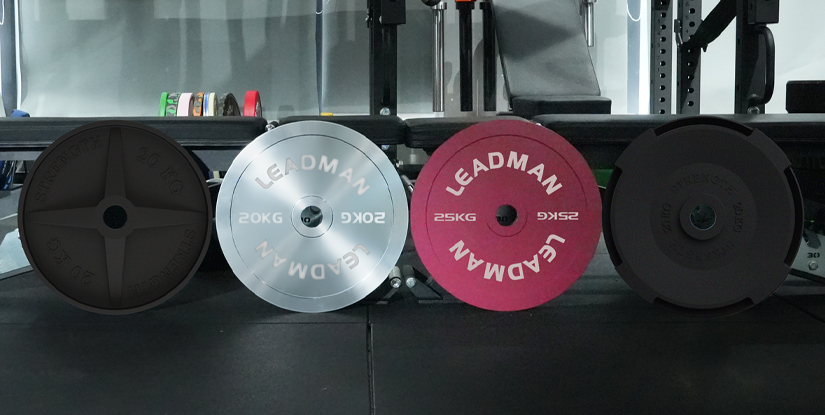
The primary calibrated plate benefits lie in their ability to maintain strict weight tolerances over many years of heavy lifting. This consistency drives operational efficiency by reducing the need for staff to constantly audit or replace inaccurate gear. For distributors and facility owners, this reliability means fewer logistical headaches and a more predictable lifecycle for their strength equipment. Ultimately, prioritizing high-grade steel barbell weights ensures that your capital expenditure serves as a durable asset rather than a recurring expense, supporting a high-performance atmosphere that remains both accurate and aesthetically premium.
Why Accuracy in Steel Barbell Weights Drives Member Retention
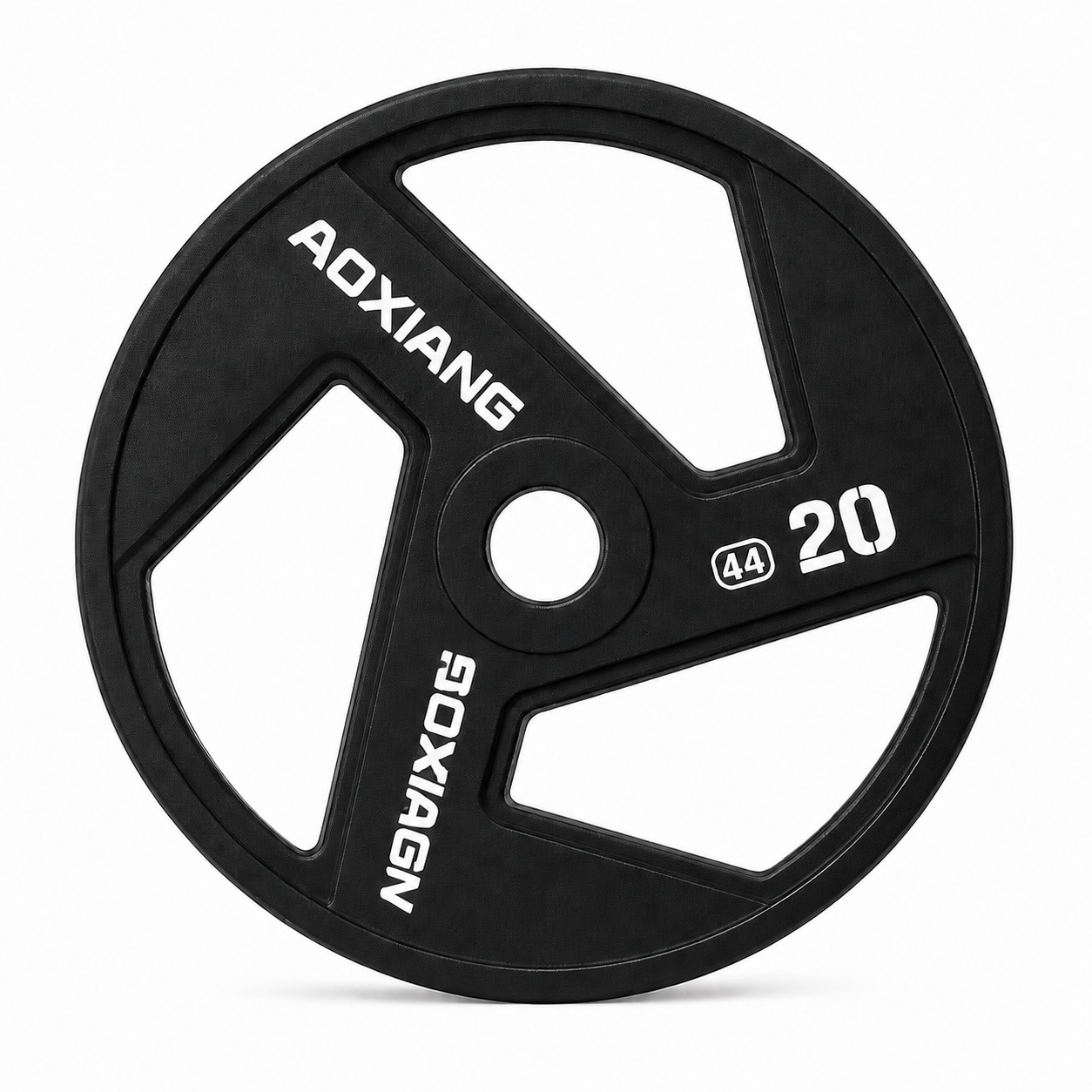
In the high-stakes environment of commercial strength training, equipment failure or inaccuracy isn't just a technical glitch; it is a direct threat to your facility's reputation. When lifters realize their progressive overload is being hindered by inconsistent equipment, they lose trust in your gym's standards. This is why sourcing high-quality steel calibrated weight plates is a strategic decision for facility owners. Unlike standard cast iron, these precision weight plates are engineered to maintain strict weight tolerances, ensuring that a 20kg plate is actually 20kg every single time.
Investing in premium steel barbell weights serves as a long-term investment in your brand's reliability. The superior wear resistance of high-grade steel prevents the degradation and dimensional shifts often seen in lower-tier materials. By providing gear that remains consistent through years of heavy use, you reduce replacement cycles and demonstrate a commitment to excellence. Ultimately, when members can rely on your equipment for true accuracy, they develop the confidence required to stay loyal to your facility for the long haul.
Beyond precision, the physical longevity and footprint of your equipment dictate your operational overhead. A critical durability comparison reveals that while cast iron is a common budget option, it is prone to chipping, cracking, and structural degradation under heavy impact. In contrast, steel calibrated weight plates are designed to withstand the rigors of high-intensity training environments without the volumetric swelling or surface decay typical of inferior alloys. This structural integrity results in significantly lower maintenance requirements and fewer replacement requests over time.
Furthermore, the calibrated plate benefits extend directly to your floor plan management. Because steel is much denser than cast iron, these plates offer a massive space-saving advantage. You can achieve much higher load capacities on a single barbell without the excessive bulk of iron plates, allowing for more efficient use of your lifting platforms. For facility owners, this means maximizing your training density and square footage while providing the high-performance steel barbell weights that professional athletes demand.
Ultimately, the decision to prioritize high-spec equipment is a decision to protect your bottom line. When your facility provides equipment that meets rigorous professional standards, you are doing more than just supplying tools; you are fostering an environment of trust. Inconsistency in weight—even by a few grams—can lead to significant frustration for serious lifters tracking their progress. By eliminating these variables through the use of steel calibrated weight plates, you ensure that the member experience remains seamless and professional.
Reliable accuracy prevents the subtle erosion of confidence that occurs when equipment feels "off." When every lift is backed by proven equipment reliability, your facility becomes a sanctuary for precision-driven training. This high level of consistency transforms a standard gym into a high-performance destination, building the long-term credibility necessary to retain elite clientele and maintain a premium market position.
Comparing Material Density and Long-Term Value
When sourcing high-end strength equipment, the initial purchase price often masks the true cost of ownership. While rubber-coated or cast iron alternatives might appear budget-friendly upfront, they lack the high density required for professional-grade loading. This is where steel calibrated weight plates provide a significant competitive advantage for facility owners and distributors. By utilizing a more compact material profile, these plates offer superior space efficiency, allowing more weight to be loaded onto a single barbell without hitting the collars prematurely.
Investing in high-quality precision weight plates is a strategic move to reduce replacement cycles. Because of their extreme durability and resistance to volumetric changes, steel barbell weights maintain their calibration far longer than lower-grade alternatives. This stability ensures long-term value, as your clients demand consistency in their training increments over many years of heavy use.
| Material Type | Density & Footprint | Durability Profile | Total Cost of Ownership (TCO) |
|---|---|---|---|
| Standard Cast Iron | Moderate/Bulky | High (but prone to chipping) | Low initial / Moderate long-term |
| Steel Calibrated Weight Plates | High/Ultra-Compact | Exceptional (Precision-engineered) | Premium initial / Lowest long-term |
| Rubber Coated | Low/Very Bulky | Moderate (Coating wear) | Moderate initial / High maintenance |
Ultimately, choosing steel calibrated weight plates is an investment in both floor space and brand reputation. For professional gyms, the ability to load heavier weights with a smaller physical footprint translates directly into a more efficient, premium training environment.
When evaluating the budget for a new facility or a premium upgrade, it is essential to look beyond the sticker price and consider the cost-per-use. While standard options might seem economical during the initial procurement phase, they often fail to deliver the long-term efficiency required in high-traffic environments. The space-saving nature of steel barbell weights means you can achieve higher loading capacities on a single bar without the massive physical volume of bumper plates, effectively maximizing your usable training area.
For distributors and gym owners, the true value of precision weight plates lies in their longevity. Unlike lower-grade materials that may degrade or lose accuracy under heavy use, high-quality steel calibrated weight plates are built for endurance. This reduces the frequency of replacement orders and minimizes downtime, ensuring that your investment continues to serve your clients with consistent accuracy for years to come.
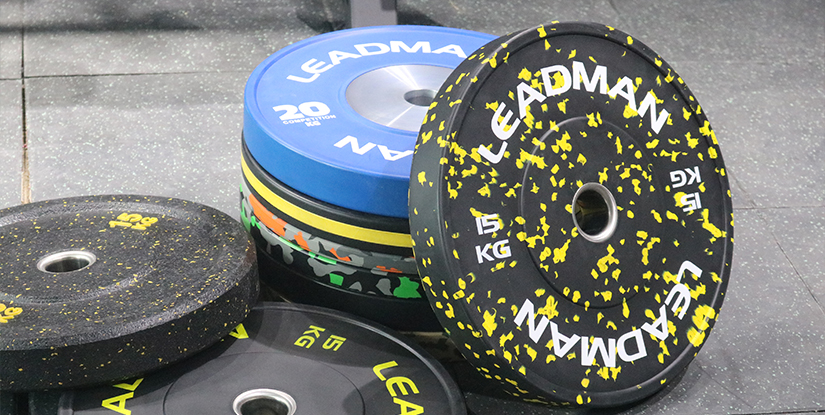
When evaluating the budget for a premium facility upgrade, it is essential to look beyond the sticker price and consider the long-term cost-per-use. While standard options might seem economical during the initial procurement phase, they often fail to deliver the efficiency required in high-traffic environments. The compact nature of steel barbell weights means you can achieve much higher loading capacities on a single bar without the massive physical volume of bumper plates, effectively maximizing your usable training area.
For serious training environments, the true calibrated plate benefits lie in sustained performance. Unlike lower-grade materials that may lose accuracy under heavy use, high-quality steel calibrated weight plates are built for endurance. This reliability ensures that your investment directly supports the strength training progress of your athletes by providing unwavering precision. By choosing high-density steel, you reduce the frequency of replacement cycles and ensure that every pound loaded is exactly what the lifter expects, protecting both your reputation and your bottom line.
Sourcing High-Grade Steel for Professional Training Environments
In high-traffic commercial facilities, the sheer volume of repetitive loading and unloading can compromise inferior equipment. This is where the structural integrity of steel calibrated weight plates becomes a critical factor for facility managers and gym owners. Unlike standard cast iron, which may be prone to chipping or uneven wear, high-grade steel provides a dense, resilient foundation designed to withstand the rigors of heavy compound lifting.
When sourcing for professional training environments, the focus must shift from mere cost-per-unit to long-term durability and lifecycle value. Using precision weight plates manufactured from premium alloys ensures that the equipment maintains its exact weight specifications even after years of intense use. For distributors and large-scale gym operators, investing in these high-quality steel barbell weights reduces the frequency of replacement cycles and minimizes maintenance downtime, ensuring a reliable training experience for every member.
The material science behind professional-grade equipment determines how long your investment remains an asset rather than a liability. While rubber-coated plates are excellent for noise reduction, they are susceptible to tearing, compression, and environmental degradation over time. In contrast, high-quality steel barbell weights offer a non-compressible surface that maintains its geometric profile under extreme stress. For distributors looking to provide long-lasting solutions, understanding the comparison of material longevity and wear resistance is essential for justifying the premium tier of their product catalogs.
Material Durability and Performance Comparison
Selecting the right medium depends on the intended use case, but for high-performance settings, the structural stability of precision weight plates is unmatched.
| Material Type | Typical Lifespan | Wear Resistance | Primary Benefit |
|---|---|---|---|
| Cast Iron | Moderate | Prone to chipping | Cost-effective for basic setups |
| Rubber-Coated | Variable | Surface cracking/tearing | Noise and floor protection |
| Steel Calibrated Weight Plates | High | Excellent/High density | Maximum precision and longevity |
Choosing steel calibrated weight plates ensures that your facility stays ahead of the curve, offering a professional standard that resists the wear and tear typical of heavy-duty commercial usage.
Beyond material density, the true value of a premium inventory lies in the rigorous quality control implemented during the manufacturing stage. For distributors and wholesale buyers, the risk of receiving inconsistent batches is a significant concern. High-tier production processes must include strict weight verification and tolerance testing to ensure every plate meets the exact specifications promised. This level of scrutiny guarantees that the structural integrity of each unit remains uncompromised, preventing the subtle shifts in balance that can occur with lower-grade alternatives.
Ultimately, prioritizing these calibrated plate benefits is a strategic decision for any long-term long-term investment. While the initial procurement cost might be higher than generic options, the reduction in replacement frequency and the preservation of brand reputation provide a much higher return on investment. By sourcing through manufacturers who emphasize precision and standardized testing, facility owners can provide a consistent, high-performance environment that remains reliable through years of heavy-duty training cycles.
Streamlining Inventory and Storage with Compact Steel Solutions
For commercial gym operators and high-end home studio designers, floor space is often the most expensive commodity. Traditional rubber bumper plates or bulky cast iron sets may offer durability, but they lack the spatial efficiency required for modern, high-density training environments. This is where steel calibrated weight plates provide a significant competitive advantage. Because they are engineered with a high density profile, these plates allow you to stack significantly more weight on a single barbell or storage tree without the excessive thickness of standard equipment.
By transitioning to precision weight plates, facilities can achieve a much more compact footprint. This space-saving characteristic is vital when managing limited square footage or optimizing specialized lifting platforms. Instead of managing oversized racks that clutter the gym floor, steel calibrated weight plates ensure your inventory remains streamlined, professional, and easy to organize. Investing in these high-quality steel barbell weights means you are not just buying precision—you are optimizing your facility's layout for better movement and higher throughput.
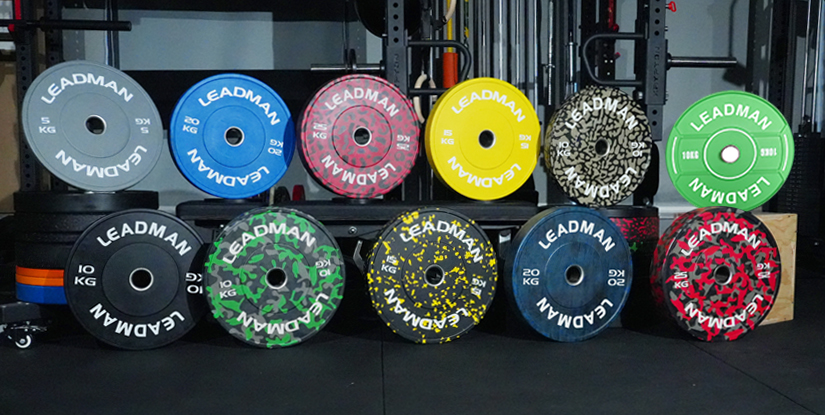
To better visualize the impact on your facility, consider the drastic difference in storage volume between standard iron plates and high-grade steel. A standard 20kg bumper plate is significantly thicker, often requiring much wider weight trees and larger footprints. In contrast, steel barbell weights are engineered for maximum density, allowing for a much thinner thickness comparison that can save up to 40-50% of linear shelf space. This efficiency is a game-changer for gym layout optimization, especially in boutique strength clubs or specialized training centers where every square foot counts.
Beyond the physical dimensions, the use of steel calibrated weight plates enhances organization and equipment longevity. Because they occupy less space, weight trees remain stable and less prone to tipping under heavy loads. For facility managers looking to maximize their storage volume, switching to these precision weight plates allows for a more professional, high-density setup that keeps the training floor clear and the inventory accessible.
Beyond the physical footprint, the long-term calibrated plate benefits extend directly into your facility's operational efficiency. A professional gym setup relies heavily on a streamlined workflow, where athletes can transition between movements without navigating through cluttered, oversized equipment. By implementing high-density steel barbell weights, you reduce the visual and physical friction caused by bulky, inconsistent plate sets. This level of organization is essential for maintaining a high-end brand image and ensuring smooth inventory management during peak hours.
Furthermore, the superior durability of high-grade steel ensures that your investment remains a constant rather than a recurring expense. Unlike cheaper alternatives that may deform or lose their profile over years of heavy use, these plates maintain their structural integrity and precise dimensions. For distributors and facility owners, this translates to lower replacement frequencies and more predictable inventory turnover. Choosing high-density steel is a strategic move to future-proof your equipment standards, ensuring your facility remains a premier destination for serious strength athletes.
Strategic Procurement for Scaling Strength Programs
For gym owners and facility managers, the initial procurement decision often comes down to a choice between low-cost iron and high-performance alternatives. While standard iron plates may seem budget-friendly on a single purchase order, they frequently lead to hidden costs in high-traffic environments. Investing in steel calibrated weight plates is a strategic move that prioritizes long-term cost-efficiency over immediate savings. Unlike standard iron, which can suffer from significant weight deviations and uneven wear, precision weight plates ensure that your facility remains a trusted destination for serious athletes who demand accuracy.
Beyond the technical precision, the physical footprint of your equipment matters. Because steel calibrated weight plates are significantly thinner than traditional cast iron, they offer superior space optimization. This allows your members to load more weight onto a single barbell without the bulk, maximizing the utility of your lifting platforms. High-grade steel also offers exceptional durability, resisting the structural degradation common in cheaper alloys. By choosing high-quality steel barbell weights, you reduce the frequency of equipment replacement cycles, ensuring your strength program scales effectively without constant reinvestment.
To make an informed purchasing decision, it is essential to weigh the immediate capital expenditure against the long-term operational utility. While standard iron plates serve a basic function, they often lack the consistency required for advanced programming. Understanding the specific calibrated plate benefits allows you to align your inventory with the specific needs of your clientele, whether you are managing a boutique strength studio or a high-performance training center.
The following comparison highlights how different materials impact your facility's scaling potential and equipment lifecycle:
| Feature/Dimension | Standard Iron Plates | Steel Calibrated Weight Plates |
|---|---|---|
| Weight Accuracy | Variable (±3% to 5%) | High Precision (±10g to 50g) |
| Thickness/Profile | Bulky & Thick | Ultra-Slim & Compact |
| Expected Lifespan | Moderate (Susceptible to chipping) | Extremely High (Industrial Grade) |
| Ideal Use Case | General Fitness/Beginner Gyms | Competitive Strength/Professional Training |
Ultimately, selecting high-quality steel barbell weights is about more than just accuracy; it is about providing a reliable foundation for athlete progression. By prioritizing precision weight plates, you mitigate the risk of uneven loading and reduce the long-term overhead associated with frequent equipment turnover.
Maintaining a competitive edge during rapid expansion requires more than just adding floor space; it requires absolute consistency in training standards across all locations. When a strength program scales, the margin for error narrows. If one facility utilizes standard iron while another utilizes steel calibrated weight plates, the discrepancy in load accuracy can disrupt the progress of athletes moving between sites. This lack of uniformity often undermines the credibility of a professional brand.
To avoid these logistical bottlenecks, procurement strategies must emphasize rigorous quality control at the source. Sourcing high-grade precision weight plates ensures that every kilogram added to a barbell is identical, regardless of when or where the equipment was purchased. This level of predictability is essential for scaling strength programs that rely on data-driven progression. By establishing professional standards through high-spec steel barbell weights, managers can guarantee that their equipment remains a constant, reliable factor in their members' development, shielding the business from the reputational risks of inconsistent training environments.