Why Steel Weight Plates Are a Top Choice for Canadian Gyms
Optimizing Inventory Margins with High-Density Steel Solutions
For boutique fitness studios in urban centers like Toronto or Vancouver, every square foot of floor space translates directly to revenue. When facility managers face the dilemma of expanding their weight selection without sacrificing training area, the choice between steel vs iron plates becomes a strategic business decision rather than just a preference. While cast iron is a traditional staple, high-density steel weight plates Canada distributors supply offer a distinct competitive edge through superior space-saving capabilities. Because steel provides much higher density, you can store more weight in a significantly smaller footprint, allowing your facility to maintain a high-performance aesthetic without the clutter of bulky iron plates.
Beyond immediate spatial advantages, prioritizing gym equipment durability through steel construction ensures a superior long-term ROI. Unlike iron, which can chip, rust, or degrade under heavy commercial use, premium steel maintains its structural integrity and finish over much longer replacement cycles. By investing in high-quality steel, gym owners reduce the frequency of inventory turnover and minimize fitness gear maintenance costs. This shift from low-cost, high-wear materials to high-density steel helps stabilize your long-term operational budget and protects your initial capital investment.
To better visualize how this choice impacts your bottom line, we have prepared a comparison focused on long-term operational efficiency. While the initial procurement price for iron may appear lower, the cost-per-use concept often favors steel in high-traffic commercial environments due to its resilience and reduced fitness gear maintenance requirements.
| Feature/Metric | Traditional Cast Iron | High-Density Steel |
|---|---|---|
| Footprint/Storage | Bulky; requires significant space | Compact; optimized for small areas |
| Durability | Prone to chipping and rust | High gym equipment durability |
| Maintenance Frequency | Periodic cleaning/rust prevention | Minimal upkeep required |
| Long-term ROI | Lower upfront; higher replacement rate | Higher upfront; extended lifecycle |
When sourcing steel weight plates Canada wide, the goal is to balance your initial budget with future stability. Choosing steel reduces the hidden costs of frequent replacements and storage reorganization, making it a smarter procurement strategy for growing fitness brands looking to maximize their facility's utility.
Ultimately, the decision to pivot toward high-density steel solutions is an investment in long-term operational efficiency. While traditional iron might offer a lower entry price, the cumulative costs of rust mitigation, surface repairs, and frequent replacement cycles can quickly erode your profit margins. By selecting premium steel, facility owners effectively minimize the labor and budget required for routine fitness gear maintenance. This streamlined approach allows management to focus on member experience rather than equipment upkeep. For businesses looking to scale, the compact nature of steel also means more efficient shipping and storage logistics, ensuring that your capital is tied up in high-value, durable assets that remain functional and aesthetically pleasing for years to come.
Maximizing Floor Space in High-Traffic Canadian Fitness Facilities
In major metropolitan hubs like Toronto and Vancouver, urban gym constraints are a constant reality for facility managers. When square footage is at a premium, every inch of floor space must be optimized to accommodate more members without compromising safety. This is where the density of steel weight plates canada becomes a decisive advantage. Unlike bulky cast iron alternatives, high-density steel offers a significant footprint reduction, allowing for more weight to be loaded onto a single barbell or rack without the stack becoming excessively thick.
For high-traffic commercial centers, this efficiency translates to smoother workflows and more versatile training zones. By opting for thinner, high-quality steel profiles, owners can maximize their functional training areas, ensuring that the equipment layout remains streamlined even during peak hours.
| Storage Factor | Standard Cast Iron | High-Density Steel |
|---|---|---|
| Thickness Profile | Bulky/Wide | Ultra-Slim/Compact |
| Rack Occupancy | High Footprint | Minimal Footprint |
| Loading Capacity | Limited by Bar Diameter | Maximum Weight Density |
| Spatial Efficiency | Low | High |
Choosing the right material isn't just about the lift; it is a strategic decision regarding gym equipment durability and long-term spatial management. Investing in steel ensures that your facility remains a high-capacity environment, capable of handling heavy loads while maintaining an open, professional aesthetic.
When evaluating the long-term ROI for a facility, the steel vs iron plates debate often comes down to how much "room to grow" you actually have. In many Canadian commercial settings, the sheer volume of traditional iron can quickly clutter a rack, making it difficult for members to load and unload weights efficiently. Because steel provides a much higher weight-to-thickness ratio, you can achieve higher loading capacities on a single barbell without the stack becoming unmanageable or hitting the end collars prematurely.
This level of storage efficiency is a game-changer for boutique studios or multi-functional training centers where equipment must be moved or reconfigured frequently. Beyond the physical dimensions, the superior gym equipment durability of steel means you aren't just saving space; you are investing in a product that maintains its structural integrity under heavy use. For distributors and gym owners, prioritizing these high-density options reduces the frequency of replacement and ensures that your weight storage remains organized, sleek, and highly functional for years to come.
Beyond the immediate spatial advantages, the shift toward high-density materials is a strategic move for streamlined facility management. Traditional cast iron is prone to chipping and surface degradation over time, which often necessitates more frequent fitness gear maintenance and replacement cycles. In contrast, professional-grade steel is engineered to withstand the rigors of high-volume training environments with minimal upkeep, ensuring that your weight racks remain looking pristine and organized.
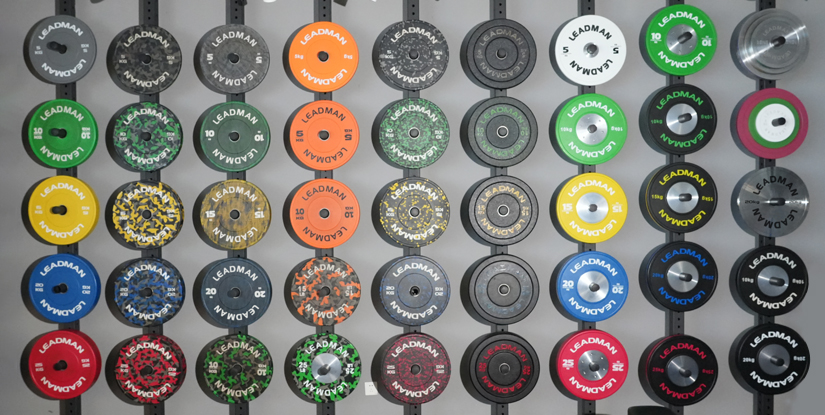
For owners and procurement specialists, this translates to a significant long-term investment that protects the facility's bottom line. By minimizing the time and labor spent on repairing or replacing worn-out equipment, you can redirect resources toward member experience or facility expansion. Choosing high-quality steel weight plates canada-wide is not just a purchase of hardware; it is a decision to prioritize operational efficiency, ensuring your equipment remains a reliable, low-maintenance asset in a competitive fitness market.
The Longevity Advantage: Why Steel Outperforms Traditional Cast Iron
In high-traffic commercial fitness centers, the constant impact of heavy loading can take a significant toll on standard equipment. While cast iron has been a staple for decades, many facility managers are shifting toward steel weight plates canada to mitigate the costs of frequent replacements. The primary issue with traditional iron is its inherent brittleness; under heavy use, cast iron is prone to cracking or surface degradation. In contrast, the structural integrity of high-grade steel allows it to withstand rigorous daily cycles without compromising its form.
One of the most critical factors for long-term gym equipment durability is resistance to chipping. Cast iron plates often suffer from edge degradation and surface flaking when dropped or bumped, which can lead to rust and unsightly wear. Steel plates offer a much smoother, more resilient profile that maintains its finish even in demanding environments. For distributors and gym owners, choosing steel is a long-term investment that reduces maintenance downtime and ensures the gear remains professional in appearance for years to come.
When evaluating the long-term ROI of your facility, the practical differences in maintenance difficulty and spatial footprint become clear. While cast iron is often cheaper upfront, the hidden costs of constant upkeep and storage issues can erode your margins. To help you visualize the shift toward high-performance steel vs iron plates, we have outlined the key functional differences below.
Understanding these nuances is essential for optimizing your floor plan and reducing the labor hours spent on fitness gear maintenance.
| Feature Comparison | Traditional Cast Iron | High-Grade Steel Plates |
|---|---|---|
| Durability Profile | Prone to cracking and chipping | High impact resistance; stays intact |
| Maintenance Needs | Frequent rust prevention required | Minimal; highly resistant to corrosion |
| Space Efficiency | Bulky; requires more storage volume | Slim profile; superior space efficiency |
| Surface Longevity | Surface degradation over time | Maintains smooth, professional finish |
For many Canadian commercial operators, the ability to maximize training area while minimizing replacement cycles makes steel the preferred standard for modern weight rooms.
Beyond the immediate physical properties, the true value of upgrading your inventory lies in the lifecycle value of each unit. In a commercial setting characterized by high-frequency usage, the cost of a single piece of equipment is not just the purchase price, but the cumulative expense of replacement and labor. Steel plates provide superior structural stability, meaning they do not warp or degrade under the stress of heavy, repetitive loading. This reliability translates into a much longer operational life compared to cheaper alternatives.
When we look at the broader scope of fitness gear maintenance, steel remains a much more forgiving material. While cast iron often requires periodic cleaning or rust treatment to maintain a professional appearance, high-quality steel components are engineered to endure. This reduction in required upkeep allows facility managers to reallocate their time and budget toward growth rather than constant repairs. Ultimately, investing in premium steel weight plates canada ensures that your facility remains a high-performing, low-maintenance environment that delivers consistent value to its members.
Streamlining Maintenance Cycles for Professional Strength Training Gear
For facility managers and gym owners, the true cost of equipment is found in the long-term upkeep rather than the initial purchase. Traditional cast iron often suffers from surface chipping and rust, which can lead to frequent inspections and higher labor costs. In contrast, high-quality steel weight plates canada distributors offer provides a significant advantage in gym equipment durability. Because these plates feature superior resistance to oxidation, they remain aesthetically pleasing and structurally sound even in high-humidity environments.
Investing in steel ensures reduced surface degradation over years of heavy use. While iron plates may require periodic cleaning or repainting to mask oxidation, steel components maintain their integrity with minimal intervention. This reliability allows professional facilities to focus on member experience rather than constant fitness gear maintenance. By selecting premium steel options, owners effectively extend the lifecycle of their strength zones, ensuring that their capital expenditure yields long-term operational stability.
When evaluating the steel vs iron plates debate, the most significant differentiator for commercial operators is the maintenance frequency required to keep the floor looking professional. Cast iron is notoriously prone to surface oxidation and chipping, which necessitates regular scrubbing or even repainting to prevent a weathered appearance. Conversely, high-grade steel options are engineered with advanced coatings that ensure exceptional surface finish stability, even under the rigorous demands of high-traffic training environments.
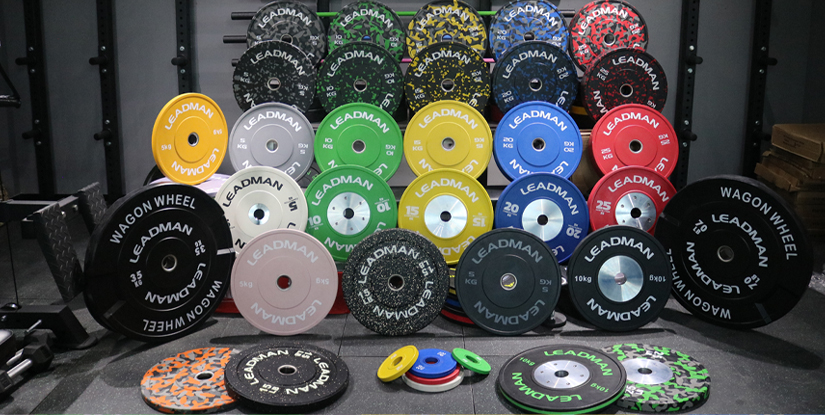
From a procurement standpoint, the long-term cost-effectiveness of steel becomes evident when you factor in the total cost of ownership. While the initial unit cost might vary, the reduction in labor hours and the lack of need for restorative upkeep make steel a smarter asset for scaling businesses. Rather than allocating staff to manage the degradation of aging iron, facility managers can rely on the consistent quality of steel to maintain a premium aesthetic, ensuring a seamless, low-intervention operational cycle.
Beyond the immediate aesthetics, optimizing your facility's workflow depends heavily on the reliability of your hardware. Choosing high-grade steel leads to streamlined operations by removing the unpredictable variables associated with traditional iron. Instead of dealing with the constant cycle of rust removal or replacing chipped plates, facility owners can implement a more predictable, low-touch management schedule. This shift from reactive repairs to proactive management is a hallmark of a well-run commercial space.
Ultimately, sourcing professional strength training gear that prioritizes material stability is a strategic decision for any growing fitness business. By minimizing the time and budget diverted toward fitness gear maintenance, you can reinvest those resources into expanding your inventory or enhancing member amenities. For those looking to secure steel weight plates canada, the goal is clear: transition from a high-maintenance environment to one defined by operational efficiency and long-term asset value.
Evaluating Material Integrity and Precision in Wholesale Sourcing
When sourcing high-volume inventory for high-traffic training centers, the conversation often shifts from aesthetics to long-term structural integrity. For facility owners, the primary concern is gym equipment durability under constant mechanical stress. Unlike standard consumer-grade gear, commercial-grade steel weight plates canada must withstand heavy impact and frequent loading cycles without compromising their dimensional accuracy.
In the debate of steel vs iron plates, the distinction lies in the precision of the manufacturing process. While traditional cast iron can suffer from uneven density and surface imperfections, high-quality steel offers a more consistent profile. This precision is vital for ensuring a balanced load during heavy lifts, reducing the risk of uneven weight distribution that can lead to premature wear on barbell sleeves. For distributors and large-scale gym operators, investing in materials that maintain their form and calibration ensures a longer lifecycle, ultimately protecting the initial procurement investment against the rigors of daily commercial use.
To make an informed decision for your facility, it is essential to look beyond the initial unit cost and evaluate the total utility over time. While cast iron remains a staple in many budget-friendly setups, the technical advantages of steel often translate to lower long-term operational costs. The following comparison highlights why many professionals prioritize the density and resilience of steel when planning their inventory.
| Dimension | Traditional Cast Iron | Premium Steel Plates |
|---|---|---|
| Volume/Space | Bulkier; requires more rack space | Compact; optimizes storage density |
| Impact Resistance | Prone to chipping or cracking | High durability against heavy drops |
| Surface Wear | Can develop rough edges or rust | Smooth, consistent finish |
| Maintenance Frequency | Requires periodic inspection/cleaning | Low; minimal fitness gear maintenance |
Understanding these nuances helps gym owners decide between steel vs iron plates based on their specific facility footprint and usage intensity. For high-performance training centers, the space-saving nature of steel provides a significant advantage in maximizing usable floor area while ensuring that gym equipment durability remains uncompromised by heavy daily usage.
Beyond the immediate physical footprint, the true value of high-grade steel is found in its resistance to the aging process. In many commercial environments, the cost of labor and downtime often exceeds the cost of the equipment itself. This is where effective fitness gear maintenance becomes a critical metric for success. While iron components may be susceptible to oxidation or surface degradation over several seasons, premium steel is engineered for resilience, requiring far less oversight to maintain a professional appearance and functional standard.
Choosing high-quality steel weight plates canada is more than a simple purchase; it is a long-term investment in your facility's operational efficiency. By selecting materials that resist chipping and structural fatigue, owners can extend the replacement cycle of their weight rooms significantly. This reduction in turnover not only stabilizes your procurement budget but also ensures that your equipment remains a reliable asset rather than a recurring maintenance liability. When evaluating your next wholesale order, prioritize the material's ability to endure high-frequency training to ensure maximum durability and lasting ROI.
Long-Term ROI: Transitioning from Iron to Steel Plate Systems
When calculating the total cost of ownership for a commercial facility, the initial purchase price is only one part of the equation. Many gym owners in the Canadian market initially gravitate toward cast iron due to lower upfront costs, but they often overlook the hidden expenses associated with frequent replacements. Investing in high-quality steel weight plates canada provides a superior cost-efficiency over time by drastically extending the lifecycle of your inventory.
The fundamental difference in steel vs iron plates lies in structural integrity. Cast iron is inherently brittle and prone to cracking or chipping under heavy impact, leading to constant replacement cycles. In contrast, premium steel construction offers unmatched gym equipment durability, maintaining its form even under rigorous, high-volume usage. This reduced wear and tear means your facility spends less on procurement and more on growth. By choosing steel, you are not just buying weight; you are investing in a long-term asset that minimizes maintenance overhead and ensures your fitness floor remains professional and intact for years to come.
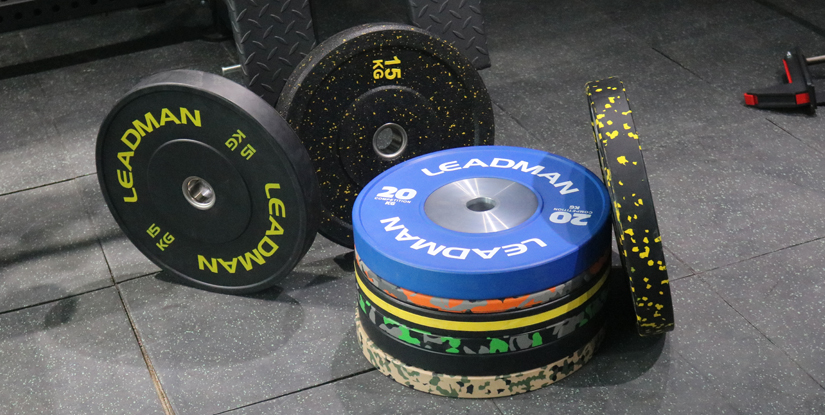
To visualize the long-term value, consider how different facility types interact with their equipment. While cast iron may seem budget-friendly for a home studio, it often becomes a liability in professional environments. The following comparison highlights how the space-saving benefits and lower maintenance difficulty of steel impact your operational budget across various scenarios.
| Facility Type | Primary Concern | Preferred Material | Value Proposition |
|---|---|---|---|
| Boutique Studio | Floor Space | Steel | High space-saving benefits for compact layouts |
| High-Traffic Commercial Gym | Gym equipment durability | Steel | Minimal replacement costs in high-traffic facilities |
| Budget/Starter Gym | Upfront Capital | Iron | Lower entry cost, but higher fitness gear maintenance |
For operators managing high-traffic facilities, the transition to steel weight plates canada is a strategic move to stabilize long-term expenditures. Because steel offers much higher resistance to impact damage, the frequency of equipment turnover is significantly reduced. This shift allows you to reallocate funds from constant fitness gear maintenance and replacement toward upgrading your training programs or expanding your facility footprint.
Beyond the immediate durability of the plates themselves, the logistical advantages of steel play a decisive role in scaling gym capacity. In many urban Canadian markets where real estate costs are high, every square meter of training area is premium inventory. Because steel plates are significantly thinner than their cast iron counterparts, they allow for much higher density on weight trees and racks. This inherent storage optimization means you can house a much larger volume of weight within the same physical footprint, effectively increasing the number of usable stations in your facility without expanding your building size.
This efficiency is a game-changer for facility managers looking to optimize their floor plan. When you are scaling gym capacity, the ability to pack more weight into less space allows for more diverse training zones and higher member throughput. Instead of being limited by bulky, thick iron plates that clutter the floor, steel provides a streamlined solution that simplifies fitness gear maintenance and organization. Ultimately, viewing steel weight plates canada as a strategic tool for space management turns a simple equipment purchase into a high-yield long-term investment that supports both operational fluidity and business growth.
Lifecycle maintenance planning for busy facilities
For high-traffic commercial facilities, the hidden cost of equipment isn't the initial purchase, but the ongoing labor required for upkeep. When comparing steel vs iron plates, the distinction becomes clear once the equipment enters a rigorous training environment. Traditional cast iron is prone to surface degradation, often requiring frequent inspections for chips or cracks that can compromise gym equipment durability over time.
In contrast, high-quality steel weight plates canada distributors prioritize materials with superior resistance to oxidation. Because steel is often treated with advanced coatings or precision-engineered finishes, these plates offer low-maintenance surfaces that withstand the humidity and temperature fluctuations common in large-scale fitness centers. Instead of dealing with the rust and surface pitting typical of lower-grade iron, facility managers can rely on the structural integrity of steel. This reliability ensures that your inventory remains professional in appearance and functional for years, reducing the frequency of replacement cycles and long-term operational overhead.
To help you make an informed procurement decision, we have outlined the practical differences in upkeep. While the initial investment in steel weight plates canada may vary, the lifecycle cost often favors steel due to the reduced need for intensive fitness gear maintenance. The following comparison illustrates how these materials behave under the stress of daily commercial use.
| Maintenance Factor | Traditional Cast Iron | Premium Steel Plates |
|---|---|---|
| Maintenance Difficulty | High (Requires rust prevention) | Low (Resistant to oxidation) |
| Surface Wear | Prone to chipping and pitting | Smooth, consistent finish |
| Cleaning Frequency | Frequent (To manage oxidation) | Minimal (Standard wipe-down) |
| Long-Term Value | Moderate (Frequent replacement) | High (Superior longevity) |
When evaluating steel vs iron plates, the goal is to minimize downtime and labor costs. For gym owners, choosing steel means investing in a product that maintains its professional aesthetic without the constant struggle against surface degradation, ensuring your facility stays premium with minimal effort.
Maximizing the longevity of steel weight plates requires more than just occasional cleaning; it demands a proactive approach to environmental management. While steel is inherently more resilient, even the best premium gear benefits from disciplined storage best practices. To prevent any potential surface issues, we recommend keeping weight storage racks away from direct moisture sources or high-traffic entryways where melting snow or heavy rain might be tracked in. This is especially critical in northern climates where seasonal shifts are extreme.
Effective fitness gear maintenance also involves strict humidity control within your facility. While high-grade steel is far more stable than cast iron, maintaining a consistent indoor climate prevents moisture from settling in storage areas. We advise facility managers to ensure adequate ventilation in weight rooms and to utilize specialized storage solutions that allow for airflow between plates. By implementing these simple routines, you protect your capital investment and ensure that your steel weight plates canada remain in showroom condition, reducing the need for premature replacement and optimizing your long-term procurement budget.