Managing Inventory for Tone Fitness Vinyl Kettlebell Sets
Evaluating Long-Term Value: Vinyl vs. Cast Iron vs. Rubberized Finishes
Many procurement managers make the mistake of focusing solely on the initial unit price, often overlooking how different surface finishes impact the total cost of ownership. While bare cast iron may offer a lower upfront cost, the long-term maintenance costs associated with rust prevention and surface degradation can quickly erode your margins. A more strategic approach involves analyzing the lifecycle of the equipment within a high-traffic commercial gym environment, where durability and surface integrity are paramount.
Choosing a tone fitness vinyl kettlebell provides a distinct advantage in terms of both longevity and facility upkeep. Unlike uncoated iron, which can chip or oxidize, the high-quality vinyl coating acts as a protective barrier. This layer not only enhances the durability of the core weight but also provides essential floor protection by softening the impact during accidental drops. For distributors and gym owners, this translates to reduced replacement frequency and lower costs related to facility repairs, making vinyl a highly efficient choice for long-term inventory management.
To make an informed purchasing decision, it is essential to look beyond the immediate invoice and evaluate how different finishes behave under constant commercial use. When sourcing commercial vinyl kettlebell wholesale orders, buyers must weigh the trade-offs between weight density, surface resilience, and facility maintenance requirements. While rubberized finishes are excellent for heavy-duty strength zones, and cast iron remains a standard for traditional lifting, the vinyl option occupies a highly strategic middle ground for multi-purpose fitness centers and boutique studios.
Investing in durable vinyl coated kettlebells ensures that your inventory remains aesthetically pleasing and structurally sound even after heavy turnover. The following comparison illustrates how these finishes typically perform across key operational metrics, helping you determine which specification best aligns with your facility's long-term asset management goals.
| Finish Type | Lifespan | Maintenance Level | Floor Impact |
|---|---|---|---|
| Vinyl Coated | High (Protective Layer) | Low (Easy to Clean) | Moderate (Softened) |
| Cast Iron | Moderate (Rust Risk) | High (Oxidation Care) | High (Hard Impact) |
| Rubberized | High (Resilient) | Low (Dust Management) | Low (High Absorption) |
Strategic Note: For facilities prioritizing high-frequency turnover and ease of cleaning, the vinyl finish offers a superior balance of protective durability and low-touch maintenance compared to traditional iron-based equipment.
Ultimately, effective gym equipment inventory management requires a shift from reactive purchasing to proactive asset lifecycle planning. While the initial procurement phase focuses on volume and unit cost, the long-term success of a commercial facility depends on how well the equipment survives the rigors of high-traffic use. Relying on low-grade materials that require frequent replacement not only disrupts your training floor flow but also increases the operational burden on your maintenance staff.
To maximize long-term value, procurement specialists should adopt a procurement strategy that prioritizes surface resilience and ease of sanitation. For boutique studios, functional training zones, and high-volume fitness centers, the selection of a tone fitness vinyl kettlebell serves as a hedge against rapid asset depreciation. By choosing a finish that resists oxidation and minimizes floor damage, you secure a more predictable replacement cycle and maintain a premium aesthetic for your members. We recommend that distributors and facility managers prioritize high-quality vinyl coatings to ensure that their inventory remains a durable, low-maintenance staple of their commercial fitness offerings.
Optimizing Procurement Strategies for High-Volume Vinyl Kettlebell Orders
For facility managers and distributors, the primary challenge isn't just finding quality equipment, but ensuring availability when demand spikes. Relying on reactive ordering often leads to broken supply chains and lost revenue during peak fitness seasons. To maintain seamless operations, procurement teams must move toward seasonal demand forecasting rather than simple replenishment. When managing a high-traffic turnover environment, a stockout of a staple item like the Tone Fitness vinyl kettlebell can disrupt programmed classes and frustrate members.
Strategic stocking requires a nuanced understanding of lead times and consumption rates. Instead of treating every order as an isolated event, professional buyers should categorize their inventory needs based on predictable usage cycles. Whether you are a gym owner or a large-scale distributor, the following comparison highlights different procurement approaches to ensure your facility remains fully equipped.
| Procurement Model | Best For | Inventory Risk | Logistics Focus |
|---|---|---|---|
| Just-in-Time (JIT) | Boutique Studios | High (Stockouts common) | Low volume, frequent shipping |
| Bulk Wholesale Sourcing | Commercial Gym Chains | Low (High availability) | High volume, optimized freight |
| Seasonal Pre-stocking | Distributors/Retailers | Moderate (Storage costs) | Predictive shipping cycles |
By securing commercial vinyl kettlebell wholesale contracts well in advance of peak training months, you mitigate the risks associated with shipping delays and manufacturing bottlenecks. This proactive stance ensures that your facility's equipment density remains consistent, regardless of market fluctuations.
Effective gym equipment inventory management relies on a data-driven approach to volume and weight distribution. Rather than stocking a uniform quantity across all weights, buyers should implement SKU diversification to match the specific training demographics of their facility. For example, a high-intensity interval training (HIIT) studio may require a higher density of lighter, more frequently used weights, whereas a strength-focused commercial gym might prioritize a deeper range of heavy-duty options.
When calculating your baseline, consider the durability of the product against usage frequency. Because durable vinyl coated kettlebells are designed for high-traffic environments, they offer a longer lifecycle, yet the demand for specific weight increments can still outpace standard replenishment cycles. A practical framework for B2B buyers involves auditing usage patterns every quarter to adjust order volumes. By maintaining a tiered stock level—keeping a safety buffer of high-demand mid-range weights while using more predictive ordering for niche heavy weights—you optimize both warehouse space and capital expenditure.
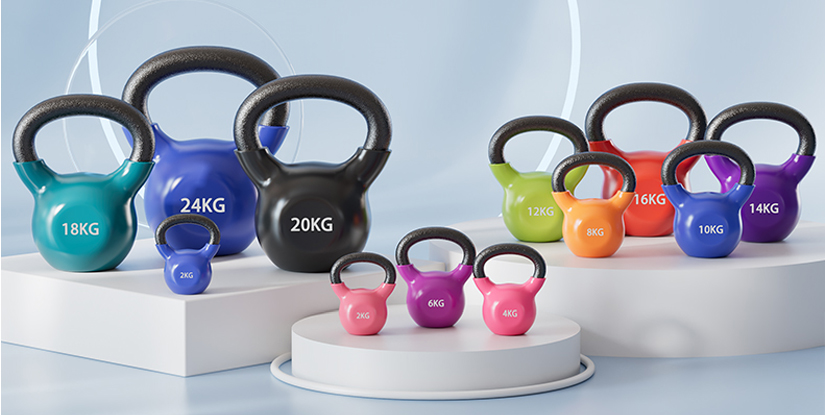
To make a definitive decision on procurement volume, buyers must evaluate the Total Cost of Ownership (TCO) against their specific operational scale. While small-batch orders offer flexibility, they often hide significant costs in shipping frequency and higher unit prices. Conversely, large-scale sourcing requires more robust warehouse management but provides much greater long-term efficiency.
Procurement Model Comparison: Small Batch vs. Bulk Wholesale
| Metric | Small-Batch/JIT Orders | Bulk Wholesale Procurement |
|---|---|---|
| Unit Cost Efficiency | Lower per-unit savings; higher overhead | Maximum economies of scale; lower unit price |
| MOQ Requirements | Low or minimal requirements | Higher Minimum Order Quantities (MOQ) |
| Shipping Lead Times | Short, frequent, and variable | Longer initial lead times; optimized freight |
| Logistics Complexity | Simple, low-volume handling | Requires dedicated storage and pallet management |
For distributors and large-scale facility managers, the bulk wholesale route is generally the most sustainable method for maintaining a consistent stock of the Tone Fitness vinyl kettlebell. While the initial capital outlay and storage requirements are higher, the reduction in per-unit costs and the mitigation of shipping-related volatility provide a significant advantage in high-traffic commercial settings.
Durability Benchmarks for Commercial-Grade Vinyl Coatings
In high-traffic commercial use environments, equipment undergoes constant physical stress that standard consumer-grade gear simply cannot withstand. For gym operators and distributors, the primary concern is not just the weight of the implement, but the longevity of its outer layer. Frequent drops, friction against rubber flooring, and repeated handling by diverse users create a punishing environment for any surface.
When sourcing a Tone Fitness vinyl kettlebell, the focus must shift toward the structural integrity of the coating. High-quality vinyl must provide exceptional abrasion resistance to prevent peeling or cracking during intense functional training sessions. Furthermore, impact durability is a non-negotiable factor; the coating must maintain its surface integrity even after repeated contact with gym floors. For procurement professionals, selecting a product with a robust, high-density vinyl shell minimizes replacement cycles and reduces the long-term total cost of ownership for the end-user facility.
To distinguish between a premium product and a low-tier alternative, buyers should implement a technical evaluation framework centered on material consistency. A common failure point in budget-friendly options is uneven thickness, which leads to localized tearing under stress. When negotiating commercial vinyl kettlebell wholesale orders, request specifications regarding the thickness consistency of the outer layer to ensure there are no weak points in the molding process.
Beyond physical impact, chemical resistance is a critical benchmark for facility maintenance. Commercial environments subject equipment to high levels of perspiration and aggressive sanitation protocols. A professional-grade tone fitness vinyl kettlebell must feature a coating capable of withstanding frequent applications of cleaning agents without degrading, discoloring, or becoming tacky. From a quality control standpoint, look for suppliers who provide documentation on tear resistance and chemical stability. High-standard quality control benchmarks should include testing for surface adhesion to ensure the vinyl remains firmly bonded to the core, even when exposed to the caustic elements of a high-intensity training floor.
Effective gym equipment inventory management requires a proactive approach to predicting the replacement frequency of your strength training assets. In a commercial setting, the lifecycle of a weight implement is dictated by its maintenance requirements and the inherent quality of its protective layers. If a coating fails prematurely, it does more than just affect aesthetics; it creates a liability through potential material degradation and increased labor costs for facility staff.
When calculating the long-term value of durable vinyl coated kettlebells, procurement specialists must look beyond the initial unit price. A lower-cost option that requires replacement every 12 to 18 months due to surface peeling will quickly exceed the budget of a premium-tier product that lasts several years. By investing in high-density, impact-resistant shells, distributors can offer clients a much lower Total Cost of Ownership (TCO), reducing the frequency of restocking orders and ensuring a consistent, high-quality inventory presence on the gym floor.
Sourcing Specifications and Quality Control for Global Export
In high-traffic commercial use, the longevity of strength training equipment is dictated by the integrity of its exterior. For distributors and facility managers, the primary concern with a tone fitness vinyl kettlebell is not just the weight accuracy, but the resilience of the outer layer against mechanical wear and chemical exposure. Substandard manufacturing often leads to premature peeling or cracking, which increases replacement frequency and disrupts inventory turnover.
When vetting suppliers, procurement professionals must prioritize material consistency and coating adhesion. High-quality, durable vinyl coated kettlebells rely on a seamless bond between the cast iron core and the vinyl sleeve to withstand the rigors of daily gym environments. Rigorous quality control during the sourcing process—specifically testing for thermal stability and impact resistance—ensures that the coating remains intact even under heavy use. Ensuring these specifications are met at the factory level mitigates the risk of receiving defective batches and protects your long-term maintenance budget.
To safeguard your total cost of ownership, move beyond surface-level aesthetics and implement a technical inspection checklist during the procurement phase. When negotiating commercial vinyl kettlebell wholesale orders, demand specific quality control (QC) parameters that distinguish professional-grade equipment from retail-grade alternatives. A lack of standardized testing often results in uneven weight distribution or inconsistent grip textures, both of which can compromise user safety and brand reputation.
Before finalizing high-volume shipments, ensure your factory audit includes the following critical benchmarks:
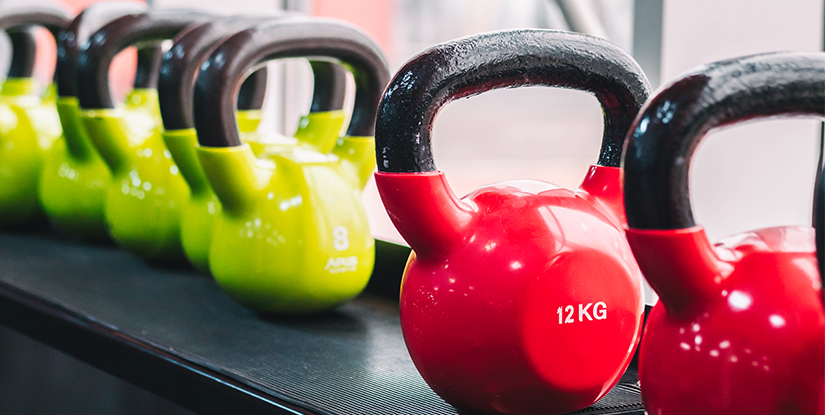
- Weight Accuracy: Verify that the deviation between the declared weight and the actual mass falls within a strict, pre-agreed tolerance range to ensure professional training standards.
- Coating Thickness & Seamlessness: Inspect for a uniform application of the vinyl layer. The surface must be free of air bubbles, thin spots, or visible seams that could lead to tearing or peeling under friction.
- Inspection Protocols: Confirm that the manufacturer performs standardized drop tests and temperature-fluctuation testing to validate the adhesion of the vinyl to the cast iron core.
By enforcing these inspection protocols during the sampling or pre-shipment stage, buyers can minimize the frequency of returns and ensure the durability required for commercial-grade strength training environments.
To streamline your pre-shipment inspection and minimize the risk of receiving defective batches, use the following comparison to differentiate between acceptable commercial standards and common manufacturing flaws. This technical baseline is essential for maintaining high equipment turnover and reducing long-term maintenance costs.
| Defect Type | Acceptable Commercial Standard | Defect Threshold | Maintenance Impact |
|---|---|---|---|
| Surface Bubbling | Smooth, uniform texture across the entire circumference. | Zero air pockets or visible swelling under the vinyl. | Increases risk of tearing and skin abrasion during use. |
| Vinyl Peeling | Strong adhesion to the cast iron core; no edge lifting. | No separation at the handle-to-body transition points. | Leads to rapid material degradation and core exposure. |
| Uneven Weight | Mass distribution within ±2% to 3% of nominal weight. | No significant weight bias toward one side of the handle. | Disrupts user form and increases injury risk in training. |
| Coating Thickness | Consistent layer depth; no "thin spots" visible. | Uniform thickness even in high-friction grip areas. | Causes premature wear and uneven grip ergonomics. |
Implementing this level of scrutiny during gym equipment inventory management ensures that your facility receives products that meet the rigorous demands of professional athletes and high-volume commercial users alike.
Logistics and Storage Efficiency for Weight-Based Inventory
Managing floor space in high-traffic gym environments requires more than just organized racks; it requires equipment that respects your facility's infrastructure. For distributors and facility managers, the spatial footprint of weight-based inventory is a constant logistical hurdle. Traditional cast iron or uncoated steel options often present risks of surface abrasion and floor damage, leading to increased long-term maintenance costs.
Utilizing a tone fitness vinyl kettlebell addresses these specific operational concerns. The specialized coating on these durable vinyl coated kettlebells serves a dual purpose: it provides a smooth, non-abrasive surface that aids in floor protection and facilitates easier handling during rapid transitions. Furthermore, the uniform shape and consistent texture of the vinyl casing improve stackability and nesting efficiency within storage bins or specialized shelving units. For wholesale buyers, sourcing equipment with these protective characteristics reduces the frequency of facility repairs and optimizes the movement of inventory within limited square footage.
When planning your facility layout, the choice between vertical storage and floor-based organization significantly impacts your long-term gym equipment inventory management. For high-density training zones, vertical storage solutions—such as multi-tier industrial racks—are essential for footprint optimization. These configurations allow you to stack weight sets upward rather than outward, maximizing usable square footage. However, procurement professionals must account for weight distribution to prevent structural fatigue or rack instability over time.
While floor storage offers a lower initial investment in shelving, it often leads to cluttered training lanes and increased trip hazards. In contrast, investing in heavy-duty racks for your commercial vinyl kettlebell wholesale orders ensures a more professional presentation and safer member movement. When sourcing, we recommend verifying the weight capacity of your intended shelving to ensure it can handle the concentrated load of full sets. By prioritizing structured verticality, you reduce the logistical friction of restocking and maintain a streamlined, high-performance environment for your clients.
Beyond physical layout, successful procurement hinges on understanding the relationship between shipping durability and the weight-to-volume ratio of your order. When managing large-scale orders, the structural integrity of the product during transit is paramount. Unlike raw cast iron, which can suffer from surface chipping or oxidation during long-haul sea freight, the protective layer of a premium tone fitness vinyl kettlebell acts as a buffer. This inherent shipping durability minimizes the risk of receiving damaged SKUs, ensuring that your initial investment arrives in retail-ready condition, which is critical for maintaining high inventory turnover rates.
From a logistics efficiency standpoint, buyers should evaluate the volumetric efficiency of their shipments. Because vinyl-coated weights are designed for consistent dimensions, they allow for more predictable palletization. When coordinating bulk procurement, optimizing the weight-to-volume ratio through standardized packaging helps reduce freight costs and prevents the "dead space" often found in irregularly shaped equipment. For distributors, this predictability simplifies warehouse intake and allows for more precise forecasting of shelf-ready stock, ultimately streamlining the entire supply chain from the factory floor to the gym floor.
Mitigating Risk in Bulk Wholesale Acquisitions
In the high-volume procurement of strength training tools, the lowest initial invoice price often masks a much higher long-term liability. For facility managers and distributors, the true metric of success is not the purchase price, but the Total Cost of Ownership (TCO). Opting for substandard commercial vinyl kettlebell wholesale options may yield immediate savings, but these gains are frequently erased by premature replacement cycles caused by compromised material integrity.
In a high-traffic commercial environment, equipment is subjected to constant impact and friction. Lower-grade coatings often fail under intense use, exhibiting premature peeling or cracking when exposed to sweat and rigorous handling. Selecting a premium tone fitness vinyl kettlebell serves as a defensive procurement strategy. By investing in durable vinyl coated kettlebells, buyers mitigate the risk of frequent inventory turnover and the logistical headaches of constant reordering. High-quality vinyl provides a resilient barrier that withstands common high-traffic wear patterns, ensuring the internal weight remains protected and the aesthetic remains professional over an extended operational lifespan.
Effective gym equipment inventory management requires a shift from reactive purchasing to proactive supplier vetting. Relying on unverified sources can lead to catastrophic disruptions in your supply chain, particularly when shipping lead times become unpredictable or product specifications deviate from your facility's standards. To safeguard your ROI, procurement professionals must evaluate potential partners through the lens of structural reliability and logistical transparency.

When sourcing at scale, the distinction between a low-cost vendor and a stable manufacturing partner becomes clear through their adherence to strict QC inspection protocols and their ability to manage a consistent MOQ. A reliable supplier provides more than just a product; they provide predictable lead times and documented quality assurance that prevents costly stockouts.
| Evaluation Metric | Low-Cost/High-Risk Profile | Premium/Stable Profile |
|---|---|---|
| Quality Control | Minimal or no documented inspection protocols | Rigorous, multi-stage QC inspection protocols |
| Lead Time Reliability | Highly variable; frequent shipping delays | Consistent, predictable shipping lead times |
| Order Flexibility | Strict, high MOQ with limited communication | Scalable MOQ options with professional support |
| Supplier Reliability | Reactive; poor communication during shortages | Proactive; transparent logistics and inventory updates |
Choosing the right profile ensures that your procurement process supports, rather than hinders, your facility's operational continuity.
Ultimately, the goal of a sophisticated procurement strategy is to maximize the long-term asset value of every unit on the gym floor. Neglecting the nuances of the procurement lifecycle often leads to a cycle of "emergency buying," where sudden equipment failures force rushed, expensive, and small-batch orders that disrupt your budget. By prioritizing high-grade equipment, you stabilize your inventory turnover and prevent the revenue loss associated with facility downtime or diminished member satisfaction.
A well-managed stock of reliable strength equipment does more than just fill a shelf; it provides a foundation for scaling facility capacity. When your procurement model accounts for both durability and predictable replenishment, you move away from the volatility of reactive maintenance. Instead, you build a resilient inventory system that supports sustained growth, ensuring that your capital is invested in long-lasting assets rather than temporary fixes. This proactive approach transforms equipment from a recurring expense into a reliable driver of institutional stability and professional excellence.
Lifecycle maintenance planning for busy facilities
In high-traffic commercial environments, the total cost of ownership (TCO) is often dictated by how well a facility manages its equipment lifecycle. For distributors and gym owners, the goal is to minimize unexpected inventory turnover spikes caused by premature wear. While a tone fitness vinyl kettlebell is engineered for heavy use, the longevity of the unit depends heavily on the preservation of its exterior. High-intensity training environments can subject equipment to sweat, friction, and temperature fluctuations, making proactive oversight essential.
To maintain professional standards, procurement managers should implement a standardized inspection frequency, such as a monthly visual audit. The primary focus during these checks should be the coating integrity of the durable vinyl coated kettlebells. Even minor abrasions or peeling in the vinyl layer can expose the internal weight, leading to accelerated degradation. By identifying these subtle changes early, facility managers can schedule replacements during low-traffic periods rather than reacting to sudden equipment failures or safety concerns.
Effective gym equipment inventory management requires a shift from reactive purchasing to predictive replacement. Instead of waiting for a unit to become unusable, procurement officers should utilize specific visual indicators to trigger new orders. This ensures that your facility maintains a complete, aesthetically consistent set without the logistical headache of emergency shipping or high-cost, small-batch orders.
Utilizing a structured maintenance schedule allows you to align your commercial vinyl kettlebell wholesale orders with your facility's natural turnover cycles. Use the following framework to identify when a unit has reached its end-of-life stage:
| Inspection Point | Normal Condition | Replacement Trigger |
|---|---|---|
| Vinyl Coating | Smooth, intact, and uniform texture. | Cracking, peeling, or exposure of internal core. |
| Handle Grip | Consistent diameter and tactile grip. | Significant thinning or surface stickiness. |
| Weight Distribution | Balanced movement during swings. | Internal shifting or audible rattling sounds. |
Proactive replenishment—ordering new stock when 15% of your set meets these triggers—guarantees that your training floor remains fully equipped and professional at all times.
Beyond individual unit care, sophisticated procurement strategies must account for the physical footprint of the equipment within the facility. Efficient storage optimization is a critical component of long-term logistics planning. Because vinyl-coated equipment often requires specific shelving or racking to prevent stacking stress, managing the spatial volume of your inventory is just as vital as managing the units themselves. A well-organized storage system prevents the crushing of the vinyl shell, which is a common cause of premature surface failure in poorly managed warehouses or back-room storage areas.
When sourcing a tone fitness vinyl kettlebell in bulk, buyers should consider the dimensional consistency of the sets to streamline their floor layouts. Standardized sizing allows for more predictable rack configurations and more efficient movement of staff and members. By integrating these durable vinyl coated kettlebells into a structured storage plan that prioritizes vertical space and prevents uneven weight distribution, facility managers can significantly extend the functional life of their investment while maintaining a clean, professional aesthetic across the training floor.