Olympic Weight Plates vs Bumper Plates: Which to Choose?
Vetting Manufacturers for High-Standard Weight Plate Production
Many distributors fail by prioritizing low unit costs over long-term durability, often resulting in cracked edges or uneven weight distribution after only a few months of heavy use. A more professional sourcing approach focuses on the technical integrity of the material itself. When evaluating weight plate types, the difference between a high-performance setup and a maintenance nightmare lies in the manufacturing standards of the supplier. You should look beyond the surface aesthetics and demand transparency regarding the composition of the core and the outer coating.
In the debate of bumper plates vs iron plates, the structural resilience of rubber-coated options is paramount. High-quality bumper plates must utilize high-density rubber to ensure consistent impact resistance during high-velocity drops. Inferior products often suffer from compression issues or "dead spots," where the density is inconsistent across the plate. For commercial gym owners and large-scale distributors, verifying that a factory maintains strict quality control over material density is the only way to prevent premature wear and ensure the equipment can withstand the rigorous demands of a professional strength training environment.
To simplify your procurement decisions, we have synthesized the essential durability metrics. Understanding the nuances of olympic weight plates vs bumper plates is critical when calculating the total cost of ownership and the expected lifespan of your inventory. While iron-based plates offer unmatched rigidity, rubber-encapsulated options provide the necessary shock absorption for high-impact training environments.
Use this strength training equipment guide comparison to determine which material profile aligns with your facility's specific usage intensity and floor protection requirements:
| Durability Factor | Olympic (Iron/Steel) Plates | Bumper Plates (Rubber) |
|---|---|---|
| Material | Cast Iron or Steel | High-Density Vulcanized Rubber |
| Impact Tolerance | Low (Prone to chipping/cracking) | High (Designed for heavy drops) |
| Surface Wear | Minimal (High hardness) | Moderate (May show compression) |
| Best Use Case | Bodybuilding & Powerlifting | CrossFit & Olympic Weightlifting |
When sourcing at scale, always prioritize suppliers who provide detailed specifications on rubber density and coating adhesion to ensure long-term reliability.
To ensure your procurement remains a long-term investment rather than a recurring expense, you must look beyond the unit price and scrutinize the factory's technical capabilities. A reliable manufacturer of professional-grade equipment will not just offer a product, but a guarantee of precision. This begins with rigorous quality control protocols that govern every stage of production, from the raw material molding to the final finishing process.
One of the most critical technical indicators to verify is consistent thickness across a full production run. Inconsistent plate dimensions can lead to uneven barbell loading, which compromises both user safety and the longevity of your weight bars. Furthermore, a reputable supplier should offer a transparent weight tolerance specification. Whether you are sourcing iron or rubber, the deviation should be minimal to maintain the integrity of high-performance training. When navigating the complexities of olympic weight plates vs bumper plates, choosing a partner who prioritizes these manufacturing tolerances ensures that your facility receives equipment that remains balanced, durable, and functionally reliable for years to come.
Quality Control Protocols for Precision and Impact Resistance
When sourcing high-volume inventory, the primary concern for any distributor is long-term durability under heavy usage. The fundamental difference in olympic weight plates vs bumper plates lies in their structural integrity and how they respond to mechanical stress. Traditional iron plates rely on rigid density, which is excellent for precision but highly susceptible to cracking or chipping if dropped from height.
In contrast, premium bumper plates vs iron plates are engineered for kinetic energy absorption. High-quality manufacturing must utilize high-density rubber rather than low-grade recycled materials to ensure the plate maintains its shape over time. During our quality control assessments, we focus on impact resistance; a superior bumper plate must withstand repeated high-velocity drops without losing its dimensional tolerance or developing surface degradation. For commercial facilities, choosing a product with consistent density ensures that the weight remains true and the equipment remains safe for athletes, regardless of the training intensity.
Selecting the right weight plate types requires a strategic look at your long-term operational overhead. While the initial purchase price is a factor, the true cost of ownership is determined by the maintenance requirements of your specific training environment. Below is a comparison to help you determine which option aligns best with your facility's operational reality.
| Feature | Olympic (Iron/Steel) | Bumper (Rubberized) |
|---|---|---|
| Maintenance Difficulty | Moderate (Rust prevention/Cleaning) | Low (Dusting/Surface care) |
| Durability | High (Rigid, but prone to chipping) | Very High (Shock absorption) |
| Usage Frequency | Moderate/Low-impact lifting | High-impact/Constant dropping |
| Budget Profile | Lower upfront cost | Higher initial investment |
| Ideal Environment | Home Gym / Specialized Strength Rooms | Commercial Gym / CrossFit Boxes |
When navigating the olympic weight plates vs bumper plates debate, consider that bumper plates often reduce secondary costs like floor replacement and noise mitigation. For professional distributors, prioritizing high-grade rubber density ensures a longer lifecycle and lower replacement frequency for end-users.
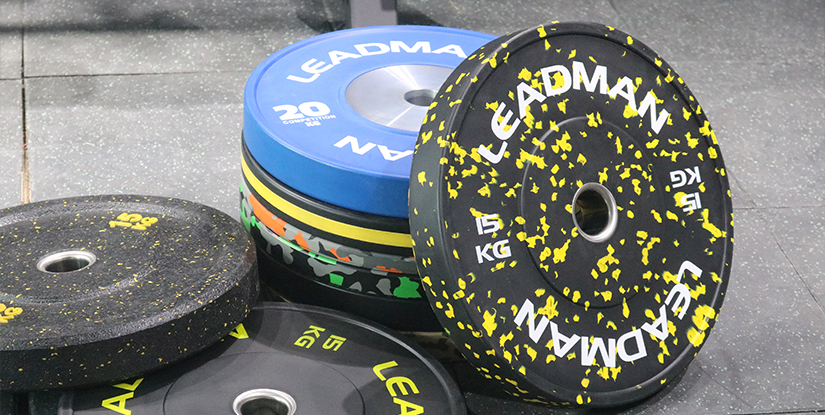
To maximize the longevity of your investment, proactive care is essential. Regardless of which weight plate types you select for your facility, the environment in which they are kept will dictate their lifespan. For iron-based options, the primary threat is oxidation. We recommend regular cleaning with a dry, non-abrasive cloth to remove sweat and oils, which can lead to rust if left untreated. If your facility is in a high-humidity region, strict moisture control is vital; ensuring plates are stored in a climate-controlled area prevents the degradation of the metal surfaces.
When evaluating bumper plates vs iron plates for high-traffic zones, remember that rubberized surfaces require different attention. While they are more resilient to impact, they can still accumulate dust and debris within the center ring. A simple wipe-down is usually sufficient, but avoid harsh chemicals that might compromise the rubber's elasticity. Proper storage is the most effective way to protect your inventory; avoid leaving plates in damp or direct sunlight, as extreme temperature fluctuations can affect the structural integrity of the rubber over time. Following these protocols ensures your strength training equipment remains a high-value asset for years.
Evaluating Material Density and Structural Integrity
When sourcing high-volume strength training equipment, the fundamental distinction between olympic weight plates vs bumper plates lies in their internal density and how they manage kinetic energy. Traditional iron plates are characterized by high-density metal construction, offering unmatched precision for weightlifting but limited impact resistance. These are designed for controlled movements where the weight remains on the bar, making them ideal for strength-focused facilities.
In contrast, bumper plates utilize a high-density rubber core encased in a durable shell. This construction is engineered to absorb shock, protecting both the structural integrity of the plates and the surrounding flooring during heavy drops. For distributors and gym owners, choosing the right weight plate types depends on whether your clients prioritize the rigid stability of iron vs rubber or the rugged durability required for high-impact functional training.
| Material Property | Iron-Based Plates | Rubber Bumper Plates |
|---|---|---|
| Density Level | Extremely High / Rigid | High / Shock-Absorbent |
| Impact Tolerance | Low (Risk of cracking/bending) | High (Designed for drops) |
| Primary Use Case | Precision Strength Training | Dynamic/Cross-Training |
| Maintenance Focus | Rust Prevention | Surface Wear & Cracking |
Understanding these mechanical differences is essential for optimizing your facility's long-term ROI. In our experience, the bumper plates vs iron plates debate often comes down to how the equipment handles mechanical stress over time. While iron plates offer a compact profile, they are susceptible to damage if dropped from height. Conversely, high-quality rubberized options are built for the rigors of modern functional fitness.
To help you decide which weight plate types best suit your specific environment, we have categorized them by their durability and operational use case. This guide focuses on the practical reality of lifting vs dropping to ensure your procurement decisions align with your facility's training style.
| Feature | Standard Iron Plates | Premium Bumper Plates |
|---|---|---|
| Primary Use Case | Strict Lifting (No Dropping) | Dynamic Lifting (High-Impact Drops) |
| Durability Profile | High (Rigid, but prone to chipping) | Extreme (Designed for kinetic shock) |
| Maintenance Needs | Low (Occasional rust prevention) | Moderate (Checking for surface wear) |
| Ideal Environment | Traditional Weight Rooms | CrossFit Boxes & Functional Gyms |
Beyond the individual piece of equipment, the choice between olympic weight plates vs bumper plates significantly impacts your facility's overhead costs. For a professional gym or a high-traffic training center, the impact of a dropped barbell extends far beyond the plates themselves. High-density iron plates, while cost-effective for static lifts, can cause significant damage to subflooring if dropped without specialized platforms. This makes floor protection a critical concern for procurement managers aiming for a long-term investment.
In our strength training equipment guide, we emphasize that high-quality rubberized bumpers act as a shock absorber, distributing kinetic energy more evenly. This characteristic not only preserves the durability of the equipment but also extends the lifespan of your specialized gym flooring. When calculating your total cost of ownership, remember that selecting the right density can prevent costly facility repairs and premature equipment replacement, ensuring your setup remains functional and professional for years to come.
Optimizing Your Facility Layout with Strategic Plate Selection
When designing a high-performance training environment, every square inch of floor space and every inch of your barbell's sleeve matters. A common oversight in facility planning is failing to account for how different weight plate types influence your equipment density. If you are navigating the olympic weight plates vs bumper plates debate, the decision extends far beyond just the material composition; it directly impacts your space optimization strategies.
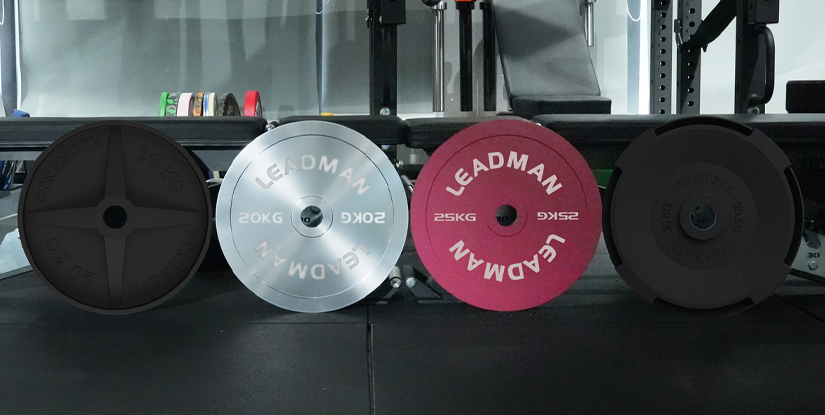
Standard iron-based olympic weight plates are typically much thinner than their rubberized counterparts. This reduced thickness allows you to stack significantly more weight on a single barbell, maximizing your barbell sleeve capacity. This is ideal for powerlifting-focused gyms where heavy, incremental loading is the priority. Conversely, bumper plates vs iron plates comparison reveals that while bumpers are bulkier and take up more room on the sleeve, they are essential for high-impact zones. For distributors and facility owners, balancing these two profiles is key to ensuring your racks remain functional without becoming prematurely overcrowded.
Beyond the barbell sleeve, you must also consider your facility's total storage footprint. Selecting the wrong profile can lead to cluttered weight rooms or inefficient rack utilization. To help you visualize how these choices impact your layout, we have outlined the spatial and functional trade-offs below.
| Feature Dimension | Iron-Based Olympic Plates | Rubberized Bumper Plates |
|---|---|---|
| Space Requirements | Slim profile; allows for high-density loading. | Thicker profile; limits total weight per bar. |
| Training Intensity | Static lifting (Powerlifting/Strength). | High-impact/Dynamic (CrossFit/Olympic Lifting). |
| Durability & Impact | High density; requires floor protection. | Shock-absorbent; ideal for heavy drops. |
| Storage Footprint | Compact; fits easily in narrow racks. | Bulky; requires more vertical/horizontal space. |
When evaluating bumper plates vs iron plates for your inventory, consider your clients' movement patterns. If your facility caters to heavy strength training with minimal floor drop, iron plates offer superior space efficiency. However, if your
Understanding the nuances of bumper plates vs iron plates is essential for calculating your total cost of ownership. While iron plates are the gold standard for stability and low cost, bumper plates act as insurance for your flooring and equipment longevity in high-intensity environments. Selecting the wrong category can inadvertently increase your long-term maintenance expenses and shorten your replacement cycle. Ultimately, your decision should be driven by your specific training environment to ensure the best possible return on your capital. For a home gym or a traditional bodybuilding studio where precision and budget are the primary concerns, standard iron plates are a highly cost-effective choice. This selection minimizes the initial investment while providing unmatched stability for static lifts. Conversely, for commercial fitness facilities or functional training centers that host high-intensity classes, investing in high-quality rubberized plates is the smarter long-term move. While the price per unit is higher, the reduction in wear and tear on both your flooring and your barbell sleeves provides much better longevity. As part of a comprehensive strength training equipment guide, we recommend prioritizing bumper plates for any facility where heavy drops are a standard part of the programming. This strategic approach ensures your equipment remains a durable asset rather than a recurring expense. When scaling a commercial facility, the financial implications of olympic weight plates vs bumper plates extend far beyond the initial invoice. For distributors and gym owners, the durability vs initial cost equation is heavily influenced by how these weight plate types impact your total landed cost. While iron-based Olympic plates often boast a lower price per kilogram, their rigidity means they cannot be dropped, potentially increasing long-term replacement costs in high-intensity environments. From a procurement standpoint, shipping volume considerations are critical. Bumper plates, despite being more forgiving during heavy lifts, often require more strategic palletization due to their density and thickness. When sourcing in bulk, the dimensional weight of your order can drastically alter your freight budget. We recommend evaluating the long-term ROI of high-density rubberized plates; although the upfront investment is higher, their ability to withstand high-impact use reduces the frequency of reordering. For large-scale international shipments, optimizing the ratio of plate thickness to shipping container volume is essential to ensure you are maximizing every cubic meter of freight space. Beyond the unit price, a comprehensive strength training equipment guide must address the long-term cost-per-use to ensure your facility remains profitable. When weighing bumper plates vs iron plates, the most significant hidden expense is often the maintenance of your training floor and equipment longevity. Iron plates are generally the budget-friendly options for traditional strength training, but their lack of shock absorption can lead to accelerated wear on your flooring and barbell sleeves, necessitating more frequent facility repairs. In contrast, high-quality rubberized plates act as a protective buffer, potentially saving you thousands in facility upkeep over several years. When calculating your total procurement budget, do not look solely at the shipping weight vs volume; consider the lifecycle of the product. While the initial weight plate types selection might favor the lower cost of iron, the durability of premium bumpers often provides a superior return on investment for high-traffic commercial gyms. By prioritizing quality during the sourcing stage, you mitigate the risk of frequent replacement cycles and unbudgeted shipping costs for replacement stock. Navigating the complexities of bulk order logistics requires a deep understanding of how weight distribution affects your final landed cost. When comparing olympic weight plates vs bumper plates, the density of the material dictates your shipping optimization strategy. Iron plates are significantly more compact, allowing for tighter stacking and higher density per pallet, which can lower the cost per unit of volume. However, the sheer mass of heavy iron can lead to higher freight surcharges due to strict weight limits in international sea freight. Conversely, sourcing high-quality rubberized plates requires a more nuanced approach to storage requirements for heavy equipment. Because bumper plates are often thicker to accommodate the rubber coating, they may occupy more cubic volume despite having similar weights to their iron counterparts. For professional buyers, the goal is to balance the bumper plates vs iron plates trade-off: while iron is more space-efficient for shipping, the long-term savings from the durability of rubberized plates often outweigh the initial freight complexities. Effective procurement involves coordinating with your supplier to ensure optimal pallet configurations that minimize empty space and maximize container utilization. When evaluating olympic weight plates vs bumper plates, the most significant mistake distributors and facility owners make is prioritizing initial unit price over total cost of ownership. A low-cost iron plate might seem attractive for a budget-conscious startup, but the durability vs cost equation shifts rapidly when you consider high-traffic environments. If your facility caters to CrossFit or weightlifting athletes, the constant impact of dropping heavy loads will quickly degrade standard iron plates, leading to chipped edges and surface damage. For high-performance centers, investing in high-density rubberized options is often the more profitable move. While the upfront investment is higher, these plates are engineered for high-impact training vs precision lifting, significantly reducing long-term maintenance costs and protecting your flooring assets. When sourcing your weight plate types, consider whether you are building a specialized strength studio or a general fitness center. Choosing the right material from the start ensures your equipment remains functional and aesthetically professional for years, preventing the frequent replacement cycles that erode your long-term margins. To simplify your procurement decision, we have categorized the most common weight plate types based on facility requirements. This guide helps you align your inventory with your specific business model, whether you are sourcing for a private studio or a large-scale commercial hub. When weighing bumper plates vs iron plates, remember that your choice dictates your floor maintenance schedule. While iron plates offer a cost-effective solution for traditional bodybuilding, high-traffic functional zones demand the resilience of rubberized bumpers to prevent equipment fatigue and structural damage to your facility. Before finalizing your wholesale order, use this checklist to ensure your selection aligns with your facility's operational reality. A successful procurement strategy moves beyond the olympic weight plates vs bumper plates debate and focuses on long-term asset management. By verifying these technical requirements during the sourcing phase, you protect your margins and ensure your equipment remains a durable asset rather than a recurring expense.
Investment Metric
Standard Olympic (Iron)
High-Impact Bumper
Initial Budget
Lower; ideal for cost-sensitive setups
Higher; premium for rubber density
Usage Frequency
Low to Moderate (Static lifting)
High (Dynamic/Dropped lifting)
Maintenance
Minimal; focus on rust prevention
Moderate; monitor surface wear
Replacement Cycle
Long (if used correctly)
Long (designed for high impact)
Best For
Traditional gyms & bodybuilding
CrossFit & Olympic lifting centers
Logistics and Global Shipping Optimization for Heavy Bulk Orders
Maximizing ROI Through Strategic Procurement
Facility Type
Recommended Plate Type
Budget Tier
Noise & Impact Level
Space & Durability Needs
Home Gym / Boutique Studio
Standard Iron Plates
Low - Mid
High (Requires Mats)
Compact; High durability for static lifting
CrossFit / HIIT Center
High-Density Bumper Plates
Mid - High
Low (Shock Absorbing)
Larger footprint; Built for high-drop frequency
Commercial Strength Club
Hybrid (Bumper + Iron)
Tiered Approach
Variable
Optimized for diverse strength training equipment guide standards
Final Procurement Checklist