Vinyl Coated vs Cast Iron Kettlebells: Facility Fit Guide
Establishing Your Procurement Framework for Kettlebell Inventory
Many facility managers make the mistake of focusing solely on the initial unit price when stocking a new functional training zone. This narrow view often leads to higher long-term operational expenses, as cheaper alternatives may require more frequent replacement cycles due to surface wear or oxidation. A more sophisticated approach involves analyzing the Total Cost of Ownership (TCO), weighing the upfront investment against the anticipated lifecycle of the equipment within a high-traffic commercial environment.
When navigating commercial kettlebell selection, the choice between vinyl vs cast iron weight configurations significantly impacts your budget over several years. While cast iron models often present a lower entry cost per kilogram, they may necessitate additional spending on floor protection or rust prevention maintenance. Conversely, vinyl-coated options may carry a higher initial premium, but their integrated protective layer can mitigate damage to facility flooring and reduce the frequency of inventory replacement. Understanding these nuances ensures your procurement strategy balances immediate capital expenditure with long-term durability and maintenance efficiency.
To assist in your budget forecasting and vendor evaluation, we have synthesized the typical cost-benefit variables associated with each material type. This comparison helps clarify how the vinyl coated kettlebell vs cast iron debate extends beyond the purchase order and into long-term facility management.
| Cost Factor | Cast Iron Kettlebells | Vinyl Coated Kettlebells |
|---|---|---|
| Initial Unit Cost | Lower (Optimized for bulk volume) | Higher (Premium for coating application) |
| Expected Lifespan | High (If stored in climate-controlled areas) | High (Resistant to oxidation and impact) |
| Maintenance Requirements | Moderate (Rust prevention/surface care) | Low (Minimal upkeep required) |
| Floor Protection Costs | Higher (Requires mats or specialized flooring) | Lower (Built-in impact absorption) |
When calculating your gym equipment durability ROI, consider that the "cheaper" option often requires hidden investments in secondary protective gear. For distributors and large-scale gym developers, selecting the right configuration depends on whether your priority is minimizing immediate shipping weight and unit costs or reducing the long-term labor associated with equipment upkeep.
Logistics and Inventory Footprint Optimization
Beyond the unit price, professional buyers must account for the hidden variables of bulk order logistics. The physical dimensions of your chosen equipment directly influence shipping volume and the resulting landed cost per unit. Because vinyl-coated kettlebells often feature a slightly larger exterior diameter due to the protective layer, they may occupy more cubic space within a standard shipping container compared to the more compact profile of traditional cast iron. For distributors managing high-volume wholesale procurement, this discrepancy in volume can impact how many units fit per pallet and, consequently, the overall storage footprint in your warehouse.
When planning large-scale shipments, consider that while cast iron provides a dense, space-efficient option for maximizing weight-to-volume ratios, it places higher demands on heavy-duty packaging to prevent surface chipping. In contrast, the integrated protection of vinyl models can sometimes simplify the handling process during transit. To optimize your commercial kettlebell selection, evaluate your facility's incoming freight capacity and storage density requirements. Aligning your material choice with your logistical constraints ensures that your procurement strategy remains efficient from the factory floor to the final gym installation.
Surface Protection and Facility Longevity Analysis
In high-traffic commercial environments, the long-term Total Cost of Ownership (TCO) is often dictated by how equipment interacts with the facility floor. When evaluating a vinyl coated kettlebell vs cast iron, procurement specialists must look beyond the unit price and consider the potential for secondary damage. Cast iron models, while incredibly durable, possess a high density and minimal shock absorption. If dropped or even set down aggressively, they can cause micro-fractures in rubber flooring or deep indentations in high-end synthetic surfaces. This necessitates more frequent floor maintenance or replacement, increasing operational overhead.
Conversely, the polymer layer on vinyl options provides a functional buffer. This added layer enhances impact absorption, acting as a shock absorber that mitigates the kinetic energy transferred to the ground. For distributors and gym owners, prioritizing surface damage prevention through vinyl coatings can significantly extend the lifespan of expensive specialized flooring. This distinction is critical when selecting commercial kettlebell selection profiles for facilities that prioritize premium aesthetics and low-maintenance upkeep.
| Material Type | Impact Profile | Floor Protection Level | Maintenance Requirement |
|---|---|---|---|
| Cast Iron | High/Sharp | Moderate to Low | Periodic floor resurfacing |
| Vinyl Coated | Dampened/Soft | High | Standard cleaning |
| Rubber Encased | Medium/Stable | High | Minimal |
When analyzing gym equipment durability, the distinction between the two materials extends to surface abrasion and long-term wear. Cast iron is prone to chipping or rusting if the protective paint layer is compromised, which can lead to surface irregularities over time. In contrast, the vinyl vs cast iron weight ratio remains stable, but the polymer skin offers superior protection against oxidation and moisture. However, buyers should note that while vinyl excels at preventing floor damage, the coating itself is subject to puncture risks if used in extreme heavy-duty environments without proper oversight.
For high-volume distributors, the maintenance frequency of these two types differs significantly. Cast iron requires more vigilant inspection for rust and paint flaking to maintain a professional appearance. Vinyl-coated options generally require less structural upkeep but may need replacement if the outer shell suffers heavy mechanical punctures. Ultimately, the decision hinges on whether the facility prioritizes the rugged, indestructible nature of metal or the protective, low-abrasion benefits of a coated surface to preserve the facility's interior assets.
From a procurement standpoint, the true cost of a kettlebell set is measured by its replacement frequency and the preservation of the facility's structural assets. While cast iron is often viewed as the gold standard for industrial-grade durability due to its ability to withstand extreme mechanical stress, it carries a hidden cost in the form of potential surface degradation. Over several years of heavy use, the oxidation of exposed iron or the chipping of low-quality powder coatings can lead to unsightly buildup and even minor rust streaks on gym floors, necessitating more frequent facility interventions.
On the other hand, high-quality vinyl options focus on long-term maintenance through material shielding. The coating integrity is the primary variable for buyers to monitor; a premium, thick-walled polymer layer prevents the internal core from reacting to humidity and perspiration, ensuring the equipment looks as new during year three of operation as it did on day one. For facility managers, this means a more predictable long-term maintenance cycle. While cast iron offers a "buy once, use forever" ruggedness, vinyl-coated models often provide a better return on investment for boutique studios and wellness centers where maintaining a pristine, high-end aesthetic and protecting specialized flooring is a top priority for facility longevity.

Material Composition and Long-Term Maintenance Requirements
When calculating the total cost of ownership (TCO) for a commercial gym, the structural integrity of your weight selection is a primary variable. The choice between a vinyl coated kettlebell vs cast iron often comes down to how each material reacts to high-frequency use and environmental moisture.
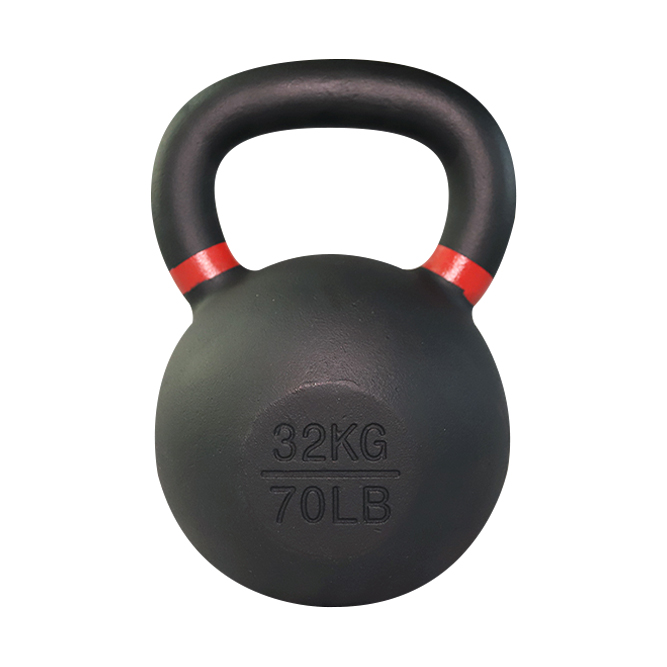
Cast iron models offer exceptional structural durability, as the solid metal core is virtually indestructible under standard commercial use. However, the primary maintenance concern for distributors and facility managers is oxidation. Without high-quality powder coating or specialized finishes, exposure to sweat and humidity can lead to rust, requiring periodic cleaning or replacement.
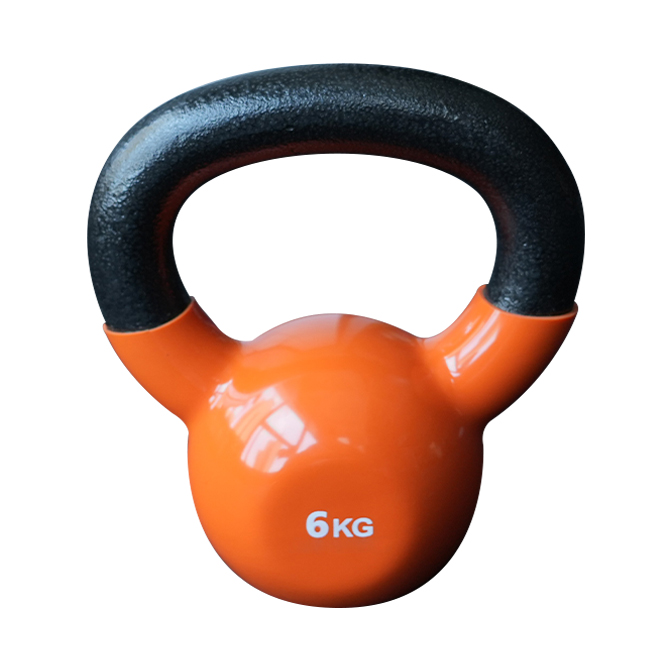
Conversely, vinyl-coated options provide an extra layer of protection for the internal core, but they introduce a different degradation risk: coating peeling. In high-intensity commercial gym environments, aggressive cleaning agents or heavy impact can cause the outer layer to crack or delaminate. When sourcing these items, it is vital to verify the quality of the bonding process to ensure the coating remains intact over long-term replacement cycles.
To streamline your procurement decision, we have synthesized the technical maintenance profiles of both materials. This comparison focuses on the operational realities that impact long-term facility budgets and equipment turnover rates.
Comparison Table: Maintenance & Durability
| Evaluation Factor | Vinyl Coated Kettlebell | Cast Iron Kettlebell |
|---|---|---|
| Surface Care | Wipe with damp cloth; avoid harsh chemicals. | Requires rust prevention; periodic oiling/cleaning. |
| Lifespan Factors | Limited by coating integrity and delamination. | Extremely high; limited only by oxidation. |
| Floor Protection | Excellent; provides natural shock absorption. | Moderate; requires dedicated rubber matting. |
| Weight Stability | High; consistent volume across sets. | Variable; slight tolerances in casting. |
For high-traffic commercial settings, the vinyl vs cast iron weight decision should be driven by your facility's cleaning protocols. If your staff utilizes heavy-duty chemical disinfectants, cast iron with a high-grade powder finish is often the more resilient investment for long-term inventory management.
Strict QC Protocols for Bulk Procurement
Successful commercial kettlebell selection extends beyond the initial purchase order; it requires rigorous oversight during the manufacturing and shipping phases. For distributors managing high-volume orders, a standardized QC inspection protocol is the only way to mitigate the risks of receiving defective inventory. When sourcing vinyl-coated models, the primary technical checkpoint should be the coating thickness and adhesion strength. A uniform, seamless application is necessary to prevent the delamination issues that often plague lower-tier manufacturers. We recommend testing the bond through impact or thermal stress to ensure the layer survives high-frequency commercial use.
For cast iron orders, the focus shifts to the metallurgical finish. A high-quality rust-resistant coating is not optional in professional settings; it is a requirement for long-term durability. Buyers should verify that the powder coating or paint application is consistent across the handle and the bell body to prevent oxidation in high-humidity environments. Finally, do not overlook logistics/packaging durability. Because of the density and weight of these items, shipping containers must be engineered to prevent metal-on-metal friction during transit, which can prematurely chip or scratch even the most robust finishes before the product ever reaches your facility.
Optimizing Storage Density and Floor Space Efficiency
When planning a high-traffic functional training zone, the physical dimensions of your equipment dictate the actual usable square footage. A critical factor in commercial kettlebell selection is understanding how the geometry of the weight affects the footprint of your training area. While cast iron bells offer a more compact, streamlined profile, the addition of a protective layer in a vinyl coated kettlebell vs cast iron comparison significantly alters the diameter of each unit. This increased thickness means that for a set of the same weight increments, the vinyl-coated versions will occupy more lateral space during active use.
From a procurement standpoint, this affects both movement flow and storage density. If your facility utilizes tiered racks or specialized shelving, the larger circumference of coated bells may require wider spacing or larger footprint dimensions to prevent crowding. Furthermore, the inherent floor protection provided by vinyl coatings can reduce the need for heavy-duty rubber matting in certain zones, potentially streamlining your initial facility build-out costs. Distributers should advise clients to account for this volumetric difference when calculating the total floor area required for high-density kettlebell circuits.
To assist in precise facility planning and inventory management, we have compiled a comparative overview of how these two material types impact spatial requirements. Procurement officers should use these typical specifications to evaluate total footprint requirements and rack compatibility for their specific training layouts.
| Feature Metric | Cast Iron Kettlebells | Vinyl Coated Kettlebells |
|---|---|---|
| Typical Diameter Profile | Compact and streamlined | Increased due to coating thickness |
| Storage Density | High; ideal for narrow racks | Moderate; requires wider spacing |
| Rack Compatibility | Standardized/Universal | May require specialized wide-gap racks |
| Volume per Weight Unit | Lower volumetric footprint | Higher volumetric footprint |
When calculating vinyl vs cast iron weight distribution for shipping or floor loading, remember that the vinyl layer adds negligible mass but significantly increases the exterior volume. For distributors managing large-scale warehouse stock or gym build-outs, this means that while cast iron allows for more units per cubic meter of storage, vinyl options offer a distinct advantage in noise reduction and surface protection within the training zone.
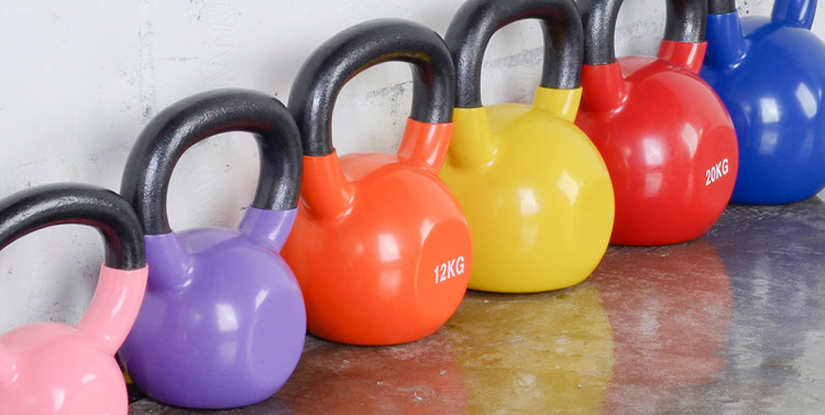
Beyond the immediate footprint, long-term gym equipment durability is inextricably linked to your facility's maintenance schedule. For operators managing high-traffic zones, the choice between these two materials directly impacts the frequency of floor repairs and surface upkeep. Cast iron, while incredibly robust, relies heavily on the quality of the underlying flooring to prevent impact damage and structural wear over time. In contrast, the integrated buffer of a vinyl shell acts as a built-in mitigation tool, often reducing the immediate pressure on subflooring during high-repetition training sessions.
This distinction is a vital component of a professional B2B procurement decision. While cast iron may offer a lower initial cost per unit and higher shipping efficiency due to its density, the total cost of ownership (TCO) must include the potential for floor maintenance and replacement. If your facility layout prioritizes rapid turnover and high-intensity functional movement, the shock-absorbing properties of coated options can extend the lifespan of your rubber flooring. Ultimately, balancing the space optimization of compact cast iron against the protective benefits of vinyl will determine how effectively your facility manages both its physical footprint and its long-term operational budget.
Sourcing Specifications: Coating Integrity vs. Cast Iron Uniformity
When evaluating long-term replacement cycles, the primary tension in the vinyl coated kettlebell vs cast iron debate lies in how each material handles high-frequency usage. For facility managers, the decision involves balancing the aesthetic appeal of a finished surface against the raw structural integrity of the weight itself. Cast iron offers a singular, dense uniformity that remains consistent even under extreme impact, making it a staple for heavy-duty strength zones.
Conversely, vinyl-coated options introduce a secondary variable: coating adhesion. While the outer layer provides excellent floor protection and grip, it also creates a potential failure point. In high-traffic commercial gym environments, improper manufacturing can lead to peeling or cracking, altering the weight distribution and affecting the tool's lifespan. Understanding these specific wear and tear patterns is essential for distributors to accurately project total cost of ownership and minimize future maintenance requests from end-users.
The technical divergence between these two options becomes most apparent during the second or third year of heavy commercial use. For procurement specialists, the primary concern is the long-term maintenance cycle and how the material reacts to oxidation or mechanical impact. Cast iron is inherently prone to oxidation if the powder coating is compromised, whereas vinyl models face the risk of delamination. Identifying these failure points early allows for more accurate inventory forecasting and better client management.
Durability and Maintenance Comparison
| Feature | Vinyl Coated Kettlebell | Cast Iron Kettlebell |
|---|---|---|
| Primary Failure Mode | Coating peeling or cracking | Surface oxidation (rust) |
| Floor Protection | High (soft impact absorption) | Moderate (requires rubber mats) |
| Maintenance Needs | Low (surface cleaning) | Periodic rust prevention |
| Weight Consistency | High (encapsulated weight) | High (solid density) |
When weighing vinyl vs cast iron weight characteristics, consider that the vinyl layer adds a slight thickness to the circumference. While this enhances the grip, it also means the internal weight core must be precision-engineered to ensure the vinyl vs cast iron weight ratio remains within strict tolerance levels for professional training. For high-volume distributors, sourcing from factories with rigorous quality control on coating adhesion is the best way to avoid premature replacement cycles.
Optimizing your commercial kettlebell selection requires moving beyond initial purchase prices to analyze the long-term Total Cost of Ownership (TCO). A low-cost unit that requires replacement every 18 months due to delamination is far more expensive than a premium-grade product with a higher initial outlay but a three-year lifecycle. To mitigate these risks, your procurement strategy must prioritize factory-level quality control standards over simple unit-price competition.
For bulk buyers, we recommend requesting specific testing data regarding impact resistance and thermal stability. For vinyl models, ensure the manufacturer utilizes high-grade, UV-resistant polymers that can withstand temperature fluctuations in non-climate-controlled training areas. For cast iron, verify the quality of the anti-rust treatment to prevent surface degradation. By auditing these technical specifications during the sourcing phase, distributors can accurately predict replacement frequency and provide more reliable service-level agreements to their gym clients, ensuring long-term durability across diverse facility settings.
Evaluating Total Cost of Ownership and Procurement Value
When managing inventory for large-scale fitness projects, professional buyers must look beyond the initial unit price. While cast iron models often present a lower entry cost per unit, a sophisticated commercial kettlebell selection process requires a deep dive into long-term replacement cycles and facility maintenance overhead. The choice between vinyl coated and cast iron weight profiles significantly impacts the lifetime budget of a commercial facility.
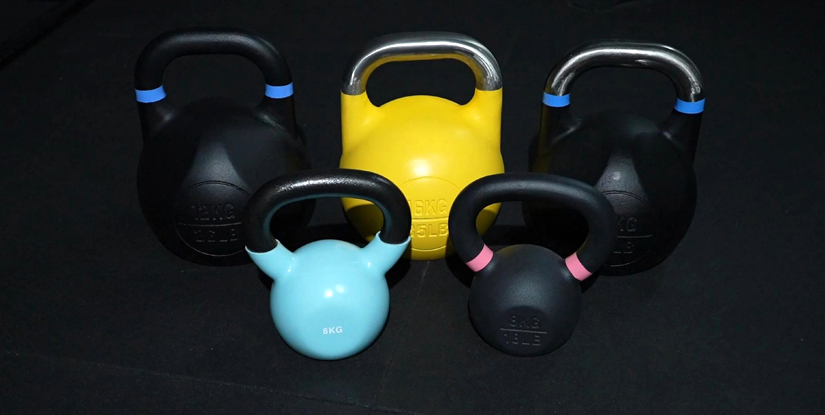
For distributors, the decision often hinges on the end-user's environment. Cast iron is a high-durability, low-maintenance staple for heavy-duty strength zones, whereas vinyl coatings offer an added layer of protection that can reduce long-term flooring repair costs. To assist in your procurement forecasting, we have outlined the primary economic drivers below.
| Procurement Factor | Cast Iron Standard | Vinyl Coated Premium |
|---|---|---|
| Initial Unit Cost | Lower baseline price | Higher upfront investment |
| Surface Durability | High (prone to chipping) | Excellent (impact absorption) |
| Floor Protection | Requires rubber mats | Integrated protection |
| Maintenance Needs | Periodic rust prevention | Minimal/Surface cleaning |
| Long-term TCO | Optimized for heavy use | Optimized for facility longevity |
Ultimately, the vinyl vs cast iron weight debate is a balance between immediate capital expenditure and long-term operational savings. High-traffic studios may find the protective nature of vinyl more cost-effective over a five-year cycle, while traditional weight rooms may prioritize the volume-based savings of cast iron.
Beyond the individual unit metrics, procurement specialists must consider how these weight profiles influence shipping density and overall logistics. The physical footprint and weight distribution of your order can alter the landed cost significantly when importing large volumes from overseas manufacturers.
Economic Comparison for Bulk Procurement
| Feature | Vinyl Coated (Pros/Cons) | Cast Iron (Pros/Cons) |
|---|---|---|
| Unit Cost | Higher per-unit cost due to coating processes | Lower baseline cost for high-volume orders |
| Lifespan | Longer coating life in controlled environments | Indefinite structural life; potential surface rust |
| Maintenance | Low; easy to sanitize and clean | Requires periodic rust treatment/inspection |
| Facility Impact | Reduces secondary costs for floor repair | May increase long-term flooring depreciation |
When calculating your total budget, remember that gym equipment durability is not just about the metal, but the ecosystem it lives in. A distributor choosing vinyl-coated options may face higher shipping costs due to slightly larger dimensions, but can market a "low-maintenance" solution to premium studio clients.
From a logistics standpoint, the physical dimensions of your order can drastically alter the landed cost. Because vinyl-coated kettlebells possess a thicker outer diameter than their cast iron counterparts, they often result in lower shipping density. When planning container loads, distributors must account for this increased volume, as the larger footprint can lead to higher freight costs per kilogram of actual weight. For high-volume distributors, optimizing warehouse storage and maximizing pallet efficiency is critical to maintaining margins.
Minimum Order Quantity (MOQ) considerations also differ between these two categories. Cast iron is often easier to source in diverse weight increments with lower MOQs due to standardized casting processes. In contrast, premium vinyl-coated lines may require higher volume commitments to justify the specialized coating production runs. Furthermore, rigorous quality control (QC) is non-negotiable for coated products; ensuring coating integrity—specifically checking for adhesion and thickness—is vital to prevent peeling during transit or high-intensity use. Finally, ensure your packaging durability is rated for heavy-duty shipping to protect the surface finishes from impact damage during long-haul sea freight.
Strategic Selection Based on Facility Use-Case Scenarios
When evaluating the long-term value of your inventory, the decision between vinyl coated kettlebell vs cast iron options should be viewed through the lens of Total Cost of Ownership (TCO). For procurement managers, the initial unit price is often secondary to the operational expenses incurred over the equipment's lifecycle. The ideal commercial kettlebell selection depends heavily on whether your facility functions as a high-intensity strength zone or a specialized boutique studio.
In high-traffic zones, such as CrossFit boxes or large-scale commercial gyms, durability and maintenance cycles are the primary drivers of ROI. Cast iron provides unmatched structural integrity for heavy-duty use, yet it requires more rigorous upkeep to prevent oxidation. Conversely, in boutique wellness centers or premium studios, the focus shifts toward floor protection and aesthetic longevity. While vinyl coatings offer an extra layer of defense against surface scuffs and impact damage, buyers must weigh the vinyl vs cast iron weight distribution and the potential for coating degradation over time. Choosing the wrong specification for your specific environment can lead to premature replacement costs and increased facility maintenance overhead.
To streamline your procurement workflow, we have categorized the most common facility profiles below. This matrix assists distributors and facility owners in determining which material specification aligns with their specific operational demands and budget cycles.
| Facility Type | Recommended Material | Lifespan Expectancy | Floor Damage Risk | Replacement Frequency |
|---|---|---|---|---|
| High-Intensity CrossFit Box | Cast Iron | High (Long-term) | Moderate to High | Low |
| Boutique Yoga/Pilates Studio | Vinyl Coated | Moderate | Low | Moderate |
| Hotel/Wellness Center | Vinyl Coated | Moderate | Very Low | Moderate |
Strategic Implementation: For high-volume orders intended for heavy-duty strength training zones, cast iron remains the industry standard due to its resilience against high-impact drops. However, if your facility prioritizes a premium aesthetic and minimal floor maintenance—such as in high-end wellness centers—the protective nature of a vinyl coating justifies the slightly higher initial investment. When sourcing for multi-use spaces, consider a hybrid inventory approach to optimize both durability and facility upkeep.
Optimizing Logistics and Inventory Cycles
Beyond the immediate training experience, the physical specifications of your chosen material significantly impact logistics efficiency and long-term procurement workflows. From a sourcing perspective, the volume-to-weight ratio differs between these two types. While cast iron offers a compact footprint, the density of vinyl-coated models—often incorporating a slightly larger diameter for the outer shell—can affect volumetric weight during bulk ordering and international shipping. For distributors managing large-scale warehouse space, understanding these dimensional variances is critical for calculating container utilization and landed costs.
Effective inventory management also requires a realistic assessment of replacement cycles. Cast iron units are essentially permanent assets if stored in controlled environments, whereas vinyl-coated options may require periodic replacement if the coating suffers from heavy chemical exposure or mechanical tearing. To maximize ROI, we recommend a tiered replenishment strategy: stock cast iron for your high-impact strength areas to minimize long-term maintenance, and utilize vinyl-coated sets for specialized studios where the aesthetic and floor-protection benefits reduce the frequency of facility-wide repairs. This balanced approach ensures gym equipment durability remains high without overextending your annual procurement budget.