Olympic Weight Plates vs Standard: Which Is Best for You?
Optimizing Your Facility Layout: High-Traffic Zones vs. Specialized Training Areas
Understanding the distinction between olympic weight plates vs standard is critical for effective floor plan engineering. B2B buyers select specific plate classes to align with their facility's structural demands, ensuring that equipment compatibility matches the intended intensity and durability of the designated workout zones.
The primary differentiator in spatial planning involves barbell sleeve diameters. Olympic-standard bars feature a 50mm sleeve, requiring larger, more robust plates that are ideal for specialized training areas like weightlifting platforms. These setups often require thicker, shock-absorbent bumper plates vs iron plates to mitigate impact. Conversely, standard 1-inch sleeves are common in lighter accessory areas. When designing high-traffic zones, distributors must account for the larger footprint of Olympic gear to prevent congestion. Choosing the correct weight plate types guide allows facility owners to optimize square footage, ensuring that heavy-duty lifting stations and lighter strength circuits coexist without compromising safety or flow.
When scaling your inventory, the choice between bumper plates vs iron plates directly impacts both your floor's longevity and your spatial efficiency. High-impact zones, such as CrossFit boxes or heavy lifting platforms, demand the shock absorption of rubberized surfaces to protect the subfloor and reduce noise. In contrast, traditional strength sections may prioritize the compact footprint of metal plates to maximize equipment density. To assist in your procurement planning, we have outlined the core trade-offs regarding durability and maintenance in the comparison below.
| Feature Factor | Bumper Plates (Olympic Style) | Iron/Steel Plates (Standard/Olympic) |
|---|---|---|
| Space Efficiency | Lower; thicker profile requires more storage depth. | Higher; compact design allows for dense storage. |
| Durability & Impact | High; designed for heavy drops and high-intensity use. | Moderate; prone to chipping or surface wear from drops. |
| Maintenance | Low; minimal upkeep required beyond surface cleaning. | Moderate; may require rust prevention or coating checks. |
| Best Use Case | Dynamic lifting and high-traffic functional zones. | Traditional strength training and compact home gyms. |
This weight plate types guide highlights that while iron plates offer excellent space efficiency for tight layouts, rubberized bumpers are essential for long-term durability in environments where heavy barbell drops are frequent. Selecting the right mix ensures your facility remains functional and low-maintenance.
Strategic procurement requires a deep understanding of how different materials influence your facility's acoustic and structural integrity. In high-intensity specialized training areas, the choice between bumper plates vs iron plates is often a decision about noise reduction and floor protection. While iron plates are cost-effective for static lifting, they lack the shock-absorption qualities needed for dynamic movements. For zones characterized by heavy drops, sourcing high-density rubberized plates is an investment in long-term durability, as it prevents subfloor damage and minimizes structural vibration. Conversely, in high-traffic zones where space is at a premium, the thinner profile of metal plates can help maximize equipment density. By matching the specific barbell sleeve diameters and material properties to each zone, you ensure a safer, quieter, and more professional environment for your clients.
The Critical Difference in Barbell Sleeve Diameters and Compatibility
Before finalizing your procurement list, you must understand that the most fundamental distinction in the olympic weight plates vs standard debate is the physical fit. This isn't just a minor detail; it is a matter of absolute compatibility issues that can render your investment unusable if overlooked.
The primary differentiator lies in the barbell sleeve diameters. Most professional-grade Olympic barbells feature a 50mm sleeve, designed to accommodate heavy-duty olympic weight plates. This larger diameter provides the stability required for high-impact movements and heavy lifting. Conversely, standard barbells typically utilize a much smaller 25mm or 28mm sleeve. These are generally found in lighter, residential-grade equipment and are intended for basic strength training rather than high-intensity performance.
Because these two systems are not interchangeable, attempting to use standard plates on an Olympic bar—or vice versa—will result in a dangerous fit. When sourcing your inventory, always verify these measurements to ensure your weight plate types guide align perfectly with your intended barbell hardware.
To simplify your sourcing decisions, we have compiled this quick-reference guide. Understanding these specifications ensures you select the right inventory for your specific facility needs, whether you are outfitting a high-traffic CrossFit box or a compact home studio.
| Feature/Type | Olympic Weight Plates | Standard Weight Plates |
|---|---|---|
| Sleeve Size | 50mm (Professional) | 25mm - 28mm (Residential) |
| Common Material | Bumper plates vs iron plates (Rubber/Urethane) | Solid Cast Iron |
| Durability Focus | Shock absorption & longevity | Compactness & cost-efficiency |
| Typical Use Case | Olympic lifting, CrossFit, Heavy Strength | Basic strength, Home gyms, Light cardio |
As you navigate this weight plate types guide, remember that while bumper plates vs iron plates involves a choice between impact resistance and budget, the barbell sleeve diameters dictate the actual compatibility of your entire training ecosystem.
Long-Term Durability and Maintenance Implications
Beyond initial compatibility, your choice between olympic weight plates vs standard will fundamentally dictate your facility's long-term maintenance schedule. When evaluating bumper plates vs iron plates, the primary concern for high-volume buyers is how the material interacts with the barbell over time. Standard iron plates, while cost-effective, lack shock absorption. This lack of cushioning often leads to increased barbell wear and tear, specifically impacting the bearings and sleeves of your bars during repetitive loading.
For facilities hosting high-impact training, such as CrossFit boxes or competitive lifting gyms, investing in high-quality rubberized bumper plates is a strategic long-term investment. The shock-absorbent nature of these plates protects your barbell's internal mechanics, reducing the frequency of repairs and extending the life of your premium bars. While the upfront cost per unit may be higher, the reduction in equipment depreciation and the minimized need for constant maintenance makes the Olympic system the superior choice for professional environments where durability is non-negotiable.
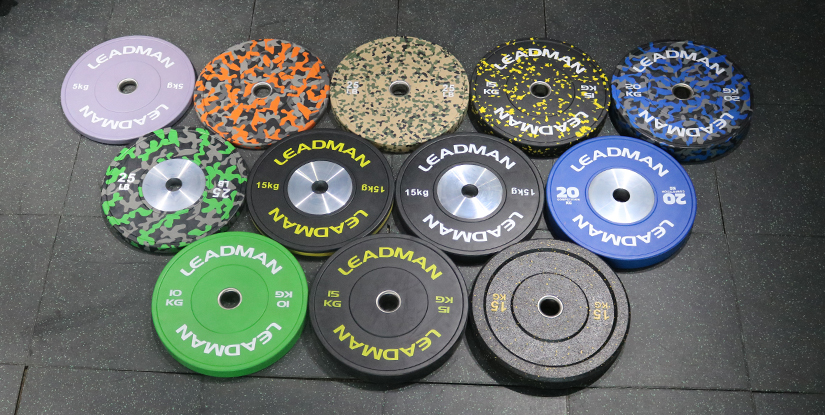
Bumper Plates vs. Iron Plates: Matching Material to Movement Intensity
When sourcing equipment, the most critical decision involves understanding how material composition affects the lifespan of your facility's assets. The fundamental debate of bumper plates vs iron plates centers on how much kinetic energy your floor and equipment must absorb. While traditional iron plates are rigid and unforgiving, modern rubber-coated options are engineered specifically for high-intensity training where dropped weights are frequent.
In the context of olympic weight plates vs standard, the distinction is often defined by impact absorption. High-quality bumper plates feature a dense rubber coating that protects both the barbell and the subfloor from structural damage. For distributors and gym owners, choosing the right material is a balance between the precision of iron and the rugged durability of rubberized surfaces.
| Material Type | Primary Benefit | Durability Profile | Best Use Case |
|---|---|---|---|
| Rubber Bumper | Shock Absorption | High (Resists cracking oise) | CrossFit & Olympic Lifting |
| Cast Iron | Compact Size | Moderate (Prone to chipping) | Bodybuilding & Strength Training |
| Steel/Vinyl | Cost-Efficiency | Low (Surface wear) | Home Gyms & Light Commercial |
To streamline your procurement process, we have synthesized the essential technical differences into a quick-reference guide. This comparison focuses on how different weight plate types guide your long-term maintenance budget and facility operational standards.
| Feature | Olympic Bumper Plates | Standard Iron Plates |
|---|---|---|
| Material | High-Density Rubber | Cast Iron or Steel |
| Best Use Case | Olympic Lifting & HIIT | Bodybuilding & Strength |
| Durability/Maintenance | High (Low impact damage) | Moderate (Requires rust prevention) |
| Noise Level | Low (Muffled impact) | High (Metallic clanging) |
| Ideal User | Professional Athletes | General Fitness Enthusiasts |
Understanding these barbell sleeve diameters and material properties ensures you invest in equipment that aligns with your facility's specific training intensity and noise tolerance levels.
Beyond the initial purchase, long-term operational costs are heavily dictated by how well your equipment withstands environmental wear. For professional buyers, the weight plate types guide must emphasize that material choice directly impacts your maintenance schedule. For instance, cast iron plates are highly susceptible to oxidation; without consistent rust prevention measures or high-quality powder coating, moisture in the air can quickly degrade the surface and diminish aesthetic value.
Conversely, while rubberized options offer superior floor protection, they are not immune to aging. High-performance bumper plates are engineered to resist rubber degradation, yet extreme temperature fluctuations or UV exposure can eventually affect the elasticity and surface texture. When sourcing, it is vital to confirm that the barbell sleeve diameters and plate centers are precision-machined to prevent friction-based wear on your bars. Choosing high-grade materials ensures that whether you are managing a boutique studio or a massive commercial facility, your equipment remains a durable asset rather than a recurring liability.
Budget Allocation and Long-Term ROI for Commercial Gym Stocking
When drafting your procurement roadmap, the first hurdle is reconciling the initial investment against your facility's long-term operational goals. Understanding the fundamental olympic weight plates vs standard distinction is not just about weight; it is about how much capital you tie up upfront versus how much you spend on replacements later. Standard plates, often utilized in budget-friendly or older training environments, typically feature a 1-inch center hole. While they offer a lower entry price, they lack the versatility required for modern strength training.
In contrast, Olympic equipment is engineered for barbell sleeve diameters of 2 inches, a global industry standard for high-performance lifting. While the durability vs cost ratio may initially seem skewed toward the more expensive option, the versatility of Olympic plates—especially when choosing bumper plates vs iron plates—can significantly extend the lifecycle of your equipment. For commercial distributors and gym owners, selecting the right weight plate types guide path ensures you aren't prematurely replacing outdated stock.
From a procurement standpoint, the true cost of ownership is dictated by your facility's usage intensity. In high-traffic environments, such as CrossFit boxes or professional strength training centers, the choice between bumper plates vs iron plates becomes a critical decision for your bottom line. While iron plates are highly cost-effective for static lifting, they are prone to cracking or bending if dropped, leading to shorter replacement cycles and higher long-term overhead.
Conversely, high-quality rubberized bumper plates are designed to withstand heavy impact, making them the superior choice for functional training. Although the upfront cost per unit is higher, their ability to absorb shock reduces the wear on your barbells and flooring, effectively lowering your total maintenance requirements. When reviewing this weight plate types guide, consider your volume: if your clients perform explosive movements, investing in durable Olympic bumpers will yield a much higher ROI by preventing frequent equipment turnover and minimizing downtime caused by damaged stock.
For those focused on scaling equipment as a business grows, a tiered strategic purchasing model is often the most efficient way to manage cash flow. For boutique studios or small home-based setups, starting with a core set of high-quality standard plates may suffice for basic strength work. However, as you transition toward a professional commercial gym setup, the move to Olympic-standard equipment becomes non-negotiable to meet member expectations and international training standards.
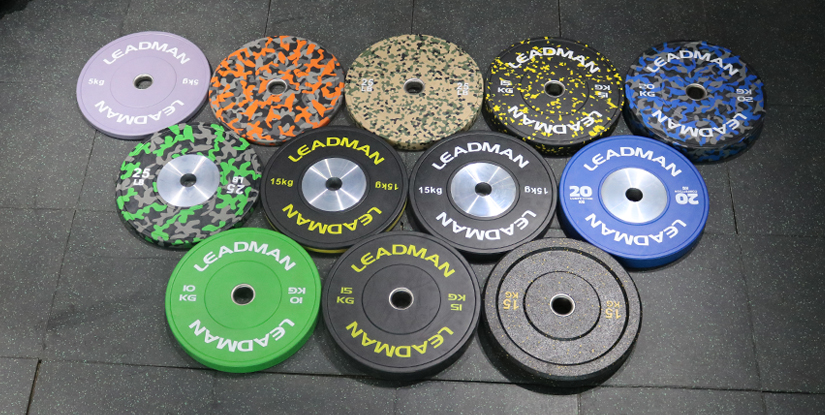
We recommend viewing your inventory through the lens of long-term ROI rather than just the immediate invoice. A facility that scales by constantly replacing low-grade, 1-inch diameter plates will eventually face higher logistics and labor costs than one that invests in a robust, 2-inch diameter Olympic ecosystem from the start. By selecting versatile, high-durability options early on, you build a foundation that supports diverse training modalities—from powerlifting to high-intensity functional training—without the need for frequent, costly inventory overhauls.
Sourcing Considerations for Global Wholesale and Bulk Orders
When scaling a fitness facility, the debate regarding olympic weight plates vs standard often shifts from simple preference to a critical financial decision. For distributors and gym owners, the initial investment vs maintenance costs must be evaluated through a long-term lens. While standard iron plates typically offer a lower entry price point, they often lack the versatility required for modern high-impact training environments.
In the high-volume market, the choice between bumper plates vs iron plates dictates your operational overhead. High-quality rubberized bumper plates are engineered for long-term durability, absorbing impact to protect both the equipment and your facility's flooring. Although the upfront procurement cost is higher, the reduction in replacement frequency and structural wear provides superior value. Conversely, standard iron plates may seem cost-effective initially, but the increased wear on barbell sleeves and floor surfaces can lead to higher secondary expenses. For large-scale setups, investing in premium Olympic-spec equipment ensures a more resilient and cost-efficient asset lifecycle.
To streamline your procurement process, we have synthesized this weight plate types guide into a practical comparison. Understanding the nuances of barbell sleeve diameters—specifically the 50mm standard for Olympic equipment versus the 1-inch requirement for standard bars—is essential to avoid costly shipping errors or mismatched inventory.
The following table outlines how different environments dictate your selection based on budget and operational intensity:
| Dimension/Factor | Standard Iron Plates | Olympic Bumper/Iron Plates |
|---|---|---|
| Sleeve Diameter | 1-inch (approx. 25-28mm) | 2-inch (50mm) |
| Durability | High (Rigid/Static) | Variable (Bumper = High Impact) |
| Cost Profile | Low Initial Investment | Moderate to High Investment |
| Best Use Case | Home Gyms / Basic Strength | Commercial Gyms / CrossFit |
Whether you are sourcing for a boutique studio or a large-scale distribution network, balancing the olympic weight plates vs standard trade-offs ensures your facility remains both functional and financially optimized.
Beyond the physical specifications, successful bulk procurement hinges on the integrity of the supply chain. When managing global sourcing for large-scale fitness projects, the primary risk is not just the price, but the lack of manufacturing precision. Inconsistent production can lead to variations in weight accuracy, which is a dealbreaker for professional athletes and high-end commercial facilities. A plate that is even slightly off-spec can disrupt the balance of a barbell, leading to client dissatisfaction and potential liability issues.
Rigorous quality control protocols are non-negotiable during the manufacturing phase. Whether you are ordering bumper plates vs iron plates, you must ensure the factory maintains strict tolerances for both the internal diameter and the external density. Furthermore, sophisticated shipping considerations must be part of your logistics planning. Because weight plates represent high-density, heavy-volume freight, optimizing container loading and ensuring robust packaging is vital to prevent transit damage. By prioritizing manufacturers who emphasize technical precision and reliable logistics, buyers can mitigate the hidden costs of subpar weight plate types and ensure their inventory arrives ready for high-performance use.
A Comprehensive Weight Plate Types Guide for Your Inventory Selection
Before diving into the logistics of budget and storage, you must understand the fundamental physical architecture of your inventory. The primary distinction in olympic weight plates vs standard lies in the barbell sleeve diameters, which dictate equipment compatibility across your entire facility. This is not merely a matter of preference, but a structural requirement for your barbell setups.
Standard plates typically feature a 1-inch center hole, designed for lighter training and home-gym utility. In contrast, Olympic plates utilize a much larger 2-inch diameter, engineered to fit heavy-duty barbell sleeves found in professional strength environments. This difference in physical footprint is crucial: while standard plates are often thinner and more compact, Olympic plates—especially bumper plates vs iron plates—are designed for high-impact durability and standardized loading. Choosing the wrong system can lead to mismatched hardware and wasted shipping volume, so identifying these core dimensions is the first step in a successful procurement strategy.
Beyond the physical dimensions, your choice will fundamentally dictate your facility's long-term operational costs and spatial footprint. When evaluating bumper plates vs iron plates, you must weigh the immediate cost-per-kg against the long-term durability and floor protection requirements. While iron plates offer a lower entry price, the high-impact nature of Olympic-style training often necessitates the shock-absorption properties of rubberized bumpers to preserve your flooring and equipment longevity.
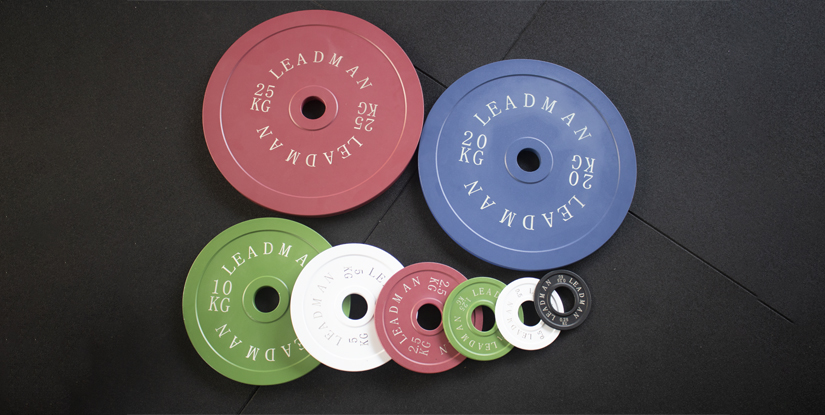
The following comparison helps clarify how these weight plate types impact your layout and budget efficiency:
| Feature | Standard (1-inch) Plates | Olympic (2-inch) Plates |
|---|---|---|
| Space Efficiency | High (Compact, thin profile) | Moderate (Bulky, requires more depth) |
| Cost-per-kg | Generally Lower | Higher (Premium materials) |
| Durability | Moderate (Prone to chipping) | High (Built for impact) |
| Ideal User Profile | Home users & Light commercial | CrossFit, Weightlifting & Pro Gyms |
Understanding these nuances ensures your procurement aligns with your specific training environment, preventing the common mistake of over-investing in heavy-duty gear for low-impact settings or under-specifying for high-traffic zones.
Ultimately, your decision hinges on a balance between immediate utility and long-term investment. For a home gym setup where space is a premium and budgets are tight, standard iron plates offer a compact, cost-effective solution that maximizes versatility without a massive footprint. However, if you are outfitting a commercial gym or a high-traffic strength facility, the decision shifts toward high-performance rubberized options.
While bumper plates vs iron plates may present a higher upfront cost, their ability to withstand heavy drops significantly reduces maintenance costs and protects your facility's flooring. When considering storage considerations, remember that Olympic-style equipment often requires more robust racking systems due to its increased volume. This weight plate types guide suggests that while standard plates are excellent for static strength training, professional-grade Olympic plates are the superior choice for dynamic, high-volume environments where durability and impact absorption are non-negotiable for long-term operational success.
Vendor due diligence and specification guardrails
When sourcing equipment for a high-traffic facility, understanding the structural integrity of your investment is critical. The debate of bumper plates vs iron plates often comes down to how your facility handles mechanical stress. Iron plates are rigid and dense, making them excellent for traditional strength training where the weight remains controlled. However, in environments characterized by high-volume training—such as CrossFit boxes or competitive weightlifting gyms—iron lacks the necessary impact resistance. Dropping heavy iron plates can lead to structural cracking or even damage to your flooring and barbell sleeves.
In contrast, high-quality bumper plates are engineered for longevity through advanced material composition. A premium rubber coating quality is the hallmark of a durable product; it ensures the plate can absorb kinetic energy during heavy drops without degrading. For distributors and gym owners, prioritizing these shock-absorbing characteristics is essential for minimizing long-term maintenance costs. When evaluating weight plate types guide specifications, always ensure the rubber density is sufficient to withstand repetitive high-impact use, as this directly dictates the overall durability of your strength training zone.
To simplify your procurement decision, we have categorized the primary differences between olympic weight plates vs standard based on operational demands. Choosing the wrong specification can lead to premature wear or incompatibility with your existing barbell inventory. Pay close attention to the barbell sleeve diameters, as standard plates typically utilize a 1-inch center hole, whereas Olympic versions require a 2-inch diameter to fit professional-grade bars.
| Selection Criteria | Standard Plates (Iron/Steel) | Olympic Plates (Bumper/Cast Iron) |
|---|---|---|
| Usage Frequency | Low to Moderate (Strictly controlled) | High (Includes heavy drops/impact) |
| Budget Profile | Cost-effective for basic setups | Higher initial investment |
| Maintenance Level | Moderate (Rust/chipping concerns) | Low (If high-quality rubber is used) |
| Primary Environment | Home gyms or light commercial | Professional lifting/CrossFit facilities |
When reviewing a weight plate types guide for your facility, remember that while standard plates offer a lower entry price, Olympic-spec equipment provides the versatility and durability required for modern, high-intensity training environments.
Beyond the surface aesthetics, true quality control lies in the technical precision of the manufacturing process. When navigating the olympic weight plates vs standard landscape, professional buyers must demand strict tolerance levels. In high-end facilities, even a slight deviation in weight or diameter can cause uneven loading, which compromises both user safety and the lifespan of your bars. High-quality manufacturers ensure consistent material consistency across entire production runs, preventing the issues seen in low-tier batches where weight variances can lead to unbalanced lifts.
Furthermore, the sleeve fit is a critical technical specification. A precision-engineered center hole ensures a snug, secure fit on the barbell, preventing the "clanking" or rattling that occurs with poorly manufactured plates. This stability is vital for reducing long-term wear and tear on your barbell sleeves. As part of a comprehensive weight plate types guide, we recommend verifying that your supplier adheres to rigorous dimensional standards. Investing in plates with tight tolerances and high-grade material integrity will ultimately protect your equipment inventory and ensure a safer, more professional training experience for your clients.