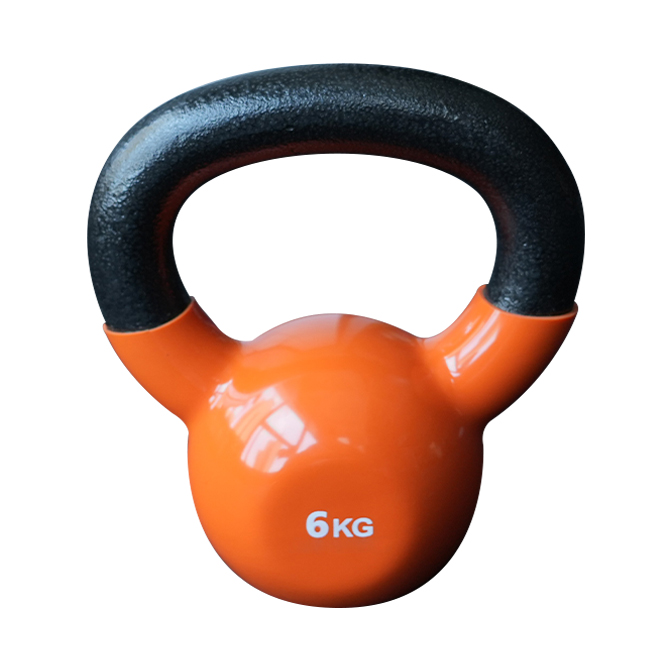
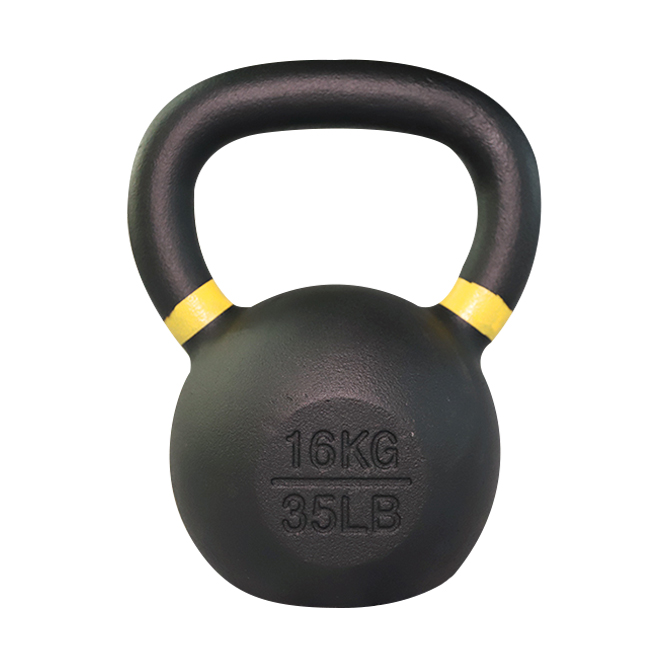
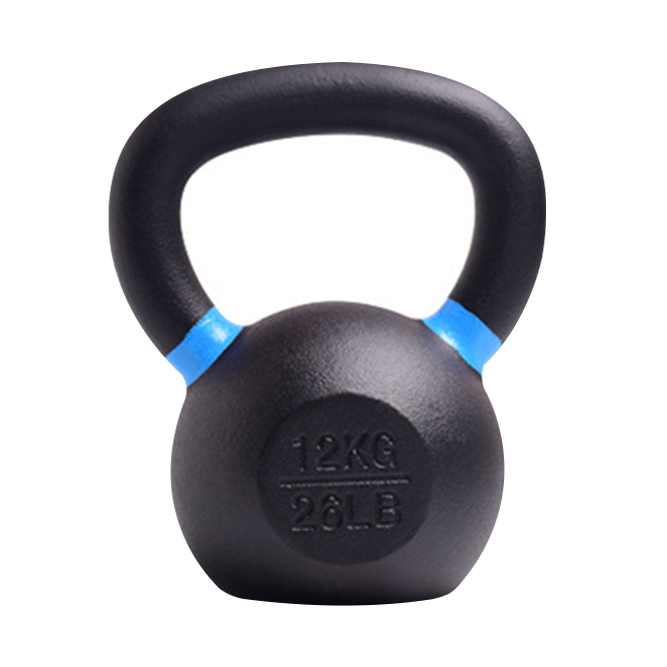
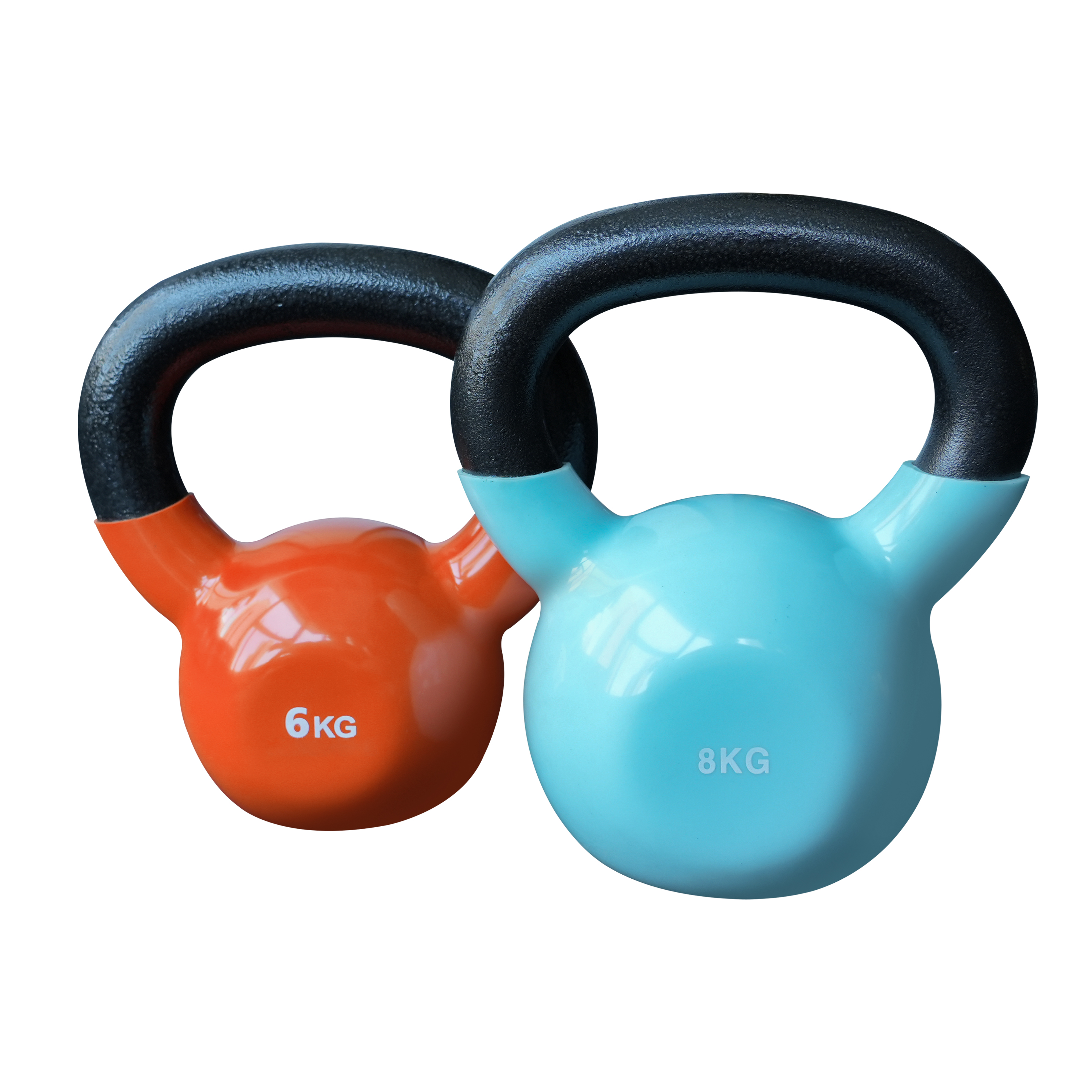
vinyl vs iron kettlebell | Vinyl vs Iron Kettlebells
Deployment Scenarios: High-Traffic Zones vs. Specialized Training Studios
Selecting the right weight format depends heavily on your facility's operational layout and floor durability. While both options serve functional training, the vinyl vs iron kettlebell debate often centers on whether a buyer prioritizes heavy-duty impact resistance or aesthetic versatility for specific client environments.
In large-scale commercial gyms and high-traffic zones, the primary concern is long-term maintenance and the ability to withstand heavy drops. Cast iron models are the industry standard here due to their extreme commercial kettlebell durability and resistance to structural deformation. However, if your facility utilizes premium rubber flooring or high-end specialized training studios, the choice shifts toward protection. In these boutique settings, the soft exterior of a vinyl-coated bell provides essential floor protection and reduces noise pollution, making it a preferred option for studios where client experience and equipment longevity are closely linked to the preservation of the subfloor.
When conducting a gym equipment procurement guide review for your facility, the spatial footprint and movement flow of your training zones must dictate your inventory mix. In high-density training environments, the physical dimensions of the weight can alter the effective training area. Cast iron models typically offer a more compact profile, which is advantageous for optimizing floor space in crowded functional training areas. Conversely, the extra layer of coating on many coated vs cast iron kettlebells can slightly increase the overall diameter, potentially impacting close-quarters movement or grip ergonomics for certain users.
For procurement managers, the decision matrix should also account for the maintenance frequency required by different zones. High-impact areas using iron may require more frequent floor inspections, whereas studio-based zones using vinyl can often operate with lower oversight regarding surface damage. Evaluate your facility's specific constraints: choose cast iron for maximum density and ruggedness in heavy-use zones, or opt for vinyl to minimize floor impact and noise in premium, space-sensitive boutique environments.
From a logistics and procurement standpoint, the choice between these two formats also dictates your long-term facility upkeep strategy. In boutique or multi-purpose fitness studios, the specialized studio requirements often include strict noise thresholds and the preservation of high-end aesthetic finishes. In these scenarios, the slightly larger footprint of a coated bell is a worthwhile trade-off for the reduced vibration and acoustic dampening it provides.
Conversely, for distributors and large-scale gym operators managing high-density training zones, the priority is often the efficiency of the equipment's physical profile. Cast iron units allow for tighter storage configurations and more efficient movement through narrow training lanes. When calculating the total cost of ownership, consider that while vinyl offers a protective barrier, it may require more frequent surface cleaning to prevent buildup, whereas cast iron remains virtually indestructible under standard commercial use. Ultimately, your inventory mix should reflect whether you are solving for rugged durability in a heavy-lifting zone or refined, low-impact versatility in a premium studio setting.
Material Integrity and Commercial Kettlebell Durability
When sourcing for high-traffic fitness centers or boutique studios, the primary concern shifts from individual performance to total cost of ownership. In these environments, commercial kettlebell durability is defined by how a piece of equipment handles high-frequency usage and the inevitable impact of heavy training. Choosing between a raw cast iron core and a coated alternative is a strategic decision regarding structural wear and facility maintenance.
Cast iron kettlebells offer unparalleled structural integrity; they are essentially indestructible, making them a reliable choice for rugged strength conditioning zones. However, the lack of a protective layer means they are prone to surface oxidation if not stored in climate-controlled environments. Conversely, the cast iron vs vinyl coating debate often centers on the longevity of the outer layer. While high-quality vinyl provides excellent floor protection and prevents metal-on-metal clanging, the coating itself is a consumable element. Under extreme usage, the vinyl may experience tearing or peeling, requiring a replacement cycle that facility managers must factor into their long-term procurement budgets.
To assist in your procurement planning, we have synthesized the technical differences between these two material profiles. This comparison focuses on the long-term lifecycle of the equipment, helping you determine which option aligns better with your facility's maintenance capacity and budget cycles.
| Technical Metric | Cast Iron (Uncoated/Painted) | Vinyl-Coated Kettlebells |
|---|---|---|
| Material Lifespan | Decades; highly resistant to structural failure. | Long-term core life; coating is a consumable. |
| Impact Resistance | Extreme; handles high-velocity drops. | Moderate; high impact may cause tearing. |
| Surface Degradation | Risk of oxidation (rust) in humid areas. | Potential for peeling or cracking over time. |
| Maintenance Needs | Low; occasional oiling or cleaning. | Moderate; requires monitoring for coating integrity. |
When evaluating the vinyl vs iron kettlebell distinction for bulk orders, consider the specific training zones. For high-intensity functional training areas where heavy drops are common, cast iron provides the most predictable long-term maintenance profile. However, for boutique studios or wellness centers where floor protection and noise reduction are prioritized, the vinyl option serves as a premium, user-friendly solution despite the slightly higher replacement frequency of the outer layer.
For distributors and large-scale procurement specialists, effective wholesale decision-making requires looking beyond the initial unit cost to the total lifecycle of the inventory. A gym equipment procurement guide should emphasize that the choice between these two materials dictates your future replacement cycles and client satisfaction levels. If your target clients are high-performance strength gyms, the durability of raw or painted iron will minimize their long-term service requests. If, however, your client base consists of hospitality-based fitness centers or yoga studios, the aesthetic and protective benefits of vinyl often justify the higher initial investment and the eventual need for coating upkeep.
Ultimately, facility longevity is a balance of structural resilience and surface protection. When calculating your order volumes, account for the fact that while iron is a permanent asset, vinyl-coated options are a managed expense. For manufacturers and exporters, ensuring high-grade coating durability during the production phase is the best way to mitigate the risk of premature peeling, which is the most common reason for client returns in the premium studio market.
Floor Protection and Facility Maintenance Requirements
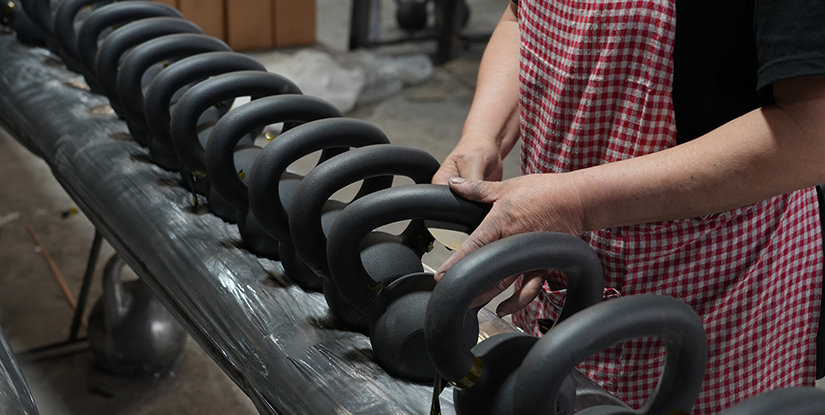
For facility managers and wholesale distributors, the decision between vinyl vs iron kettlebell selection often hinges on more than just user preference; it is a calculation of long-term facility overhead. In high-traffic zones where kettlebells are frequently set down or dropped, the material composition directly dictates the rate of floor degradation. While cast iron is a staple in strength conditioning, its rigid density presents a higher risk of impact damage to specialized rubber or wood flooring if not managed with heavy-duty mats.
In contrast, vinyl-coated options offer an integrated layer of protection that can extend the lifecycle of your subflooring. When sourcing for commercial gym environments, understanding how these materials interact with your facility's surface is critical for minimizing maintenance downtime. The following comparison outlines the Total Cost of Ownership (TCO) factors regarding floor and equipment upkeep.
| Procurement Factor | Cast Iron Kettlebells | Vinyl Coated Kettlebells |
|---|---|---|
| Floor Impact Risk | High (Requires thick mats) | Moderate (Built-in buffer) |
| Surface Scuffing | Frequent in high-use areas | Minimal/Low |
| Long-term Maintenance | Rust prevention/Paint touch-ups | Coating integrity checks |
| TCO Focus | Lower initial unit cost | Lower facility repair costs |
When evaluating bulk orders, consider that choosing a more protective coating can significantly reduce the frequency of floor resurfacing and equipment replacement cycles, providing a more predictable maintenance budget for your clients.
Beyond the floor, the long-term commercial kettlebell durability is heavily influenced by environmental factors and cleaning protocols. For distributors and facility owners, the choice between coated vs cast iron kettlebells often comes down to how much labor is required to keep the equipment looking professional. Cast iron models, while structurally robust, are susceptible to oxidation and surface rust if stored in humid environments or if the protective paint layer is compromised through heavy use.
Vinyl-coated models present a different set of maintenance requirements. While they eliminate the risk of oxidation, the primary concern during quality control and routine inspections is surface wear. In high-intensity training environments, the vinyl skin may experience peeling or cracking if the manufacturing quality is substandard. For wholesale buyers, it is essential to verify the bonding strength of the coating to ensure the product can withstand rigorous commercial use without losing its aesthetic or ergonomic integrity.
Standardizing cleaning protocols—such as using non-abrasive, pH-neutral solutions—is recommended for both types to prevent premature degradation of the finishes. By accounting for these specific upkeep needs during the sourcing stage, procurement specialists can provide more accurate long-term value propositions to their end-users.
When calculating the total cost of ownership, procurement specialists must look beyond the initial invoice to account for long-term replacement cycles and storage durability. A common oversight in the gym equipment procurement guide process is failing to account for how different materials behave under varying logistical and environmental conditions. For instance, while cast iron is nearly indestructible, its susceptibility to oxidation means that long-term maintenance may involve rust mitigation or repainting to maintain a professional facility standard.
For distributors managing bulk procurement considerations, the logistical profile of the product is equally vital. Vinyl-coated units offer a distinct advantage in storage durability; the outer layer acts as a barrier against moisture and minor abrasions, making them highly resilient in diverse climates. However, when evaluating the vinyl vs iron kettlebell trade-off, buyers should prioritize manufacturers that demonstrate high-level quality control regarding the bonding process. Ensuring the coating is seamless and securely adhered prevents the peeling issues that can prematurely shorten a product's lifecycle in high-volume commercial settings.
Coated vs Cast Iron Kettlebells: Structural Specifications and Sourcing
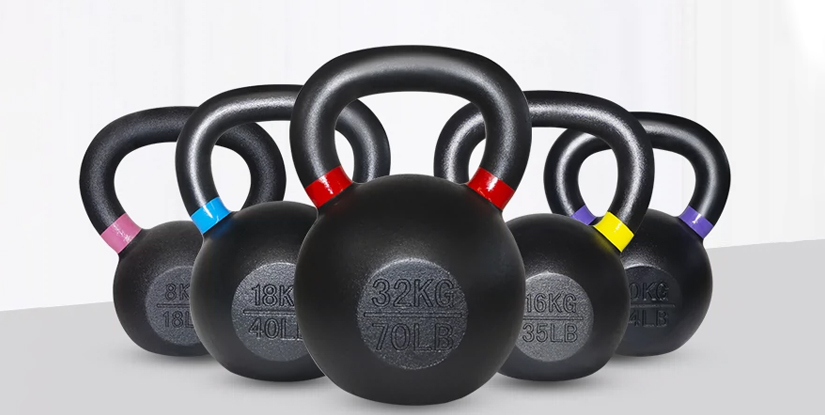
When evaluating long-term commercial kettlebell durability, the primary concern for facility managers is not just the weight, but the structural integrity of the unit under high-frequency use. The fundamental difference lies in how each material handles impact and environmental stress. Cast iron kettlebells rely on a high cast iron density, providing a compact, rigid profile that is virtually indestructible under standard training conditions. This makes them the gold standard for high-intensity strength zones where equipment may be dropped frequently.
In contrast, vinyl-coated options introduce a layer of complexity regarding vinyl coating thickness and adhesion. While the outer layer offers excellent impact resistance and protects flooring, the quality of the bond between the core and the coating is critical. A poorly manufactured coating can peel or crack, compromising the unit's lifespan. For distributors and large-scale procurement, understanding this distinction is vital: cast iron offers a singular, solid mass, whereas vinyl models require stricter quality control to ensure the coating remains intact through years of rigorous commercial use.
To assist in your procurement decision, we have synthesized the technical performance of each material into a comparison framework. This data focuses on the total cost of ownership (TCO) and the expected maintenance lifecycle within a professional fitness environment. When sourcing at scale, consider whether your facility prioritizes the ruggedness of raw metal or the protective benefits of a synthetic shell.
Comparison Table: Material vs. Durability Factor
| Durability Factor | Cast Iron Kettlebells | Vinyl-Coated Kettlebells |
|---|---|---|
| Coating Integrity | N/A (Solid Core) | High dependence on adhesive quality |
| Surface Wear | Minimal; resistant to oxidation | Subject to punctures or peeling |
| Impact Tolerance | Extremely high; ideal for heavy drops | Moderate; shell may crack under blunt force |
| Maintenance Frequency | Low; occasional wipe-down | Moderate; requires inspection for cracks |
From a sourcing perspective, cast iron remains the more predictable option for high-traffic strength zones. However, for boutique studios or wellness centers where floor protection and aesthetics are prioritized, high-quality vinyl-coated units offer a distinct advantage, provided your supplier maintains strict quality control over the shell-to-core bond.
When calculating the long-term Total Cost of Ownership (TCO), procurement professionals must look beyond the initial unit price and evaluate the replacement cycles associated with each material. In high-traffic environments, the durability of the equipment directly dictates your annual maintenance budget and replenishment frequency. For example, while cast iron provides a highly stable and predictable lifecycle, vinyl-coated models introduce variables such as coating adhesion and shell degradation that can lead to premature replacement if the manufacturing standards are insufficient.
To mitigate these risks during a bulk purchase, we recommend implementing rigorous quality control standards during the inspection phase. When sourcing vinyl-coated equipment, verify the supplier's ability to maintain uniform thickness and ensure the synthetic layer is chemically bonded to the core to prevent peeling. For distributors managing large inventories, the choice between these two options often comes down to a trade-off between the indestructible nature of raw metal and the specialized protection of a coated surface. Ultimately, your procurement decision should be driven by the specific mechanical demands of your facility's training zones and the expected frequency of equipment impact.
Optimizing Inventory and Stocking Strategies for Distributors
For distributors and large-scale gym suppliers, the decision between a vinyl vs iron kettlebell lineup extends far beyond user preference; it is a fundamental calculation of logistics efficiency. When managing high-volume orders, the physical profile of your inventory dictates your overhead costs and warehouse throughput. Iron kettlebells offer a high weight-to-size ratio, allowing for dense, compact stacking that maximizes vertical space in shipping containers and warehouse racking. This density is a significant advantage for importers looking to minimize freight costs per unit.
Conversely, vinyl-coated options typically present a larger shipping volume due to the added thickness of the protective layer. While these units may occupy a larger storage footprint, the trade-off often involves lower breakage risks during transit. Procurement professionals must balance these variables—weighing the cost-effective density of cast iron against the bulkier, more protective nature of vinyl—to optimize their supply chain and ensure that stocking levels align with both shipping constraints and regional demand.
To streamline your procurement process, we have developed this quick-reference guide. This gym equipment procurement guide segment focuses on matching product specifications to specific facility environments, ensuring your stock mix serves your client base effectively.
When evaluating coated vs cast iron kettlebells, the primary differentiator for a buyer is the intended operational setting. High-traffic strength conditioning zones often demand the ruggedness of iron, whereas boutique studios or multi-purpose wellness centers may prioritize the floor protection and aesthetic appeal of vinyl. Understanding these nuances helps in predicting commercial kettlebell durability and long-term replacement cycles for your clients.
| Material Type | Best Use Case | Storage Density | Maintenance Requirement |
|---|---|---|---|
| Cast Iron | Heavy Strength & CrossFit Gyms | High (Compact Profile) | Low (Monitor for Rust) |
| Vinyl Coated | Boutique Studios & Wellness Centers | Moderate (Bulky Profile) | Medium (Monitor Coating Integrity) |
Distributors should consider a hybrid stocking strategy. Maintaining a core inventory of cast iron for high-performance clients while offering vinyl options for premium, low-impact environments allows for a more versatile market presence and optimized turnover rates.
For high-volume purchasers, mastering the logistics of a diverse product mix requires a sophisticated approach to bulk ordering. When negotiating with manufacturers, it is essential to clarify the MOQ (Minimum Order Quantity) for both standard cast iron and specialized vinyl-coated models. Because vinyl production often involves additional injection or dipping stages, the lead times and minimums may differ significantly from traditional iron casting. Failing to account for these variations can disrupt your inventory turnover and lead to stockouts of high-demand sizes.
To mitigate risk, implement a rigorous quality control (QC) protocol that addresses the specific vulnerabilities of each material. For cast iron, inspections should focus on surface uniformity and weight accuracy to prevent rust-prone imperfections. For vinyl-coated units, the priority shifts to the adhesion strength and thickness of the coating to ensure no peeling occurs under heavy use. By integrating these specific checks into your procurement workflow, you protect your clients from unexpected long-term maintenance issues and ensure that every shipment meets the high standards required for commercial-grade environments.
Optimizing Long-Term Value Through TCO Analysis
When sourcing for high-traffic fitness facilities, the unit price is often a deceptive metric. To truly understand the vinyl vs iron kettlebell debate, procurement officers must shift focus toward the Total Cost of Ownership (TCO). While vinyl-coated options may offer a lower entry point for specific boutique settings, the long-term financial implications of material degradation and replacement frequency can impact your bottom line.
A critical component of TCO is the indirect cost of facility maintenance. For instance, choosing uncoated cast iron without adequate floor protection can lead to significant expenses in subfloor repairs and high-impact surface replacement. Conversely, while vinyl provides a protective buffer, the durability of the coating under heavy commercial use is a vital variable. If the coating peels or cracks, the replacement cycle accelerates, increasing both shipping costs and labor downtime. When evaluating commercial kettlebell durability, professional buyers should account for these maintenance windows and the potential for frequent restocking. A high-quality, durable finish may require a higher initial investment but ultimately lowers the frequency of replacement, providing a more stable ROI for large-scale distributors and gym operators.
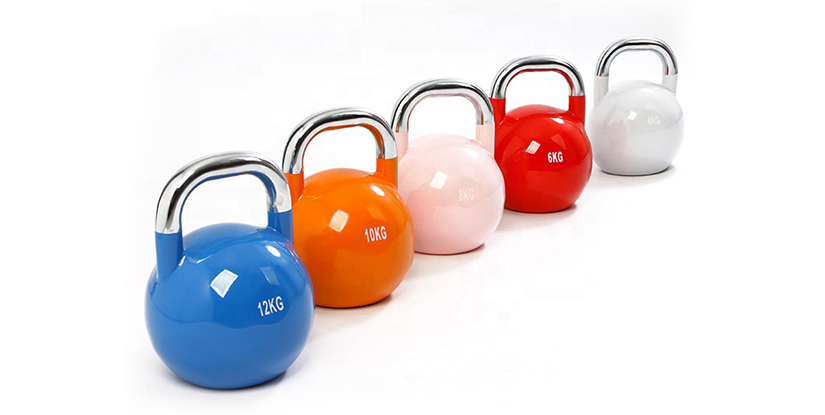
To streamline your decision-making process, we have developed a comparative framework. This gym equipment procurement guide focuses on the logistics and operational variables that dictate long-term utility. Use the following table to evaluate how coated vs cast iron kettlebells align with your specific facility requirements and shipping budgets.
| Evaluation Metric | Vinyl-Coated Series | Cast Iron Series |
|---|---|---|
| Durability Rating | Moderate (Coating sensitive to punctures) | High (Resistant to impact and oxidation) |
| Maintenance Requirements | Low (Easy wipe-down; monitor for peeling) | Medium (Occasional rust prevention needed) |
| Shipping Weight/Volume | Higher volume per unit (Bulkier profile) | High density (Compact, high weight-to-size) |
| Ideal Facility Type | Boutique studios, Yoga/Pilates, Home gyms | CrossFit boxes, Heavy-duty strength gyms |
When calculating landed costs, remember that the increased volume of vinyl-coated units may influence container optimization and freight expenses. For distributors managing large-scale shipments, the compact nature of cast iron often allows for more efficient pallet stacking and lower per-unit shipping overhead, even when accounting for higher weight-based freight charges.
Quality Control Checklist for Bulk Procurement
Securing a reliable supply chain requires moving beyond simple price quotes to rigorous technical verification. Whether you are sourcing vinyl or iron variants, the integrity of the product is determined by the manufacturer's ability to maintain strict manufacturing standards across large production runs. A failure in quality control during the middle of a bulk order can lead to catastrophic logistics issues or high return rates from your end-users.
Before finalizing a purchase order, ensure your supplier can provide documentation regarding the following critical inspection points:
- Coating Adhesion: For coated models, verify the bonding strength of the vinyl to the internal core to prevent premature peeling or cracking during high-impact use.
- Weight Tolerance: Establish an acceptable margin of error (typically +/- 1-3%) to ensure weight consistency across the entire shipment, which is vital for professional strength training.
- Factory Capability: Confirm the supplier possesses the specialized equipment to handle both high-density casting and precision vinyl injection molding.
- Logistics Safety: Mandate reinforced packaging and palletization standards to protect against denting or coating damage during long-haul sea freight.
A thorough bulk order inspection protocol—including random sampling for weight accuracy and surface durability—will safeguard your investment and ensure that the delivered goods meet the high expectations of commercial fitness environments.
Evaluating Total Cost of Ownership
For facility managers and distributors, the procurement decision regarding vinyl vs iron kettlebell options extends far beyond the initial unit price. A common oversight in high-volume ordering is neglecting the secondary expenses associated with equipment aging and facility upkeep. When calculating long-term ROI, the choice between a coated surface and raw cast iron directly impacts your operational overhead.
While cast iron may offer a lower entry cost per unit, the potential for surface oxidation and the necessity for specialized floor protection can increase the total cost of ownership. Conversely, high-quality vinyl coatings act as a protective buffer, reducing the frequency of floor repairs and extending the maintenance window before replacement is required. In high-traffic commercial environments, prioritizing commercial kettlebell durability through superior coating technology often results in a more predictable budget, as it mitigates the hidden costs of equipment degradation and facility wear.
To streamline your procurement process, use the following decision matrix. This tool is designed to assist in the selection process by weighing material characteristics against specific facility requirements, a critical step in any professional gym equipment procurement guide.
| Facility Profile | Recommended Material | Primary Procurement Driver | Durability Expectation |
|---|---|---|---|
| Boutique Studios & Yoga Centers | Vinyl Coated | Floor protection & aesthetics | High (Surface longevity) |
| High-Intensity CrossFit Boxes | Cast Iron | Impact resistance & ruggedness | Extreme (Structural integrity) |
| Multi-purpose Commercial Gyms | Mixed Inventory | Versatility & user variety | Variable |
When comparing coated vs cast iron kettlebells, consider the replacement frequency relative to your local labor costs. In environments where flooring maintenance is expensive, the floor impact reduction provided by vinyl often justifies a higher initial MOQ investment. Always verify the coating thickness and adhesion quality during your factory inspection to ensure long-term performance.
Bulk Order Quality Control & Logistics Checklist
Executing a high-volume order requires moving beyond basic specifications to focus on technical validation. When sourcing at scale, your procurement strategy must account for the nuances of manufacturing standards to prevent costly returns or damaged shipments. Use this checklist to align your expectations with factory capabilities before finalizing any purchase agreement.
- Verify Coating Integrity: For vinyl options, request documentation or samples regarding coating thickness and adhesion strength. A substandard application can lead to peeling under high-frequency use, negating the durability benefits.
- Standardize QC Inspections: Ensure your QC inspection protocols include weight tolerance testing. In high-volume shipments, even minor deviations in mass can lead to significant inventory discrepancies.
- Optimize Shipping Weight: Coordinate with your supplier on shipping weight optimization. Because iron and coated units have different volumetric profiles, strategic palletization is essential to reduce freight costs without compromising safety.
- Confirm MOQ & Lead Times: Clearly define the MOQ for custom colors or specific weight increments to avoid unexpected surcharges during the production phase.
A disciplined approach to these technical details ensures that your decision between vinyl vs iron kettlebell models results in a reliable, high-performing inventory that meets professional commercial standards.