Why Competition Steel Kettlebells Matter for Athletes
The Long-Term Value of Precision-Cast Steel Over Cast Iron
For high-performance gym owners managing high-traffic boutique studios or professional strength facilities, the initial procurement cost is often secondary to long-term replacement cycles. While standard cast iron kettlebells are common in budget-friendly setups, they frequently suffer from surface irregularities and uneven weight distribution. In contrast, competition steel kettlebells utilize precision-cast manufacturing to ensure structural consistency across the entire weight spectrum. This technical advantage means that as athletes transition through heavier loads, the ergonomic feel and balance remain identical, a critical factor for professional-grade training environments.
| Feature Factor | Standard Cast Iron | Competition Grade Kettlebells |
|---|---|---|
| Surface Uniformity | Irregular/Rough | Smooth/Precision-Finished |
| Weight Precision | High Variance | Strict Tolerance |
| Expected Lifespan | Moderate (Corrosion Risk) | High (Superior Durability) |
| Long-term ROI | Lower Initial/Higher Replacement | Higher Initial/Lower Replacement |
Investing in steel kettlebell training equipment through high-quality professional strength equipment channels minimizes the need for frequent inventory updates. By prioritizing competition steel kettlebells, distributors and facility managers mitigate the risks of uneven wear and mechanical inconsistencies, ensuring a superior return on investment through extended product utility.
When calculating the true cost-per-use, the distinction between these materials becomes even more apparent. Standard iron often develops oxidation or surface pitting under heavy usage, which can compromise the grip and aesthetic of a premium facility. However, competition grade kettlebells are engineered for resilience. Because the steel construction allows for a more controlled manufacturing process, the maintenance requirements are significantly reduced, making them a more sustainable choice for high-volume commercial settings.
From a procurement perspective, the decision to upgrade to competition steel kettlebells is a strategic move to stabilize your long-term equipment budget. While the upfront investment is slightly higher, the reduction in replacement frequency and the consistency of the training experience provide a much higher ROI. For serious athletes, this precision is non-negotiable; for gym owners, it is a way to ensure that their professional strength equipment remains a flagship asset for years rather than a recurring expense.
Ultimately, the true economic advantage of sourcing competition steel kettlebells lies in the reduction of operational friction. In high-intensity training environments, the constant wear and tear on standard gear often leads to unpredictable replacement cycles, forcing facility managers to deal with unexpected shipping costs and inventory gaps. By opting for professional strength equipment designed for precision, you are not just purchasing a single weight set; you are securing a long-term investment. This strategic approach to steel kettlebell training procurement ensures that your facility maintains a premium standard of excellence while effectively lowering the total cost of ownership through superior durability and minimal maintenance requirements.
Why Uniformity in Weight Distribution Defines Professional Standards
For high-performance gym owners and professional strength coaches, the difference between standard iron and competition steel kettlebells lies in the microscopic precision of the build. In high-volume environments, equipment must withstand constant impact without losing its structural integrity. The high density of premium steel ensures that the internal weight distribution remains perfectly centered, preventing the eccentric wobbles often found in lower-grade cast iron alternatives.
When investing in steel kettlebell training assets, durability is not just about surface hardness; it is about long-term weight consistency. Cheaply manufactured bells often suffer from uneven density, which can lead to shifting centers of gravity over time. By sourcing competition grade kettlebells, distributors and facility managers ensure that every kilo remains exactly where it should be. This level of durability minimizes replacement cycles and guarantees that athletes are training with a reliable, standardized tool that meets the rigorous demands of professional strength equipment standards.
Long-Term Value: Maintenance and Longevity Comparison
Choosing between standard cast iron and competition grade kettlebells often comes down to a calculation of total cost of ownership. While cast iron is a common entry-level option, it frequently requires more frequent maintenance due to surface oxidation and uneven wear patterns. In high-traffic commercial settings, the structural integrity of your professional strength equipment determines how often you must cycle through new inventory.
The following comparison outlines how different materials handle the inevitable wear and tear encountered during intense steel kettlebell training sessions:
| Feature | Standard Cast Iron | Competition Steel |
|---|---|---|
| Surface Durability | Prone to chipping and rust | High resistance to impact/oxidation |
| Maintenance Needs | Periodic cleaning/oil application | Minimal; low-touch upkeep |
| Lifespan | Moderate; subject to density shifts | Exceptional; maintains precision |
| Best Use Case | Home gyms or light usage | Professional facilities & high-volume training |
For distributors and gym owners looking to minimize long-term replacement costs, the precision and resilience of competition steel kettlebells offer a much higher return on investment through extended equipment life.
Ultimately, the decision to upgrade to competition steel kettlebells is a strategic move for any high-performance gym looking to optimize its operational budget. While the initial procurement cost might reflect a premium, the reduction in replacement frequency transforms these tools into a significant long-term investment. Unlike lower-tier alternatives that succumb to the rigors of heavy use, high-quality steel construction maintains its structural integrity even under the most punishing training cycles.
For facility managers and wholesale buyers, prioritizing professional strength equipment with these specifications means fewer headaches regarding inventory turnover. By selecting equipment designed for maximum resilience, you mitigate the risks of surface degradation and weight shifts that typically plague cheaper models. In the competitive landscape of commercial fitness, investing in the superior build of competition grade kettlebells ensures your facility remains a top-tier destination where reliability and precision are never in question.
Optimizing High-Performance Training Environments with Steel Sets
In high-traffic strength facilities, floor real estate is often the most valuable asset. Unlike bulky cast iron alternatives that occupy significant footprints, competition steel kettlebells are engineered for a streamlined profile. This compact design facilitates high-density training, allowing gym owners to pack more functional movement zones into a smaller square footage without sacrificing the quality of the workout experience.
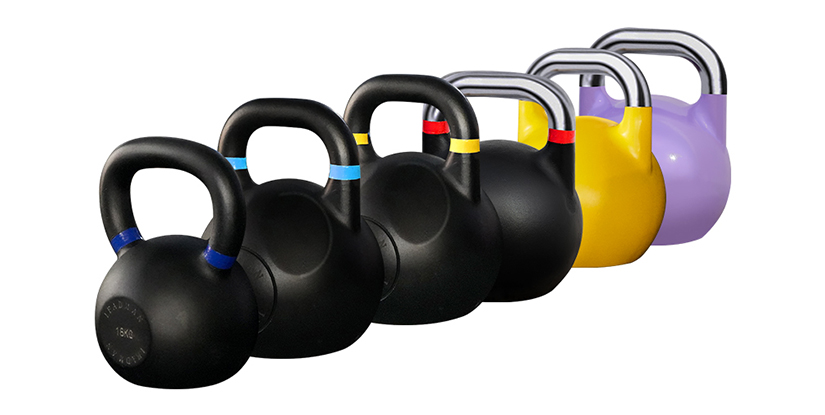
Beyond spatial advantages, the structural integrity of professional strength equipment is a primary concern for facility managers. Traditional cast iron can be prone to chipping or surface degradation under heavy use, but competition grade kettlebells manufactured from high-grade steel offer superior durability. This resilience ensures that even in rigorous, high-volume environments, the equipment maintains its precision and aesthetic standards. For distributors and gym owners sourcing for long-term use, investing in steel-based sets reduces the frequency of replacement cycles and minimizes maintenance downtime, making it a smart, space-saving solution for modern athletic hubs.
When deciding between different weight formats, it is essential to evaluate how the material impacts your long-term operational costs and facility upkeep. While cast iron is a standard budget-friendly option, steel kettlebell training offers a distinct advantage in terms of longevity and surface consistency. The following comparison helps clarify which direction best suits your specific environment and usage demands.
| Feature/Metric | Standard Cast Iron | Competition Steel Kettlebells |
|---|---|---|
| Footprint | Bulky and irregular | Compact and streamlined |
| Surface Wear | Prone to chipping/rust | High resistance to abrasion |
| Maintenance | Periodic cleaning/rust care | Low-touch, durable finish |
| Ideal Usage | General fitness/home use | Professional strength equipment |
| Long-term Longevity | Moderate | Exceptional/High-performance |
For procurement professionals, choosing competition grade kettlebells means prioritizing a lower total cost of ownership. The consistent dimensions and superior resistance to surface wear ensure that your equipment remains functional and visually professional for years, regardless of training intensity.
Ultimately, the decision to upgrade to competition steel kettlebells is a strategic move toward a more sustainable equipment lifecycle. While the initial procurement cost may be higher than entry-level alternatives, the long-term investment pays dividends through significantly reduced replacement frequency. In a professional setting, the ability to maintain a consistent inventory without the constant threat of rust or structural degradation is vital for operational continuity.
For facility owners aiming to provide high-performance training, the reliability of your gear directly impacts your reputation. High-quality steel construction ensures that every weight in the set remains uniform and durable, even under the most grueling sessions. By selecting premium professional strength equipment, you are not just buying tools; you are securing an asset that preserves the professional standard of your facility while optimizing your overall budget through extended durability and minimal upkeep requirements.
Identifying High-Grade Manufacturing and Material Integrity
For high-performance gym owners and distributors, the long-term value of an investment is dictated by its ability to withstand rigorous, high-volume usage. When sourcing competition steel kettlebells, the primary concern shifts from mere aesthetics to the fundamental material integrity of the iron. Inferior manufacturing processes often result in internal air pockets or uneven density, which can lead to catastrophic failure under heavy impact.
True competition grade kettlebells require exceptional casting consistency to ensure that every unit in a set maintains a uniform center of gravity and weight distribution. This precision is vital for athletes who rely on predictable movement patterns. By prioritizing high-grade steel and controlled cooling processes, manufacturers can guarantee superior structural durability. This minimizes the risk of surface cracking or structural fatigue, ensuring that your steel kettlebell training equipment remains a reliable asset in any professional strength facility for years to come.
When evaluating long-term procurement costs, it is essential to distinguish between standard cast iron and high-performance steel. While cast iron is a common budget option, it often lacks the refined surface finish and consistent weight precision required for elite-level athletics. For facilities focused on high-frequency turnover, the choice between these materials significantly impacts both maintenance schedules and equipment lifespan.
The following comparison highlights why investing in professional strength equipment made from steel provides a higher return on investment compared to standard alternatives:
| Feature | Standard Cast Iron | Competition Steel Kettlebells |
|---|---|---|
| Surface Texture | Rough, often requires coating to prevent rust | Smooth, precision-machined for grip consistency |
| Weight Accuracy | Variable tolerances; prone to deviation | High weight precision for uniform training |
| Long-term durability | Susceptible to chipping and oxidation | High impact resistance and structural stability |
| Ideal Use Case | General fitness and light home use | Advanced steel kettlebell training and competition |
By selecting equipment that prioritizes these technical specifications, gym owners ensure that their inventory remains a durable, high-performance staple rather than a recurring replacement expense.
Beyond the immediate build quality, the total investment value of a facility is often determined by the ease of maintenance required for its inventory. In a high-performance gym, equipment is subject to constant friction, sweat, and heavy impact. Low-tier implements often suffer from rapid oxidation or surface degradation, forcing staff to spend excessive time on repairs or dealing with constant replacement cycles.
Choosing premium competition steel kettlebells significantly reduces these operational burdens. Because high-grade steel is engineered for density and structural stability, it resists the common pitfalls of cheaper alternatives, such as chipping or irregular weight shifts. For distributors and facility managers, this means a more predictable lifecycle and a lower total cost of ownership. Rather than treating equipment as a recurring expense, sourcing high-standard professional strength equipment allows you to build a permanent, reliable training environment that maintains its professional finish and functional precision even under the most demanding training volumes.
Sourcing Strategies for Global Strength Equipment Procurement
When scaling a high-performance facility, the temptation to prioritize low initial unit costs can lead to significant hidden expenses. While budget-friendly options may seem attractive during the initial procurement phase, they often fail to withstand the rigors of high-volume usage. Opting for competition steel kettlebells is a strategic decision that prioritizes long-term asset stability over short-term savings. Lower-grade materials frequently suffer from surface degradation, handle deformation, or weight inconsistencies, which complicates steel kettlebell training protocols for professional athletes.
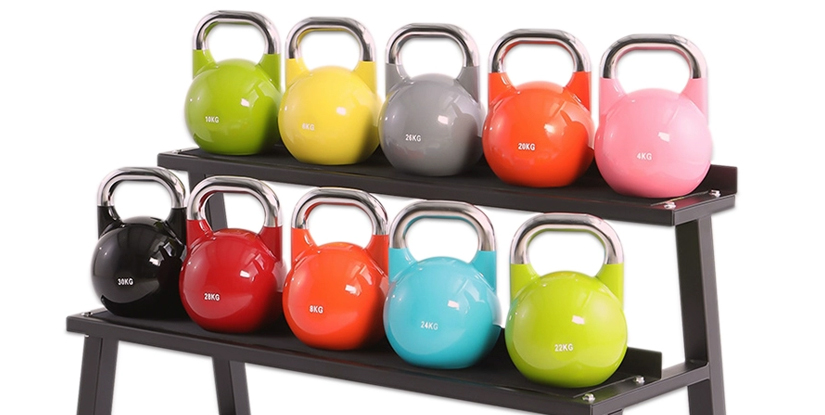
Investing in competition grade kettlebells ensures that your facility maintains a standard of excellence without frequent replacement cycles. High-quality steel construction significantly reduces maintenance costs by resisting rust and structural wear under heavy use. From a procurement standpoint, choosing professional strength equipment built from premium steel represents a long-term investment in durability. By selecting superior materials, gym owners and distributors minimize the logistical headaches of frequent reordering and ensure a consistent, reliable training environment for their clients.
To optimize your procurement budget, it is essential to weigh the initial outlay against the anticipated usage frequency of your facility. We generally recommend a tiered approach to material selection based on the specific demands of your training environment. For instance, high-traffic commercial gyms and professional strength academies benefit most from the cost-effectiveness of premium steel, as the durability of competition grade kettlebells prevents the need for constant replacement.
Below is a practical comparison to help guide your sourcing decisions:
| Material Tier | Typical Environment | Maintenance Difficulty | Budget Focus |
|---|---|---|---|
| Standard Cast Iron | Home Gyms / Low-Volume Studios | Moderate (Rust prone) | Low Initial Cost |
| Competition Steel | Performance Centers / CrossFit Boxes | Low (High Durability) | Long-term Value |
While entry-level iron options may serve a limited purpose, true professional strength equipment is designed for relentless utility. When sourcing competition steel kettlebells, you are essentially buying insurance against downtime and the logistical friction of frequent restocking.
To navigate the complexities of international sourcing, we advise focusing on factory-direct quality control rather than just the lowest bid. When managing global shipping for heavy metal assets, the weight-to-volume ratio and packaging integrity are critical to preventing transit damage. We suggest partnering with manufacturers that demonstrate robust procurement expertise and can provide detailed weight tolerance certifications. This ensures that every shipment of competition steel kettlebells arrives meeting strict international standards, reducing the risk of costly returns or disputes. By prioritizing suppliers who offer optimized container loading and high-grade protective packaging, you can streamline your global shipping logistics while maintaining the high standards required for professional strength equipment. This balanced approach minimizes unexpected overhead and secures your reputation as a reliable provider in the high-performance fitness market.
Essential Considerations for Scaling Your Strength Inventory
For high-performance facility managers and distributors, the challenge of scaling a strength program often comes down to floor plan optimization. When transitioning from basic iron implements to a professional setup, the logistical advantages of competition steel kettlebells become immediately apparent. Unlike traditional cast iron models that vary wildly in diameter, competition grade kettlebells adhere to standardized sizing. This consistency ensures a uniform footprint across your entire weight progression, allowing you to design more efficient storage solutions and training zones.
Investing in professional strength equipment with a standardized diameter maximizes space efficiency within your facility. Because the physical dimensions remain constant regardless of the weight increment, you can utilize compact, tiered racks that prevent clutter and improve safety. From a procurement standpoint, this predictability simplifies inventory management and enhances the long-term ROI of your equipment budget. By prioritizing high-quality steel kettlebell training assets that meet global competition standards, you ensure your facility remains a premium destination for serious athletes who demand precision and spatial organization.
Beyond spatial organization, the true differentiation lies in the long-term investment vs cost equation. While standard cast iron implements may offer a lower initial purchase price, they often suffer from irregular surfaces and rapid oxidation, leading to increased maintenance requirements and premature replacement. In contrast, high-end competition grade kettlebells are engineered for extreme durability and consistent grip texture, making them a superior choice for high-traffic commercial environments.
When calculating long-term value, professional buyers must look past the upfront invoice. The structural integrity of premium steel kettlebell training gear means fewer replacement cycles and a more stable asset base for your strength program. Choosing high-spec equipment reduces the frequency of inventory updates and minimizes the hidden costs of wear and tear. For distributors and gym owners, selecting these standardized, high-performance tools is a strategic move to protect margins and provide a consistent, high-quality experience for every athlete.
Strategic procurement is about more than just purchasing individual units; it is about scaling strength inventory with a focus on long-term brand reputation. In high-performance gym environments, even minor deviations in weight or handle geometry can disrupt an athlete's flow and diminish their trust in your facility. By sourcing competition steel kettlebells that adhere to strict professional standards, you eliminate the variables that lead to client dissatisfaction. This commitment to training precision ensures that as your facility grows, your equipment remains a reliable constant, reinforcing your position as a premier training destination while protecting your capital investment through superior build quality.
Implementation checklist for buyers
When evaluating procurement options, the most significant mistake many gym owners make is prioritizing low initial unit costs over lifecycle value. While cast iron alternatives may seem budget-friendly, they often fail to meet the rigorous demands of high-traffic facilities. Investing in competition steel kettlebells is a strategic move that shifts the conversation from an immediate expense to a long-term ROI. Unlike cast iron, which is prone to chipping, rusting, and uneven surfaces, high-grade steel offers unparalleled durability under heavy use.
For distributors and facility managers, steel kettlebell training equipment represents a lower total cost of ownership. The structural integrity of professional strength equipment made from steel ensures that the bells maintain their precise dimensions and finish despite constant impact and friction. By choosing competition grade kettlebells, you significantly reduce the frequency of replacements caused by standard wear and tear. This reliability protects your capital by ensuring your strength programming remains consistent without the constant need to refresh aging, damaged inventory.
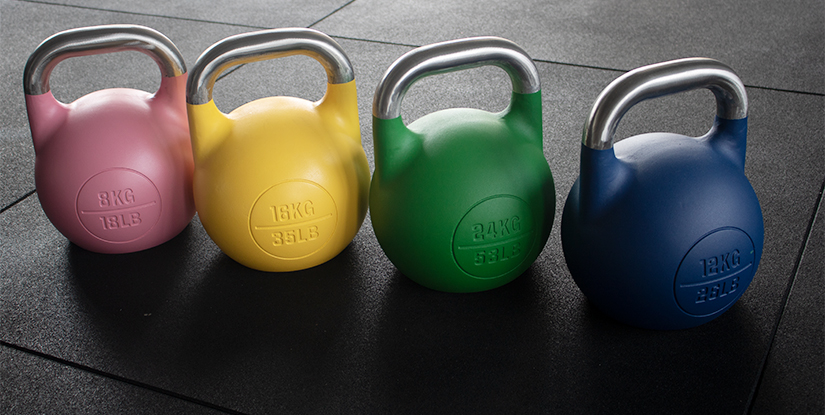
To make an informed purchasing decision, you must weigh the immediate budget against the long-term operational requirements of your facility. Choosing between standard cast iron and competition grade kettlebells often comes down to how much you value precision and maintenance reduction over time. While cast iron is a common choice for home gyms or low-frequency use, it lacks the consistent surface finish required for professional-level movement.
The following framework helps categorize your needs based on usage frequency and environment to ensure your investment aligns with your facility's goals:
| Feature/Metric | Standard Cast Iron | Competition Grade Kettlebells |
|---|---|---|
| Surface Finish | Rough, irregular texture | Smooth, ultra-consistent finish |
| Precision | Variations in weight/size | High-tolerance dimensional accuracy |
| Maintenance | Prone to rust and chipping | High durability; minimal upkeep |
| Ideal Usage | Occasional/Budget-focused | High-performance/High-traffic |
| Budget vs. Longevity | Low entry cost; high replacement rate | Higher initial cost; superior lifecycle |
If your business model relies on high-performance training or high-volume athlete turnover, the precision of steel-based professional strength equipment will ultimately lower your replacement costs and enhance the user experience.
Before finalizing your bulk order or authorizing a shipment, performing a rigorous technical audit is essential to protect your capital. Relying on a supplier's word is insufficient; you must verify that the competition steel kettlebells align with the strict professional standards required for elite training. A lack of oversight during the sourcing phase can lead to inconsistent weight distribution or ergonomic flaws that compromise athlete safety and facility reputation.
Final Quality Verification Checklist
Use these critical inspection points to validate your shipment before it reaches your facility or distribution center:
- Weight Consistency: Verify that each unit falls within the acceptable tolerance range. High-quality competition grade kettlebells must demonstrate extreme precision to ensure training accuracy across the entire set.
- Handle Ergonomics: Inspect the grip area for smoothness and uniformity. The handle must be free of burrs or irregularities that could cause friction or discomfort during high-intensity steel kettlebell training.
- Surface Uniformity: Check for seamless transitions between the body and the handle. The finish should be consistent, ensuring the steel kettlebells are balanced and aesthetically uniform.
- Structural Integrity: Conduct a visual quality control check for any casting flaws, air bubbles, or structural weaknesses that could affect long-term durability.
By implementing these strict quality control measures, you ensure that your procurement of professional strength equipment yields a high-performance asset rather than a maintenance liability.
Uncompromising Material Integrity and Manufacturing Standards
When sourcing high-end inventory, the primary risk for distributors is the rapid depreciation of assets due to poor manufacturing. For professional facilities, the durability of equipment is not just a preference; it is a requirement for long-term ROI. Substandard casting processes often lead to internal voids or uneven density, which can compromise the balance of competition steel kettlebells during high-velocity movements. This lack of material consistency can result in catastrophic failure or uneven wear, forcing gym owners to replace sets prematurely.
Beyond structural integrity, the surface finish plays a critical role in both longevity and athlete safety. High-quality steel kettlebell training requires a seamless, smooth exterior that resists oxidation and chipping under heavy use. When vetting manufacturers, ensure they utilize precision machining to maintain strict tolerances. A consistent, high-grade finish ensures that the equipment remains functional and aesthetically professional even after years of rigorous steel kettlebell training, protecting your investment and your reputation as a provider of professional strength equipment.
To effectively manage long-term procurement, high-performance gym owners should utilize a standardized evaluation framework to distinguish between consumer-grade products and true competition grade kettlebells. The following comparison highlights the essential quality benchmarks required to minimize maintenance costs and maximize equipment lifecycle.
| Usage Intensity | Primary Material Concern | Expected Longevity | Equipment Profile |
|---|---|---|---|
| Moderate (Home/Boutique) | Surface Oxidation | 3–5 Years | Standard Cast Iron |
| High (Performance/CrossFit) | Handle Deformation | 5–8 Years | Competition Steel Kettlebells |
| Extreme (Professional/Elite) | Structural Density | 8+ Years | Professional Strength Equipment |
When evaluating a supplier, look beyond the initial price point. A lower upfront cost often masks the long-term expense of frequent replacements. For distributors, sourcing competition steel kettlebells that meet strict tolerance standards ensures that your inventory remains a reliable asset rather than a recurring liability. Prioritize manufacturers who offer transparent specifications regarding steel density and machining precision to guarantee the highest level of steel kettlebell training durability.
To ensure a reliable long-term investment, procurement specialists must prioritize specific technical specifications that go beyond basic weight markings. A critical factor in the vetting process is weight uniformity; in a professional setting, every unit within a weight class must be identical in mass and center of gravity. Discrepancies in competition grade kettlebells can disrupt an athlete's kinetic chain, making the equipment unsuitable for high-level training.
When auditing a factory's capability, demand documentation regarding the structural integrity of the steel used. High-density, single-piece construction is vastly superior to welded or hollow alternatives, as it prevents internal shifting and surface cracking under heavy impact. By verifying these precise manufacturing standards during the sourcing phase, buyers can avoid the hidden costs of frequent inventory turnover. Choosing competition steel kettlebells built to these rigorous benchmarks ensures that your facility maintains a standard of excellence while securing a much higher long-term investment return through reduced depreciation and minimal maintenance needs.