Vinyl vs Cast Iron Kettlebells: Durability and ROI Guide
High-Traffic Deployment: Assessing Facility Impact and Floor Integrity
When planning a high-volume training zone, procurement professionals must look beyond individual unit costs to evaluate how equipment interacts with the facility itself. A critical oversight in the vinyl vs cast iron kettlebell debate is the long-term impact on the surrounding environment. Before finalizing a bulk order, buyers should evaluate three essential checkpoints: the risk of surface degradation, the specific material specifications regarding impact absorption, and the logistical implications of floor maintenance requirements. Neglecting these variables can lead to unexpected facility repair costs that quickly negate any initial savings found during the sourcing stage.
The choice between these two materials fundamentally dictates your commercial gym layout and the longevity of your flooring investment. Cast iron models, while exceptionally durable, present a higher risk to floor integrity if dropped or moved aggressively, often requiring high-density rubber mats to mitigate damage. Conversely, the outer layer of a vinyl coated kettlebell provides a built-in layer of surface protection and enhanced impact absorption. For boutique studios or multi-purpose training spaces where movement is constant and floor preservation is a priority, the shock-absorbing qualities of coated options can significantly extend the lifecycle of your premium turf or specialized rubber flooring.
To streamline your procurement decision-making, we have synthesized the primary environmental impacts of each material. This comparison helps distributors and facility managers quantify the potential trade-offs between weight density and facility upkeep.
| Impact Variable | Vinyl Coated Kettlebell | Cast Iron Kettlebell |
|---|---|---|
| Floor Impact Risk | Low; provides inherent shock absorption | High; requires heavy-duty rubber matting |
| Surface Wear | Minimal; reduces scratches and scuffs | Significant; prone to denting or gouging |
| Noise Levels | Muted; ideal for boutique or studio settings | High; generates loud impact resonance |
| Maintenance | Wipe-clean; resistant to sweat/oxidation | Requires periodic oiling to prevent rust |
From a sourcing perspective, selecting vinyl coated kettlebell options is often the more strategic move for multi-functional spaces where floor protection and noise reduction are non-negotiable. While cast iron remains a staple for heavy-duty strength zones, the specialized coating on premium vinyl models serves as a functional insurance policy for your facility's high-end flooring assets.
Ultimately, a sophisticated procurement strategy must account for the total cost of ownership rather than just the initial invoice price. When calculating the gym equipment lifecycle, the decision between materials should be driven by your specific deployment environment. In high-traffic zones where equipment density is high and floor space is at a premium, the choice of material dictates your long-term facility maintenance schedule and potential renovation frequency.
For facility managers overseeing boutique studios or luxury fitness clubs, prioritizing vinyl coated kettlebell durability can yield significant dividends in asset preservation. While cast iron is a reliable standard, the specialized coating on vinyl models serves as a buffer that protects your specialized flooring from the high-impact stress common in heavy-use areas. When sourcing for a large-scale rollout, we recommend assessing whether your facility can support the secondary costs of cast iron—such as advanced matting and rust prevention—or if the integrated protection of a coated solution offers a more predictable and cost-effective long-term outcome.
Material Durability and Surface Resilience in Commercial Environments
In high-traffic commercial environments, the physical durability of strength equipment determines the frequency of replacement cycles. When evaluating vinyl coated kettlebell durability, procurement managers must look beyond the initial aesthetic and focus on long-term surface integrity. While the polymer layer provides excellent grip and floor protection, it is susceptible to coating peeling if the bonding process or material quality is substandard. Under heavy use, high-impact drops or abrasive contact with gym flooring can compromise the outer shell, leading to unsightly cracks or delamination.
In contrast, traditional cast iron offers superior cast iron structural integrity, making it the standard for heavy-duty strength zones. Because the weight is a single, solid piece of metal, there are no layers to separate or peel. This inherent impact resistance allows cast iron to withstand the rigors of intense training without the risk of surface degradation. For distributors and gym owners, choosing between these materials often comes down to whether the facility prioritizes the protective qualities of a coating or the indestructible nature of raw iron.
To effectively assess the long-term maintenance needs of a facility, procurement officers should evaluate how each material interacts with the surrounding environment. A common pain point in commercial settings is the degradation of flooring or the chipping of equipment surfaces due to repetitive impact. While a high-quality vinyl coating acts as a buffer, the durability of the bond between the core and the shell is a critical quality control metric. If the coating fails, the equipment loses its primary advantage: floor protection. Conversely, while cast iron is virtually indestructible, its lack of a protective layer means it relies entirely on the gym's subflooring to absorb kinetic energy during accidental drops.
The following comparison outlines the technical trade-offs between surface resilience and impact management to assist in your sourcing decisions.
| Feature | Vinyl Coated Kettlebell | Cast Iron Kettlebell |
|---|---|---|
| Surface Resilience | High resistance to minor scratches; risk of delamination under extreme impact. | Excellent; virtually no risk of surface peeling or structural cracking. |
| Floor Protection | High; the polymer layer dampens sound and minimizes floor indentation. | Low; requires high-density rubber mats to prevent floor damage. |
| Long-term Maintenance | Requires periodic inspection for coating integrity and peeling. | Minimal; mostly involves preventing oxidation/rust through humidity control. |
| Ideal Use Case | Functional training areas and boutique studios with sensitive flooring. | Heavy strength zones and high-intensity interval training (HIIT) facilities. |
When negotiating commercial kettlebell procurement contracts, we recommend requesting samples to test the elasticity and adhesion strength of the coating. For high-volume orders, ensuring the manufacturer utilizes a consistent extrusion or dip-coating process will significantly extend the lifecycle of your inventory.
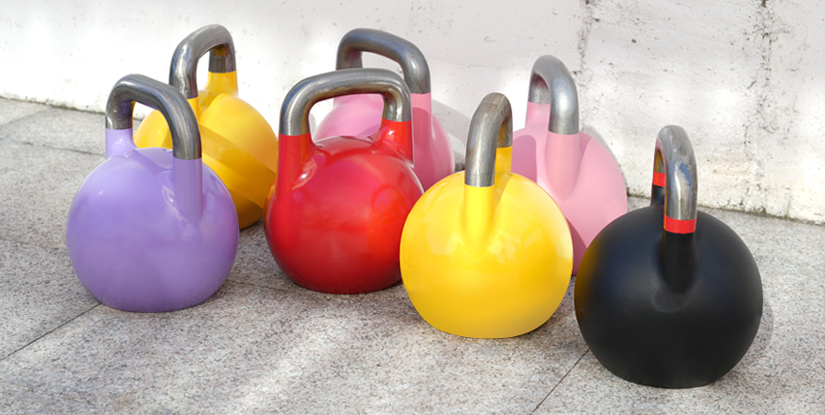
Beyond surface aesthetics, professional buyers must calculate the total cost of ownership (TCO) by analyzing the gym equipment lifecycle. A common oversight in commercial kettlebell procurement is focusing solely on the unit price while ignoring the long-term replacement frequency. While vinyl-coated options may require more frequent turnover due to potential coating wear or delamination, they can reduce the frequency of facility-wide flooring repairs, which is a significant indirect cost in boutique or high-end studio settings.
Cast iron, however, offers a more predictable maintenance window. Because the material is structurally monolithic, it does not suffer from the "peeling" issues that can plague lower-quality polymer shells. This makes it a staple for heavy-duty strength zones where equipment is subjected to high-impact drops. When planning your inventory replenishment schedules, consider that cast iron typically demands less frequent replacement, though it may require more rigorous humidity control to prevent oxidation. Ultimately, your decision should be driven by whether your business model favors the low-maintenance longevity of iron or the protective, floor-friendly advantages of coated steel.
Comparing Long-Term Lifecycle and Maintenance Requirements
For facility managers, the true cost of equipment is rarely found in the initial invoice, but in the labor hours required for upkeep. In high-traffic gym environments, the divergence in maintenance protocols between material types becomes a critical factor in total cost of ownership. While cast iron is structurally robust, it requires vigilance against oxidation, whereas vinyl-coated options present a different set of surface-level considerations.
When evaluating vinyl coated kettlebell durability, procurement officers must account for potential surface degradation. In high-intensity settings, aggressive cleaning agents or repeated impact can lead to peeling or cracking of the polymer layer. Conversely, cast iron requires periodic inspection for rust, especially in humid climates or near high-moisture zones. Choosing the right material involves balancing the simplicity of metal maintenance against the protective benefits of a coated finish.
| Maintenance Factor | Cast Iron Kettlebells | Vinyl Coated Kettlebells |
|---|---|---|
| Primary Risk | Surface oxidation and rust | Coating peeling or cracking |
| Cleaning Protocol | Wipe down to remove sweat/oils | Mild soap; avoid harsh chemicals |
| Long-Term Care | Occasional oiling/rust prevention | Avoid abrasive contact/sharp edges |
| Lifecycle Focus | Structural integrity over decades | Surface aesthetic longevity |
Selecting the appropriate stock depends on your facility's cleaning capacity and the expected rigor of use. For distributors sourcing high-volume orders, understanding these maintenance nuances ensures that the delivered product meets the long-term expectations of professional gym operators.
Beyond the material itself, the interaction between the weight and the facility environment dictates the frequency of inspection. A common oversight in commercial kettlebell procurement is neglecting how surface wear affects the surrounding infrastructure. While a cast iron unit might require a light coat of oil to maintain rust prevention, a vinyl-coated unit is often prioritized for its superior floor protection, reducing the need for specialized heavy-duty matting in certain zones.
To maintain a professional standard, we recommend a standardized inspection frequency based on usage intensity. For high-volume commercial hubs, a monthly audit of the coating integrity is essential to prevent debris from embedding in cracks. In contrast, cast iron units should be checked quarterly for any signs of oxidation that could compromise the grip. Understanding this vinyl vs cast iron kettlebell maintenance trade-off allows buyers to forecast long-term labor costs and ensure the equipment remains a high-performing asset rather than a recurring maintenance liability.
Ultimately, a sophisticated lifecycle assessment moves the conversation away from unit price and toward long-term value. For distributors and gym owners, the strategic choice between these two formats dictates the frequency of replacement cycles and the overall stability of the facility's equipment budget. While cast iron offers a virtually permanent structural lifespan, the vinyl option provides a predictable, albeit shorter, aesthetic lifecycle that can reduce secondary costs like floor repairs.
When calculating long-term ROI, procurement specialists should adopt a holistic view of the facility's operational environment. In premium boutique settings where aesthetics and floor preservation are paramount, the higher upfront cost of coated options often yields a better return through reduced facility wear. However, for heavy-duty strength centers where equipment is subjected to extreme impact, the durability of cast iron remains the more cost-effective solution over a decade-long horizon. Successful commercial kettlebell procurement relies on this distinction: matching the material's natural decay rate to the specific usage intensity of your target market.
Economic Evaluation: Unit Cost vs. Total Cost of Ownership
When sourcing for a high-traffic facility, focusing solely on the initial unit cost can lead to skewed budget projections. A common oversight in commercial gym procurement is failing to account for the hidden operational expenditures (OpEx) that arise after the first year of heavy usage. While a specific weight option might appear more economical on a single-item invoice, the long-term impact on your facility's infrastructure and maintenance cycles tells a different story.
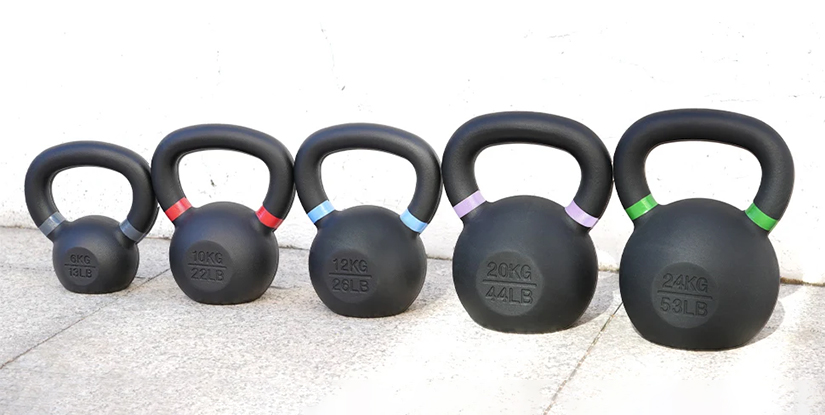
In a professional commercial gym environment, the choice between vinyl vs cast iron kettlebell configurations often dictates the frequency of floor repairs and equipment replacement. For instance, while bare cast iron is rugged, it lacks inherent dampening, potentially increasing floor protection costs if dropped. Conversely, high-quality vinyl coatings offer a buffer, yet the durability of the polymer layer becomes a critical variable in your total cost of ownership (TCO) calculation.
| Procurement Factor | Cast Iron Options | Vinyl Coated Options |
|---|---|---|
| Upfront Unit Price | Generally lower | Moderate premium |
| Surface Wear Risk | High (paint chipping) | Moderate (coating tears) |
| Floor Impact Cost | Higher maintenance | Lower maintenance |
| Lifecycle Expectancy | Long-term structural | Dependent on coating quality |
Effective facility management requires balancing these variables to ensure that your procurement strategy supports both immediate cash flow and long-term operational stability.
To make a data-driven decision, procurement officers must look beyond the initial purchase order. The following comparison illustrates how different material properties influence the long-term economic profile of your inventory, particularly regarding replacement frequency and facility upkeep.
| Evaluation Metric | Cast Iron Configuration | Vinyl Coated Configuration |
|---|---|---|
| Initial Unit Price | Lower baseline investment | Higher initial cost per unit |
| Replacement Frequency | Low (structural longevity) | Moderate (coating integrity dependent) |
| Floor Damage Risk | High (requires thick matting) | Low (inherent shock absorption) |
| Durability of Coating | N/A (Paint/Powder coat only) | Critical factor for lifecycle |
| Long-term ROI | Optimized for high-impact/budget | Optimized for floor/asset protection |
For distributors and large-scale gym operators, the vinyl coated kettlebell durability becomes the deciding factor in whether the premium price is justified. If the polymer layer is prone to tearing under heavy use, the TCO rises due to premature replacement. However, in premium boutique settings where floor preservation is a priority, the protective nature of high-grade vinyl often yields a superior return on investment by reducing secondary facility repair costs.
Strategic procurement requires segmenting your inventory based on the specific usage profile of your facility. For high-traffic commercial gyms and strength-focused training centers, the structural permanence of cast iron often aligns best with a high-volume, high-impact workflow. In these environments, the primary concern is the mechanical longevity of the weight itself, as the replacement intervals for heavy-duty iron are typically much longer than those for coated alternatives.
In contrast, boutique studios and wellness-centric fitness clubs should prioritize a wholesale procurement strategy that emphasizes aesthetic preservation and floor safety. For these clients, the vinyl coated kettlebell durability is the most critical metric. A high-quality, thick-walled polymer coating acts as a protective buffer, significantly lowering the risk of surface scuffs and structural damage to expensive flooring. While the initial unit price may be higher, the reduction in facility maintenance and the ability to maintain a "premium" look over time often results in a more favorable long-term ROI for luxury-tier fitness spaces.
Inventory Optimization and Bulk Procurement Logistics
For distributors and gym facility managers, the decision between vinyl vs cast iron kettlebell selection often comes down to more than just aesthetics; it is a calculation of warehouse efficiency and SKU variety. When managing large-scale commercial kettlebell procurement, the physical footprint of your inventory directly impacts your overhead. While cast iron remains a staple for high-density strength zones, the specialized nature of vinyl-coated options introduces different logistical variables regarding weight increments and packaging volume.
Optimizing your stock requires balancing the rugged, compact nature of raw iron against the specialized, often higher-volume profiles of coated equipment. A well-planned inventory strategy must account for how storage density affects your shipping costs and how a diverse range of weight increments affects your total SKU count.
| Procurement Factor | Cast Iron Kettlebells | Vinyl Coated Kettlebells |
|---|---|---|
| Storage Density | High; compact footprint | Moderate; coating adds volume |
| SKU Complexity | Standardized weight steps | Varied; often specialized increments |
| Shipping Profile | Dense, heavy per cubic foot | Larger volume per unit |
| Inventory Purpose | High-volume/General strength | Boutique/Studio-focused |
When negotiating MOQs with manufacturers, consider that vinyl-coated units may require different shipping configurations to prevent coating compression or damage during transit. Effective inventory management ensures you provide the right weight increments without overextending your warehouse capacity.
Beyond the initial purchase, long-term facility planning requires a deep dive into the gym equipment lifecycle to avoid unexpected replacement cycles. While cast iron is often viewed as a permanent fixture due to its structural simplicity, the vinyl coated kettlebell durability depends heavily on the quality of the polymer application and the environment in which it is used. For high-traffic boutique studios, the high frequency of use can lead to coating degradation, whereas cast iron may face surface oxidation if moisture control is neglected.
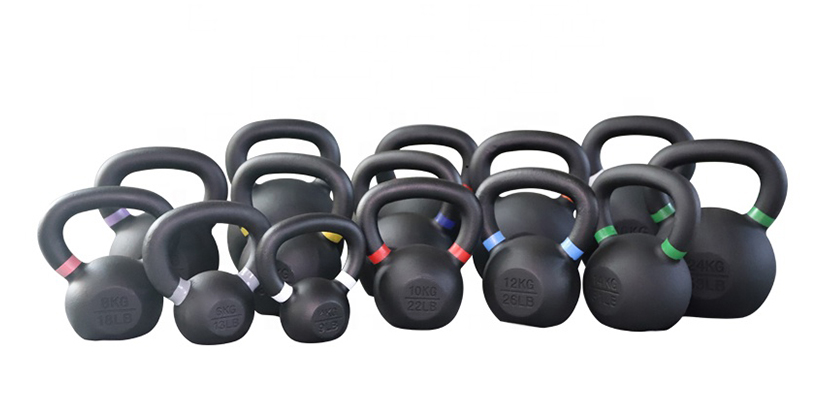
From a total cost of ownership perspective, buyers must weigh the upfront savings of iron against the long-term floor protection benefits of vinyl. In commercial settings where premium flooring is a significant capital expenditure, the protective layer of a coated bell can extend the life of the subfloor, potentially reducing maintenance costs. We recommend evaluating your replacement frequency based on your specific user demographic: high-impact functional training may necessitate more frequent turnover of coated items, while traditional strength training favors the longevity of cast iron.
Navigating the complexities of bulk procurement requires a rigorous approach to quality control, especially when dealing with heterogeneous product types. One of the most critical technical concerns during the sourcing process is coating adhesion. Unlike solid cast iron, where the integrity is structural, the durability of a coated unit relies on the chemical bond between the metal core and the polymer layer. Poorly manufactured vinyl units may suffer from delamination or bubbling under high-frequency use, which can compromise both safety and the professional appearance of a studio.
To mitigate these risks, we advise implementing a strict quality inspection protocol before any large-scale shipment leaves the factory. This should include stress testing the coating's elasticity and verifying that the weight tolerances remain consistent despite the added volume of the outer layer. Additionally, logistics optimization is essential when managing the high shipping weight of iron versus the higher volumetric weight of coated models. By coordinating with your supplier to align MOQ requirements with optimized container loading patterns, you can reduce the impact of freight costs and ensure that your inventory arrives in a condition that meets commercial standards.
Quality Control Standards for Wholesale Sourcing and Inspection
For distributors and gym owners, the difference between a high-margin product and a recurring replacement headache lies in the microscopic details of manufacturing. When sourcing in bulk, relying solely on visual inspections is insufficient to ensure long-term vinyl coated kettlebell durability. A critical failure point in many low-cost shipments is poor adhesion testing; if the polymer layer is not chemically bonded to the core, the coating will peel or bubble under high-frequency commercial use, rendering the unit unusable.
Buyers should demand specific QC documentation regarding coating thickness and uniformity to prevent premature wear. A consistent application ensures that the weight remains balanced and the grip remains tactile. Conversely, when procuring cast iron options, the focus shifts to surface consistency. Inspecting for cast iron surface smoothness is vital to prevent abrasive edges that can damage flooring or user hands. High-quality production must prioritize crack prevention through controlled cooling processes, as manufacturing defects like micro-fractures or uneven casting can lead to structural failure during heavy swings. Verifying these technical specifications during the pre-shipment inspection phase protects your total cost of ownership and ensures your inventory meets professional standards.
Beyond surface aesthetics, a professional inspection framework must address the mechanical integrity and weight accuracy of the shipment. When conducting a factory audit or receiving inspection, implement a rigorous inspection checklist that moves beyond the surface to verify the internal composition. For any vinyl vs cast iron kettlebell comparison, the primary concern for a procurement manager is the deviation in weight tolerance. High-tier manufacturers should offer a precision margin of within 1% to 3%; anything higher indicates inconsistent material density or poor casting techniques, which can lead to inventory disputes and client dissatisfaction.
A critical component of your commercial kettlebell procurement strategy should be the evaluation of the maintenance window. During inspection, test the resilience of the vinyl layer against puncture and the cast iron's resistance to oxidation. If the vinyl coating shows signs of unevenness or air pockets, it will likely fail during high-intensity commercial cycles. For cast iron, ensure the handle-to-body transition is seamless to minimize structural stress points. By validating these technical benchmarks before the shipment leaves the warehouse, you mitigate the risk of high turnover rates and ensure the long-term reliability of your stock.
To streamline your quality control protocols, we have developed a standardized comparison for your receiving teams. This framework allows your warehouse managers or third-party inspectors to categorize potential defects based on the specific material composition of the shipment. Whether you are managing a boutique studio order or a large-scale distribution shipment, using these specific parameters will ensure a higher level of accountability during the handover process.
Table: Inspection & Maintenance Standards (Vinyl vs. Cast Iron)
| Inspection Parameter | Vinyl Coated Kettlebell (Focus) | Cast Iron Kettlebell (Focus) |
|---|---|---|
| Surface Integrity | Check for air bubbles, peeling, or uneven polymer thickness. | Inspect for casting pits, rough edges, or micro-fractures. |
| Weight Tolerance | Verify density consistency (target < 3% deviation). | Verify casting precision and handle weight balance. |
| Durability Test | Puncture resistance and coating adhesion under pressure. | Oxidation resistance and structural integrity of the handle. |
| Maintenance Task | Wipe with damp cloth; avoid harsh chemicals that degrade polymer. | Regular inspection for rust; occasional light oiling if necessary. |
| Typical Lifecycle Risk | Coating separation or cracking due to low-grade UV/chemical exposure. | Surface oxidation or chipping due to impact and moisture. |
Implementing this level of scrutiny during your gym equipment lifecycle planning helps differentiate between premium stock and budget-grade imports. For high-traffic commercial environments, the ability to quickly identify these technical deviations during the initial unboxing phase is the most effective way to minimize long-term replacement costs and maintain high client satisfaction levels.