Vinyl vs Cast Iron Kettlebells: Selecting the Right Fit
Strategic Procurement: Defining Your Kettlebell Inventory Standards
When evaluating whether to stock a vinyl or cast iron kettlebell in your facility, smart procurement goes beyond the initial invoice. Professional buyers must navigate three critical checkpoints: assessing the long-term physical risk to the facility, verifying material specifications against usage intensity, and calculating the logistical impact of weight-to-volume ratios. Relying solely on the unit price often leads to a misunder lack of foresight regarding the total cost of ownership. A lower upfront cost for certain materials may eventually be offset by unforeseen expenses in equipment replacement or specialized cleaning protocols.
The decision between these two materials directly influences your long-term maintenance costs and overall facility upkeep. While cast iron provides a rugged, traditional standard for high-traffic strength zones, it requires more rigorous oversight to prevent oxidation and surface wear. Conversely, selecting a vinyl-coated option can serve as a strategic layer of facility floor protection, reducing the impact of dropped weights on expensive rubber flooring. In the context of professional commercial gym equipment selection, the goal is to balance the immediate budget with the durability required to minimize the frequency of reordering and replacement cycles.
To facilitate a more precise procurement decision, we have outlined the fundamental differences in how these materials affect your bottom line. A single-minded focus on the initial unit cost often obscures the true economic impact of weight-to-volume ratios and the frequency of replacement. For example, while cast iron is a standard for longevity in heavy-duty environments, the lifecycle of vinyl-coated options may offer a different value proposition in boutique or high-end wellness settings where aesthetic preservation and floor safety are prioritized.
The following comparison highlights the relationship between kettlebell material durability and long-term expenditure to help you evaluate unit cost vs lifecycle performance.
| Metric | Cast Iron Standards | Vinyl-Coated Options |
|---|---|---|
| Initial Unit Cost | Generally Lower | Generally Higher |
| Expected Lifespan | High (Indefinite with care) | Moderate (Coating wear risk) |
| Surface Maintenance | Rust/Oxidation Control | Coating Integrity/Cleaning |
| Replacement Frequency | Low (High durability) | Variable (Based on impact/use) |
| Floor Impact Risk | High (Requires heavy mats) | Lower (Buffer effect) |
Strategic Note: When sourcing in bulk, consider that the higher upfront cost of vinyl often functions as an insurance policy for your facility's flooring and equipment longevity in lower-impact environments.
Logistics and Shipping Economics
Beyond material performance, the physical density of your selection dictates the complexity of your shipping logistics. For distributors and facility managers, the weight-to-volume ratio is a primary driver of freight overhead. Cast iron kettlebells, while highly durable, represent a dense, heavy cargo that can rapidly escalate shipping costs during bulk ordering due to strict weight limits per pallet. This density requires precise coordination with freight carriers to avoid unexpected surcharges or handling delays.
In contrast, vinyl-coated models often feature a slightly larger volumetric footprint to accommodate the outer layer. While this might impact container space optimization, the material's ability to act as a buffer can sometimes simplify the packaging requirements for high-end boutique shipments. When managing wholesale procurement, it is essential to align your inventory standards with your storage capacity and shipping budget. We recommend requesting detailed packing lists and volumetric dimensions from your factory partner early in the process. This ensures that your MOQ (Minimum Order Quantity) requirements do not inadvertently lead to inefficient shipping ratios that erode your profit margins.
Material Durability and Structural Integrity Analysis
When evaluating the long-term Total Cost of Ownership (TCO), procurement officers must look beyond the initial unit price and analyze how material fatigue affects replacement cycles. In high-traffic commercial gym environments, the choice between a vinyl or cast iron kettlebell often dictates the facility's maintenance schedule. Cast iron offers unmatched structural integrity; its monolithic density ensures that even under heavy use or accidental drops, the core remains unaffected by structural fatigue. This makes it a reliable standard for strength-focused training zones where durability is non-negotiable.
Conversely, vinyl-coated options introduce a secondary variable: vinyl coating integrity. While the internal weight remains stable, the outer layer is susceptible to peeling or cracking risks over time, particularly if the adhesive bond or polymer quality is substandard. For distributors and facility managers, this means monitoring for wear that can expose the inner core. While vinyl provides excellent surface protection, high-volume facilities must weigh the benefit of impact dampening against the potential for coating degradation compared to the nearly indefinite lifespan of raw or powder-coated cast iron.
To streamline your commercial gym equipment selection, it is essential to quantify these durability differences through a technical lens. While cast iron is virtually indestructible under standard operating conditions, vinyl models require a different approach to lifecycle management. The following comparison outlines how these materials perform across critical operational metrics, specifically regarding impact resistance and long-term facility floor protection.
| Material Type | Surface Wear | Impact Resistance | Longevity | Maintenance Needs |
|---|---|---|---|---|
| Cast Iron | Low (Powder Coat) | Extreme | High (Decades) | Minimal (Dusting) |
| Vinyl-Coated | Moderate (Peeling Risk) | High (Dampening) | Moderate (Coating Life) | Periodic Inspection |
For wholesale buyers, the decision often hinges on the intended training environment. If your clients prioritize heavy-duty strength zones, cast iron minimizes replacement frequency. However, if the goal is to protect premium flooring in boutique studios, the shock-absorbing properties of high-quality vinyl can reduce the long-term wear on the facility floor. Understanding these technical trade-offs ensures your inventory aligns with the specific durability requirements of your target market.
Beyond the physical attributes of the equipment, a professional wholesale procurement strategy must account for the logistical complexities of bulk ordering. When sourcing at scale, the primary risk shifts from individual unit failure to batch inconsistency. For instance, a shipment of vinyl-coated models may exhibit varying degrees of coating thickness or adhesion strength if the manufacturer lacks rigorous quality control (QC) standards. Such discrepancies can lead to premature peeling, forcing an unplanned increase in replacement frequency across a single facility.
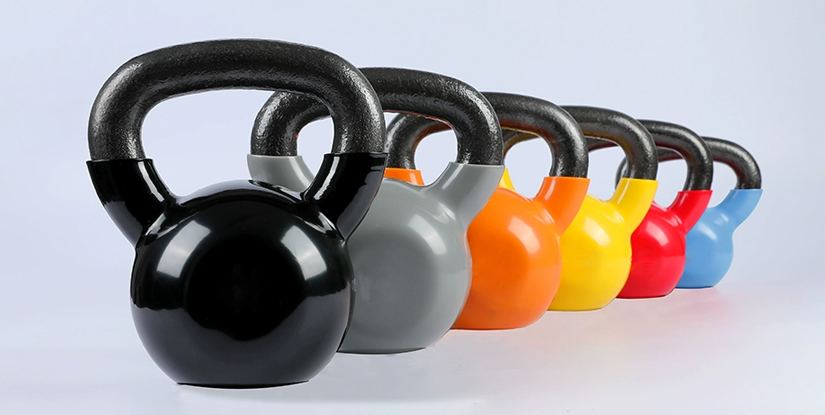
In contrast, cast iron production processes are generally more predictable, offering higher batch consistency across large-scale orders. For distributors managing large-scale gym fit-outs, this reliability simplifies inventory management and reduces the risk of unexpected maintenance overhead. When calculating the long-term maintenance costs, procurement officers should consider that while vinyl may offer immediate benefits in impact dampening, the potential for material degradation often necessitates a more frequent replacement cycle. Selecting a supplier with proven factory capability and strict oversight ensures that the equipment delivered meets the high-volume demands of a commercial environment without compromising on specification accuracy.
Optimizing Facility Floor Protection and Impact Mitigation
When calculating the total cost of ownership (TCO) for a strength training zone, procurement professionals must look beyond the initial unit price. The choice between a vinyl or cast iron kettlebell significantly impacts long-term facility maintenance costs. High-density cast iron, while durable, lacks inherent impact mitigation, often requiring expensive high-grade rubber flooring to protect the subfloor integrity from heavy drops. In contrast, vinyl-encased options provide a built-in buffer that reduces surface wear on your facility's flooring and minimizes noise pollution.
In professional commercial gym equipment selection, neglecting the relationship between weight density and floor impact can lead to costly structural repairs or premature replacement of specialized turf and rubber mats. Choosing the right material ensures your facility remains functional without frequent, expensive floor remediation.
| Procurement Factor | Cast Iron (Uncoated/Painted) | Vinyl-Encased/Rubberized |
|---|---|---|
| Impact Mitigation | Low; requires heavy-duty mats | High; built-in shock absorption |
| Surface Wear Risk | Higher risk of subfloor damage | Minimized via material density |
| Long-term TCO | Lower upfront; higher floor maintenance | Higher upfront; lower floor upkeep |
| Best Use Case | Heavy lifting/High-intensity zones | Multi-purpose/Studio environments |
Selecting the appropriate weight density requires a clear understanding of your facility's structural foundation. For instance, a training area built on a standard concrete subfloor requires different shock absorption strategies than a specialized studio. While cast iron provides maximum density, it offers minimal vibration damping, meaning distributors often recommend high-density rubber flooring to prevent structural cracks. Conversely, the softer exterior of vinyl-encased models acts as a primary layer of defense, making them ideal for facilities with thinner or more delicate flooring surfaces.
To assist in your inventory planning, the following comparison highlights how material choice dictates your operational maintenance requirements and flooring compatibility:
| Material | Impact Profile | Flooring Compatibility | Maintenance Requirement | Best Use Case |
|---|---|---|---|---|
| Cast Iron | High Impact | Requires high-density rubber | Surface oxidation monitoring | Heavy Strength Zones |
| Vinyl | Moderate Impact | Compatible with most surfaces | Surface cleaning/Tear inspection | Studio & Multi-purpose |
Operational Lifecycle and Inventory Logistics
Beyond immediate floor protection, procurement managers must evaluate the long-term replacement frequency and storage density of their weight inventories. Cast iron models typically offer superior kettlebell material durability in high-traffic environments, as they are less susceptible to the cosmetic wear that plagues soft-shell alternatives. However, the coating integrity of vinyl-encased units is a critical variable; if the outer layer punctures due to improper handling, the internal weight may become exposed to moisture, leading to degradation.
From a logistical standpoint, the physical footprint of your equipment dictates your storage density and warehouse efficiency. Cast iron kettlebells offer a more compact profile, making them easier to stack or organize on heavy-duty racks, which is essential for high-volume distributors managing tight floor plans. When planning bulk procurement considerations, buyers should weigh the lower replacement frequency of metal-based weights against the potential for surface oxidation. For facilities prioritizing rapid turnover and low-touch upkeep, the choice between a vinyl or cast iron kettlebell should ultimately align with your projected equipment lifecycle and the specific labor costs associated with your maintenance protocols.
Volume Logistics and Storage Footprint Considerations
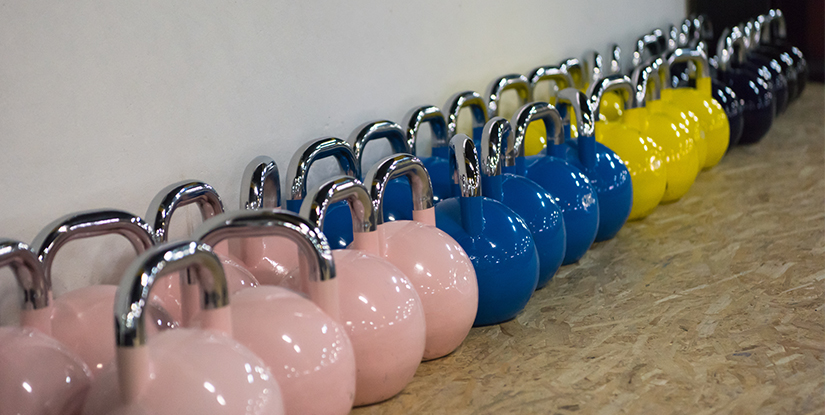
When planning a high-traffic training zone, the physical dimensions of your equipment dictate the long-term efficiency of the layout. A critical factor in commercial gym equipment selection is how the weight distribution and exterior profile of each unit impact the total footprint. For instance, choosing a vinyl or cast iron kettlebell involves more than just weight increments; it requires assessing the outer diameter of the bell.
Vinyl-coated options often feature a thicker outer shell to accommodate the protective layer, which can result in a slightly larger diameter compared to a streamlined cast iron counterpart of the same weight. This subtle difference becomes significant when calculating storage footprint requirements for multi-tier racks. In high-density facilities, where floor space optimization is a priority, the bulkier profile of coated bells may necessitate wider spacing between units. For distributors and facility managers, understanding these dimensional nuances ensures smoother movement flow within the gym, preventing congestion in functional training areas and ensuring that storage solutions remain organized and accessible.
Beyond the immediate training area, procurement professionals must evaluate the weight-to-volume ratio to optimize inventory and storage density. Because vinyl-encapsulated models possess a larger exterior volume, they occupy more cubic space per unit than compact cast iron models. This discrepancy affects everything from shipping container utilization to the number of units a standard rack can hold. For wholesalers and large-scale distributors, these dimensional variations can impact shipping costs and the total volume of stock held in warehouse environments.
Furthermore, the choice of material directly influences facility floor protection strategies. While cast iron provides a compact profile, its high density and hard surface require heavy-duty rubber matting to mitigate impact damage. Conversely, the softer exterior of vinyl models offers a built-in buffer, though the increased volume still requires structured storage to maintain order. The following comparison outlines these logistical trade-offs to assist in your facility planning:
| Feature | Cast Iron Kettlebell | Vinyl-Coated Kettlebell |
|---|---|---|
| Storage Density | High (Compact Profile) | Moderate (Larger Diameter) |
| Weight-to-Volume Ratio | Excellent | Lower (Bulkier Appearance) |
| Floor Protection Needs | High (Requires Matting) | Lower (Built-in Buffer) |
| Primary Benefit | Space Efficiency | Surface & Floor Safety |
When assessing kettlebell material durability against spatial constraints, consider whether your facility prioritizes high-density storage or a softer, more forgiving equipment profile for high-traffic zones.
From a supply chain perspective, the distinction between a vinyl or cast iron kettlebell extends far beyond the gym floor and into the complexities of global distribution. For procurement officers managing bulk procurement, the physical volume of the product is a primary driver of landed costs. Because vinyl-coated models possess a larger outer diameter, they inevitably occupy more cubic space within a standard shipping container or sea freight pallet. This increased shipping volume can lead to higher freight-per-unit costs and may require more strategic packing configurations to maintain logistics efficiency.
For distributors and large-scale wholesalers, these dimensional differences also dictate inventory management strategies within a warehouse. A shipment of cast iron bells will typically allow for a higher density of weight per square meter of warehouse footprint, making it a more cost-effective option for maximizing stock levels in limited storage environments. When calculating your total order value and the subsequent storage requirements, it is essential to account for the volumetric weight of coated units. Selecting the right material is not just a matter of user experience, but a calculated decision to optimize your entire commercial gym equipment selection lifecycle, from the factory floor to the final destination.
OEM Customization and Coating Specifications for Commercial Use
When managing long-term procurement cycles, the distinction between a vinyl or cast iron kettlebell often comes down to the integrity of the outer layer. For high-traffic facilities, the cost of replacement is driven less by the weight itself and more by the failure of the surface finish. Whether you are sourcing for a boutique studio or a large-scale fitness center, understanding coating thickness and material stability is vital for effective commercial gym equipment selection.
Vinyl-coated options offer superior facility floor protection by providing a soft buffer, but the quality of the polymer dictates the lifespan. Buyers must verify the UV resistance and wear resistance of the coating to prevent cracking or peeling under intense use. Conversely, cast iron models rely on high-grade powder coating or paint to prevent oxidation. A robust coating specification ensures that the finish remains stable even in high-humidity environments, reducing the frequency of maintenance and protecting your long-term capital investment.
To streamline your inventory management and brand integration, we have provided a technical comparison of maintenance and customization capabilities. This data allows procurement officers to weigh the benefits of aesthetic flexibility against long-term upkeep requirements.
| Specification Metric | Vinyl-Coated Kettlebells | Cast Iron Kettlebells |
|---|---|---|
| Typical Coating Type | High-density PVC or Neoprene | Powder coating or Enamel paint |
| Surface Texture | Smooth, soft-touch, or matte | Granular, textured, or smooth |
| Maintenance Frequency | Low (Wipe down with mild soap) | Moderate (Monitor for rust/oxidation) |
| Customization Capability | High (Vibrant colors/patterns) | Moderate (Standardized colors) |
| B2B Customization Options | Full color/Logo sublimation | Laser etching or Pad printing |
For distributors seeking to build a branded product line, vinyl options offer more diverse color palettes and logo integration methods. However, for heavy-duty strength training environments where equipment is frequently dropped, cast iron remains the standard due to its structural resilience and predictable wear patterns. When evaluating kettlebell material durability, consider whether your facility's brand identity relies more on visual variety or industrial longevity.
Optimizing Total Cost of Ownership Through Quality Control
From a procurement standpoint, the true value of an order is realized through its lifecycle, not just the initial invoice. When sourcing in bulk, a lack of rigorous quality control standards can lead to significant hidden expenses. For example, inconsistent coating thickness in vinyl models can cause premature peeling, while substandard powder coating on cast iron units may lead to rapid oxidation. These failures directly impact long-term maintenance costs by requiring more frequent replacements or specialized surface treatments to maintain facility aesthetics.
To mitigate these risks, professional buyers should demand high batch consistency from their manufacturers. Ensuring that every unit in a shipment meets the same technical tolerances prevents the "mixed-quality" issues that often plague lower-tier suppliers. Furthermore, we prioritize logistics-friendly packaging and reinforced shipping containers to protect the integrity of the coatings during transit. By prioritizing structural and surface stability during the vetting process, distributors can ensure that their inventory arrives ready for high-intensity use, effectively safeguarding their margins and reputation.
Sourcing Decision Matrix: High-Traffic Gyms vs. Boutique Studios
In high-volume commercial environments, the decision between a vinyl or cast iron kettlebell often comes down to a calculation of total cost of ownership rather than initial unit price. For large-scale strength facilities, the primary ROI driver is the intersection of kettlebell material durability and facility floor protection. High-impact usage in a busy gym means equipment is frequently dropped, creating significant kinetic energy that can damage expensive rubber flooring or subfloors over time.
When managing commercial gym equipment selection, procurement officers must weigh the rugged, lifelong resilience of cast iron against the specialized benefits of vinyl. While cast iron offers unmatched structural integrity for heavy-duty training, the vinyl coating acts as a crucial buffer, reducing noise and absorbing shock during high-intensity sessions. For facility owners, choosing the right material is a strategic move to lower long-term maintenance costs and prevent premature floor degradation. Whether you are stocking a warehouse for a distributor or outfitting a flagship gym, understanding how these materials interact with your facility's infrastructure is vital for long-term profitability.
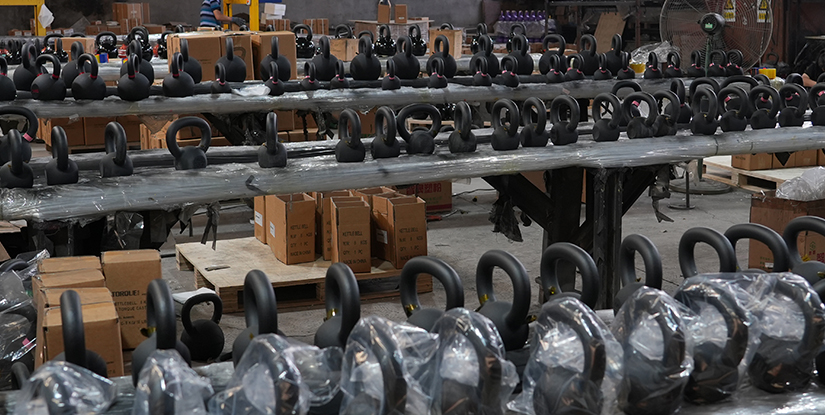
To streamline your procurement process, we have developed a comparative matrix designed for distributors and facility managers. This table outlines how different environments dictate the ideal material choice to ensure your investment aligns with your operational reality.
| Facility Type | Preferred Material | Primary Benefit | Maintenance Level | ROI Driver |
|---|---|---|---|---|
| High-Traffic Commercial Gym | Cast Iron | Structural Longevity | Low | Equipment Lifespan |
| Boutique Fitness/Yoga Studios | Vinyl Coated | Floor & Noise Control | Moderate | Aesthetic & Amenity Value |
| Hotel/Wellness Centers | Vinyl Coated | Surface Protection | Low | Reduced Facility Repairs |
| CrossFit/Strength Specialty | Cast Iron | Impact Resistance | Minimal | High-Volume Durability |
When reviewing bulk quotes, remember that the vinyl or cast iron kettlebell choice affects more than just the equipment itself. A lower initial MOQ on cast iron might seem cost-effective, but if your facility lacks high-grade shock absorption, the resulting floor damage could negate those savings. Conversely, while vinyl offers superior protection, ensure your supplier maintains strict quality control over the coating thickness to prevent peeling in high-intensity environments.
Logistics Efficiency and Global Sourcing Optimization
Beyond the physical durability of the equipment, professional buyers must account for the logistical implications of their material choices. When planning bulk ordering cycles, the physical dimensions and weight-to-volume ratios of your selection directly impact shipping density and freight costs. Cast iron models, while incredibly robust, are dense and heavy, often leading to higher shipping costs per unit due to weight-based freight calculations. For distributors managing large-scale wholesale procurement, optimizing container loadability is a critical factor in maintaining competitive margins.
In contrast, vinyl-coated options may present a slightly larger volumetric footprint due to the outer layer, which can influence inventory management strategies regarding warehouse shelf space and container optimization. When negotiating with manufacturers, consider how these specifications affect your logistics efficiency. A well-planned MOQ (Minimum Order Quantity) strategy should not only account for the number of units needed but also the most cost-effective way to transport them across international borders. For large-scale facilities, balancing the weight-heavy nature of cast iron with the volume-sensitive nature of vinyl ensures a more predictable and optimized supply chain.
Vendor due diligence and specification guardrails
When managing high-volume orders, professional buyers must look beyond basic aesthetics to establish rigorous quality control (QC) protocols. In the context of commercial gym equipment selection, durability is not a subjective feeling but a measurable metric of material integrity. Whether you are sourcing vinyl-coated options for boutique studios or cast iron sets for heavy-duty training zones, your procurement framework must account for subtle manufacturing variances that impact long-term replacement cycles.
For vinyl-coated models, the primary concern is the consistency of the vinyl coating thickness. Substandard production often leads to uneven layering, which results in premature peeling or cracking under heavy use. Conversely, when sourcing cast iron, your technical specifications should demand strict cast iron density consistency. Inconsistent density can lead to structural imbalances or weight deviations that fail to meet international commercial standards. Establishing these precise manufacturing tolerances during the RFQ stage ensures that your bulk shipments maintain high performance and predictable lifespans, ultimately protecting your facility's long-term investment.
To accurately forecast your long-term expenditure, you must evaluate the material's impact on both the equipment itself and the surrounding infrastructure. Choosing between a vinyl or cast iron kettlebell involves more than just selecting a weight; it requires a calculated assessment of how different impact profiles affect your facility's operational budget. High-traffic environments demand a clear understanding of how surface wear and mechanical stress correlate with your total cost of ownership (TCO).
The following technical comparison provides a framework for evaluating these materials against critical facility requirements, such as facility floor protection and structural longevity. Use this data to guide your procurement decisions based on the specific training intensity of your target zones.
| Technical Metric | Vinyl-Coated Kettlebells | Cast Iron Kettlebells |
|---|---|---|
| Impact Resistance | High; the coating acts as a shock absorber for minor drops. | Moderate; susceptible to chipping or cracking if dropped from height. |
| Surface Wear | Potential for coating peeling or puncture over extended cycles. | Highly durable; resistant to surface degradation and oxidation. |
| Facility Floor Protection | Excellent; reduces noise and mitigates vibration on hard surfaces. | Requires supplemental rubber matting to prevent floor damage. |
| Maintenance Frequency | Low, provided the coating integrity remains intact. | Occasional cleaning or rust prevention for exposed iron. |
| Long-term TCO | Lower initial cost, but higher potential for replacement due to coating failure. | Higher upfront durability; ideal for high-intensity, heavy-use zones. |
When negotiating with suppliers, ensure your quality control checklist includes specific testing for impact resistance on the vinyl layer and density uniformity for iron cores. This level of detail prevents unexpected maintenance costs and ensures your equipment remains a reliable asset for the duration of its service life.
Logistics optimization and shipping integrity
Beyond material composition, the complexity of international procurement lies in the physical transit of heavy goods. When deciding between a vinyl or cast iron kettlebell for bulk distribution, the logistics profile shifts significantly. Cast iron products possess much higher shipping weight density, which can lead to increased freight costs and higher risks of structural damage if the load is improperly balanced within a container. To mitigate these risks, procurement managers must demand strict vendor specification guardrails regarding protective packaging. For cast iron, this often requires reinforced corrugated boxes or custom dividers to prevent metal-on-metal impact during sea transit. For vinyl models, the focus shifts to ensuring the outer shell is not punctured by shifting weights during heavy handling.
Effective bulk order handling requires more than just a standard shipping quote; it requires a verification of weight accuracy. Discrepancies between the invoiced weight and the actual landed weight can disrupt your inventory management and inflate landed costs. We recommend requesting a pre-shipment inspection report that confirms both the weight tolerance and the packaging durability. By prioritizing logistics optimization at the sourcing stage, you ensure that your equipment arrives in a retail-ready state, reducing the incidence of "dead on arrival" (DOA) stock and preserving your operational margins.