Mastering the Lift: Why Olympic Technique Training Plates
Defining Excellence in Technical Training Plate Selection
When sourcing specialized equipment, professional buyers must look beyond the initial price tag to evaluate the total cost of ownership. A savvy procurement strategy requires balancing the immediate budget against three critical checkpoints: the risk of premature wear, the precision of technical specifications, and the logistical efficiency of high-density shipments. Investing in premium olympic technique training weight plates ensures that your facility avoids the hidden costs of frequent replacements and equipment downtime. While standard iron plates may seem cost-effective at a glance, they often lack the dimensional accuracy and surface consistency required for high-level olympic lifting drills, leading to uneven bar oscillations that can hinder athlete progress.
True long-term value is found in the durability of weightlifting progression plates designed specifically for repetitive, high-impact technical work. High-quality technical training equipment minimizes the skill acquisition cost by providing a stable, predictable platform for athletes to refine their mechanics. By choosing precision-engineered plates, distributors and gym owners reduce the frequency of re-ordering, ensuring that the transition from foundational movements to advanced lifts remains seamless and cost-efficient over many years of rigorous use.
To optimize your procurement budget, it is essential to categorize your inventory based on usage intensity and expected lifespan. A low initial investment in low-grade materials often results in a higher cost-per-use due to rapid degradation. We have outlined three common budget categories below to help you determine which technical training equipment aligns best with your facility's specific operational demands and long-term financial goals.
| Plate Type | Primary Usage | Durability Comparison | Maintenance Needs |
|---|---|---|---|
| Standard Iron | General Strength | Moderate (Prone to chipping) | Low |
| Olympic Technique Training Weight Plates | Form & Skill Drills | High (Impact resistant) | Minimal |
| Premium Bumper | High-Volume Competition | Extreme (Maximum longevity) | Periodic Inspection |
When selecting weightlifting progression plates, remember that the most economical choice is the one that maintains its dimensional integrity over time. High-quality technical training equipment reduces the need for constant maintenance and frequent replacement cycles, ultimately protecting your bottom line through sustained reliability.
Ultimately, a strategic investment in form is a strategy for risk mitigation. When facilities overlook the importance of precision in their olympic lifting drills, they inadvertently expose themselves to the high costs of athlete injury and operational disruption. Using substandard equipment that lacks dimensional consistency can lead to uneven weight distribution, forcing incorrect compensations that jeopardize safety. By prioritizing high-grade olympic technique training weight plates, buyers ensure that the focus remains on skill mastery rather than equipment failure. This approach represents the most cost-effective training model for commercial operators, as it minimizes the likelihood of costly downtime and the need for sudden, unplanned inventory replenishment. Choosing quality at the sourcing stage is not just a purchase; it is a proactive measure to secure long-term stability for your fitness facility.
The Essential Procurement Checklist for High-Performance Weightlifting Drills
When sourcing technical training equipment for high-traffic facilities, the most common oversight is neglecting the physical toll of repetitive drills. Unlike standard strength training, olympic technique training weight plates are subjected to constant drops, rapid transitions, and high-velocity impacts. If your inventory lacks sufficient high-impact resistance, you will face premature cracking or surface degradation, leading to frequent replacement costs and diminished client satisfaction.
To ensure a long-term investment, procurement specialists should prioritize materials that offer both structural integrity and floor protection. A high-quality rubberized coating is non-negotiable; it serves as a buffer that absorbs kinetic energy, preserving both the plate's shape and the integrity of the barbell. Selecting the right specifications now prevents the logistical headaches of constant reordering later.
| Material Profile | Impact Resistance | Surface Durability | Ideal Use Case |
|---|---|---|---|
| Standard Cast Iron | Moderate | Low (Prone to chipping) | Static strength training |
| Rubber-Coated Steel | High | High (Excellent protection) | Olympic lifting drills |
| Full Polyurethane | Very High | Superior (Ultra-durable) | Professional weightlifting hubs |
Investing in premium weightlifting progression plates with specialized density ensures that your facility remains operational and professional, regardless of how intensive the training sessions become.
Choosing between different profiles requires balancing your facility's usage frequency against your long-term maintenance budget. For instance, while cast iron remains a cost-effective option for basic strength work, it lacks the resilience required for high-velocity olympic technique training weight plates. In a high-performance environment, the density and rebound characteristics of your technical training equipment directly impact both the lifespan of the equipment and the safety of the surrounding flooring.
To simplify your selection process, we have categorized the most common material types used in professional settings. This guide helps you decide whether to prioritize extreme durability for heavy-duty olympic lifting drills or cost-efficiency for lighter skill-building sessions.
| Material Type | Usage Frequency | Floor Protection | Budget Consideration |
|---|---|---|---|
| Cast Iron | Low to Moderate | Minimal (Requires mats) | Economical / Entry-level |
| Rubberized Bumper | High (Daily use) | Excellent (Impact absorption) | Mid-range / Standard |
| Specialized Technique Plates | Extreme (Constant drops) | Superior (High density) | Premium / Professional |
When planning your next procurement cycle, consider that weightlifting progression plates made from high-density polyurethane or advanced rubber compounds offer the best ROI for commercial hubs. While the initial outlay may be higher, the reduction in replacement frequency and floor damage creates a much more sustainable training ecosystem.
Verifying Build Quality and Manufacturing Precision
Beyond material composition, the physical geometry of your olympic technique training weight plates dictates how smoothly a barbell rotates and tracks during complex movements. When auditing potential suppliers, do not merely rely on catalog photos; demand technical specifications regarding edge integrity and dimensional accuracy. High-quality weightlifting progression plates must maintain a consistent diameter across the entire production run to ensure balanced loading and predictable barbell behavior during high-velocity transitions.
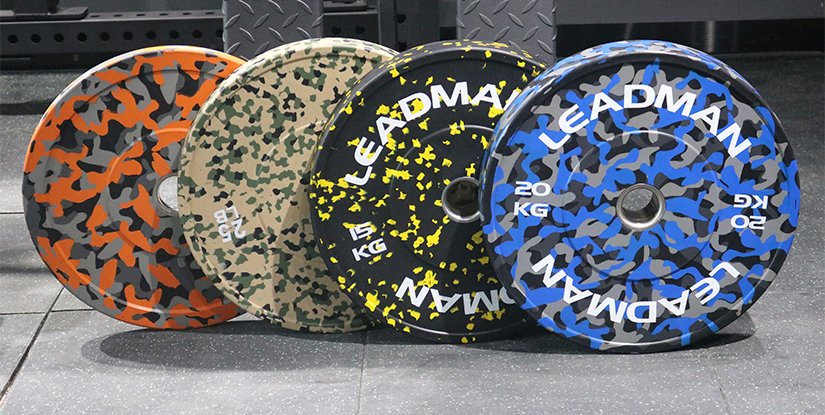
A critical failure point in lower-tier technical training equipment is the degradation of the center hole or the unevenness of the outer rim. During rigorous olympic lifting drills, even slight deviations in manufacturing standards can lead to wobbling or uneven weight distribution, which accelerates wear on both the plates and the barbell sleeves. To guarantee long-term longevity, ensure your chosen manufacturer utilizes precision molding or CNC-machined steel cores. This level of quality control ensures that every plate in your facility performs with the same precision, protecting your capital investment and maintaining a professional standard for your athletes.
Precision Engineering: Material Standards for Weightlifting Progression Plates
For high-performance training facilities, the reliability of technical training equipment depends entirely on the structural integrity of the components. When athletes engage in high-repetition olympic lifting drills, the equipment undergoes constant mechanical stress. If your inventory consists of low-grade alternatives, you risk inconsistent weight distribution and premature wear. We emphasize that premium olympic technique training weight plates must maintain a strict level of material density to ensure that a 5kg plate remains exactly 5kg through thousands of cycles.
Durability is not just about surviving a single drop; it is about long-term training stability. High-quality weightlifting progression plates are engineered with superior impact resistance to withstand the rigors of heavy barbell drops and high-frequency technical work. For distributors and gym owners, sourcing equipment with standardized material compositions means fewer replacement requests and higher client satisfaction. Investing in plates that resist deformation and structural fatigue ensures your facility remains a trusted environment for serious strength development.
Choosing the right coating is a critical decision that balances initial investment against long-term operational costs. When sourcing olympic technique training weight plates, the debate often centers on the choice between rubber and urethane finishes. Each material serves a distinct purpose in a professional training environment.
Rubber-coated options are widely utilized for general olympic lifting drills due to their excellent shock absorption and cost-effectiveness. These are ideal for facilities prioritizing a higher volume of weightlifting progression plates without a massive upfront capital expenditure. However, they may require more frequent inspections for surface degradation over time.
In contrast, urethane-coated technical training equipment represents the gold standard for high-traffic commercial gyms. While the initial price point is higher, the durability and maintenance requirements are significantly lower. Urethane is virtually impervious to oils, sweat, and environmental wear, ensuring the plates maintain their aesthetic and structural integrity for years. For procurement professionals, prioritizing urethane often translates to better budget vs. longevity ratios, as it minimizes the need for frequent inventory turnover and replacement cycles.
Preserving Performance Through Proper Care
To protect your investment in high-grade technical training equipment, implementing standardized cleaning protocols is essential. Even the most robust olympic technique training weight plates can suffer from surface degradation if neglected. We recommend using a mild, non-abrasive soap solution to wipe down surfaces after heavy sessions. This prevents the buildup of sweat and skin oils, which are the primary culprits in preventing oxidation or surface wear on metal hubs and coatings.
Effective storage tips also play a vital role in extending the life of your weightlifting progression plates. Avoid leaving equipment in high-humidity environments or direct sunlight, as extreme temperature fluctuations can compromise the bond between the core and the coating. For facilities hosting frequent olympic lifting drills, utilizing organized plate trees rather than stacking plates on the floor helps maintain structural alignment and prevents unnecessary friction. By adhering to these maintenance standards, distributors can ensure their inventory remains in peak condition, maximizing the lifecycle of every unit sold.
Optimizing Training Floor Layouts with Specialized Technical Equipment
In high-performance training environments, floor real estate is a premium asset. When athletes focus on movement patterns rather than maximal loads, using standard iron plates can create unnecessary bulk and clutter. Integrating olympic technique training weight plates allows facility managers to streamline their setups. Because these weightlifting progression plates are designed to mimic the diameter of full-sized plates while maintaining a much lower weight profile, they prevent the barbell from becoming overly thick and unwieldy during low-load drills.
By prioritizing space efficiency, distributors and gym owners can optimize the training footprint of each lifting station. This transition from heavy iron to specialized technical training equipment ensures that even compact training zones remain functional and organized. Instead of stacking massive amounts of heavy steel for light-weight skill work, these plates offer a cleaner, more agile solution for technical development.
| Equipment Type | Storage Footprint | Best Use Case | Ease of Rotation |
|---|---|---|---|
| Standard Iron Plates | High/Bulky | Maximal Strength | Moderate |
| Olympic Technique Training Weight Plates | Minimal/Compact | Skill & Form Drills | High |
| Bumper Plates | Medium/Heavy | High-Volume Drops | High |
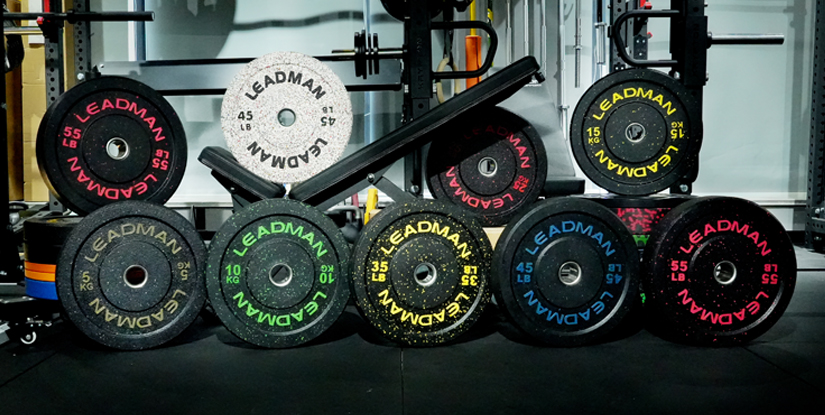
When selecting your inventory, understanding the trade-offs between weight increments and physical dimensions is vital for maintaining a professional training environment. While standard plates are indispensable for heavy lifting, they often lack the versatility required for nuanced olympic lifting drills. The following comparison helps you determine which equipment best serves your specific facility needs, whether you are managing a boutique strength studio or a large-scale performance center.
| Feature | Standard Iron Plates | Olympic Technique Training Weight Plates |
|---|---|---|
| Training Focus | Maximal Load & Power | Form Refinement & Speed |
| Weight Increments | Large (5kg - 25kg+) | Micro (0.5kg - 5kg) |
| Space Requirements | High (Requires heavy racks) | Low (Ideal for compact zones) |
| Durability | Extreme (High impact) | High (Precision-focused) |
| Primary User Type | Advanced/Competitive Lifters | Beginners to Elite Athletes |
For distributors looking to provide a complete solution, offering a range of weightlifting progression plates alongside heavy iron ensures that clients can transition seamlessly from foundational skill work to heavy-duty strength training without constant equipment swaps.
Beyond physical storage, the strategic integration of specialized technical equipment directly impacts the kinetic quality of a session. In many high-performance centers, the goal is to cultivate can often disrupt the natural bar path, making it difficult for athletes to master the nuances of the lift. By incorporating olympic technique training weight plates, you ensure the barbell maintains a consistent circumference and center of mass, regardless of the weight on the bar.
This consistency is a cornerstone of a professional through these specialized plates means less time spent swapping out heavy, mismatched loads and more time facilitating high-quality, uninterrupted training sessions. This level of precision is what distinguishes a premier strength facility from a standard commercial gym.
Balancing Longevity and ROI in High-Volume Weightlifting Facilities
For facility owners and professional strength coaches, the true cost of equipment is rarely found in the initial purchase order, but in the long-term replacement cycle. When sourcing olympic technique training weight plates, the temptation to opt for budget-tier alternatives can lead to significant hidden expenses. In high-traffic environments where olympic lifting drills are performed hundreds of times daily, inferior materials succumb to cracking, uneven wear, and dimensional inaccuracies.
Investing in premium technical training equipment ensures a much lower cost-per-use over the equipment's lifecycle. High-quality olympic technique training weight plates are engineered for extreme high-volume usage, maintaining their structural integrity and precise weight tolerances even under rigorous impact. While the upfront investment may be higher, the enhanced durability prevents frequent turnover and minimizes downtime. By prioritizing professional-grade weightlifting progression plates, distributors and gym operators safeguard their margins against the constant cycle of repairing or replacing substandard gear.
To make an informed procurement decision, we recommend evaluating your facility's specific training requirements against the standard equipment you currently stock. While standard iron or rubber plates serve a fundamental purpose, they often lack the specialized properties required for nuanced skill acquisition. Choosing the right tool depends on whether your goal is pure load capacity or the precision required for technical mastery.
The following framework helps clarify the distinction between general-purpose loading and specialized weightlifting progression plates:
| User Experience | Lifespan | Maintenance | Best For |
|---|---|---|---|
| Standard: High impact, heavy vibration | Moderate: Subject to chipping/wear | Routine inspection required | General strength & hypertrophy |
| Specialized: Smooth, predictable feedback | High: Built for repetitive olympic lifting drills | Minimal: Highly durable materials | Advanced technical skill work |
When scaling your inventory, remember that high-quality technical training equipment acts as a long-term asset. For facilities focused on competitive coaching, the precision of olympic technique training weight plates justifies the initial capital expenditure by providing a consistent, reliable platform for athlete development.
Ultimately, the decision to source high-caliber olympic technique training weight plates is a strategic move toward building long-term facility value. Beyond the physical durability of the rubber or urethane, there is a profound psychological impact on your clientele. When athletes can rely on the consistent feedback and precision of professional weightlifting progression plates, their confidence in their training environment grows. This sense of reliability fosters higher athlete retention rates, as serious lifters gravitate toward spaces that respect the nuances of their craft.
From a procurement standpoint, a smart investment in quality mitigates the risk of brand erosion caused by inconsistent equipment. Rather than dealing with the logistical headaches of frequent re-ordering and shipping costs for replacement gear, savvy operators focus on the total cost of ownership. By integrating superior technical training equipment into your core inventory, you secure a stable foundation that supports both high-performance coaching and sustainable business growth.
Global Logistics and Quality Assurance for Specialized Strength Gear
For professional distributors and gym owners, the value of olympic technique training weight plates is not just found in their utility, but in their longevity. When sourcing technical training equipment at scale, the primary concern shifts from mere functionality to long-term material integrity. In high-performance settings, equipment undergoes constant impact and friction; therefore, sourcing from manufacturers that prioritize precision casting is non-negotiable. Without strict adherence to weight tolerance standards, even slight imbalances can disrupt a lifter's kinetic chain, rendering weightlifting progression plates ineffective for skill refinement.
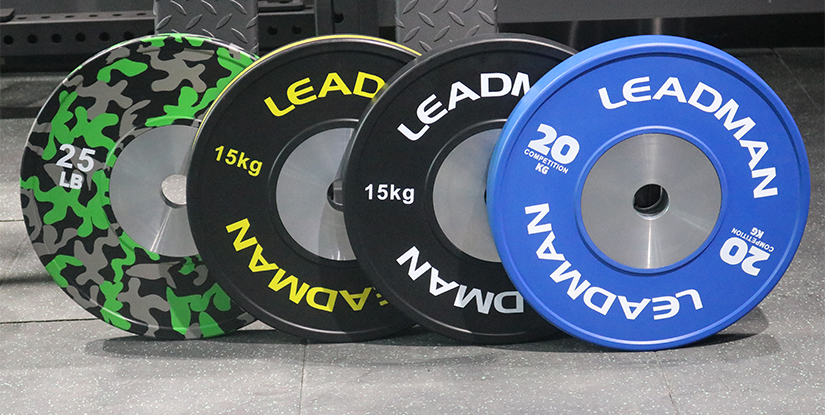
Reliable procurement requires a deep dive into factory-level quality control. High-quality olympic technique training weight plates must demonstrate extreme durability in high-use environments to withstand the rigors of daily olympic lifting drills. We recommend vetting suppliers based on their ability to maintain consistent density and edge precision across large shipments. Ensuring that every unit meets rigorous specifications prevents the logistical headache of uneven loading and protects your reputation for providing premium, safe, and dependable strength solutions to your end-users.
Beyond the initial procurement, maintaining the integrity of your investment is essential for maximizing long-term value. To ensure that your olympic technique training weight plates remain a reliable tool for precision, implement strict cleaning protocols. Avoid harsh chemical solvents that can degrade specialized coatings; instead, use a damp cloth to remove chalk buildup and sweat, which are common after intense olympic lifting drills.
Proper surface maintenance is equally critical to prevent the buildup of debris in the center holes, which can cause friction against the barbell sleeve. For metal-based weightlifting progression plates, focus on preventing oxidation by storing them in a climate-controlled environment. Avoid leaving equipment in high-humidity areas or outdoors, as moisture can lead to surface corrosion. Finally, invest in organized storage solutions, such as heavy-duty vertical racks. This not only keeps your training floor safe but also prevents structural warping, ensuring your technical training equipment remains a high-performing asset for years to come.
To assist in your procurement strategy, we have compiled a comparison of common materials used in high-end training gear. Understanding these nuances helps you decide which olympic technique training weight plates best suit your facility's specific demands, whether you are prioritizing extreme durability or precision-based movement.
| Material Type | Maintenance Frequency | Typical Lifespan | Ease of Cleaning | Ideal Use Case |
|---|---|---|---|---|
| Rubber-Coated | Moderate | High (5-7+ years) | Easy (Damp cloth) | High-impact olympic lifting drills |
| Bumper Plates | Low | Very High | Very Easy (Water/Soap) | General technical training equipment |
| Cast Iron | High | Long (if kept dry) | Moderate (Oil/Wipe) | Precision weightlifting progression plates |
When selecting your technical training equipment, consider that while cast iron offers unmatched density for precision, it requires more vigilance regarding moisture. Conversely, rubberized options offer superior shock absorption for olympic lifting drills but may require periodic surface inspections to ensure coating integrity. Matching the material to your facility's environmental controls will ultimately optimize the return on your investment.
Implementation checklist for buyers
When scaling a high-performance training facility, the procurement focus must shift from initial unit costs to total cost of ownership. Investing in premium olympic technique training weight plates is a strategic decision that safeguards your capital. While low-grade rubber or thin steel alternatives may appear budget-friendly during the initial sourcing phase, they often fail under the high-impact demands of repetitive olympic lifting drills. Cheap imitations frequently suffer from uneven weight distribution, surface degradation, and irregular diameters, which can compromise the precision required for technical mastery.
High-quality technical training equipment provides significant long-term value by ensuring consistency across every set. For distributors and gym owners, this means fewer replacement cycles and a more reliable training environment. Beyond the physical durability vs. cheap alternatives debate, superior equipment directly impacts athlete skill retention. When the equipment behaves predictably, lifters can focus entirely on neurological patterns and movement mechanics rather than compensating for faulty gear. Choosing professional-grade weightlifting progression plates ensures that your facility remains a standard-setting destination for serious athletes.
To optimize your procurement strategy, we have categorized the most common options for weightlifting progression plates. Selecting the right specification depends heavily on whether your volume requirement is driven by high-frequency commercial usage or specialized home-studio training. Use the following comparison to align your inventory with your facility's specific operational needs.
| Material Type | Thickness Profile | Ideal Use Case | Maintenance Level |
|---|---|---|---|
| High-Density Rubber | Standard/Medium | Commercial Facilities & Weightlifting Clubs | Low (Dusting required) |
| Precision Steel/Iron | Ultra-Thin | Technical Drills & High-Speed Transitions | Minimal (Rust prevention) |
| Polyurethane (PU) | Premium/Dense | Elite Training Centers & High-End Gyms | Very Low (Highly Durable) |
| Composite/PVC | Variable | Home Gyms & Light Skill Building | Moderate (Surface wear) |
When sourcing technical training equipment, remember that the thickness of the plate dictates how many can fit on a barbell during high-volume sessions. While thin steel plates are excellent for rapid olympic lifting drills, rubberized options offer the impact absorption necessary to protect your flooring and reduce long-term facility repair costs.
Before finalizing your purchase order, run your selected inventory through this final vetting process. High-performance olympic technique training weight plates must meet rigorous benchmarks to justify their premium positioning in a commercial setting. Use this checklist to ensure your shipment meets the high standards required for professional-grade olympic lifting drills.
Final Procurement Vetting Checklist
- Weight Accuracy: Verify that the manufacturer provides strict tolerances. Even minor deviations can disrupt the balance required for precision weightlifting progression plates.
- Grip and Texture Consistency: Inspect the surface finish. Consistent grip/texture consistency is vital for smooth loading and unloading during fast-paced technical sessions.
- Impact Resistance: Confirm the material meets high-level safety standards for high-impact use to prevent cracking or chipping during heavy drops.
- Quality Control Indicators: Look for standardized diameters and uniform edge beveling to ensure seamless transitions during complex movements.
By prioritizing these quality control indicators, you protect your facility from the hidden costs of subpar technical training equipment. A disciplined selection process ensures that every plate in your inventory supports athlete development rather than creating mechanical inconsistencies.