competition plates powerlifting | What to Look for in High
Vetting Manufacturers for Precision-Grade Calibrated Plates
Many distributors fall into the trap of prioritizing low unit costs over long-term material integrity, often resulting in plates that warp or lose calibration after minimal use. A more sophisticated sourcing strategy focuses on the metallurgical properties of the product rather than just the initial price point. When procuring competition plates powerlifting equipment, the goal is to find a manufacturer that understands the direct correlation between high-density steel and product lifespan.
True durability in professional lifting equipment is rooted in the density of the casting and the quality of the finishing process. High-grade calibrated powerlifting plates must maintain structural consistency even under the extreme stress of heavy, repetitive drops. We recommend vetting suppliers based on their ability to provide high high-impact resistance through superior material density. This ensures that your competition weight plates do not suffer from surface degradation or dimensional shifts, protecting your investment and ensuring long-term reliability for high-performance training environments.
Distinguishing between standard gym gear and professional-grade equipment requires a keen eye for how materials react to high-frequency impact. While standard plates may suffice for general training, they often exhibit rapid wear patterns, such as chipping or edge deformation, when subjected to heavy loads. In contrast, high-end calibrated powerlifting plates are engineered with specific metallurgical densities to withstand the rigorous demands of sanctioned events.
When evaluating your procurement options, pay close attention to the surface coating durability. Premium competition weight plates typically feature advanced powder coating or specialized plating that resists oxidation and physical abrasion. This level of finish is critical because it minimizes maintenance requirements and prevents the unsightly rust or peeling common in lower-tier professional lifting equipment. A robust coating ensures that the plate remains smooth and maintains its precise thickness over years of heavy use. For distributors and gym owners, selecting products with superior surface resilience is a strategic move to reduce replacement frequency and maintain a high-standard facility aesthetic.
Beyond surface aesthetics, the true test of heavy lifting durability lies in the internal structural integrity of the steel. For high-performance facilities, sourcing competition plates powerlifting gear requires a deep dive into the manufacturer's adherence to strict manufacturing standards. Substandard casting processes can lead to micro-fractures or internal voids, which may result in catastrophic structural failure when the plates are subjected to the violent impact of a maximal attempt. This is why we advise buyers to prioritize suppliers that utilize precision-grade manufacturing techniques, ensuring each plate is cast with uniform density to handle extreme torque and impact.
A reliable manufacturer will treat quality control as a non-negotiable phase of production rather than a final check. In the world of professional lifting equipment, even a minor structural weakness can compromise the calibration and safety of the entire lifting platform. By vetting for rigorous testing protocols, you ensure that your competition weight plates can endure thousands of cycles of heavy loading and dropping without compromising their dimensional accuracy or physical stability.
The Gold Standard of Quality Control in Weight Plate Production
Maintaining a competitive edge in a high-performance facility requires more than just regular cleaning; it demands a commitment to technical integrity. For distributors and gym owners, the reliability of competition plates powerlifting standards is the foundation of athlete trust. If a set of calibrated powerlifting plates deviates even slightly from its labeled weight, it undermines the legitimacy of every lift performed under your roof.
To prevent these discrepancies, top-tier manufacturers implement rigorous precision standards during the casting and machining phases. We focus on strict weight tolerance controls, ensuring that every plate meets the microscopic deviations required for sanctioned events. Investing in high-quality professional lifting equipment means choosing products that undergo consistent density testing and dimensional verification. This level of quality control ensures that your competition plates powerlifting inventory remains a dependable asset, preserving both the reputation of your facility and the longevity of the equipment through years of heavy-duty use.
Preserving Asset Integrity Through Strategic Maintenance
To protect your investment in high-end competition weight plates, proactive care is non-negotiable. Long-term durability depends heavily on how these assets are treated when they are not in active use. One of the most critical factors is humidity control; storing your equipment in a climate-controlled environment prevents moisture buildup that can lead to structural degradation or surface wear. For metal-based components, strict adherence to a dry storage protocol is essential for preventing oxidation and maintaining that pristine, professional finish.
Beyond environmental management, effective surface protection involves careful handling during transit and daily transitions. Avoid dragging plates across abrasive concrete floors, which can compromise the precision of the rim and center bore. We recommend using dedicated plate trees or specialized racks to ensure proper maintenance and organization. By implementing these standard operating procedures, facility managers ensure that their professional lifting equipment remains a reliable, high-performance asset for years, rather than a depreciating liability.
Understanding the trade-off between initial procurement costs and long-term operational stability is vital for any facility manager. While standard plates are sufficient for general strength training, they lack the structural resilience found in high-spec calibrated powerlifting plates. To help you make an informed decision for your inventory, we have outlined the typical maintenance profiles and lifespans of various competition weight plates below.
| Plate Type | Typical Material | Maintenance Level | Expected Lifespan | Best Use Case |
|---|---|---|---|---|
| Standard Iron Plates | Cast Iron | Moderate (Rust Prevention) | 3–5 Years | General Fitness/Commercial Gyms |
| Competition Plates Powerlifting | High-Density Rubber/Steel Core | Low (Surface Cleaning) | 8–10+ Years | Sanctioned Meets & Pro Training |
| Bumper Plates | Virgin Rubber/Urethane | Low (Impact Management) | 5–7 Years | CrossFit & High-Impact Training |
When sourcing professional lifting equipment, remember that competition weight plates are engineered for high-frequency, high-impact use. While the upfront investment in calibrated powerlifting plates may be higher, the reduced need for replacement and the extended lifecycle offer a much lower total cost of ownership for serious training venues.
Navigating Warranty Protocols for Professional Lifting Equipment
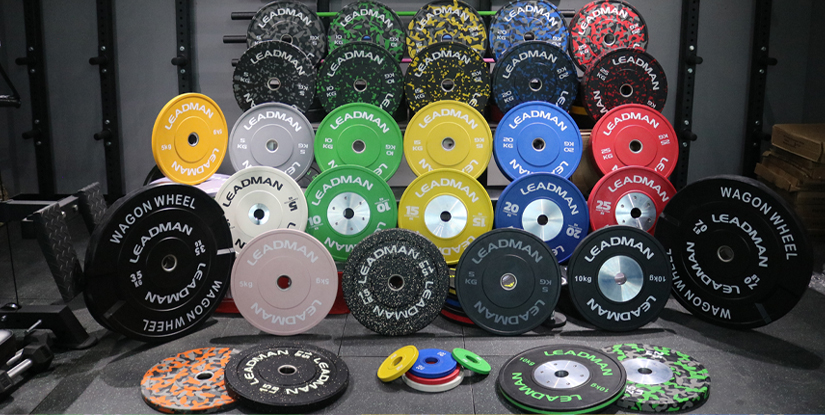
When sourcing high-end gear, the true cost of ownership extends far beyond the initial invoice. For facility owners and distributors, selecting premium competition plates powerlifting standards is a strategic decision to mitigate future overhead. While entry-level options may seem attractive during initial procurement, they often lack the structural integrity required for high-frequency, high-impact environments. Investing in calibrated powerlifting plates ensures that your facility maintains a standard of precision that survives years of rigorous use.
The relationship between durability and profitability is direct: high-quality professional lifting equipment reduces the frequency of replacement cycles and minimizes downtime caused by equipment failure. By prioritizing competition plates powerlifting specifications during the manufacturing and sourcing stage, you are making a long-term investment in your facility's reliability. This approach protects your bottom line by ensuring that your weight sets remain consistent in weight and form, preventing the hidden costs associated with constant restocking and gear turnover.
To maximize your return on investment, it is essential to weigh the upfront capital expenditure against the long-term lifecycle of your inventory. While standard iron or rubber plates may suffice for general fitness, they rarely meet the strict tolerances required for competitive training. Choosing high-grade competition weight plates is a matter of calculating the cost-per-use over several years rather than looking only at the immediate price tag. Below, we have outlined the primary differences to help you determine which tier of professional lifting equipment aligns with your business model and usage frequency.
| Feature/Metric | Standard Training Plates | Calibrated Competition Plates |
|---|---|---|
| Primary Use Case | General strength training/Commercial gyms | High-level meets/Serious powerlifting training |
| Precision Tolerance | Moderate (± 2-3% variance) | High (Strictly < 10g deviation) |
| Estimated Lifespan | Moderate (Subject to wear/impact) | Extremely High (Built for longevity) |
| Maintenance Needs | Regular inspection for rust/cracks | Minimal; focus on surface cleanliness |
| ROI Profile | Lower initial cost; higher turnover | Higher initial cost; superior durability |
When evaluating these options, consider that calibrated powerlifting plates offer a much lower frequency of replacement. For distributors and large-scale gym operators, the reduced maintenance requirements and extended lifespan of premium competition weight plates ultimately drive higher profitability by reducing the need for frequent re-ordering and shipping logistics.
Beyond the physical specifications, a robust procurement strategy must prioritize the legal and structural safeguards provided by the manufacturer. High-tier professional lifting equipment should never be sourced without a clear understanding of warranty coverage. For distributors managing large-scale inventories, a comprehensive warranty is the first line of defense against the unforeseen costs of manufacturing defects or material inconsistencies. Relying on a supplier that offers transparent terms ensures that your capital is protected if the product fails to meet expected calibration standards.
True value is found in the intersection of quality control and accountability. When you source competition plates powerlifting gear, you are betting on the factory's ability to maintain extreme precision across every single unit in a production run. A reputable manufacturer does not just promise quality; they provide a guarantee that their quality control processes are rigorous enough to prevent deviations. By demanding strict adherence to calibration standards and verifying the scope of the warranty coverage, you effectively mitigate the risk of receiving substandard competition weight plates, securing a much more reliable return on your initial procurement outlay.
Optimizing Material Density and Dimensional Tolerance
In high-performance training environments, the longevity of your inventory depends heavily on the metallurgical quality of the equipment. When sourcing competition plates powerlifting standards, the relationship between material density and long-term durability is non-negotiable. Low-grade alloys often suffer from micro-fractures or warping after repeated high-velocity drops, compromising the structural integrity of the set. To maintain a professional standard, distributors should prioritize calibrated powerlifting plates manufactured from high-density steel. This specific density ensures that the plates maintain their exact thickness and weight distribution even under extreme mechanical stress.
Beyond mere weight, the impact resistance of the steel determines how well the equipment survives the rigors of heavy-duty usage. A higher density prevents the metal from deforming or "thinning" over time, which is critical for maintaining the precision required in professional settings. Choosing competition weight plates with superior density profiles reduces replacement frequency and protects your long-term procurement budget.
| Material Profile | Density Level | Impact Resistance | Long-term Value |
|---|---|---|---|
| Standard Steel | Moderate | Average | Lower (Frequent Replacement) |
| High-density Steel | High | Excellent | Higher (Maximum Lifespan) |
| Calibrated Powerlifting Plates | Ultra-High | Superior | Optimized (Professional Grade) |
Precision in manufacturing extends far beyond the weight scale; it is defined by strict dimensional tolerance. For procurement specialists and gym owners, the true value of professional lifting equipment lies in its ability to maintain a uniform profile despite heavy use. We often see inferior products suffer from uneven edge wear or slight warping, which disrupts the balance of the barbell. This is why precision machining is a critical requirement when vetting factory capabilities. A high-quality manufacturing process ensures consistent thickness across the entire surface area, preventing the uneven weight distribution that can occur with substandard casting methods.
When you invest in competition weight plates, you are looking for a product that retains its geometry through thousands of repetitions. If the dimensional tolerance is loose, the plates may not sit flush against one another, leading to mechanical instability during a lift. By prioritizing suppliers who utilize advanced precision machining, you ensure that every piece of your competition plates powerlifting inventory remains a reliable, perfectly balanced component for the long term.
Selecting the right tier of equipment requires a clear understanding of how material composition affects long-term operational costs. While standard options may suffice for general fitness, specialized training demands a higher level of metallurgical stability. To assist in your procurement strategy, we have outlined a comparison between common options to help you determine the best fit for your facility's specific requirements.
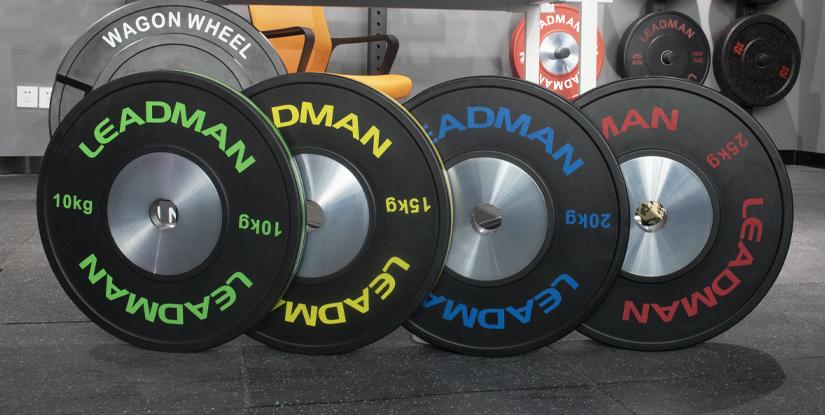
Comparison Table: Material Density vs. Longevity
| Plate Type | Primary Material | Usage Frequency | Durability Level | Precision Requirement |
|---|---|---|---|---|
| Standard Iron Plates | Cast Iron | Moderate/Low | Standard | Low |
| Calibrated Steel Plates | High-Density Steel | High/Professional | Exceptional | Ultra-High |
When evaluating professional lifting equipment, the distinction between these two categories is vital. Standard iron plates are often sufficient for general strength training, but they lack the rigorous calibration found in competition weight plates. For venues hosting sanctioned events or high-level training, investing in calibrated powerlifting plates ensures that the equipment withstands the heavy impact of professional use without sacrificing the accuracy of the load. Choosing the correct density profile today prevents the premature wear and tear that often necessitates frequent re-ordering in high-traffic environments.
Managing International Logistics and Landed Costs for Heavy Shipments
When sourcing competition plates powerlifting standards, the sticker price is only one part of the equation. For distributors and gym owners, the real budget impact often lies in the complex logistics of moving high-density steel. Because competition weight plates are incredibly dense, your shipping weight will be substantial, often pushing shipments into higher freight classes that demand specialized handling and heavy-duty equipment.
Navigating the relationship between volumetric weight and actual mass is critical for optimizing your landed costs. While many products are billed by volume, heavy shipments of calibrated powerlifting plates are almost always billed by actual weight. This means inefficient packaging or poorly managed pallet configurations can lead to skyrocketing freight expenses. To protect your margins, ensure your supplier understands how to consolidate professional lifting equipment to maximize container space without compromising the structural integrity of the competition plates powerlifting order. Proper density management ensures you aren't paying for "air" while managing the high costs of heavy-duty transit.
To effectively manage your budget, you must evaluate how different transit modes influence the final landed cost of your shipment. For bulk orders of calibrated powerlifting plates, the choice between speed and cost-efficiency can significantly impact your inventory margins. Below is a comparison to help you decide which logistics strategy aligns with your current procurement needs.
| Logistics Method | Primary Advantage | Packaging & Durability Requirements | Best Use Case |
|---|---|---|---|
| Sea Freight | Maximum cost-efficiency for heavy orders | Requires high packaging durability and heavy-duty palletization to withstand moisture and long-term stacking. | Large-scale warehouse restocking of competition weight plates. |
| Air Freight | Rapid delivery and minimized transit time | Focus on lightweight, high-strength protective materials to manage strict volumetric weight limits. | Urgent replenishment of professional lifting equipment for upcoming events. |
When importing competition plates powerlifting equipment, we always recommend prioritizing sea freight for standard inventory cycles. While air freight offers speed, the sheer density of calibrated powerlifting plates often makes the air-to-weight ratio prohibitively expensive for long-term commercial scaling.
Beyond the freight method, savvy buyers must account for the often-overlooked variables that can inflate your total investment. One of the most significant factors when importing professional lifting equipment is the unpredictability of customs duties and import taxes. Depending on your specific region and the current trade agreements in place, these fees can fluctuate, potentially impacting your projected margins. We advise working with suppliers who provide comprehensive documentation to ensure a smooth clearance process and avoid unexpected storage fees at the port.
Furthermore, the physical journey of competition weight plates involves significant mechanical stress. To mitigate the risk of transit damage—such as surface oxidation or dented edges—it is essential to implement a rigorous quality inspection protocol before the goods leave the factory. By verifying the precision of your calibrated powerlifting plates at the source, you ensure that the high-end gear arriving at your facility meets the exact standards required for professional competition, effectively protecting your capital from the costs of returns and replacements.
Strategic Inventory Planning for Competition Weight Plates
Investing in high-precision competition plates powerlifting standards requires more than just selecting the right weight; it demands a sophisticated approach to logistical management. When sourcing professional lifting equipment at scale, many facility managers overlook the long-term impact of disorganized storage on both equipment longevity and operational flow. Improperly stacked plates can lead to surface deformation or structural fatigue, undermining the precision of your calibrated powerlifting plates.
To maintain a high-performance training environment, we recommend integrating specialized weight plate racks that prioritize floor space optimization. Utilizing vertical storage solutions is essential for high-density facilities where square footage is a premium commodity. By transitioning from horizontal floor piles to organized vertical systems, you not only protect your investment in competition weight plates from physical damage but also ensure a streamlined workflow for athletes. A disciplined storage strategy reduces setup time and maintains the professional aesthetic expected in elite strength venues.
Optimizing Layout: Racks, Trees, and Shelving
Choosing the right housing for your inventory depends on your facility's specific footprint and the frequency of use. For high-traffic strength centers, vertical weight trees offer the highest level of accessibility, allowing athletes to quickly grab specific denominations without disturbing the entire stack. However, weight trees can be cumbersome if your floor plan is narrow. In contrast, heavy-duty horizontal racks provide superior durability and stability, making them the preferred choice for housing heavy calibrated powerlifting plates that might otherwise cause a tree to tip.
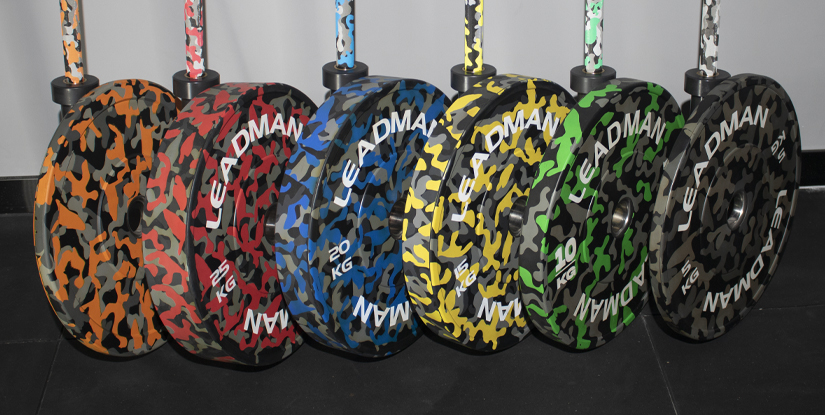
For boutique studios or specialized training zones where space efficiency is the primary concern, custom wall-mounted shelving or integrated rack systems can clear valuable floor real estate. When selecting a method, consider the long-term maintenance requirements; a well-organized system prevents the scratches and structural wear often seen in disorganized piles. Whether you prioritize the rapid turnover of a weight tree or the structural integrity of a dedicated rack, your storage choice directly impacts the lifespan of your professional lifting equipment.
Environmental Preservation and Long-Term Maintenance
Beyond physical organization, the environmental conditions of your storage area play a decisive role in the longevity of your investment. High-quality competition weight plates are engineered for extreme precision, but they remain susceptible to environmental degradation if left in suboptimal settings. One of the most critical factors to monitor is humidity control. Excessive moisture in the air can accelerate metal oxidation prevention challenges, leading to rust or surface corrosion on the steel components of your calibrated powerlifting plates. This not only compromises the aesthetic quality but can also subtly affect the weight accuracy over time.
To safeguard your professional lifting equipment, we advise sourcing specialized storage areas that are climate-controlled or at least well-ventilated. If your facility is located in a high-humidity region, implementing a regular inspection routine is essential. Periodically checking for signs of oxidation and ensuring that competition weight plates are kept in a dry, stable environment will significantly extend their functional life. By prioritizing these maintenance-focused storage habits, you protect the precision and value of your wholesale inventory for years to come.
Maximizing Long-Term Value Through Precision
When sourcing equipment for a high-performance facility, many procurement managers fall into the trap of prioritizing the lowest upfront quote. However, true profitability in the strength sports sector is found by analyzing the cost-per-use vs initial price. While generic plates may seem attractive for small budgets, they often lack the strict precision standards required for serious training, leading to frequent replacement cycles and uneven weight distribution.
Investing in high-quality calibrated powerlifting plates is a strategic decision that secures long-term value. These competition weight plates are engineered for extreme durability, designed to withstand the high-impact environment of heavy lifting without losing their dimensional integrity. By choosing professional lifting equipment that meets rigorous calibration tolerances, you reduce the frequency of re-ordering and minimize the need for constant maintenance. For distributors and gym owners, this means fewer logistical headaches and a more reliable asset that maintains its value and performance over years of intense use.
To optimize your procurement strategy, we recommend categorizing your needs based on your facility's specific operational profile. Not every training environment requires the same level of precision, and selecting the appropriate tier ensures you are not overspending on unnecessary specifications while avoiding the pitfalls of substandard gear.
The following framework helps differentiate between the various levels of competition plates powerlifting standards to align your investment with your actual usage requirements:
| Facility Type | Primary Goal | Usage Frequency | Budget Tier | Maintenance Needs |
|---|---|---|---|---|
| Home/Personal Gym | Strength Development | Occasional/Moderate | Entry-Level | Low (Visual Check) |
| Commercial Strength Club | General Training | High (Daily) | Mid-Range | Moderate (Surface Care) |
| Professional Training Center | Elite/Competition Prep | Extreme (Constant) | Premium/High-End | Strict (Calibration/Storage) |
When selecting your professional lifting equipment, consider space efficiency and how much weight you will be moving daily. For high-traffic centers, investing in high-density calibrated powerlifting plates ensures better space efficiency on weight trees and minimizes the long-term replacement costs associated with lower-tier competition weight plates.
Before finalizing any bulk purchase or releasing the final payment to your supplier, a rigorous verification process is essential to safeguard your investment. Relying solely on a manufacturer's claims is insufficient; you must implement a structured approach to ensure the competition plates powerlifting standards you expect are actually delivered to your facility.
Pre-Payment Verification Checklist
To mitigate the risk of receiving substandard goods, we recommend focusing on three critical pillars of quality control (QC) checkpoints. First, demand a weight tolerance verification report. For true calibrated powerlifting plates, the deviation should be minimal. If your supplier cannot provide documented proof of precision, it is a red flag for your long-term ROI.
Second, evaluate the physical build quality. Check the edge smoothness and the thickness uniformity of the competition weight plates to ensure they meet professional standards for high-impact use. Finally, do not overlook shipping safety. Ensure your logistics provider uses reinforced, moisture-resistant packaging and secure palletization. This prevents transit damage that can compromise the calibration of your professional lifting equipment before it even reaches your gym floor.