How to Choose Durable Olympic Lifting Weight Plates
High-Traffic Deployment: Managing Plate Wear in Commercial Environments
Many facility managers make the mistake of sourcing based solely on the lowest per-unit price, only to face premature cracking or uneven wear within months. This short-sighted procurement strategy often ignores the brutal reality of high-performance training. A more professional approach focuses on the long-term lifecycle of the equipment, prioritizing olympic lifting weight plates that are engineered to withstand the specific mechanical stresses of a professional lifting platform.
In a high-traffic commercial gym, the environment is unforgiving. Whether it is a CrossFit box or a dedicated weightlifting facility, the equipment undergoes constant, heavy-duty cycles. We see that high-frequency usage puts immense pressure on the structural integrity of the rubber and the inner hub. Without high impact resistance, standard plates will quickly degrade, leading to chipped edges or loss of calibration. Ensuring high bumper plate durability is not just about strength; it is about maintaining a consistent standard of safety and performance under the most intense physical demands.
When selecting your inventory, you must align the material composition with your specific training space and the intensity of your clientele. The choice between high-density rubber and specialized polyurethane significantly impacts your long-term gym floor protection and overall maintenance difficulty. Below, we have outlined the primary considerations for high-volume environments to help you optimize your procurement strategy.
| Material Type | Usage Frequency | Space/Floor Impact | Budget Profile |
|---|---|---|---|
| Standard Rubber | Moderate to High | Requires thick mats for gym floor protection | Cost-Effective |
| Premium Polyurethane | Extreme/Professional | Minimal vibration and material wear | Higher Initial Investment |
For facilities prioritizing a low maintenance difficulty profile, premium materials offer a superior return on investment despite higher upfront costs. While standard rubber is excellent for general strength training, professional lifting hubs require materials that resist compression and surface degradation. Evaluating the material wear patterns against your expected usage frequency ensures that your olympic lifting weight plates remain a durable asset rather than a recurring replacement expense.
Optimizing Longevity Through Systematic Care
To maximize the ROI on your procurement, professional facility management must extend beyond the initial purchase. Implementing strict weightlifting equipment care protocols is essential for maintaining the structural integrity of your inventory. For example, simple cleaning protocols—such as using a damp cloth to remove chalk buildup and sweat—can prevent the corrosive effects that often lead to surface degradation in high-volume environments.
Furthermore, effective storage tips can significantly influence the longevity of your equipment. We recommend avoiding long-term storage in high-humidity areas or direct sunlight, which can accelerate the breakdown of rubber compounds. When not in use, storing your olympic lifting weight plates on dedicated, elevated racks rather than directly on the floor helps maintain their shape and ensures your gym floor protection remains intact. By treating maintenance as a standard operational procedure rather than an afterthought, distributors and gym owners can ensure their high-performance assets remain in peak condition for years.
Material Composition and Bumper Plate Durability Standards
When sourcing professional-grade olympic lifting weight plates, the most critical factor in long-term ROI is the internal composition. High-performance training environments demand equipment that can withstand thousands of high-velocity drops without losing shape or cracking. The primary differentiator in bumper plate durability is the quality of the high-density rubber used during the manufacturing process.
Low-grade alternatives often utilize recycled fillers with inconsistent material density, which leads to premature cracking or uneven weight distribution. In contrast, premium olympic lifting weight plates are engineered with high-grade virgin rubber or specialized composite blends to maximize impact resistance. This ensures the plates remain structurally sound even under the heavy stress of professional weightlifting. Understanding these material standards helps procurement managers avoid the hidden costs of frequent equipment replacement.
| Material Type | Impact Resistance | Structural Longevity | Ideal Use Case |
|---|---|---|---|
| High-Density Rubber | Exceptional | High (Long-term) | Commercial Gyms & CrossFit Boxes |
| Standard Recycled Rubber | Moderate | Medium (Variable) | Home Gyms & Light Training |
| Low-Grade Composite | Low | Low (High risk of cracking) | Budget-focused/Occasional Use |
To make an informed decision, consider how the specific material composition aligns with your facility's operational intensity. While high-density options offer superior bumper plate durability, they often require a higher initial investment. Conversely, recycled materials are cost-effective for low-impact settings but may require more frequent weightlifting equipment care to prevent surface degradation.
| Material Type | Durability Level | Best Use Case | Maintenance Level |
|---|---|---|---|
| High-Density Rubber | Premium / High-Impact | Commercial Gyms & Performance Centers | Low (Minimal upkeep) |
| Recycled Rubber | Standard / Moderate | Home Gyms & Personal Studios | Moderate (Routine cleaning) |
Selecting the right grade of olympic lifting weight plates is not just about the price point; it is about ensuring long-term gym floor protection and minimizing replacement cycles. For high-traffic professional environments, investing in high-density compositions remains the most reliable way to maintain a consistent training standard.
Beyond the internal density, the external finish plays a vital role in the lifecycle of your investment. A high-quality surface texture is essential; it should be smooth enough to prevent debris buildup but sufficiently textured to ensure grip stability during rapid transitions. Furthermore, when sourcing for diverse climates or outdoor training facilities, we recommend verifying the UV resistance of the rubber compound. Exposure to sunlight can cause inferior materials to become brittle, leading to accelerated long-term wear and tear and eventual structural failure.
Effective weightlifting equipment care also extends to how these plates interact with your flooring. Premium olympic lifting weight plates are designed with a specific Shore hardness to act as a buffer, providing superior gym floor protection by absorbing kinetic energy rather than transferring it directly into the subfloor. When selecting a supplier, ensure their manufacturing process prioritizes these finishing details, as a well-engineered surface protects both your facility's infrastructure and the long-term usability of the equipment itself.
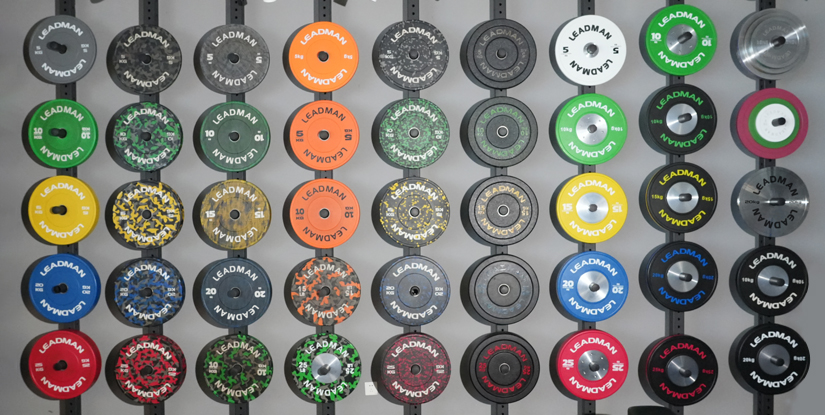
Protecting Your Investment: Gym Floor Protection and Impact Management
When sourcing high-volume training gear, many procurement managers overlook the hidden costs of kinetic energy. The longevity of your facility depends heavily on how your olympic lifting weight plates interact with the ground. High-quality bumper plate durability is not just about the rubber resisting cracks or compression; it is about how effectively the material manages energy transfer during heavy drops.
Premium plates are engineered with superior impact absorption capabilities to mitigate the shockwaves sent through the floor. Without this specialized density, the repeated force of heavy lifts can compromise subfloor stability and damage the structural integrity of your training surface. By selecting plates with optimized density profiles, you ensure that the energy is dissipated within the plate itself rather than being transferred into your expensive flooring systems. This proactive approach to impact management preserves your facility's infrastructure and reduces long-term maintenance overhead.
To maximize your ROI, you must treat gym floor protection as a critical component of your equipment ecosystem. The choice of surface determines whether your facility remains a high-performance zone or becomes a site for constant structural repairs. While different training environments demand different specifications, selecting a surface with the correct rubber matting thickness is the most effective way to manage the kinetic energy generated by heavy drops.
For high-traffic commercial zones, we recommend evaluating different surfacing options based on your specific training intensity and budget. Below is a comparison to help you decide which surface best complements your weightlifting equipment care protocols and long-term maintenance needs.
| Surface Type | Primary Benefit | Ideal Use Case | Durability Level |
|---|---|---|---|
| CrossFit Tiles | Excellent shock absorption | High-intensity functional training | High |
| Standard Rubber Matting | Cost-effective protection | General strength training areas | Moderate |
| Heavy-Duty Platform | Maximum impact management | Dedicated Olympic lifting zones | Premium |
When sourcing for large-scale facilities, always verify that your flooring can withstand the specific density of your olympic lifting weight plates to prevent premature indentation or cracking.
Optimizing Lifespan Through Routine Maintenance
Ensuring long-term durability of your equipment requires more than just high-quality manufacturing; it demands a disciplined approach to upkeep. To maintain the integrity of your olympic lifting weight plates, regular surface inspection is essential. We recommend checking for any signs of rubber degradation, such as hairline cracks or excessive compression, which can indicate the need for replacement before a failure occurs during training.
Proper weightlifting equipment care also involves environmental management. One of the most common issues in high-traffic gyms is preventing moisture buildup beneath the plates and flooring. If moisture becomes trapped, it can lead to microbial growth or even accelerate the oxidation of the internal steel components. Periodically lifting and cleaning the area helps ensure a dry, hygienic environment. When cleaning rubber surfaces, avoid harsh chemicals that can strip the protective coating; instead, use a mild solution and a damp cloth to remove dust and chalk residue. This simple routine preserves the grip and texture of the plates, ensuring they remain a reliable asset for your facility for years to come.
Optimizing Training Workflows with Standardized Weight Sets
In high-traffic commercial facilities, every square foot of floor space carries significant value. Efficient space optimization is not just about the layout of your racks, but the precision of the equipment itself. When sourcing olympic lifting weight plates, prioritizing standardized sizing ensures that your inventory remains cohesive and functional. Non-standardized or low-quality plates often lead to uneven loading or mismatched diameters, which can disrupt the training flow of professional athletes and casual lifters alike.
By investing in high-quality, uniform olympic lifting weight plates, facility managers can streamline their weight storage solutions. Whether utilizing vertical plate trees or integrated rack storage, standardized dimensions allow for a predictable footprint. This consistency reduces clutter and minimizes the time spent by staff or members searching for specific weights, ultimately enhancing the overall efficiency of the training environment and protecting your long-term gym floor protection investments through predictable weight distribution.
Selecting the appropriate weight set requires a strategic understanding of your facility's specific footprint and the intensity of use. A mismatch between the equipment and the environment can lead to premature wear and increased maintenance costs. To help you determine the best fit for your facility, we have outlined how different plate profiles impact your operational workflow and long-term gym floor protection.
| Environment Type | Primary Space Requirements | Typical Usage Frequency | Maintenance Level | Ideal Plate Profile |
|---|---|---|---|---|
| Compact Home/Studio | Minimal / Vertical Storage | Moderate | Low | Standard Bumper Sets |
| Professional Weightlifting Club | High / Dedicated Platforms | Very High | Moderate | High-Density Bumper Plate Durability |
| Full-Scale Commercial Gym | Extensive / Diverse Layouts | High/Continuous | High | Premium Precision Sets |
When evaluating olympic lifting weight plates for your inventory, consider that higher-density materials often offer superior bumper plate durability, making them a safer bet for high-impact zones. Matching your procurement decisions to your actual space requirements ensures that your facility remains both functional and professional as your membership grows.
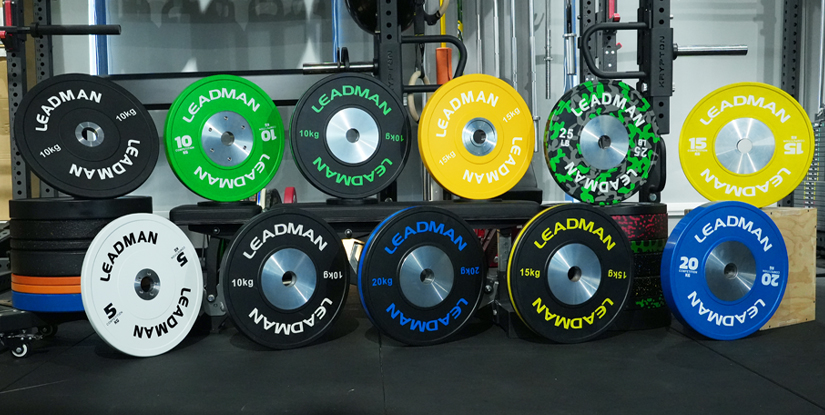
Beyond mere storage, the physical properties of your equipment directly influence your facility's operational overhead. In environments characterized by high-volume training, the kinetic energy released during heavy drops can be devastating to subflooring if the equipment lacks high-grade impact absorption. Premium olympic lifting weight plates are engineered with specific rubber densities to dissipate shock effectively, acting as a buffer between the barbell and the ground.
Neglecting this aspect of weightlifting equipment care often leads to more than just damaged gear; it can compromise your floor longevity. Constant, unmanaged vibration from substandard plates can loosen floor bolts, crack specialized lifting platforms, or compress high-end rubber flooring unevenly. By prioritizing high-density, shock-absorbing olympic lifting weight plates
Understanding the lifecycle of your investment begins with recognizing that bumper plate durability is not just a result of how you lift, but how the materials respond to your environment. At the core of high-performance olympic lifting weight plates is the composition of the outer layer. Premium manufacturers utilize high-density rubber to ensure the plates can withstand repeated high-velocity impacts without cracking or losing their structural integrity. However, even the highest quality gear is subject to wear if environmental factors such as extreme humidity, UV exposure, or temperature fluctuations are ignored. For facility managers and distributors, the goal is to select equipment that maintains its density and elasticity over time. By prioritizing plates engineered with superior material density, you significantly reduce the frequency of replacement cycles and ensure that your weightlifting equipment care protocols remain simple and cost-effective rather than a constant battle against premature degradation. To maximize the lifespan of your inventory, implementing strict cleaning protocols is essential. We recommend using a damp cloth with mild soap to remove sweat and dust, ensuring that no abrasive chemicals touch the surface, as these can degrade the rubber's elasticity. Furthermore, effective gym floor protection relies on maintaining a stable environment. Storing your gear in a controlled storage temperature—ideally between 50°F and 85°F—prevents the rubber from becoming too brittle in the cold or overly soft in the heat. Crucially, professional-grade olympic lifting weight plates require strict moisture control. Avoid storing equipment in damp basements or unconditioned shipping containers where condensation can form, as persistent moisture can lead to oxidation of the central metal hubs. By managing these environmental variables, distributors and gym owners can ensure their equipment remains in peak condition, protecting the long-term value of their procurement investments. Because maintenance requirements vary significantly depending on the setting, we have developed a quick-reference guide. This comparison helps you align your weightlifting equipment care strategies with your specific training environment, ensuring your olympic lifting weight plates remain a long-term asset rather than a recurring expense. When sourcing for a commercial facility, prioritize bumper plate durability that can withstand heavy-duty daily use. While a home user might only need basic dust removal, a professional distributor or gym owner must account for the accelerated wear caused by high-traffic environments and intensive weightlifting equipment care standards. When sourcing professional-grade equipment, many distributors fall into the trap of prioritizing the lowest upfront invoice. However, true profitability in the commercial fitness sector is found by calculating the Total Cost of Ownership (TCO). While budget-tier olympic lifting weight plates may offer an attractive initial procurement price, their lack of bumper plate durability often leads to premature degradation, cracking, or uneven wear. The real cost of a purchase is not just the shipping and unit price, but the replacement frequency over the next several years. Low-quality rubber compounds tend to lose their elasticity and structural integrity under heavy use, forcing gym owners to reorder frequently. This cycle increases long-term logistics costs and disrupts training consistency. By investing in high-spec olympic lifting weight plates from the start, you mitigate the risk of constant turnover. Choosing premium materials ensures that your capital is spent on assets that endure, rather than on recurring replacement expenses, ultimately maximizing the long-term value of your inventory and facility. To make an informed decision, we recommend evaluating your specific training environment against a tiered framework. A high-traffic strength facility requires a different investment strategy than a boutique studio or a home-based training space. For instance, high-impact environments demand superior gym floor protection to prevent structural damage, making high-density materials a non-negotiable requirement. Neglecting weightlifting equipment care or choosing substandard materials can lead to rapid degradation, even with regular maintenance. Use the following comparison to determine which tier aligns with your business model and operational goals: When evaluating olympic lifting weight plates, always weigh the bumper plate durability against your projected turnover. A slightly higher initial investment in premium rubber often yields a much better ROI by reducing the logistical headaches and frequent shipping costs associated with constant replacements. Since most buyers cannot perform laboratory stress tests on a factory floor, we suggest using indirect physical indicators to vet quality. A reliable way to assess material density is to examine the uniformity of the weight distribution and the surface texture. High-quality olympic lifting weight plates should feel dense and consistent; any visible air pockets or unevenness in the rubber surface often signal a low-density compound that will fail under pressure. Furthermore, pay close attention to edge integrity. Inspect the perimeter of the plate for a clean, seamless transition. If the edges appear jagged or thin, the plates are likely to chip or deform during high-volume training scenarios, such as heavy drops or repetitive cleans. Approaching this as a long-term investment strategy rather than a one-off purchase is essential for sustainable growth. By vetting these subtle physical cues, you can ensure your facility remains equipped with reliable gear that supports both athlete performance and your bottom line. Prioritizing these quality markers helps you avoid the hidden costs of substandard weightlifting equipment care and ensures your procurement budget delivers lasting value. When sourcing equipment for a commercial facility, the most common mistake is prioritizing the lowest upfront invoice over the total lifecycle value. While budget-friendly options may seem attractive during initial procurement, they often fail to deliver when subjected to high-volume training. To achieve a true long-term investment, buyers must shift their focus toward the cost-per-use concept. This means evaluating how often the equipment will be dropped, how much impact it can withstand, and how long it will remain in peak condition before replacement is necessary. High-quality olympic lifting weight plates are engineered to endure thousands of high-impact repetitions. When you prioritize bumper plate durability, you aren't just buying rubber and steel; you are reducing the frequency of replacement cycles and minimizing downtime for your facility. By selecting premium materials that offer superior gym floor protection and structural integrity, you ensure that your initial capital expenditure yields maximum returns over several years of rigorous use. To help you navigate the trade-offs between initial procurement costs and long-term reliability, we have outlined a comparison of common material grades. Understanding these variations is essential for matching your equipment to your specific training environment and ensuring adequate high-impact resistance. When evaluating these options, consider that the density of the rubber directly impacts both the bounce and the longevity of your olympic lifting weight plates. While thinner or lower-grade compounds may offer a lower entry price, they often lack the necessary bumper plate durability required for heavy drops, potentially leading to premature cracking or uneven wear. Investing in higher-grade materials ensures that your facility maintains a professional standard while protecting your subflooring from excessive vibration and impact damage. To protect your capital investment, implementing a structured maintenance routine is essential. Proper weightlifting equipment care extends the service life of your assets and ensures a professional environment for your members. We recommend a proactive approach to surface cleaning and organization to mitigate the wear and tear associated with high-volume training facilities. Maintaining a high standard of gym floor protection and equipment integrity requires more than just occasional attention. Follow these essential protocols to safeguard your inventory:Long-Term Maintenance and Weightlifting Equipment Care Protocols
Feature
Home Gym Environment
Commercial Training Facility
Typical Use Frequency
Low to Moderate (Individual/Small Group)
High (Constant 24/7 or Peak Hour Rotation)
Surface Type
Standard Rubber Mats or Concrete
Professional-Grade Impact Flooring
Cleaning Requirements
Occasional (Monthly/As Needed)
Daily/Frequent (Post-Session Sanitization)
Primary Maintenance Focus
Dust Removal & Humidity Control
Gym floor protection & High-Volume Wear
Environmental Stability
Variable (Residential HVAC/Garage)
Strictly Controlled (Industrial Climate Control)
Strategic Sourcing: Balancing Initial Procurement with Lifecycle ROI
Environment Type
Usage Frequency
Expected Lifespan
Maintenance Level
Cost-per-Use Profile
Professional Competition/CrossFit
Extreme / Constant
High (Multi-year)
Low (Standard cleaning)
Low (High upfront, low turnover)
Commercial Strength Gym
High / Daily
Moderate to High
Moderate
Medium (Balanced durability)
Boutique Studio / Home Gym
Low to Moderate
Moderate
Low
Variable (Lower initial cost)
Maximizing ROI Through Quality Selection
Material Type
Durability Level
Best For
Maintenance Needs
Standard Rubber
Moderate
Commercial gyms & CrossFit boxes
Occasional surface cleaning
High-Density Butyl
High
Professional weightlifting venues
Low; maintains shape under heat
Premium
Elite training facilities
Minimal; excellent gym floor protection
Operational Checklist for Facility Longevity