Competition Plates vs Bumper Plates: Which One to Choose?
Optimizing Inventory Mix: The Economic Logic of Plate Selection
For a high-end boutique strength studio, the procurement strategy often shifts from sheer volume to specialized precision, whereas a large-scale commercial gym chain must prioritize durability and ease of maintenance. When navigating the competition plates vs bumper plates debate, facility managers must look beyond the initial price tag and consider the long-term investment vs longevity ratio. Selecting the wrong weightlifting plate types can lead to premature replacement cycles or, conversely, an over-engineered inventory that ties up unnecessary capital.
The core tension lies in balancing high-frequency use vs precision. While competition plates vs bumper plates offer distinct performance profiles, the economic decision hinges on your facility's primary use case. If your clientele focuses on Olympic lifting disciplines requiring strict calibration, your SKU mix must reflect that high-standard requirement. However, for general strength and conditioning environments where heavy drops are frequent, prioritizing the rugged resilience of high-quality bumpers ensures a more sustainable operational budget and a more versatile olympic lifting equipment inventory.
To streamline your procurement, we have developed a practical gym weight plate comparison framework. This model helps you align your inventory with your specific business model, ensuring your budget is allocated toward the most effective weightlifting plate types for your facility's needs.
| Feature/Model | Commercial/General Strength Gym | Specialized Weightlifting Club |
|---|---|---|
| Primary Focus | Durability & High Volume | Precision & Regulation Standards |
| Ideal Plate Type | High-Quality Bumper Plates | Calibrated Competition Plates |
| Budget Tier | Mid-Range (Cost-Effective) | Premium (High Investment) |
| Maintenance Needs | Low (Shock-Absorbent) | Moderate (Calibration Checks) |
| Space Optimization | High (Versatile for all lifts) | Specialized (Niche Training) |
| Target User Profile | General Fitness/CrossFit/Strength | Competitive Athletes/Lifters |
When evaluating competition plates vs bumper plates, consider your turnover. A general gym benefits from the ruggedness of bumpers to minimize replacement costs, while a dedicated lifting facility requires the strict accuracy of competition-grade olympic lifting equipment to support professional-level training and athlete development.
Strategically managing your stock diversity is the difference between a profitable facility and one plagued by constant replacement costs. From a procurement standpoint, over-investing in high-precision competition sets for a general fitness center can lead to wasted capital, as these plates are often more susceptible to surface damage from improper handling. Conversely, relying solely on standard bumpers in a professional lifting environment may undermine your brand's authority and the long-term value of your training experience.
To maximize ROI, we recommend a tiered approach to your olympic lifting equipment inventory. Focus your highest budget on a core set of high-grade competition plates for specialized training zones, while utilizing high-density, shock-absorbent bumpers for high-impact areas. This balanced mix mitigates the effects of constant wear and tear across different zones, ensuring that your most sensitive equipment is protected while your high-traffic areas remain resilient. By diversifying your SKU selection based on these specific mechanical demands, you optimize both the lifespan of your assets and your facility's operational efficiency.
Structural Integrity and Impact Absorption in High-Volume Settings
When sourcing olympic lifting equipment for commercial facilities, the most critical factor is how the material handles repetitive kinetic energy. The fundamental distinction in the competition plates vs bumper plates debate lies in their internal density and surface composition. Bumper plates are engineered from high-density rubber or virgin rubber compounds, specifically designed to prioritize shock absorption. This allows them to endure the heavy drops common in CrossFit or weightlifting-focused gyms without damaging the subfloor or the barbell itself.
In contrast, true competition plates often utilize a more rigid, dense rubber or a specialized urethane coating over a high-density core to maintain precise calibration. While this ensures a consistent bounce and perfect diameter, it offers less "give" than standard bumpers. For facilities managing high-volume training environments, understanding this trade-off is essential. Choosing the right weightlifting plate types ensures that your equipment maintains its structural integrity even under the most grueling, high-impact daily usage cycles.
To make an informed procurement decision, we recommend evaluating these weightlifting plate types through the lens of long-term operational costs. While the initial investment varies, the true cost of ownership is determined by how the equipment withstands the rigors of your specific gym environment. High-impact environments require materials that can absorb kinetic energy without degrading, whereas precision-focused settings prioritize dimensional stability.
The following comparison provides a quick reference for assessing the maintenance level and expected lifespan of each option based on typical usage patterns:
| Feature | Bumper Plates | Competition Plates |
|---|---|---|
| Impact Resistance | Excellent (Designed for drops) | Moderate (Precision-oriented) |
| Typical Lifespan | Long-term (High durability) | Variable (Depends on surface coating) |
| Maintenance Needs | Low (Periodic cleaning) | Moderate (Requires careful handling) |
| Best Use Case | CrossFit, HIIT, Heavy Drops | Weightlifting Meets, Precision Training |
When comparing competition plates vs bumper plates, remember that bumpers are the workhorses of high-traffic strength centers, while competition plates are the specialized tools of the disciplined athlete. Selecting based on your facility's primary training modality will optimize your equipment's longevity and performance.
Long-Term Maintenance and Operational Durability
Beyond the immediate training feel, a critical factor in any gym weight plate comparison is the projected lifecycle of the assets. In high-traffic commercial settings, wear and tear manifest differently depending on the material density. Bumper plates, constructed from resilient rubber, are built to withstand constant impact, though they may eventually face surface degradation or minor rounding of the edges over years of heavy use. This makes them the reliable choice for rugged environments where drops are frequent.
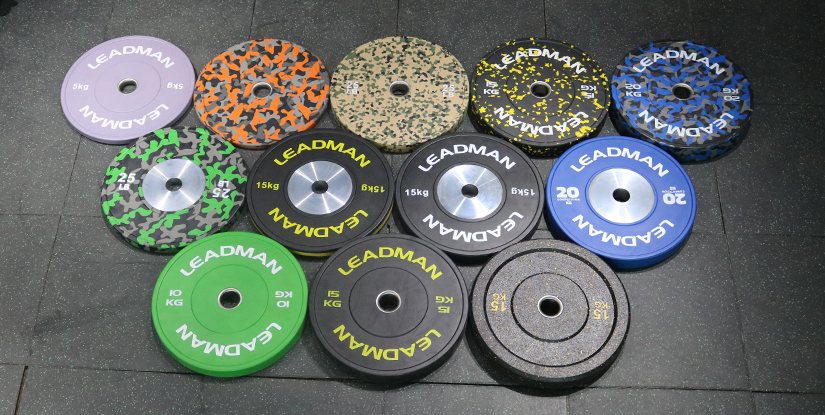
On the other hand, competition-grade olympic lifting equipment is often more sensitive to environmental factors and handling. While they offer unparalleled precision, their specialized coatings or denser cores may require more careful management to prevent chipping or calibration shifts. When assessing long-term durability, buyers must weigh the need for indestructible utility against the requirement for absolute dimensional accuracy. Choosing the right plate type ensures your facility minimizes replacement frequency while maintaining high standards of performance.
Precision vs. Resilience: Defining the Functional Divide
When sourcing professional Olympic lifting equipment, the decision often hinges on whether your facility prioritizes absolute dimensional accuracy or long-term structural resilience. Understanding the nuance in competition plates vs bumper plates is vital for managing your inventory and setting user expectations. While both are essential weightlifting plate types, they serve vastly different mechanical roles within a high-performance training environment.
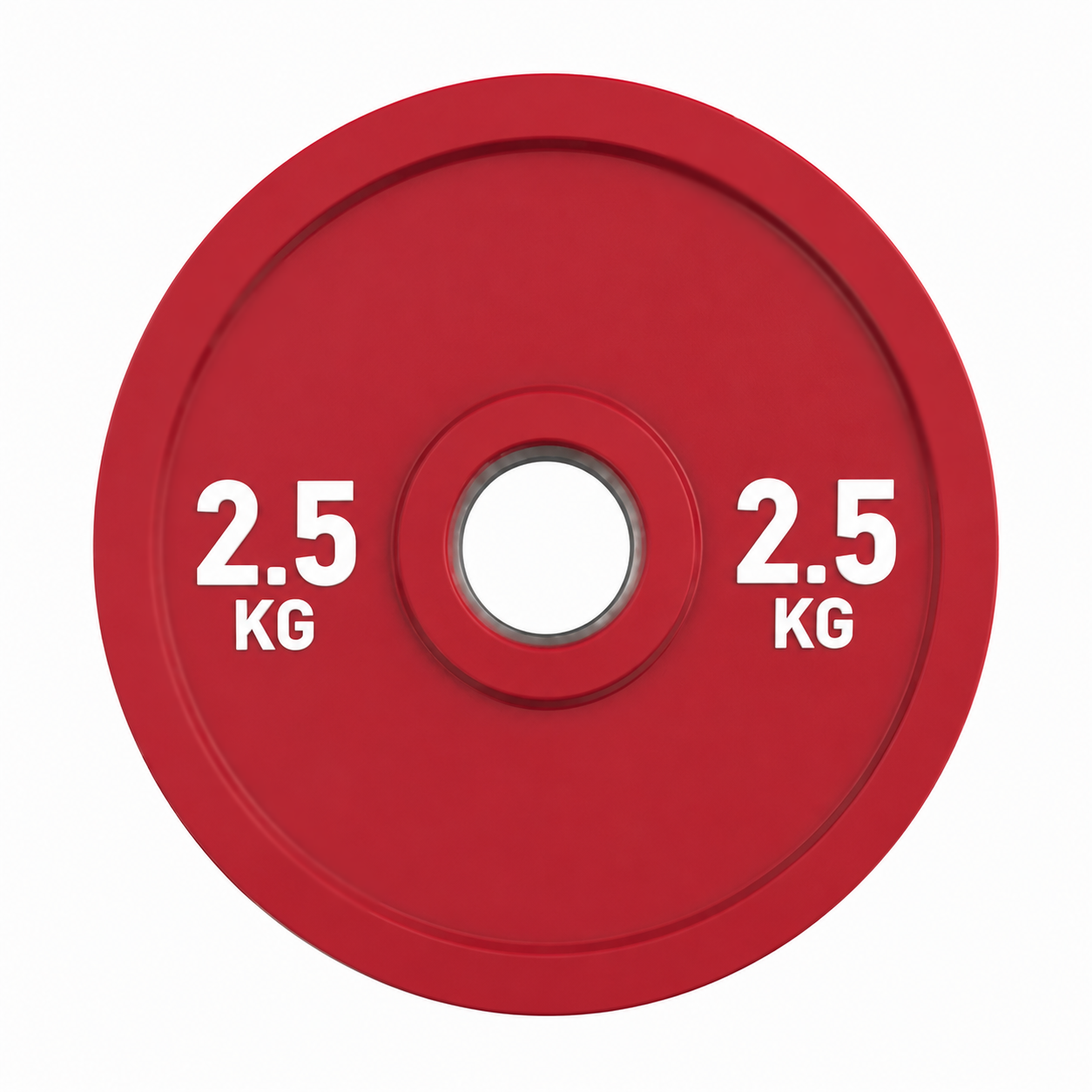
Competition plates are engineered for extreme precision. These plates feature strict tolerances in diameter and weight to ensure a consistent center of gravity, which is critical for sanctioned strength sports. Conversely, bumper plates are designed with high-density rubber to maximize shock absorption. They are built to withstand the repetitive impact of heavy drops, protecting both your barbell and your flooring from structural fatigue.
| Feature Focus | Competition Plates | Bumper Plates |
|---|---|---|
| Primary Goal | Dimensional Accuracy | Impact Durability |
| Material Profile | Machined Steel/Rubber Hybrid | Solid High-Density Rubber |
| Typical Use Case | Strict Weightlifting Meets | CrossFit & Heavy Drop Training |
| Long-term Value | High Precision/Specialized | High Durability/Versatile |
To make an informed procurement decision, it is helpful to look beyond the surface and evaluate the technical specifications that drive performance. A nuanced gym weight plate comparison reveals that the choice between these two options is rarely about quality alone, but rather about the specific mechanical requirements of your training environment.
| Technical Metric | Competition Plates | Bumper Plates |
|---|---|---|
| Tolerance Levels | Extremely Low (Strict Weight Precision) | Moderate (Standardized for Impact) |
| Material Density | High-Density/Rigid Construction | High-Density/Shock-Absorbent Rubber |
| Bounce Factor | Minimal (Predictable & Stable) | Controlled (Designed for Drops) |
| Ideal Use Case | Official Weightlifting Competitions | General Strength & High-Volume Drops |
When evaluating competition plates vs bumper plates for your facility, consider that competition-grade equipment demands a higher level of strictness regarding weight consistency, whereas bumper plates offer the resilience needed for high-impact, high-frequency training cycles.
Selecting the right inventory depends heavily on your facility's specific training culture. If your venue caters to competitive strength athletes or hosts sanctioned events, investing in competition-grade plates is non-negotiable. These plates are essential for technical lifting, where even a slight deviation in weight or diameter can disrupt a lifter's rhythm or precision. However, for commercial gyms, CrossFit boxes, or training centers that prioritize high-impact training, the focus shifts toward durability and floor protection.
In these environments, the ability to drop heavy loads safely is a primary concern. Bumper plates are the industry standard here, as they are engineered to mitigate the kinetic energy of a dropped barbell. Choosing the wrong type can lead to premature wear; using rigid, non-absorbent plates in a high-drop zone can significantly decrease equipment longevity and damage your lifting platforms. Ultimately, a smart procurement strategy involves balancing the need for technical lifting precision with the ruggedness required for daily, high-volume usage to ensure long-term ROI.
Spatial Constraints and Storage Efficiency for Facility Managers
When designing a high-performance training floor, the physical dimensions of your inventory dictate your long-term layout efficiency. A critical factor in the competition plates vs bumper plates debate is how much room they actually occupy on a barbell or a storage rack. While both weightlifting plate types share a standard 450mm diameter, their thickness profiles vary significantly, impacting your total storage footprint.
Standard rubberized bumper plates are generally thicker to accommodate high-impact drops, meaning a single barbell sleeve can only hold a limited amount of weight before running out of space. In contrast, high-precision competition plates are engineered to be much slimmer. For facility managers, choosing competition-grade olympic lifting equipment allows for much higher weight loads on a single bar without increasing the bar's length. This density is a game-changer when you are working with limited rack depth or narrow barbell sleeves, ensuring your gym weight plate comparison accounts for both vertical lift capacity and horizontal storage density.
To streamline your procurement process, we have synthesized the logistical differences into a quick-reference guide. This gym weight plate comparison focuses on how each profile affects your facility's spatial management and inventory turnover.
| Logistics Metric | Competition Plates | Bumper Plates |
|---|---|---|
| Thickness Profile | Slim/Ultra-thin | Wide/High-impact |
| Storage Density | High (More weight per sleeve) | Moderate (Lower weight per sleeve) |
| Ease of Movement | Requires precision handling | Easier for high-volume drops |
| Ideal Use Case | Precision lifting & heavy loads | High-intensity functional training |
When evaluating weightlifting plate types for your next shipment, consider that the thinner profile of competition-grade olympic lifting equipment maximizes your barbell's capacity. This allows you to load heavier weights without the bulk of standard rubberized options, optimizing your barbell sleeve real estate.
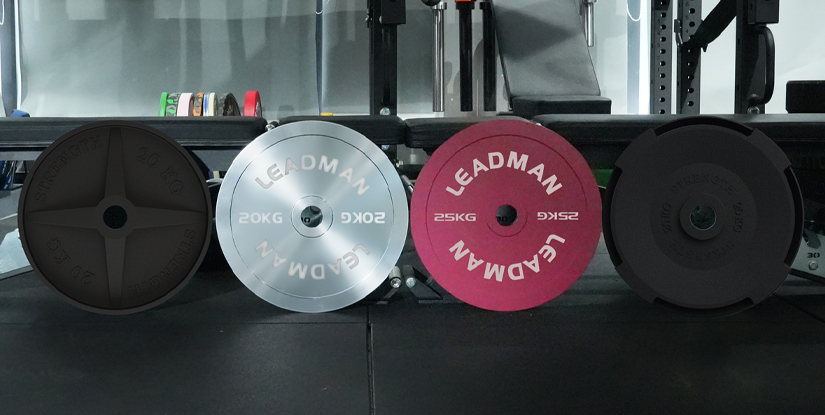
Beyond the barbell itself, the long-term facility layout depends heavily on how you manage your weight plate volume off the floor. Effective maintenance of a professional training environment requires specialized vertical storage solutions, such as heavy-duty plate trees or wall-mounted racks. Because bumper plates are often bulkier, they require deeper shelving and more substantial footprints to prevent clutter. If your facility is designed for high-traffic functional training, the sheer volume of rubberized plates can quickly overwhelm standard olympic lifting equipment storage systems.
For distributors and gym owners, optimizing the gym weight plate comparison involves looking at the lifecycle of the inventory. While competition plates offer superior density for the bar, their slim profiles can sometimes make them more prone to bending if not stored on high-quality, dedicated racks. Conversely, the rugged nature of bumper plates makes them easier to stack and move, but they demand more physical square footage. When planning your procurement, always account for the total cubic volume of your order to ensure your vertical storage and facility layout can accommodate the physical reality of the shipment.
Sourcing Strategy: Balancing Specialized Equipment with Versatile Staples
When managing a procurement budget for a new facility, the debate of competition plates vs bumper plates often boils down to a fundamental question of utility versus precision. From a wholesale perspective, selecting the wrong profile can lead to high replacement costs or, worse, a mismatch in user experience. High-spec competition plates are a long-term investment in precision; they are designed for strict dimensional tolerances and calibrated weight, making them essential for high-level athletes with specialized training needs. However, their delicate nature and higher price point mean they are less forgiving in high-traffic environments.
In contrast, standard olympic lifting equipment like bumper plates offers a much higher cost-per-use ratio for general strength and conditioning gyms. While they lack the surgical precision of calibrated steel or high-density rubber competition discs, their ability to withstand heavy drops makes them the backbone of any durable gym weight plate comparison. For distributors and gym owners, the smartest strategy is often a hybrid approach: allocating budget toward high-durability weightlifting plate types for general zones, while reserving premium stock for dedicated lifting platforms.
To optimize your budget allocation, we recommend a tiered procurement model. Rather than choosing a single winner in the competition plates vs bumper plates debate, evaluate your facility's specific high-impact zones. For general lifting areas where heavy drops and high turnover are the norms, prioritizing high-density rubber bumper plates ensures maximum durability vs precision. This protects your initial investment and reduces long-term replacement frequency.
Conversely, if your facility targets competitive strength athletes or hosts sanctioned meets, a focused inventory of calibrated competition plates is non-negotiable. While these require more careful handling, they provide the professional standard expected in elite environments. A successful gym weight plate comparison should not just look at the unit price, but at the total cost of ownership. By blending rugged, versatile staples with high-spec technical equipment, you create a versatile training ecosystem that serves both the casual lifter and the professional athlete without overextending your capital.
Developing a hybrid gym setup requires a nuanced procurement strategy that prioritizes both longevity and performance. Instead of committing your entire capital to a single weightlifting plate type, consider a tiered inventory model. For high-impact zones and general strength areas, heavy-duty bumper plates serve as the reliable workhorses, absorbing the shock of high-volume training and reducing the wear on your flooring. This approach maximizes your return on investment by minimizing replacement cycles in high-traffic zones.
For specialized lifting platforms or competitive training corners, a smaller, curated selection of precision-calibrated plates will elevate your facility's professional standing. This balanced method of scaling a training space allows you to meet the demands of elite athletes without the unnecessary expense of outfitting the entire gym with high-spec gear. By strategically mixing durable olympic lifting equipment with technical precision, you build a resilient, versatile training ecosystem that grows alongside your clientele.
Long-term Asset Lifecycle and Replacement Cycles
When evaluating competition plates vs bumper plates, savvy gym owners must look beyond the initial purchase price and focus on the total cost of ownership. The durability profile of your equipment dictates how often you will face replacement costs and downtime. For high-traffic facilities, understanding the rubber density and material composition is critical for a sustainable long-term investment.
Standard bumper plates are engineered for high-impact resistance, designed to withstand the repetitive shock of heavy drops in Olympic lifting environments. While they are incredibly resilient, they are subject to gradual surface wear and potential compression over several years of heavy use. In contrast, specialized competition-style plates often prioritize precision and weight stability. While they offer exceptional performance, they may require more careful handling in high-impact settings to prevent structural degradation.
Choosing between these weightlifting plate types depends on your facility's specific use case. If your business model relies on heavy barbell drops and high-intensity interval training, the rugged nature of high-quality bumpers ensures a better long-term investment. However, if you are outfitting a precision-focused weightlifting club, the specialized build of competition plates becomes the essential standard.
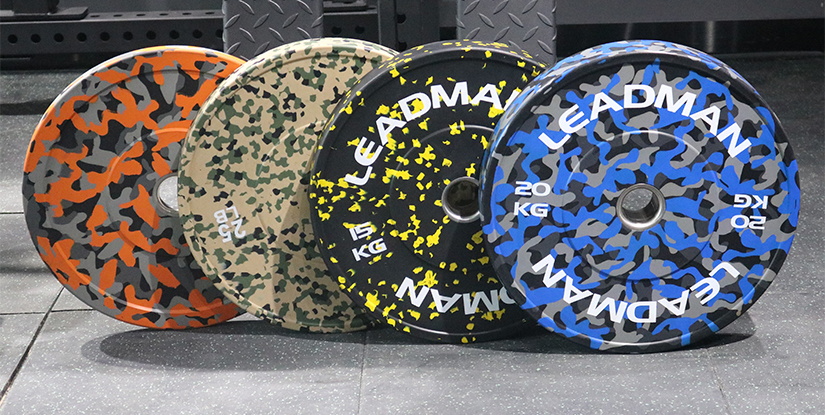
The maintenance requirements for these two classes of equipment differ significantly based on the intensity of your gym environment. For facilities prioritizing high-volume functional training, bumper plate longevity is generally higher because they are designed to absorb kinetic energy. However, even the most robust rubber can suffer from "deadness" or permanent deformation if subjected to extreme heat or improper storage. Routine inspections should focus on checking for surface cracking or uneven thickness to ensure safety and consistency.
On the other hand, competition-grade equipment demands a higher level of precision maintenance. Because these plates are built for strict weight standards and dimensional accuracy, they are more sensitive to environmental factors and physical abuse. In a professional training center, the replacement frequency for competition plates may be driven by a need to maintain strict tolerances rather than physical breakage. When sourcing olympic lifting equipment, we recommend assessing whether your staff can manage the stricter handling protocols required to preserve the integrity of high-precision assets. Ultimately, matching the plate's durability to your training style prevents premature capital expenditure.
To assist in your procurement strategy, we have synthesized a comparison of the expected lifecycle and economic impact for both weightlifting plate types. This overview helps clarify how different user profiles influence the long-term budget impact and asset turnover.
| User Profile | Primary Equipment | Usage Frequency | Expected Lifespan | Maintenance Level |
|---|---|---|---|---|
| Home Gym Enthusiast | Standard Bumper Plates | Moderate | High (5+ Years) | Low |
| Professional Training Facility | Competition Plates | High/Intense | Moderate (Depends on handling) | Moderate/High |
| Commercial CrossFit/HIIT Box | Heavy-Duty Bumper Plates | Extreme | Moderate (High wear/tear) | Moderate |
When weighing the competition plates vs bumper plates debate for your facility, consider that while competition plates offer superior precision, the gym weight plate comparison often favors bumpers for high-impact environments due to their lower replacement frequency and forgiving nature. Selecting the right tool for your specific gym environment ensures your capital is spent on assets that match your actual daily operational intensity.
Lifecycle maintenance planning for busy facilities
When managing a high-traffic facility, understanding the long-term durability of your investment is critical to controlling operational costs. The choice between competition plates vs bumper plates often comes down to how much upkeep your staff can realistically manage. Bumper plates are engineered for high-frequency use, specifically designed to withstand the impact of heavy drops. While the rubber exterior is resilient, the surface wear over several years may require monitoring for cracking or material degradation, especially in extreme temperature environments.
In contrast, precision-machilitied competition plates are much more delicate. Because they are often made of denser, harder materials to maintain strict calibration, they are not intended for repeated dropping. If used in a way that causes frequent impact, the maintenance frequency for these plates increases significantly, as even minor dents or scratches can compromise their professional standard. When weighing competition plates vs bumper plates for a commercial gym, remember that bumpers offer a "set and forget" longevity for heavy lifting, whereas competition plates require a more controlled, disciplined environment to prevent premature wear.
To streamline your procurement strategy, we have categorized these weightlifting plate types by their operational demands. Choosing the wrong category can lead to unexpected replacement costs or diminished training quality for your members.
| Feature/Requirement | Bumper Plates | Competition Plates |
|---|---|---|
| Maintenance Difficulty | Low (Routine cleaning) | Moderate (Requires calibration checks) |
| Replacement Cycle | Long (High impact resistance) | Variable (Sensitive to improper use) |
| Ideal Setting | CrossFit boxes, commercial gyms | Olympic lifting platforms, high-end studios |
| Primary Focus | Durability & Impact absorption | Precision & Weight accuracy |
When sourcing olymic lifting equipment, facility managers should prioritize the gym weight plate comparison based on the actual movement patterns of their clientele. If your facility hosts heavy drop-based workouts, the rugged nature of bumpers will protect your budget. However, if you are catering to competitive athletes who demand exactness, investing in high-quality competition plates is essential, provided your staff maintains a controlled environment to mitigate wear and tear.
Beyond the initial purchase, effective facility management relies heavily on standardized cleaning protocols and organized storage solutions. For rubberized bumper plates, a simple wipe-down with a damp cloth and mild detergent is usually sufficient to remove sweat and dust. However, neglecting this can lead to material buildup that affects grip and surface integrity. For the more sensitive materials found in high-end weightlifting plate types, avoid harsh chemical solvents that could degrade the finish or compromise weight calibration.
To maximize the longevity of your inventory, we recommend implementing strict storage habits. Rather than leaving plates on the floor where they can collect moisture or become trip hazards, utilize heavy-duty vertical or horizontal plate trees. Proper storage solutions prevent the warping of thin-profile plates and keep your training area professional. Whether you are deciding on competition plates vs bumper plates for a local studio or a large-scale commercial center, a proactive approach to upkeep ensures your equipment remains a high-performing asset rather than a recurring expense.