difference between olympic and standard weight plates
Vetting Manufacturers for Precision and Compliance
When sourcing high-volume orders, professional buyers must evaluate three critical checkpoints: long-term structural risk, technical specification compliance, and logistical consistency. A failure in any of these areas can lead to costly returns or damaged reputations. One of the most overlooked technical nuances is the barbell sleeve diameter consistency across different weight plate types. If a manufacturer lacks rigorous quality control, even a millimeter of deviation can cause plates to wobble or bind, leading to uneven weight distribution during heavy lifts.
This is why precision manufacturing is non-negotiable for long-term durability. In the commercial sector, equipment must withstand thousands of cycles of loading and unloading. If the inner diameter of the plates does not perfectly match the sleeve of the barbell, the resulting friction or loose fit can cause premature wear on the bar’s bearings and the plates themselves. For distributors and gym owners, investing in factory-direct suppliers that prioritize strict tolerance standards ensures that the equipment remains functional and safe under high-intensity training conditions.
Understanding the difference between olympic and standard weight plates is not just about size; it is about matching the equipment to the intended lifecycle of the facility. While standard plates are often sufficient for light, low-frequency use, professional-grade Olympic equipment is engineered for high-impact environments. To assist in your procurement decisions, we have synthesized a comparison based on the essential criteria found in our home gym equipment guide, focusing on long-term utility and operational costs.
| Feature/Metric | Standard Weight Plates | Olympic Weight Plates |
|---|---|---|
| Typical Usage | Light training, home use, low-frequency | Heavy lifting, CrossFit, high-traffic commercial gyms |
| Durability | Moderate; prone to wear with heavy dropping | High; built for impact and extreme volume |
| Maintenance | Basic cleaning; prone to rust if uncoated | Low; high-grade finishes protect against oxidation |
| Longevity | Short to medium term | Long-term/Permanent asset |
When evaluating durability, consider that Olympic plates generally offer better maintenance profiles due to advanced coating technologies. For buyers looking to minimize replacement frequency, selecting the correct weight plate types during the initial sourcing phase is the most effective way to ensure a high return on investment.
Beyond basic aesthetics, true value lies in a factory's ability to maintain strict manufacturing standards across every production batch. For high-volume procurement, you should prioritize suppliers that demonstrate a commitment to weight plate precision through automated calibration and rigorous testing. A slight deviation in the center hole diameter may seem negligible in small quantities, but in a commercial setting, it creates systemic issues with load stability and long-term use.
To mitigate risk, always verify if the manufacturer employs a comprehensive quality control protocol that includes weight tolerance verification and dimensional accuracy checks. Reliable manufacturers will provide data proving that their weight plate types meet international tolerances, ensuring they fit seamlessly on various barbell sleeve diameter specifications. By vetting for these technical capabilities rather than just the lowest price, you secure a durable asset that maintains its integrity through years of heavy-duty training cycles.
Technical Standards: Understanding Barbell Sleeve Diameter
Before finalizing your procurement list, you must understand the fundamental physical distinction between weight plate types. The primary factor determining compatibility is the barbell sleeve diameter. If you source the wrong sizing, your investment becomes unusable for your intended barbell setup.
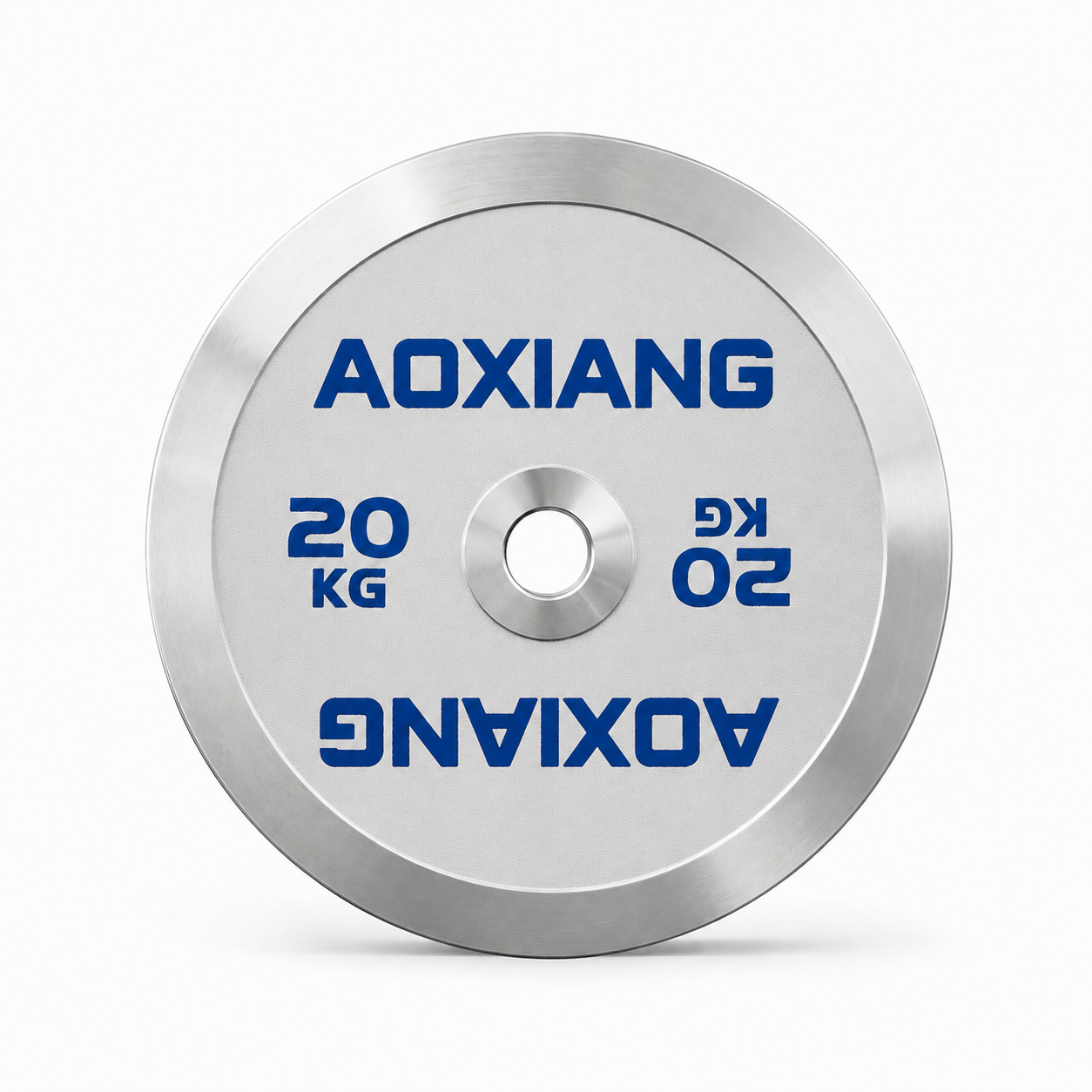
In the professional strength training industry, Olympic weight plates are the gold standard for high-performance facilities. These plates feature a 2-inch center hole, designed to fit heavy-duty Olympic barbells. This 2-inch vs 1-inch distinction is critical; while 2-inch sleeves offer better stability for heavy lifting, they are incompatible with lighter, residential-grade bars.
Conversely, standard weight plates typically utilize a 1-inch center hole. These are often found in entry-level home setups or lighter accessory equipment. When sourcing for a distributor or a commercial gym, always verify these dimensions first to ensure your home gym equipment guide requirements are met with precision and long-term utility.
To simplify your selection process, we have outlined the core technical specifications in the table below. Understanding the difference between olympic and standard weight plates is not just about size; it is about matching the right equipment to the intended environment and longevity requirements.
| Specification | Olympic Standard | Standard (1-Inch) |
|---|---|---|
| Diameter Size | 2-inch (50mm) center hole | 1-inch (25mm) center hole |
| Typical Use Case | CrossFit, Powerlifting, Commercial Gyms | Light Strength Training, Home Studios |
| Compatibility | Olympic Barbells only | Standard/Residential Barbells |
| Durability Profile | High-impact/Heavy load capacity | Lower impact/Light resistance focus |
As you navigate this home gym equipment guide, remember that while standard plates are often more budget-friendly for casual use, Olympic-style equipment offers much higher versatility for professional-grade training. Always cross-reference your barbell sleeve diameter with your intended barbell before placing a bulk order to avoid costly compatibility errors.
Beyond initial compatibility, the difference between olympic and standard weight plates significantly impacts long-term barbell longevity. Because Olympic equipment is designed for high-intensity movement, the interaction between the plate and the sleeve requires specialized care. The larger 2-inch barbell sleeve diameter typically accommodates high-end bearing/bushing care protocols, ensuring smooth rotation during heavy lifts. If dust or debris enters these components, it increases friction, which can prematurely wear down the internal mechanism and degrade the lifting experience.
To protect your investment, consistent sleeve maintenance is essential. For commercial-grade Olympic setups, we recommend periodic inspections of the sleeves to ensure the rotation remains fluid. While standard 1-inch plates are more robust due to their simpler design, they lack the sophisticated internal rotation found in professional gear. For distributors and facility owners, prioritizing high-quality weight plate types with precision-engineered sleeves will reduce replacement frequency and ensure the equipment withstands the rigorous demands of a high-traffic training environment.
Comparing Weight Plate Types for Different Training Intensities
When planning your facility layout or a personal workout area, the barbell sleeve diameter is the most critical factor in determining your actual footprint. The difference between Olympic and standard weight plates extends beyond just weight capacity; it directly impacts how much room you need for movement and storage. Because Olympic bars feature a larger 50mm sleeve, the plates extend further outward, requiring a wider clearance zone for safe lifting. Conversely, standard plates are more compact, making them a popular choice for limited-space environments.
In this home gym equipment guide, we examine how these weight plate types affect your spatial planning and storage logistics:
| Plate Type | Sleeve Diameter | Space Requirement | Storage Profile |
|---|---|---|---|
| Olympic | 50mm | High (Wide footprint) | Requires heavy-duty racks |
| Standard | 1-inch (25.4mm) | Low (Compact footprint) | Easier for small vertical racks |
Understanding the difference between Olympic and standard weight plates ensures you don't under-calculate the space efficiency of your setup. While Olympic setups offer superior space efficiency for high-performance training, standard setups remain a viable option for tight quarters where a smaller barbell sleeve diameter can minimize the total training radius.
Beyond physical dimensions, selecting the correct equipment depends heavily on your intended training intensity. High-performance athletes and commercial strength facilities typically prioritize Olympic setups because the larger diameter allows for rapid weight increments and higher load capacities. However, for users focusing on high-repetition, low-impact movements, the compact nature of standard plates may be more efficient.
To help you visualize the functional application of these weight plate types, consider how your training goals align with the physical footprint of the equipment:
| Training Context | Preferred Plate Type | Primary Focus | Typical Space Usage |
|---|---|---|---|
| Heavy Strength/Powerlifting | Olympic | Maximal Load & Stability | Expansive (Wide Radius) |
| General Fitness/Light Aerobics | Standard | Compactness & Mobility | Minimal (Tight Radius) |
| Commercial Gym/CrossFit | Olympic | Durability & High Volume | Significant (Safety Clearance) |
Ultimately, the difference between Olympic and standard weight plates is a trade-off between specialized performance and space usage. If your facility prioritizes heavy lifting, plan for the wider footprint of the 50mm sleeve. If you are optimizing for a small footprint, the standard diameter provides a more streamlined profile.
When designing a long-term home gym setup, your choice should reflect both your current area and your future training goals. While a compact 1-inch barbell diameter offers immediate space-saving benefits, it may limit your ability to scale as you progress toward heavier lifting. Olympic equipment, though requiring a larger footprint, provides the modularity needed for advanced strength training and professional-grade durability.
We recommend evaluating your available floor area before finalizing your order. If you anticipate moving toward high-intensity compound lifts, investing in the Olympic standard now prevents the need for a complete equipment overhaul later. However, if your primary objective is light resistance or strictly functional movement within a confined corner, the standard weight plate types will maximize your utility without overwhelming your room. Always consider the total training radius to ensure your home gym setup remains both safe and efficient as your strength evolves.
Optimizing Your Home Gym Equipment Guide with Material Selection
When constructing a private facility, the primary driver for many procurement decisions is the bottom line. If you are developing a home gym equipment guide for clients focused on entry-level training, understanding the financial advantages of certain weight plate types is essential. While high-performance athletes demand precision, many enthusiasts prioritize a budget-friendly approach to build out their strength zones.
This is where standard weight plates offer a significant advantage. Because they utilize a smaller barbell sleeve diameter—typically one inch—the manufacturing process is often less complex and the raw material volume is lower compared to their Olympic counterparts. For those setting up a garage gym or a basic fitness studio, choosing standard plates allows for a much higher volume of equipment within a limited capital expenditure. By opting for these standard specifications, buyers can scale their weight sets more rapidly without the premium price tag associated with heavy-duty Olympic hardware, making it an ideal solution for cost-conscious fitness startups.
However, a lower initial price point does not always equate to better value. When evaluating the difference between olympic and standard weight plates, savvy buyers must look beyond the immediate invoice to consider the long-term investment and scalability of their facility. While standard plates are affordable for basic setups, Olympic equipment is engineered for high-frequency use and much heavier loading capacities, which directly impacts its durability and resale potential.
To help you determine which weight plate types align with your financial and operational goals, we have outlined the cost-to-value ratio below:
| Investment Metric | Standard Weight Plates | Olympic Weight Plates |
|---|---|---|
| Initial Capital Outlay | Low (Budget-friendly) | Moderate to High (Premium) |
| Long-term Durability | Moderate (Best for light use) | High (Built for heavy lifting) |
| Scalability Potential | Limited (Fixed diameter) | High (Standard for growth) |
| Best Value For | Beginners & Home Enthusiasts | Serious Lifters & Commercial Gyms |
Ultimately, choosing the right path depends on whether you are prioritizing a low-cost entry point or building a robust, expandable strength system that can withstand years of rigorous training.
When optimizing your home gym, the most cost-effective strategy is to align your material selection with your long-term training trajectory. If your goal is purely functional strength with minimal overhead, standard plates serve as an excellent starting point. However, if you envision your facility evolving into a high-performance space, investing in professional-grade Olympic equipment from the outset is often the smarter financial move. While the initial difference between olympic and standard weight plates in terms of price is noticeable, the ability to upgrade bars and expand your load capacity without replacing your entire inventory is a significant advantage. We recommend starting with a high-quality Olympic barbell and a foundational set of plates to ensure seamless future expansion, rather than outgrowing a standard setup too quickly. This approach balances immediate budget constraints with the necessity of a durable, scalable training environment.
Managing Long-term Reliability and Warranty Claims
When sourcing for a commercial facility or a high-end studio, the difference between olympic and standard weight plates often comes down to how the equipment handles repetitive stress. A critical factor in long-term reliability is the barbell sleeve diameter. Standard barbells typically feature a 1-inch sleeve, which is more prone to excessive friction and mechanical wear when subjected to heavy loading. Because the smaller surface area offers less stability, the constant shifting of weight can lead to premature degradation of the barbell's internal bearings or bushings.
In contrast, Olympic equipment utilizes a 2-inch barbell sleeve diameter, designed to accommodate a wider variety of weight plate types and much higher capacities. This larger diameter distributes the load more effectively, reducing the friction encountered during high-velocity movements. For distributors and gym owners, investing in Olympic-standard setups minimizes the risk of frequent replacement cycles. Understanding these structural nuances ensures your home gym equipment guide recommendations—or your commercial inventory—prioritize durability and long-term value over initial cost savings.
Durability is not just about the material, but how that material reacts to environmental factors and high-frequency use. When evaluating weight plate types, buyers must consider whether the investment will withstand years of heavy lifting or require constant upkeep. For instance, while cast iron is a staple, rubber-coated options often provide superior protection for flooring and reduce noise, though they require different storage considerations. To help you navigate these weight plate types, we have outlined the general expectations for longevity and maintenance below.
The following table highlights the difference between olympic and standard weight plates regarding their structural resilience and upkeep requirements, a vital metric for any home gym equipment guide.
| Plate Type | Typical Material | Wear Resistance | Maintenance Level | Best For |
|---|---|---|---|---|
| Standard Plates | Cast Iron / Vinyl | Moderate | Low | Light Home Use |
| Olympic Bumper Plates | High-Density Rubber | High | Low to Moderate | CrossFit & High-Impact |
| Olympic Cast Iron | Solid Iron | Very High | Low (Rust Prevention) | Heavy Strength Training |
Selecting the right equipment depends on your training intensity. While standard plates offer a cost-effective entry point, Olympic-grade equipment generally provides a much higher return on investment due to its ability to endure rigorous, professional-grade movement patterns.
To protect your investment and minimize the frequency of returns, strict adherence to proper storage and routine inspection is essential. Regardless of the difference between olympic and standard weight plates, environmental exposure remains a primary cause of degradation. For example, leaving iron plates in high-humidity areas without adequate storage solutions can lead to oxidation, which complicates warranty considerations. We recommend keeping all metal components in climate-controlled environments to preserve the integrity of the coating and the bearing systems.
Regular inspection of the barbell sleeve diameter and the contact points of your weight plate types can prevent minor wear from becoming a structural failure. By identifying slight surface rust or sleeve irregularities early, you can maintain equipment longevity and ensure any potential warranty considerations are met with documented evidence of proper care. As a final tip for your home gym equipment guide, always verify that the weight is distributed evenly during loading to prevent uneven stress on the barbell, which is a leading cause of premature mechanical fatigue in commercial settings.
Logistics and Landed Cost Realities for Bulk Orders
When evaluating the difference between olympic and standard weight plates, many buyers focus solely on the initial purchase price, but a professional procurement strategy looks at the total cost of ownership. Standard plates are often seen as a budget-friendly entry point for light-duty setups because they are lighter and easier to ship. However, because of their smaller barbell sleeve diameter, they lack the versatility required for progressive strength training, often leading to premature replacement costs as your facility grows.
In contrast, investing in Olympic weight plate types represents a superior long-term investment for commercial or serious home gym environments. While the upfront cost and shipping logistics for higher-density Olympic plates may be higher, their compatibility with professional-grade bars ensures longevity. From a sourcing perspective, purchasing Olympic equipment in bulk provides better scaling potential. Once you have established your inventory with the correct barbell sleeve diameter standards, you won't face the hidden costs of outgrowing your equipment or being forced to replace an entire set of non-standard gear just to increase your training intensity.
Understanding the cost vs durability ratio is essential for any long-term home gym equipment guide. While standard plates may offer lower initial shipping fees due to their smaller footprint, they often lack the structural resilience required for high-volume use. For distributors and facility owners, selecting the right weight plate types is a balance between immediate capital expenditure and future-proofing your inventory.
To assist in your procurement planning, we have outlined a standard vs olympic comparison table focused on the practicalities of budget and utility:
| Consideration | Standard Weight Plates | Olympic Weight Plates |
|---|---|---|
| Initial Investment | Lower (Ideal for light use) | Higher (Professional grade) |
| Space Efficiency | High (Smaller diameter) | Moderate (Requires more room) |
| Durability/Lifespan | Lower (Prone to wear) | High (Built for heavy loads) |
| Typical Use Case | Entry-level/Residential | Commercial/Serious Training |
When sourcing, consider that the space efficiency of standard plates is a benefit for compact setups, but the difference between olympic and standard weight plates becomes most apparent when you factor in the replacement cycles of lower-quality gear.
Beyond the unit price, savvy buyers must account for the logistical complexities of shipping costs and total landed weight. Because Olympic plates are designed for a larger barbell sleeve diameter, they are inherently denser and more substantial. When calculating bulk order considerations, this increased mass significantly impacts freight volumes and heavy-duty shipping requirements. While standard plates might offer a lower storage footprint due to their smaller diameter, they often lack the density required for high-performance training, meaning you may eventually need to order more units to reach desired weight increments.
For those following a home gym equipment guide for long-term scaling, the weight distribution of Olympic gear is a critical factor. While the initial shipping costs may be higher due to the sheer mass of high-quality iron or bumper plates, the ability to stack more weight on a single bar provides better efficiency. When planning your space, remember that Olympic sets require more significant storage footprint considerations for racks and specialized shelving, but the long-term value of having a standardized, professional-grade inventory far outweighs the minor savings found in smaller, non-standard weight plate types.
Lifecycle maintenance planning for busy facilities
When managing a high-traffic commercial facility, understanding the difference between olympic and standard weight plates extends beyond mere sizing; it dictates your long-term operational overhead. Standard plates, typically designed for smaller barbell sleeve diameter requirements, are often found in budget-friendly or light-duty settings. However, in heavy-use environments, these can experience accelerated wear and tear on the bar sleeves due to less precise tolerances.
In contrast, Olympic equipment is engineered for high-performance durability. Because Olympic plates are designed to fit a larger barbell sleeve diameter (50mm), the load distribution is more stable, which significantly reduces the mechanical stress on your barbell components. For facility owners, this distinction is vital for maintenance frequency. While standard weight plate types might require more frequent inspections and replacements in a commercial setting, high-quality Olympic sets offer a more predictable lifecycle. Investing in the correct weight plate types during your initial procurement phase ensures that your home gym equipment guide or commercial setup remains functional with minimal downtime and lower long-term replacement costs.
To assist with your procurement strategy, we have outlined how different weight plate types impact your operational budget and upkeep schedules. Selecting the right equipment involves balancing initial capital expenditure against long-term reliability.
| Feature | Standard Plates | Olympic Plates |
|---|---|---|
| Ideal Setting | Residential/Home Gym | Commercial/Performance Gym |
| Maintenance Difficulty | Moderate (Prone to surface rust/wear) | Low (Robust construction) |
| Lifespan | Short to Medium | Long-term/High-endurance |
| Cost-effectiveness | High initial savings | High long-term ROI |
When following a home gym equipment guide, standard plates may seem attractive due to their lower entry price. However, for professional distributors or facility managers, the difference between olympic and standard weight plates becomes clear when calculating total cost of ownership. Olympic plates offer superior stability and a longer lifecycle, making them the more economical choice for high-intensity environments where frequent replacement would disrupt revenue and operations.
Beyond the initial purchase, your long-term asset value depends heavily on your daily cleaning protocols and environmental control. Whether you are managing a small studio or a large-scale facility, the material composition of your weight plate types dictates your upkeep strategy. For instance, iron-based standard plates are highly susceptible to oxidation if left in humid environments. To ensure effective rust prevention, we recommend implementing a routine that includes wiping down surfaces with a non-abrasive, dry cloth after heavy sessions to remove sweat and moisture.
Proper storage solutions are equally critical to protecting your investment. For high-end Olympic sets, utilizing dedicated plate trees or heavy-duty racks prevents the plates from sitting directly on damp concrete floors, which can compromise the integrity of the center hole and the barbell sleeve diameter interface. As part of a comprehensive home gym equipment guide for professional users, we suggest periodic inspections of the metal surfaces. A light application of a specialized silicone-based lubricant can help maintain the smoothness of the contact points, ensuring that the difference between olympic and standard weight plates is reflected in your equipment's longevity and performance quality.