How to Choose the Right Olympic Kettlebell Set for Home
Defining Your Strength Training Standards
When a boutique fitness studio or a high-end residential gym manager evaluates a procurement list, they rarely look at the sticker price in isolation. Instead, they analyze the lifecycle of the equipment. If you are investing in an olympic kettlebell set, the initial outlay is a direct reflection of the intended training intensity. Low-cost, cast-iron alternatives may seem attractive for a budget-conscious home setup, but they often lack the precision and structural integrity required for advanced kettlebell strength building. For those prioritizing long-term value, the goal is to find a balance between upfront expenditure and the endurance of the gear.
In the world of professional fitness, we view this as an investment vs. cost calculation. A high-quality olympic kettlebell set built with premium materials ensures consistent weight distribution and superior durability. While cheaper sets might fail under heavy use or show signs of wear through paint chipping and handle deformation, professional-grade equipment remains a stable asset. Choosing a set that can withstand rigorous, high-frequency training sessions ensures that your home gym weight sets remain functional for years, rather than becoming a recurring expense.
Budget Allocation and Configuration Strategies
To maximize the utility of your purchase, it is helpful to categorize your spending into specific budget tiers based on the desired versatility of your training. A common mistake is purchasing a broad range of weights that lack logical weight increments, leaving gaps in your progression. For example, an entry-level configuration might focus on a foundational group of weights for mobility and conditioning, whereas a more advanced adjustable kettlebell training setup requires precise, standardized jumps to facilitate progressive overload.
When sourcing home gym weight sets, consider these three typical investment profiles:
- The Essential Tier: Focuses on a limited number of high-utility weights (e.g., 8kg to 16kg) for fundamental movement patterns.
- The Intermediate Tier: Expands the range to include heavier loads (up to 24kg) to support kettlebell strength building and metabolic conditioning.
- The Comprehensive Tier: A full-spectrum collection designed for high-performance training, offering seamless transitions between light and heavy resistance.
Beyond the initial purchase, the true expense of a fitness kit is found in its replacement cycle. Many buyers fall into the trap of selecting low-grade casting that lacks proper material integrity, leading to uneven weight distribution or handle roughness over time. While these "budget" options appear cost-effective at the point of sale, they often necessitate frequent replacements as the physical components degrade under standard use. This creates a cycle of hidden costs that undermines the efficiency of your home gym setup.
To ensure your olympic kettlebell set serves as a permanent fixture rather than a temporary fix, we recommend prioritizing strict quality standards. Look for equipment that utilizes high-density iron or precision-molded coatings that resist chipping and oxidation. Investing in a standardized, high-caliber olympic kettlebell set ensures that your progression is never interrupted by equipment failure. By selecting gear that meets professional specifications, you effectively minimize the total cost of ownership, making your long-term kettlebell strength building journey both predictable and sustainable.
Essential Specifications for Long-Term Durability
When investing in a high-quality olympic kettlebell set, the long-term value is determined by material integrity rather than just the initial price point. For home users performing high-velocity movements, the risk of structural failure or surface degradation is a legitimate concern. We generally recommend prioritizing professional-grade materials that can withstand repeated high-impact contact with flooring and frequent handling.
The debate between cast iron vs. steel often comes down to the intended training style. Cast iron provides a compact, traditional feel, while steel construction often allows for more precision in weight distribution. Regardless of the base metal, a high-quality powder coating is non-negotiable. This finish serves as a critical barrier against oxidation and moisture, ensuring that your home gym weight sets remain rust-free even in humid environments. Superior impact resistance in the coating prevents chipping during heavy swings or accidental drops, which is vital for sustained kettlebell strength building. Selecting equipment with these robust manufacturing standards ensures your kit remains a reliable asset for years of intense training.
To make an informed procurement decision, it is helpful to visualize how different builds perform under varying environmental and mechanical stresses. While a single olympic kettlebell set may serve multiple purposes, the material composition dictates its lifecycle and the level of care required. For instance, while cast iron is a staple in many home gym weight sets, its surface susceptibility to oxidation differs significantly from coated steel or urethane options.
The following table compares common material types to help you determine which configuration best aligns with your specific training environment and maintenance capacity.
| Material Type | Durability Level | Best For (Scenario) | Maintenance Needs |
|---|---|---|---|
| Cast Iron | High | Traditional strength training & compact storage | Low; occasional wiping to prevent rust |
| Powder-Coated Steel | Very High | High-frequency adjustable kettlebell training | Minimal; keep coating intact to avoid oxidation |
| Urethane/Rubber Coated | Maximum | High-impact drops & floor protection | Moderate; check for coating tears or peeling |
Choosing the right build is essential for effective kettlebell strength building. If your setup is located in a garage or an unconditioned space, prioritizing a heavy-duty coating will significantly extend the lifespan of your investment.
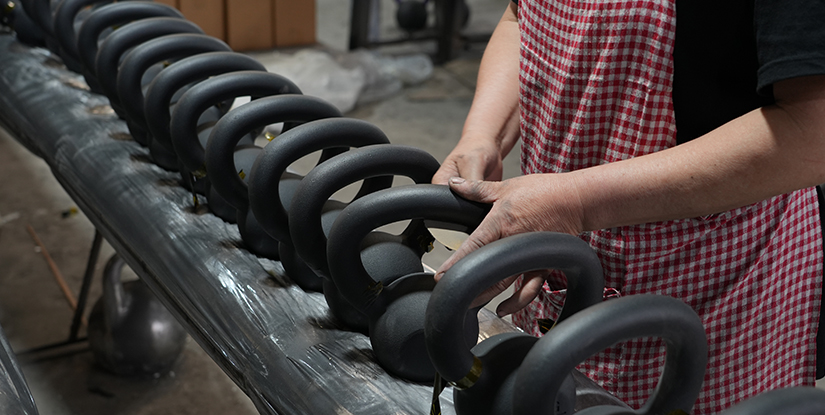
Beyond the external coating, the true measure of a premium olympic kettlebell set lies in the technical precision of its construction. For serious practitioners, a slight deviation in mass or a poorly finished handle can disrupt training rhythm and compromise safety. When evaluating potential kits, we suggest looking closely at the manufacturing tolerances regarding weight precision. In a high-quality set, each bell should adhere to strict weight increments without noticeable variance, ensuring that as you progress through your adjustable kettlebell training, your strength gains are tracked against consistent, reliable loads.
Ergonomics and Precision Engineering
The tactile experience of the handle is where many budget options fail. A high-grade olympic kettlebell set must feature exceptional handle smoothness to prevent friction-related calluses during high-repetition swings. We often see lower-tier products with casting imperfections or rough seams that can irritate the skin. Instead, prioritize sets where the handle geometry is smooth and the surface texture is uniform. This level of detail is not just a luxury; it is a critical component of a long-term investment. By selecting equipment that prioritizes both weight precision and ergonomic refinement, you ensure that your home gym weight sets remain a high-performance asset that supports your evolving fitness goals without the need for frequent replacement.
Optimizing Weight Increments for Progressive Loading
A common pitfall in home gym procurement is selecting a collection that lacks logical progression. For effective kettlebell strength building, the gaps between weights must be calibrated to allow for steady, incremental challenges. If the jump from one weight to the next is too drastic, users often hit a plateau where the resistance is either too easy to stimulate growth or too heavy to maintain proper form. A high-quality olympic kettlebell set should feature standardized weight increments—typically 2kg or 4kg intervals—to facilitate seamless progressive loading.
When sourcing these sets for distribution or personal use, consider how the physical footprint of the collection will evolve. Larger sets require more sophisticated organizational solutions to maintain a professional training environment.
| Storage Configuration | Space Efficiency | Access Speed | Ideal For |
|---|---|---|---|
| Vertical A-Frame | High | Moderate | Small residential setups |
| Horizontal Tiered Rack | Moderate | Fast | Comprehensive home gym weight sets |
| Wall-Mounted Brackets | Maximum | Slow | Minimalist, compact spaces |
Ensuring your collection follows a logical weight curve is the most effective way to guarantee long-term utility and user satisfaction.
Beyond storage, the primary decision for any buyer involves choosing between the longevity of fixed weights and the space-saving versatility of modern alternatives. Depending on whether your priority is long-term durability or immediate budget optimization, the following comparison outlines the trade-offs between traditional iron sets and adjustable kettlebell training systems.
| Feature | Standard Fixed Increments | Adjustable Systems |
|---|---|---|
| Weight Increment Size | Consistent, standardized jumps (e.g., 2kg or 4kg) | Highly granular, often customizable by single kg |
| Durability & Lifespan | Exceptional; ideal for high-impact use | Moderate; mechanical parts require care |
| Space Requirement | Significant; requires dedicated home gym weight sets racks | Minimal; one unit replaces multiple individual bells |
| Cost-Effectiveness | Higher upfront cost for full olympic kettlebell set | Lower entry price for high versatility |
For distributors or serious enthusiasts, the choice hinges on the intended training intensity. While fixed sets offer the ruggedness required for heavy ballistic movements, adjustable kettlebell training provides a streamlined solution for those prioritizing rapid progression without the clutter of multiple heavy iron bells.
To protect your long-term investment, proactive maintenance is essential, regardless of whether you have chosen a fixed or adjustable model. For traditional cast iron or steel bells, keeping the surface free of moisture and dust prevents oxidation and surface rust, which can compromise both aesthetics and grip. We recommend a simple routine of wiping down the handles and body with a dry cloth after intense sessions to ensure the equipment remains in peak condition for years of service.
As your weight progression accelerates, your procurement strategy should shift toward organized storage solutions. A growing collection of heavy iron can quickly become a safety hazard if not properly managed. Investing in a dedicated rack or specialized shelving not only optimizes your floor space but also preserves the structural integrity of the equipment by preventing accidental drops. By treating your olympic kettlebell set as a professional-grade asset, you ensure that your home gym weight sets remain a reliable, high-performance centerpiece of your strength training environment for the long haul.
Material Integrity and Grip Ergonomics
When investing in a high-quality olympic kettlebell set, the structural integrity of the build is your first line of defense against rapid depreciation. For serious enthusiasts, selecting the right material is not just about weight, but about ensuring the equipment remains a long-term home gym investment. Generally, the market offers a distinction between cast iron vs. steel constructions; while cast iron is highly common for its density and cost-effectiveness, high-grade steel often provides superior resilience under high-impact usage.
Beyond the core material, the quality of the finish determines how well the set withstands environmental moisture and sweat. A premium powder coating is essential to prevent oxidation and surface degradation. Without a robust, professional-grade coating, even the best home gym weight sets can succumb to rust, compromising both the aesthetic and the grip. For those prioritizing kettlebell strength building, a durable, textured finish ensures that the grip remains consistent and reliable, regardless of how intense the training session becomes.
True durability extends beyond the outer shell and into the precision of the handle design. When sourcing an olympic kettlebell set, the handle diameter is a critical specification that dictates both comfort and safety. A diameter that is too narrow can cause excessive pressure on the fingers, while one that is too wide may hinder stability during complex movements. For effective kettlebell strength building, the handle must offer a seamless, ergonomic profile that accommodates various hand sizes without creating friction points.
Furthermore, the surface texture plays a decisive role in high-intensity sessions. We recommend looking for a finish that prioritizes sweat resistance through specialized micro-texturing. This ensures that even during vigorous adjustable kettlebell training, the user maintains a secure, non-slip hold. High-quality grip ergonomics are not merely a luxury; they are a fundamental safety requirement that prevents accidental drops and ensures long-term reliability for any serious home fitness setup.
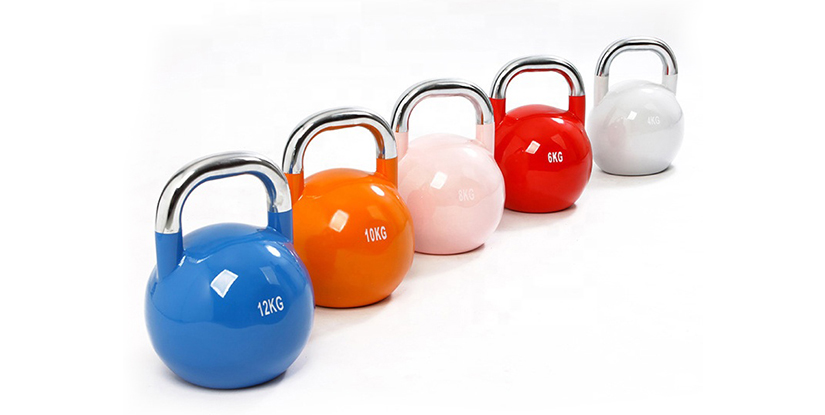
To help you navigate your procurement decisions, we have categorized the most common material finishes found in professional-grade home gym weight sets. Choosing the right finish depends heavily on whether your primary concern is tactile feedback, environmental protection, or sheer impact resistance during kettlebell strength building.
| Material Type | Durability Level | Grip Feel | Best Use Case |
|---|---|---|---|
| Cast Iron | High (Impact Resistant) | Rough/Textured | Standard strength training & high-volume lifting |
| Competition/Steel | Very High (Precision) | Smooth/Consistent | Advanced adjustable kettlebell training & technical drills |
| Vinyl Coated | Moderate (Surface Protection) | Soft/Non-Slip | Home environments with flooring concerns (low noise) |
While an olympic kettlebell set made of cast iron offers the ruggedness needed for heavy swings, those opting for more specialized adjustable kettlebell training may prefer the smooth, balanced profile of steel. If your setup is in a multi-purpose room, a coated finish can provide an extra layer of protection for your surfaces, though it may lack the raw tactile feedback sought by elite lifters.
Space-Efficient Storage Solutions for Home Environments
One of the primary hurdles when integrating a high-quality olympic kettlebell set into a residential setting is the footprint. Unlike compact dumbbells, the varying diameters of heavy iron weights can quickly clutter a room, making even a dedicated workout corner feel cramped. For many fitness enthusiasts and boutique studio owners, managing home gym weight sets requires a strategic approach to floor space optimization to ensure the training area remains safe and functional.
To mitigate this, we recommend prioritizing vertical storage over horizontal floor racks. Utilizing tiered, upright shelving or specialized wall-mounted cradles allows you to lift the weight off the ground, reclaiming valuable square footage. By moving your adjustable kettlebell training equipment into a vertical plane, you not only maintain a professional, organized aesthetic but also protect your flooring from the impact of heavy iron, ensuring your long-term kettlebell strength building setup remains both durable and streamlined.
Selecting the right configuration is as much about your living environment as it is about your training intensity. Whether you are working with a minimalist studio apartment or a spacious basement, the way you house your olympic kettlebell set determines how easily you will stick to your routine. A poorly managed setup can lead to tripping hazards or damaged flooring, undermining the long-term durability of your investment.
To help you decide which direction to take, we have compared the most common storage configurations used in modern home gym weight sets. This comparison focuses on space-efficiency and accessibility to ensure your adjustable kettlebell training remains seamless and organized.
| Storage Type | Space Requirement | Best For | Ease of Access |
|---|---|---|---|
| A-Frame Floor Rack | Moderate (Horizontal) | Large basements or dedicated rooms | High (Easy to grab) |
| Vertical Tiered Stand | Low (Vertical) | Small apartments or corners | Medium (Requires lifting) |
| Wall-Mounted Cradles | Minimal (Wall-bound) | Ultra-compact home setups | Low (Requires more effort) |
When planning your kettlebell strength building station, always account for the "buffer zone" around your rack. Even the most compact storage solution needs clearance to allow for safe weight transitions and unboxing.
Beyond the physical dimensions of the rack, true organization lies in the ability to transition between different weight increments without a chaotic footprint. For a compact home gym, the goal is to facilitate versatile training without needing to move heavy furniture or clear large sections of the floor every time you switch exercises. A well-structured station allows you to move from heavy swings to lighter, high-repetition movements with zero friction.
When sourcing or selecting your gear, consider how the weight progression aligns with your available room layout. A tiered system that keeps your olympic kettlebell set within arm's reach—but safely off the ground—minimizes the visual and physical clutter that often plagues residential fitness spaces. By prioritizing high-density storage, you ensure that your kettlebell strength building journey remains a streamlined part of your lifestyle rather than a logistical burden in a small space.
Evaluating Versatility Across Training Modalities
When investing in a premium olympic kettlebell set, the true measure of value lies in its ability to grow alongside the user. A common pitfall for home gym owners is purchasing a static weight range that lacks sufficient weight increments. Without a logical progression of resistance, even the highest-quality equipment becomes obsolete once the user reaches a plateau. To ensure a high return on investment, the set must facilitate progressive overload—the fundamental principle of strength building where resistance increases to challenge the body consistently.
For those interested in adjustable kettlebell training, versatility is non-negotiable. A well-curated collection allows for seamless transitions between high-repetition metabolic conditioning and heavy, low-rep strength sessions. By selecting a set with granular weight jumps, users can avoid the stagnation that often leads to abandoned home workouts. We recommend prioritizing sets that offer a broad spectrum of resistance to ensure your equipment remains a functional asset for years of evolving physical development.
To maximize your long-term value, it is essential to balance the budget vs. utility equation. Depending on your specific training modalities—whether you are focused on explosive power, endurance, or pure hypertrophy—the ideal home gym weight sets configuration will differ. A set that offers high versatility through diverse weight jumps provides much higher utility than a limited selection of heavy bells that lack intermediate steps.
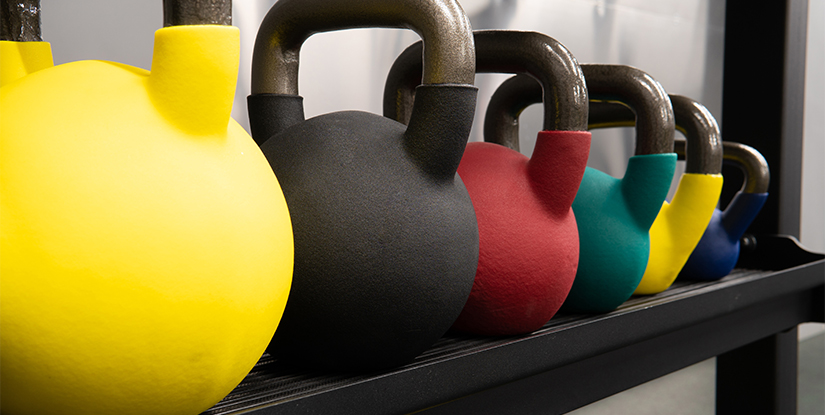
The following comparison helps categorize common investment paths based on typical user progression and equipment needs:
| Investment Tier | Primary Focus | Ideal For | Long-term Utility |
|---|---|---|---|
| Entry-Level Set | Foundational Movement | General Fitness & Mobility | Moderate (limited as strength grows) |
| Intermediate Set | Kettlebell strength building | Strength & Hypertrophy | High (covers most progression stages) |
| Advanced/Complete Set | Total Athleticism | Cross-training & Heavy Lifting | Maximum (supports high-level adjustable kettlebell training) |
When sourcing your olympic kettlebell set, consider that a slightly higher upfront cost for a more comprehensive range often results in a lower cost-per-use over several years of training.
Beyond weight increments, the true long-term value of your purchase is dictated by the physical integrity of the equipment. High-performance movements such as snatches, cleans, and heavy swings subject the bell to significant centrifugal forces and potential impact with the floor. Therefore, prioritizing high high-impact resistance is essential to prevent chipping, cracking, or structural failure over time.
A quality olympic kettlebell set must feature a seamless, ergonomic handle and a robust casting or coating that can withstand the rigors of daily use. When we evaluate a long-term home gym investment, we look for superior durability that ensures the center of gravity remains stable even after hundreds of repetitions. Investing in equipment with high-grade materials and precision finishing is not just about aesthetics; it is about ensuring that your tools for kettlebell strength building remain safe and reliable, regardless of the intensity of your training sessions.
Selecting the Right Set for Your Fitness Goals
When building a home training space, many enthusiasts face a common dilemma: should they purchase individual pieces as they progress, or commit to a full olympic kettlebell set from the start? While buying single units might seem more budget-friendly in the short term, it often leads to higher cumulative costs and fragmented home gym weight sets that lack consistency in grip diameter and balance.
From a procurement standpoint, viewing a complete set as an investment vs. expense is crucial. A comprehensive collection facilitates progressive overload, allowing users to seamlessly transition between weight increments without the logistical headache of sourcing mismatched equipment. By investing in a standardized olympic kettlebell set upfront, you secure long-term value through uniform manufacturing standards and durability. This approach ensures that as your strength evolves, your equipment remains a reliable constant, preventing the need for frequent, costly re-orders and ensuring your training remains uninterrupted and professional.
To effectively manage your budget, it is helpful to categorize your purchasing strategy into specific budget tiers based on your current training stage and long-term objectives. Whether you are a novice or a seasoned lifter, understanding the cost-to-utility ratio is essential for efficient kettlebell strength building.
Tiered Investment Strategies: Beginner vs. Advanced
For those just starting, a compact selection of lighter weights is often sufficient. This entry-level approach focuses on mastering fundamental movements before committing to heavy iron. However, for those pursuing adjustable kettlebell training or high-performance routines, a more robust configuration is required to sustain progress.
| Training Stage | Typical Configuration | Focus & Value |
|---|---|---|
| Beginner | Small selection (e.g., 4kg – 16kg) | Low initial cost; ideal for mastering form and basic conditioning. |
| Intermediate | Standard home gym weight sets (e.g., 8kg – 24kg) | Balanced investment; covers most functional strength milestones. |
| Advanced | Comprehensive olympic kettlebell set (e.g., 12kg – 32kg+) | Maximum versatility; optimized for heavy weight increments and long-term growth. |
While the advanced tier requires a higher upfront capital outlay, it eliminates the friction of repeated shipping costs and ensures that your weight increments remain consistent as you push your physical limits.
Beyond the Price Tag: Durability and Material Quality
A low initial price point can often be a deceptive metric when selecting an olympic kettlebell set. In the world of professional-grade fitness, the cheapest option frequently translates to a "disposable" product that requires frequent replacement. To truly understand the cost-per-use, you must look beyond the checkout total and evaluate the material quality and durability of the construction.
For example, there is a significant distinction between standard cast iron and high-end competition grade equipment. While basic cast iron is cost-effective for light conditioning, it may lack the precision and surface smoothness required for advanced kettlebell strength building. Premium sets often feature refined finishes that prevent chipping and ensure a consistent grip, which is vital for long-term maintenance. Choosing a set with superior manufacturing standards means you won't be dealing with rust, uneven weight distribution, or ergonomic failures after just a few months of heavy use. Investing in a high-quality home gym weight sets configuration ensures that your equipment survives years of rigorous training, ultimately saving you from the recurring expense of replacing substandard gear.