How Much Are Olympic Weight Plates? A Pricing Guide
Defining Your Procurement Standards for Weight Plate Sets
Before diving into the specifics of how much are olympic weight plates, professional buyers must first establish a baseline for their investment. Successful procurement relies on balancing three critical checkpoints: assessing the long-term durability risks of low-grade materials, ensuring the technical specifications meet international standards, and accounting for the logistical weight of bulk shipping. By prioritizing these factors early, you can effectively manage your home gym equipment budget without sacrificing the integrity of your training environment.
Understanding olymplic bumper plate prices requires a clear distinction between material types and their intended use. For instance, the choice between traditional iron and high-density rubber significantly impacts the cost of weight plates and their operational lifespan. While iron plates offer a more budget-friendly entry point, they lack the shock absorption required for high-impact movements. Conversely, premium rubberized bumpers are engineered for durability and floor protection, offering a higher upfront investment that pays off through reduced equipment wear and tear in high-intensity settings.
To streamline your selection process, we have categorized the most common market standards. This framework helps you visualize how material density and manufacturing precision influence the total cost of weight plates across different tiers of utility.
| Standard Level | Typical Material | Best Use Case | Price Tier |
|---|---|---|---|
| Entry-Level | Cast Iron or Thin Rubber | Residential/Home Use | Low |
| Intermediate | Standard Bumper Rubber | Small Studios/CrossFit Boxes | Mid |
| Professional | High-Density Urethane (PU) | Commercial Gyms/Competition | High |
When evaluating olympic bumper plate prices, it is essential to look beyond the immediate sticker price. While entry-level options may seem attractive for a tight home gym equipment budget, professional-grade equipment often provides superior long-term value. High-density materials reduce vibration and protect your flooring, ultimately lowering the frequency of replacement and maintenance costs. For distributors and gym owners, investing in higher-tier specifications is a strategic move to ensure equipment longevity and reliability in high-traffic environments.
A common pitfall in procurement is focusing solely on the initial purchase price rather than a long-term investment perspective. Many buyers are tempted by cheap, low-quality alternatives that appear to save money upfront, but these often lead to premature degradation, uneven weight distribution, or damaged flooring. When you prioritize quality control considerations for home users or small studio owners, you are actually protecting your future capital. A set of high-density plates may have a higher entry point, but their ability to withstand thousands of repetitions without cracking or losing calibration makes them a much more cost-effective solution over several years.
To maximize your home gym equipment budget, we recommend a "cost-per-use" mindset. Instead of asking how much are olympic weight plates in isolation, ask how many years of high-intensity training a specific set will provide. By avoiding cheap low-quality alternatives that require frequent replacement, you ensure that your training environment remains consistent, safe, and professional for the long haul.
Decoding the Price Variance Between Bumper and Iron Plates
When calculating how much are olympic weight plates for your facility, the most significant factor isn't just the weight, but the material composition. Understanding the distinction between iron plates vs bumper plates is essential for long-term asset management and determining your home gym equipment budget.
Iron plates are typically cast from solid metal, making them incredibly dense and rigid. While they are cost-effective for traditional strength training, they lack impact resistance. Dropping iron plates can lead to structural cracking or damage to your flooring. Conversely, bumper plates are engineered from high-density rubber, specifically designed for high-volume training and heavy Olympic lifting. This rubber construction allows them to absorb shock, significantly increasing their durability in high-traffic environments.
| Material Type | Primary Use Case | Impact Resistance | Long-term Value (TCO) |
|---|---|---|---|
| Cast Iron | Bodybuilding & Static Lifts | Low (Brittle) | High (Low initial cost of weight plates) |
| Rubber Bumper | Olympic Lifting & CrossFit | High (Shock Absorbing) | Superior (Reduces floor/equipment wear) |
Choosing the right material ensures that your initial investment aligns with your training intensity and protects your facility's infrastructure.
To better visualize how these material differences impact your procurement decisions, we have summarized the key distinctions below. When evaluating olympic bumper plate prices against traditional iron, consider not just the sticker price, but the operational lifespan and environmental impact of the equipment.
| Material | Durability | Noise Level | Best For | Price Tier |
|---|---|---|---|---|
| Cast Iron | Moderate (Risk of cracking) | High (Clanging) | Standard Strength Training | Budget-Friendly |
| Rubber Bumper | High (Shock absorbing) | Low (Dampened) | Olympic Lifts & High-Volume | Premium Investment |
If your home gym equipment budget is tight and you focus on controlled, static movements, iron remains a viable option. However, for athletes performing dynamic movements or drops, the higher cost of weight plates for rubber bumpers is often a smarter long-term play, as it mitigates the need for frequent floor repairs and equipment replacement.
Ultimately, your decision hinges on a long-term investment perspective rather than just immediate savings. While iron plates offer a lower entry point, the cost of weight plates made of high-density rubber provides far greater floor protection and noise reduction. If your lifting frequency involves high-impact Olympic movements or CrossFit-style training, opting for premium bumper plates is a strategic move for budget optimization. It prevents the hidden expenses of cracked flooring or damaged barbell sleeves that often follow heavy iron usage. For professional-grade setups, prioritizing high-quality rubber ensures your equipment survives the rigors of intense training, making the initial expenditure a worthwhile trade-off for years of reliable service.
Material Composition and Its Impact on Long-Term Value
When determining how much are olympic weight plates, you must look beyond the initial invoice to the structural integrity of the materials. The cost of weight plates is often a direct reflection of their intended lifecycle and impact resistance. For high-volume commercial facilities, investing in high-grade rubber coating is essential. These bumpers are engineered to absorb shock, protecting both the floor and the equipment during heavy drops, which significantly enhances long-term value by reducing maintenance overhead.
In contrast, traditional cast iron durability offers a different value proposition. While cast iron is exceptionally resilient for standard lifting, it lacks the elasticity required for high-impact Olympic movements. While olymbic bumper plate prices tend to be higher due to the complex manufacturing of high-density rubber, they are a superior choice for preventing equipment degradation. When managing a home gym equipment budget, choosing the right material ensures your investment survives years of rigorous training without premature wear or surface cracking.
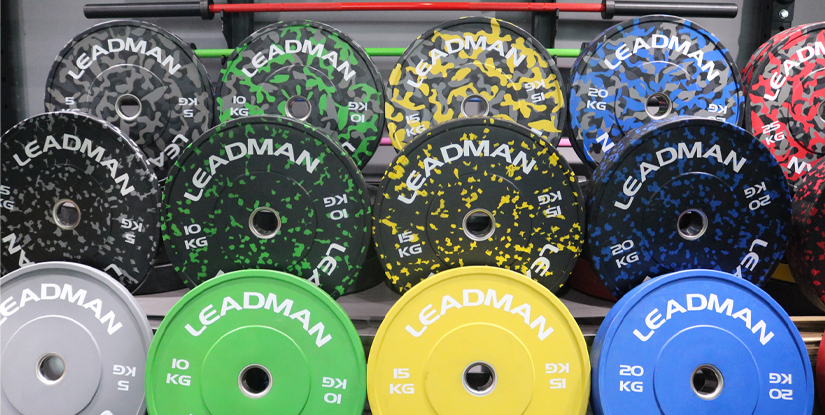
Selecting the right material is a balancing act between upfront expenditure and long-term operational reliability. To help you visualize how different compositions influence the total cost of weight plates, we have categorized the most common industry standards below. This comparison allows you to align your home gym equipment budget with the specific intensity of your training environment.
| Material Type | Durability Level | Best Use Case | Price Tier | Maintenance Needs |
|---|---|---|---|---|
| Cast Iron | High (Static) | Strength Training / Bodybuilding | Low | Minimal (Keep Dry) |
| Rubber Coated | Moderate | Standard Commercial Gyms | Mid | Occasional Wiping |
| High-Density Urethane | Extreme | CrossFit / High-Impact Facilities | High | Low (Impact Resistant) |
Understanding these variables is crucial when researching how much are olympic weight plates for a professional setup. While olymbic bumper plate prices may fluctuate based on the thickness of the outer shell, the density of the core material remains the most significant driver of both price and lifespan.
When evaluating the cost of weight plates, it is essential to distinguish between a simple purchase and a strategic investment vs expense. In high-intensity environments, the constant wear and tear from high-impact training can quickly degrade lower-quality components. While entry-level options might seem attractive for a tight home gym equipment budget, they often lack the density required to withstand repeated drops, leading to cracking or uneven weight distribution over time.
Premium materials, such as high-density urethane, are engineered specifically to manage kinetic energy. Although the initial price point is higher, these plates reduce the frequency of replacement cycles. For professional buyers and serious enthusiasts, the goal is to minimize the total cost of ownership. By prioritizing durability during the sourcing stage, you ensure that your equipment remains a reliable asset rather than a recurring liability, ultimately saving money by avoiding the need to re-purchase sets due to structural failure.
Budgeting for Weight Increments and Specialized Sets
When planning a professional or high-end home facility, the way you source your iron or rubber can significantly impact your home gym equipment budget. While it is tempting to buy single plates as you progress, we often advise clients to look at the long-term logistics of their procurement. Understanding how much are olympic weight plates in a bulk context versus a single-unit context is vital for scaling a training space efficiently.
Choosing complete sets vs individual plates is a strategic decision. Purchasing a full set typically offers a much lower cost of weight plates per kilogram, as manufacturers often bundle standard increments to streamline production and shipping. For distributors or gym owners, buying complete sets ensures uniform color coding and consistent diameter tolerances across the entire range. While olympic bumper plate prices may fluctuate based on material quality—such as high-density vulcanized rubber versus standard urethane—investing in a comprehensive set upfront reduces the frequency of reordering and minimizes shipping overhead in the long run.
To help you visualize your investment, we have categorized the typical market tiers. This breakdown considers the material durability and the intended environment, which are the primary drivers behind olympic bumper plate prices. Whether you are sourcing for a boutique studio or a high-traffic commercial facility, selecting the right tier ensures your home gym equipment budget aligns with your long-term maintenance expectations.
| Tier Level | Plate Material | Typical Use Case | Price Profile |
|---|---|---|---|
| Entry-Level | Standard Rubber | Home gyms & light commercial use | Budget-friendly |
| Standard | High-Density Rubber | CrossFit boxes & functional training studios | Mid-range |
| Premium | Urethane | High-traffic commercial gyms & professional lifting | Investment-grade |
When calculating the total cost of weight plates, remember that premium urethane options often require a higher initial outlay but offer superior resistance to cracking and color fading. If you are wondering how much are olympic weight plates for a large-scale rollout, always consider the weight-to-durability ratio to avoid frequent replacement cycles.
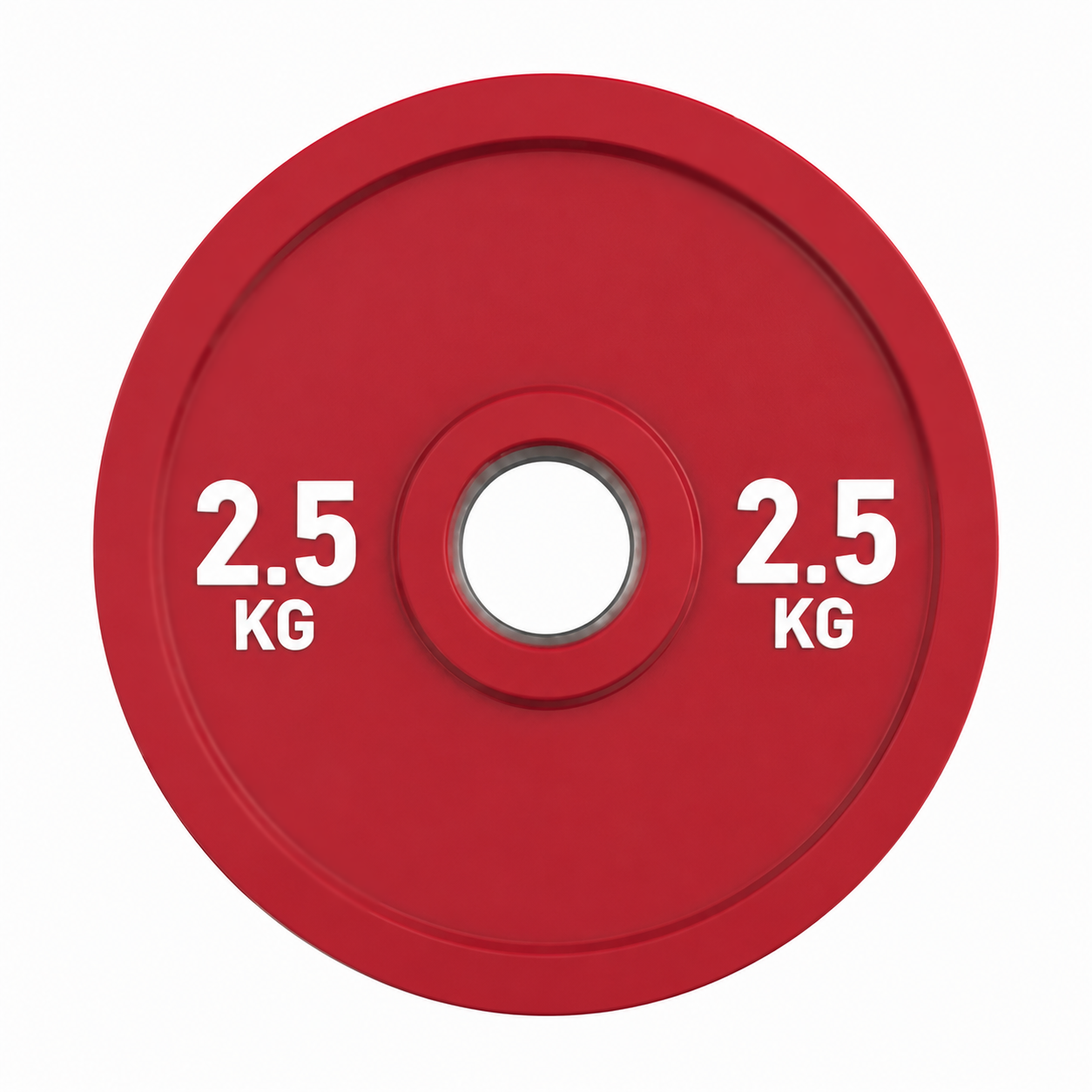
To optimize your home gym equipment budget, we recommend a strategy focused on incremental loading. Instead of purchasing only heavy plates, prioritize a robust selection of small denomination plates—such as 1.25kg, 2.5kg, or 5kg increments. These smaller units are essential for fine-tuning progressive overload and are often the most overlooked aspect when calculating how much are olympic weight plates for a complete setup. While the heavy plates form the foundation of your lift, the precision of your progress depends on these lighter increments.
Viewing your purchase as a long-term gym investment rather than a one-time expense will save you significant capital over time. By securing a diverse range of weights during your initial sourcing phase, you avoid the high shipping costs and individual unit surcharges associated with frequent, small-scale reorders. A well-planned procurement strategy ensures that as your strength grows, your ability to scale your training remains both cost-effective and seamless.
Logistics and Volume Considerations for Large Orders
When calculating how much are olympic weight plates in terms of total investment, many buyers overlook the physical reality of the inventory. High-volume orders—whether for a commercial facility or a large-scale distribution—require significant square footage. A full set of high-density bumper plates occupies far more volume than its weight suggests, especially when considering the protective packaging required for international shipping.
To optimize your home gym equipment budget and facility layout, you must plan for the physical footprint of your gear. Efficient storage solutions are critical to maintaining a safe training environment. We generally recommend evaluating vertical vs horizontal space before finalizing your order. Utilizing a heavy-duty weight plate tree or specialized wall-mounted racks can drastically reduce floor clutter. By prioritizing vertical storage, you maximize your usable area, ensuring that your investment in premium plates doesn't result in a disorganized and hazardous workspace.
Selecting the right storage configuration is a strategic decision that balances space efficiency with your long-term home gym equipment budget. Depending on your available square footage and the total volume of plates ordered, different configurations offer varying levels of accessibility and organization.
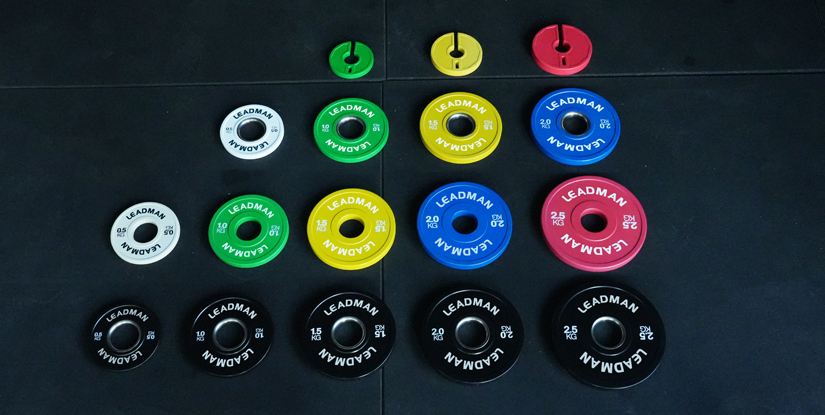
For smaller setups or single-station layouts, Toasters (horizontal plate holders) are highly effective for keeping frequently used weights within arm's reach, though they consume more floor area. If you are managing a larger collection, Trees (vertical plate stands) offer a more compact footprint, making them ideal for high-density storage in tight corners. For those looking to maximize every inch of a professional or high-end residential space, specialized Racks—including wall-mounted or power rack-integrated systems—provide the ultimate space efficiency by utilizing vertical real estate.
When calculating the cost of weight plates, always factor in these storage requirements. A professional-grade storage solution not only protects your olympic bumper plate prices investment from floor damage but also ensures your facility remains organized and safe for high-intensity training.
Beyond physical storage, the most significant variable in your total cost of ownership is the logistical complexity of heavy freight. Because the shipping weight of a full set can easily exceed several hundred kilograms, transport costs often represent a substantial portion of the final invoice. When sourcing bulk orders, the density of the cargo means that shipping rates are rarely determined by volume alone, but by the sheer mass being moved.
Professional buyers must account for delivery logistics that include specialized freight handling and potential port fees. For those analyzing olympic bumper plate prices, the "sticker price" is only one part of the equation; the true expense includes the specialized equipment needed to offload and distribute heavy crates. To avoid budget overruns, we suggest coordinating closely with your supplier to understand how container optimization can mitigate high freight costs during large-scale procurement.
Quality Control Benchmarks for Global Sourcing
When determining how much are olympic weight plates, savvy buyers often realize that the lowest sticker price frequently masks hidden long-term liabilities. In global sourcing, the true cost of weight plates is dictated by manufacturing precision and material integrity. High-tier manufacturers prioritize strict tolerance levels to ensure that a 20kg plate actually weighs 20kg, preventing imbalances during heavy lifts. Furthermore, the material density of the inner core determines how well the plate maintains its shape under repetitive high-impact use.
Beyond the core, the rubber coating durability is a critical differentiator. Inferior coatings tend to crack or peel under temperature fluctuations, whereas premium vulcanized rubber withstands rigorous commercial environments. While premium options require a higher home gym equipment budget upfront, they offer far superior long-term value vs. initial cost. Investing in quality control at the factory level prevents the premature replacement cycles that plague low-budget, low-spec olympic bumper plate prices.
To better visualize how these technical specifications influence your long-term expenditure, we have categorized the market into three distinct tiers. This comparison helps clarify why olympic bumper plate prices vary so drastically between entry-level and professional-grade equipment.
Understanding these benchmarks is essential for calculating your total home gym equipment budget, as it accounts for both the initial purchase and the eventual replacement frequency. A higher upfront investment in precision often results in a lower total cost of ownership over several years of heavy use.
| Quality Tier | Weight Tolerance | Material Type | Expected Lifespan | Maintenance Profile |
|---|---|---|---|---|
| Standard/Economy | ±3% (Variable) | Standard Rubber | 1–3 Years | High (Frequent replacement) |
| Mid-Range | ±2% (Consistent) | High-Density Rubber | 3–5 Years | Moderate (Periodic inspection) |
| Premium/Commercial | ±1% (Precision) | Vulcanized Rubber | 5+ Years | Low (Minimal upkeep) |
When assessing how much are olympic weight plates worth for your specific facility, always prioritize the weight tolerance and material density. Choosing a tier that aligns with your expected impact frequency will ultimately optimize your cost of weight plates by avoiding the cycle of constant re-ordering.
To avoid wasting your home gym equipment budget on subpar goods, you must look beyond the digital catalog and investigate the manufacturer's actual production standards. One of the most immediate indicators of quality is the scent/odor of rubber; high-grade vulcanized rubber should have a minimal, neutral profile, whereas low-quality, recycled materials often emit a pungent, chemical smell that can linger in an indoor training space. Additionally, pay close attention to edge precision. A high-quality plate should feature a smooth, consistent circumference that allows for easy loading and unloading without catching on the barbell sleeve.
We highly recommend verifying a supplier's factory inspection standards before committing to a large-scale order. A reputable manufacturer will have rigorous protocols to ensure dimensional consistency and weight accuracy across every batch. While searching for competitive olympic bumper plate prices, remember that the most expensive plates to buy are the ones you have to replace every twelve months. By prioritizing these tactile and technical benchmarks, you secure significant long-term maintenance savings and ensure your equipment remains a reliable asset rather than a recurring expense.
Optimizing Your Home Gym Equipment Budget
When planning a serious training space, the first question most enthusiasts ask is: how much are olympic weight plates actually going to cost me in the long run? While it is tempting to hunt for the lowest immediate price point, a sophisticated home gym equipment budget requires a shift in perspective. You aren't just buying weight; you are investing in the structural integrity of your training environment.
The key to smart procurement lies in balancing initial investment vs. long-term durability. High-quality rubberized or urethane bumpers are more expensive upfront, but they protect your flooring and your barbell, reducing replacement costs over time. Instead of buying a massive variety of weights immediately, we recommend prioritizing essential plate sizes first—such as 45lb (20kg) and 25lb (10kg) increments—to build a scalable foundation. By focusing on high-density, durable materials early on, you avoid the cycle of frequent upgrades and ensure your setup can handle the heavy lifting required for years to come.
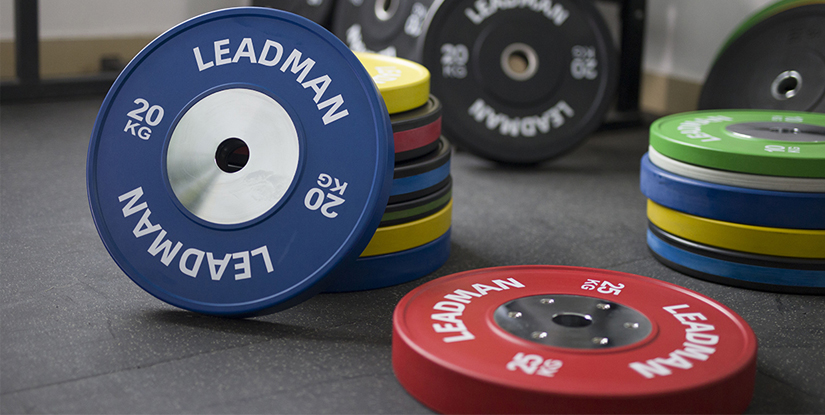
To effectively manage the cost of weight plates, you must categorize your selection based on the intensity of your training style. A novice lifting for general fitness has very different requirements than a competitive athlete or a commercial facility manager. Understanding these distinctions helps you allocate funds where they provide the most value, preventing overspending on unnecessary features or underspending on items that will break under stress.
Below is a breakdown of the different tiers you will encounter when researching olympic bumper plate prices and traditional iron options. This comparison will help you visualize where your money goes based on usage intensity and material quality.
| Type | Best For | Price Tier | Durability |
|---|---|---|---|
| Iron Plates | Beginners & Standard Strength Training | Low | Moderate |
| Standard Bumper | Intermediate Lifters & General Cross-Training | Medium | High |
| Competition Bumper | Heavy Lifters & Professional Training | High | Extreme |
By selecting the appropriate tier, you ensure that your home gym equipment budget is optimized for both immediate performance and long-term equipment longevity.
To truly maximize value, implement smart purchasing strategies like buying weight sets rather than individual plates. Purchasing a complete set often yields a lower per-pound cost of weight plates compared to piecemeal sourcing, and it ensures a uniform diameter for better barbell balance. For those building a home setup, we suggest avoiding unnecessary high-end features—such as specialized competition-grade coatings or extreme precision tolerances—which are essential for professional stages but overkill for residential use.
Instead, focus on scaling the weight collection as strength increases. Start with a robust core of heavy plates and gradually add smaller, fractional increments as your training progresses. This phased approach prevents a massive upfront hit to your home gym equipment budget and allows you to upgrade your material quality—moving from iron to high-density rubber—only when your training intensity demands it. By treating your procurement as an evolving roadmap rather than a one-time purchase, you maintain a high-performance environment without wasting capital on features you won't utilize.
Vendor due diligence and specification guardrails
When determining how much are olympic weight plates, novice buyers often focus solely on the initial sticker price, but professional procurement logic dictates a focus on durability. A lower upfront cost of weight plates often masks subpar manufacturing standards that lead to rapid degradation. For high-volume facilities or serious home setups, the true value lies in the bumper plate quality and the technical specifications of the materials used during production.
High-grade plates rely on precise rubber density to ensure consistent weight distribution and longevity. If the density is too low, the plates will deform or crack under heavy use. Furthermore, superior impact resistance is non-negotiable; high-quality rubber must absorb the kinetic energy of a drop without chipping or bouncing unpredictably. Investing in premium specifications is a long-term investment that protects your home gym equipment budget by reducing the frequency of replacement cycles. When sourcing, always prioritize vendors who can provide clear data on material composition to ensure your equipment withstands years of rigorous training.
To optimize your home gym equipment budget, it is essential to understand how material selection directly dictates the lifespan of your inventory. While the initial olympic bumper plate prices may vary significantly, the long-term value is determined by the resilience of the core material against impact and environmental wear. Choosing a material that aligns with your specific training intensity will prevent the premature degradation that often plagues budget-tier imports.
The following comparison illustrates how different compositions impact both the cost of weight plates and their functional durability in a professional or enthusiast setting:
| Material Type | Durability Profile | Typical Use Case |
|---|---|---|
| Cast Iron | High (Rigid, but prone to chipping/rust) | Strength training, bodybuilding, and budget-conscious setups |
| High-Density Rubber | Moderate to High (Excellent shock absorption) | Standard Olympic lifting and high-volume CrossFit environments |
| Urethane | Premium (Highest impact and abrasion resistance) | Commercial gyms, heavy dropping, and long-term durability needs |
Understanding how much are olympic weight plates requires looking beyond the surface. A higher investment in urethane or high-density rubber may seem steep initially, but it drastically reduces the replacement frequency compared to cheaper, low-grade alternatives.
Beyond material selection, true value is found in vetting vendor reliability and technical precision. A common pitfall when researching how much are olympic weight plates is failing to verify weight tolerance standards. High-quality manufacturers adhere to strict manufacturing standards, ensuring that a 20kg plate actually weighs 20kg within a minimal percentage of error. In contrast, avoiding low-quality imitations requires looking for vendors who provide transparent specification sheets rather than just a flat price point.
When evaluating olympic bumper plate prices, ask potential suppliers about their quality control protocols. A reputable source should be able to discuss their production consistency and how they manage deviations in thickness or diameter. If a price seems too good to be true, it often indicates a lack of precision in the molding process, which leads to uneven weight distribution and potential barbell imbalance. By prioritizing transparency and technical accuracy over the lowest possible cost of weight plates, you protect your home gym equipment budget from the hidden expenses of frequent replacements and substandard performance.