How Much Do Olympic Weight Plates Cost? A Buyer Guide
The Real Cost of Weight Plates: Beyond the Initial Price Tag
When professionals ask how much do olympic weight plates cost, they often focus exclusively on the immediate invoice. However, sophisticated procurement requires looking beyond the sticker price to evaluate three critical checkpoints: the risk of premature wear, the precision of technical specifications, and the logistical reality of shipping heavy goods. A low-cost entry might seem attractive, but if the equipment fails to meet performance standards, the hidden expenses in replacement and downtime will quickly erode your margins.
Understanding total cost of ownership (TCO) is the difference between a one-time purchase and a long-term asset. While olympic bumper plate prices vary wildly based on material quality impact, investing in high-density rubber or premium polyurethane ensures superior long-term utility. Prioritizing durability vs. initial investment allows facility owners to avoid the cycle of constant replacement, making high-quality types of weight plates a much more effective component of gym equipment budget planning.
To effectively manage your gym equipment budget planning, you must categorize your procurement based on the intended intensity of use. The market offers various types of weight plates, each serving a distinct functional niche. For example, while iron plates offer a cost-effective solution for static lifting, high-performance olympic bumper plate prices reflect the added value of impact absorption and shock resistance required for dynamic movements.
The following breakdown illustrates how material selection dictates both the upfront expenditure and the eventual lifespan of your inventory:
| Material | Durability | Best Use Case | Price Tier |
|---|---|---|---|
| Cast Iron | High (Rigid) | Traditional Bodybuilding & Strength | Budget-Friendly |
| Rubber Coated | Moderate | General Fitness & Home Gyms | Mid-Range |
| Urethane | Extreme | High-Traffic Commercial Facilities | Premium |
When weighing rubber vs. iron vs. urethane, consider that premium urethane coatings significantly reduce floor damage and plate degradation. Although the initial cost is higher, the extended service life often results in a lower cost-per-use compared to cheaper alternatives that require frequent replacement.
Choosing the cheapest option often triggers a cascade of unforeseen expenses that disrupt your gym equipment budget planning. Low-grade plates frequently suffer from poor quality control, leading to uneven weight distribution or structural cracking under heavy loads. This lack of precision doesn't just affect training; it creates a high replacement frequency, forcing you to re-order and re-ship heavy inventory much sooner than anticipated.
Furthermore, inferior materials often lack sufficient shock absorption. This results in significant floor damage, potentially compromising your facility's subflooring and necessitating expensive structural repairs. Additionally, neglected maintenance issues, such as rubber cracking or scent degradation, can diminish the professional aesthetic of your space. By prioritizing high-standard types of weight plates, you secure long-term savings. Investing in premium, impact-resistant gear ensures your facility remains operational and professional, ultimately proving that the most expensive initial choice is often the most economical long-term strategy.
Evaluating Different Types of Weight Plates for Your Facility
When determining how much do olympic weight plates cost, savvy facility managers look beyond the initial invoice. A lower upfront price often masks a higher total cost of ownership if the equipment fails prematurely. Understanding the various types of weight plates is essential for balancing durability vs. initial investment. For high-traffic commercial environments, the rubberized coating quality serves as a primary indicator of how long the plates will withstand heavy drops and constant friction without cracking or losing their structural integrity.
| Plate Type | Primary Material | Durability Profile | Best Use Case |
|---|---|---|---|
| Standard Bumper | Virgin Rubber | High impact resistance | CrossFit & Heavy Lifting |
| Coated Iron | Cast Iron + Thin Coating | Moderate (prone to chipping) | Traditional Strength Training |
| Steel/Steel-Core | Hardened Steel | Extremely High (precision) | Powerlifting Competitions |
Effective gym equipment budget planning requires selecting materials that match your facility's training intensity. While high-grade rubberized bumpers may seem expensive, their ability to protect your flooring and endure years of rigorous use often makes them the most cost-effective choice for long-term operations.
The choice between iron plates and high-grade rubberized options often dictates your long-term maintenance needs and replacement cycles. Iron plates are generally more budget-friendly for traditional weightlifting setups, but they lack the high-impact resistance required for modern functional fitness. In high-intensity environments where weights are frequently dropped, choosing lower-quality iron can lead to chipped coatings or even structural cracks, increasing your long-term overhead.
Conversely, when researching olympic bumper plate prices, you are often investing in the longevity of your facility. High-quality bumper plates are engineered to absorb shock, protecting both the equipment and your flooring. While the initial procurement cost might be higher, the durability of premium rubber reduces the frequency of replacements. For professionals engaged in gym equipment budget planning, we recommend weighing the immediate savings of cast iron against the superior lifecycle and floor protection offered by professional-grade bumpers to ensure your investment remains viable for years to come.
Selecting the right material is a critical step in gym equipment budget planning. While it is tempting to prioritize the lowest olympic bumper plate prices, the long-term viability of your facility depends on matching the plate's impact resistance to your specific training environment. A mismatch can lead to rapid degradation, frequent replacement cycles, and higher operational costs.
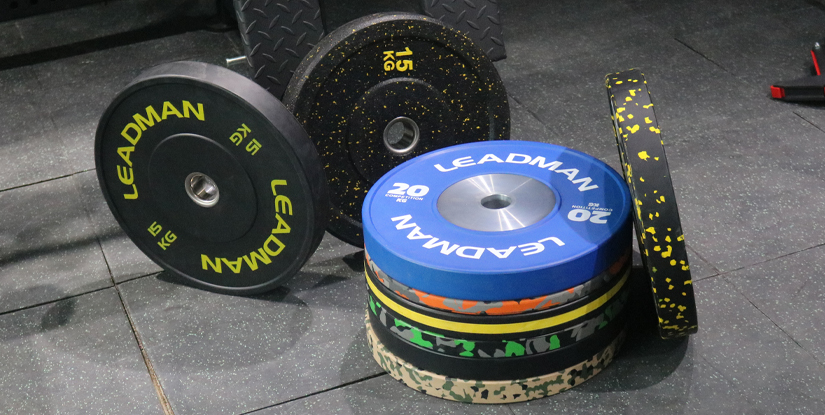
To help you visualize these trade-offs, we have compiled a comparison below. This guide helps clarify how different types of weight plates perform under pressure, allowing you to decide if a budget-friendly option or a heavy-duty professional grade is more appropriate for your needs.
| Material Type | Impact Resistance | Estimated Lifespan | Ideal For |
|---|---|---|---|
| Virgin Rubber | Extreme (High-Drop) | Long-term / High-use | CrossFit, HIIT, & Heavy Lifting |
| Cast Iron | Low (Chipping Risk) | Moderate (High Maintenance) | Traditional Strength & Bodybuilding |
| Steel/Hybrid | High (Precision) | Very Long-term | Powerlifting & Specialized Training |
When calculating how much do olympic weight plates cost for a full facility upgrade, remember that high-frequency use environments demand higher durability. Choosing high-grade rubberized plates may require a larger initial outlay, but the reduction in floor damage and replacement frequency typically yields a better return on investment for commercial operators.
Understanding Price Fluctuations in Olympic Bumper Plate Markets
When calculating gym equipment budget planning, many buyers are surprised by the volatility in olympic bumper plate prices. If you are wondering how much do olympic weight plates cost, you must look beyond the sticker price and examine the underlying production variables. The primary driver of cost is the ratio of high-grade rubber to the internal core. High-quality bumper plates utilize a dense, high-grade rubber exterior over a precision-engineered iron or steel center, whereas cheaper alternatives may compromise on material density, leading to premature wear.
Furthermore, complex manufacturing processes—such as precision casting and multi-stage vulcanization—add significant overhead to the production line. Beyond the factory floor, procurement professionals must also account for the impact of global shipping costs. Because weight plates are high-density, high-mass items, freight expenses and container logistics can drastically shift the landed cost of your shipment. Understanding these types of weight plates and their material compositions is essential for maintaining a predictable procurement budget.
To effectively manage your gym equipment budget planning, you must categorize your selection based on both performance requirements and material composition. The market offers a variety of types of weight plates, each serving a distinct purpose in a commercial or home setting. For instance, the choice between rubber-coated vs. solid rubber construction significantly impacts both the longevity of the equipment and the long-term maintenance costs of your facility.
While solid rubber plates are the gold standard for high-impact Olympic lifting due to their uniform density and bounce consistency, rubber-coated iron plates offer a more budget-friendly alternative for standard strength training. Understanding these distinctions is the first step in determining how much do olympic weight plates cost relative to your specific training environment.
| Material | Durability | Best Use Case | Price Tier |
|---|---|---|---|
| Solid Rubber | High (Impact Resistant) | Olympic Lifting & CrossFit | Premium |
| Rubber-Coated Iron | Moderate | Standard Strength Training | Mid-Range |
| Vinyl/PVC Coated | Low (Surface Wear) | Home Gyms / Light Use | Budget |
When evaluating olympic bumper plate prices, always consider the total cost of ownership. A lower initial investment in lower-grade materials often results in higher replacement frequency, whereas high-quality solid rubber plates provide a much better return on investment for high-traffic commercial facilities.
Optimizing your procurement strategy requires looking beyond individual unit costs to leverage bulk ordering benefits. For large-scale facility upgrades, purchasing in volume typically yields a lower per-unit price and more stable shipping logistics. However, smart gym equipment budget planning also involves timing your acquisitions. We often observe fluctuations driven by seasonal demand; for example, many buyers ramp up orders during the pre-season or early in the year, which can lead to tighter factory schedules and increased freight competition.
Ultimately, the most successful buyers prioritize long-term value vs. upfront cost. While it may be tempting to select the most economical types of weight plates to save on immediate capital expenditure, investing in high-durability bumper plates reduces the frequency of replacement cycles. By balancing high-volume procurement with high-quality material selection, you ensure your facility remains both cost-effective and operationally efficient over several years of heavy use.
Material Composition and Its Impact on Long-Term Value
When evaluating how much do olympic weight plates cost, savvy buyers must look beyond the initial invoice to the total cost of ownership. The types of weight plates you select directly dictate your future maintenance requirements and replacement cycles. For high-traffic commercial facilities, the choice between rubber vs urethane durability is a critical pivot point for gym equipment budget planning.
Standard rubber bumper plates are cost-effective and excellent for shock absorption, yet they may degrade or "chalk up" under extreme heavy-use conditions. In contrast, urethane-coated plates offer superior resistance to cracking, oil, and abrasion. While the upfront olympic bumper plate prices for urethane are higher, the long-term value is often greater; these plates maintain their structural integrity and aesthetic appeal much longer in rigorous environments. Choosing the right material ensures your investment survives the heavy impact of daily training without requiring frequent turnover or intensive upkeep.
To assist in your gym equipment budget planning, we have synthesized how different compositions influence both your initial outlay and your operational overhead. Understanding these trade-offs is essential when determining how much do olympic weight plates cost in the context of a multi-year facility lifecycle.
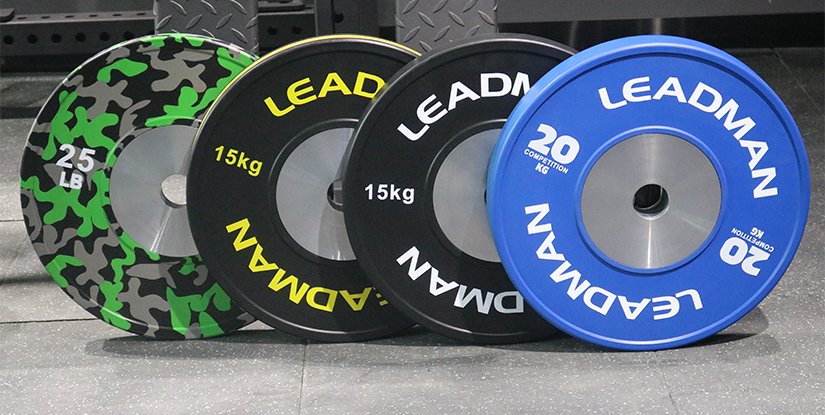
| Material Type | Typical Use Case | Maintenance Level | Longevity/Value |
|---|---|---|---|
| Standard Rubber | Home gyms & light commercial | Moderate (Cleaning/Inspection) | Good for budget-conscious starts |
| High-Density Rubber | CrossFit & Strength Studios | Low (Routine Wipe-downs) | High durability for heavy impact |
| Urethane | Premium Commercial Facilities | Minimal (Very resistant to wear) | Maximum long-term ROI |
While olympic bumper plate prices for urethane-based options may sit at a premium, the reduction in replacement frequency often justifies the expense. Selecting the right types of weight plates ensures your facility maintains a professional appearance while minimizing the hidden costs of frequent equipment turnover.
Beyond material density, your facility's physical environment serves as a primary driver of depreciation. When calculating how much do olympic weight plates cost, you must account for environmental factors (indoor vs outdoor) that accelerate wear and tear prevention needs. For instance, indoor commercial strength rooms are relatively controlled, but facilities with semi-outdoor access or high humidity levels face much higher risks of oxidation and material degradation.
If your training area is prone to temperature fluctuations or moisture, selecting premium coatings is not a luxury—it is a strategic move for gym equipment budget planning. Exposure to humidity can cause cheaper iron-core plates to rust or low-grade rubber to become brittle and crack. To protect your investment, we recommend choosing plates with high-quality, non-porous finishes that act as a barrier against the elements. By matching the plate's resilience to your specific climate and usage intensity, you effectively mitigate the hidden costs of premature equipment failure and ensure a longer operational lifespan for your facility.
Strategic Budget Planning for Large-Scale Equipment Upgrades
When procurement professionals ask how much do olympic weight plates cost, they often focus exclusively on the immediate invoice. However, viewing a purchase through the lens of initial price alone can lead to significant budget leaks. For facility managers and gym owners, the true metric of success is the total cost of ownership (TCO). While budget-grade types of weight plates may offer a lower entry point, they frequently fail to deliver long-term value due to rapid degradation under high-volume use.
A strategic approach shifts the focus from durability vs. upfront cost to long-term operational efficiency. Investing in high-grade rubberized bumper plates reduces the frequency of replacements and minimizes damage to your flooring, effectively lowering your yearly maintenance overhead. To visualize this, consider the following comparison of procurement strategies:
| Procurement Factor | Entry-Level Rubber Plates | Premium Commercial Bumper Plates |
|---|---|---|
| Initial Capital Outlay | Low | Moderate to High |
| Impact Resistance | Basic (prone to cracking) | High (optimized for heavy drops) |
| Replacement Frequency | High (frequent turnover) | Low (extended lifecycle) |
| Long-Term ROI | Diminishing | Maximum |
By prioritizing high-quality materials during your gym equipment budget planning, you ensure that your facility remains functional and professional without the constant need for reinvestment.
To make an informed decision, you must align your selection with the specific intensity of your training environment. Understanding the variance in olympic bumper plate prices becomes much simpler when you categorize your needs by usage volume. For instance, a boutique studio focusing on low-impact strength training has vastly different requirements than a high-traffic CrossFit box or a professional weightlifting facility.
Use the following framework to determine where your investment should land based on your facility's operational reality:
| Usage Frequency | Material Quality | Expected Lifespan | Price Tier |
|---|---|---|---|
| Low (Home/Boutique) | Standard Rubber/PVC | 2–4 Years | Budget-Friendly |
| Moderate (Commercial Gym) | High-Density Rubber | 5+ Years | Mid-Range |
| High (CrossFit/Competition) | Premium Urethane/High-Grade Rubber | Long-Term/Industrial | Premium |
Ultimately, effective gym equipment budget planning involves recognizing that the cheapest types of weight plates often become the most expensive over a three-year period due to replacement costs and downtime. Choosing the right tier ensures your capital is deployed toward assets that grow with your business.
To achieve true strategic procurement, we recommend a tiered inventory model rather than a uniform purchase. Instead of asking how much do olympic weight plates cost for a single SKU, professional buyers focus on optimizing gym setup budget by balancing high-impact and low-impact plates. This method maximizes your ROI by allocating capital where it is most needed.
For example, you might invest heavily in premium, high-density urethane plates for your heavy lifting stations and high-drop zones to withstand extreme impact. Conversely, for standard strength training areas or accessory movements, you can utilize more cost-effective rubberized options. This hybrid approach allows you to maintain a high standard of professional equipment while keeping your total expenditure within a controlled range. By diversifying your selection, you ensure that your most utilized equipment remains durable, while your broader inventory stays within a reasonable olympic bumper plate prices threshold.
Optimizing Your Sourcing Strategy for Global Wholesale Orders
When determining how much do olympic weight plates cost, the answer changes drastically depending on whether you are buying a single set or a full container load. For a fitness enthusiast, the price is a fixed retail figure. However, for professionals scaling from home gym to commercial facility levels, the logic shifts from retail convenience to industrial procurement. At this scale, you are no longer just buying equipment; you are managing a supply chain.
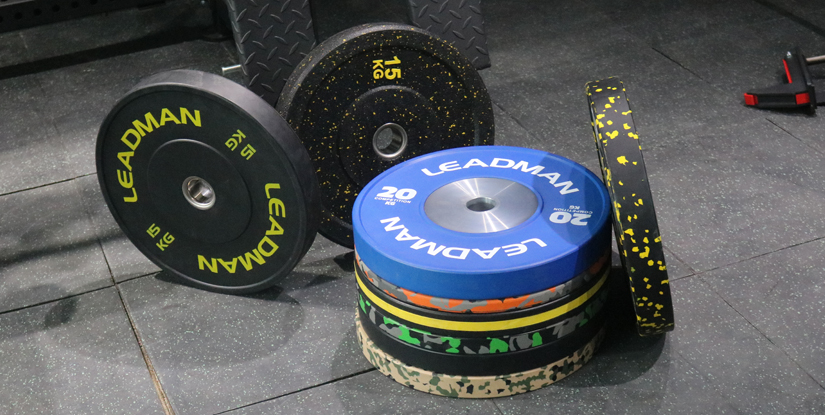
Understanding olympic bumper plate prices requires looking past the individual unit cost and focusing on volume-based discounts. In the global wholesale market, your ability to leverage economies of scale is the most effective way to manage gym equipment budget planning. As order volumes increase, the cost per kilogram typically drops, but this requires a strategic shift toward working directly with manufacturers or large-scale distributors who can offer competitive pricing through optimized shipping and factory-direct sourcing.
To navigate the complexities of gym equipment budget planning, you must decide which sourcing model aligns with your operational scale. The types of weight plates you select—ranging from standard cast iron to high-performance urethane bumpers—will dictate your initial investment and long-term maintenance costs. A professional procurement strategy involves weighing the immediate savings of low-cost sourcing against the long-term reliability of premium builds.
| Sourcing Method | Cost Impact | Best For |
|---|---|---|
| Local Retail/Small Distributor | Highest unit price; low shipping | Home gyms & small studios |
| Regional Wholesale | Moderate pricing; standard logistics | Mid-sized fitness centers |
| Direct Factory Sourcing | Lowest unit price; high logistics complexity | Large-scale facilities & franchises |
When opting for direct factory-level procurement to optimize olympic bumper plate prices, keep in mind that logistics and quality control expectations become your primary responsibilities. You must account for international freight, customs duties, and the necessity of rigorous inspections to ensure weight tolerances and material durability meet commercial standards before the shipment leaves the port.
Beyond the base unit price, the true challenge in calculating how much do olympic weight plates cost lies in the "landed cost"—the final amount paid once the goods arrive at your facility. To avoid budget overruns, you must account for shipping and freight costs, which can fluctuate based on container volume and global logistics trends. For heavy items like bumper plates, ocean freight is common, but port fees and local drayage can add unexpected layers to your gym equipment budget planning.
Furthermore, professional buyers must factor in customs duties and import taxes specific to their region. Relying on efficient bulk order management is essential; consolidating your weight plate order with other heavy equipment can often optimize container utilization and lower the per-unit shipping burden. Ultimately, the most successful procurement strategy is one that strikes a delicate balance between quality and price, ensuring that the pursuit of the lowest olympic bumper plate prices does not result in substandard equipment that requires premature replacement.
Common Pitfalls in Low-Cost Weight Plate Procurement
When calculating how much do olympic weight plates cost, many procurement managers fall into the trap of focusing solely on the initial invoice. While a lower unit price looks attractive on a spreadsheet, ignoring the durability of the rubber coating can lead to massive replacement costs within months. Low-tier manufacturers often use recycled rubber with low rubber density to shave off production costs. This lack of density results in significant bouncing issues, where the plate becomes unpredictable after a drop, and premature cracking around the center hub.
In a high-traffic commercial facility, these structural failures aren't just annoying; they are safety liabilities. If you prioritize the cheapest olympic bumper plate prices over material integrity, you are essentially opting for a high-frequency replacement cycle. When evaluating types of weight plates for your gym equipment budget planning, always look beyond the sticker price. High-quality, high-density vulcanized rubber ensures the plates maintain their shape and impact absorption over thousands of drops, providing much better long-term value than budget alternatives that degrade under standard training stress.
To assist with your gym equipment budget planning, we have visualized the relationship between upfront expenditure and long-term structural integrity. Understanding the trade-off between various types of weight plates is essential to avoid the hidden costs of frequent replacements.
| Plate Category | Primary Material Quality | Impact Resistance | Expected Lifespan | Ideal Usage Frequency |
|---|---|---|---|---|
| Budget/Entry-Level | Recycled Rubber/Low Density | Moderate (Prone to cracking) | 1–2 Years | Home Gym / Low Traffic |
| Standard Commercial | Virgin Rubber/High Density | High (Stable bounce) | 3–5 Years | Local Gyms / Studio |
| Professional/Elite | Premium Vulcanized Rubber | Extreme (Precision drop) | 5+ Years | High-Performance/CrossFit |
When researching olympic bumper plate prices, consider that the most expensive option often offers the lowest cost-per-use. While entry-level plates may satisfy initial budget constraints, professional-grade equipment offers superior impact resistance and a much longer lifespan, ensuring your facility remains operational without constant maintenance or reinvestment.
Beyond material degradation, a significant risk involves the lack of manufacturing consistency found in unverified low-cost shipments. One of the most common complaints in professional procurement is the discrepancy in weight accuracy. When a supplier cuts corners, you may find that a "20kg" plate actually weighs 19.5kg or 20.5kg. This lack of precision is not just a matter of technicality; it disrupts training progressions and can lead to uneven loading on barbells.
Furthermore, poor quality control often results in extreme thickness variations across a single set. These uneven dimensions make it difficult to stack plates smoothly on a barbell, causing them to wobble or sit crookedly. For facility owners, these small defects escalate into major headaches. If you do not account for these variables during gym equipment budget planning, you may face an unexpectedly high replacement frequency. Investing in a supplier with rigorous testing protocols ensures that every plate meets the exact specifications required for professional-grade performance, preventing the need for costly, mid-cycle reordering.