vinyl coated kettlebell | Sourcing Vinyl Coated Guide
Optimizing High-Traffic Functional Training Zones
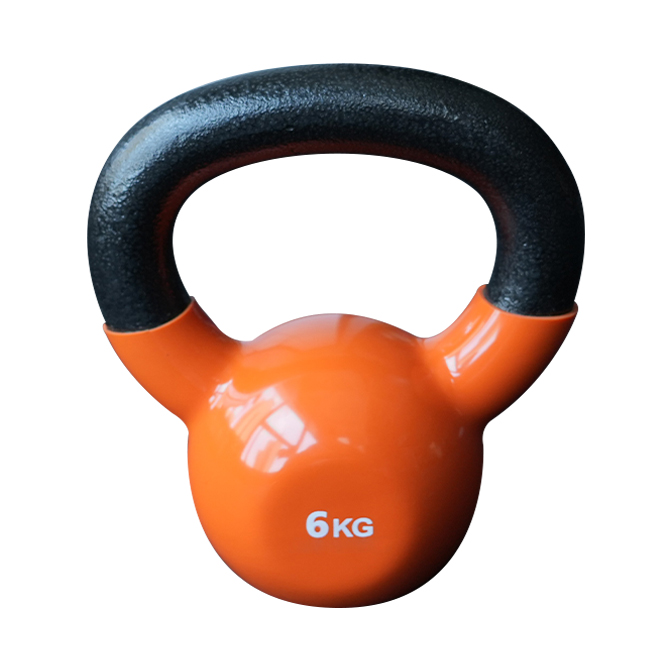
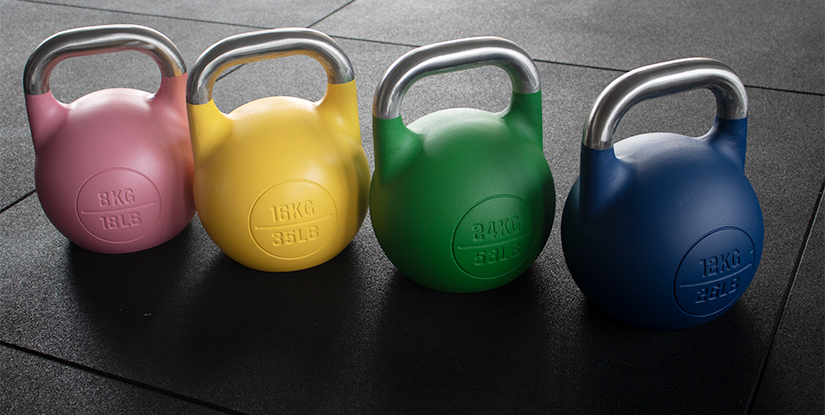
A vinyl coated kettlebell is a premium fitness implement featuring a high-density core encased in a protective polymer layer. Professional B2B buyers prioritize this specification for commercial facilities to enhance equipment longevity, ensure user safety, and reduce the overhead costs associated with facility wear and tear.
In high-traffic zones, such as functional training areas or HIIT studios, the physical impact of metal-on-floor contact is a constant variable. Utilizing a vinyl coated kettlebell provides a strategic advantage by offering superior floor protection. This coating acts as a buffer, significantly mitigating the risk of surface scuffing or structural damage to expensive rubber flooring or specialized turf. Furthermore, the inherent shock-absorption properties of the vinyl layer contribute to substantial noise reduction, a critical factor for multi-use facilities or boutique studios where acoustic management is a priority.
Beyond immediate impact protection, the durability of the coating ensures that the equipment remains functional under heavy daily use. From a procurement standpoint, choosing high-grade vinyl reduces long-term maintenance requirements, as the non-porous surface is easier to sanitize and more resistant to sweat-induced corrosion compared to traditional cast iron. For distributors and gym owners, this translates to a lower Total Cost of Ownership (TCO) and a more professional aesthetic for the end-user.
When sourcing wholesale vinyl kettlebells for large-scale facility rollouts, procurement managers must look beyond basic aesthetics to evaluate the technical specifications of the polymer layer. The long-term viability of your inventory depends heavily on the coating thickness and the resulting abrasion resistance. A thin, inconsistent layer is prone to cracking or peeling under high-frequency use, which can expose the iron core to moisture and lead to premature degradation.
To ensure a high standard of quality control, we recommend requesting samples to inspect the surface texture. A premium finish should be smooth enough for ergonomic handling but possess enough grip to prevent slippage during high-intensity movements. A uniform, high-quality coating not only enhances the user experience but also safeguards the equipment against the mechanical stresses of heavy training. By prioritizing these structural details during the initial vendor audit, buyers can effectively optimize their bulk fitness weight procurement strategy, ensuring that the equipment maintains its structural integrity and visual appeal over a multi-year lifecycle.
Logistics management represents a critical phase in the bulk fitness weight procurement process, particularly when dealing with high-density implements. Because the polymer layer of a vinyl coated kettlebell is susceptible to abrasions if improperly handled, your shipping specifications must account for mechanical stress during long-haul transit. We advise all B2B buyers to verify that their suppliers adhere to rigorous gym equipment export standards regarding both structural reinforcement and protective layering.
Effective export packaging is the primary defense against transit damage. For large-scale orders, standard cardboard is often insufficient; instead, look for suppliers utilizing heavy-duty corrugated boxes and reinforced dividers that prevent individual units from colliding. High-quality manufacturers often implement specialized internal bracing or individual wrapping to ensure the coating remains intact upon arrival. A robust QC (Quality Control) protocol should include a pre-shipment inspection specifically focused on the integrity of the packaging and the stability of the load within the shipping container. By mandating these strict packaging requirements, distributors can significantly reduce the frequency of returns and the overhead costs associated with damaged inventory.
Material Integrity and Surface Protection Standards
For facility managers and distributors, the long-term value of a vinyl coated kettlebell is determined by the structural synergy between the cast iron core and its outer layer. In high-use environments, the primary failure point is rarely the metal itself, but rather the breakdown of the bond between the core and the coating. High-quality manufacturing must account for thermal expansion; as temperatures fluctuate in various gym settings, the cast iron core and the vinyl sleeve expand at different rates. If the adhesion quality is insufficient, this mechanical stress leads to unsightly bubbling or peeling.
A professional-grade procurement specification should prioritize crack resistance to ensure the product withstands heavy daily impact without compromising the integrity of the internal weight. When sourcing in bulk, it is essential to verify that the coating process includes a primer or specialized bonding agent. This technical detail prevents the vinyl from separating under stress, ensuring the equipment remains a durable asset rather than a recurring replacement cost for your clients.
To mitigate the risks of high return rates or client complaints, buyers should implement a rigorous inspection framework during sample testing or factory audits. When evaluating wholesale vinyl kettlebells, the focus must shift from aesthetic appearance to technical surface uniformity. A high-quality specimen should exhibit a seamless, non-porous finish across the entire bell, including the handle area, where grip consistency is critical for user safety.
We recommend incorporating the following inspection checklist into your standard quality control protocols to ensure long-term durability:
- Thickness Consistency: Use digital calipers to verify that the vinyl layer maintains a uniform gauge across the bell’s diameter to prevent uneven weight distribution.
- Abrasion Testing: Perform a manual friction test or a simulated drop test to ensure the coating does not chip or flake upon contact with hard flooring.
- Adhesion Integrity: Inspect the transition zones between the handle and the bell body to ensure there are no visible gaps or weak points in the bond.
By verifying these technical benchmarks, distributors can confidently manage bulk fitness weight procurement, ensuring that the delivered goods meet the high standards required for commercial-grade facility deployment.
Beyond individual unit inspections, professional buyers must evaluate the long-term economic impact of coating failures. A low-quality finish may lower initial procurement costs but significantly increases the Total Cost of Ownership (TCO) through premature replacement cycles and increased maintenance frequency. To assist in your decision-making, we have outlined how common degradation modes impact operational budgets and long-term cost-efficiency.
Coating Failure Modes and TCO Impact
| Failure Mode | Primary Cause | Maintenance Frequency | Estimated Replacement Cycle | TCO Impact |
|---|---|---|---|---|
| Surface Peeling | Poor core-to-vinyl adhesion | Low (Requires unit removal) | 2–3 Years | High (Increased turnover) |
| Surface Scuffing | Low-grade PVC/Vinyl density | Moderate (Surface cleaning) | 4–5 Years | Medium (Aesthetic decline) |
| Cracking/Splitting | Thermal instability/Impact stress | High (Safety hazard risk) | 1–2 Years | Critical (Safety liability) |
When sourcing for high-traffic commercial facilities, adhering to strict gym equipment export standards ensures that the product can withstand rigorous use without constant intervention. A premium vinyl coated kettlebell with high-density, UV-resistant coating may carry a slightly higher upfront premium, but the extended replacement cycles and reduced labor costs for facility upkeep provide superior long-term cost-efficiency for distributors and gym owners alike.
Evaluating Weight Distribution and Grip Ergonomics
For commercial distributors and gym operators, the longevity of a vinyl coated kettlebell is often determined by what lies beneath the surface. A common failure point in low-tier manufacturing is the decoupling of the internal weight from the outer shell. If the internal weight distribution is inconsistent, the core can shift during high-intensity movement, leading to uneven wear or even structural failure of the coating.
When managing bulk fitness weight procurement, buyers must prioritize manufacturing consistency to ensure every unit maintains its structural integrity. A high-quality build ensures the cast iron or steel core is perfectly centered, preventing the "wobble" effect that occurs when weight migrates toward one side of the handle. For high-traffic facilities, this stability is non-negotiable; it reduces the risk of premature peeling and ensures the product remains a reliable asset rather than a maintenance liability. When vetting factory capabilities, always inquire about the bonding processes used to secure the vinyl layer to the core to mitigate these long-term durability concerns.
Beyond structural stability, the tactile interface—specifically the grip ergonomics—plays a critical role in the total cost of ownership. In high-volume commercial settings, the interface between the hand and the handle undergoes constant friction. A poorly executed coating often results in a "tacky" or overly slippery sensation, which can lead to user discomfort or even safety hazards. High-grade wholesale vinyl kettlebells should feature a seamless, uniform finish that balances grip security with smooth transitions during complex movements.
A key technical metric to verify during your quality control inspections is the coating thickness. A layer that is too thin will succumb to abrasions and cracking under heavy use, while an excessively thick layer can distort the handle's diameter, compromising the ergonomic profile. When sourcing, confirm that the manufacturer adheres to strict gym equipment export standards regarding coating uniformity. A consistent, precision-molded shell not only enhances the user experience but also provides a robust barrier against oxidation, significantly extending the product's lifecycle and reducing the frequency of maintenance and replacement cycles.
Critical Inspection Point: The Handle-to-Shell Interface
The most vulnerable area of any premium vinyl coated kettlebell is the junction where the handle meets the main body. In commercial gym environments, this transition point experiences the highest degree of mechanical stress and skin friction. During your pre-shipment quality control, do not simply check for surface aesthetics; you must perform a rigorous inspection of the handle-to-shell interface to ensure long-term reliability.
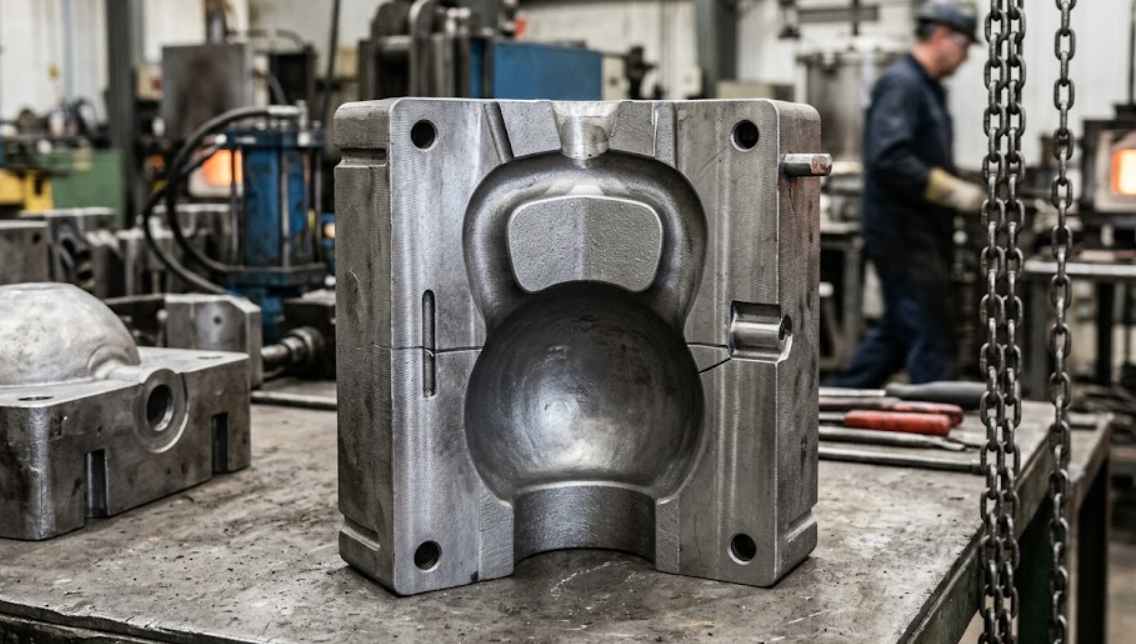
A high-standard inspection checklist for B2B buyers should prioritize the seamlessness of this connection. Inspect for any visible gaps, thinning of the vinyl, or uneven ridges where the handle enters the bell. A poorly manufactured unit often displays "necking"—a narrowing of the coating at the junction—which creates a weak point susceptible to tearing or peeling under heavy use. For high-volume orders, verify that the factory utilizes a precision molding process that ensures a continuous, unbroken surface. This structural continuity is essential for meeting commercial gym requirements, as it prevents moisture and sweat from infiltrating the core, thereby protecting the internal weight from oxidation and ensuring the product survives the rigors of daily commercial rotation.
Bulk Procurement Logistics and Export Packaging Protocols
Moving high-density fitness assets from the factory floor to a North American distribution center requires more than just a standard freight forwarder. When managing bulk fitness weight procurement, the primary challenge lies in the transition from production to international transit. Unlike lighter equipment, the logistics of a vinyl coated kettlebell order are dictated by the interplay between high density and physical volume. Buyers must account for the fact that while the weight is the primary cost driver in ocean freight, the physical footprint of the packaging determines how much usable space is actually being paid for in a container.
Effective lead time management starts with understanding factory capacity and how it interacts with seasonal shipping windows. A common oversight in procurement is failing to calculate the shipping volume vs. weight ratio accurately. Because kettlebells are exceptionally heavy but relatively compact, a container often hits its maximum weight limit long before it is physically full. This discrepancy can lead to unexpected surcharges or inefficient container utilization if the packing configurations are not optimized during the pre-shipment phase.
| Storage & Transit Method | Space Efficiency | Protection Level | Best Use Case |
|---|---|---|---|
| Standard Corrugated Boxes | Moderate | Basic | Small retail distributors |
| Reinforced Heavy-Duty Crates | Low | High | Long-distance ocean freight |
| Palletized Shrink-Wrap | High | Moderate | Bulk gym facility replenishment |
To mitigate risk, professional buyers should insist on standardized palletization protocols. Ensuring that each shipment of vinyl coated kettlebell units is secured to a heat-treated pallet prevents shifting during sea transit, protecting both the integrity of the vinyl coating and the safety of the receiving warehouse staff.
Beyond basic containment, high-quality export packaging must address the specific vulnerabilities of the vinyl layer. During extended sea transit, fluctuations in temperature and humidity can lead to condensation within shipping containers. Without strict moisture control—such as the inclusion of desiccant silica gel packs—the interface between the cast iron core and the vinyl skin may suffer from micro-bubbling or adhesive failure. To prevent this, we recommend a multi-layered protective layering approach: individual unit wrapping followed by heavy-duty outer cartons to cushion against impact-induced abrasions.
Adhering to strict gym equipment export standards ensures that your wholesale vinyl kettlebells arrive in retail-ready condition. This includes utilizing high-strength corrugated dividers to prevent metal-on-metal or weight-on-weight friction, which can mar the finish. Furthermore, rigorous palletization protocols—utilizing reinforced corner protectors and industrial-grade stretch wrap—are essential for maintaining structural stability. For distributors managing high-volume bulk wholesale vinyl kettlebells, these preventative measures significantly reduce the total cost of ownership by minimizing the rate of transit-related returns and damaged goods claims.
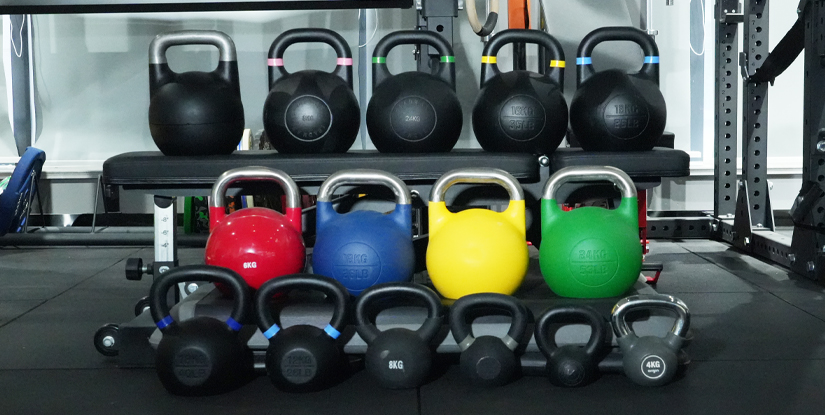
Optimizing shipping costs requires a granular understanding of how weight and volume interact within a standard shipping container. Because kettlebells are high-density assets, most ocean freight shipments will reach the maximum weight capacity (deadweight) of a container before the volumetric capacity is fully utilized. For procurement managers, the goal is to maximize the utility of every cubic meter to reduce the landed cost per unit.
Estimated Loading Capacity per Container
The following table provides a general reference for estimating container utilization. Please note that actual loading figures may vary based on specific SKU dimensions, box thickness, and pallet configurations used by the manufacturer.
| Container Type | Typical Weight Limit (Net) | Primary Constraint | Recommended Loading Strategy |
|---|---|---|---|
| 20ft Standard Container | ~18,000 - 22,000 kg | Weight Capacity | Heavy-duty palletization with low-stacking height |
| 40ft High Cube (HC) | ~26,000 - 28,000 kg | Weight Capacity | Mixed SKU distribution to balance weight/volume |
When negotiating wholesale vinyl kettlebells orders, we suggest requesting a loading plan or a packing list that includes the total CBM (Cubic Meters) and gross weight. Utilizing standard heat-treated pallets (ISPM 15 compliant) is essential for seamless customs clearance and efficient forklift handling at North American ports. A well-optimized load not only lowers your freight expense but also ensures that the structural integrity of the vinyl coated kettlebell units is maintained through the rigors of long-haul transit.
Inventory Management for Multi-Weight SKU Sets
For distributors and commercial gym suppliers, the challenge of stocking wholesale vinyl kettlebells lies in the delicate tension between offering a comprehensive weight range and maintaining healthy cash flow. Unlike single-item fitness accessories, a full set of vinyl-coated weights requires a strategic approach to SKU optimization. If your inventory is too narrow, you miss out on high-volume orders from boutique studios; if it is too broad, you risk tying up significant capital in slow-moving weight increments that sit in your warehouse.
Effective procurement relies on identifying the "sweet spot" of weight increments that drive the highest inventory turnover. In many North American commercial settings, demand typically clusters around standard mid-range weights, while extreme ends of the spectrum—both very light and very heavy—often move at a different velocity. Successful buyers prioritize a tiered stocking strategy, ensuring that high-demand SKUs are always available to fulfill bulk orders without over-extending their budget on low-velocity specialty sizes.
To maximize ROI, implement a tiered demand forecasting model that distinguishes between high-frequency weights and niche increments. In the commercial fitness market, the "core" weights—typically the mid-range increments used in standard strength training—represent the bulk of your volume. These are your high-velocity SKUs that should be the primary focus of your bulk fitness weight procurement. By maintaining a higher stock ratio for these popular sizes, you ensure rapid fulfillment for gym fit-outs and studio refreshes.
Conversely, extreme weight increments often function as niche products with lower turnover rates. While essential for a complete professional offering, over-investing in these heavy or ultra-light SKUs can lead to excessive capital tie-up. We recommend negotiating flexible MOQ structures with your factory or supplier, perhaps sourcing the core weights in larger bulk shipments to reduce per-unit shipping costs, while keeping specialty weights in smaller, more controlled batches. This balanced approach minimizes the risk of dead stock while maintaining a competitive, full-spectrum product catalog.
To assist in your planning, the following table outlines a typical distribution model used by successful distributors. This model reflects the standard weight distribution required to service a diverse client base, ranging from HIIT studios to traditional strength facilities.
| Weight Category | Typical Weight Range (kg/lbs) | Typical Demand Ratio | Procurement Strategy |
|---|---|---|---|
| Standard (Core) | 4kg – 16kg | ~60% | High-volume bulk orders; prioritize low per-unit shipping costs. |
| Intermediate | 20kg – 24kg | ~30% | Balanced stock; maintain consistent replenishment cycles. |
| Advanced (Specialty) | 28kg+ | ~10% | Lower frequency; consider smaller batches to manage capital tie-up. |
When calculating your total order volume, remember that vinyl coated kettlebell sets are often sold as complete kits for commercial builds. A common mistake in gym equipment export standards compliance is failing to account for the volume displacement of heavier weights in a container. Always verify the volumetric weight and weight-to-space ratios with your logistics partner before finalizing your bulk fitness weight procurement plan to ensure your shipment remains cost-effective.
Quality Control Benchmarks for Large-Scale Orders
For commercial gym operators and distributors, the true cost of a vinyl coated kettlebell is not found in the initial purchase price, but in the long-term maintenance and replacement cycles. Low-quality coatings often suffer from premature degradation, leading to unsightly peeling or chipping that compromises both aesthetics and safety. When managing high-volume procurement, overlooking the specifics of coating adhesion can result in significant Total Cost of Ownership (TCO) issues as the equipment ages under heavy use.
To mitigate these risks, professional buyers should implement rigorous inspection protocols during the factory audit or pre-shipment phase. A high-standard vinyl coated kettlebell must demonstrate superior crack resistance, even when subjected to temperature fluctuations or impact. We recommend verifying that the coating is seamlessly bonded to the cast iron core, ensuring it can withstand the rigorous demands of commercial durability standards. Validating these technical benchmarks during the sourcing stage protects your reputation and reduces the frequency of costly product returns.
When sourcing wholesale vinyl kettlebells, a visual check is insufficient for ensuring long-term durability. To maintain high gym equipment export standards, procurement managers should utilize a standardized inspection checklist during the Pre-Shipment Inspection (PSI) to verify structural and aesthetic integrity. Relying on a systematic audit helps prevent the arrival of defective batches that could damage your brand's reliability.
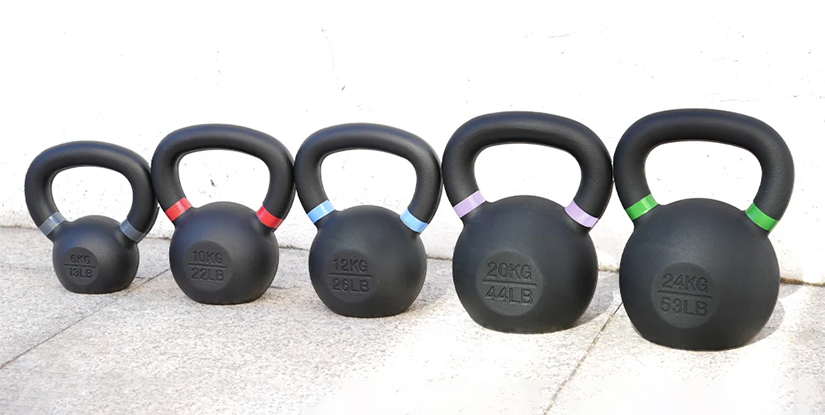
The following table outlines the critical technical benchmarks required for high-grade bulk fitness weight procurement. Use these criteria to evaluate factory samples or conduct on-site inspections:
| Inspection Parameter | Standard Requirement | Buyer's Verification Method |
|---|---|---|
| Thickness Uniformity | Consistent coating depth across the entire surface | Digital caliper or cross-sectional measurement |
| Edge Integrity | Seamless edges with no exposed iron or sharp ridges | Tactile inspection and high-resolution photography |
| Weight Consistency | Tolerance within ±1% to ±3% of declared weight | Calibrated industrial scale testing |
| Adhesion Strength | No peeling or bubbling under pressure | Manual compression test on the handle and body |
Rigorous documentation of these metrics during the factory audit phase ensures that your shipment meets the specific demands of high-traffic commercial facilities. By prioritizing these technical details, distributors can minimize the risk of receiving substandard inventory that fails to meet professional usage requirements.
Beyond technical specifications, the final integrity of your inventory depends heavily on how the goods are handled during the long-haul transit phase. Even a perfectly manufactured batch can suffer from surface abrasions or structural deformation if the logistics plan is insufficient. For professional buyers, the focus must shift from the product itself to the protective packaging and the physical stability of the shipment during ocean or air freight.
Mitigating Transit Damage Through Logistics Engineering
High-volume bulk fitness weight procurement requires more than just standard cardboard boxes. Because of the high density and weight-to-volume ratio of these items, improper stacking can lead to crushed outer layers or compromised handles. To ensure transit damage prevention, verify that your supplier utilizes heavy-duty, reinforced corrugated cartons and internal dividers that prevent the kettlebells from knocking against one another during movement.
Furthermore, container loading stability is a critical factor in preventing "load shift" during maritime transport. We advise ensuring that pallets are properly shrink-wrapped and that the weight is distributed evenly across the container floor. A well-structured loading plan prevents the kinetic energy of the ship's motion from causing the heavy weights to shift, which can damage both the product and the container walls. Prioritizing these logistical safeguards ensures that your wholesale vinyl kettlebells arrive at your warehouse in the same pristine condition they left the factory floor.
Strategic Sourcing for Commercial Facility Deployment
Scaling a fitness center or a boutique studio requires more than just selecting high-quality equipment; it demands a sophisticated approach to supply chain synchronization. When managing commercial facility deployment, procurement officers often face the delicate tension between maintaining high inventory turnover and ensuring the long-term durability of their assets. A single shipment of high-grade vinyl coated kettlebell units can serve a facility for years, but improper timing or substandard coating quality can lead to immediate replacement costs and operational downtime.
Effective bulk fitness weight procurement goes beyond the initial purchase price. Professional buyers must account for the logistical complexities inherent in wholesale vinyl kettlebells, specifically regarding lead time management and the physical footprint of shipping containers. Because these items are high-density and heavy, shipping costs and container optimization directly impact your landed cost. Successful distributors do not just buy products; they build a buffer that accounts for transit volatility while ensuring that their stock levels remain lean enough to optimize capital, yet robust enough to meet sudden market demand.
To protect your margins and ensure a low Total Cost of Ownership (TCO), your evaluation framework must prioritize supplier readiness and logistical precision. Relying solely on the unit price often overlooks the hidden expenses caused by damaged goods or inefficient container loading. A professional procurement strategy requires a deep dive into the manufacturer’s ability to meet strict gym equipment export standards and their capacity for rigorous quality control (QC) protocols before any vessel leaves the port.
Optimizing Logistics and Supplier Capacity
When negotiating wholesale vinyl kettlebells, do not treat the MOQ (Minimum Order Quantity) as a static number. Instead, use it as a lever to discuss shipping volume optimization. High-density weights can lead to excessive shipping costs if the packing configuration is not optimized for container weight limits versus volumetric space. Ask your supplier for detailed packing lists and carton dimensions to calculate your exact landed cost per unit. Furthermore, ensure that export packaging is heavy-duty and designed specifically for long-haul maritime transit. Robust, reinforced outer cartons and palletization are non-negotiable to prevent coating abrasions or structural damage during sea freight, ensuring your inventory arrives in showroom-ready condition.
Choosing the right procurement model depends on whether your objective is rapid stock replenishment or a foundational facility build-out. For boutique studios, the priority is often immediate availability to prevent service gaps. Conversely, large-scale commercial distributors and gym chains must prioritize customization and cost-efficiency through high-volume orders. The following comparison outlines the logistical and financial trade-offs inherent in these two distinct sourcing paths.
| Variable | Small-Scale Studio Replenishment | Large-Scale Commercial Deployment |
|---|---|---|
| Primary Objective | Rapid stock replacement and SKU variety | Standardization and lowest landed cost |
| Typical Lead Time | Short (Ready-to-ship/In-stock) | Extended (Production-based) |
| Customization Potential | Low (Standard colors and weights) | High (Branding, custom colors, OEM) |
| Shipping Efficiency | LCL (Less than Container Load) | FCL (Full Container Load) optimization |
| Cost Driver | Unit price and air/express freight | Production MOQ and maritime logistics |
For buyers managing high-frequency turnover, maintaining a relationship with distributors who hold local stock can mitigate the risks of long transit times. However, for those executing a major facility launch, coordinating directly with manufacturers to manage bulk fitness weight procurement allows for greater control over the vinyl coated kettlebell specifications, ensuring that every piece meets your specific brand identity and durability requirements.