Vinyl Kettlebell Review: Durability and Maintenance Guide
Supplier Vetting and Quality Control Standards for Vinyl Coatings
For boutique fitness studios or high-end hotel gyms, the visual appeal of equipment is often as critical as its functional utility. However, procurement managers frequently encounter a significant discrepancy between aesthetic perfection and long-term structural integrity. While commercial vinyl kettlebells offer a premium, smooth grip and high visibility, the durability of the outer layer is entirely dependent on the manufacturing process. A single batch of substandard goods can lead to significant replacement costs if the product does not meet the rigorous demands of daily commercial use.
The primary concern during the sourcing phase should be coating adhesion. In many low-cost manufacturing scenarios, the vinyl layer is merely a superficial wrap rather than a heat-bonded or chemically integrated skin. This lack of structural unity leads to high peeling risks, where the coating begins to chip or separate from the cast iron core after minimal impact or temperature fluctuations. To mitigate this, professional gym equipment procurement specialists must demand strict quality control documentation that verifies the bonding strength and the elasticity of the vinyl under stress. Relying on visual inspection alone is insufficient; ensuring that your suppliers adhere to high-tier manufacturing standards is the only way to protect your long-term capital investment.
When evaluating a potential supplier, the distinction between a premium product and a high-maintenance liability often lies in the microscopic consistency of the coating. A common pitfall in the rubber vs vinyl kettlebell debate is neglecting the manufacturing tolerances of the skin itself. High-quality production requires precise control over thickness consistency; uneven application leads to "thin spots" that become vulnerable to punctures or tearing when the bell is dropped or scraped against flooring.
To ensure your shipment meets commercial-grade expectations, we recommend requesting specific quality control (QC) benchmarks from your factory partners. A professional procurement checklist should include the following technical requirements:
- Coating Thickness Uniformity: Verification that the vinyl skin maintains a consistent gauge across the entire circumference to prevent premature wear.
- Adhesion Testing: Documentation of the bonding process to ensure the skin remains intact during high-impact scenarios.
- Material Elasticity: Confirmation that the vinyl can withstand temperature shifts without becoming brittle or cracking.
- Surface Integrity: A requirement for zero air bubbles or surface irregularities that could compromise the grip or aesthetic.
By prioritizing these technical specifications during the sampling phase, distributors and gym owners can avoid the hidden costs of frequent replacements and maintain a high-standard facility aesthetic.
To streamline your vetting process, we have categorized the typical performance indicators found in the global market. This allows you to differentiate between budget-grade manufacturers and high-tier industrial suppliers during the RFQ (Request for Quotation) stage. Using these metrics, you can more effectively assess whether a manufacturer's capability aligns with your facility's durability requirements.
| Quality Indicator | Budget-Grade Supplier (High Risk) | Premium Commercial Supplier (Recommended) |
|---|---|---|
| Coating Integrity | Thin, uneven application; prone to peeling or bubbling. | High-density, heat-bonded skin with uniform thickness. |
| Material Scent | Strong, pungent chemical or "new plastic" odor. | Neutral or minimal scent; low VOC profiles. |
| Edge Finishing | Rough or sharp transitions between handle and bell. | Seamless, smooth-radius transitions for safety. |
| Batch Consistency | Visible variations in color and texture between units. | Strict color-matching and standardized surface texture. |
When negotiating MOQs or bulk shipping terms, always request a physical sample that specifically demonstrates the edge finishing and material scent. A high-quality vinyl kettlebell should feel cohesive and exhibit a professional finish that does not compromise the user's grip or the facility's air quality. Investing time in these technical verifications during the initial sourcing phase significantly reduces the Total Cost of Ownership (TCO) by preventing premature equipment turnover.
Evaluating Material Integrity: The Rubber vs Vinyl Kettlebell Debate
For facility managers and procurement specialists, the decision between different coating types often dictates the long-term Total Cost of Ownership (TCO). In high-traffic commercial environments, the choice is rarely about aesthetics alone; it is about how the equipment interacts with the surrounding infrastructure. A primary concern during a vinyl kettlebell review is how the outer layer holds up against repetitive impact and environmental friction.
When evaluating the rubber vs vinyl kettlebell distinction, the fundamental difference lies in coating integrity and surface resilience. While rubber is often favored for heavy-duty lifting zones, vinyl offers a unique advantage in specialized settings where hygiene and floor protection are paramount. Understanding these structural nuances helps distributors and gym owners select the right inventory for their specific client needs.
| Feature Factor | Vinyl Coating | Rubber Coating |
|---|---|---|
| Surface Resilience | High resistance to staining | High impact absorption |
| Floor Protection | Excellent for smooth surfaces | Ideal for heavy lifting zones |
| Maintenance Profile | Easy to sanitize/wipe down | Requires specialized cleaning |
| Durability Profile | Best for moderate use/studio | Best for high-impact/strength |
When sourcing commercial vinyl kettlebells, procurement officers must look beyond the initial unit price to assess long-term durability metrics. The following comparison assists in determining the suitability of these materials across different facility zones, ensuring that your inventory aligns with the specific mechanical demands of the environment.
A critical factor in gym equipment procurement is the relationship between impact resistance and surface longevity. While vinyl provides a non-porous, easy-to-clean surface ideal for boutique studios or wellness centers, it behaves differently under heavy impact compared to traditional cast iron or thick rubber. To optimize your TCO, consider the intended usage frequency and the type of flooring where the equipment will reside.
| Metric | Vinyl-Coated Specifications | Typical Commercial Application |
|---|---|---|
| Impact Resistance | Moderate; best for controlled movement | Yoga studios, boutique HIIT gyms |
| Maintenance Requirements | Minimal; wipe-clean with standard sanitizers | High-end wellness clubs, hospitality gyms |
| Surface Longevity | High resistance to moisture and staining | Indoor fitness centers, boutique studios |
| Floor Protection | Excellent for non-abrasive surfaces | Wood, rubber mats, and synthetic flooring |
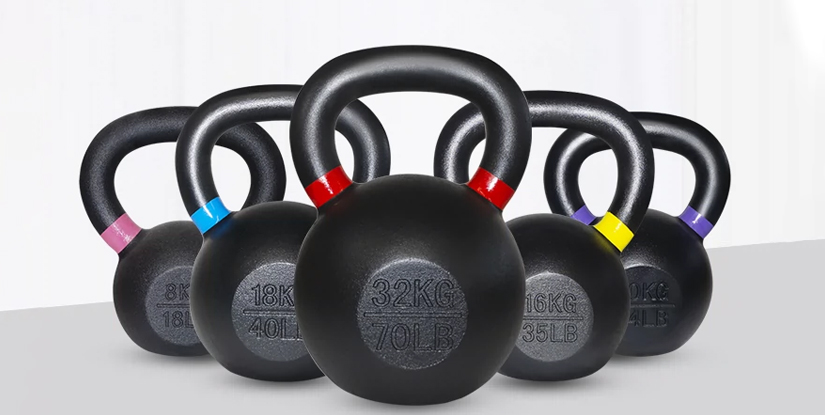
Navigating the final stages of a gym equipment procurement cycle requires a shift from general aesthetics to rigorous technical verification. To avoid premature replacement costs, buyers must look beyond the surface and demand specific data regarding coating thickness and adhesion strength. A thin or poorly applied layer is the most common failure point in lower-tier manufacturing, leading to peeling or cracking under standard operational stress.
Strategic Procurement: Quality Control and Selection Advice
For distributors and large-scale facility operators, the procurement decision should be driven by a strict quality inspection protocol. When sourcing commercial vinyl kettlebells, we recommend requesting samples specifically to test for material density and the uniformity of the outer shell. A high-quality coating should be seamless, ensuring that no internal iron edges can breach the surface during high-repetition training.
Prioritize your inventory based on usage zones: For high-intensity strength zones, prioritize heavy-duty rubber. However, for boutique studios, wellness centers, or hospitality settings where hygiene and floor preservation are the primary KPIs, a high-grade vinyl coating is the superior choice. Always verify the manufacturer's ability to maintain consistent long-term wear standards across large-scale orders to ensure your facility's equipment remains a premium asset rather than a maintenance liability.
Optimizing Gym Floor Longevity with Commercial Vinyl Kettlebells
For facility managers and distributors, the total cost of ownership extends far beyond the initial unit price of strength equipment. In high-traffic gym environments, the interaction between weight and surface is a critical variable in facility maintenance. While cast iron or rubber-coated options are standard, high-quality commercial vinyl kettlebells offer a distinct advantage regarding floor protection. The dense, non-porous coating acts as a buffer, providing a layer of impact absorption that mitigates the risk of surface scuffs or structural cracks caused by accidental drops.
When sourcing for large-scale fitness centers, evaluating the thickness and adhesion of the vinyl layer is essential. A premium coating prevents the peeling or cracking often seen in lower-grade imports, which can otherwise leave debris on the gym floor. By prioritizing equipment with superior coating integrity, procurement professionals can reduce long-term facility repair costs and ensure that the flooring remains intact despite the heavy usage typical of commercial settings.
When performing a rubber vs vinyl kettlebell comparison, procurement specialists must weigh the ease of upkeep against long-term durability. Unlike porous rubber coatings that can trap sweat, oils, and bacteria, a high-grade vinyl surface is non-absorbent, making the cleaning protocols significantly simpler and more hygienic. For high-volume distributors, this translates to reduced labor costs for facility staff, as the equipment can be sanitized quickly with standard, non-abrasive solutions without risking coating degradation.
However, the decision-making process should account for potential surface wear in specialized training zones. While vinyl offers superior floor protection and ease of sanitation, the long-term maintenance strategy must include regular inspections for coating adhesion. In environments where heavy impact is frequent, ensuring the manufacturer utilizes high-tensile, medical-grade vinyl is a vital quality control step. Ultimately, selecting equipment with a robust, tightly bonded coating optimizes the TCO (Total Cost of Ownership) by extending the replacement cycle and preserving the aesthetic and structural integrity of the gym's flooring and inventory.
Effective facility upkeep requires a proactive approach to inventory management rather than reactive replacement. To maintain professional standards, facility managers should implement a routine inspection schedule focused on the structural bond of the weight. During a standard vinyl kettlebell review, staff should look for signs of "bubbling" or separation at the handle-to-core interface, which often indicates insufficient coating thickness or poor adhesion during the manufacturing phase.
From a gym equipment procurement perspective, the most reliable way to mitigate these risks is to demand strict quality control documentation from your overseas supplier. When negotiating bulk orders or setting procurement standards, request verification of the thermal bonding process used to apply the vinyl. High-quality batches will maintain a uniform texture even under high-frequency use. By establishing these rigorous inspection benchmarks during the initial unboxing and through quarterly audits, distributors can ensure their inventory remains a premium asset rather than a recurring maintenance liability.
Managing Warranty Claims and Defect Identification in Bulk Orders
When sourcing commercial vinyl kettlebells in high volumes, the complexity of quality control shifts from individual unit aesthetics to structural integrity and long-term coating stability. A common oversight in the procurement process is failing to account for how temperature fluctuations during sea freight or warehouse storage might impact the bond between the cast iron core and the outer layer. A comprehensive vinyl kettlebell review must look beyond the surface to evaluate the reliability of the manufacturing process itself.
The primary concern for distributors and gym owners is coating adhesion. Poorly executed dipping processes can lead to micro-fissures or peeling under high-frequency use, which eventually compromises the internal weight distribution. To mitigate risk, we recommend implementing strict inspection protocols during the receiving phase. Rather than just checking for weight accuracy, buyers should inspect for manufacturing defects such as uneven thickness, air bubbles, or surface irregularities that suggest a compromised seal. Identifying these issues at the loading dock rather than after deployment significantly reduces the overhead associated with warranty claims and replacement logistics.
To streamline the receiving process, procurement managers should utilize a standardized categorization framework. This allows your team to quickly distinguish between logistics damage—often caused by improper stacking or rough handling during transit—and factory defects, which stem from insufficient quality assurance (QA) standards during production. Distinguishing these early is critical for filing accurate insurance claims or negotiating credit with your supplier.
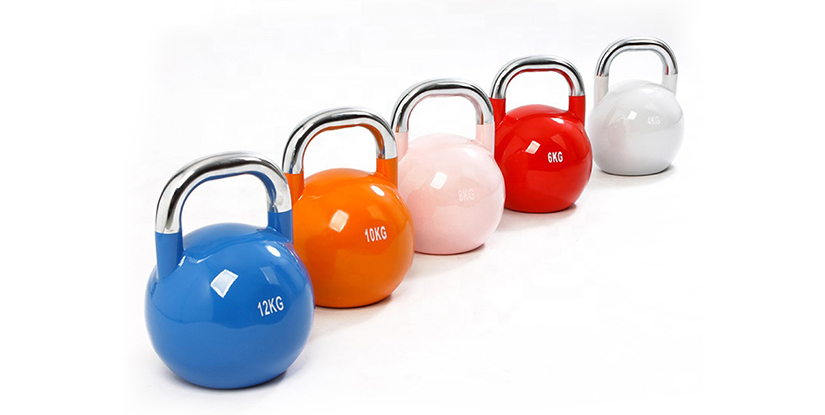
The following table serves as a practical checklist for your receiving department to identify common issues during bulk shipments:
| Defect Category | Description | Likely Origin |
|---|---|---|
| Coating Peeling | Vinyl separation from the cast iron core | Factory Defect (Poor adhesion) |
| Uneven Thickness | Weight imbalance or surface protrusions | Factory Defect (Improper dipping) |
| Structural Cracks | Deep fissures in the vinyl or handle area | Logistics Damage (Impact/Compression) |
| Surface Scuffing | Localized abrasions or color inconsistencies | Logistics/Storage (Handling friction) |
By integrating these specific metrics into your gym equipment procurement workflow, you can maintain higher accountability for your overseas manufacturers and ensure that your inventory meets the durability expectations of a professional facility.
Effective long-term TCO (Total Cost of Ownership) depends heavily on how you navigate the post-purchase phase. When a batch of equipment fails to meet commercial use durability standards, the efficiency of your recourse depends on the quality of your documentation. Professional buyers should never rely on verbal descriptions; instead, establish a rigorous protocol for supplier communication that centers on objective data.
To secure a successful claim, always document the batch numbers found on the original packaging or shipping manifests. This connects the specific defect to a production run, allowing the factory to identify if the issue is an isolated incident or a systemic failure in their dipping process. When reporting a discrepancy, provide high-resolution photographic evidence that clearly shows the scale of the defect—such as a close-up of a peeling seam or a wide shot of a weight imbalance. This level of detail prevents ambiguity and accelerates the approval of replacement policies. By treating every defect as a data-driven report rather than a subjective complaint, you maintain professional leverage and ensure your supplier remains accountable to the high standards required for commercial fitness environments.
Logistics Strategy: Packaging Volume and Landed Cost Considerations
When conducting a vinyl kettlebell review from a procurement standpoint, many buyers focus solely on the thickness of the coating. However, professional distributors must look beyond the surface to understand the total landed cost. A critical factor often overlooked is the relationship between the vinyl layer thickness and the resulting shipping density. While a thicker coating provides superior durability and floor protection, it also increases the overall exterior dimensions of the unit.
In international freight, the volume-to-weight ratio is a decisive variable. Because commercial vinyl kettlebells are relatively dense but occupy significant physical space, they are highly susceptible to dimensional weight (DIM weight) charges. If the packaging or the coating profile creates excessive volume without a proportional increase in actual weight, your shipping costs per unit will climb. For high-volume orders, optimizing the shipping density through efficient palletization and compact packaging design is essential to maintaining a competitive margin and controlling the final procurement budget.
Understanding the structural differences in the rubber vs vinyl kettlebell debate is not just about material feel; it is a strategic calculation for gym equipment procurement specialists. Rubber-coated options often feature a more compact, rugged profile that accommodates dense packing, whereas vinyl-coated units may have a slightly larger volumetric footprint due to the smooth, rounded nature of the coating application. This subtle difference can impact how many units fit within a standard shipping container or a specific pallet height.
To maximize shipping cost efficiency, buyers should request detailed packing lists that specify both the gross weight and the volumetric dimensions of the master cartons. Efficient palletization strategies—such as interlocking carton patterns—can mitigate the risks of high dimensional weight surcharges. When sourcing large quantities, coordinating with your manufacturer to ensure that the carton dimensions are optimized for standard pallet footprints will significantly reduce the landed cost per unit, ensuring your inventory arrives without unnecessary freight overhead.
For large-scale distributors and gym franchises, the decision to move from small-batch orders to bulk procurement is often driven by the need to lower the unit price. However, the true economic impact is realized through container optimization. Because vinyl-coated equipment often has a more uniform, rounded shape than cast iron or traditional rubber models, it can lead to "dead space" in a shipping container if the packaging is not precision-engineered. Working with a manufacturer that prioritizes high-density packing configurations allows you to maximize the number of units per 40ft HQ container, effectively spreading the high cost of ocean freight across a larger inventory pool.
Effective inventory management requires a balance between maintaining stock levels and minimizing wholesale logistics overhead. When negotiating MOQ (Minimum Order Quantity) levels, buyers should consider the total landed cost rather than just the EXW (Ex Works) price. A slightly higher MOQ might seem like a larger upfront investment, but if it allows for a more efficient container load factor and reduces the frequency of expensive LCL (Less than Container Load) shipments, the long-term ROI for your warehouse operations improves significantly. Always verify that the manufacturer's bulk packaging standards are designed to withstand the rigors of international transit while remaining compact enough to optimize your global supply chain.
Procurement Checklist for High-Frequency Training Environments
For facility managers and distributors, selecting the right equipment involves much more than aesthetic preference. When conducting a vinyl kettlebell review for a commercial setting, the focus must shift from individual user experience to the broader implications of total cost of ownership (TCO). In high-frequency training environments—such as boutique studios or high-traffic hotel gyms—the rate of equipment turnover can quickly erode profit margins if the wrong materials are selected.
The primary challenge in sourcing commercial vinyl kettlebells lies in balancing upfront procurement costs against long-term durability vs replacement cycles. While vinyl coatings offer superior floor protection and a premium tactile feel, the quality of the polymer application determines whether a unit lasts several years or requires replacement due to peeling and cracking within months. From a procurement standpoint, an undervalued unit that necessitates frequent reordering creates operational friction, increases shipping overhead, and disrupts inventory management. Buyers must evaluate the thickness and elasticity of the coating to ensure the product can withstand the rigorous demands of professional use without constant maintenance interventions.
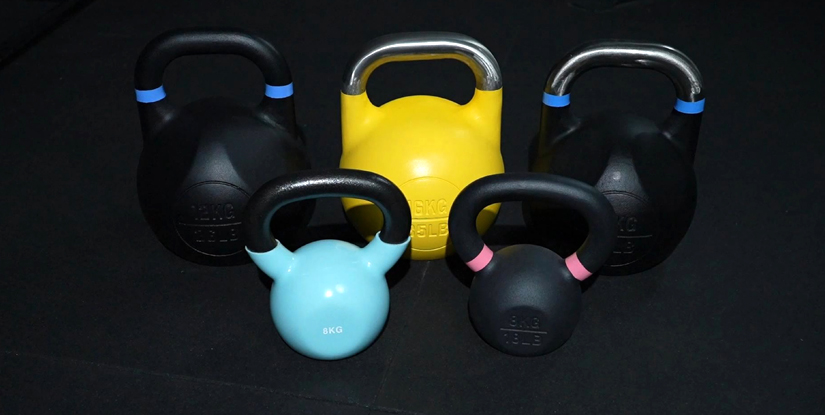
To optimize your purchasing strategy, you must differentiate between the specific utility of various materials. A common debate in gym equipment procurement is the rubber vs vinyl kettlebell comparison. While rubber is often favored for rugged, outdoor, or heavy-duty strength training, vinyl provides a specialized advantage in boutique settings where surface hygiene and aesthetic longevity are paramount. High-quality vinyl minimizes the maintenance window by offering a non-porous surface that is easier to sanitize and less prone to absorbing sweat or oils compared to lower-grade synthetic coatings.
When evaluating potential suppliers, use this framework to assess long-term value:
- Weight Distribution Consistency: Verify that the internal casting ensures even weight density to prevent shifting during high-velocity movements.
- Floor Protection: Confirm the coating density is sufficient to mitigate impact noise and prevent scuffing on high-end facility flooring.
- Coating Adhesion: Request technical specifications regarding the polymer bonding process to ensure the shell does not delaminate under temperature fluctuations.
- Scalability and MOQ: Assess if the manufacturer can maintain strict quality control across large-scale orders to ensure uniformity across your entire inventory.
Beyond product specifications, successful gym equipment procurement requires a deep dive into the logistical capabilities of your manufacturing partner. When scaling an inventory for a multi-location studio or a regional distributor, the focus must extend to the factory's ability to maintain consistency across high-volume production runs. A reliable supplier should provide transparent wholesale specifications that detail not only the weight tolerances but also the chemical composition of the vinyl shell to prevent batch-to-batch variation.
Effective inventory management also hinges on shipping volume optimization. Because kettlebells are high-density, low-volume items, the way they are packed significantly impacts your landed cost. High-tier manufacturers design their packaging to maximize container loadability, reducing the per-unit freight expense. When negotiating MOQ (Minimum Order Quantity) requirements, ensure that the factory capability includes rigorous QC standards—such as automated weight checks and manual coating inspection—to prevent the arrival of defective units that can lead to costly returns and disrupted supply chains. By aligning your procurement timeline with a supplier’s ability to optimize both product quality and shipping density, you secure a more predictable and profitable ROI.
Optimizing Long-Term ROI Through Material Selection
When sourcing for high-traffic fitness facilities, many procurement managers make the mistake of prioritizing the lowest unit price. However, a professional vinyl kettlebell review must look beyond the initial invoice to the Total Cost of Ownership (TCO). In a commercial setting, the true expense is not the purchase, but the frequency of replacement and the secondary costs of facility damage.
The debate of rubber vs vinyl kettlebell often comes down to how much you value your flooring and maintenance window. While rubber is rugged, high-quality commercial vinyl kettlebells offer a distinct advantage in floor protection, as the specialized coating acts as a buffer against high-impact drops and abrasions. For distributors and gym owners, selecting a premium vinyl coating ensures long-term durability, reducing the need for frequent inventory replenishment and minimizing the labor hours spent on surface upkeep. Investing in superior coating integrity today prevents the diminished ROI caused by peeling or cracking in a high-use environment tomorrow.
To streamline your procurement process, we have developed a comparison framework. This helps you determine which coating type aligns with your facility's specific usage intensity and budget cycles. Choosing the wrong material can lead to premature replacement cycles or unexpected flooring repairs, both of which erode your initial investment.
Material Comparison for Commercial Use
| Feature | Vinyl Coating | Rubber Coating |
|---|---|---|
| Durability | High (excellent against abrasions) | Very High (heavy-duty impact resistance) |
| Floor Impact | Superior (gentle on specialized surfaces) | Moderate (requires heavy matting) |
| Maintenance | Easy (wipe-clean surface) | Moderate (requires specialized cleaners) |
| Best Use Case | Boutique studios, yoga/HIIT, wellness centers | Hardcore strength gyms, CrossFit boxes |
When evaluating gym equipment procurement options, consider the facility's primary demographic. If your clients prioritize aesthetics and hygiene, vinyl is the optimal choice. If your facility specializes in high-velocity, high-impact training, rubber may be the safer bet for long-term asset management.
Final Procurement Checklist for Bulk Orders
Moving from a single unit evaluation to a high-volume purchase requires a shift in focus toward factory-level quality control and logistics efficiency. A thorough vinyl kettlebell review at the procurement stage should include a rigorous inspection protocol to ensure that the shipment arriving at your warehouse meets commercial standards.
Before finalizing any large-scale purchase order, verify the following technical specifications with your supplier:
- Coating Adhesion: Confirm the vinyl layer is thermally bonded to the core to prevent peeling during high-repetition use.
- Handle Smoothness: Ensure the handle surface is free of sharp edges or uneven coating that could cause friction or user discomfort.
- MOQ & Customization: Clarify Minimum Order Quantities (MOQ) early, especially if you require custom branding or specific colorways for a boutique studio chain.
- Shipping Volume Optimization: Work with your logistics partner to optimize carton dimensions. Since vinyl models are often nested or packed tightly, maximizing container utilization can significantly lower your landed cost per unit.
By addressing these variables during the sourcing phase, distributors can mitigate the risks of defective stock and high shipping overhead, ensuring a predictable and profitable inventory cycle.