Cast Iron vs Vinyl Kettlebells: Selecting for Facility
Deployment Scenarios: High-Traffic Zones vs. Specialized Training Studios
When determining whether to source a cast iron or vinyl kettlebell for your facility, procurement managers must evaluate three critical checkpoints: the risk of surface damage, the specific movement patterns of the user base, and the long-term logistics of floor maintenance. Choosing the wrong material for a specific environment often leads to premature facility degradation or increased replacement cycles. For large-scale commercial gym equipment procurement, the decision hinges on whether the equipment will reside in a high-impact, heavy-use area or a controlled, aesthetic-focused boutique setting.
In high-traffic zones such as CrossFit boxes or heavy lifting platforms, the primary concern is impact resistance and structural integrity. Cast iron models are the industry standard here because they withstand the rigors of being dropped or moved frequently without the risk of coating degradation. However, these zones require robust gym floor protection solutions, such as high-density rubber matting, to mitigate the vibration and noise of heavy iron. Conversely, specialized training studios or boutique wellness centers often prioritize a premium aesthetic and noise reduction. In these environments, a vinyl-coated option is frequently preferred to protect delicate flooring and provide a softer tactile experience. While vinyl offers better surface protection, buyers should ensure the coating quality meets strict QC standards to prevent peeling in high-intensity settings, which can complicate routine floor maintenance and diminish the professional look of the studio.
To streamline your selection process, use the following matrix to align your inventory with specific facility requirements. This comparison focuses on the total cost of ownership (TCO) and the operational impact of each material choice.
| Facility Type | Preferred Material | Primary Driver | Maintenance & Replacement Frequency |
|---|---|---|---|
| High-Impact Strength Zones | Cast Iron | Kettlebell material durability | Low replacement; requires periodic rust prevention |
| Boutique Studios / Yoga Centers | Vinyl-Coated | Surface impact & Aesthetics | Moderate replacement; coating may wear over time |
| Commercial Multi-Purpose Gyms | Mixed Inventory | Versatility & User experience | Varies by zone usage frequency |
From a professional procurement standpoint, the decision is rarely about the initial unit price alone. A lower upfront cost for vinyl may be offset by a higher replacement frequency if the facility lacks adequate flooring. Conversely, while cast iron is highly durable, the necessity for specialized gym floor protection solutions must be factored into your long-term TCO. We recommend assessing your facility's specific floor-to-equipment interaction to ensure your procurement strategy balances durability with long-term operational efficiency.
Beyond the immediate floor interaction, professional buyers must address the logistical complexities inherent in bulk procurement. When scaling an order, the choice between a cast iron or vinyl kettlebell becomes a question of manufacturing precision and transit resilience. High-volume orders demand rigorous QC (Quality Control) protocols to ensure that weight tolerance remains within strict commercial-grade margins. Discrepancies in weight can lead to inventory inconsistencies that frustrate professional trainers and compromise the integrity of your facility's strength programming.
Furthermore, shipping durability is a critical, often overlooked variable in the sourcing process. For vinyl-coated units, coating adhesion is the primary failure point during international transit; inferior manufacturing can result in micro-cracks or peeling before the product even reaches your warehouse. Procurement officers should verify that suppliers employ high-quality injection or dipping processes to withstand the rigors of long-haul logistics safety. Whether you are sourcing heavy cast iron or premium coated sets, ensuring that the manufacturer prioritizes structural uniformity and surface resilience will prevent the high rate of returns and damaged-on-arrival (DOA) shipments that often plague large-scale bulk procurement efforts.
Material Durability and Impact Resistance in Commercial Settings
In high-traffic strength training zones, the choice between a cast iron or vinyl kettlebell often comes down to how the equipment handles the rigors of high-frequency use. For facility managers and distributors, understanding the structural integrity of each option is vital to minimizing replacement cycles. Cast iron models offer a monolithic construction that excels in impact resistance; because the weight is a single, solid piece, there are no layers to separate or peel under heavy use.
Conversely, vinyl-coated options introduce a secondary layer that, while beneficial for grip and floor protection, presents a different set of long-term maintenance variables. In rigorous commercial gym equipment procurement, we frequently observe that coating degradation is the primary failure point for vinyl models. Over time, repeated drops or aggressive handling can lead to cracking or peeling of the outer shell. While the internal weight remains intact, the aesthetic and functional degradation of the coating can diminish the perceived quality of the training area. Selecting the right material requires balancing the immediate benefits of a soft touch against the long-term durability requirements of a heavy-use facility.
Beyond the structural integrity of the weights themselves, the interaction between the equipment and the surrounding environment is a critical factor in total cost of ownership. When evaluating kettlebell material durability, buyers must look past the initial purchase price and consider the potential for surface abrasion and the resulting impact on facility maintenance. While cast iron is highly resilient, its hard surface can become a liability if the facility lacks adequate gym floor protection solutions. A single dropped iron bell can cause permanent indentation or structural cracking in standard rubber flooring if not managed properly.
Vinyl-coated models act as a buffer, providing inherent floor damage mitigation through a softer impact profile. However, the trade-off is the eventual wear of the coating itself. To assist in your procurement decision, the following comparison outlines the typical maintenance cycles and floor impact profiles for both options:
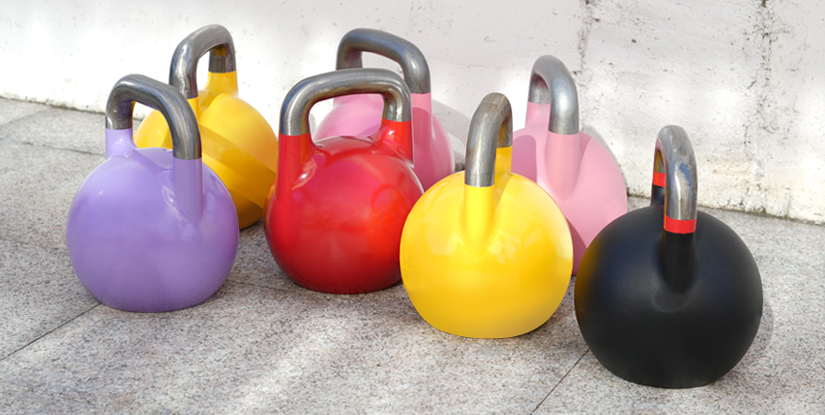
| Feature | Cast Iron (Uncoated/Painted) | Vinyl-Coated |
|---|---|---|
| Impact Profile | High (Hard Surface) | Medium/Low (Dampened) |
| Floor Interaction | Requires high-density mats | Compatible with lighter rubber |
| Primary Wear Pattern | Paint chipping/Rust potential | Coating peeling/Cracking |
| Maintenance Needs | Low (Occasional oiling) | Moderate (Surface cleaning) |
For high-volume distributors, we recommend assessing the specific flooring specifications of the end-user facility before finalizing large-scale orders. If the client prioritizes longevity and minimal aesthetic upkeep, cast iron remains the industry standard; if the focus is on protecting thinner, specialized flooring, vinyl-coated options offer a practical advantage.
From a professional procurement perspective, the decision between a cast iron or vinyl kettlebell should be driven by a calculated long-term TCO (Total Cost of Ownership) analysis. In heavy-duty usage environments, such as CrossFit boxes or high-intensity interval training (HIIT) studios, the replacement frequency of equipment can significantly erode annual profit margins if the wrong material is selected for the specific training style.
Cast iron provides a predictable material lifespan that often spans decades, provided that rust prevention measures are in place. For facility owners, this translates to a low-frequency replacement procurement strategy, as the solid-body construction is nearly impervious to the mechanical stress of high-volume throughput. In contrast, while vinyl models offer immediate benefits in noise reduction and surface softness, the inevitable degradation of the outer shell necessitates a more frequent replacement cycle. When calculating your budget, consider that the lower initial cost of coated equipment is often offset by the logistical costs of more frequent reordering and the labor required to manage worn-out inventory. A robust procurement strategy must account for these long-term variables to ensure the facility remains both high-performing and cost-efficient.
Floor Protection Solutions and Long-Term Maintenance Requirements
When managing a high-traffic training zone, the decision between a cast iron or vinyl kettlebell often comes down to the long-term integrity of your facility's flooring. For procurement managers, the immediate purchase price is only one variable in the Total Cost of Ownership (TCO). The real impact lies in how frequently your maintenance team must address surface abrasion or floor repairs caused by equipment impact.
Cast iron models, while incredibly durable, present a higher risk of surface damage if dropped, necessitating robust gym floor protection solutions like high-density rubber matting. Conversely, vinyl-coated options offer superior impact absorption and a softer contact point, which can extend the lifespan of premium synthetic flooring. During commercial gym equipment procurement, failing to account for these mechanical interactions can lead to unexpected capital expenditures for floor resurfacing within a few years of operation.
| Material Type | Impact Profile | Floor Wear Risk | Maintenance Profile |
|---|---|---|---|
| Cast Iron | High / Rigid | Significant (Scuffs/Dents) | Low equipment upkeep |
| Vinyl Coated | Moderate / Dampened | Minimal (Surface Scratches) | Periodic coating inspection |
Selecting the right specification ensures that your facility remains functional and aesthetically professional without constant structural repairs to the training surface.
To optimize your long-term operational budget, it is essential to evaluate the kettlebell material durability against your specific facility cleaning and replacement cycles. While cast iron is virtually indestructible, its maintenance focus is on preventing oxidation and rust, whereas vinyl-coated models require oversight regarding the integrity of the outer skin.
| Evaluation Metric | Cast Iron Specifications | Vinyl-Coated Specifications |
|---|---|---|
| Surface Wear | Susceptible to chipping or rust if coating fails | Potential for punctures or peeling under heavy use |
| Cleaning Protocols | Standard wipe-down; avoid moisture retention | Non-porous; easy to sanitize with mild solutions |
| Replacement Frequency | Extremely low; lasts decades if kept dry | Moderate; coating may degrade over time |
| Floor Compatibility | Requires heavy-duty rubber platform protection | Compatible with lighter commercial flooring |
For distributors and large-scale buyers, understanding these nuances prevents the common pitfall of low initial costs leading to high replacement frequency. Choosing the correct material ensures that your procurement strategy aligns with both your facility's aesthetic standards and its long-term structural maintenance capacity.
Beyond material integrity, procurement specialists must consider the operational maintenance windows required for different training environments. In high-traffic zones, such as functional training areas or boutique studios, the labor cost of equipment upkeep can quickly erode the savings gained from a lower initial unit price. For instance, cast iron equipment often requires periodic inspection for oxidation or paint chipping to maintain a professional appearance, whereas vinyl-coated versions require monitoring for punctures or surface degradation caused by aggressive cleaning agents.
When planning facility upkeep, the choice between cast iron or vinyl kettlebell options dictates your long-term staffing and budget allocation. A facility prioritizing durability vs. aesthetics must decide if they prefer the rugged, industrial look of iron—which may require more floor-level protection—or the polished, color-coded versatility of vinyl, which supports a cleaner, more modern brand image. For high-volume distributors, matching the equipment specification to the client's specific floor type and cleaning protocols is the most effective way to ensure long-term client satisfaction and repeat orders.
Optimizing Inventory and Stocking Strategies for Distributors
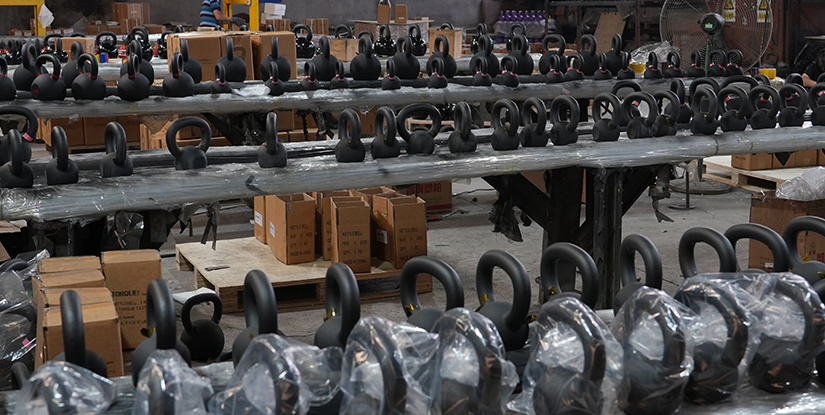
For distributors and large-scale wholesalers, the decision between stocking a cast iron or vinyl kettlebell involves more than just aesthetic preference; it is a calculated move regarding inventory turnover and warehouse utility. High-performance commercial gyms often demand the rugged, long-term product lifespan associated with cast iron, which appeals to heavy-duty strength facilities. However, the rising trend in boutique studios and functional training zones creates a high demand for the colorful, protective nature of vinyl-coated options.
Navigating commercial gym equipment procurement requires balancing these two distinct market segments. While cast iron provides unmatched durability vs. aesthetics—offering a classic, indestructible profile—vinyl-coated models often move faster in retail-oriented or wellness-focused environments due to their visual appeal and floor-friendly properties. A strategic stock mix ensures you can satisfy both the hardcore strength athlete and the premium studio client without overextending your capital on slow-moving SKUs.
To refine your B2B procurement strategy, segment your inventory based on the specific installation requirements of your clients. For high-impact environments like CrossFit boxes or traditional weight rooms, prioritize heavy-duty cast iron. These clients prioritize kettlebell material durability and high-frequency use, often viewing the equipment as a permanent fixture. In these settings, the risk of surface wear is secondary to the raw structural integrity of the iron.
Conversely, for boutique fitness studios and hotel wellness centers, a higher ratio of vinyl-coated units is often more profitable. These facilities frequently prioritize gym floor protection solutions to maintain high-end flooring and minimize long-term maintenance costs. By stocking a diverse range of both styles, distributors can optimize their SKU selection to meet the distinct needs of heavy-duty strength facilities versus aesthetic-driven wellness spaces. This balanced approach ensures you remain a versatile supplier capable of servicing both the rugged functional training market and the premium boutique sector.
Effective procurement planning requires a granular understanding of how material specifications influence both logistics and long-term client satisfaction. To assist in your decision-making process, the following comparison outlines the technical trade-offs between these two dominant material categories. This data is intended to help buyers calculate the total cost of ownership and shipping efficiency for bulk orders.
Material Comparison for Bulk Procurement
| Technical Metric | Cast Iron (Standard) | Vinyl-Coated (Premium/Studio) |
|---|---|---|
| Weight Increments | Highly granular; standard 2kg–4kg jumps | Often limited to larger intervals |
| Coating Longevity | N/A (Direct surface/Paint) | Moderate (Subject to puncture/wear) |
| Shipping Volume/Density | High density; minimal volumetric footprint | Lower density; larger external dimensions |
| Maintenance Needs | Low (Occasional rust prevention) | Moderate (Surface cleaning/Inspection) |
| Floor Impact Level | High (Requires heavy-duty matting) | Low (Protective for high-end surfaces) |
When evaluating a cast iron or vinyl kettlebell order, consider that while vinyl-coated units offer superior protection for client flooring, they typically occupy more cubic volume in a shipping container. For distributors focused on maximizing container load efficiency and minimizing freight costs per unit, cast iron remains the gold standard for high-density, high-volume transport.
Sourcing Specifications and Quality Control for Bulk Orders
When navigating the complexities of commercial gym equipment procurement, the decision often hinges on more than just the initial invoice price. Buyers frequently face a tension between the lower upfront cost of certain coated options and the long-term durability of raw metal. Deciding between a cast iron or vinyl kettlebell requires a shift in perspective from simple unit pricing to a comprehensive Total Cost of Ownership (TCO) model.
The dilemma centers on the frequency of replacement cycles and the hidden costs of facility upkeep. While vinyl coatings offer immediate aesthetic appeal and surface protection, they are susceptible to tearing and peeling under heavy commercial use, potentially necessitating premature reordering. Conversely, high-quality cast iron provides a rugged, lifelong solution, though it demands a different approach to floor maintenance and impact management. For distributors and facility managers, understanding these variables is essential to ensuring that high-volume orders deliver sustained value rather than recurring replacement expenses.
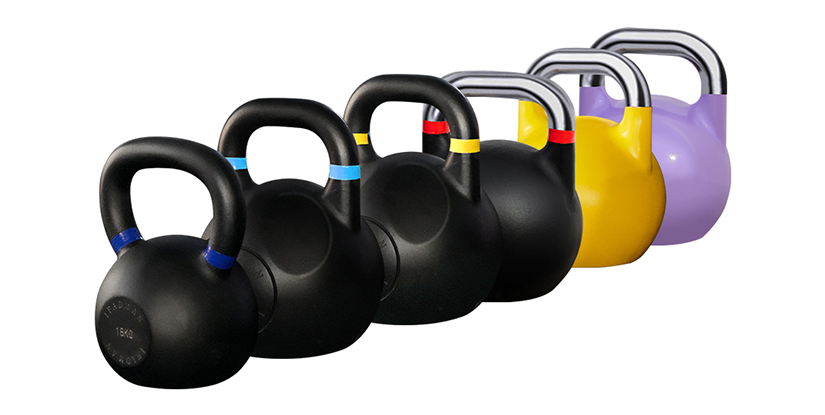
To make an informed procurement decision, buyers must evaluate technical specifications against the operational environment of the target facility. The following comparison highlights how different material compositions affect long-term asset management and the necessity for specialized gym floor protection solutions.
| Material Type | Kettlebell Material Durability | Floor Impact Profile | Maintenance Requirement |
|---|---|---|---|
| Cast Iron | Extremely High; resistant to structural deformation | High impact; requires heavy-duty rubber matting | Low; occasional inspection for oxidation/rust |
| Vinyl-Coated | Moderate; susceptible to tearing and UV degradation | Lower impact; more forgiving on standard surfaces | Moderate; requires surface cleaning to prevent buildup |
For high-traffic commercial centers, the kettlebell material durability of cast iron often yields a superior ROI due to its extended replacement cycle. However, if the facility layout relies on lighter, multi-purpose flooring, the shock-absorption qualities of vinyl may reduce the immediate need for heavy-duty subflooring. We recommend that distributors verify the coating thickness and adhesion quality in any vinyl orders to mitigate the risk of premature wear-and-tear complaints from end-users.
Technical Verification and Manufacturing Oversight
Beyond material choice, the success of a high-volume shipment depends heavily on the manufacturer's factory capability and rigorous quality control protocols. When sourcing vinyl-coated options, a primary failure point is poor coating adhesion. In many cases, low-grade manufacturing results in the outer layer separating from the inner core during temperature fluctuations or high-impact use. We advise procurement officers to request specific testing data or sample inspections that demonstrate how the coating performs under stress to prevent widespread product returns.
For buyers managing large-scale distribution, bulk order logistics and MOQ considerations must be integrated into the early planning stages. A reliable supplier should offer a transparent QC inspection process—covering both structural integrity and surface finish—before any container is sealed. Whether you are prioritizing the ruggedness of cast iron or the surface-friendly nature of vinyl, ensuring that your manufacturer maintains strict tolerances will protect your margins and ensure that the shipment arrives ready for immediate commercial deployment.
Evaluating Total Cost of Ownership for Facility Lifecycles
In professional commercial gym equipment procurement, the most significant oversight is often failing to distinguish between initial CAPEX and long-term OPEX. While a single unit's price point might seem negligible during a bulk order, the cumulative impact of replacement cycles and maintenance dictates the true profitability of your facility. When deciding between a cast iron or vinyl kettlebell, the decision hinges on how the material interacts with your environment over several years.
Cast iron models typically offer a lower entry cost per unit, but they require a strategy for oxidation management. In contrast, the durability of coating on vinyl-encased options provides an immediate layer of protection for both the weight and the surrounding floor. However, if a facility experiences high-impact usage, the risk of coating degradation can lead to unexpected replacement costs. Buyers must weigh the maintenance frequency of raw metal against the potential for surface peeling in coated versions. Ultimately, a successful procurement strategy looks beyond the invoice to account for the total lifecycle of the equipment within a high-traffic commercial setting.
To quantify these variables, procurement officers should look at the interplay between equipment lifespan and facility upkeep. A common mistake in high-volume sourcing is neglecting the cost of secondary damage. For instance, choosing a cast iron or vinyl kettlebell without considering your existing flooring can lead to significant hidden expenses in repairs and resurfacing. While vinyl coatings act as a buffer, the structural integrity of the weight remains the primary factor in long-term ROI.
Comparative Material Lifecycle Analysis
| Material | Typical Lifespan | Floor Impact/Protection | Maintenance Needs | Replacement Frequency |
|---|---|---|---|---|
| Cast Iron | High (Decades) | High Impact; Requires specialized gym floor protection solutions | Low (Oxidation/Rust prevention) | Low (Rarely due to structural failure) |
| Vinyl-Coated | Moderate (Years) | Lower Impact; Protects surface from minor scuffs | Moderate (Coating integrity checks) | Moderate (Due to potential peeling/cracking) |
When calculating your long-term ROI, factor in the cost of gym floor protection solutions such as high-density rubber mats. For facilities prioritizing extreme longevity and lower unit costs, cast iron remains the standard, provided the floor is reinforced. For boutique or studio-style environments where aesthetics and surface safety are paramount, the slightly higher cost of vinyl-encased units may offset the need for heavy-duty flooring upgrades.
Logistical Efficiency and Global Sourcing Strategy
Beyond the physical durability of the equipment, a sophisticated wholesale procurement strategy must account for the logistical variables inherent in international shipping. The choice between a cast iron or vinyl kettlebell significantly alters your landed cost per unit due to variations in density and volume. Cast iron, being more compact and dense, allows for more efficient container utilization, which can lower the per-unit shipping weight considerations in high-volume sea freight. Conversely, vinyl-encased models often have a larger footprint for the same weight, potentially increasing volumetric weight and impacting freight budgets.
Reliability in bulk ordering also depends on rigorous QC standards for coating adhesion. When sourcing vinyl-coated equipment, the risk of receiving damaged or peeling units is higher if the factory lacks advanced application technology. A failure in quality control during the manufacturing stage can lead to high return rates or unusable inventory upon arrival at your warehouse. To mitigate these risks, distributors should demand detailed specifications regarding the bond strength of the coating to the core. Ensuring that your supplier maintains high kettlebell material durability standards through pre-shipment inspections will safeguard your margins and ensure that your inventory remains a reliable asset for your end-users.