kettlebell vinyl vs iron | Vinyl vs Iron Kettlebells
Establishing Your Procurement Framework for Kettlebell Selection
Many facility managers fall into the trap of prioritizing the lowest unit price during the initial bidding phase, only to face unexpected expenses later. A common mistake is selecting a low-cost option without calculating the long-term impact on the facility's budget. A more sophisticated sourcing approach involves evaluating the kettlebell vinyl vs iron debate through the lens of Total Cost of Ownership (TCO), rather than just the immediate purchase price.
When drafting your procurement strategy, you must weigh the initial capital expenditure (CAPEX) against the anticipated replacement cycles of your equipment. While vinyl-coated options may offer a lower entry cost for specific boutique environments, they often face different wear patterns compared to traditional cast iron. Neglecting to account for these variables can lead to higher maintenance costs and more frequent reordering cycles, ultimately straining your gym equipment inventory management and disrupting your long-term operational budget.
To optimize your capital allocation, it is essential to differentiate between upfront acquisition costs and long-term operational expenditures. While the base unit price of a cast iron kettlebell is often lower due to streamlined manufacturing, the cast iron kettlebell durability factor frequently results in a lower cost-per-use over several years. Conversely, the manufacturing complexity involved in coated kettlebell procurement—specifically the application of high-grade vinyl or urethane—adds a premium to the initial invoice but can protect your flooring and reduce noise, potentially lowering indirect facility costs.
From a logistics perspective, volume and weight density also dictate your landed cost. Iron models are compact but heavy, impacting freight weight charges, whereas vinyl options may have a slightly larger footprint, affecting shipping volume. Understanding these nuances is vital for effective gym equipment inventory management and predictable scaling.
| Metric | Cast Iron Kettlebells | Vinyl-Coated Kettlebells |
|---|---|---|
| Unit Price | Generally Lower | Moderate to Higher |
| Durability | High (Industrial Use) | Moderate (Coating Wear Risk) |
| Maintenance | Minimal (Rust Prevention) | Low (Surface Cleaning) |
| Shipping Volume | Low (High Density) | Moderate (Larger Footprint) |
Effective scaling requires a bifurcated approach to your purchasing cycles. For high-turnover environments like commercial functional training zones, a robust bulk ordering strategy for cast iron sets ensures you maintain a consistent stock of foundational weights without frequent replacement interruptions. These are your long-term assets, designed to withstand high-frequency use with minimal depreciation in utility.
However, for specialized facility needs—such as boutique studios or high-end wellness centers—your procurement should favor high-quality coated models. While these carry a higher initial cost, they serve a strategic purpose in protecting specialized flooring and enhancing the user experience. When scaling equipment sets, do not treat all inventory as a monolith. Instead, balance your inventory by allocating a larger percentage of your budget to high-durability iron for core strength areas, while utilizing premium coated options for client-facing or high-traffic aesthetic zones. This balanced allocation optimizes your inventory turnover and ensures that capital is distributed where it provides the highest functional and aesthetic return.
Analyzing Material Durability and Long-Term Asset Value
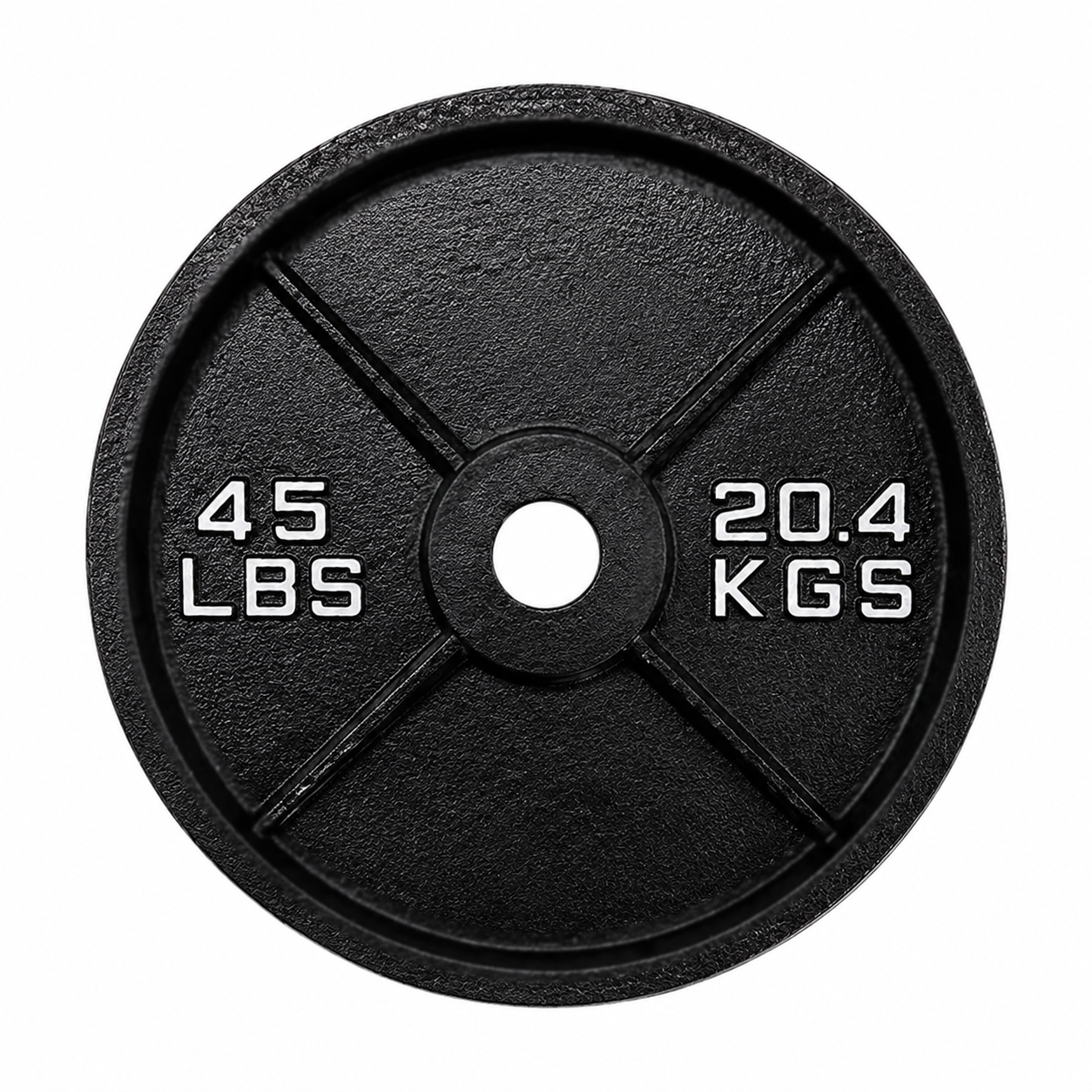
In high-traffic commercial gym usage, the primary concern for procurement managers is the total cost of ownership (TCO) driven by equipment lifespan. When evaluating cast iron kettlebell durability, the structural integrity of the core is the most critical factor. Solid cast iron offers unmatched high-impact resistance, making it the standard for heavy-duty strength training zones where equipment is frequently dropped or stored in bulk. The density of the iron ensures that the weight remains consistent over years of rigorous use without internal shifts.
Conversely, vinyl-coated options introduce a secondary layer of complexity regarding surface degradation. While the coating protects the floor and provides a premium aesthetic, it is susceptible to punctures or peeling if the underlying core is not manufactured to strict quality control standards. For distributors, understanding this distinction is vital for managing client expectations regarding long-term maintenance. Below is a comparison of how these materials impact your long-term asset value.
| Durability Factor | Cast Iron Core | Vinyl-Coated Option |
|---|---|---|
| Impact Resistance | High (Ideal for heavy lifting) | Moderate (Coating may crack) |
| Surface Longevity | High (Rust prevention required) | Variable (Risk of peeling) |
| Maintenance Needs | Low (Occasional oiling) | Low (Easy to clean) |
| Long-Term TCO | Excellent for high-intensity | Good for boutique/studio settings |
When calculating the procurement lifecycle, the choice between kettlebell vinyl vs iron depends heavily on the intended environment and the expected replacement frequency. For large-scale commercial facilities or CrossFit boxes, the heavy-duty nature of cast iron typically results in a longer service life with minimal structural degradation. While iron may require occasional surface treatments to prevent oxidation, its core remains intact even under extreme mechanical stress.
In contrast, vinyl-coated models are often preferred for boutique studios or wellness centers where floor protection and ease of sanitation are prioritized. However, procurement specialists must account for the potential of surface wear-and-tear, which can shorten the aesthetic lifespan of the product. When managing gym equipment inventory management, it is prudent to categorize these assets based on their usage intensity: iron for high-impact zones and vinyl for controlled, low-impact environments. This strategic allocation ensures optimal long-term asset value and more predictable budget cycles for your facility.
Beyond individual unit lifespan, professional buyers must consider the logistical complexities inherent in coated kettlebell procurement. A significant variable in high-volume orders is the reliability of the bonding process. During a rigorous QC inspection, it is essential to verify coating adhesion to ensure the vinyl layer does not delaminate from the internal weight under thermal expansion or heavy impact. A failure in adhesion not only degrades the product's appearance but can also lead to uneven weight distribution, a critical flaw for professional training standards.
From a logistics standpoint, the choice between these two formats directly impacts shipping density and freight costs. Because vinyl-coated kettlebells often have a larger outer diameter relative to their weight compared to compact cast iron, they occupy more cubic volume per unit. For distributors managing large-scale inventory management, this means higher volumetric weight calculations during sea freight. When planning bulk shipments, we recommend evaluating the volumetric efficiency of your SKU mix to balance the premium aesthetic of coated models with the high-density shipping advantages of traditional iron sets.
Optimizing Floor Space and Equipment Footprint
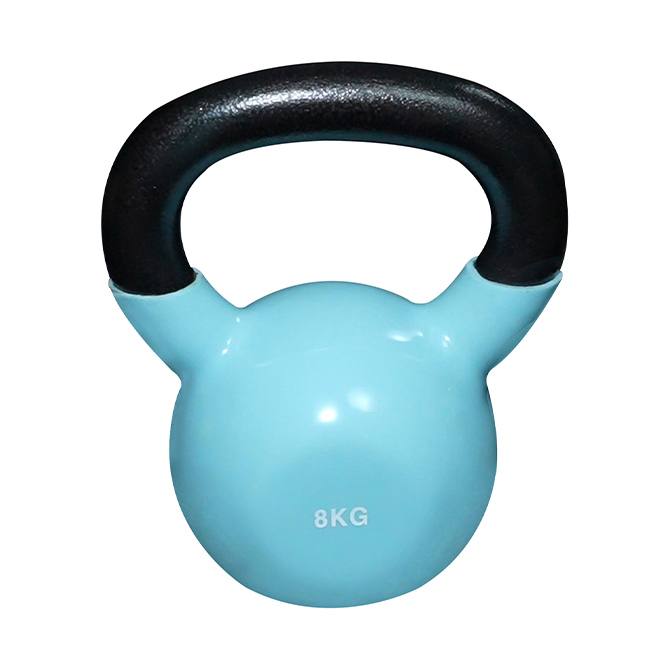
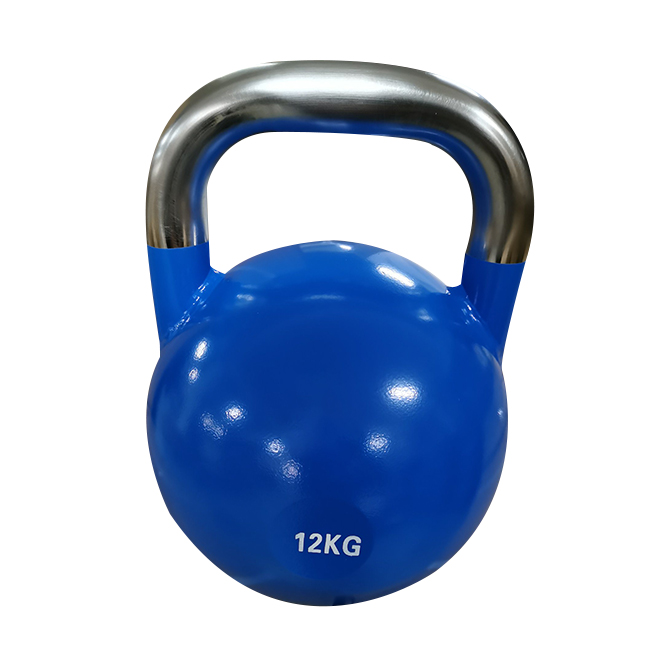
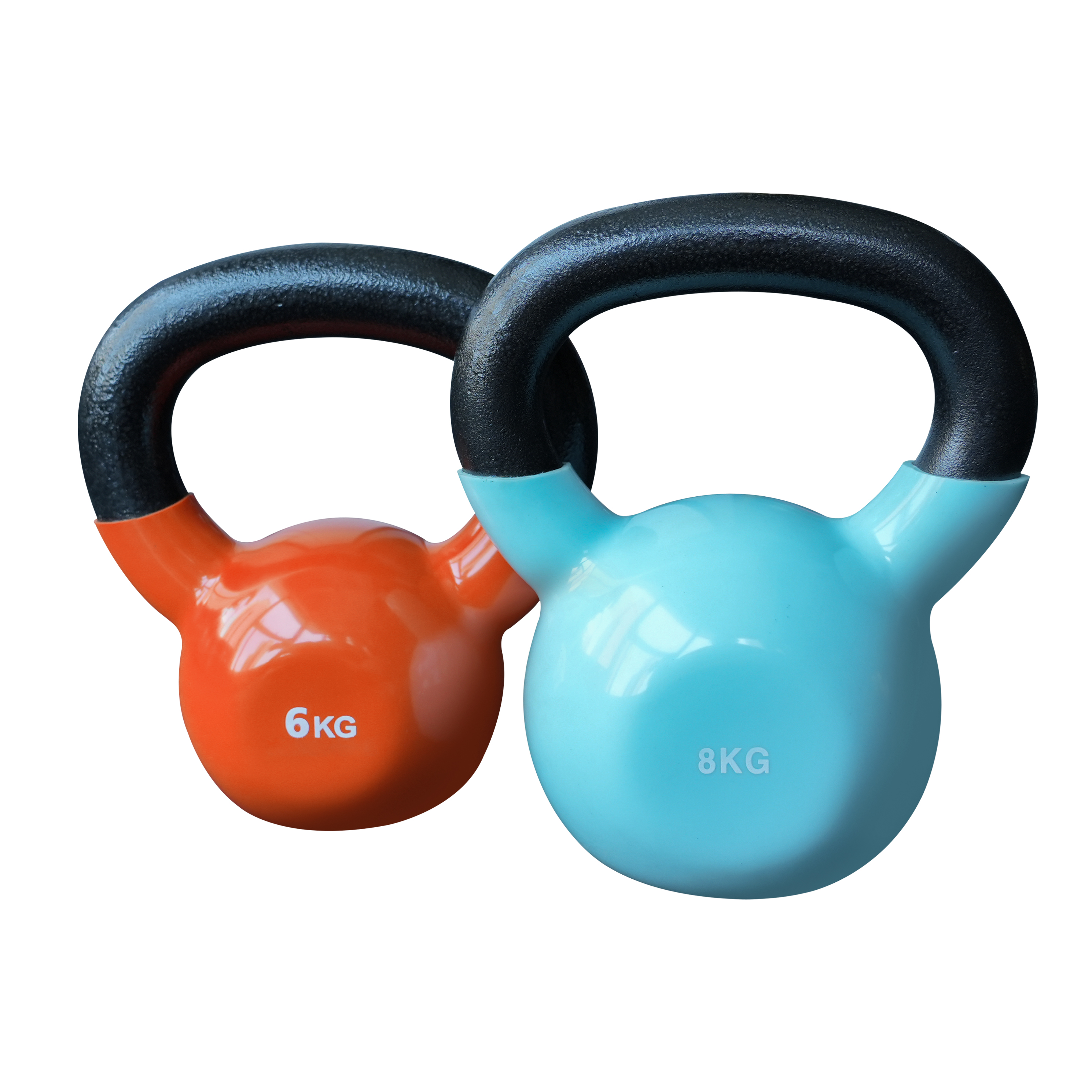
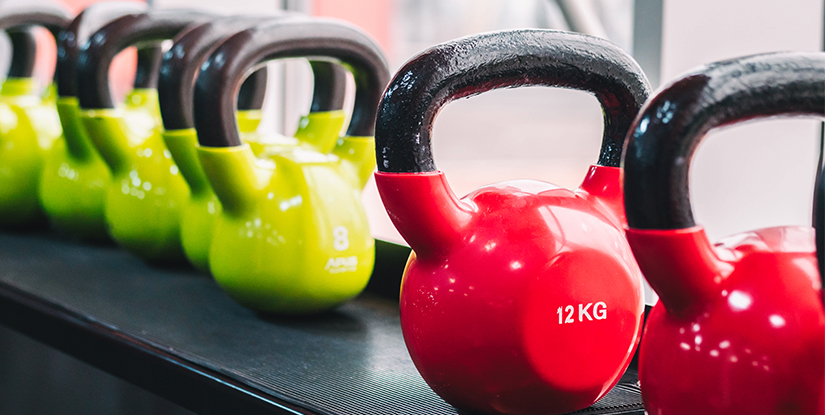
When designing a high-performance training zone, the physical dimensions of your inventory dictate the efficiency of the layout. In the debate of kettlebell vinyl vs iron, the distinction extends beyond surface texture to the actual spatial footprint each unit occupies. Because vinyl-coated options often feature a thicker outer layer to protect the internal core, they typically possess a slightly larger diameter than their cast iron counterparts of the same weight. While this difference may seem negligible for a single unit, it becomes a critical variable when calculating the total movement radius for multiple athletes in a shared space.
For facility managers overseeing high-traffic zones, understanding these dimensional variances is essential for effective floor space optimization. Iron kettlebells offer a more compact profile, making them ideal for dense storage or tight functional training corners. Conversely, the increased volume of coated models requires a more generous buffer zone to ensure safe clearance during swings or snatches. When planning your next procurement cycle, consider how these subtle changes in volume will impact the flow of movement and the overall density of your gym floor layout.
To assist with your logistics and floor plan calculations, we have outlined the spatial considerations below. This comparison highlights how material choice affects not just the weight, but the volumetric presence of the equipment within your facility. When managing gym equipment inventory management, these nuances determine whether your storage solutions remain efficient or become cluttered.
The following table provides a framework for evaluating storage density and spatial requirements based on typical usage scenarios encountered in commercial settings.
| Feature/Scenario | Cast Iron Kettlebells | Vinyl Coated Kettlebells |
|---|---|---|
| Diameter Profile | Compact and consistent; minimal volume. | Larger diameter due to protective layer. |
| Storage Density | High; ideal for nested or tight rack systems. | Lower; requires more clearance in racks. |
| Movement Radius | Optimized for high-density training zones. | Requires larger safety buffer zones. |
| Best Use Case | Strength zones and limited floor space. | High-traffic areas requiring floor protection.
For distributors focusing on coated kettlebell procurement, it is vital to account for this increased volume when calculating shipping volumes and container loadability. While cast iron kettlebell durability ensures a long lifecycle in tight spaces, the vinyl option offers a functional trade-off by prioritizing floor and equipment protection over pure spatial efficiency.
Beyond the gym floor, the physical volume of your order significantly impacts your bottom line during the logistics phase. When conducting bulk procurement considerations, buyers must recognize that the increased diameter of vinyl-coated units directly translates to higher shipping volume per unit. Even if the weight remains identical to iron, the expanded outer dimensions can reduce the total number of units that fit within a standard shipping container or pallet configuration.
Effective gym equipment inventory management requires a dual-focus approach: managing the physical footprint in the warehouse and the volumetric density in transit. While cast iron units allow for tighter nesting and more efficient pallet stacking, the vinyl-coated models may demand more specialized packaging or larger crate dimensions to prevent surface compression. For distributors and large-scale facility owners, failing to account for this volumetric difference can lead to unexpected freight surcharges and suboptimal storage footprint utilization during the receiving process. We recommend evaluating your SKU mix to balance high-density iron stock with the specialized, high-volume requirements of coated inventory to maintain a lean and predictable supply chain.
Maintenance Requirements and Operational Lifespan
When calculating the total cost of ownership (TCO) for a commercial facility, the distinction between kettlebell vinyl vs iron extends far beyond the initial purchase price. Procurement professionals must weigh the immediate cost savings of coated options against the long-term structural integrity required for high-traffic gym environments. While vinyl-coated models offer a protective layer that shields users from impact, they are susceptible to coating degradation. Over time, heavy usage or improper storage can lead to punctures or peeling, which may compromise the aesthetic and functional utility of the unit.
In contrast, the cast iron kettlebell durability profile is defined by its elemental simplicity. While iron is naturally prone to oxidation if exposed to excessive moisture, a high-quality powder coating or specialized finish significantly mitigates this risk. For distributors and gym owners, the choice often comes down to a trade-off between surface vulnerability and structural longevity. While vinyl provides a softer interface, iron remains the standard for heavy-duty, long-term inventory management where the ability to withstand rigorous, unyielding use is the primary requirement.
To streamline your procurement decisions, we have synthesized the technical maintenance profiles of both materials. This comparison assists in forecasting replacement cycles and optimizing your long-term gym equipment inventory management. When evaluating coated kettlebell procurement, it is essential to account for both the immediate upkeep and the eventual depreciation of the outer layer.
| Material Type | Primary Maintenance Task | Typical Lifespan (Commercial Use) | Risk Factor |
|---|---|---|---|
| Vinyl Coated | Surface cleaning and puncture inspection | 3–5 years (depending on impact frequency) | Coating peeling or tearing |
| Cast Iron | Moisture control and oxidation prevention | 10+ years (with proper storage) | Surface rust from high humidity |
Strategic Note for Buyers: While vinyl offers a lower barrier to entry for boutique studios, iron remains the superior choice for high-volume strength facilities. When sourcing in bulk, ensure your quality control protocols include checking for coating adhesion strength to minimize premature replacement cycles.
Beyond the individual unit's lifespan, distributors must consider the logistical complexities of gym equipment inventory management. The way you house and move your stock directly influences the long-term value of your shipment. For instance, while vinyl-coated units are generally more resilient to minor surface abrasions, they are vulnerable to environmental temperature fluctuations that can affect the elasticity and adhesion of the polymer shell. If stored in non-climate-controlled environments, the internal core and outer coating may expand at different rates, leading to premature failure.
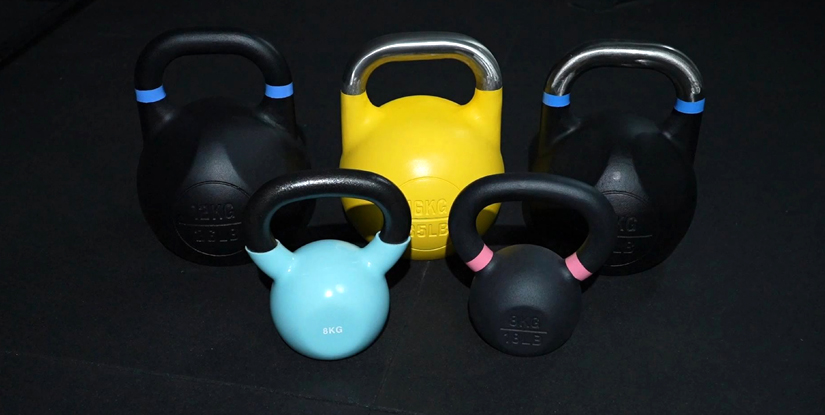
For cast iron products, moisture control is the most critical factor in maintaining warehouse shelf-life. Even with high-grade powder coatings, prolonged exposure to high humidity during transit or storage can trigger oxidation. We recommend implementing strict storage protocols that include elevated pallet positioning and moisture-wicking packaging to ensure bulk shipment stability. When planning large-scale orders, accounting for these environmental variables ensures that your inventory arrives at the client site in pristine, retail-ready condition, reducing the risk of costly returns or replacement claims.
Inventory Diversification Strategies for Specialized Gyms
When building a high-performance training environment, a binary choice between materials often leads to inefficient capital allocation. Sophisticated gym equipment inventory management requires a nuanced understanding of how different weights interact with your facility's specific user base. For instance, a boutique studio focusing on high-repetition metabolic conditioning may see different wear patterns than a heavy-lifting strength facility.
The core of a smart procurement strategy lies in balancing the initial investment vs long-term maintenance costs. While cast iron offers a lower entry price per unit, the long-term depreciation of vinyl-coated options in high-traffic areas can actually be lower due to reduced floor damage and surface protection. Rather than choosing one over the other, savvy distributors and facility owners often employ a hybrid model. By utilizing the kettlebell vinyl vs iron distinction to segment their stock—placing durable iron in heavy lifting zones and protective vinyl in multi-purpose or boutique spaces—you optimize for both high-traffic durability and overall lifecycle value.
To optimize your procurement budget, it is helpful to view these two options through the lens of Total Cost of Ownership (TCO). A single material choice rarely serves every zone within a commercial facility. For example, a high-intensity interval training (HIIT) zone requires equipment that can withstand frequent drops and heavy use, whereas a boutique yoga or mobility studio prioritizes floor protection and aesthetic uniformity.
The following table provides a strategic breakdown to assist in your volume allocation and coated kettlebell procurement planning. It highlights how cast iron kettlebell durability and maintenance frequency impact your long-term bottom line.
| Gym Zone Type | Recommended Material | Price Point per Unit | Primary Benefit | Maintenance Profile |
|---|---|---|---|---|
| Strength & Powerlifting | Cast Iron | Lower | High durability under heavy impact | Low; periodic rust inspection |
| HIIT & Metabolic Conditioning | Vinyl Coated | Moderate | Floor protection & grip consistency | Moderate; check coating integrity |
| Boutique & Studio Spaces | Vinyl Coated | Higher | Aesthetics & noise reduction | Low; surface cleaning |
Strategic Sourcing Tip: When negotiating bulk orders, consider a split-SKU approach. Allocate more capital to cast iron for heavy-use strength zones to maximize cast iron kettlebell durability, while utilizing vinyl options for premium studio zones to enhance the user experience and protect your flooring assets.
Logistics and Scaling Efficiency
Beyond the immediate unit cost, professional buyers must account for how material selection dictates logistics and long-term inventory turnover. The physical profile of your order significantly influences the total landed cost. For example, while cast iron is highly dense and compact, the addition of a thick vinyl or urethane coating increases the outer diameter and overall shipping volume per unit. This discrepancy means that a container filled with iron kettlebells will carry a higher weight-to-volume ratio compared to a shipment of coated models, which may hit volumetric weight limits sooner.
When planning bulk ordering cycles, consider the storage footprint within your warehouse or retail floor. Vinyl-coated options, though excellent for premium branding, require more cubic space for the same weight capacity. If your facility operates on tight margins and high-frequency turnover, a heavy lean toward iron can optimize your storage density and reduce per-unit freight expenses. However, for distributors targeting high-end boutique clients, the increased volume of coated inventory is often a necessary trade-off for the higher perceived value and specialized market demand.
Spatial Footprint and Storage Optimization
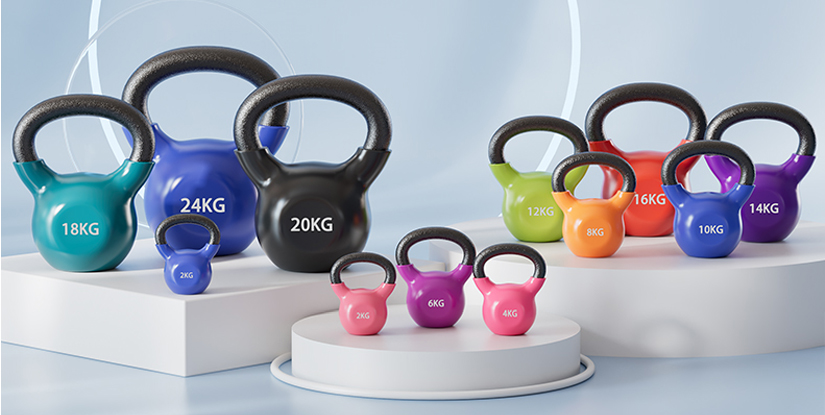
When planning a high-density training zone, the physical dimensions of your equipment dictate your floor space optimization strategy. A critical factor in kettlebell vinyl vs iron procurement is the discrepancy in volume-to-weight ratios. Because vinyl-coated kettlebells feature an additional layer of polymer over the core, they possess a larger diameter than traditional cast iron models of the same weight. For distributors and gym owners, this means that while the weight remains constant, the spatial footprint of a vinyl set is inherently larger.
This volume difference directly impacts gym equipment inventory management, particularly regarding rack dimensions and shelving capacity. If your facility relies on compact vertical storage or specialized kettlebell trees, the increased girth of coated options may limit the number of units you can stack or display per linear foot. When calculating shipping volumes or warehouse layouts, procurement specialists should account for this extra bulk to ensure efficient storage density and avoid unexpected logistical bottlenecks during large-scale facility fit-outs.
Beyond the physical footprint within the gym, procurement managers must evaluate how material choice influences the broader supply chain. The difference in density between these two types of equipment creates distinct profiles for dimensional weight and freight costs. While cast iron kettlebells offer a high weight-to-volume ratio, the larger circumference of vinyl options can lead to higher shipping volumes per unit. This discrepancy is a vital variable in cost-benefit analyses for large-scale international orders.
Logistics and Shipping Comparison
The following table provides a general framework for assessing how material selection impacts your landed cost and storage efficiency during bulk transport.
| Metric | Cast Iron Kettlebells | Vinyl-Coated Kettlebells |
|---|---|---|
| Volume-to-Weight Ratio | Low (Compact) | High (Bulky) |
| Dimensional Weight Impact | Minimal | Significant |
| Shipping Volume per SKU | Highly Efficient | Requires More Space |
| Durability Profile | High (Excellent longevity) | Moderate (Coating wear) |
When engaging in coated kettlebell procurement, it is essential to calculate the total cubic volume of your order. Because the vinyl layer increases the exterior diameter, your shipping containers or pallet configurations will reach capacity faster than with traditional iron. While cast iron kettlebell durability ensures a long lifecycle, the density advantage of iron often translates to lower freight costs per kilogram of delivered weight.
Effective bulk order planning requires a deep dive into the interplay between product density and freight logistics. For international distributors, the primary concern is often the dimensional weight (DIM weight) applied by major carriers. Because vinyl-coated models occupy more cubic space per kilogram, they can trigger higher freight surcharges compared to their cast iron counterparts. If your procurement strategy focuses on maximizing container utilization, the increased volume of coated units may necessitate more frequent shipments or larger shipping containers to maintain the same weight-to-volume efficiency.
Furthermore, warehouse storage efficiency is a vital component of long-term inventory turnover. While cast iron units allow for high-density stacking and compact shelving, the bulkier profile of vinyl-coated kettlebells demands more shelf depth and vertical clearance. When managing a diverse product catalog, procurement specialists must balance the higher demand for aesthetic, coated equipment against the logistical reality of its larger footprint. Accurate forecasting of these spatial requirements ensures that your warehouse operations remain streamlined and that your inventory turnover rates are not hindered by unexpected storage bottlenecks.
Quality Control Benchmarks for Coated vs. Raw Materials
When evaluating inventory for high-traffic gym environments, the distinction between structural integrity and surface resilience becomes a critical procurement metric. For distributors and facility managers, the primary concern is not just how a product looks on a shelf, but how it survives the rigors of daily commercial use. This is where the fundamental testing requirements for cast iron and vinyl-coated products diverge significantly.
Cast iron kettlebell durability is rooted in the density and uniformity of the metal itself. In professional sourcing, the focus remains on the structural integrity of the casting to prevent hairline fractures or uneven weight distribution under heavy impact. Conversely, when sourcing coated options, the quality control benchmark shifts toward the bond between the core and the exterior. High-quality production must prioritize coating adhesion to mitigate peeling risks during high-intensity training. While the iron core provides the foundational weight, the vinyl layer must possess sufficient impact resistance to prevent punctures or delamination when dropped. For B2B buyers, understanding this trade-off between a solid metal build and a protected surface layer is essential for long-term asset management and minimizing replacement cycles.
To streamline your factory inspections and sample testing, procurement officers should utilize a standardized technical framework. Relying on visual inspection alone is insufficient; you must evaluate the failure modes specific to each material type to accurately project the Total Cost of Ownership (TCO). While iron units demand scrutiny regarding density and casting precision, coated kettlebell procurement requires a focus on chemical adhesion and shell elasticity.
The following comparison provides a baseline for evaluating quality control standards during the sampling phase:
| Material Type | Durability Factor | Primary Failure Mode |
|---|---|---|
| Cast Iron | Structural Density | Surface oxidation or hairline casting cracks |
| Vinyl Coated | Coating Adhesion | Delamination or puncture of the outer shell |
From a gym equipment inventory management perspective, the maintenance frequency differs. Cast iron typically requires periodic cleaning to manage oxidation, whereas vinyl-coated units are often preferred for their low-maintenance, floor-friendly nature. However, a cheaper vinyl coating may lead to premature replacement if the bond fails under heavy impact. When calculating TCO, weigh the lower initial cost of iron against the potential for higher long-term maintenance or the cost of replacing punctured vinyl shells in high-intensity settings.
Logistics and Environmental Stability
Beyond physical impact, professional buyers must account for how material composition affects long-term storage and global transit. Effective gym equipment inventory management requires a nuanced understanding of how environmental variables impact different SKUs. For instance, cast iron models are highly stable during sea freight but remain susceptible to oxidation if humidity levels are not strictly controlled during warehouse storage. This necessitates a budget for rust-prevention coatings or climate-controlled environments to protect the bulk procurement stability of your stock.
In contrast, vinyl-coated options introduce variables related to thermal sensitivity. While they offer a superior shipping weight-to-volume ratio by being more compact and easier to stack without specialized padding, they are vulnerable to temperature fluctuations. Extreme heat during maritime transit or prolonged UV exposure in outdoor storage areas can compromise the polymer's elasticity, potentially leading to brittleness or surface degradation. When projecting storage lifespan, procurement officers should consider that while iron is virtually indestructible in most climates, vinyl-coated inventory requires more strategic placement within the facility to avoid direct sunlight and extreme thermal shifts.