vinyl coated kettlebell sets | Optimizing Gym Floor
Evaluating Long-Term Asset Value and Floor Impact
When scaling a commercial fitness facility, procurement professionals must look beyond the initial unit price to evaluate the true lifecycle value of their inventory. A sophisticated buyer's assessment typically hinges on three critical checkpoints: the structural integrity of the weight core, the chemical resistance of the outer coating, and the logistical footprint of the shipping volume. Neglecting these variables often leads to premature equipment replacement or, more critically, unforeseen damage to the facility's subfloor. By prioritizing high-quality vinyl coated kettlebell sets, distributors and gym owners can mitigate the risks associated with high-traffic wear and tear.
The primary advantage of these sets lies in their specialized impact absorption capabilities. Unlike raw cast iron, which can cause micro-fractures in premium flooring over time, the resilient vinyl layer acts as a buffer. This characteristic is essential for effective fitness facility floor protection, especially in high-intensity zones. Investing in superior coating technology significantly reduces long-term maintenance costs by preventing the scuffing and indentation that typically trigger expensive floor resurfacing projects. For wholesalers, sourcing equipment with these protective specifications ensures a more durable product offering that maintains its aesthetic and structural value throughout multiple replacement cycles.
To accurately calculate the total cost of ownership (TCO), procurement officers often weigh the advantages of vinyl against traditional rubber coated kettlebell sets. While rubber is prized for its ruggedness in heavy-duty strength zones, it often presents a different profile regarding durability vs. aesthetics. Rubber coatings can sometimes exhibit a matte, textured finish that attracts dust or shows white scuff marks, whereas vinyl provides a sleek, high-gloss surface that maintains a premium appearance in boutique or high-end commercial settings.
From a functional standpoint, the choice affects both surface friction and replacement frequency. Vinyl offers a consistent, smooth grip that is easy to sanitize, making it ideal for facilities with high turnover rates. While rubber is highly resistant to punctures, vinyl-coated options often provide a more seamless, non-porous barrier that prevents moisture from reaching the iron core. For distributors and facility managers, selecting the right coating is a strategic decision: rubber serves high-impact, utilitarian environments, while vinyl optimizes the longevity of both the equipment and the surrounding floor surfaces in polished, professional spaces.
Beyond material selection, professional commercial gym equipment procurement requires a rigorous focus on the supply chain's reliability. For high-volume orders, the risk of variance between batches can compromise both aesthetic uniformity and facility standards. A professional-grade manufacturer must implement strict quality control (QC) protocols to ensure that the thickness and adhesion of the vinyl layer remain consistent across every kilogram ordered. Without this oversight, a shipment may arrive with inconsistent textures or uneven coating densities, which complicates inventory management and diminishes the perceived value of the set.
Logistical resilience is equally vital when managing international or large-scale domestic distributions. High-density weight sets are subject to significant stress during transit; therefore, shipping durability must be a non-negotiable specification. This includes specialized packaging designed to prevent coating abrasions and structural shifts during long-haul movement. For distributors and facility owners, sourcing from partners who prioritize batch consistency and robust protective packing minimizes the likelihood of receiving damaged goods. Ultimately, a controlled procurement process ensures that the equipment arrives in peak condition, ready to serve as a long-term, reliable asset for the facility.
Material Durability and Surface Protection Standards
For facility managers, the long-term cost of ownership is often dictated by how equipment interacts with the subfloor. While standard cast iron is prone to chipping and creates high-velocity impact stress, high-quality vinyl coated kettlebell sets provide a sophisticated layer of defense. The thickness and elasticity of the vinyl coating act as a buffer, enhancing impact absorption during accidental drops. This structural density is critical for maintaining the surface integrity of high-end gym flooring, preventing the permanent indentations or cracking often seen with harder, uncoated implements.
When navigating commercial gym equipment procurement, evaluating the coating specification is as vital as checking the weight increments. A premium vinyl layer does more than offer color coding; it serves as a functional shield that extends floor longevity and reduces the frequency of costly surface repairs. Selecting the right coating thickness ensures your facility remains aesthetically professional and structurally sound under heavy usage cycles.
| Coating Type | Impact Absorption | Floor Protection Level | Maintenance Profile |
|---|---|---|---|
| Standard Cast Iron | Low | Minimal | High (Requires frequent floor inspection) |
| Rubber Coated | Moderate | Good | Standard (Resistant to scuffs) |
| Premium Vinyl Coated | High | Excellent | Low (Best for high-traffic aesthetics) |
Distinguishing between high-grade vinyl and standard rubber coated kettlebell sets requires a technical look at material density and abrasion resistance. While rubber offers robust impact resistance, it can occasionally leave scuff marks on lighter-colored synthetic flooring. In contrast, a high-density vinyl coating provides a non-marking, smooth surface that excels in high-traffic boutique environments or wellness studios. This distinction is a critical factor in procurement decision-making, as it directly affects the facility's long-term maintenance cycles and aesthetic upkeep.
From a sourcing perspective, buyers should prioritize manufacturers that maintain strict quality control over the bonding process between the cast iron core and the outer shell. A superior bond prevents delamination—a common failure point in lower-tier mass production—ensuring that the coating remains intact even under intense usage. By investing in equipment with high-spec material density, distributors and facility owners can minimize the frequency of replacement cycles, effectively lowering the total cost of ownership through increased product lifespan and reduced floor-related overhead.
Beyond material density, the reliability of a bulk order depends on the manufacturer's technical rigor during the production phase. For distributors and large-scale gym operators, the primary risk in sourcing vinyl coated kettlebell sets is inconsistent coating adhesion or weight deviations. Substandard bonding processes often lead to delamination or peeling after repeated high-impact use, which can compromise both safety and the professional appearance of a facility. To mitigate these risks, professional procurement checklists should prioritize suppliers that implement rigorous adhesion testing and weight consistency protocols.
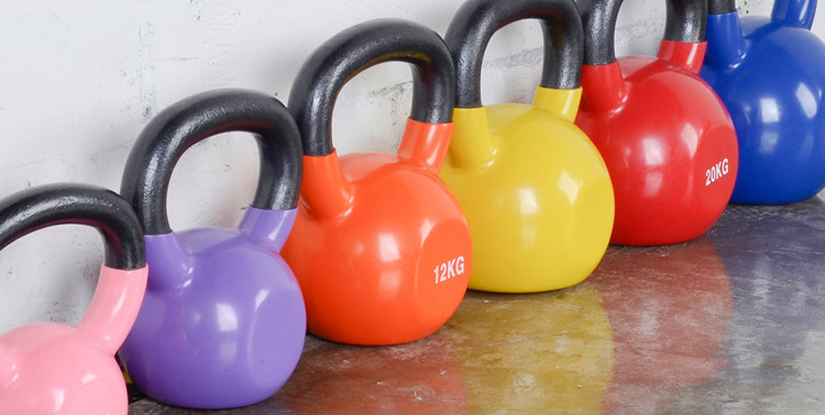
A capable factory must demonstrate sophisticated manufacturing control, ensuring that every unit in a set adheres to a strict weight tolerance. This level of precision is essential for professional training environments where incremental loading is a standard requirement. Furthermore, logistics stability is a critical factor for international shipping; high-quality manufacturers utilize reinforced, optimized packaging to prevent crushing or friction damage during long-haul transit. When managing bulk shipping for large-scale facility builds, choosing a partner with proven factory capability in structural integrity and secure packaging ensures that your inventory arrives in showroom condition, ready for immediate deployment without the need for replacement due to transit-related defects.
Sourcing Strategies for High-Volume Commercial Orders
Transitioning from boutique studio setups to full-scale facility management requires a fundamental shift in how you approach commercial gym equipment procurement. While single-unit purchasing works for small studios, scaling orders for a multi-location fitness franchise or a large-scale training center demands a more sophisticated logistics strategy. The complexity lies in moving beyond simple SKU selection to managing long-term asset reliability.
When sourcing vinyl coated kettlebell sets in bulk, the primary challenge is not just the initial cost, but maintaining quality consistency across hundreds of units. For distributors and facility owners, a discrepancy in coating thickness or weight distribution between different production batches can lead to uneven wear and increased maintenance overhead. Establishing a reliable supply chain that understands the rigorous demands of high-traffic environments is essential for ensuring that every set meets the same professional standard from the first shipment to the last.
Evaluating Durability and Total Cost of Ownership
To optimize your budget, procurement specialists must look beyond the initial invoice and evaluate the long-term maintenance requirements of different coating technologies. While rubber coated kettlebell sets are a staple in many high-impact zones, vinyl-coated options often provide a distinct advantage in high-density commercial environments. The seamless surface of vinyl is generally more resistant to moisture and chemical cleaners, preventing the degradation often seen with porous materials over time.
When calculating your TCO (Total Cost of Ownership), consider how the coating interacts with your fitness facility floor protection strategies. A high-quality vinyl finish minimizes the risk of surface abrasions and prevents the buildup of grime that can damage sensitive rubber flooring. For large-scale distributors, selecting a manufacturer with strict quality control over coating adhesion ensures that the equipment remains a durable asset rather than a recurring replacement expense. This foresight reduces long-term labor costs and maintains the premium aesthetic of your facility.
Managing Large-Scale Factory Specifications
Scaling a procurement order requires a transition from simple purchasing to rigorous technical oversight. When negotiating with manufacturers for high-volume vinyl coated kettlebell sets, the technical specifications must be codified within the purchase agreement to prevent batch-to-batch variance. A primary concern for professional buyers is weight tolerance; in a commercial setting, even a slight deviation in mass across a set can compromise training consistency and professional credibility. We recommend requesting a strict tolerance threshold—typically within 1% to 3%—to ensure uniformity across all weight increments.
Furthermore, the integrity of the product relies heavily on coating adhesion. High-traffic environments subject equipment to constant friction and temperature fluctuations, making it vital to verify that the vinyl layer is chemically bonded to the core. During the pre-shipment phase, your QC (Quality Control) protocols should include adhesion testing and visual inspections for bubbles or peeling. Additionally, clarify the MOQ (Minimum Order Quantity) and shipping logistics early in the process. Understanding how the factory manages palletization and sea freight stability ensures that your shipment arrives without structural compromises, allowing for seamless integration into your facility's inventory.
Optimizing Storage Density and Facility Footprints
In high-traffic commercial fitness environments, floor space is often the most expensive commodity. For facility managers and distributors, the challenge lies in accommodating a diverse range of training tools without compromising the flow of movement or creating cluttered, hazardous zones. This is where vinyl coated kettlebell sets offer a strategic advantage over traditional cast iron or loose rubber options.
Unlike bulkier equipment that requires expansive staging areas, these sets are designed for high-density organization. By integrating specialized vertical storage solutions and compact, tiered racks, procurement specialists can achieve significant footprint optimization. This structured approach to floor space management ensures that heavy training zones remain organized and professional, even during peak hours. For those engaged in large-scale commercial gym equipment procurement, selecting equipment that prioritizes a streamlined storage profile is a critical step in maximizing the revenue-generating potential of every square foot within the facility.
When conducting a storage density comparison, the choice between vinyl and rubber coated kettlebell sets often hinges on the trade-off between impact resistance and spatial efficiency. While rubber coated kettlebell sets are excellent for heavy-duty impact zones, they often require thicker, more robust storage racks to account for their profile and weight distribution. In contrast, the sleek, uniform diameter of vinyl-coated options allows for tighter nesting and more compact rack configurations. This capability is essential for facilities looking to maximize their training zones without expanding their physical footprint.
Beyond physical dimensions, the long-term Total Cost of Ownership (TCO) is heavily influenced by how these materials interact with the ground. High-quality vinyl provides a consistent barrier that enhances fitness facility floor protection, reducing the frequency of surface scuffs and impact indentations. From a maintenance perspective, this translates to a longer maintenance window; facilities can spend less time on floor resurfacing and more time on revenue-generating operations. For distributors and bulk buyers, investing in equipment that minimizes surface wear and optimizes storage density is a proven method for lowering long-term facility overhead.
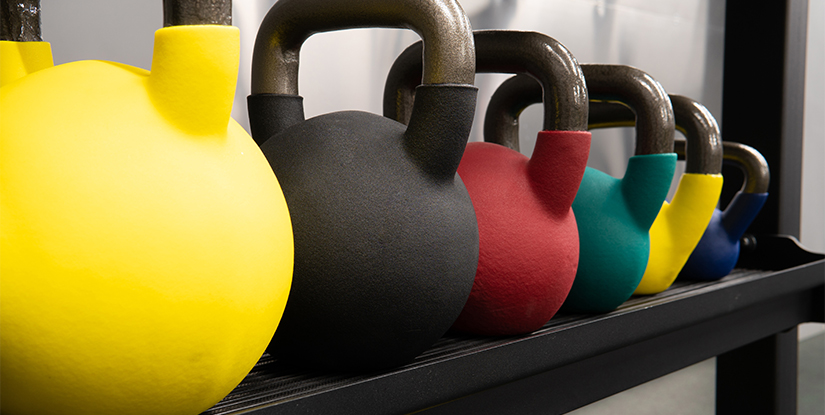
Efficient facility layout planning requires more than just floor area; it demands a systematic approach to inventory organization. For distributors and large-scale gym operators, the ability to implement standardized weight increments within a cohesive set is vital for operational speed. When procurement teams select high-quality vinyl coated kettlebell sets, they are often prioritizing a streamlined SKU management system. These sets typically follow predictable weight progressions, which simplifies both user training transitions and staff inventory audits.
To achieve maximum logistics efficiency, buyers should focus on rack compatibility during the initial sourcing phase. A well-matched, dedicated storage system ensures that the uniform profile of the vinyl coating does not lead to shifting or misalignment during high-volume use. For B2B buyers managing bulk procurement, selecting sets that integrate seamlessly with standardized commercial racks reduces the complexity of shipping and assembly. This foresight in facility planning prevents the common bottleneck of mismatched equipment and storage, ensuring that the training zone remains a high-performance, organized environment rather than a cluttered obstacle course.
Quality Control and Coating Integrity Verification
For facility managers and distributors, the total cost of ownership is heavily dictated by how well the equipment maintains its physical condition under high-traffic use. When sourcing vinyl coated kettlebell sets, the primary risk involves the premature degradation of the outer layer. If the coating lacks proper adhesion to the iron core, even minor drops or temperature fluctuations can trigger peeling, which exposes the metal and compromises the aesthetic and functional standards of a premium fitness space.
Rigorous quality control during the manufacturing stage is non-negotiable for successful commercial gym equipment procurement. Reliable suppliers must demonstrate strict adherence to thickness uniformity across all weight increments to prevent localized weak points. Furthermore, professional-grade batches should undergo consistent adhesion testing to ensure the polymer layer remains bonded to the substrate. Maintaining this level of surface integrity is essential; a flawless coating does more than look professional—it acts as a critical buffer that prevents structural damage to your gym flooring and reduces long-term replacement cycles.
To mitigate the risk of receiving substandard batches, procurement managers should implement a standardized inspection protocol during factory audits or upon receiving shipments. While rubber coated kettlebell sets are often favored for high-impact zones, vinyl-coated variants require specific attention to layer density and bonding strength to ensure long-term durability. Use the following checklist to verify that your order meets commercial-grade specifications before finalizing acceptance.
| Inspection Metric | Methodology | Target Quality Standard |
|---|---|---|
| Visual Inspection | High-intensity light scan | Zero bubbling, uneven texture, or surface pitting |
| Thickness Measurement | Digital caliper sampling | Consistent micron levels across handle and bell |
| Physical Stress Test | Manual compression/scratch test | No peeling or cracking under moderate pressure |
A successful physical stress test during the receiving stage can save a distributor from the high costs of processing returns. By verifying these durability standards upfront, you protect your facility's reputation and ensure the equipment remains a reliable asset for the duration of its lifecycle.
Beyond individual unit testing, the stability of a manufacturer's production line is a critical factor in wholesale procurement. Discrepancies in batch consistency—such as variations in color hue or coating thickness between different shipments—can lead to uneven aesthetics across a single training floor. For large-scale distributors, these inconsistencies do more than just look unprofessional; they signal a lack of process control that can lead to unpredictable maintenance cycles and unexpected replacement costs.
When evaluating a supplier's capability, prioritize those who treat fitness facility floor protection as a byproduct of manufacturing precision rather than an afterthought. A high-quality, uniform vinyl layer acts as a consistent shock absorber, shielding the subfloor from the kinetic energy of heavy implements. By selecting partners with stable manufacturing processes, buyers effectively manage the long-term durability of their inventory, ensuring that the total cost of ownership remains low by extending the functional lifespan of both the equipment and the facility's surfaces.
Logistics and Bulk Shipment Planning for Distributors
Managing the international movement of high-density fitness assets requires more than just standard freight forwarding; it demands a nuanced understanding of weight-to-volume ratios. For distributors specializing in commercial gym equipment procurement, the logistical profile of vinyl coated kettlebell sets presents unique challenges. Unlike lighter cardio machines, these sets consist of high-density cast iron cores that significantly impact total shipment weight and container utilization.
Strategic inventory planning must account for shipping weight considerations to avoid unexpected surcharges or container imbalances. When negotiating volume-based ordering, procurement officers should work closely with manufacturers to optimize pallet configurations. Because the vinyl coating adds a slight volumetric increase compared to bare iron, precision in crate dimensions is vital for maximizing sea freight efficiency. A well-coordinated stocking strategy ensures that your facility or retail warehouse maintains consistent stock levels without incurring the high costs of fragmented, small-batch air freight shipments.
To maximize profitability, distributors must differentiate between the logistical footprints of various product lines. While rubber coated kettlebell sets often utilize more robust, larger-diameter casting, vinyl coated kettlebell sets typically offer a more compact profile. This subtle difference in the weight-to-volume ratio can significantly alter your logistics optimization strategy during large-scale sea freight shipments.
Optimizing Palletization and Container Density
Efficient palletization standards are the foundation of low-cost bulk procurement. Because these kettlebells are high-density items, the primary goal is to maximize weight per cubic meter without exceeding the structural integrity of the wooden pallets or the weight limits of the shipping container. We recommend a layered stacking approach that utilizes custom-fit dividers to prevent shifting during transit. By focusing on high-density loading patterns, buyers can achieve greater shipping efficiency, reducing the landed cost per unit and ensuring that your inventory arrives at the warehouse in optimal condition, ready for immediate distribution to fitness facilities.
Beyond volume optimization, the integrity of the product surface is a critical variable in the final stage of the supply chain. High-quality vinyl coated kettlebell sets are susceptible to surface abrasions or compression damage if the loading process is not strictly regulated. To mitigate these risks, professional manufacturers implement rigorous loading supervision protocols to ensure that the weight of upper layers does not compromise the coating of the units below.
A robust quality assurance framework must extend into the physical loading phase. This includes a final coating inspection to verify that no micro-tears or bubbles exist before the crates are sealed. For distributors, verifying that the factory employs damage prevention techniques—such as reinforced edge protection and non-abrasive interlayer padding—is essential. Maintaining batch consistency requires that every set in a single container undergoes the same level of scrutiny, ensuring that the aesthetic and tactile quality remains uniform from the first unit to the last. This meticulous approach to quality control prevents the costly headache of receiving damaged or inconsistent inventory at your destination facility.
Strategic Procurement FAQ for Facility Managers
How do vinyl coated kettlebell sets impact long-term maintenance and TCO?
When evaluating the Total Cost of Ownership (TCO) for a commercial facility, the initial purchase price is often secondary to the long-term operational expenses. For procurement professionals, selecting high-quality vinyl coated kettlebell sets is a strategic decision to mitigate the hidden costs of surface abrasion and floor degradation. Unlike raw cast iron, which can scratch or chip, the specialized polymer layer provides a crucial buffer that enhances fitness facility floor protection.
In high-traffic strength zones, the constant movement and accidental drops of heavy weights can lead to premature wear on high-end rubber flooring. The inherent impact absorption properties of a premium vinyl coating help dissipate energy, reducing the kinetic shock transferred to the ground. This layer acts as a protective shield, significantly extending the intervals between floor resurfacing or replacement. From a commercial gym equipment procurement standpoint, investing in these coated options reduces long-term maintenance cycles and prevents the unsightly scuff marks often associated with uncoated steel or cast iron. By prioritizing durability at the sourcing stage, distributors and facility owners can ensure a more stable budget and a more professional aesthetic over the equipment's lifecycle.
Selecting the right coating involves balancing surface texture requirements with the specific impact risks of your training environment. While both options serve high-use zones, their performance profiles differ significantly when assessing long-term durability and cleaning protocols. To assist in your sourcing decision, we have outlined the primary technical distinctions between these two common industry standards.
| Feature Comparison | Vinyl Coated Kettlebells | Rubber Coated Kettlebell Sets |
|---|---|---|
| Surface Texture | Smooth, non-porous, and easy to grip | Textured, matte, and high-friction |
| Floor Damage Risk | Low; minimal scuffing on rubber mats | Moderate; higher impact density |
| Cleaning Requirements | Minimal; wipe-down with standard disinfectant | Regular; requires deep cleaning of pores |
| Durability Profile | High resistance to moisture and bacteria | High impact resistance; prone to tearing |
For distributors managing diverse inventories, the choice often depends on the end-user's setting. Vinyl options are ideal for boutique studios or multi-purpose fitness centers where hygiene and floor preservation are paramount. Conversely, heavy-duty rubber coated kettlebell sets are often preferred for high-intensity strength zones where extreme impact absorption and a rugged grip are the primary functional requirements.
What quality control standards should I verify during wholesale procurement?
For distributors and large-scale facility managers, the primary risk in wholesale procurement is not just the initial order, but the variance between shipments. When sourcing vinyl coated kettlebell sets in bulk, the most critical technical specification to verify is coating adhesion. A substandard manufacturing process can lead to delamination or peeling under high-frequency use, which not only compromises hygiene but also increases the risk of debris interfering with the flooring surface.
To ensure long-term batch consistency, we recommend requesting documentation regarding the manufacturer's quality control (QC) protocols. A reliable supplier should demonstrate rigorous testing for thickness uniformity and bond strength across different weight increments. This prevents the common issue where lighter weights exhibit different grip characteristics or coating densities than heavier units within the same set.
Furthermore, logistics planning for commercial gym equipment requires a partner who understands the complexities of international shipping and volume-based storage. High-quality commercial gym equipment procurement involves more than just a low MOQ; it requires a supplier capable of maintaining strict specification standards from the factory floor to the final delivery destination. By prioritizing manufacturers with established factory capability and documented inspection stages, buyers can mitigate the risks of receiving inconsistent inventory that could disrupt facility operations or brand reputation.