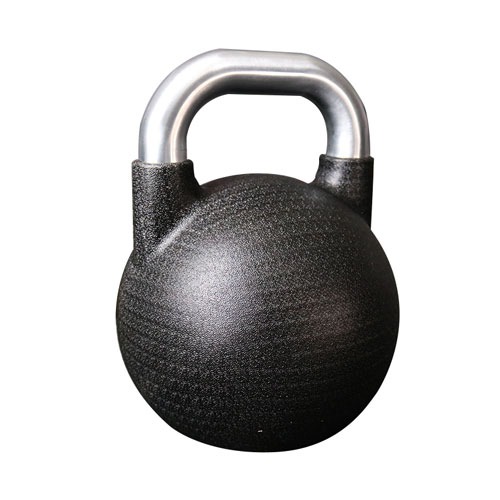
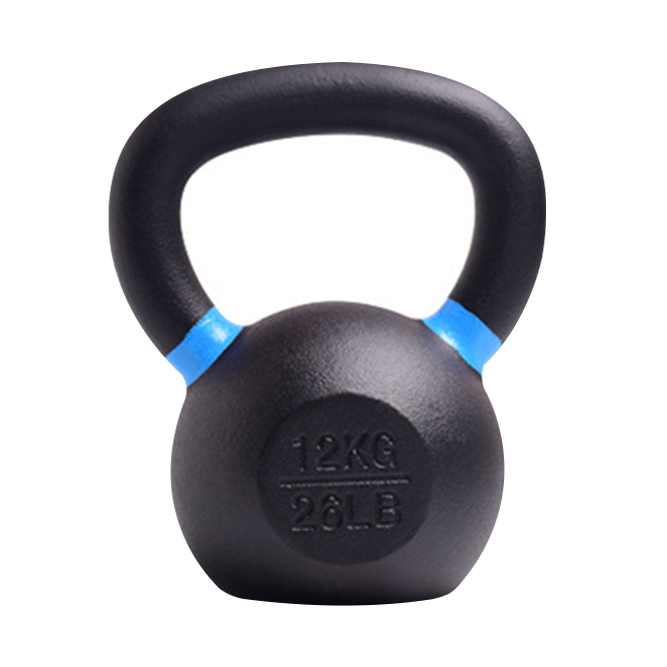
competition kettlebells sets | Why Competition Kettlebell
Optimizing Inventory Margins with High-Demand Strength SKU Sets
Competition kettlebells sets are specialized collections of high-precision weights designed to meet international sporting standards. Professional distributors and gym owners prioritize these sets because they offer a consistent, professional-grade solution that meets the rigorous demands of high-performance strength conditioning environments.
From a procurement standpoint, the initial investment in competition grade kettlebells serves as a strategic hedge against the rising costs of frequent inventory turnover. While non-standardized equipment may appear cheaper at the point of purchase, the lack of standardized kettlebell weights often leads to uneven wear and inconsistent calibration. This discrepancy forces facilities to replace entire batches prematurely to maintain training integrity. By sourcing competition kettlebells sets that adhere to strict manufacturing tolerances, buyers secure long-term value through superior durability and structural resilience. Investing in high-quality kettlebell training equipment reduces the frequency of restocking cycles, ultimately protecting your margins by minimizing the total cost of ownership over the product's lifecycle.
When evaluating your procurement budget, it is essential to distinguish between upfront savings and long-term operational expenses. High-quality competition kettlebells sets may carry a higher initial price tag, but they drastically reduce the hidden costs associated with frequent replacement and recalibration. To assist in your decision-making process, we have outlined the typical trade-offs between budget-friendly options and professional-grade kettlebell training equipment.
| Feature/Investment Metric | Budget-Friendly Alternatives | Premium Competition Grade Kettlebells |
|---|---|---|
| Standardized Weight Distribution | Variable; prone to calibration errors | Strict adherence to international standards |
| Expected Lifespan | Short; high wear in commercial settings | Extended; built for high-frequency use |
| Maintenance & Care | Frequent inspections required | Minimal; highly durable coatings |
| Total Cost of Ownership | Higher due to frequent replacement | Lower through long-term durability |
Choosing a high-spec set ensures that your facility maintains a professional reputation without the constant need for inventory updates. For distributors and gym owners, prioritizing standardized kettlebell weights is a strategic move to ensure both client satisfaction and stable profit margins.
Beyond the immediate procurement costs, the true value of high-spec competition kettlebells sets lies in their ability to withstand the rigorous demands of professional training environments. In high-traffic commercial facilities, the physical stress on equipment is constant. Inferior builds often suffer from rapid wear and tear, leading to weight shifts or surface degradation that compromises safety and performance. By prioritizing precision in both casting and finishing, buyers ensure that every unit maintains its exact calibration over years of heavy use.
This level of precision acts as a form of investment protection. Rather than dealing with the logistical headaches of frequent restocking or the reputational damage of providing inconsistent gear, savvy buyers opt for competition grade kettlebells that offer long-term structural integrity. This strategic approach minimizes inventory turnover issues and ensures that your capital is deployed into assets that retain their utility and professional standard, effectively lowering the long-term cost per use for your entire facility.
The Precision Factor: Why Standardized Kettlebell Weights Matter for Professional Facilities
In high-performance training environments, the subtle difference between equipment that lasts and equipment that fails often comes down to internal balance. For professional facilities managing high-frequency training sessions, the demand on gear is relentless. When athletes engage in explosive movements, the physical stress placed on the casting and the handle is immense. This is why investing in high-quality competition kettlebells sets is a matter of operational longevity, not just performance.
True durability is rooted in how standardized kettlebell weights are engineered. Non-standardized or poorly cast weights often suffer from uneven density, which creates eccentric loading patterns during use. Over time, these imbalances can lead to structural fatigue or premature wear on the coating. By sourcing competition grade kettlebells that adhere to strict weight distribution protocols, facility owners mitigate the risk of equipment degradation. This precision ensures that even under the most rigorous usage cycles, the integrity of your kettlebell training equipment remains intact, protecting your long-term capital investment.
Beyond surface-level aesthetics, the long-term value of your inventory depends on the structural integrity of every piece. Low-tier alternatives often utilize inconsistent casting methods that result in internal voids or uneven density. Such flaws are more than just a performance hindrance; they are a liability. As athletes perform high-velocity swings and snatches, these internal irregularities cause localized stress points, accelerating wear and tear on both the metal core and the external finish.
When procuring competition kettlebells sets, the goal is to ensure uniform weight distribution across the entire set. High-precision manufacturing prevents the common issue of "shifting centers," where a weight might feel off-balance due to internal casting defects. For distributors and gym owners, choosing professional-grade kettlebell training equipment means investing in gear that maintains its shape and balance through years of intense use. This level of engineering excellence ensures that your competition grade kettlebells remain a reliable, consistent asset for your clients, rather than a recurring replacement cost.
To help you make an informed procurement decision, we have outlined the fundamental differences in longevity between standard and professional-grade options. While cast iron remains a staple for many, the engineering requirements for a high-traffic facility often dictate a shift toward more robust materials. Understanding these nuances helps prevent the frequent replacement cycles that can disrupt your facility's budget and inventory management.
Comparison of Durability Factors
| Feature | Standard Cast Iron | Competition Grade Kettlebells |
|---|---|---|
| Material Density | Variable/Inconsistent | Highly Uniform/High Precision |
| Weight Consistency | Moderate Tolerance | Strictly Standardized Kettlebell Weights |
| Surface Finish | Rough/Textured | Smooth/Precision-Machined |
| Expected Longevity | Medium (Wear-prone) | High (Built for High-Frequency Use) |
Choosing between these options depends on your specific training environment. For general strength training, standard iron is often sufficient. However, for facilities focused on precision-based disciplines or professional athletics, investing in premium competition kettlebells sets ensures that your kettlebell training equipment survives the rigors of constant, high-velocity movement without losing its structural or dimensional integrity.
Evaluating Competition Grade Kettlebells for High-Traffic Training Environments
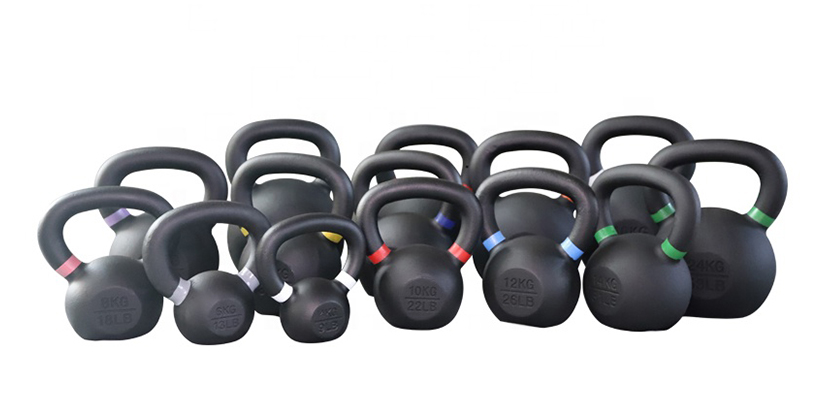
In high-performance strength facilities, the longevity of your investment depends heavily on the quality of the exterior finish. When sourcing competition grade kettlebells, the primary concern for gym owners is not just the weight accuracy, but how the equipment survives constant contact with chalk, sweat, and floor impact. In high-traffic environments, substandard coatings quickly fail, leading to surface degradation that compromises both aesthetics and safety.
Maintaining the surface integrity of your equipment is essential to prevent oxidation prevention issues. Without a high-durability finish, moisture and skin oils can penetrate the metal, leading to rust and uneven weight distribution over time. For distributors and facility managers, selecting products with advanced powder coating or high-grade plating ensures that standardized kettlebell weights remain consistent and visually professional throughout their lifecycle.
| Finish Type | Durability Level | Maintenance Effort | Long-term TCO |
|---|---|---|---|
| Standard Cast Iron | Moderate | High (Rust prone) | Lower initial / Higher replacement |
| Powder Coated | High | Low | Balanced / Optimal for gyms |
| Premium Chrome/Steel | Very High | Minimal | Higher initial / Lowest lifecycle cost |
Ultimately, investing in premium competition kettlebells sets with specialized finishes reduces the frequency of replacement cycles. By prioritizing oxidation-resistant materials, you ensure that your kettlebell training equipment remains a reliable asset rather than a recurring maintenance liability.
To maximize the long-term value of your facility's assets, your staff must implement consistent cleaning protocols tailored to the specific finish of your competition kettlebells sets. While premium finishes offer superior coating durability, a lack of basic upkeep can still lead to premature wear in commercial settings.
The following comparison helps facility managers determine the necessary maintenance frequency based on the specific kettlebell training equipment being utilized. Choosing the right tier ensures that your standardized kettlebell weights remain in top condition without excessive labor costs.
| Finish Specification | Ideal Usage Intensity | Standard Cleaning Protocol | Maintenance Frequency |
|---|---|---|---|
| Standard Powder Coat | Moderate / Boutique Studios | Damp cloth & mild soap | Weekly / Bi-weekly |
| High-Grade Rubberized | High / CrossFit Boxes | Non-abrasive wipe-down | Daily (post-session) |
| Premium Chrome/Steel | Extreme / Professional Arenas | Microfiber & specialized polishMonthly deep clean |
When sourcing for large-scale distribution or professional training centers, always verify the coating durability standards with your manufacturer. A well-maintained set of competition grade kettlebells not only looks professional but also ensures the standardized kettlebell weights remain uncompromised by surface corrosion or debris buildup.
Optimizing Longevity through Professional Storage and Inspection
To preserve the absolute weight precision required for professional training, facility managers must look beyond daily cleaning and focus on environmental management. Proper storage conditions are the most critical factor in preventing the gradual degradation of your kettlebell training equipment. We recommend storing your competition kettlebells sets in climate-controlled environments to ensure constant moisture control, as high humidity can lead to micro-corrosion that subtly alters the mass of the unit.
Beyond storage, a structured routine inspection is essential for long-term quality assurance. We suggest a quarterly audit of your inventory to check for handle integrity and any signs of surface oxidation. By identifying these minor issues early, you protect the long-term value of your competition grade kettlebells and ensure that every lift remains consistent with international standards. For bulk buyers and distributors, these small preventative steps significantly extend the lifecycle of the assets and reduce the total cost of ownership.
Spatial Efficiency and Organization for Specialized Kettlebell Training Equipment
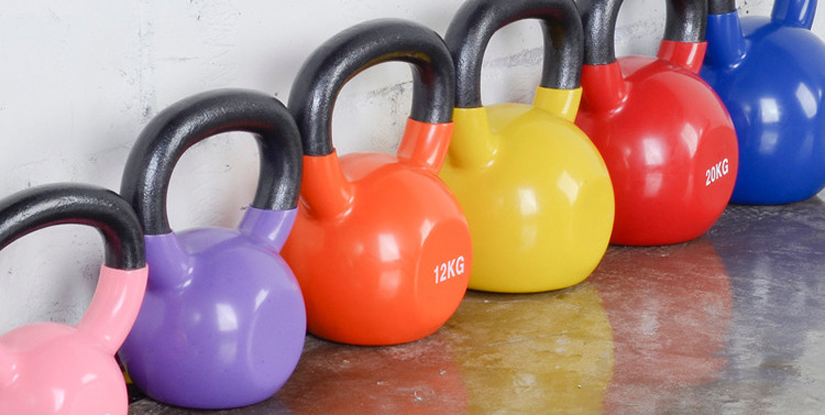
In high-traffic professional training environments, floor real estate is a premium commodity. Many facilities struggle with the visual and physical clutter caused by mismatched, loose iron weights that lack a cohesive storage logic. This disorganization not only creates tripping hazards but also disrupts the flow of a high-performance training session. Investing in competition kettlebells sets solves this logistical headache by providing a streamlined, uniform footprint for your strength zone.
Because competition grade kettlebells adhere to strict dimensional standards, they are designed to fit seamlessly into specialized racks. Unlike standard cast iron bells that vary in diameter, standardized kettlebell weights ensure that every piece in your inventory occupies a predictable, optimized amount of space. This spatial efficiency allows gym owners and distributors to maximize their usable square footage, transforming a chaotic pile of equipment into a structured, professional-grade station that enhances both safety and aesthetic appeal.
When selecting storage solutions for your facility, it is essential to match the rack type to your specific volume of kettlebell training equipment. A tiered vertical rack is often the most effective way to minimize the physical footprint, making it ideal for boutique studios or specialized strength zones where floor space is at a premium. For larger commercial distributors or heavy-duty training centers, horizontal floor racks provide better stability and easier accessibility for heavy sets.
Consider the following comparison to help optimize your facility's organization:
| Storage Type | Best Use Case | Space Impact | Accessibility |
|---|---|---|---|
| Vertical Tiered Racks | Boutique Studios / Limited Space | Minimal Footprint | High (Quick Grab) |
| Horizontal Floor Racks | High-Volume Commercial Gyms | Large Footprint | Moderate (Heavy Lifting) |
| Wall-Mounted Shelving | Small Personal Training Zones | Zero Floor Impact | Variable |
By integrating competition kettlebells sets with a dedicated, standardized rack, you ensure that your facility remains professional and orderly. Efficient storage solutions do more than just clear the floor; they protect the integrity of your competition grade kettlebells and streamline the transition between training intervals.
Beyond mere organization, maintaining a cohesive inventory is a fundamental pillar of facility management. When a facility utilizes competition kettlebells sets, it signals a commitment to high-level standards that attracts serious athletes and professional coaches. The presence of standardized kettlebell weights, neatly arranged in dedicated racks, projects a sense of professional aesthetics that mismatched or loose equipment simply cannot achieve. This visual consistency is vital for establishing a premium brand identity in the competitive fitness market.
More importantly, proper organization is a direct investment in safety. In a fast-paced training environment, a disorganized floor is a liability. By ensuring every piece of kettlebell training equipment has a designated, predictable home, you drastically reduce the risk of trip-and-fall incidents and equipment damage. For distributors and gym owners, this structured approach minimizes long-term maintenance costs and ensures that the transition between different weight increments is seamless, efficient, and, above all, secure for every user.
Sourcing Strategies for Consistent Weight Distribution and Build Quality
When sourcing high-volume orders for professional strength facilities, the primary concern shifts from basic utility to long-term structural integrity. High-performance training environments demand competition grade kettlebells that can withstand rigorous, high-frequency use without compromising their physical form. A lack of material consistency during the casting process often leads to uneven weight distribution or internal structural weaknesses, which can compromise the safety of the athlete and the longevity of the equipment.
To ensure your inventory remains a reliable asset, look for manufacturers that prioritize high impact resistance and precision molding. True competition kettlebells sets must maintain standardized kettlebell weights across the entire spectrum, ensuring that a 16kg bell performs identically to a 24kg bell in terms of balance and grip ergonomics. For distributors and gym owners, investing in equipment with superior metallurgical standards reduces the frequency of replacements and ensures that the kettlebell training equipment meets the strict demands of professional competition standards.
Choosing between different construction types is a critical decision for buyers managing high-traffic facilities. The durability comparison between cast iron and steel often dictates the total cost of ownership. While both are staples in professional kettlebell training equipment, their performance profiles differ significantly based on your specific usage frequency and environment.
| Construction Type | Best Use Case | Durability Profile |
|---|---|---|
| Cast Iron | Standard commercial gyms & strength training | High impact resistance; excellent for high-volume, heavy lifting. |
| Steel (Machined) | Professional competition & precision training | Maximum precision; ideal for standardized kettlebell weights and frequent handling. |
For large-scale distributors, cast iron offers a robust, cost-effective solution for general strength training. However, if your clientele demands the highest level of grip consistency and exacting dimensions, precision-machined steel models are the gold standard for competition grade kettlebells. Selecting the right build ensures your competition kettlebells sets remain a durable, high-value asset for years.
Beyond material choice, verifying the manufacturing quality control protocols is essential for maintaining long-term value. In professional training environments, even minor deviations in the center of gravity can lead to uneven wear or user fatigue. This is why discerning buyers prioritize suppliers who implement rigorous testing to guarantee perfect weight distribution across every unit in a shipment. When procuring competition kettlebells sets, the goal is to eliminate the risk of "dead spots" or off-center balance that often plagues lower-tier production.
Reliable kettlebell training equipment should undergo strict volumetric and mass verification to ensure that standardized kettlebell weights are not just nominal, but precise. For those managing large-scale facility upgrades or wholesale distribution, vetting a factory’s ability to maintain these tolerances is the best way to safeguard against inconsistent performance. By focusing on these high-level manufacturing standards, you ensure that your equipment remains a consistent, high-performance tool for athletes, regardless of how many years it stays in active rotation.
Long-Term Value: Balancing Initial Procurement Costs with Equipment Longevity
When sourcing for a professional facility, the temptation to opt for budget-friendly cast iron alternatives is high. However, viewing equipment through the lens of "cost per use" reveals a different reality. Low-cost cast iron models often suffer from inconsistent dimensions and uneven weight distribution, which can compromise precision training and lead to premature wear. For high-traffic gyms and competitive training centers, these minor discrepancies become significant liabilities.
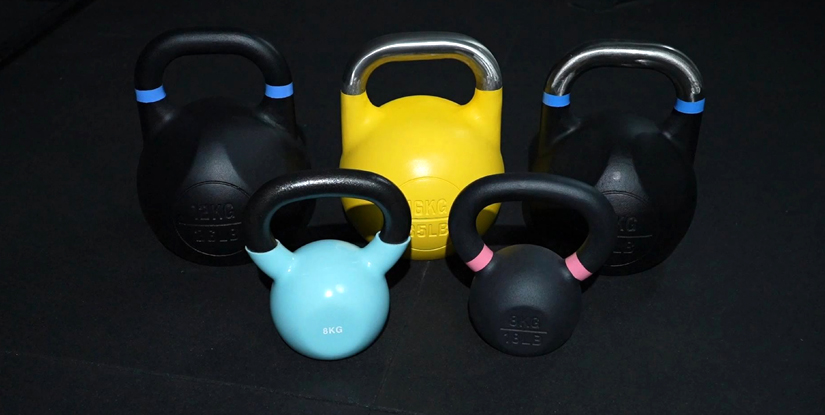
Investing in premium competition kettlebells sets is a strategic move toward long-term stability. Unlike basic iron models, high-quality competition grade kettlebells are engineered with standardized kettlebell weights and precise tolerances. This ensures that every lift is consistent, regardless of the specific bell used. While the initial procurement cost may be higher, the exceptional durability and resistance to structural deformation mean these sets remain functional for years. By choosing high-spec kettlebell training equipment, distributors and gym owners transition from frequent replacement cycles to a sustainable, long-term investment that protects their bottom line.
To visualize the true economic impact, consider the divergence in replacement cycles between entry-level gear and professional-grade assets. Budget options often require frequent maintenance or total replacement due to chipped coatings, irregular handles, or weight shifting. In a high-volume commercial environment, these hidden costs—including labor for inspection and the downtime of unavailable equipment—quickly erode any initial savings.
The following framework illustrates how usage frequency dictates the smartest procurement strategy:
| Facility Type | Typical Usage | Recommended Equipment Class | Primary Value Driver |
|---|---|---|---|
| Boutique Studio | Moderate/Scheduled | Standard Cast Iron | Low Initial Outlay |
| Performance Center | High/Daily | Competition Grade Kettlebells | Precision & Consistency |
| Professional Gym | Extreme/Continuous | Premium Kettlebell Training Equipment | Minimal Maintenance & Longevity |
For distributors and facility managers, prioritizing competition kettlebells sets with high-spec manufacturing ensures that your inventory remains a reliable asset rather than a recurring expense. Choosing quality at the source minimizes the logistical burden of frequent reordering and guarantees a superior standard for your end-users.
Beyond the obvious durability factors, the true cost of non-standardized gear lies in the disruption of training consistency. In professional environments, athletes rely on the predictability of their tools. When a set of weights lacks standardized kettlebell weights, even a slight deviation in the center of gravity or a non-uniform grip can alter a movement pattern. This lack of precision does more than just affect performance; it increases the risk of user error and fatigue-related injuries. For a facility owner, this translates to a reputation for subpar quality and potential liability concerns.
Choosing high-spec competition kettlebells sets eliminates these hidden variables. While generic options may appear cost-effective on a single invoice, the recurring need to replace uneven or unbalanced bells creates a cycle of wasted capital. By sourcing competition grade kettlebells that adhere to strict manufacturing tolerances, you secure a stable asset that maintains its integrity through thousands of repetitions. Ultimately, procurement focused on standardized kettlebell weights ensures that your facility remains a high-performance destination without the constant overhead of frequent re-purchasing.
Maximizing Long-Term ROI through Quality Selection
When sourcing equipment for high-performance facilities, the focus must shift from initial acquisition costs to the total cost of ownership. Investing in premium competition kettlebells sets is a strategic decision that safeguards your capital. Unlike entry-level options, high-grade kettlebell training equipment is engineered for extreme durability, capable of withstanding years of high-frequency use in professional strength and conditioning environments without structural degradation.
The true long-term value lies in the technical precision of the build. Relying on standardized kettlebell weights ensures that your facility meets international competition standards, providing athletes with the precision training required for elite performance. When weights are inconsistent, it undermines the credibility of the training environment. By prioritizing competition grade kettlebells that offer exact weight distribution and balanced centers of gravity, buyers significantly reduce the frequency of replacement cycles. This consistency not only builds trust with professional clients but also ensures that your procurement budget is spent on assets that endure, rather than consumable goods that require constant upgrading.
To assist in your procurement planning, we have outlined a comparison to help you determine which tier of equipment aligns best with your facility's specific operational goals and budget allocation. Selecting the right level of kettlebell training equipment is essential to balancing upfront expenditure with long-term client satisfaction.
| Feature/Dimension | Standard Cast Iron Sets | Competition Grade Kettlebells |
|---|---|---|
| Dimensions | Varying sizes based on weight | Uniform size for all weights |
| Weight Precision | Moderate tolerance levels | Highly standardized kettlebell weights |
| Durability | High (rugged build) | Extreme (optimized for high-frequency use) |
| Ideal Use Case | General fitness & functional training | Professional meets & elite strength training |
While cast iron remains a reliable staple for general gyms, choosing professional competition kettlebells sets provides a significant advantage for facilities targeting the competitive sports market. The uniform dimensions of high-end competition grade kettlebells allow for seamless transitions in complex movements, offering a level of technical precision that standard equipment cannot replicate.
Final Procurement Checklist for Professional Facilities
Before finalizing your bulk order, we recommend conducting a final audit to ensure your sourcing aligns with the rigorous demands of a professional gym setup. A successful procurement process extends beyond the initial invoice; it requires a meticulous look at manufacturing and delivery standards to protect your investment.
Use this checklist to verify that your supplier meets the high benchmarks required for competition kettlebells sets:
- Weight Consistency Verification: Does the manufacturer provide documentation for standardized kettlebell weights? Ensure the tolerance levels meet strict competition-grade specifications to avoid discrepancies in training progress.
- Rigorous Quality Control: Confirm that the factory implements strict quality control protocols for surface finish and handle ergonomics to prevent chipping or grip issues during high-intensity use.
- Logistics & Shipping Resilience: Are the logistics considerations addressed for heavy, dense freight? Verify that packaging is reinforced to prevent damage during international transit and that shipping timelines align with your facility launch.
- Scalability & Support: Does the supplier have the capacity to fulfill future orders of matching kettlebell training equipment to ensure your set remains uniform as your facility expands?
By addressing these technical nuances during the sourcing phase, you ensure that your competition grade kettlebells arrive ready to perform, maintaining both your operational standards and your long-term profitability.