competition kettlebells reviews | Choosing the Best
Vetting Manufacturers for Precision-Engineered Kettlebells
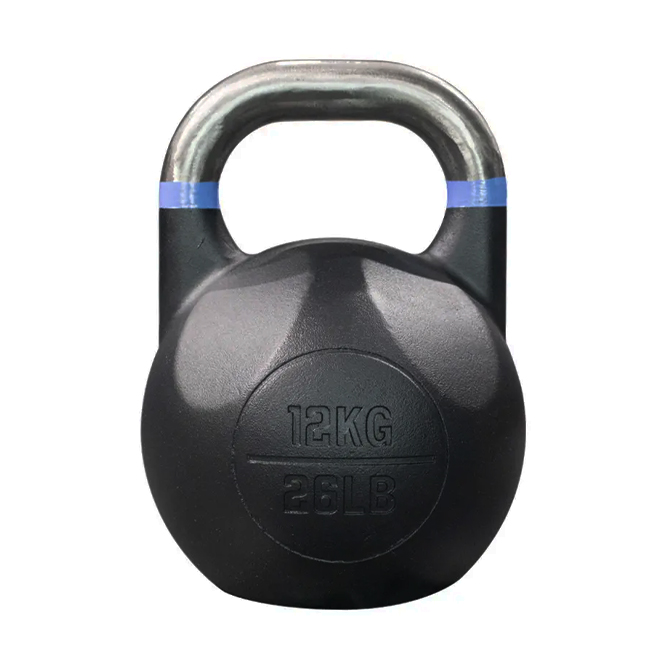
A competition grade kettlebell is a high-precision instrument designed for professional strength athletics, characterized by uniform dimensions and exact mass. B2B buyers prioritize these specialized tools to ensure regulatory compliance during sanctioned events and to provide athletes with a consistent, reliable training experience.
The Critical Role of Material Integrity
When sourcing professional-grade equipment, durability is not merely a preference; it is a fundamental requirement for long-term ROI. High-quality kettlebell training gear must withstand rigorous daily use without structural degradation. This begins with superior casting quality, where the molten metal is poured into precision-engineered molds to prevent internal air pockets or structural weaknesses. Any inconsistency in the casting process can lead to premature failure under high-impact movements.
Furthermore, the surface finish plays a vital role in both safety and longevity. A smooth, seamless exterior ensures that the standardized kettlebell weight remains the focus, rather than grip irregularities or abrasive edges. For distributors and gym owners, investing in equipment with meticulous manufacturing standards means fewer replacements and a lower total cost of ownership, as these units maintain their physical integrity and aesthetic appeal through years of intensive service.
Distinguishing between high-tier production and budget alternatives requires a keen eye for technical specifications. In many competition kettlebells reviews, the primary differentiator is not just the weight, but the resilience of the exterior and the internal structural density. While entry-level gear may appear sufficient, it often lacks the specialized engineering required for professional environments.
Durability and Precision Framework
To assist in your procurement process, we have outlined the core technical benchmarks that separate professional kettlebell training gear from generic alternatives. High-end manufacturers focus on three critical pillars:
- Coating Durability: Premium units utilize advanced powder coating or specialized plating to prevent chipping and oxidation, ensuring the standardized kettlebell weight remains unaffected by environmental wear.
- Impact Resistance: A competition grade kettlebell must feature high-density casting to withstand accidental drops without cracking or developing structural fissures.
- Weight Consistency: Top-tier factory production ensures that the mass tolerance remains within strict professional margins, a feature often missing in low-cost, mass-produced models.
By prioritizing these metrics, distributors can ensure that their inventory meets the rigorous demands of competitive athletes and high-traffic commercial facilities.
Beyond physical attributes, the true value of your procurement lies in the rigor of the supplier's internal processes. To secure a high-performing inventory, it is essential to look beyond the product sheet and evaluate the manufacturer's commitment to quality control. A reputable factory does not rely on luck; they implement strict manufacturing standards that include batch testing and weight verification to ensure every unit meets professional tolerances.
For commercial buyers and distributors, this level of oversight is the difference between a one-time purchase and a sustainable asset. Selecting equipment from a facility that prioritizes systematic testing guarantees long-term training reliability, even under the most grueling athletic cycles. When you vet for these high-level production capabilities, you are essentially insulating your business against the hidden costs of premature equipment failure and client dissatisfaction. Ultimately, the most successful competition kettlebells reviews are those that highlight equipment which remains as precise and durable on its thousandth use as it was on its first.
The Critical Role of Weight Accuracy and Material Standards
When sourcing high-end kettlebell training gear, many buyers overlook the long-term implications of weight deviation. In a professional setting, a competition grade kettlebell must do more than just look the part; it must adhere to strict tolerances. If your inventory consists of unevenly weighted units, you risk undermining the training consistency of your athletes and clients. Slight discrepancies in mass can alter the center of gravity, leading to suboptimal movement patterns and potential injury during high-intensity sessions.
Reliable manufacturers prioritize precision manufacturing to ensure every unit meets a standardized kettlebell weight. This level of accuracy is non-negotiable for facilities that host sanctioned events or high-performance strength programs. By investing in equipment that maintains strict mass uniformity, distributors and gym owners ensure that their gear remains a dependable asset rather than a liability. Precision is the foundation of professional-grade performance and long-term equipment utility.
Beyond the initial calibration, the long-term value of your investment depends heavily on material integrity. High-quality competition kettlebells reviews often highlight how different casting methods affect durability. A solid, high-density core is essential to prevent internal structural shifts that can compromise the standardized kettlebell weight over years of heavy use. If the internal density is inconsistent, the center of mass may drift, rendering the piece unreliable for professional competition.
Furthermore, the surface coating durability plays a pivotal role in how the gear ages. Whether utilizing high-grade powder coating or specialized paint, the finish must withstand constant friction and impact without chipping or peeling. Poorly executed coatings can lead to premature wear and tear, exposing the raw metal to oxidation and compromising the tactile grip. For distributors and facility managers, selecting kettlebell training gear with a robust, resilient outer layer ensures the equipment maintains its premium aesthetic and functional precision, even under the most rigorous training cycles.
To help you make an informed procurement decision, we have synthesized how various manufacturing standards affect the longevity and tactile feel of your inventory. When evaluating competition kettlebells reviews, pay close attention to the relationship between the casting material and the required precision. A high-quality competition grade kettlebell should offer a consistent grip and a predictable center of gravity, regardless of the surface texture or coating applied.
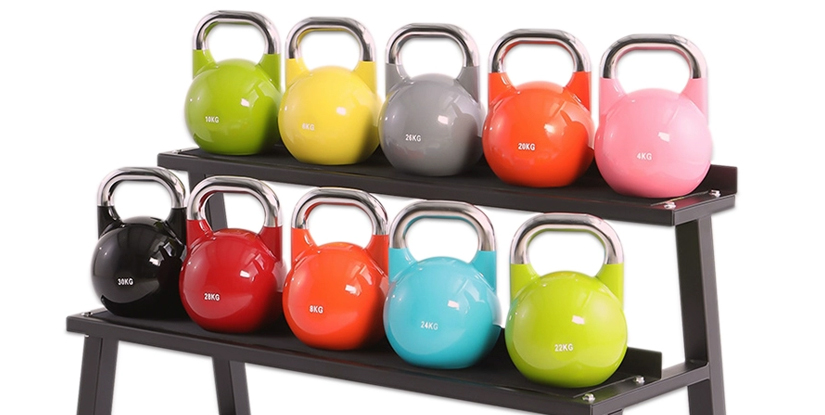
The following guide outlines the common material standards used in professional-grade kettlebell training gear to assist you in identifying high-tier manufacturing capabilities during your sourcing process.
| Material Type | Typical Use Case | Maintenance Level | Precision Rating |
|---|---|---|---|
| Cast Iron | Standard Strength Training | Moderate (Rust Prevention) | High |
| Steel (Machined) | Official Competitions | Low (High Durability) | Ultra-High |
| Urethane Coated | Commercial High-Traffic Gyms | Low (Surface Care) | Moderate |
| Stainless Steel | Premium/Outdoor Facilities | Minimal | Very High |
Selecting a standardized kettlebell weight with a high precision rating ensures that your facility maintains a professional standard, reducing the frequency of replacement and ensuring long-term client satisfaction.
Standardized Kettlebell Weight Verification Protocols
When sourcing for professional training facilities or sanctioning bodies, the margin for error in equipment specification is virtually zero. A true competition grade kettlebell must offer more than just a consistent feel; it requires absolute adherence to a standardized kettlebell weight to ensure fair play and progressive loading. In many high-performance environments, even a slight deviation in mass can compromise the integrity of a sanctioned lift or a client's training progression. This is why we emphasize the necessity of high-quality casting processes during the manufacturing stage.
Reliable kettlebell training gear relies on advanced foundry techniques that minimize internal air pockets and surface irregularities. Without these rigorous production standards, the durability of the unit is compromised, leading to premature wear or uneven weight distribution. To help you evaluate your procurement options, we have outlined how different manufacturing approaches impact long-term equipment reliability.
| Production Method | Weight Consistency | Structural Durability | Ideal Use Case |
|---|---|---|---|
| Precision Casting | High/Standardized | Exceptional | Professional Competitions |
| Standard Foundry | Moderate | Good | Commercial Gyms |
| Basic Casting | Variable | Moderate | Home/Light Use |
Choosing equipment with superior high-quality casting processes ensures that your investment remains a stable asset, capable of enduring the rigorous demands of heavy-use commercial environments without frequent replacement.
Material Composition and Surface Integrity
Understanding the nuances between different materials is a critical component of any thorough competition kettlebells reviews process. When evaluating kettlebell training gear for high-traffic facilities, the debate often centers on steel vs. iron and how each reacts to repeated impact. While traditional cast iron is common, professional-grade equipment frequently utilizes high-grade steel to achieve a more precise, uniform shape and a smoother finish.
The longevity of your equipment is largely determined by coating durability and impact resistance. A high-quality competition grade kettlebell often features a specialized powder coating or a high-density urethane layer. These coatings are not merely aesthetic; they protect the internal core from oxidation and ensure the surface remains smooth during high-velocity movements. For distributors and gym owners, selecting a model with superior impact resistance means fewer cracked surfaces and a longer lifecycle, even when the bells are frequently dropped during intense training sessions. Investing in superior material standards minimizes long-term replacement costs and maintains a premium look for your facility.
Evaluating Long-Term Build Integrity
Beyond the initial aesthetic, discerning buyers must look closer at the structural resilience of their kettlebell training gear. A common pitfall in procurement is overlooking the subtle signs of manufacturing shortcuts that lead to rapid wear and tear. To ensure your selection serves as a long-term investment rather than a recurring expense, we recommend scrutinizing the handle-to-body transition and the integrity of the coating under stress.
A high-tier competition grade kettlebell should demonstrate rigorous quality control through consistent handle diameters and seamless casting. If the handle feels abrasive or exhibits irregular thickness, it often indicates a lack of precision that can lead to structural failure under heavy loads. Furthermore, verify that the standardized kettlebell weight is not just surface-level, but deeply integrated into the casting process. This prevents the weight shifting or internal cracking that can occur with inferior production methods. By prioritizing these technical specifications, gym owners and distributors can mitigate the risk of premature equipment turnover and maintain a professional-grade training environment.
Assessing Competition Grade Kettlebell Surface Finishes
When sourcing high-end training gear, the long-term value of your investment depends heavily on the quality of the exterior finish. A true competition grade kettlebell must withstand rigorous, high-frequency use without compromising its physical dimensions. We often see lower-quality imitations where the coating fails prematurely, leading to oxidation or chipping. This is a critical concern for distributors and gym owners because any deviation in surface texture can affect the standardized kettlebell weight accuracy and the tactile consistency required for professional training.
Maintaining durability requires a finish that offers exceptional sweat resistance. High-performance environments expose equipment to constant moisture and skin oils, which can degrade inferior surfaces. Ensuring high coating integrity is essential to prevent rust and maintain a smooth, ergonomic grip over years of service. For professionals managing large-scale inventories, prioritizing a finish that resists environmental wear ensures that the equipment remains compliant with international standards and requires minimal maintenance throughout its lifecycle.
Choosing between different finishes is a strategic decision based on your facility's specific environment and the expected maintenance difficulty. While both options are common in high-quality kettlebell training gear, they serve different operational needs.
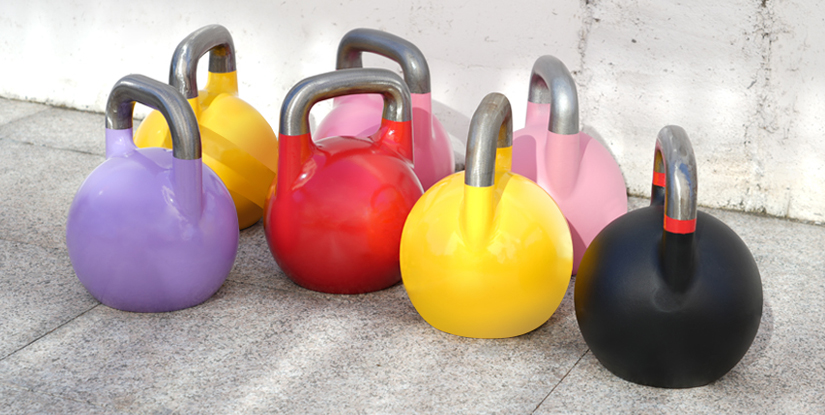
| Feature | Rubberized Finish | Powder Coated Finish |
|---|---|---|
| Surface Texture | Soft, high-grip, and shock-absorbent | Smooth, hard, and consistent |
| Cleaning Requirements | Moderate; requires careful drying to prevent moisture trapped under edges | Low; highly resistant to moisture and easy to wipe down |
| Best Use Case | High-impact floor protection and grip stability | Precision training and long-term durability in humid climates |
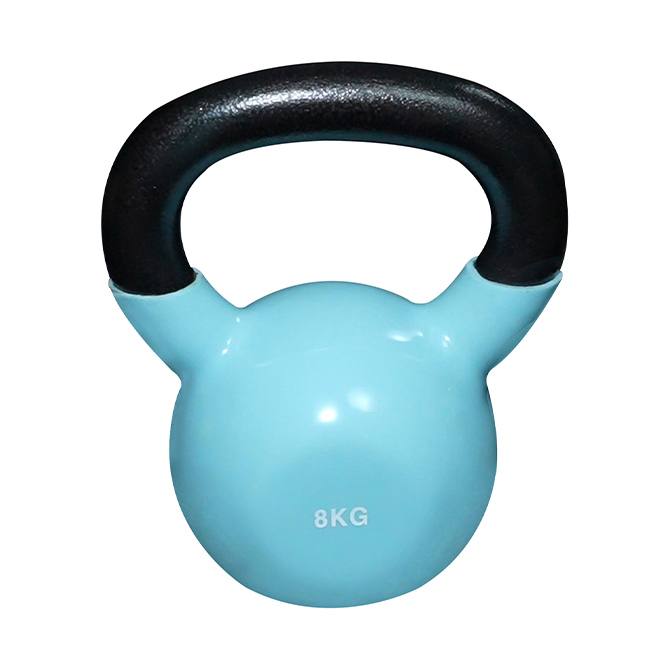
Rubberized coatings are excellent for reducing noise and floor impact, but they can sometimes hide subtle imperfections in the standardized kettlebell weight distribution if the casting is uneven. Conversely, a premium powder-coated finish provides the most predictable tactile feedback and has the lowest maintenance difficulty, making it the preferred choice for competitive environments where precision and rapid cleaning are paramount.
Long-Term Preservation and Care Strategies
To maximize the ROI on your equipment, proactive surface care is essential. Even the highest quality competition grade kettlebell requires consistent attention to prevent the gradual degradation of its exterior. One of the primary concerns in commercial settings is preventing oxidation; moisture from perspiration and high-humidity training environments can settle on the metal, leading to rust if left untreated. We recommend that facility managers implement a routine where equipment is wiped down with a dry, lint-free cloth after every session to remove salt and moisture residue.
Effective storage tips also play a significant role in extending product life. Avoid leaving your kettlebell training gear on damp floors or in unventilated areas where condensation can accumulate. For those conducting deep competition kettlebells reviews for procurement purposes, always look for equipment that can be easily cleaned without harsh chemicals, as abrasive cleaners can strip away protective coatings. Proper care ensures that the weight accuracy and professional finish remain intact for years of heavy-duty use.
Managing Warranty Claims and Product Longevity
When sourcing equipment for high-traffic facilities, the true cost of a purchase extends far beyond the initial invoice. Low-cost alternatives often fail under the stress of repetitive ballistic movements, leading to frequent replacements and frustrated clients. Investing in a competition grade kettlebell is a strategic decision to minimize these operational headaches. Unlike standard cast iron, a competition grade kettlebell is engineered with precise tolerances and superior coatings that withstand rigorous daily use.
Reliability hinges on a standardized kettlebell weight. In professional settings, even slight deviations in mass can disrupt training consistency and lead to disputes over equipment quality. By prioritizing durability through high-quality manufacturing, distributors and gym owners secure better long-term value. High-spec kettlebell training gear reduces the frequency of replacement cycles and lowers the overhead associated with constant re-ordering. Ultimately, choosing precision-engineered gear ensures your facility remains a premium destination while protecting your bottom line from the hidden costs of substandard equipment.
To truly maximize your return on investment, your competition kettlebells reviews must look beyond surface-level aesthetics and scrutinize the manufacturer's commitment to quality control. A professional-grade purchase should be backed by a robust warranty that addresses structural integrity and coating adhesion. When evaluating potential suppliers, ask for specific documentation regarding their manufacturing standards to ensure every unit meets international precision requirements. High-tier kettlebell training gear often includes a guarantee against casting defects or handle imbalances, which protects you from premature failure in high-performance environments.
Furthermore, consider the long-term maintenance requirements of your inventory. While premium equipment may carry a higher upfront cost, the reduction in replacement costs over several years provides a much more favorable fiscal outcome. Equipment that lacks strict quality control often suffers from rapid surface degradation or weight drift, forcing frequent re-investment. By selecting products that adhere to a standardized kettlebell weight and rigorous testing protocols, you effectively mitigate the risk of unexpected downtime and operational expenses.
Selecting the right material profile is essential for balancing your initial procurement budget against long-term operational overhead. While different finishes serve various training environments, understanding how these materials interact with high-frequency use will help you make a more informed decision during your competition kettlebells reviews. A strategic comparison of common builds reveals how much time and labor your staff will actually spend on upkeep.
The following table outlines how different builds impact your facility's workflow and equipment lifecycle:
| Material Type | Durability Profile | Maintenance Level | Best Use Case |
|---|---|---|---|
| Cast Iron | High (Structural) | Moderate (Rust Watch) | Standard Strength Training |
| Competition Grade Steel | Extreme | Low (Minimal Care) | Professional Competitions |
| Rubber Coated | Medium (Surface Sensitive) | Low (Easy Cleaning) | Commercial Gym Floors |
When sourcing kettlebell training gear, remember that a standardized kettlebell weight paired with a high-quality finish significantly reduces the frequency of replacement. While rubberized options offer excellent floor protection, a precision-machined competition grade kettlebell often provides the best long-term ROI for high-performance centers due to its negligible maintenance requirements and superior structural resilience.
Optimizing Global Logistics and Landed Cost for Heavy Gear
When sourcing professional-grade equipment, the sticker price is rarely the final figure. For distributors and gym owners, the true landed cost of high-end gear is often dictated by the complex physics of international freight. Because a competition grade kettlebell is inherently dense, buyers often face a deceptive pricing trap involving volumetric weight vs actual weight.
Standard shipping carriers calculate costs based on whichever is higher: the physical mass or the space the item occupies. While a standardized kettlebell weight ensures precision for athletes, its compact, heavy nature means you are paying for high shipping density. If your kettlebell training gear is packed inefficiently or shipped in oversized crates, you may find yourself paying for "air" rather than metal. To protect your margins, it is vital to work with suppliers who optimize palletization and container loading. Ensuring that the dimensions of your shipment align closely with the actual mass prevents unexpected surcharges and ensures that your investment in premium competition kettlebells reviews translates into a profitable, high-quality inventory for your facility.
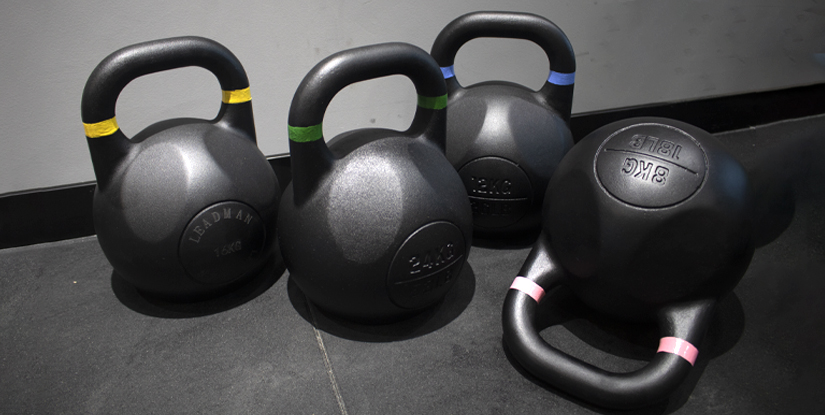
To manage your budget effectively, you must look beyond the unit price and evaluate how different transit strategies impact your total procurement expenditure. Selecting the right logistics route is a cornerstone of logistics optimization, especially when importing high-density iron or steel products. Depending on your inventory needs and timeline, the method you choose will significantly alter your profit margins.
The following table illustrates how various shipping methods affect the final landed cost and speed for professional-grade equipment. When reading competition kettlebells reviews, many buyers overlook these hidden transit variables that can change the economic viability of an order.
| Method | Best For | Speed | Cost Impact | Reliability |
|---|---|---|---|---|
| LCL (Less than Container Load) | Small boutique gym restocks | Moderate | Medium | High |
| FCL (Full Container Load) | Large-scale distributor orders | Slow to Moderate | Lowest per unit | Very High |
| Air Freight | Urgent, small sample batches | Fastest | Highest | Very High |
| Sea Freight (Standard) | Massive bulk inventory replenishment | Slowest | Low | Moderate |
For those seeking to maximize ROI, prioritizing FCL or optimized LCL shipments is generally the most efficient way to secure high-quality kettlebell training gear without the prohibitive costs of air transport. By understanding these logistics tiers, you can better forecast your capital requirements and maintain a competitive edge in your local market.
Beyond selecting the shipping method, true cost-efficiency is found in the fine details of the supply chain. To mitigate the risk of damaged goods or unexpected delays, professional buyers should prioritize suppliers who offer consolidated shipping. By grouping your kettlebell training gear with other high-density steel equipment, you can maximize container utilization and lower the per-unit freight expense. However, high-density shipments require more than just efficient packing; they require rigorous quality control (QC) during transit. A professional manufacturer understands that even a slight shift in a container can lead to surface abrasions or structural issues. Therefore, ensuring your order utilizes reinforced palletization and heavy-duty crating is essential for maintaining durability during long-haul transport.
Furthermore, the complexity of international trade means that customs clearance can become a significant bottleneck if documentation is imprecise. Inaccurate descriptions of your competition grade kettlebell inventory or incorrect weight declarations can lead to costly port storage fees or shipment seizures. To ensure a seamless arrival, work with partners who provide comprehensive commercial invoices and precise HS codes. By focusing on these structural logistics—from consolidated shipping to proactive customs clearance management—you protect your bottom line and ensure that your premium kettlebell training gear arrives in the exact condition expected by your end-users.
Implementation checklist for buyers
When sourcing equipment for professional facilities, the procurement mindset must shift from a simple purchase to a strategic capital allocation. Many buyers mistakenly view kettlebell acquisition as a one-time expense, but in high-traffic environments, the focus should remain on long-term durability and lifecycle value. A cheap, non-standardized set might lower your initial outlays, but the hidden costs of frequent replacements and uneven wear will quickly erode your margins.
To achieve a true return on investment, prioritize a competition grade kettlebell that meets strict manufacturing tolerances. Investing in a standardized kettlebell weight ensures that your facility maintains professional credibility, especially when hosting sanctioned events or high-level training sessions. We recommend viewing these high-spec tools as an investment vs expense equation; a premium competition kettlebells reviews perspective reveals that high-quality steel and precision casting significantly reduce the total cost of ownership over several years of rigorous use.
Before finalizing your wholesale order, use this technical checklist to ensure your kettlebell training gear meets professional facility standards. Relying on superficial aesthetics is a common pitfall; instead, focus on the granular specifications that dictate performance and safety.
The Quality Verification Checklist
To safeguard your procurement budget, evaluate potential suppliers against these four critical benchmarks:
- Weight Tolerance: Verify that the manufacturer adheres to a strict weight tolerance (typically within ±1% for professional use). Inconsistent weights across a set can compromise athlete safety and training integrity.
- Surface Finish: Inspect the texture. A high-quality competition grade kettlebell should feature a smooth, consistent powder coating or high-grade paint that prevents chipping and provides a reliable grip without being abrasive.
- Handle Ergonomics: The handle must be cast with precision. Ensure the opening is wide enough for various grip styles and that the interior surface is smooth to prevent friction burns during high-repetition sets.
- Quality Control Standards: Ask for documentation regarding their quality control standards. A reputable factory will have standardized processes to ensure every unit in a shipment matches the master sample in both dimensions and density.
By auditing these specific details, you move beyond basic competition kettlebells reviews and establish a procurement process that prioritizes long-term reliability over short-term savings.
To assist in your strategic planning, we have categorized typical market tiers. This helps you align your procurement budget with the specific demands of your facility, ensuring that the competition grade kettlebell you select provides the intended utility without unnecessary overhead.
| Tier | Best For | Maintenance Level | Longevity |
|---|---|---|---|
| Entry | Home Gyms & Small Studios | Low | Moderate |
| Professional | CrossFit Boxes & Commercial Gyms | Moderate | High |
| Elite | Competition Venues & Sanctioned Events | High (Precision Care) | Maximum |
When reviewing competition kettlebells reviews for high-volume environments, remember that the "Elite" tier is designed for the highest level of standardized kettlebell weight accuracy. While the "Entry" tier might suffice for casual use, commercial operators should lean toward the "Professional" or "Elite" categories to ensure their kettlebell training gear remains a durable asset rather than a recurring replacement cost. Choosing the correct tier ensures your capital is deployed where it generates the most value for your athletes and your bottom line.