The Charm of Vintage Weight Plates in Modern Gyms Guide
The Economic Logic of Curating High-Margin Aesthetic SKUs
For boutique strength studios and high-end wellness clubs, the challenge is no longer just about equipment utility, but about identity. While large-scale commercial chains often prioritize standardized, high-volume rubberized gear, premium operators are increasingly seeking differentiation through a curated look. By integrating vintage weight plates into their floor layouts, these venues move away from the commodity trap of generic fitness supplies. Instead, they leverage the aesthetic appeal of retro iron plates to transform a standard workout space into a destination with a distinct, "old school" atmosphere.
From a procurement standpoint, transitioning toward classic weight plates allows gym owners to shift their inventory from basic functional tools to high-margin SKUs. When equipment serves as a centerpiece for a brand's visual identity, the value proposition extends beyond the physical weight. This premium branding strategy justifies higher membership fees and attracts a loyal demographic that values character and authenticity. For distributors and gym developers, sourcing high-quality, aesthetically striking iron gear is a strategic move to command higher margins while building a lifestyle-oriented fitness brand.
When deciding between modern rubber bumpers and old school gym equipment, facility managers must weigh long-term operational costs against brand positioning. Standard rubber plates are designed for high-impact, high-frequency drop zones, but they often lack the visual soul required for premium boutique environments. In contrast, retro iron plates offer exceptional durability and a timeless silhouette that remains unaffected by the wear and tear of heavy lifting. While rubber may offer better floor protection in certain settings, the sheer longevity and minimal maintenance requirements of iron make it a superior long-term investment for many owners.
To assist in your procurement strategy, consider the following comparison to identify your ideal target audience:
| Feature | Standard Rubber Bumper Plates | Classic Iron Plates |
|---|---|---|
| Primary Appeal | High-impact durability & noise reduction | Aesthetic character & vintage prestige |
| Ideal Setting | CrossFit boxes & high-volume training centers | Boutique strength clubs & lifestyle gyms |
| Maintenance | Requires monitoring for rubber degradation | Highly durable; requires minimal upkeep |
| Brand Vibe | Modern, functional, and industrial | Authentic, rugged, and "old school" |
Ultimately, choosing classic weight plates is an investment in your facility's atmosphere. If your business model relies on high-turnover functional training, rubber is practical. However, if you aim to capture the premium market of enthusiasts who value the heritage of lifting, the distinct presence of iron provides a competitive edge that standard gear simply cannot replicate.
Beyond the immediate visual impact, the true value of sourcing vintage weight plates lies in the long-term investment profile. Unlike modern composite materials that may degrade or peel over time, high-quality iron gear offers unparalleled longevity. For facility owners, this translates to a significantly reduced replacement frequency, ensuring that the premium equipment remains a staple of the gym floor for decades rather than just a few seasons. This durability is a cornerstone of a smart procurement strategy, as it stabilizes capital expenditure over the long run.
Furthermore, carving out a presence in this niche market allows a gym to establish a powerful brand identity. When a facility prioritizes the heavy, tactile sensation of old school gym equipment, it signals a commitment to authenticity. This distinction fosters deep brand loyalty among serious lifters who view their training environment as an extension of their lifestyle. By selecting classic weight plates that age gracefully, distributors and gym developers aren't just buying inventory—they are building a lasting, high-value asset that reinforces a premium market position.
Why Retro Iron Plates Outperform Modern Composites in Longevity
In the high-traffic environment of a commercial facility, the lifespan of your inventory is directly tied to your bottom line. While modern polyurethane or rubber-coated alternatives have their place, many seasoned gym owners are returning to vintage weight plates for their unparalleled structural integrity. Unlike composite materials that can suffer from surface degradation, cracking, or scent retention over time, retro iron plates are built to endure the most punishing training sessions without losing their form.
The primary advantage lies in the sheer density and impact resistance of solid iron. When heavy sets are dropped or moved aggressively, composite coatings often chip or peel, leading to aesthetic decay and potential hygiene issues. In contrast, high-quality classic weight plates possess a ruggedness that thrives under heavy use. For distributors and facility managers, this translates to significant long-term value; you are investing in equipment that maintains its functional consistency for decades, rather than replacing worn-out modular components every few years.
Understanding the long-term maintenance requirements is essential when sourcing old school gym equipment for a professional setting. While modern composite plates offer colorful variety, they often face issues with surface degradation, such as peeling edges or bubbling textures. Pure iron, however, remains virtually indestructible under standard commercial use. To help you weigh the trade-offs between aesthetic longevity and material upkeep, we have outlined a comparison below.
| Feature | Classic Weight Plates (Iron) | Modern Composite/Rubber Plates |
|---|---|---|
| Wear and Tear | Extremely resistant to impact and heavy drops | Susceptible to coating chips and peeling |
| Surface Integrity | Minimal degradation; maintains solid density | Potential for scent retention and surface cracking |
| Maintenance | Low; simple cleaning of the iron surface | Moderate; requires monitoring of coating health |
| Lifespan | Decades of consistent functional use | Variable depending on coating quality |
For those looking to build a legacy facility, the choice is clear: vintage weight plates offer a predictable lifecycle. By choosing solid iron, you minimize the frequency of replacement cycles and ensure your gym's aesthetic remains timelessly rugged.
Ultimately, selecting vintage weight plates is more than a stylistic choice; it is a strategic investment in lifetime utility. For facility owners, the true cost of equipment is measured by its service life rather than just the initial purchase price. While modern plastics or coatings may offer temporary novelty, they often lack the enduring character of classic weight plates. As iron undergoes years of rigorous use, it develops a unique aesthetic aging process—a patina of hard work that reinforces the gym's authentic, heavy-duty atmosphere. This ability to age gracefully rather than degrade ensures that your inventory remains a functional asset for decades, providing a reliable return on investment that transcends the fleeting trends of modern gym aesthetics.
Optimizing Floor Space with Classic Weight Profiles
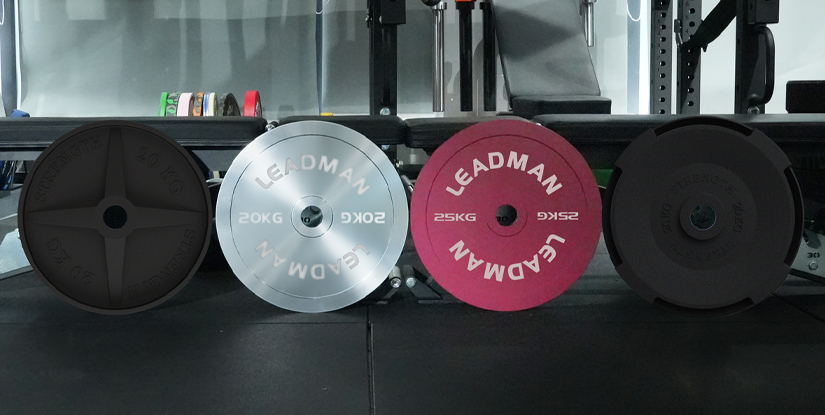
When designing boutique studios or high-end home training environments, every square foot counts. Unlike modern oversized bumper plates that can clutter a floor, vintage weight plates offer a highly compact design that maximizes utility within a limited footprint. The standardized, slim profiles of retro iron plates allow distributors and gym owners to stack more weight in less vertical and horizontal space, ensuring a clean, professional aesthetic without sacrificing heavy lifting capabilities.
For procurement professionals looking to outfit smaller commercial facilities, understanding the space efficiency of different loading options is vital. While high-tech rubberized plates are great for impact, the rigid structure of classic weight plates allows for denser storage solutions, such as compact plate trees or integrated rack systems, which keep the training area unobstructed and safe.
| Storage Profile | Space Requirement | Best Use Case | Maintenance Level |
|---|---|---|---|
| Retro Iron Plates | Minimal/Compact | Boutique Studios & Home Gyms | Low (Rust Prevention) |
| Standard Bumper Plates | Moderate/Bulky | CrossFit & High-Impact Zones | Medium (Surface Care) |
| Polyurethane Plates | High/Wide | Large Commercial Facilities | Low (High Durability) |
The most significant advantage of choosing old school gym equipment for high-density facilities lies in the fundamental thickness comparison between iron and rubber. Modern bumper plates are engineered for impact absorption, which necessitates a much wider, bulkier diameter. In contrast, the slim profile of classic weight plates ensures that a barbell can hold a much higher volume of weight without the plates hitting the floor or the rack uprights prematurely.
For facility managers and wholesale buyers, this translates directly into superior storage density. When sourcing for urban studios where floor space optimization is a priority, the ability to stack more mass on a single barbell or a compact plate tree is a game-changer. By opting for the streamlined silhouette of vintage weight plates, you can maintain a high-performance lifting environment that feels spacious and organized, rather than crowded by the sheer volume of modern, thick-profile training gear.
In specialized training environments, such as garage gyms or high-end boutique studios, the ability to manage a minimal footprint is a critical factor for successful layout design. Unlike bulky modern alternatives, vintage weight plates provide a level of weight density that is hard to match. This high concentration of mass allows lifters to load heavy barbell combinations without the excessive width that often complicates the training area in confined settings.
For distributors and facility designers, this translates into much greater layout flexibility. When the goal is to maximize the utility of a small square footage, the slim profile of old school gym equipment ensures that weight trees and storage racks remain compact. This efficiency allows for a more streamlined movement path around the equipment, preventing the cramped sensation often found in small-scale commercial builds. By prioritizing classic weight plates, buyers can achieve a professional, heavy-duty look while ensuring the facility remains functional and navigable.
Sourcing Authenticity: Identifying High-Quality Old School Gym Equipment
When sourcing for a boutique studio or a themed fitness space, the biggest challenge is distinguishing genuine heritage pieces from modern, low-grade imitations. Authentic vintage weight plates possess a specific character that mass-produced replicas often fail to replicate. To ensure your investment holds value, you must look beyond the aesthetic and evaluate the physical properties of the metal.
A primary indicator is the tactile density. Genuine retro iron plates feel incredibly substantial and "dead" when handled; they lack the hollow or ringing sensation found in cheap, cast-zinc alternatives. Furthermore, examine the surface texture closely. High-quality old school gym equipment typically features a rugged, granular finish that feels organic rather than overly smooth or unnaturally polished. Most importantly, check the structural integrity by inspecting the center bore. Authentic pieces maintain perfectly consistent thickness and concentricity, ensuring they remain balanced and durable even under heavy, long-term commercial use.
Preserving the rugged charm of your collection requires a proactive approach to environmental control. While the weathered look is desirable, uncontrolled oxidation can compromise the structural integrity of classic weight plates. To maintain a professional standard in a commercial setting, we recommend a strict storage environment policy. Avoid high-humidity areas or direct contact with concrete floors, as moisture is the primary catalyst for deep-seated corrosion.
For routine upkeep, effective rust prevention involves more than just visual inspection. We suggest implementing periodic oiling techniques using a thin, high-grade mineral oil or a specialized metal protectant. Applying a light coating to the surface of the retro iron plates helps create a barrier against oxygen and moisture. This practice ensures that your old school gym equipment retains its iconic aesthetic without the risk of pitting or excessive degradation, protecting your long-term asset value.
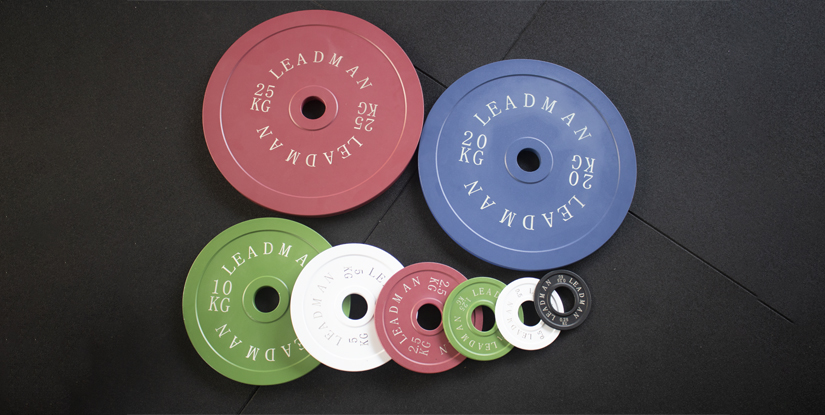
Deciding whether to invest in the upkeep of heritage gear or to pivot toward modern alternatives is a strategic choice for any facility manager. While vintage weight plates offer unmatched character, they demand a higher level of operational attention compared to contemporary coated options. To assist in your procurement planning, we have outlined the primary differences in a quick-reference guide below.
| Feature | Classic weight plates (Raw Iron) | Modern Coated Plates (Rubber/Urethane) |
|---|---|---|
| Maintenance Difficulty | High (Requires periodic oiling/rust prevention) | Low (Wipe down and store) |
| Aesthetic Value | Exceptional (Authentic, rugged, and timeless) | Standard (Functional and uniform) |
| Durability | Extreme (High resistance to heavy impact) | Moderate (Coating can chip or degrade) |
| Ideal User Profile | Hardcore lifters & Boutique Studio Owners | General Commercial Gyms & High-Traffic Clubs |
Ultimately, choosing retro iron plates is a commitment to a specific brand identity. If your facility prioritizes a high-end, "old school" atmosphere, the added maintenance is a worthwhile investment in your venue's unique soul.
The Value Proposition of Vintage Aesthetics for Boutique Gym Branding
In a saturated market of neon lights and high-tech digital interfaces, standing out requires a shift toward tactile authenticity. For boutique studio owners, investing in vintage weight plates is not merely a stylistic choice; it is a strategic branding tool. The aesthetic appeal of retro iron plates provides a grounded, rugged atmosphere that modern, brightly colored polymer sets cannot replicate. This visual weight helps establish a distinct brand identity centered on strength, tradition, and timelessness.
By curating an environment filled with old school gym equipment, studios can offer a premium experience that feels curated rather than mass-produced. This level of differentiation allows high-end facilities to justify premium membership tiers. Instead of competing on technology alone, owners can leverage the unique character of classic weight plates to build a community around a specific, high-value lifestyle. For the discerning buyer, sourcing high-quality iron gear is a long-term investment in the studio's visual and cultural equity.
When calculating the long-term return on investment, gym owners must weigh the immediate cost of procurement against the lifespan and branding benefits of their inventory. While modern rubberized bumper plates are essential for high-impact Olympic lifting, retro iron plates offer a distinct economic advantage in specific settings. The cost-effectiveness of iron lies in its extreme durability and lower price point per kilo compared to specialized polymer coatings. Furthermore, the maintenance requirements for classic weight plates are minimal; they do not suffer from the peeling or cracking common in cheap rubberized alternatives, ensuring a long-lasting, high-quality appearance.
To assist in your procurement planning, we have outlined a comparison below to help you decide which gear best serves your facility's specific atmosphere and budget.
| Investment Factor | Modern Rubberized Plates | Old School Gym Equipment (Iron) |
|---|---|---|
| Visual Impact | Clean, colorful, and high-tech aesthetic. | Rugged, authentic, and high-character branding. |
| Durability | Prone to surface wear and edge peeling. | High resistance to impact and environmental aging. |
| Maintenance | Requires monitoring for rubber degradation. | Minimal; simple cleaning preserves the finish. |
| Primary Use Case | High-velocity Olympic lifting and CrossFit. | Strength training, bodybuilding, and boutique branding. |
Ultimately, choosing vintage weight plates allows you to build a facility that feels permanent and storied, providing a tangible sense of value that outlasts fleeting fitness trends.
Beyond the immediate visual impact, the decision to source classic weight plates serves as a long-term investment in the structural integrity of your facility’s brand. Unlike modern equipment that may rely on superficial coatings prone to degradation, the timeless design of high-quality iron ensures your inventory maintains its prestige for decades. This durability translates directly into customer retention; members are often more loyal to spaces that feel established and authentic rather than those that rely on disposable, trend-driven aesthetics.
For professional buyers and distributors, prioritizing these robust materials reduces the frequency of replacement cycles and minimizes long-term capital expenditure. By integrating vintage weight plates into your core inventory, you are not just purchasing equipment—you are building a permanent atmosphere of strength. This strategic approach ensures that your gym remains a destination that feels both classic and enduring, regardless of shifting industry cycles.
Logistics and Handling Considerations for Heavy Iron Shipments
When calculating the total cost of ownership, procurement specialists often overlook the relationship between weight and shipping overhead. While modern polymer-coated plates might offer lightweight advantages, sourcing vintage weight plates provides a distinct economic edge for high-volume distributors. The primary value lies in the durability vs initial cost ratio; these retro iron plates are engineered to withstand decades of heavy use without the structural degradation seen in cheaper, contemporary alternatives.
From a long-term investment perspective, the rugged nature of old school gym equipment minimizes replacement cycles. Because classic weight plates lack delicate coatings or complex composite layers, they are less prone to superficial damage during transit or intensive gym use. For wholesalers, this means lower rates of returns and fewer replacement shipments. While the density of iron requires strategic freight planning, the sheer longevity of these products ensures that your capital is tied to assets that maintain their utility and aesthetic charm for many years to come.
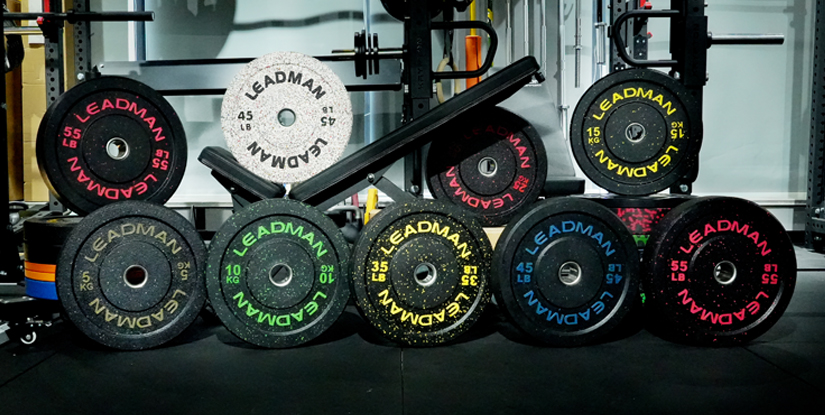
Deciding between modern rubberized coatings and the raw appeal of classic weight plates often comes down to a balance of upfront expenditure versus long-term utility. While rubberized options excel in noise reduction, vintage weight plates offer a streamlined cost structure that appeals to boutique studios and heavy-duty lifting facilities alike. To help you determine the best fit for your facility's specific requirements, we have outlined a comparison of the two most common industry standards.
| Budget Level | Durability | Aesthetic Vibe | Maintenance |
|---|---|---|---|
| Moderate to High | High (Coating Integrity) | Modern & Polished | Low (Protective Layer) |
| Cost-Effective | Extreme (Solid Iron) | Old school gym equipment | Minimal (Surface Care) |
Choosing retro iron plates typically results in a lower cost-per-pound ratio. While they require a basic understanding of iron care, the absence of fragile outer layers means these classic weight plates can endure high-impact environments without the risk of peeling or cracking, making them a savvy long-term procurement choice.
Beyond the initial purchase price, professional buyers must master the complexities of shipping logistics when sourcing dense iron goods. Unlike lighter equipment, vintage weight plates present a unique challenge regarding freight weight and volume density. Because iron is exceptionally heavy relative to its physical footprint, your bulk transport considerations must focus on optimizing container space to prevent paying for "empty air."
Managing heavy iron shipments requires a strategic approach to palletization and load distribution. To mitigate rising freight costs, we recommend consolidating orders to maximize the weight capacity of each shipping unit. Efficiently stacking retro iron plates ensures that the high density of the product works in your favor, allowing for a high value-to-volume ratio during sea or land transit. By understanding these shipping logistics, distributors can better forecast landed costs and ensure that the procurement of old school gym equipment remains a predictable and profitable venture for their clients.
Building a Timeless Strength Collection with Reliable Suppliers
When gym owners invest in old school gym equipment, they are not just buying aesthetics; they are investing in legendary longevity. The primary reason vintage weight plates remain highly sought after in the modern commercial market is their uncompromising durability. Unlike modern polymer-coated alternatives that may crack or degrade under extreme temperature shifts, high-quality retro iron plates are engineered for heavy-duty use. The high iron density found in premium casting ensures that each plate maintains its exact weight and structural integrity even after years of high-impact dropping and heavy lifting sessions.
From a procurement standpoint, sourcing these pieces requires a focus on manufacturing precision. A reliable supplier ensures that the metallurgical composition is consistent, preventing the warping or chipping often seen in lower-tier classic weight plates. For a facility manager, selecting gear with this level of build quality represents a long-term investment. By prioritizing density and robust manufacturing standards, you reduce replacement frequency and ensure your strength zone remains a reliable, permanent fixture of your gym's identity.
Choosing between modern urethane and the rugged charm of classic weight plates often comes down to a trade-off between surface protection and absolute lifespan. While rubber coatings offer impact absorption, they are prone to tearing, peeling, or environmental degradation over time. In contrast, retro iron plates offer superior wear resistance, as there is no outer layer to fail. For high-traffic facilities, the aesthetic longevity of iron means the equipment looks just as striking a decade from now as it does on day one, provided basic maintenance requirements are met.
To help you decide which direction fits your facility's operational model, consider the following comparison:
| Feature Dimension | Modern Rubber-Coated Plates | Vintage Weight Plates |
|---|---|---|
| Durability Focus | Impact absorption & floor protection | High wear resistance & structural density |
| Maintenance | Requires monitoring for coating cracks | Simple rust prevention & cleaning |
| Long-term Value | Moderate (coating eventually degrades) | High (permanent aesthetic longevity) |
| Ideal Use Case | Standard commercial fitness centers | Boutique iron gyms & heritage-style studios |
For distributors and gym owners looking to build a legacy, the decision to source old school gym equipment is a move toward a more permanent, low-maintenance strength ecosystem.
However, achieving that iconic look requires more than just a weathered finish; it demands rigorous quality control. When sourcing quality gear, the biggest risk is a supplier prioritizing the "distressed" aesthetic over manufacturing precision. To ensure your facility remains safe, you must verify that the vintage weight plates meet modern professional grade standards for weight consistency. A slight deviation in casting can lead to unbalanced loading, which is unacceptable in a high-performance environment.
We recommend vetting manufacturers based on their ability to maintain structural reliability across large-scale production runs. A reputable factory will demonstrate high weight consistency, ensuring that a 20kg plate is truly 20kg, despite the irregular edges characteristic of classic weight plates. For distributors, the goal is to find a partner who understands that old school gym equipment must be as functional as it is beautiful. Prioritize suppliers who can provide evidence of consistent metallurgical testing to ensure your retro iron plates offer both the rugged charm of the past and the safety of modern engineering.