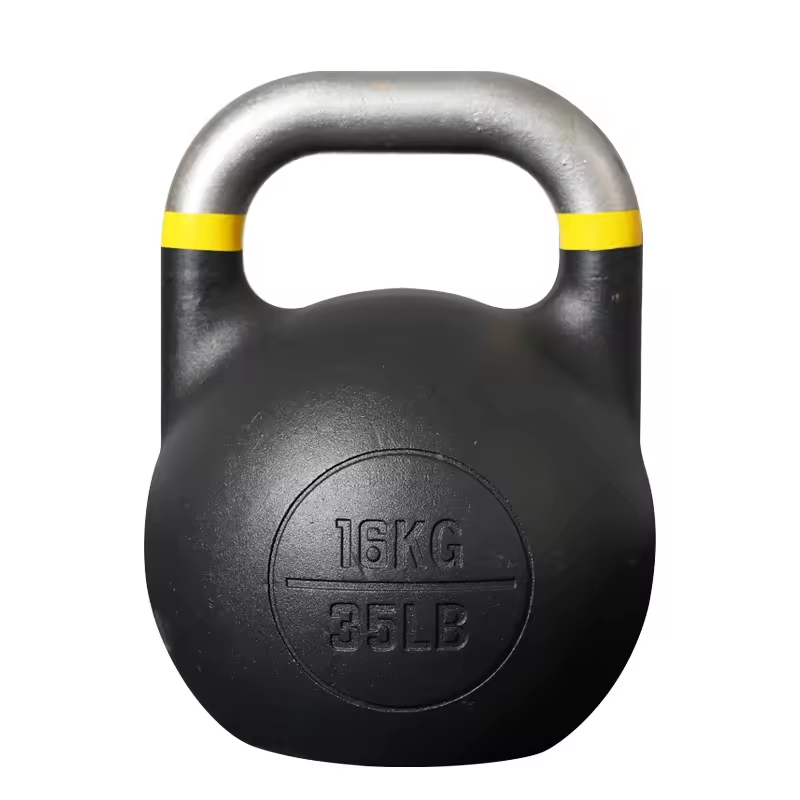
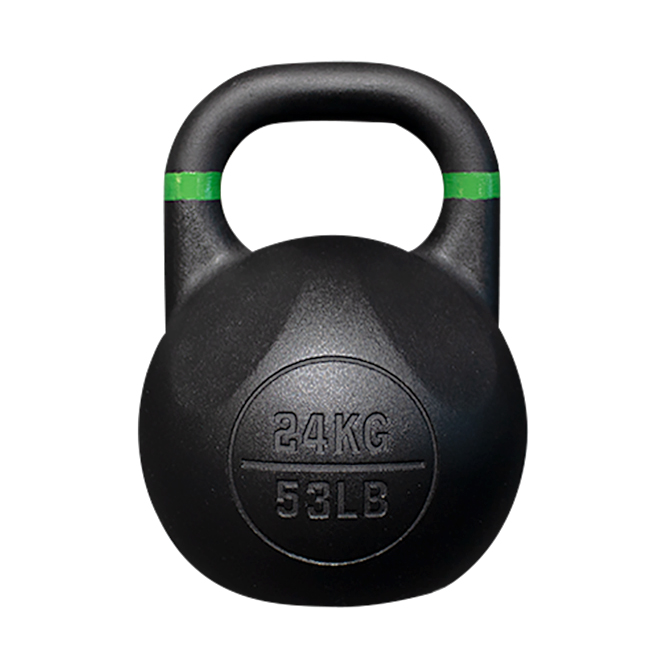
body solid vinyl kettlebell set | Optimizing Gym Floor
Verifying Manufacturing Standards for High-Grade Vinyl Coatings
When sourcing strength equipment for high-traffic facilities, procurement specialists must look beyond basic aesthetics to evaluate three critical checkpoints: the integrity of the material bond, the precision of the weight distribution, and the long-term impact on facility overhead. A failure to verify these specifications often leads to premature peeling or surface degradation, which complicates commercial gym equipment maintenance schedules. Selecting a high-quality body solid vinyl kettlebell set requires a shift in focus from initial unit cost to the total cost of ownership, ensuring that the coating remains intact under rigorous use cycles.
The primary advantage of premium vinyl coated kettlebell benefits lies in the structural resilience of the outer layer. High-grade manufacturers adhere to strict high-density coating standards to prevent the delamination often seen in lower-tier wholesale products. This density is essential for durability; a robust coating acts as a buffer that protects the internal weight core from moisture and impact. For distributors and gym owners, this level of quality control means fewer replacement cycles and a significant reduction in the labor required for upkeep, ultimately protecting the facility's long-term investment in floor protection and equipment longevity.
To mitigate the risk of product returns and client dissatisfaction, procurement officers should implement a rigorous technical checklist during the factory audit or sample inspection phase. Relying on visual inspection alone is insufficient for high-volume orders; instead, focus on the following structural and material benchmarks to ensure the body solid vinyl kettlebell set meets professional standards.
Technical Verification Checklist for Sourcing
Before finalizing a purchase order or approving a large-scale shipment, verify that the manufacturer provides documentation or testing results for these specific engineering metrics:
- Adhesion Testing: Confirm the vinyl layer is chemically or thermally bonded to the core to prevent delamination during temperature fluctuations.
- Thickness Consistency: Ensure the coating maintains uniform density across all weight increments to prevent uneven weight distribution or structural weak points.
- Crack Resistance: Verify the material can withstand repeated impact and compression without developing micro-fissures that expose the internal core.
- Quality Control (QC) Protocols: Request evidence of batch-specific testing to ensure every unit in the shipment adheres to the established procurement specifications.
By prioritizing these technical validation steps, distributors can safeguard their reputation and ensure that the equipment provides reliable floor protection gym gear performance for the end-user.
Understanding the trade-offs between different materials is essential for calculating the long-term Total Cost of Ownership (TCO). While cast iron remains a staple in many facilities, the selection of a body solid vinyl kettlebell set often provides a superior balance of impact resistance and facility preservation. The following comparison outlines how different coating types perform regarding surface protection and replacement frequency to assist in your procurement decision-making.
Material Comparison and Lifecycle Impact
| Material Type | Impact Resistance | Floor Protection Level | Typical Replacement Frequency | TCO Profile |
|---|---|---|---|---|
| Cast Iron (Uncoated) | Moderate | Low (High risk of denting) | Medium | Low initial cost; high maintenance |
| Rubber Coated | High | Medium (Heavy/Dense) | Low | Moderate initial cost; stable TCO |
| Vinyl Coated | High (Elasticity) | High (Shock Absorption) | Very Low | Optimized for long-term ROI |
For distributors managing high-volume inventory, the vinyl option offers a distinct advantage in the realm of floor protection gym gear. Unlike bare iron, which can cause structural damage to subflooring during accidental drops, the high-density vinyl layer serves as a specialized buffer. This reduces the frequency of floor repairs and minimizes the need for constant equipment replacement, making it a preferred choice for commercial-grade facility management.
Quality Control Protocols for Weight Uniformity and Shell Integrity
For facility managers and distributors, the hidden cost of low-quality free weights often lies in inconsistent performance and premature degradation. When sourcing a body solid vinyl kettlebell set, the technical focus must shift from simple aesthetics to the rigorous standards of weight consistency and structural durability. In a high-traffic commercial environment, even minor deviations in mass across a set can disrupt professional training regimens and lead to client dissatisfaction.
Beyond the internal weight, maintaining shell integrity is a critical component of commercial gym equipment maintenance. A high-grade vinyl coating serves as a protective barrier, but if the bond between the core and the shell is substandard, peeling or cracking becomes inevitable. For bulk purchasers, prioritizing manufacturers that emphasize precise casting and seamless coating application is essential. Ensuring these elements are robust reduces the frequency of replacement cycles, effectively lowering the total cost of ownership and protecting your long-term investment in facility gear.
To mitigate the risk of receiving defective shipments or substandard batches, procurement officers should implement a standardized inspection protocol during the receiving phase. This is particularly important when evaluating the long-term utility offloor protection gym gearand weight sets, as the integrity of the outer layer directly impacts both equipment lifespan and surface safety.
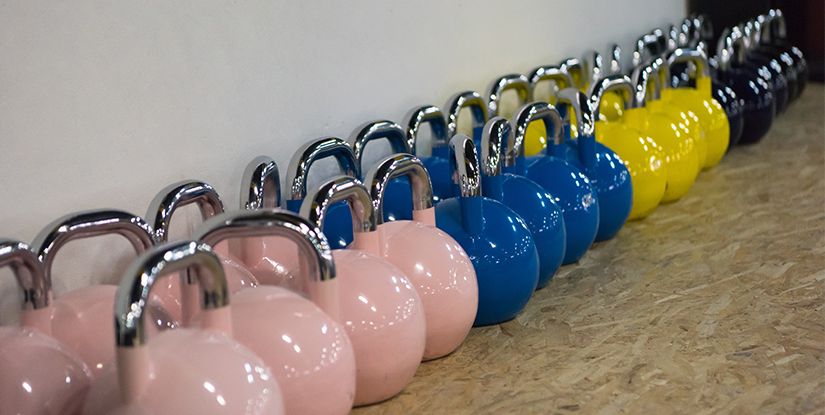
The following checklist provides a technical baseline for evaluating the quality of a body solid vinyl kettlebell set during factory inspections or warehouse arrivals:
| Inspection Criterion | Standard/Requirement | Procurement Focus |
|---|---|---|
| Weight Deviation | ±1% to 3% per unit | Ensures uniformity across the entire set |
| Vinyl Coating Adhesion | No bubbling or peeling under tension | Prevents cracking and internal core exposure |
| Construction Type | Seamless or high-bond interface | Eliminates weak points in the shell structure |
| Surface Texture | Consistent, non-slip finish | Maintains grip standards for professional use |
| Handle Ergonomics | Smooth transitions, no sharp edges | Reduces wear on user hands and coating |
By enforcing these benchmarks, distributors can ensure that the products delivered meet the high-performance expectations of commercial fitness centers, minimizing the need for future returns or warranty claims.
Optimizing Facility Longevity and Total Cost of Ownership
From a procurement standpoint, the decision to invest in premium materials is rarely about the initial purchase price; it is about the long-term impact on facility maintenance. One of the primary vinyl coated kettlebell benefits is the mitigation of secondary damage caused by equipment impact. Standard cast iron or uncoated steel can cause micro-abrasions or deep gouges in high-end rubber flooring, leading to expensive resurfacing costs. A high-density vinyl shell acts as a buffer, providing superior surface wear resistance that preserves the integrity of your gym floor over years of heavy use.
For wholesalers and gym owners, this translates to a more favorable total cost of ownership. When equipment features a resilient, high-grade exterior, it reduces the frequency of both equipment and floor repairs. By selecting a body solid vinyl kettlebell set with a robust, seamless coating, you are essentially purchasing insurance for your facility's infrastructure. This strategic approach to sourcing ensures that your budget is spent on high-performance gear that supports, rather than degrades, your commercial space.
Mitigating Surface Damage Through Material Selection
For facility managers and gym distributors, the long-term cost of ownership is often dictated by the interaction between training implements and the flooring. Standard cast iron kettlebells, while durable, present a high risk of impact damage and surface scuffing if dropped or even slid across high-end rubber mats. This is where the strategic selection of a body solid vinyl kettlebell set becomes a critical procurement decision for premium fitness centers.
The primary vinyl coated kettlebell benefits center on the high-density polymer layer that serves as a shock-absorbent buffer. Unlike raw metal, this coating provides superior impact absorption, reducing the kinetic energy transferred to the floor during heavy usage. For distributors, emphasizing this feature helps address client concerns regarding commercial gym equipment maintenance and the longevity of expensive specialized flooring surfaces.
| Material Type | Impact Absorption | Floor Scuff Risk | Maintenance Profile |
|---|---|---|---|
| Cast Iron (Uncoated) | Low | High | Requires frequent rust checks |
| Vinyl Coated | Moderate to High | Minimal | Easy to clean/wipe down |
| Rubber Encased | High | Very Low | High durability/Long life |
By prioritizing equipment that offers integrated surface scuffing prevention, gym owners can significantly extend the replacement cycles for their flooring. Investing in high-quality coated sets is not just about the weight itself, but about protecting the facility's structural aesthetic and reducing secondary repair costs.
When evaluating procurement specifications, it is essential to consider how different implements interact with specific sub-flooring. In many high-end commercial environments, the choice between rubber matting vs. hardwood determines the required level of impact distribution. While heavy-duty rubber mats are designed to withstand high-impact loads, hardwood or specialized synthetic flooring remains highly susceptible to indentation and micro-scratches from uncoated metal. Utilizing specialized floor protection gym gear, such as vinyl-encased weight sets, provides a secondary layer of defense that mitigates the risk of permanent surface deformation.
From a wholesale and facility management perspective, the long-term ROI of a facility is often tied to the reduction of "hidden" maintenance costs. A single dropped uncoated iron weight can cause a dent in premium flooring that necessitates a full sectional replacement. By selecting a body solid vinyl kettlebell set, buyers are essentially purchasing an insurance policy for their floor surfaces. This proactive approach to material selection ensures that the material durability of the equipment works in tandem with the facility's infrastructure, lowering the total cost of ownership over several years of high-frequency commercial use.
When assessing bulk procurement quality standards, professional buyers must look beyond the weight increment and focus on coating integrity. Low-grade coatings often suffer from peeling or cracking under high-frequency usage, which can expose the internal core and create abrasive edges. This degradation not only compromises the equipment's lifespan but also increases the maintenance frequency for the facility staff, as damaged surfaces can trap debris or cause unexpected surface friction.
For large-scale distributors and gym operators, the decision to source premium coated sets is a calculation of Total Cost of Ownership (TCO). While the initial unit cost of a vinyl-encased set may be higher than basic cast iron, the reduction in secondary expenses—such as floor resurfacing, specialized cleaning, and equipment replacement—provides a much higher long-term value. High-quality manufacturing ensures that the polymer layer remains intact under rigorous commercial stress, protecting the facility's aesthetic and structural integrity simultaneously.
Optimizing Inventory Turnover with Modular Weight Sets
For facility managers and distributors, the true cost of equipment extends far beyond the initial purchase order. When sourcing free weights, calculating the Total Cost of Ownership (TCO) is critical for maintaining healthy profit margins. A low-cost, low-quality kettlebell may seem attractive during the initial procurement phase, but frequent replacements and incidental damage to facility infrastructure can quickly erode your ROI.
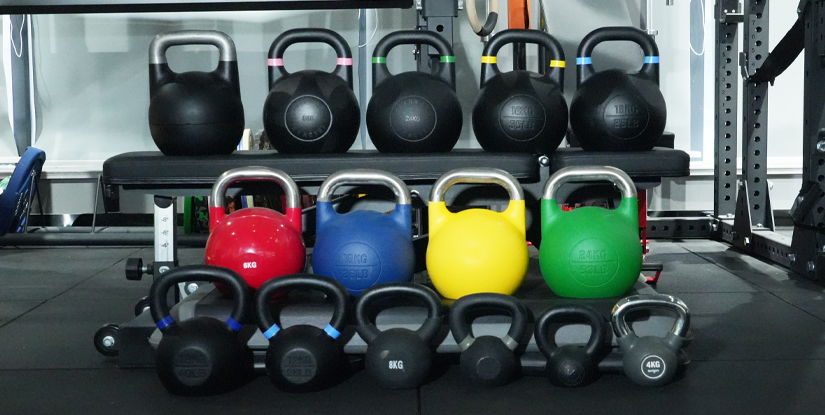
Utilizing a premium body solid vinyl kettlebell set helps mitigate these hidden expenses. One of the primary vinyl coated kettlebell benefits is the high-density protective layer that prevents the cast iron core from making direct, high-impact contact with the ground. This function makes them an essential piece of floor protection gym gear, significantly reducing the wear and tear on expensive rubber flooring or specialized turf. By investing in equipment that offers a reduced replacement frequency, buyers can stabilize their long-term maintenance budgets and ensure a long-term ROI that justifies the initial premium in high-traffic commercial environments.
When evaluating the budget for a new facility or a stock replenishment, procurement officers often face a dilemma: the immediate savings of standard cast iron versus the long-term stability of coated options. While raw cast iron presents a lower entry price, the durability vs. initial investment equation shifts once operational costs are factored in. In many commercial settings, the "cheap" option results in a higher cost-per-use due to the inevitable chipping of paint and the resulting oxidation of the metal core.
Furthermore, the lack of a protective buffer in traditional iron sets can lead to micro-fractures in subflooring or permanent indentations in high-grade rubber mats. This necessitates frequent commercial gym equipment maintenance and, in many cases, expensive flooring resurfacing. By selecting a body solid vinyl kettlebell set, distributors and gym owners effectively hedge against these secondary expenses. The cost-efficiency of vinyl-coated gear is realized through extended equipment lifespan and superior floor protection, ensuring that your capital expenditure serves the facility for years rather than just a single high-intensity season.
From a logistics and supply chain perspective, the advantage of a body solid vinyl kettlebell set lies in the strategic use of modular weight sets. For distributors and large-scale fitness retailers, managing a diverse range of SKUs can lead to high carrying costs and complex stock management. By opting for standardized, high-quality vinyl-coated units, buyers can streamline their bulk procurement processes, focusing on a core range of highly durable weights that satisfy multiple client needs without the need for excessive, specialized inventory.
This modularity directly impacts inventory turnover rates. Instead of stocking dozens of fragmented, low-durability items that may become obsolete or damaged in transit, procurement officers can invest in a cohesive system that offers space optimization within both the warehouse and the client’s facility. This streamlined approach reduces the frequency of reordering and simplifies the shipping of complete kits. For the B2B buyer, this means more efficient capital allocation, lower storage overheads, and a more predictable replenishment cycle that keeps the supply chain moving smoothly.
Logistics Strategies for Heavy Bulk Shipments
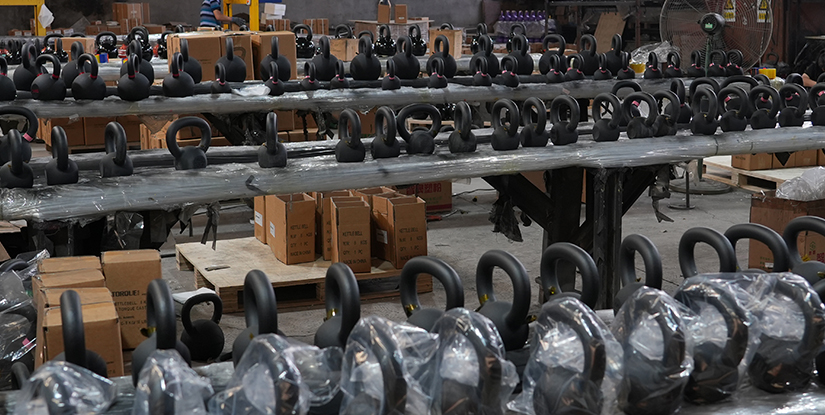
When sourcing a complete body solid vinyl kettlebell set for a commercial facility, procurement managers must look beyond the unit price to the total landed cost. The primary logistical challenge lies in the inherent density of high-quality cast iron cores encased in vinyl. Unlike lighter aerobic equipment, these sets present a high weight-to-volume ratio, which can significantly impact freight expenditures if not managed strategically.
Optimizing your shipment requires a deep understanding of shipping density and how it interacts with container or pallet configurations. Because the volume occupied by a kettlebell is relatively small compared to its mass, maximizing freight optimization is essential to avoid paying for "empty air" in a shipping container. Distributors should coordinate with manufacturers to ensure that bulk weight considerations are integrated into the initial packing list. By consolidating various weight increments into optimized, heavy-duty crates, buyers can mitigate the risks of excessive dimensional weight charges and ensure a more predictable arrival for their inventory.
To achieve a lower total cost of ownership, procurement professionals must evaluate the trade-offs between shipping speed and structural integrity. For large-scale gym fit-outs, the method of consolidation directly affects both the transit budget and the condition of your floor protection gym gear upon arrival. A mismatched shipping configuration can lead to damaged outer cartons or, worse, compromised stability during ocean freight transit.
The following comparison helps distributors and facility owners select the most cost-efficient configuration based on their specific volume requirements and budget constraints:
| Shipping Configuration | Volumetric Weight Impact | Shipping Stability | Best Use Case |
|---|---|---|---|
| Individual Carton Shipping | High (Higher dimensional weight) | Moderate (Risk of crushing) | Small boutique studios or low-MOQ orders |
| Standard Palletized Freight | Medium (Optimized density) | High (Secure stacking) | Standard commercial gym replenishment |
| Reinforced Heavy-Duty Crating | Low (Maximized weight-to-space) | Maximum (Highest protection) | Large-scale international wholesale/distributor orders |
Pro tip for buyers: When ordering a full set, request palletized shipments with reinforced edge protectors. This not only stabilizes the load for long-haul transit but also ensures that the vinyl coated kettlebell benefits—such as the pristine surface finish—are preserved without scuffing or impact damage during the unloading process.
Beyond initial freight logistics, the true economic value of a high-quality procurement decision is found in the long-term lifecycle of the assets. For facility operators, the cost of equipment is not merely the invoice price, but the cumulative expense of replacement and upkeep over several years. Choosing a premium body solid vinyl kettlebell set serves as a hedge against the rapid depreciation often seen with lower-grade coated alternatives.
The primary driver of long-term ROI is the integrity of the outer layer. Standard coatings often succumb to cracking or peeling under heavy usage, which exposes the internal weight and invites oxidation. In contrast, high-grade vinyl coated kettlebell benefits include a resilient, impact-resistant skin that maintains its structural and aesthetic form despite high-frequency use. This durability directly reduces the frequency of replacement cycles, allowing gym owners to allocate capital toward expansion rather than constant inventory replenishment.
Furthermore, effective commercial gym equipment maintenance is simplified when the equipment is built to withstand environmental stressors. A high-quality vinyl finish acts as a protective barrier that is easier to sanitize and less prone to the surface degradation that typically necessitates professional refurbishment. By investing in superior build quality at the sourcing stage, distributors and facility managers effectively lower their total maintenance overhead and ensure a much longer functional lifespan for their strength training zones.
Long-term Asset Value and Facility Maintenance Cycles
For commercial facility managers, the true cost of equipment is rarely found in the initial purchase order, but rather in the total cost of ownership (TCO) over several years. When sourcing a body solid vinyl kettlebell set, the distinction between standard cast iron and high-grade vinyl coating becomes a critical factor in long-term asset depreciation. Low-quality coatings often peel or crack under heavy use, leading to premature replacement cycles and increased labor costs.
The primary vinyl coated kettlebell benefits extend beyond user grip; they involve superior surface abrasion resistance. This high-density layer acts as a buffer, protecting the internal core from oxidation while simultaneously shielding the gym floor from impact damage. By investing in equipment with high-quality tactile finishes, distributors and gym owners achieve a significant maintenance frequency reduction. Instead of constant repainting or dealing with chipped surfaces, the facility maintains a premium aesthetic with minimal intervention. From a procurement standpoint, prioritizing these durable specifications ensures that the equipment remains a functional asset rather than a recurring maintenance liability.
To accurately project long-term ROI, procurement specialists must account for the relationship between equipment impact absorption and the integrity of the subfloor. Standard iron kettlebells often lack the necessary damping properties, leading to microscopic structural fatigue in high-end rubber or wood flooring. Utilizing specialized floor protection gym gear, such as high-density vinyl-coated sets, mitigates these kinetic transfer issues. This creates a direct correlation between the quality of the coating and the extended lifespan of the facility's flooring installation.
The following comparison illustrates how material selection influences the commercial gym equipment maintenance budget and the frequency of capital expenditures:
| Metric | Standard Cast Iron (Uncoated) | High-Grade Vinyl Coated Set |
|---|---|---|
| Typical Replacement Cycle | 24–36 Months (due to rust/chipping) | 60+ Months (high abrasion resistance) |
| Floor Impact Risk | High (requires heavy matting) | Low (integrated impact absorption) |
| Annual Maintenance Labor | Moderate (surface cleaning/rust care) | Minimal (wipe-down/standard hygiene) |
| Long-term ROI Potential | Lower (higher recurring costs) | Higher (extended asset longevity) |
When evaluating wholesale orders, distributors should prioritize sets that offer consistent coating thickness. A uniform, high-density layer ensures that the impact absorption remains stable over thousands of cycles, preventing the sudden floor depressions or surface gouges that often trigger expensive facility renovations.
Beyond the immediate durability of the product, professional buyers must evaluate the logistical reliability of their supply chain. When placing high-volume orders, the technical integrity of the body solid vinyl kettlebell set is determined long before it reaches the gym floor. A critical procurement concern is the quality control (QC) regarding coating adhesion. Inconsistent manufacturing processes can lead to delamination, where the vinyl separates from the core during temperature shifts. Reliable suppliers utilize rigorous adhesion testing to ensure the coating remains bonded even under extreme mechanical stress, preventing the "peeling effect" that ruins the aesthetic of a premium facility.
Logistical stability is another pillar of long-term ROI. For distributors managing large-scale inventory, bulk shipping durability is paramount. High-quality vinyl-coated sets are engineered to withstand the rigors of international transit and stacking without structural deformation. Furthermore, procurement specialists should verify the moisture resistance in storage protocols. A high-density vinyl shell serves as a protective barrier, ensuring the internal weight remains unaffected by humidity during long-term warehouse residence or transit through varying climates. By selecting products with high inventory shelf-life stability, buyers minimize the risk of receiving compromised stock, ensuring that every unit in a bulk shipment meets the exact specifications required for high-traffic commercial environments.