Bulk Weight Set Kettlebell Sourcing for Gym Distributors
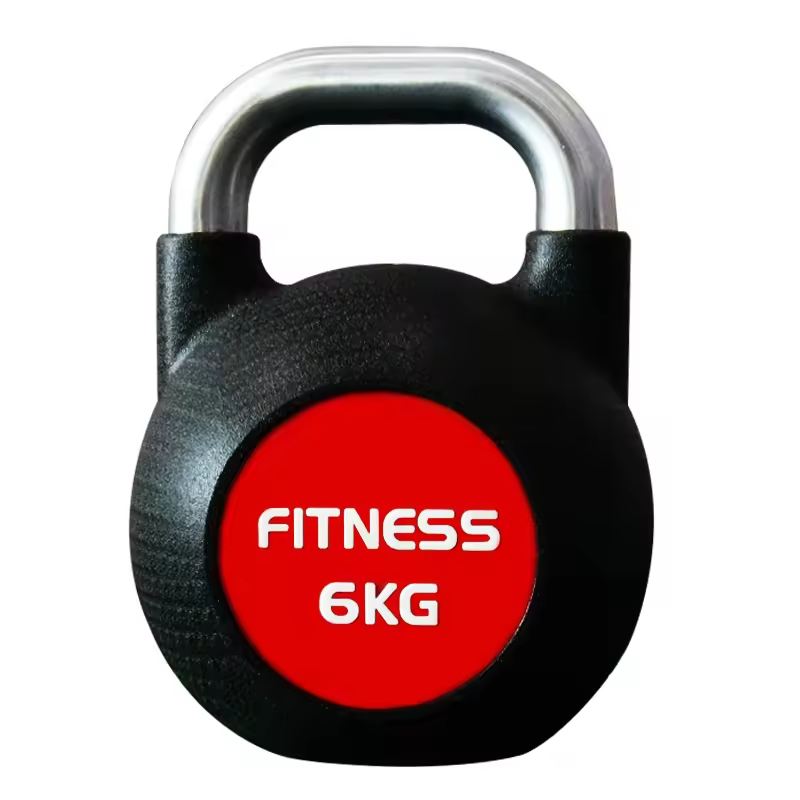
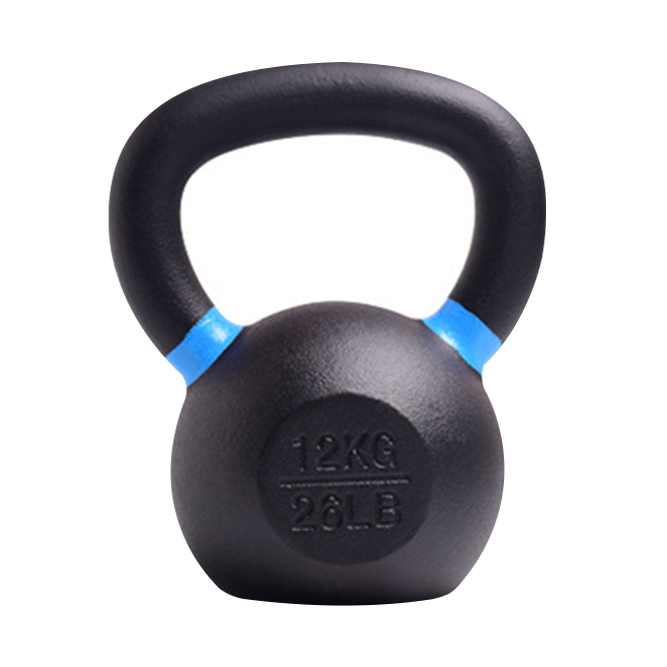
Evaluating Long-Term Value: Iron vs. Vinyl vs. Competition Kettlebells
Successful procurement of a weight set kettlebell requires distributors to look beyond the initial invoice price to evaluate long-term risk mitigation, material specifications, and international shipping logistics. A failure to account for these variables often results in premature replacement cycles and increased overhead. When sourcing wholesale gym weight sets, the decision between material types dictates not only the upfront cost but also the eventual reliability of your inventory in high-traffic commercial environments.
Selecting the right commercial kettlebell sets depends on the intended end-user environment. While cast iron remains the industry standard for rugged durability, vinyl-coated options offer different utility profiles, and competition-grade bells prioritize precision. Understanding these nuances is critical for optimizing your bulk fitness equipment sourcing strategy and maintaining high margins through reduced return rates.
| Material Type | Primary Use Case | Durability Profile | TCO Impact |
|---|---|---|---|
| Cast Iron | Commercial Gyms | High (Rugged) | Low (Long Lifecycle) |
| Vinyl Coated | Home/Studio | Moderate (Wear Risk) | Medium (Surface Fragility) |
| Competition | Professional Sport | High (Precision) | High (Premium Spec) |
To optimize your bulk fitness equipment sourcing, distributors must weigh the immediate procurement cost against the total cost of ownership (TCO). While vinyl-coated options may offer a lower entry price, the risk of surface degradation in high-traffic facilities can lead to frequent replacement requests. Conversely, investing in high-grade cast iron ensures a longer lifecycle, reducing long-term liability and shipping frequency for your clients. Use the following comparison to align your inventory with specific market demands and maximize your ROI.
| Material Type | Durability Rating | Best Use Case (Commercial/Home) | Long-term Value |
|---|---|---|---|
| Cast Iron | Extreme | High-Traffic Commercial Gyms | Highest (Minimal Replacement) |
| Vinyl Coated | Moderate | Home Studios & Boutique Fitness | Medium (Surface Wear Risk) |
| Competition Grade | High | Professional Training/Events | Premium (Precision-Driven) |
When ordering a weight set kettlebell in large volumes, prioritizing cast iron or competition-grade specifications provides the most stable margins for distributors, as these products withstand the rigorous demands of global export and intensive commercial usage.
Optimizing Logistics and Factory-Level Oversight
Beyond material selection, professional bulk fitness equipment sourcing demands a rigorous focus on the logistical complexities of heavy-load shipping. Because a weight set kettlebell inventory is inherently high-density, distributors must prioritize shipping weight optimization to protect margins against fluctuating freight costs. Partnering with a manufacturer that offers sophisticated container loading plans ensures that every cubic meter of space is utilized efficiently, reducing the landed cost per unit for your wholesale gym weight sets.
To mitigate the risk of damaged goods or weight discrepancies upon arrival, your procurement strategy must mandate strict QC standards at the source. Relying on a manufacturer with robust factory capability means more than just production volume; it requires verified weight tolerances and rigorous surface finish inspections. When negotiating MOQ considerations, ensure the supplier provides documented compliance with global export logistics protocols. This level of oversight prevents the costly delays and chargebacks often associated with substandard commercial kettlebell sets, ensuring your inventory arrives ready for immediate commercial deployment.
Optimizing Inventory Through High-Durability Commercial Kettlebell Sets
For distributors, the true cost of a weight set kettlebell is not measured at the point of purchase, but by its lifespan in a high-traffic commercial environment. Low-quality imitations often suffer from premature surface degradation, leading to high return rates and damaged reputations. To protect your margins, sourcing commercial kettlebell sets constructed from high-grade cast iron or urethane coating is non-negotiable. These premium finishes provide essential resistance to chipping and oxidation, ensuring the equipment maintains its structural integrity even under rigorous daily use in professional gyms.
By prioritizing material density and advanced coating technologies, importers secure B2B reliability that transcends simple unit pricing. Investing in high-durability wholesale gym weight sets minimizes the long-term liability of defective inventory and ensures your clients receive products that withstand the test of time. For professionals engaged in bulk fitness equipment sourcing, superior build quality is the most effective way to reduce after-sales support costs and build long-term trust with end-user facilities.
When evaluating different material specifications, procurement officers must weigh the trade-offs between raw density and surface protection. The choice between cast iron, steel, and rubberized finishes directly impacts the impact resistance and long-term surface finish longevity of your inventory. A failure in coating integrity often leads to rust or peeling, which can trigger mass returns and diminish your brand's standing in the competitive fitness market.
To assist in your technical assessment, the following table compares the three most common material standards found in high-volume wholesale gym weight sets:
| Material Type | Primary Benefit | Durability Profile | Best Use Case |
|---|---|---|---|
| Cast Iron | High density/Low cost | Moderate (Susceptible to oxidation) | Standard commercial gyms |
| Steel (Powder Coated) | High impact resistance | High (Excellent chip resistance) | High-traffic training facilities |
| Rubber/Urethane Coated | Maximum floor protection | Superior (High abrasion resistance) | Premium boutique/Crossfit studios |
Selecting a weight set kettlebell configuration depends on your target market's specific demands. For distributors focusing on high-volume, budget-conscious retail, cast iron remains a staple. However, for premium facility contracts, sourcing coated steel or urethane-encapsulated options ensures your bulk fitness equipment sourcing strategy delivers long-term value and reduces the frequency of replacement cycles.
Beyond material selection, the most critical component of a successful bulk fitness equipment sourcing strategy is the rigor of the manufacturer’s quality assurance framework. For international distributors, a single batch of inconsistent inventory can derail entire contract cycles. This is why top-tier factories implement strict QC protocols for global export, ensuring every unit meets international compliance standards before leaving the warehouse. A robust inspection process must include rigorous stress testing—such as drop tests and handle-load endurance trials—to guarantee the structural integrity of every weight set kettlebell under extreme mechanical tension.
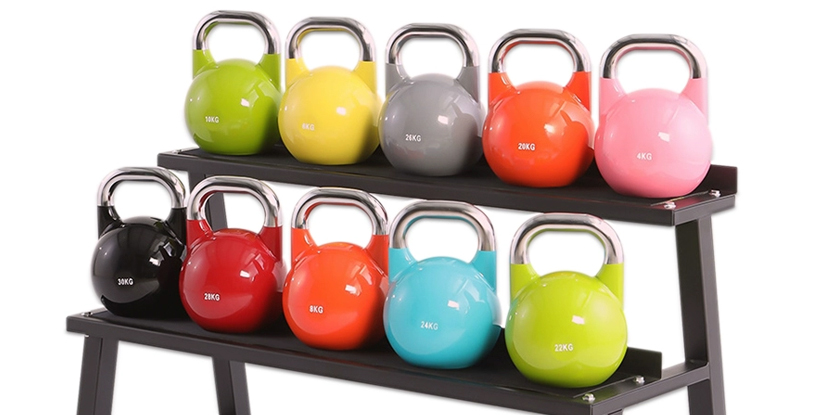
Furthermore, precision in production is vital. Reliable suppliers utilize calibrated equipment to maintain strict weight consistency standards, ensuring that a 16kg unit is not a fraction of a gram off from its counterpart. Discrepancies in weight can lead to significant compliance issues and client dissatisfaction. By verifying these technical tolerances at the factory level, importers are effectively minimizing return rates and reducing the logistical costs associated with faulty commercial kettlebell sets. Prioritizing these manufacturing benchmarks ensures that your wholesale gym weight sets arrive ready for high-performance commercial use without the burden of unexpected replacements.
Standardizing Weight Increments for Global Wholesale Gym Weight Sets
For distributors managing high-volume orders, the precision of a weight set kettlebell goes beyond simple fitness utility; it is a matter of regulatory compliance and logistical reliability. When sourcing commercial kettlebell sets for international markets, inconsistent weight graduation can lead to rejected shipments or consumer disputes. Ensuring standardized increments across your entire bulk fitness equipment sourcing pipeline is essential to maintain inventory uniformity and meet international shipping standards.
A lack of precision in mass production often results in weight variances that fail to meet ISO or ASTM benchmarks. For professional importers, selecting a factory that guarantees strict tolerance levels ensures that every unit in a wholesale gym weight sets order matches the technical specifications declared on customs documentation. This level of quality control mitigates the risk of shipping discrepancies and protects your reputation as a reliable supplier.
| Procurement Factor | Standardized Increments | Non-Standardized Sets |
|---|---|---|
| Customs Compliance | High Reliability | High Risk of Discrepancy |
| Inventory Uniformity | Consistent SKU Management | Variable Product Weight |
| Distributor Trust | Optimized for Global Export | Frequent Returns/Claims |
To optimize your bulk fitness equipment sourcing, procurement managers must align their technical requirements with standardized manufacturing tolerances. We recommend utilizing a structured increment model to streamline SKU management and ensure your wholesale gym weight sets meet global quality benchmarks. The following technical data provides a blueprint for selecting high-performance commercial kettlebell sets that offer consistent mass graduation across varying weight classes.
| Weight Increment (kg/lb) | Tolerance Level (%) | Common Set Configurations | Procurement Utility |
|---|---|---|---|
| 4kg / 8lb – 12kg / 26lb | ±3% | Beginner/Home Series | High-Volume Retail |
| 16kg / 35lb – 24kg / 53lb | ±2% | Intermediate/Functional Training | Standard Gym Stock |
| 28kg / 62lb – 40kg+ / 88lb+ | ±1% | Professional/Heavy Duty | High-End Commercial |
By prioritizing a weight set kettlebell production line that adheres to these strict tolerance levels, distributors can significantly reduce the overhead associated with customs discrepancies and weight-based shipping disputes.
Optimizing Factory-Level QC and Global Logistics Efficiency
Reliable bulk fitness equipment sourcing requires moving beyond surface-level inspections to deep-tier manufacturing oversight. For high-volume distributors, the primary risk lies in unverified production batches that deviate from the master sample. To mitigate this, we implement rigorous QC protocols that focus specifically on weight tolerance precision. Every unit within a weight set kettlebell order undergoes calibrated verification to ensure that mass deviations remain within the agreed-upon percentage, preventing costly customs re-classifications or client dissatisfaction during high-stakes commercial installations.
Beyond individual unit accuracy, logistical efficiency is a critical component of profitable wholesale gym weight sets procurement. We prioritize shipping container optimization by calculating the volumetric density of commercial kettlebell sets against standard 20ft and 40ft HC container dimensions. This mathematical approach ensures maximum payload capacity while maintaining structural safety. Furthermore, our ability to strictly adhere to MOQ compliance allows distributors to balance inventory turnover with shipping economies of scale, ensuring that your capital is not tied up in inefficient freight cycles or under-filled shipments.
Strategic Bulk Fitness Equipment Sourcing: From OEM to Export
Transitioning from small-batch retail procurement to high-volume bulk fitness equipment sourcing is the single most effective way to protect your bottom line. When distributors rely on middle-tier suppliers, they often absorb unnecessary markups that erode profitability. By pivoting toward OEM manufacturing, importers gain direct access to direct factory pricing, removing the layers of cost added by third-party distributors.
The primary driver of long-term success in the fitness import market is margin optimization. Utilizing a weight set kettlebell production line that offers economies of scale allows you to lower your per-unit landed cost significantly. Whether you are requesting custom color coatings or specific handle textures, working directly with a factory ensures that your commercial kettlebell sets meet precise specifications without the premium price tag of branded retail stock. For high-volume importers, this shift from purchasing finished goods to managing wholesale gym weight sets through direct production is the standard for maintaining a competitive edge in the North American market.
Material Selection and Manufacturing Cost Drivers
Understanding the cost-to-durability ratio is essential when selecting your weight set kettlebell inventory. The choice between cast iron vs. steel construction significantly impacts both raw material expenditure and shipping weight. Cast iron remains the industry standard for high-density commercial kettlebell sets due to its lower production complexity, whereas powder-coated steel offers a premium aesthetic often requested by high-end boutique gym distributors.
Beyond material, the MOQ impact cannot be overstated. Higher Minimum Order Quantities allow manufacturers to lower the manufacturing overhead per unit, passing those savings directly to the importer. When negotiating wholesale gym weight sets, buyers should account for the total landed cost, including how material density affects container volume. By optimizing your bulk fitness equipment sourcing strategy to align with factory-direct production cycles, you can mitigate the volatility of raw metal prices and secure more predictable margins for your distribution network.
Mitigating Hidden Risks in Global Procurement
While unit prices are a primary focus, savvy distributors know that the true expense of bulk fitness equipment sourcing lies in the unmanaged variables. Neglecting rigorous QC protocols at the factory level can lead to catastrophic financial losses through defective batches, high return rates, and damaged commercial kettlebell sets. Implementing a strict inspection regime ensures that every weight set kettlebell meets weight tolerance standards and coating durability requirements before leaving the warehouse.
Furthermore, logistics optimization is a critical lever for controlling your total landed cost. Because iron-based products are high-density, shipping volume optimization is essential to maximize container utilization and reduce per-unit freight expenses. Failure to account for export compliance—including accurate HS code classification and weight-limit documentation—can result in costly customs delays or unexpected duties. By prioritizing manufacturers who specialize in high-volume wholesale gym weight sets and possess proven export expertise, you protect your margins from the volatility of international transit and regulatory oversight.
Logistics and Container Optimization for Heavy Iron Shipments
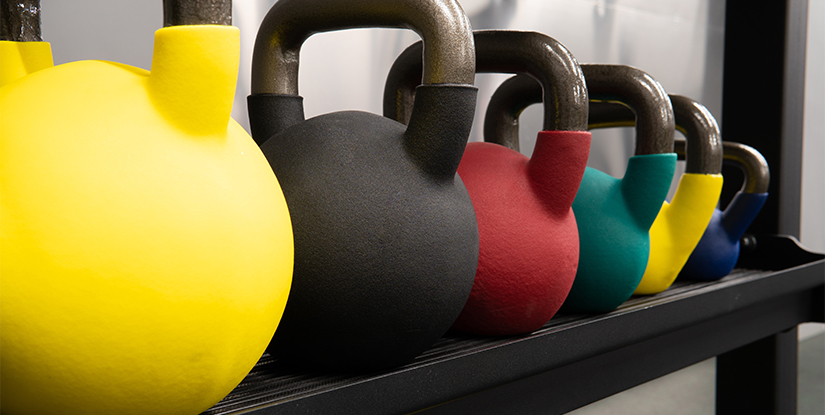
When managing large-scale orders of a weight set kettlebell, logistics planning must prioritize structural durability to mitigate transit risks. High-density iron products present unique challenges during ocean freight; without rigorous protective packaging, the constant vibration and shifting within a container can lead to surface degradation. For distributors, preventing coating chips is a critical quality control metric, as cosmetic damage directly impacts the perceived value of wholesale gym weight sets upon arrival at the warehouse.
To ensure your inventory arrives in retail-ready condition, we implement strict stacking limits and customized palletization strategies. Our factory-direct protocols focus on stabilizing the load to prevent friction between units. Below is a comparison of standard versus premium shipping configurations for commercial kettlebell sets.
| Storage Configuration | Protection Level | Risk Mitigation | Best Use Case |
|---|---|---|---|
| Standard Loose Bulk | Low | High friction risk | Small domestic shipments |
| Individual Cardboard Sleeves | Medium | Prevents surface scuffs | Standard retail distribution |
| Reinforced Crates & Pallets | High | Optimized for bulk fitness equipment sourcing | Global ocean freight/Importing |
By selecting optimized packaging, importers can reduce the total cost of goods by minimizing damage claims and ensuring the weight set kettlebell inventory meets strict commercial standards immediately upon unboxing.
Maximizing profitability in bulk fitness equipment sourcing requires a precise focus on container load optimization. Because iron products are high-density and low-volume, the primary goal is to balance weight limits with CBM (Cubic Meters) efficiency. Relying solely on weight-based loading often results in underutilized container space, which drives up the landed cost per unit. To combat this, we utilize advanced palletization standards that integrate nested configurations, allowing for higher density without compromising the structural integrity of the commercial kettlebell sets.
Our logistics team designs loading patterns specifically to achieve maximum shipping cost reduction. By calculating the exact volumetric footprint of each weight set kettlebell configuration, we ensure that every cubic meter of your ocean freight container is utilized effectively. This systematic approach prevents the "empty space" tax often found in substandard wholesale gym weight sets shipments. For high-volume distributors, this optimization ensures that your container reaches its maximum payload capacity, effectively lowering your per-unit shipping overhead and increasing your competitive margins in the North American market.
Efficient warehouse management and accurate landed-cost forecasting depend on precise volumetric data. When planning for large-scale inventory intake, distributors must account for the significant weight-to-volume ratio inherent in iron-based products. The following technical data provides a baseline for calculating loading density and managing your facility's floor load capacity.
Table: Weight Class vs. Volume/Dimensions
| Kettlebell Weight Class (kg) | Estimated Unit Diameter (cm) | Avg. Volume per Unit (m³) | Standard Pallet Capacity (Units) |
|---|---|---|---|
| 4kg - 8kg | 12 - 15 | ~0.0015 | 48 - 60 |
| 12kg - 16kg | 17 - 20 | ~0.0035 | 30 - 36 |
| 20kg - 32kg | 22 - 26 | ~0.0075 | 16 - 24 |
To maintain safety and prevent pallet failure during bulk fitness equipment sourcing, we adhere to a strict pallet weight capacity limit of 1,000kg for standard industrial pallets. This prevents structural buckling and ensures that your commercial kettlebell sets remain stable during both high-seas transit and forklift maneuvering within your distribution center. Precise loading density calculations allow your procurement team to accurately predict container utilization and optimize your global supply chain footprint.
Quality Control Protocols for High-Volume Weight Set Production
For distributors managing large-scale inventory, the primary risk in bulk fitness equipment sourcing is weight variance. Inconsistent mass across a weight set kettlebell shipment can lead to significant client dissatisfaction and costly returns. To mitigate this, top-tier manufacturing facilities implement rigorous factory QC protocols that go far beyond basic visual inspections. High-volume production requires strict adherence to tolerance standards, ensuring that every unit within your commercial kettlebell sets remains within a ±1% to ±3% margin of error.
Reliable suppliers utilize automated calibration testing to verify density and mass consistency across every batch. This precision is critical for maintaining the structural integrity of the cast iron or steel. Without these stringent controls, durability issues like uneven coating or weight drift can compromise your reputation as a premium importer. By prioritizing manufacturers that integrate systematic testing into their assembly lines, you ensure that every wholesale gym weight sets order arriving at your warehouse meets the exact specifications required for professional commercial environments.
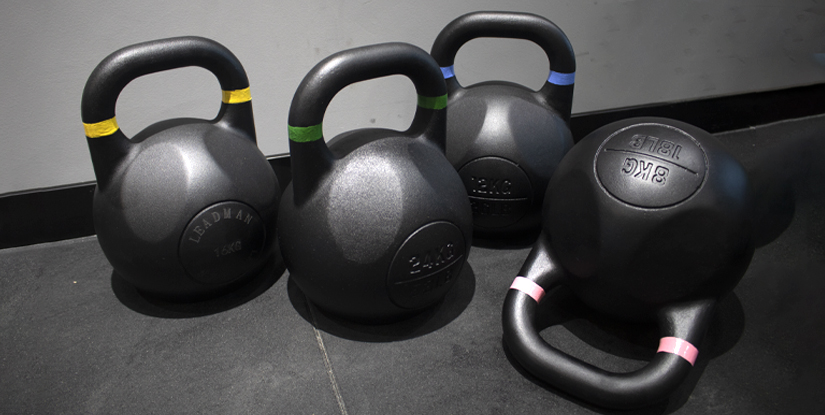
Beyond mass consistency, structural durability hinges on the meticulous inspection of material surfaces. During bulk fitness equipment sourcing, the most common failure point is surface degradation caused by poor coating adhesion. To prevent peeling or chipping during high-intensity use, manufacturers must subject each weight set kettlebell to rigorous thermal and mechanical stress tests. This ensures the protective layer—whether powder coating or enamel—is chemically bonded to the substrate, maintaining a smooth, ergonomic grip for the end-user.
Furthermore, verifying cast iron integrity is vital to prevent hairline fractures that can occur during the cooling process. Inspectors must examine the grain structure of the iron to ensure it can withstand the impact of heavy drops in a commercial setting. Advanced rust prevention protocols, such as zinc plating or specialized anti-corrosive coatings, are non-negotiable for global export. For distributors importing wholesale gym weight sets, these stringent surface inspections mitigate the risk of oxidation-related defects, ensuring your inventory remains pristine from the factory floor to the gym floor.
To ensure your high-volume orders meet international standards, distributors must demand a formalized technical audit checklist during the production phase. A professional weight set kettlebell manufacturer should provide a detailed inspection table that tracks specific metrics, such as handle diameter consistency, coating thickness, and weight tolerance levels. Rather than relying on superficial checks, implement a strict batch sampling protocol where a statistically significant percentage of every production run is tested for structural defects and mass accuracy. This prevents a single faulty run from compromising your entire wholesale gym weight sets inventory.
Logistics-related damage is another critical vulnerability in bulk fitness equipment sourcing. Before leaving the factory, verify that packaging durability meets export-grade requirements; this includes reinforced corrugated boxes and heavy-duty dividers to prevent metal-on-metal friction. Finally, request documentation regarding shipping container optimization. Efficiently palletized commercial kettlebell sets not only reduce volumetric weight costs but also ensure the load remains stable during transoceanic transit, protecting your investment from crushing or shifting during sea freight.
Mitigating Procurement Risks in International Kettlebell Sourcing
Distributors often fall into the trap of prioritizing the lowest sticker price, only to be blindsided by the total landed cost once the shipment reaches the warehouse. When sourcing a weight set kettlebell, the unit price is merely the surface level of your investment. The true expense lies in the logistical overhead associated with high-density iron products.
A critical driver of profitability is shipping volume optimization. Because kettlebells are heavy yet relatively compact, inefficient packaging or suboptimal pallet configurations can exponentially increase your freight-per-unit cost. Furthermore, savvy importers must evaluate the MOQ impact on unit price; while higher minimum order quantities typically lower the manufacturing cost per commercial kettlebell sets, they also increase your capital tie-up and storage requirements.
To maintain healthy margins in wholesale gym weight sets procurement, you must look beyond the factory quote. Account for customs duties, inland freight, and the potential for volumetric surcharges. Successful bulk fitness equipment sourcing requires a granular analysis of how weight-to-volume ratios affect your final delivery costs, ensuring your weight set kettlebell inventory remains competitive in the North American market.
To protect your margins, you must implement a proactive cost-mitigation strategy that balances upfront expenditures against long-term reliability. While many importers attempt to skip QC inspection costs to save on the initial invoice, this often results in catastrophic losses due to defective batches or non-compliant dimensions. Investing in professional quality control ensures that your commercial kettlebell sets meet international safety standards before they leave the factory floor, preventing expensive returns and damaged brand reputation.
Optimizing your wholesale gym weight sets procurement involves managing the interplay between manufacturing precision and logistics efficiency. A strategic approach to bulk fitness equipment sourcing treats quality control not as an expense, but as a preventative measure against the high costs of shipping defective, heavy-duty iron products across oceans.
| Cost Factor | Primary Risk | Mitigation Solution |
|---|---|---|
| QC Inspection Costs | Defective/Non-compliant units | Pre-shipment factory audits |
| Logistics & Freight | High volumetric surcharges | Optimized pallet stacking |
| Inventory Scaling | Capital tie-up/Storage costs | Strategic MOQ management |
| Customs & Duties | Unexpected landed cost spikes | Detailed HS Code verification |
The true financial risk of low-cost manufacturing is often hidden in the defect rates of substandard iron casting. When a weight set kettlebell arrives with uneven weight distribution or surface imperfections, the resulting return logistics costs can easily exceed the original profit margin. For North American distributors, the expense of shipping heavy, non-compliant iron back to the origin—or disposing of it locally—is a margin killer that transforms a "cheap" order into a massive liability.
To avoid these pitfalls, rigorous factory capability verification is non-negotiable. You must ensure your supplier possesses the technical precision to maintain tight tolerances across an entire commercial kettlebell sets production run. High-durability iron sets may carry a slightly higher initial price point, but the long-term ROI is found in reduced replacement cycles and minimal customer dissatisfaction. Successful bulk fitness equipment sourcing prioritizes structural integrity and casting consistency, ensuring that your inventory remains a reliable, high-margin asset rather than a logistical burden.