Sourcing Cando Vinyl Coated Kettlebells for Gyms Guide
Optimizing High-Traffic Floor Layouts with Vinyl-Coated Weight Selection
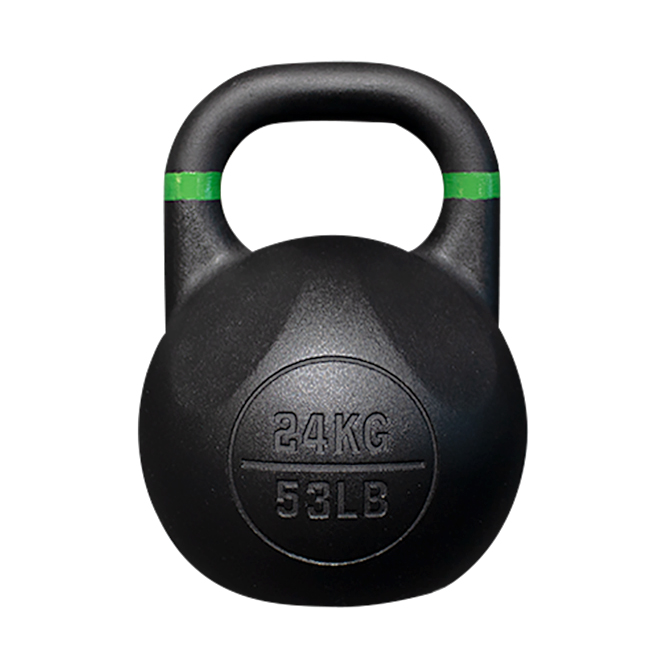
When planning a commercial gym layout, distributors and facility managers must balance equipment density with long-term maintenance costs. A successful procurement strategy requires evaluating three critical checkpoints: the potential for surface degradation, the specific weight-to-footprint ratio, and the logistical ease of organizing heavy assets. Choosing a cando vinyl coated kettlebell addresses these concerns by offering a specialized barrier that protects the facility's flooring from the impact and friction typical of heavy lifting zones. Unlike raw iron, which can scuff or dent high-end rubber mats, the integrated coating provides a layer of defense that maintains the aesthetic and structural integrity of high-traffic zones.
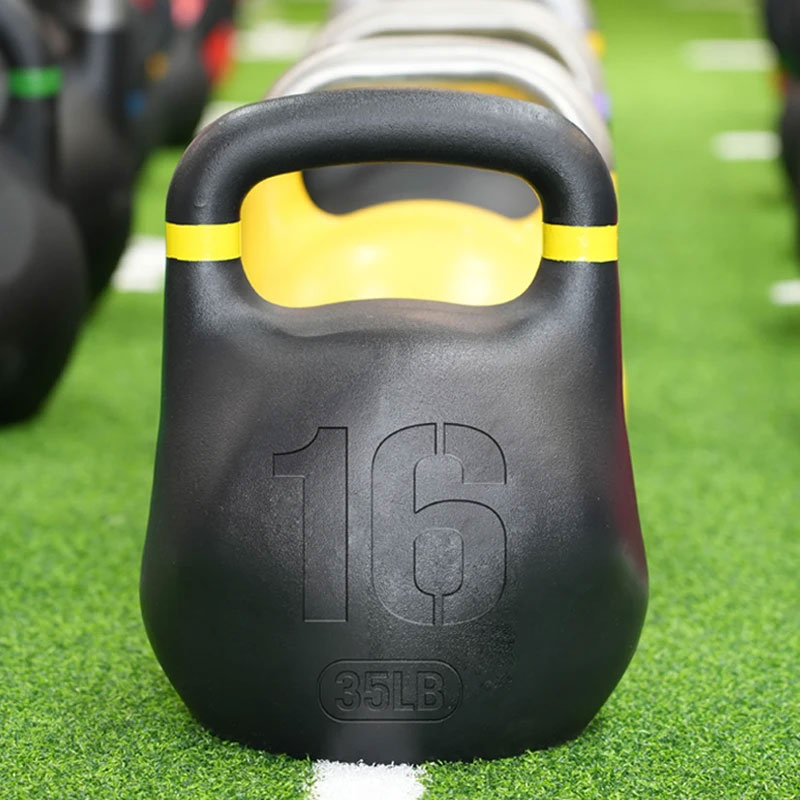
Spatial efficiency is often the deciding factor in premium gym design. The smooth, non-porous surface of the vinyl coating allows for tighter, more organized storage configurations, such as tiered racks or specialized shelving, without the risk of metal-on-metal scratching. This ability to maximize spatial efficiency ensures that even in high-density training areas, the equipment remains easy to move and reposition. By integrating these coated options into your inventory, you provide clients with a solution that minimizes floor damage while optimizing the available square footage for diverse movement patterns.
To assist in your procurement decision, we have outlined common configurations below. Selecting the right weight increments and storage methods is essential for maintaining a professional commercial gym layout that accommodates both strength training and functional movement zones.
| Weight Increment Strategy | Storage Configuration | Typical Storage Footprint | Best Use Case |
|---|---|---|---|
| Standard (2kg - 4kg steps) | Vertical Tiered Racks | Compact / High-Density | High-traffic HIIT and aerobics studios |
| Progressive (5kg - 8kg steps) | A-Frame Floor Racks | Medium / Accessible | Functional training and strength zones |
| Heavy/Specialized (10kg+ steps) | Custom Industrial Shelving | Large / Fixed | Dedicated strength and conditioning areas |
When sourcing vinyl coated kettlebell wholesale orders, consider how the specific weight range impacts your storage footprint. For example, lighter sets optimized for high-repetition classes can be stored in vertical configurations to save space, whereas heavier, specialized sets require more robust, floor-based support structures. Aligning your inventory with these spatial requirements ensures that your clients can maximize their facility's utility without compromising on safety or professional aesthetics.
Beyond individual unit specs, professional buyers must consider the macro-level implications of volume-based procurement. A critical oversight in many commercial kettlebell procurement processes is the failure to account for the visual and functional cohesion of a complete set. When a facility expands or replaces aging stock, any discrepancy in color, texture, or weight increments can disrupt the professional look of the training floor. Relying on a stable gym equipment supply chain ensures that you can source uniform weight sets that maintain consistent aesthetic standards across different production batches.
Maintaining high inventory density requires more than just compact storage; it demands a standardized product profile. When ordering a cando vinyl coated kettlebell in bulk, the uniformity of the vinyl thickness and the precision of the weight increments are vital for long-term inventory management. A consistent product profile allows distributors to offer clients predictable storage solutions, ensuring that as they scale their collections, the equipment remains organized, visually synchronized, and perfectly suited for the intended training footprint.
Evaluating Coating Durability for High-Intensity Commercial Environments
In high-intensity commercial environments, fitness equipment undergoes relentless physical stress that standard consumer-grade gear simply cannot withstand. For distributors and gym owners, the primary concern is often the long-term integrity of the outer layer. Low-quality alternatives frequently suffer from premature failure, where the coating begins to exhibit peeling or cracking issues after only a few months of heavy use. These defects are not merely aesthetic; they represent a significant liability in a professional setting.
When sourcing a cando vinyl coated kettlebell, the procurement focus must shift toward the technical specifications of the material's bond to the cast iron core. High-grade products are engineered specifically to handle high-impact scenarios, providing superior impact durability during heavy drops and constant handling. A premium abrasion resistance profile ensures that the surface remains intact despite the friction of repetitive movements and floor contact. For B2B buyers, prioritizing these structural qualities is essential to reducing replacement frequency and maintaining a professional facility standard.
To avoid the logistical headaches of high return rates, procurement officers should implement a rigorous inspection framework during the sampling phase. When negotiating vinyl coated kettlebell wholesale contracts, do not rely solely on visual inspections. You must demand specific technical data regarding the manufacturing process to ensure the product meets the demands of a commercial gym equipment supply chain. A reliable supplier will provide documentation regarding thickness consistency across the entire weight range and evidence of high adhesion strength to prevent delamination.
A critical part of your quality control (QC) benchmarks should involve testing the surface texture. A premium coating should offer a non-slip grip that feels consistent, rather than a tacky or overly smooth finish that degrades with sweat exposure. Use the following comparison to distinguish between standard retail options and professional-grade inventory:

| Feature | Standard Retail Grade | Commercial Grade (Cando Standard) |
|---|---|---|
| Coating Uniformity | Variable thickness; prone to pooling | High precision; consistent micron depth |
| Adhesion Profile | Potential for peeling under impact | High-bond strength to cast iron core |
| Surface Texture | Often inconsistent or overly slick | Optimized grip for high-intensity use |
| Impact Response | Cracking risk during heavy drops | High elasticity and shock absorption |
Pro Tip: During factory audits, request a cross-section sample to verify that the vinyl layer is uniformly distributed around the handle and the bell's widest circumference.
Beyond physical inspections, professional-grade commercial kettlebell procurement requires a deep dive into chemical and structural documentation. A common pitfall for distributors is overlooking the material composition of the outer layer. To mitigate long-term replacement costs and ensure user safety, always request the Material Safety Data Sheets (MSDS). This documentation verifies that the vinyl used is non-toxic and compliant with international safety standards, which is a non-negotiable requirement for high-traffic commercial facilities.
To truly optimize your long-term TCO (Total Cost of Ownership), you must move beyond single-unit testing and demand evidence of batch testing protocols. A robust gym equipment supply chain relies on consistency; therefore, a factory should be able to demonstrate that every production run undergoes standardized stress tests. Ask for data regarding thermal stability and impact resistance to ensure the coating won't degrade under varying facility temperatures or through repeated high-velocity drops. By prioritizing these verifiable technical benchmarks over the lowest unit price, you protect your margins from the high costs of premature inventory turnover and client dissatisfaction.
Managing Inventory Cycles and Bulk Procurement Logistics
For distributors and gym equipment suppliers, the greatest threat to profitability is not market fluctuation, but the sudden stockout during high-demand windows. In the North American market, gym renovation seasons and new facility openings often trigger seasonal demand spikes that can outpace standard replenishment cycles. Relying on reactive ordering for the cando vinyl coated kettlebell can lead to missed contract opportunities and dissatisfied end-users if your local inventory hits zero during a peak period.
To maintain a stable supply chain, professional procurement officers must shift from reactive buying to predictive procurement. This involves analyzing historical turnover rates and factoring in significant lead time buffers to account for international shipping variables and factory production schedules. By treating the cando vinyl coated kettlebell as a high-turnover SKU rather than a sporadic purchase, you ensure that your warehouse remains a reliable source for large-scale commercial builds.
| Procurement Strategy | Inventory Model | Primary Benefit | Risk Factor |
|---|---|---|---|
| Just-in-Time (JIT) | Low stock, high frequency | Minimized warehousing costs | High risk of stockouts during spikes |
| Predictive Stocking | Strategic bulk reserves | Guaranteed availability for RFPs | Higher upfront capital allocation |
| Seasonal Buffering | Pre-season stockpiling | Stable pricing and delivery | Potential storage space constraints |
Effective vinyl coated kettlebell wholesale management requires more than just calculating volume; it demands a rigorous standard for transit-ready packaging and documentation. Because these items are dense and heavy, the physical integrity of the shipment depends on specialized export packaging standards—such as reinforced corrugated cartons and palletized configurations—to prevent coating damage or structural deformation during ocean freight. Distributors must also ensure that every shipment is accompanied by comprehensive QC documentation, including material safety data sheets (MSDS) for the vinyl coating and weight tolerance reports, to satisfy both customs inspections and commercial facility requirements.
The following framework outlines the typical operational timeline required to move from initial order placement to warehouse arrival, accounting for production and international transit variables.
| Phase | Typical Duration | Key Focus Area | Required Documentation |
|---|---|---|---|
| Production Cycle | 30–45 Days | MOQ compliance & coating uniformity | Factory QC Inspection Report |
| Ocean Freight | 25–40 Days | Export packaging & pallet stability | Bill of Lading (B/L) |
| Customs & Last Mile | 7–14 Days | Port clearance & local distribution | Commercial Invoice & Packing List |
When planning your commercial kettlebell procurement, always factor in a 15% time buffer to mitigate potential port congestion or seasonal shipping delays. This proactive approach ensures that your stock levels remain robust, even when global logistics chains face unexpected friction.
Beyond basic timelines, high-volume procurement success depends on the technical execution of container load optimization. Because the cando vinyl coated kettlebell is a high-density product, the physical arrangement within a shipping container is critical to preventing both product loss and excessive freight costs. Improperly stacked heavy weights can lead to crushed lower layers or uneven weight distribution, which poses a safety risk during transit and may result in costly cargo claims.
To maintain bulk shipment integrity, distributors should prioritize suppliers who utilize reinforced palletization and heavy-duty outer casing. A professional gym equipment supply chain model relies on protective packaging strategies that include moisture-resistant barriers and structural bracing. This prevents the vinyl coating from reacting to humidity or suffering abrasions from the movement of adjacent SKUs. When auditing potential partners, verify their ability to provide standardized pallet dimensions and weight-bearing specifications, ensuring your shipment arrives at the warehouse in a condition that is ready for immediate retail or facility distribution without secondary sorting or damage-related losses.
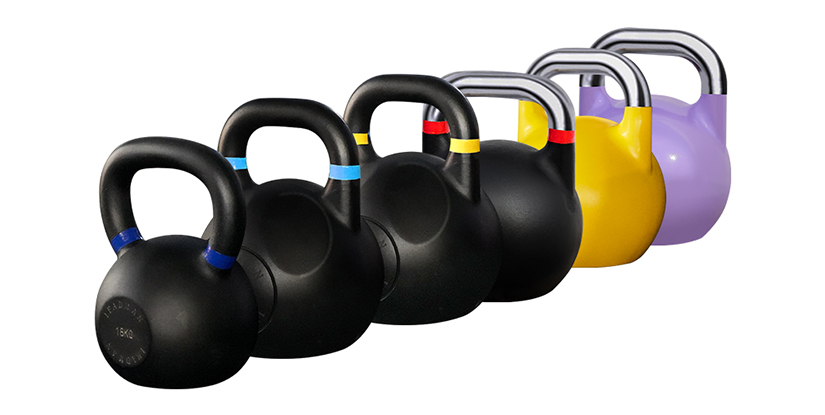
Quality Control Standards for International Vinyl Kettlebell Shipments
For distributors and gym equipment suppliers, the true cost of a product is measured by its lifecycle in a high-traffic environment. While the aesthetic appeal of a cando vinyl coated kettlebell is a primary selling point, the long-term durability of the outer layer dictates your replacement frequency and client satisfaction. A failure in the coating process often manifests only after the product has reached the end-user, leading to costly returns and brand erosion.
To mitigate these risks, procurement teams must mandate rigorous pre-shipment inspections specifically targeting the integrity of the vinyl layer. A high-quality inspection protocol should verify vinyl coating adhesion to ensure the material is chemically bonded to the cast iron core. Inspectors must look for surface uniformity and the absolute absence of air bubbles, pitting, or micro-cracks. These imperfections are not merely cosmetic; they serve as failure points where moisture can penetrate, eventually leading to peeling or delamination during high-frequency use in commercial settings.
During factory audits or third-party inspections, relying on visual cues alone is insufficient for high-volume orders. A professional procurement checklist must include quantitative benchmarks to ensure the batch meets commercial-grade expectations. We recommend that your inspection team utilizes the following parameters to verify the structural and surface integrity of the shipment before it leaves the warehouse.
| QC Parameter | Standard Requirement | Inspection Method |
|---|---|---|
| Weight Tolerance | ±2% to ±3% of declared weight | Calibrated digital scale testing |
| Coating Thickness | Uniform and consistent layer | Visual check for thinning at edges |
| Handle Smoothness | No sharp edges or burrs | Manual tactile inspection |
| Seam Integrity | No air bubbles or delamination | Surface scratch and pressure test |
Beyond the table, procurement managers should focus on specific visual inspection points. Pay close attention to the transition zones where the handle meets the bell body; this is where stress-induced peeling most frequently occurs. Additionally, verify that the casting of the inner iron core is perfectly centered, as an off-center weight distribution can compromise the ergonomic utility of the equipment in a professional gym environment.
Protecting Product Integrity During Global Transit
Even a perfectly manufactured batch can suffer if the logistics chain fails to account for the physical stresses of ocean freight. To maintain a stable gym equipment supply chain, distributors must prioritize export-grade packaging that goes beyond standard retail boxing. For heavy, high-density items like the cando vinyl coated kettlebell, the primary risk is compression damage. If pallets are stacked too high or lack sufficient structural support, the weight of upper tiers can crush lower boxes, leading to deformed packaging and potential structural stress on the vinyl coating.
We recommend utilizing reinforced, double-walled corrugated cartons and heavy-duty pallets that are shrink-wrapped to prevent shifting. To safeguard against container-related issues, ensure that the load distribution is optimized to prevent "crushing" during long-haul transit. Furthermore, smart procurement involves managing lead time buffers to account for potential quality-related re-orders. Instead of ordering to the absolute minimum, maintain a strategic inventory window that allows for the replacement of any units that may have sustained minor cosmetic or structural issues during the transit process.
Mitigating Total Cost of Ownership through Material Specification
When calculating the long-term budget for a commercial fitness facility, the initial purchase price often masks the true expense of equipment degradation. For distributors and gym owners, the durability of vinyl coating is a critical variable in determining the total cost of ownership. A low-grade coating may appear cost-effective during the initial procurement phase, but it frequently fails under the rigors of a high-traffic commercial gym environment.
High-quality cando vinyl coated kettlebell units are engineered to prioritize crack resistance and impact absorption. In many professional settings, improper material specifications lead to peeling or splitting after heavy use, which not only necessitates a higher replacement frequency but also increases labor costs for maintenance. By sourcing premium-grade vinyl, buyers can extend the functional lifespan of their inventory, reducing the need for frequent reordering and ensuring that the equipment remains a reliable asset rather than a recurring liability.
To achieve a favorable cost-benefit analysis, procurement specialists must look beyond the per-unit price and evaluate the technical nuances of the coating application. A primary differentiator in vinyl coated kettlebell wholesale orders is the relationship between material thickness and adhesion quality. A thin, poorly bonded layer is prone to delamination when subjected to temperature fluctuations or repeated impact, leading to premature failure in commercial settings.
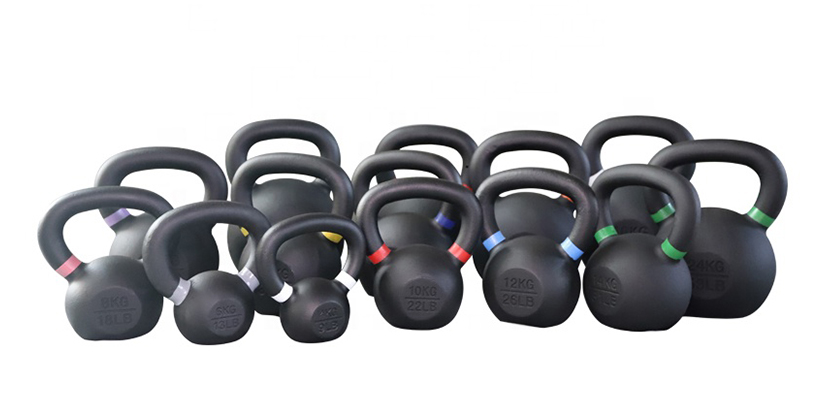
We recommend evaluating suppliers based on their ability to provide a consistent, high-density coating that adheres seamlessly to the cast iron core. While a thicker coating might suggest higher quality, the true indicator of value is the bond strength; a high-quality bond prevents the unsightly peeling that often triggers equipment replacement cycles. Investing in superior specifications during the initial commercial kettlebell procurement phase significantly improves the long-term ROI. By prioritizing material integrity, distributors can minimize the logistical headaches of returns and replacements, ultimately protecting their margins through reduced maintenance and extended product utility.
To facilitate data-driven decisions during the sourcing process, procurement officers should utilize technical benchmarks rather than subjective descriptions. The following comparison illustrates how specific material properties directly influence the lifecycle and maintenance requirements of your inventory. Understanding these variables allows distributors to justify higher upfront costs by demonstrating a lower long-term replacement rate to their end-users.
| Material Specification | Standard Grade Spec | Premium Cando-Style Spec | Lifecycle Impact |
|---|---|---|---|
| Coating Thickness | 0.5mm – 1.0mm | 1.5mm – 2.5mm | Higher thickness mitigates core exposure during impact. |
| Impact Resistance | Moderate; prone to cracking | High; reinforced elasticity | Reduces frequency of unit replacement in high-traffic zones. |
| Surface Texture | Smooth/Slippery | Non-slip/Textured Grip | Improves user safety and reduces wear from grip friction. |
| Expected Lifespan | 12–24 Months | 36–60+ Months | Extends the interval between reordering cycles. |
When evaluating a gym equipment supply chain partner, request technical data sheets that confirm these specific ranges. A higher density in the coating thickness and a specialized texture not only enhance the user experience but also serve as a safeguard against the rapid depreciation typically seen in budget-tier equipment.
Streamlining the Global Supply Chain for Specialized Strength Equipment
When evaluating the landed cost of a cando vinyl coated kettlebell, distributors must look beyond the initial per-unit quote. The pricing architecture of high-quality vinyl equipment is primarily driven by material quality and the precision of the application process. Unlike standard cast iron, premium vinyl coating requires a multi-stage dipping and curing process to ensure the polymer adheres seamlessly to the core without bubbling or peeling. This technical requirement increases manufacturing overheads, as it necessitates stricter environmental controls and specialized machinery to maintain a consistent thickness across all weight increments.
To achieve optimal cost-efficiency, procurement professionals should leverage bulk order advantages. High-volume sourcing allows manufacturers to amortize the setup costs associated with specialized coating lines and automated packaging. For a global distributor, moving from small-batch replenishment to structured, large-scale procurement not only reduces the unit price but also stabilizes the gym equipment supply chain by mitigating the impact of fluctuating raw material costs. By aligning orders with factory production cycles, buyers can secure more competitive rates while ensuring the structural integrity of every piece in the shipment.
Calculating Total Cost of Ownership and Logistics Variables
A critical factor in professional commercial kettlebell procurement is the optimization of the weight-to-volume ratio. Because vinyl-coated models possess a larger exterior profile than traditional cast iron, they occupy more cubic space per kilogram. This increased shipping volume directly impacts freight expenditures, particularly when transitioning from LCL to FCL shipments. To avoid unforeseen overhead, buyers must account for how the bulky nature of the product affects container utilization and the resulting landed cost.
Beyond ocean freight, hidden expenses often emerge during the final mile of delivery or during customs clearance. To mitigate these risks, ensure your supplier provides comprehensive quality control documentation and detailed packing lists that specify exact dimensions and gross weights. Relying on a manufacturer that offers standardized export packaging reduces the likelihood of damage-related claims and simplifies the auditing process. By factoring in these logistical nuances and potential inspection fees upfront, distributors can establish a more accurate total cost of ownership, ensuring that the initial savings on vinyl coated kettlebell wholesale orders are not eroded by inefficient shipping or compliance issues.
Balancing MOQ and Inventory Management for Long-Term Growth
For distributors looking to scale, the relationship between Minimum Order Quantity (MOQ) and procurement stability is a defining factor in profitability. While lower MOQs offer flexibility for testing market demand, they often come with higher unit costs and unpredictable lead times. In a professional gym equipment supply chain, relying on frequent, small-batch orders can lead to stockouts during peak seasons or unexpected spikes in shipping rates.
To build a resilient business model, procurement specialists should evaluate wholesale pricing tiers based on long-term inventory management strategies rather than immediate cash flow alone. By committing to higher volume thresholds, buyers can access more aggressive pricing structures and, more importantly, secure priority status in the production queue. Scaling orders strategically allows you to move from reactive replenishment to a proactive model, where you can anticipate production cycles and buffer against global logistics volatility. This approach ensures that your stock levels remain consistent, providing a reliable supply of specialized strength equipment to your clients without the constant threat of delayed shipments.