Cast Iron vs Vinyl Kettlebells: Selecting for Facility Use
High-Traffic Deployment: Assessing Floor Impact and User Flow
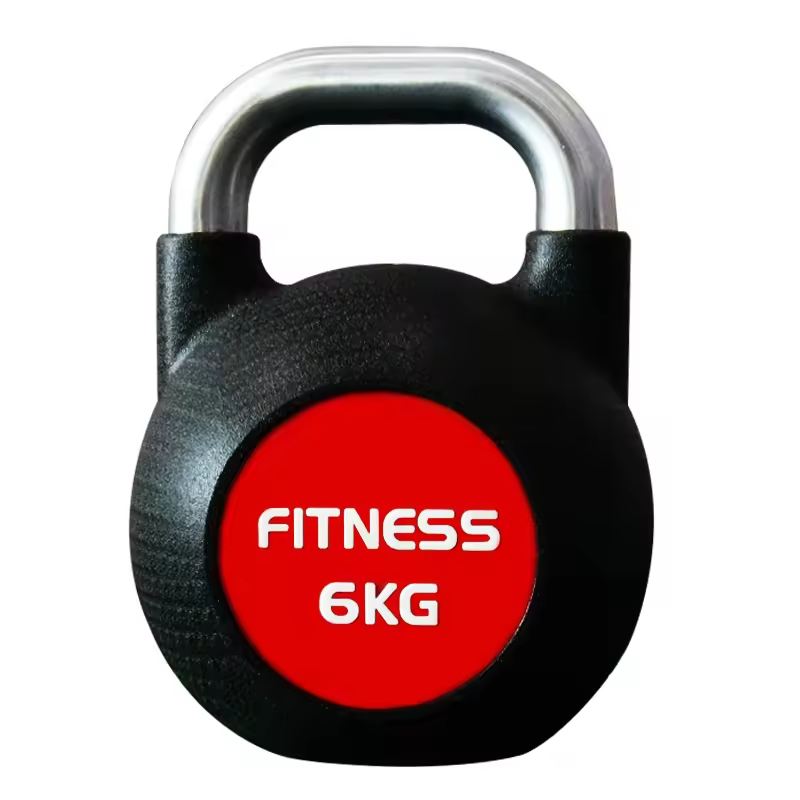
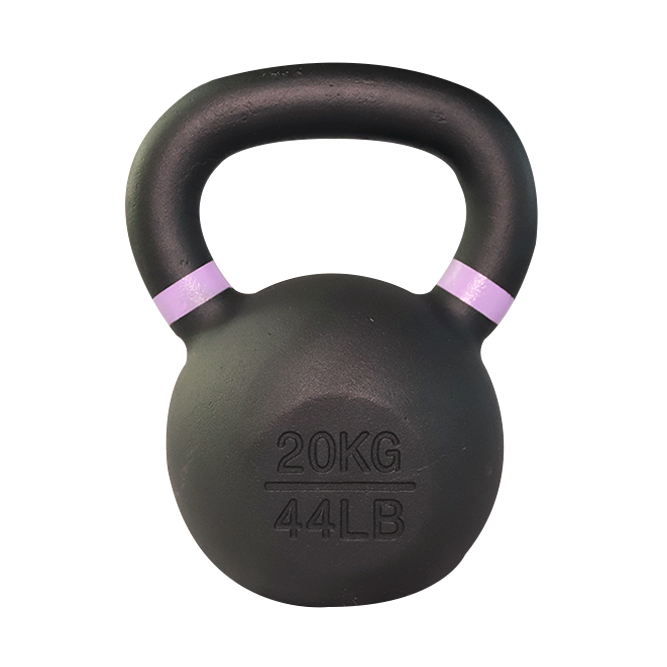
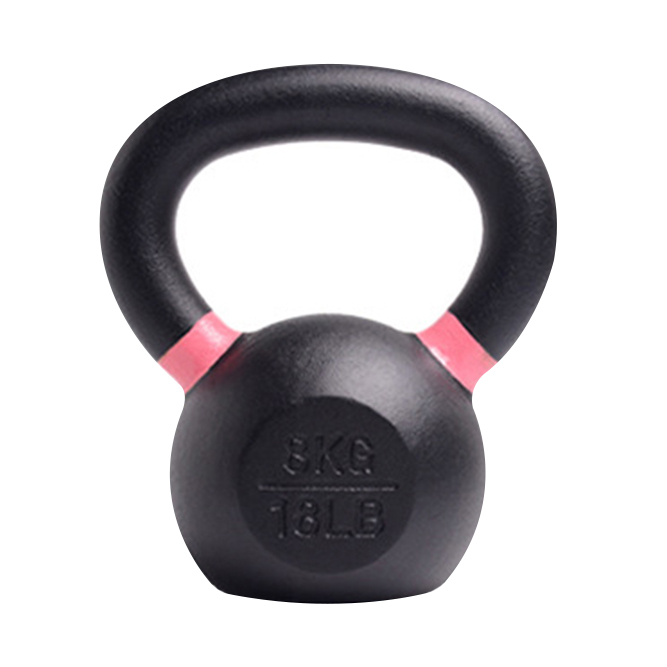
Kettlebells are essential weighted implements used for functional strength training, categorized primarily by their outer shell construction. B2B buyers select specific materials based on the intended training environment, balancing the need for high-durability iron cores against the protective benefits of specialized coatings.
When designing a commercial gym layout, the choice between kettlebell cast iron or vinyl extends beyond simple aesthetics; it dictates your long-term facility maintenance schedule. In high-traffic zones where heavy ballistic movements occur, the kinetic energy transferred to the ground is a critical variable. Cast iron models, while exceptionally durable, present a higher risk of floor impact damage if dropped on standard rubber matting. Conversely, vinyl-coated options provide a buffer that can preserve the integrity of specialized flooring surfaces.
For facility managers, understanding the spatial footprint of equipment storage and movement is vital. While both types occupy similar dimensions, the density and weight distribution of cast iron can influence how much "buffer space" you must allocate between stations to prevent structural wear. Choosing the right material ensures your floor remains intact, reducing the frequency of costly surface repairs and maintaining a professional training environment.
To optimize procurement planning, distributors and gym owners must evaluate how different commercial kettlebell materials interact with the facility's physical constraints. The decision often hinges on whether the training zone is a dedicated lifting platform or a multi-purpose functional area where movement clearance and floor protection are paramount.
The following comparison outlines the technical trade-offs between cast iron kettlebell durability and the protective qualities of coated alternatives. This data helps in determining the total cost of ownership regarding floor maintenance and equipment lifespan.
| Technical Metric | Cast Iron Construction | Vinyl Coated Options |
|---|---|---|
| Impact Resistance | High density; high risk of surface indentation | High; coating absorbs kinetic energy |
| Floor Protection | Requires heavy-duty rubber matting | Gentler on specialized turf or thin mats |
| Movement Flow | Compact; ideal for high-density storage | Slightly larger footprint due to outer layer |
| Maintenance Profile | Low; primarily oxidation management | Moderate; monitor for coating peeling/cracking |
When reviewing vinyl coated kettlebell pros and cons, consider that while the coating offers superior impact mitigation, it may slightly increase the diameter of the implement. For high-intensity facilities where ballistic swings and rapid transitions are frequent, selecting the appropriate material ensures that your equipment deployment does not compromise the structural integrity of your facility's flooring or the efficiency of user movement.
Strategic procurement requires looking beyond the initial unit price to the Total Cost of Ownership (TCO). For large-scale distributors and facility developers, a one-size-fits-all approach to inventory often leads to inefficient capital allocation. Instead, we recommend a tiered bulk procurement strategy that aligns specific materials with designated training zones.
Strategic Recommendation for Facility Deployment
To maximize equipment lifespan while controlling facility maintenance costs, consider a bifurcated stock selection. For dedicated strength platforms and high-intensity training zones where heavy ballistic movements are the norm, prioritize cast iron. These implements offer the highest density and durability for rigorous use, provided your flooring specifications include high-impact rubber.
For multi-purpose functional areas, HIIT studios, or boutique spaces with tighter spatial constraints and premium flooring, a heavier allocation of vinyl-coated models is advised. This approach mitigates the risk of floor damage and provides a more versatile tool for diverse user bases. By diversifying your order based on these environmental demands, you optimize both the functional utility of your equipment and the long-term structural integrity of your facility.
Structural Integrity and Material Longevity in Commercial Settings
When sourcing for high-traffic fitness centers, the primary concern for procurement managers is the long-term structural integrity of the equipment. In environments characterized by high-volume usage, the choice between a kettlebell cast iron or vinyl construction dictates both the replacement cycle and the total cost of ownership. Cast iron remains the industry standard for heavy-duty applications due to its monolithic nature; a single-piece casting ensures that the weight remains consistent and the core is virtually indestructible under standard operational stress.
Conversely, vinyl-coated options introduce a secondary layer of complexity regarding material degradation. While the internal weight is often stable, the outer protective layer is susceptible to tearing, peeling, or cracking over time through repeated impact or friction. For distributors and gym owners, understanding these commercial kettlebell materials is essential: cast iron offers a rugged, low-maintenance profile for strength zones, whereas vinyl relies heavily on the quality of the bonding process to prevent premature failure in rigorous commercial settings.
Evaluating the long-term value of an order requires a deep dive into how material choice affects facility maintenance and floor protection. For high-intensity zones, the impact of a dropped weight can be a significant variable in facility upkeep. While cast iron provides a predictable, rigid surface, the lack of a shock-absorbing layer means flooring must be rated for heavy impact. In contrast, the vinyl coated kettlebell pros and cons center largely on this trade-off: the coating provides a buffer that reduces noise and protects surfaces, but it also introduces a potential failure point in the form of material fatigue.
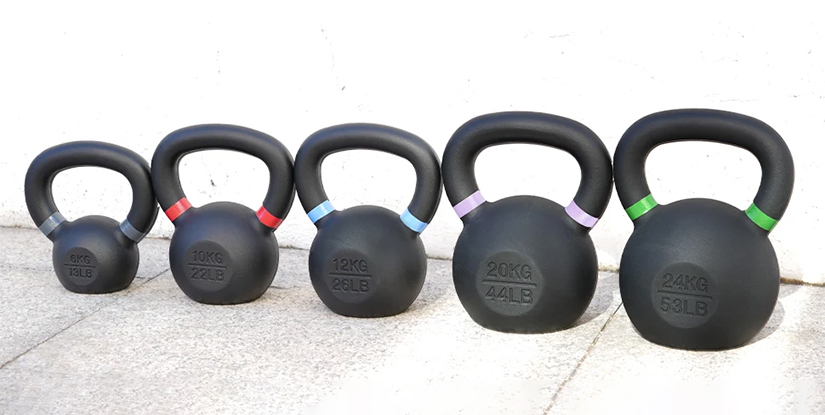
To streamline your procurement decision, consider the following comparison of durability and operational lifecycle:
| Feature | Cast Iron (Uncoated/Powder Coated) | Vinyl Coated |
|---|---|---|
| Maintenance Cycle | Minimal; requires occasional rust prevention | Periodic inspection for peeling or cracking |
| Replacement Frequency | Very low; highly durable for heavy use | Moderate; coating may degrade under high friction |
| Floor Impact | High; requires heavy-duty rubber matting | Moderate; provides slight impact damping |
| Best Use Case | Strength & Conditioning / Heavy Lifting | Functional Training / High-Traffic Areas |
When calculating your Total Cost of Ownership (TCO), remember that while vinyl may offer immediate benefits in noise reduction, the potential for a shortened equipment lifespan due to surface wear can increase replacement frequency and long-term sourcing costs.
For large-scale facility planners and distributors, the decision between kettlebell cast iron or vinyl hinges on the rigor of your quality control (QC) protocols during the sourcing phase. When placing bulk orders, the risk is rarely in the core weight, but rather in the manufacturing standards of the outer layers. A failure in coating adhesion—where the vinyl begins to delaminate from the internal weight—can render a shipment useless for high-end commercial use, leading to costly returns and disrupted inventory cycles.
To ensure bulk procurement reliability, it is vital to verify the factory’s ability to maintain consistent thickness and bonding strength across all SKUs. High-quality manufacturers utilize advanced heat-molding processes to ensure the coating is an integrated part of the unit rather than a superficial wrap. For procurement professionals, requesting documentation on testing for impact resistance and thermal stability can mitigate the risk of receiving substandard batches. Investing in products with high-tier manufacturing standards ensures that your facility’s equipment remains a durable asset rather than a recurring maintenance liability.
Comparing Surface Protection and Maintenance Requirements
When calculating the Total Cost of Ownership (TCO) for a commercial facility, the choice between kettlebell cast iron or vinyl involves more than just the initial purchase price. Procurement officers must account for long-term maintenance cycles and the secondary costs of facility upkeep. While cast iron offers high structural density, it requires specific environmental controls to prevent oxidation. Conversely, vinyl-coated options provide an inherent layer of surface protection, yet they introduce different variables regarding coating integrity over time.
The decision often hinges on the interplay between equipment lifespan and floor durability. High-traffic functional training zones require a strategic approach to how weight is dropped or stored to prevent structural damage to the subfloor. Below is a breakdown of how these commercial kettlebell materials impact your operational overhead and facility maintenance routines.
| Material Type | Primary Maintenance Need | Floor Impact Level | Long-Term Durability |
|---|---|---|---|
| Cast Iron | Rust prevention/oil coating | High (Requires mats) | Extreme (Decades) |
| Vinyl Coated | Surface tear inspection | Moderate (Impact dampening) | Moderate (Coating wear) |
For distributors and gym owners, understanding these trade-offs ensures that the selected inventory aligns with the client's specific flooring installation and long-term budget constraints.
A critical factor in high-volume procurement is the assessment of surface abrasion and structural degradation. In many commercial settings, the primary concern is how the equipment reacts to heavy daily use and environmental exposure. For instance, cast iron kettlebell durability is largely tied to the quality of the initial powder coating or the consistency of the oxidation-resistant treatment. Without proper humidity control or periodic maintenance, untreated iron is susceptible to rust, which can eventually compromise the aesthetic and structural integrity of the handle.
On the other hand, evaluating vinyl coated kettlebell pros and cons requires looking at the elasticity and adhesion of the outer layer. While the vinyl provides a buffer that protects both the user and the floor, it is not immune to wear. Over time, heavy usage can lead to coating peeling or tearing, particularly at high-impact contact points. This surface failure is often a result of substandard manufacturing or improper storage temperatures during shipping. When sourcing for large-scale facility rollouts, buyers should demand strict quality control protocols to ensure the coating remains intact under rigorous commercial training cycles.
Beyond surface aesthetics, logistics and inventory management present distinct challenges for bulk buyers. When deciding between kettlebell cast iron or vinyl, procurement specialists must weigh the implications of shipping density and storage stability. Cast iron models offer a highly consistent density that optimizes container loading, yet their high weight-to-volume ratio means shipping costs are driven primarily by mass. Because these units are susceptible to oxidation if exposed to moisture, long-term storage requirements include climate-controlled environments or specialized moisture-barrier packaging to prevent rust during transit and warehouse dwell time.
In contrast, the manufacturing of vinyl-coated equipment requires rigorous QC standards regarding material consistency. A common issue in low-tier production is uneven thickness or air pockets within the coating, which can lead to structural instability or premature failure. For distributors managing large-scale orders, verifying the adhesion strength and the thermal stability of the vinyl layer is essential. Ensuring that the manufacturer maintains strict control over the casting core and the outer layer application will mitigate the risk of receiving defective units that fail under the stress of international shipping and long-term warehouse storage.
Optimizing Inventory Mix and Procurement Volume
When determining your facility's inventory profile, the decision between kettlebell cast iron or vinyl options is rarely about personal preference and almost always about operational overhead. For distributors and gym owners, the procurement strategy must balance the ruggedness required for high-intensity training against the long-term maintenance of the facility's flooring. Choosing the wrong material profile can lead to unexpected replacement costs or damaged surfaces in high-traffic gym environments.
From a sourcing perspective, understanding the nuances of various commercial kettlebell materials is essential for calculating total cost of ownership. While cast iron offers unmatched durability for heavy-duty strength zones, it requires a higher standard of floor protection to prevent impact damage. Conversely, vinyl-coated models offer a softer interface that protects specialized turf or rubber mats, yet they may present different wear patterns over time. A strategic procurement plan typically involves a tiered approach: heavy cast iron for core strength areas and vinyl-coated options for studios or multi-purpose functional training spaces.
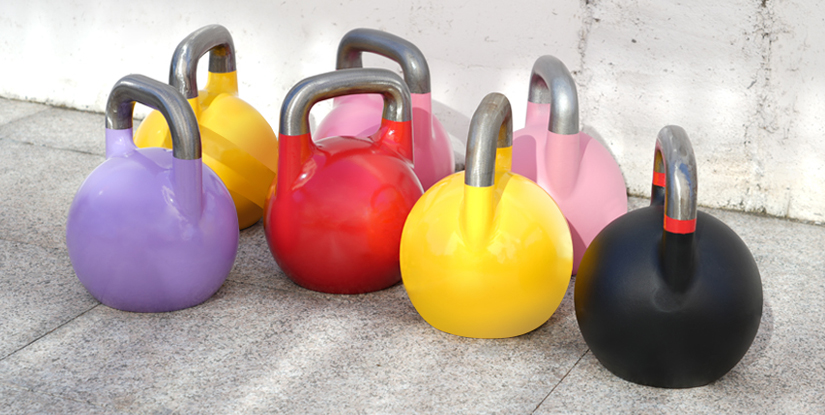
To streamline your purchasing decisions, consider the following comparison matrix. This breakdown assists procurement managers in evaluating the vinyl coated kettlebell pros and cons against the high-impact requirements of diverse training zones.
| Feature/Scenario | Cast Iron (Strength Focus) | Vinyl Coated (HIIT/Studio Focus) |
|---|---|---|
| Primary Usage | Heavy lifting, strength conditioning | HIIT, metabolic conditioning, mobility |
| Maintenance Cycle | Low; periodic rust prevention | Moderate; coating integrity checks |
| Replacement Frequency | Minimal; extremely high lifespan | Occasional; potential for coating wear |
| Weight Increments | Standardized, highly consistent | Often varied; check manufacturing tolerances |
| Storage Footprint | Compact; ideal for dense racks | Slightly larger due to outer diameter |
When scaling your orders, remember that while cast iron provides a lower long-term replacement frequency, vinyl options can reduce immediate floor-related repair costs in boutique settings. Align your SKU selection with the specific friction and impact profiles of your facility's designated zones.
Strategic Sourcing and Logistics Management
Scaling a facility requires more than just selecting a product type; it demands a rigorous approach to wholesale logistics. When managing high-volume orders, procurement managers must account for the disparate shipping profiles of different materials. Cast iron kettlebells, while incredibly durable, present high shipping density and significant weight-to-volume ratios, which can escalate freight costs if not optimized through palletization strategies. In contrast, vinyl-coated models often feature a slightly larger outer diameter, which can impact container loadability and volumetric weight calculations during international transit.
To mitigate risk during bulk procurement, a strict quality inspection protocol is non-negotiable, particularly regarding coating adhesion. A common failure point in lower-tier manufacturing is the separation of the vinyl layer from the inner core under repeated impact. When negotiating your MOQ with suppliers, ensure that quality control standards specifically address the bond strength of the coating to prevent premature peeling. By prioritizing manufacturers with transparent quality control processes and optimized packaging designs, distributors can ensure that the equipment arriving at the loading dock meets both the aesthetic and structural expectations of high-end commercial clients.
Total Cost of Ownership: Beyond the Initial Unit Price
When sourcing inventory for a high-traffic facility, procurement professionals often fall into the trap of prioritizing the lowest initial unit price. However, in a commercial setting, the true cost of equipment is measured by its lifecycle utility. Deciding between kettlebell cast iron or vinyl requires a shift in perspective from immediate capital expenditure to long-term operational expenditure. While vinyl-coated options may offer a lower entry price point for certain weight classes, the structural integrity of the core material dictates how often you will be reordering.
The durability of cast iron is a significant factor in reducing long-term replacement frequency. In high-intensity environments, the protective layers of certain commercial kettlebell materials can succumb to abrasions or peeling, necessitating replacement to maintain professional aesthetics and hygiene standards. To assist in your budgetary forecasting, the following comparison outlines the typical procurement considerations regarding long-term value.
| Procurement Factor | Cast Iron Options | Vinyl Coated Options |
|---|---|---|
| Initial Unit Cost | Moderate to High | Generally Lower |
| Replacement Cycle | Extended (High Durability) | Moderate (Coating Wear) |
| Maintenance Needs | Minimal (Rust Prevention) | Surface Cleaning |
| Long-term ROI | High (Lower Reorder Rate) | Variable (Higher Turnover) |
For distributors and gym owners, calculating the total cost of ownership means accounting for shipping costs, warehouse space, and the labor involved in frequent re-stocking. Selecting high-grade cast iron often results in a more stable supply chain for your facility, as the equipment survives the rigors of heavy commercial use without the degradation seen in softer-shell alternatives.
Beyond the direct replacement cycle, procurement managers must also evaluate the indirect costs associated with facility maintenance. For instance, the impact of heavy equipment on flooring can lead to unforeseen repair expenses if the material density and impact absorption are not properly matched to your gym's surface. The following data summarizes the operational variables to consider during your next bulk order.
| Comparison Factor | Cast Iron | Vinyl Coated |
|---|---|---|
| Expected Lifespan | Extended/Decades | Moderate/Subject to Wear |
| Maintenance Needs | Low (Periodic Rust Check) | Moderate (Surface Hygiene) |
| Floor Impact Cost | Higher (Requires Matting) | Lower (Built-in Buffering) |
| Best Use Case | Strength & Performance Gyms | Studio & Boutique Fitness |
When evaluating kettlebell cast iron or vinyl for large-scale distribution, remember that a lower upfront price for coated models can be offset by the labor and shipping costs of more frequent replenishment. For high-volume strength facilities, the durability of a solid iron core typically yields a superior return on investment through reduced turnover and stabilized inventory management.
A critical oversight in many procurement strategies is the failure to account for the "hidden" cost of coating peeling. While vinyl coated kettlebell pros and cons often highlight the immediate benefit of floor protection and color aesthetics, the long-term reality for commercial operators is frequently one of rapid degradation. In high-intensity training environments, the constant friction and impact can cause the outer layer to crack or separate from the core. This not only compromises the professional appearance of the facility but also creates hygiene challenges, as debris can become trapped within the damaged layers.
From a logistics standpoint, relying on coated equipment can disrupt bulk procurement stability. When a significant portion of your inventory requires replacement due to surface wear rather than structural failure, it forces more frequent orders, increasing shipping overhead and administrative labor. Conversely, sourcing high-grade cast iron allows for a more predictable facility maintenance schedule. While cast iron requires more intentional floor management, its structural permanence ensures that your capital remains invested in long-lasting assets rather than consumable-grade equipment.
Sourcing Specifications and Quality Control Standards
When calculating the budget for a new facility rollout, procurement officers must look beyond the initial invoice to understand the true value of different commercial kettlebell materials. The decision between kettlebell cast iron or vinyl often comes down to a trade-off between immediate capital expenditure and long-term operational stability. While vinyl-coated options may offer a lower entry price per unit, they often carry a higher risk of surface degradation in high-traffic environments.
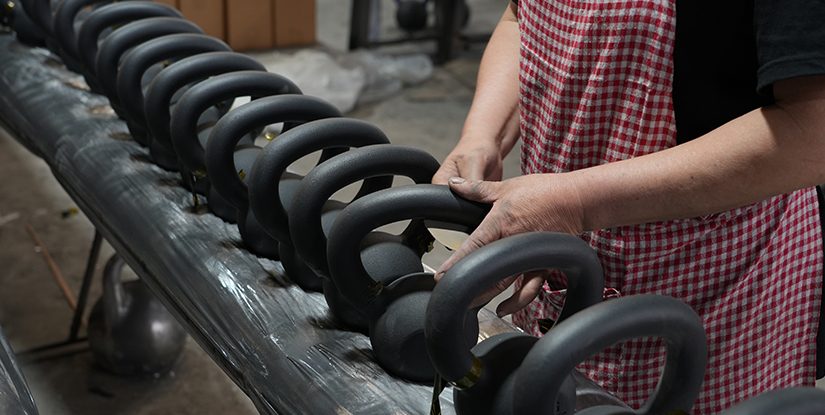
From a Total Cost of Ownership (TCO) perspective, cast iron remains the industry standard for durability-to-price ratio. Because cast iron is a monolithic structure, it lacks the external layers that can peel or crack over time, significantly reducing maintenance overhead and the frequency of replacement cycles. Conversely, while vinyl can protect flooring, the cost of replacing damaged coatings or cracked shells can quickly negate any initial savings. For distributors and gym owners, investing in high-grade cast iron typically ensures a longer equipment lifespan, providing a more predictable replacement schedule and a more stable long-term procurement strategy.
To streamline your procurement workflow, we have synthesized the primary variables into a comparative framework. This table assists buyers in evaluating volume orders against specific quality control requirements and logistics constraints.
| Procurement Metric | Cast Iron Standard | Vinyl Coated Series |
|---|---|---|
| Primary QC Focus | Casting consistency and surface smoothness | Coating integrity and adhesion strength |
| Logistics Profile | High density; optimal weight-to-volume ratio | Lower density; larger footprint per unit |
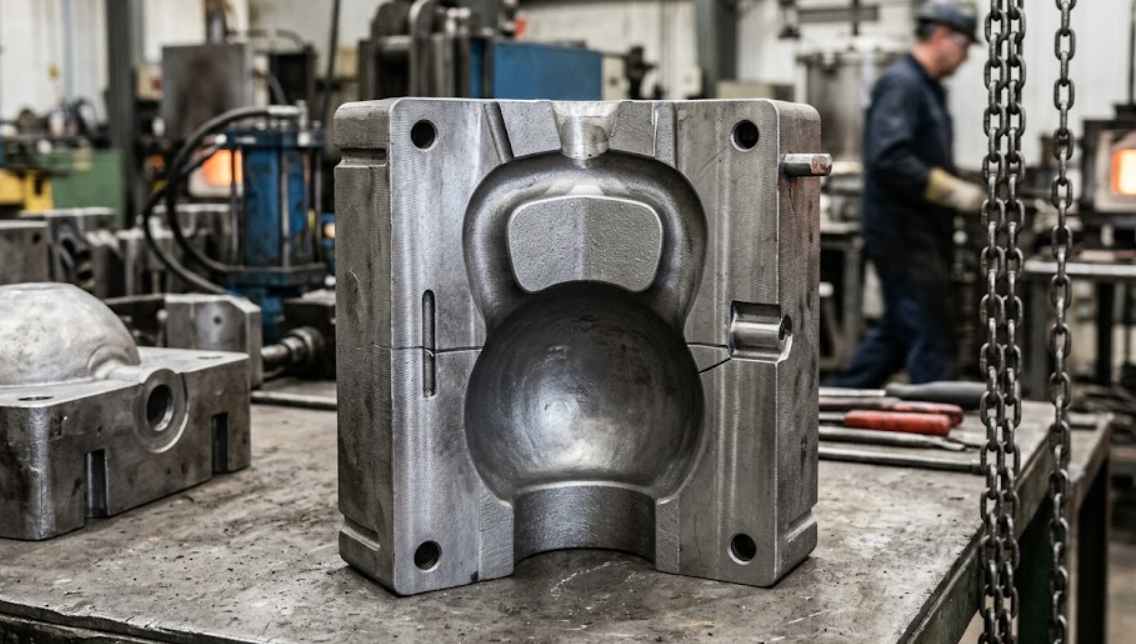
| Typical MOQ | Higher, due to specialized casting molds | Flexible, often lower for specialized colors |
| Durability Profile | Excellent; resistant to structural cracks | Moderate; susceptible to coating peel/tear |
When vetting suppliers, ensure your inspection protocols address the unique failure points of each material. For cast iron, prioritize testing for structural uniformity to avoid weight discrepancies. For those selecting the vinyl coated kettlebell pros and cons, the critical variable is the bond between the core and the outer shell. A common oversight in low-cost manufacturing is poor adhesion, leading to premature peeling under heavy use. While vinyl offers superior floor protection, the logistics of shipping larger-volume, lighter-density items can increase freight costs per kg compared to the compact nature of cast iron.
Beyond individual unit quality, large-scale facility fit-outs require a rigorous assessment of factory capability and logistical efficiency. When sourcing at volume, the distinction between kettlebell cast iron or vinyl extends into the complexities of international freight and warehouse management. Cast iron production typically offers a superior weight-to-volume ratio, allowing for higher shipping density and reduced sea freight costs per kilogram. In contrast, the larger footprint of vinyl-coated models often results in higher volumetric weight, which can significantly impact landed costs during large-scale distributor shipments.
To mitigate procurement risks, professional buyers should demand strict adherence to industrial standards. For cast iron orders, verify that the manufacturer maintains precise weight tolerance standards to prevent discrepancies across a full set. For vinyl-coated series, prioritize suppliers who perform rigorous coating adhesion testing to ensure the outer layer survives high-intensity commercial use. Finally, ensure your selected manufacturer meets essential commercial-grade certification requirements, providing the documentation necessary to validate both structural integrity and material safety for professional gym environments.
Evaluating Total Cost of Ownership
When procurement officers weigh the choice between kettlebell cast iron or vinyl, the decision often hinges on more than just the initial unit price. A common oversight in high-volume facility planning is failing to account for the long-term maintenance cycles and the secondary costs of equipment degradation. While vinyl-coated options may offer a lower entry point for certain boutique settings, the structural integrity of different commercial kettlebell materials dictates your actual bottom line over a five-year operational window.
High-traffic strength zones demand a focus on cast iron kettlebell durability to minimize replacement frequency. A single dropped weight can compromise the outer layer of a vinyl model, leading to peeling or cracking that necessitates premature disposal. Furthermore, buyers must calculate the relationship between floor protection vs replacement costs; the impact force of dense cast iron requires high-grade flooring, yet the sheer longevity of iron often offsets the need for frequent inventory refreshes. For distributors and gym owners, prioritizing materials that withstand heavy use ensures a more predictable budget and a superior return on investment.
To streamline your procurement process, we have developed a decision matrix to help you align material selection with your specific facility profile. This comparison focuses on the practical trade-offs between durability, floor impact, and long-term maintenance needs.
Material Suitability Matrix
| Facility Type | Recommended Material | Estimated Lifespan | Floor Impact Level | Maintenance Profile |
|---|---|---|---|---|
| High-Impact (CrossFit/Strength) | Cast Iron | High (Indefinite) | Significant (Requires Rubber) | Minimal (Rust Prevention) |
| Boutique (Yoga/Pilates/Studio) | Vinyl Coated | Moderate (Surface Wear) | Low (Gentle) | Regular (Surface Cleaning) |
| General Commercial Gym | Hybrid/Mixed | Variable | Medium | Standard |
When evaluating vinyl coated kettlebell pros and cons for your inventory, consider the environmental context. While vinyl provides a premium aesthetic and easier cleaning for studio environments, it is susceptible to punctures and peeling in high-intensity settings. Conversely, cast iron remains the industry standard for heavy-duty strength training, provided your facility is equipped with appropriate high-density flooring to mitigate impact damage.
Logistics and Quality Control Checklist
Moving from selection to bulk procurement requires a rigorous focus on manufacturing standards and shipping efficiency. When placing large-scale orders, the technical nuances of the material become critical to your inventory's lifecycle. For instance, a primary concern when assessing vinyl coated kettlebell pros and cons is coating adhesion; ensure your supplier utilizes high-grade, puncture-resistant polymers that will not delaminate under temperature fluctuations or high-impact use.
For iron-based inventory, your quality control (QC) protocols must prioritize surface integrity. During pre-shipment inspections, verify cast iron kettlebell durability by checking for coating uniformity and robust rust prevention measures, such as high-quality powder coating or specialized finishes. A lack of consistent surface treatment can lead to premature oxidation, significantly devaluing your stock in humid gym environments.
Finally, optimize your procurement budget by addressing three logistical pillars:
- MOQ and Customization: If your brand requires custom colorways, confirm the Minimum Order Quantity (MOQ) early, as custom vinyl colors or specialized iron finishes often require higher volume commitments.
- Weight Optimization: Coordinate with your factory to balance shipping weight optimization against volume. While cast iron is dense and efficient for container space, vinyl models may occupy more volumetric weight, impacting your landed cost.
- Packaging Standards: Ensure heavy iron units are packed with reinforced dividers to prevent metal-on-metal friction and surface damage during transit.