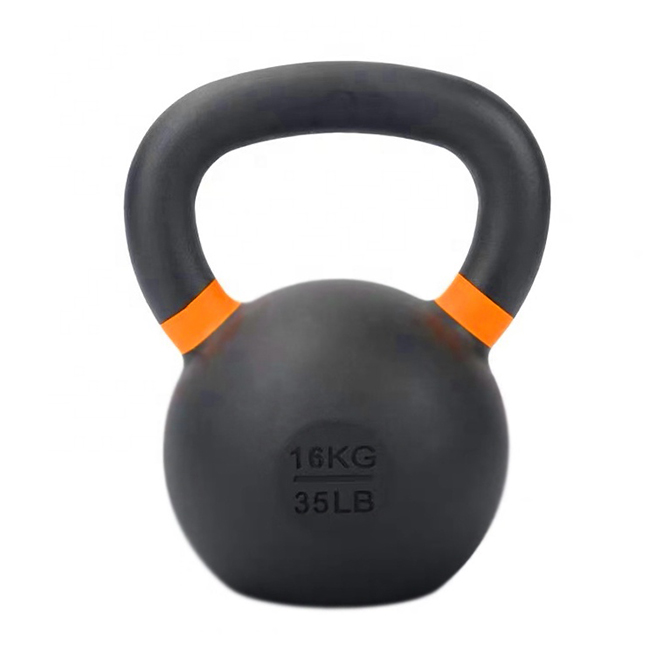
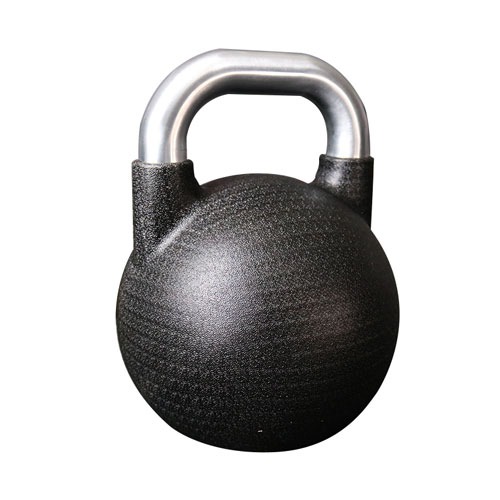
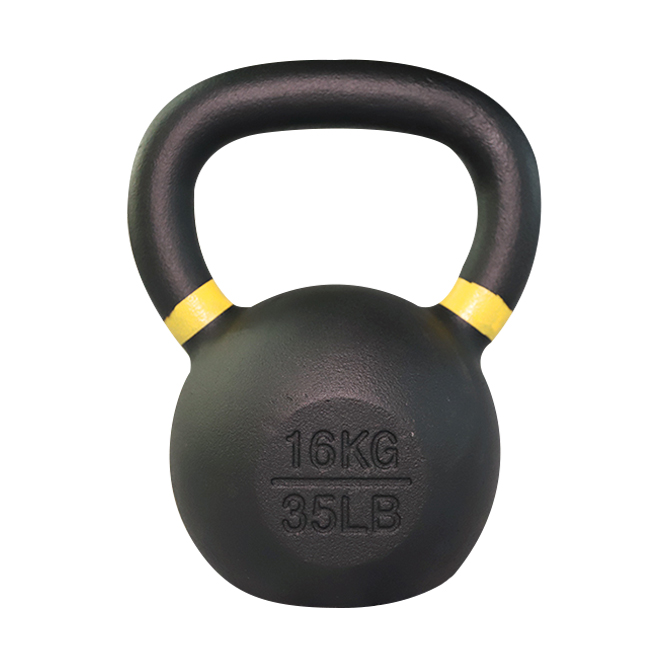
vinyl kettlebell set | Selecting Vinyl Kettlebell Sets for
Vetting Manufacturers for High-Volume Vinyl Coated Kettlebell Orders
When managing large-scale commercial gym equipment procurement, the focus must shift from simple unit costs to the long-term structural integrity of the product. Professional buyers typically face three critical checkpoints: evaluating the risk of premature replacement, verifying technical specifications against usage intensity, and ensuring logistics stability for bulk shipments. Neglecting these factors during the sourcing phase often leads to high turnover rates and increased maintenance overhead for the end-user facility.
A primary concern with vinyl coated kettlebells is the quality of the bond between the internal weight core and the outer layer. In low-quality manufacturing, poor coating adhesion is a frequent failure point, often manifesting as unsightly peeling or cracking under standard operational stress. For high-traffic fitness centers, even minor surface degradation can compromise the aesthetic standards of the facility and create safety hazards. Ensuring your supplier utilizes high-grade, UV-resistant polymers is essential to maintaining the durability required for professional-grade weight sets.
To mitigate these risks, procurement professionals should move beyond basic visual inspections and demand specific technical documentation. A reliable manufacturer must demonstrate a sophisticated manufacturing capability that prioritizes both material thickness and internal stability. When vetting potential partners for a vinyl kettlebell set order, use the following checklist to evaluate their quality control standards and technical precision.
| Evaluation Metric | Critical Requirement | Buyer's Red Flag |
|---|---|---|
| Material Thickness | Consistent, uniform polymer layer across all weight increments. | Thin patches or uneven thickness that leads to easy tearing. |
| Impact Resistance | High elasticity to withstand drops and heavy floor contact. | Brittle coating that cracks or chips upon minor impact. |
| Core Stability | Precision-filled weight centers to prevent internal shifting. | Hollow sounds or weight imbalances during movement. |
| Adhesion Strength | High-bond polymer to ensure the coating stays intact. | Visible separation between the vinyl and the internal core. |
Pro Tip: Request a sample from a high-weight SKU to verify that the impact resistance holds up under stress, as larger weights often face the most significant structural tension.
Beyond individual unit quality, successful wholesale procurement depends heavily on the manufacturer's ability to maintain batch consistency. For distributors and large-scale facility owners, receiving a shipment where weight increments vary significantly between production runs is a major logistical headache. A high-caliber factory ensures that the weight profile and coating density of a 4kg kettlebell remain identical to a 16kg unit within the same production cycle, providing a seamless experience for the end-user.
Logistics and shipping protection are equally vital to the total cost of ownership. Because fitness facility weight sets are heavy and dense, they are subject to intense mechanical stress during maritime or long-haul transit. Inadequate packaging often results in micro-cracks in the vinyl shell before the product even reaches the gym floor. When sourcing, verify that your supplier utilizes reinforced, heavy-duty master cartons and optimized palletization strategies. Investing in superior shipping protection and standardized packaging reduces the frequency of returns and minimizes long-term maintenance costs associated with transit-induced damage, ensuring your inventory arrives ready for immediate deployment.
Critical Quality Control Benchmarks for Coating Integrity and Weight Precision
In high-traffic commercial gym environments, the longevity of your inventory is directly tied to the quality of the outer layer. While vinyl coated kettlebells offer superior floor protection and a premium tactile feel, they are also susceptible to material degradation if the manufacturing standards are substandard. For procurement professionals, the primary concern is not just the initial cost, but the long-term risk of delamination—where the vinyl begins to peel or crack away from the internal weight core.
In high-use scenarios, such as HIIT classes or heavy functional training circuits, constant impact and temperature fluctuations can compromise inferior coatings. During commercial gym equipment procurement, it is essential to verify the bonding process used by the factory. A high-quality vinyl kettlebell set must feature a seamless, uniform application that prevents peeling/cracking prevention issues even under rigorous use. Ensuring the coating maintains its structural integrity is vital to avoiding frequent replacement cycles and maintaining a professional aesthetic for your fitness facility.
To mitigate the risk of receiving inconsistent batches, procurement teams should implement a rigorous inspection protocol during sample testing or factory audits. A standard technical checklist should prioritize two critical variables: weight precision and coating uniformity. For a professional-grade vinyl kettlebell set, weight tolerance levels are non-negotiable; a reputable manufacturer should maintain a tight deviation margin (typically within +/- 1% to 3% depending on the weight class) to ensure training consistency across the entire set.
Beyond the core mass, the physical integrity of the outer shell requires scrutiny. We recommend evaluating the thickness consistency of the vinyl layer across different parts of the kettlebell, particularly around the handle and the base. A varying density of vinyl layer often indicates poor injection molding or uneven dipping processes, which can lead to premature failure under heavy use. During your quality control (QC) phase, inspect the transition zones between the handle and the weight body to ensure there are no structural weak points or air pockets that could compromise the durability of the equipment.
To assist in your vendor evaluation process, we have synthesized the technical differences between standard consumer-grade items and professional-grade equipment. When sourcing fitness facility weight sets, understanding these specific benchmarks allows you to differentiate between a low-cost one-time purchase and a long-term asset for your facility.
Table: Coating Integrity & Weight Precision Benchmarks
| Technical Metric | Standard Consumer-Grade | Professional-Grade (Commercial) |
|---|---|---|
| Material Type | Standard PVC | High-Density Vinyl / Reinforced Polyurethane |
| Weight Tolerance (±%) | ± 5% to 7% | ± 1% to 3% |
| Surface Texture | Smooth/Slippery (High Moisture Risk) | Micro-Textured (Enhanced Grip/Anti-Slip) |
| Durability Rating | Low (Prone to Cracking/Peeling) | High (Impact-Resistant & Abrasion-Resistant) |
When reviewing factory specifications, pay close attention to the material type. While standard PVC is common in retail, high-density vinyl is the industry standard for high-volume commercial use due to its superior resistance to environmental stressors. A tighter weight tolerance is particularly critical for distributors who need to ensure uniformity across large-scale orders, as even minor deviations can lead to client dissatisfaction and increased return rates during bulk shipments.
Managing Warranty Claims and Replacement Protocols for Commercial Gym Equipment
For high-traffic fitness facilities, the true cost of a vinyl kettlebell set is not found in the initial purchase order, but in the long-term maintenance cycle. In a professional setting, equipment is subjected to constant friction, impact, and varying environmental conditions. Without a structured protocol for monitoring coating integrity, facility managers often face unexpected budget spikes when aesthetic or functional degradation occurs prematurely.

Effective commercial gym equipment procurement requires more than just selecting a vendor; it requires evaluating how a product responds to rigorous use. High-frequency training sessions inevitably reveal specific wear and tear patterns, such as micro-cracking or peeling at the edges of the vinyl layer. By establishing a clear baseline for what constitutes normal aging versus a manufacturing defect, distributors and gym owners can better manage replacement frequency. Implementing a routine inspection schedule ensures that minor coating issues are addressed before they compromise the structural core, allowing for more predictable procurement cycles and optimized total cost of ownership.
To mitigate financial risk, B2B buyers must demand comprehensive quality control (QC) documentation from their suppliers. A professional manufacturer should provide detailed batch reports that verify the adhesion strength of the vinyl coated kettlebells. This documentation serves as the primary evidence when distinguishing between standard operational wear and a structural manufacturing defect. For instance, surface scuffs from typical floor contact are expected, whereas widespread delamination or handle structural instability often points to a failure in the bonding process or casting quality.
When establishing procurement standards, ensure your contract explicitly defines replacement protocols for both aesthetic and functional failures. A robust agreement should outline the specific criteria for a valid claim, such as the exact threshold of coating peeling or the specific type of handle deformation that warrants a full replacement. By requiring vendors to provide a clear framework for defect validation, facility managers can streamline the transition from identifying a faulty unit to receiving a replacement, ensuring that the gym's inventory remains consistent and professional.
To streamline communication with your international suppliers and reduce friction during the audit process, it is essential to categorize issues through a standardized lens. Distinguishing between routine maintenance and a legitimate warranty claim prevents unnecessary disputes and ensures that your vinyl kettlebell set inventory remains compliant with high-end facility standards.
The following table provides a baseline for evaluating the lifecycle of your fitness facility weight sets, helping you decide when to perform standard maintenance versus when to initiate a formal replacement request.
| Criteria Type | Standard Operational Wear (Maintenance) | Manufacturing/Material Defect (Warranty) |
|---|---|---|
| Surface Coating | Minor scuffs, superficial scratches, or slight discoloration from floor contact. | Widespread delamination, bubbling, or peeling of the vinyl layer from the core. |
| Structural Integrity | Expected aging of the grip texture after years of high-volume usage. | Cracks in the internal weight casting or structural instability in the handle. |
| Adhesion Quality | Localized, minor edge wear due to frequent handling or friction. | Complete separation of the coating from the weight core upon standard use. |
By utilizing this framework, procurement officers can better manage the maintenance vs. replacement logic, ensuring that only genuine manufacturing failures impact the bottom line while accounting for the natural lifecycle of commercial-grade equipment.
Optimizing Floor Protection and Facility Maintenance with Vinyl Weight Sets
For facility managers, the true cost of a vinyl kettlebell set extends far beyond the initial purchase order. A critical variable in long-term commercial gym equipment procurement is the relationship between coating integrity and facility upkeep. High-quality vinyl coatings act as a functional buffer, providing essential impact absorption that mitigates the kinetic energy transferred to the ground during heavy use. When the surface durability of the coating fails due to poor manufacturing, it exposes the inner core, leading to accelerated wear and potential damage to expensive flooring systems.
Investing in premium vinyl coated kettlebells serves as a proactive strategy for floor protection. By reducing the frequency of structural floor repairs and minimizing the need for constant equipment resurfacing, buyers can significantly lower their Total Cost of Ownership (TCO). Below is a comparison of how coating quality influences long-term facility expenditures.
| Procurement Factor | Standard Vinyl Coating | Premium Commercial Grade |
|---|---|---|
| Impact Resistance | Moderate; prone to cracking | High; engineered for heavy drops |
| Floor Wear Rate | Higher risk of surface scuffs | Minimized via optimized density |
| Maintenance Interval | Frequent inspections required | Extended lifecycle/low upkeep |
| Long-term TCO | Lower upfront/Higher operational cost | Higher upfront/Lower operational cost |
When sourcing for high-traffic fitness centers, prioritizing the density and elasticity of the vinyl layer ensures that your facility remains functional and aesthetically intact for years to come.
To assist in your technical evaluation, we have detailed the specific structural differences between various coating grades. When auditing a supplier's factory capability, it is essential to look beyond the visual finish and examine the technical specifications of the application process. A superior vinyl coated kettlebells production line will prioritize uniform thickness to prevent localized failure points during high-intensity training sessions.
The following comparison provides a framework for procurement officers to evaluate how technical coating attributes translate into operational labor and replacement cycles:
| Technical Specification | Basic Grade Coating | High-Performance Commercial Grade |
|---|---|---|
| Coating Thickness | Thin, inconsistent layer | Uniform, multi-layered density |
| Wear Resistance | Susceptible to peeling/cracking | High elasticity; impact-resistant |
| Cleaning Requirements | Standard moisture/mild soap | Resistant to gym-grade disinfectants |
| Maintenance Frequency | Frequent inspection for cracks | Minimal; long-term structural stability |
Pro Tip for Distributors: During your quality control (QC) phase, request data regarding the coating's tensile strength and elasticity. For fitness facility weight sets intended for high-volume commercial use, a coating that maintains its integrity under repeated thermal and physical stress is the most reliable indicator of long-term value.
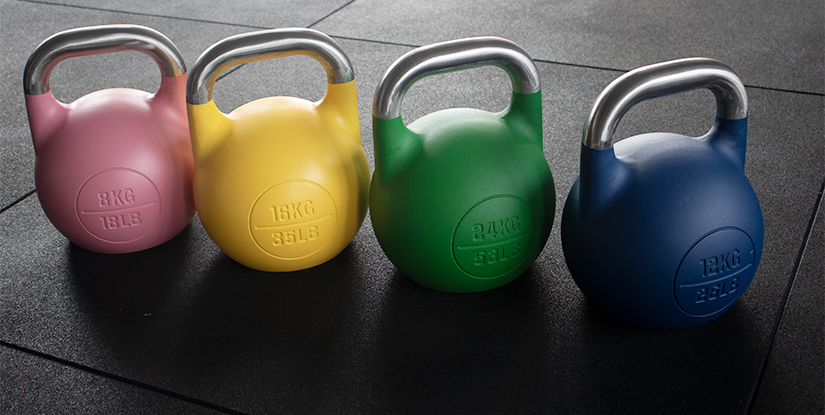
Beyond the immediate surface texture, professional buyers must evaluate the logistical resilience of the product. A common failure point in bulk procurement occurs during the transit and warehousing stages, where environmental fluctuations can compromise the bond between the core and the exterior. High-quality fitness facility weight sets must undergo rigorous testing to ensure thermal stability; a coating that reacts poorly to temperature shifts in shipping containers often suffers from premature detachment or bubbling before it even reaches the gym floor.
When auditing potential suppliers, demand transparency regarding their QC standards for peeling resistance. A robust manufacturing process ensures that the vinyl layer is not merely a superficial finish but a structurally integrated component. This is especially critical for large-scale orders where high-frequency use and varying climate conditions in different global regions can stress the material. Ensuring your manufacturer utilizes advanced injection or vacuum-forming techniques will mitigate the risk of widespread coating failure, protecting your investment and reducing the logistical burden of replacement cycles.
Strategic Inventory Planning and Bulk Packaging for International Freight
When managing commercial gym equipment procurement, the complexity extends far beyond the initial unit price. For distributors and facility managers, the true cost of a vinyl kettlebell set is heavily influenced by the logistics of international transit. Unlike lighter accessories, these sets possess a high weight-to-volume ratio, making shipping density a critical variable in your total landed cost calculations.
Efficiently managing the movement of heavy fitness assets requires a deep understanding of volumetric weight versus actual mass. Because vinyl-coated weights are often bulkier than traditional iron counterparts, improper packaging can lead to inflated freight charges or damaged shipments. To mitigate these risks, we recommend leveraging bulk order advantages. By optimizing container loadability and coordinating higher minimum order quantities (MOQ), buyers can significantly reduce the per-unit shipping overhead. Strategic procurement involves not just selecting the right equipment, but engineering a shipping plan that maximizes space efficiency and protects your bottom line.
The method used to secure your inventory during transit directly impacts both your arrival quality and your final landed cost. For professional buyers, choosing between loose carton packing and standardized palletization is a decision between flexibility and security. While individual cartons offer easier handling for smaller retail deliveries, large-scale fitness facility weight sets benefit significantly from structured palletization to prevent shifting and impact damage during ocean freight.
When sourcing vinyl coated kettlebells, ensure your supplier utilizes robust protective layering—such as reinforced corrugated dividers or foam padding—to prevent the coating from scuffing against adjacent units. High-density packaging not only protects the aesthetic integrity of the product but also optimizes container utilization. Below is a comparison to assist in your logistics planning:
| Packaging Type | Protection Level | Shipping Efficiency |
|---|---|---|
| Standard Individual Cartons | Moderate | High (Flexible for small LCL) |
| Reinforced Multi-Unit Boxes | High | Medium (Optimized for weight) |
| Palletized Bulk Crates | Maximum | Highest (Best for FCL/Large Scale) |
Pro Tip: Always clarify MOQ considerations regarding packaging. While palletized shipments may require a higher minimum to be cost-effective, the reduction in breakage and the speed of unloading at your facility often outweigh the initial volume requirements.
Beyond the physical dimensions of the packaging, the final safeguard against financial loss occurs during the loading phase. Even the most robust cartons can suffer if the internal arrangement is flawed. To ensure your fitness facility weight sets arrive in pristine condition, we advocate for a strict protocol involving pre-shipment inspection and professional container loading supervision. A disorganized load is a primary cause of transit-related damage, often resulting in crushed outer layers or compromised coating integrity.
A professional logistics team must prioritize weight distribution throughout the container. Heavier kettlebell units should form a stable base, while lighter sets are positioned toward the top to prevent crushing. Without active damage prevention strategies—such as verifying the stability of palletized stacks and ensuring even tension during bracing—the risk of shifting during sea transit increases. For high-volume buyers, requesting a detailed loading report or photographic evidence of the container's interior state is a standard, yet essential, step in maintaining quality control and protecting the long-term value of your procurement investment.
Calculating Landed Costs and Shipping Volumetrics for Global Distribution
When sourcing a vinyl kettlebell set for international distribution, the visible unit price is only one part of the equation. Professional procurement specialists must account for the logistical footprint of the order to avoid unexpected overhead. A critical factor often overlooked is the relationship between the thickness of the vinyl coating and the resulting shipping density. While a thicker, high-quality coating provides better durability and floor protection, it also increases the outer diameter of each bell, directly impacting the volumetric weight of the shipment.
In the freight industry, carriers calculate costs based on either actual weight or dimensional weight (DIM weight), whichever is higher. Because vinyl-coated equipment tends to be bulkier than bare iron alternatives, inefficient packaging optimization can lead to high volumetric weight charges, even if the physical weight remains constant. To ensure an accurate freight cost estimation, we recommend distributors request precise box dimensions and weight specifications from the factory. By optimizing the ratio of product volume to container space, you can maximize shipping density and significantly reduce the landed cost per unit for your fitness facility clients.
Beyond volumetric dimensions, building a comprehensive budget requires a granular understanding of the total landed cost. Relying solely on the factory EXW or FOB price is a common pitfall in commercial gym equipment procurement. To maintain healthy margins, distributors must aggregate all expenses from the production line to the final warehouse door. This includes essential line items such as customs duties, which vary significantly depending on the specific HTS code used for coated fitness weights, as well as port handling fees and local drayage charges.
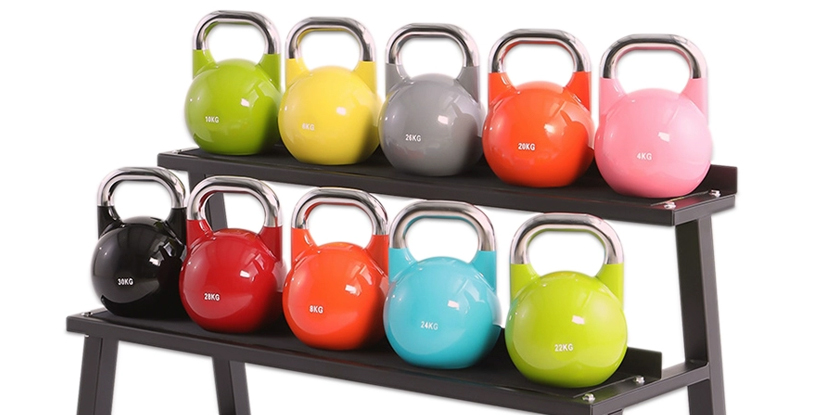
Logistical efficiency is also heavily dictated by your order scale. The MOQ impact on shipping is substantial; while smaller orders might seem less risky, they often suffer from higher per-unit freight costs and less efficient container utilization. For large-scale fitness facility weight sets, we advise calculating the bulk order logistics framework to include transit insurance and potential contingency funds for unexpected port congestion. A rigorous procurement model accounts for these variables upfront, ensuring that your final quoted price to clients remains competitive and predictable.
To visualize how these variables influence your bottom line, consider the trade-off between individual unit protection and total shipping density. The method used to secure your vinyl kettlebell set can drastically alter the volumetric footprint of a sea container or air freight shipment. While nested packaging offers higher protection for individual units, palletized bulk shipments often yield superior dimensional weight savings for high-volume distributors.
The following table illustrates how different configurations impact the efficiency of your logistics planning:
| Packaging Method | Typical Use Case | Volumetric Impact | Cost Efficiency (Landed Cost) |
|---|---|---|---|
| Nested Carton (Individual) | Small-batch retail or boutique gym orders | High (increased air gaps between units) | Lower (higher per-unit shipping cost) |
| Standard Master Carton | Standard wholesale distribution | Moderate (optimized for stackability) | Balanced (reliable for most B2B orders) |
| Palletized Bulk Shipment | Large-scale fitness facility weight sets | Low (maximum density and vertical stability) | Highest (optimized for bulk freight) |
When negotiating with manufacturers, always clarify whether the quoted dimensions include the outer diameter of the vinyl coating and the thickness of the protective packaging. For large-scale commercial gym equipment procurement, prioritizing palletized configurations can help mitigate the risks of high dimensional weight charges and ensure more stable transit for your inventory.
Lifecycle maintenance planning for busy facilities
In high-traffic environments, the operational reality of a fitness center is defined by the friction between heavy usage and equipment longevity. For facility managers and procurement specialists, the challenge extends beyond the initial purchase; it involves managing the inevitable wear and tear that occurs in a commercial setting. Choosing a premium vinyl kettlebell set is not merely about aesthetics, but about mitigating the frequency of replacement cycles and reducing long-term labor costs.
Effective commercial gym equipment procurement requires a shift in perspective from upfront unit costs to the Total Cost of Ownership (TCO). High-quality vinyl coatings serve a dual purpose: they provide a consistent grip for users while offering essential floor protection by dampening impact and preventing surface abrasions. Without a durable coating, equipment can quickly become a liability, leading to chipped surfaces or damaged flooring that necessitates costly repairs. By prioritizing high-grade, impact-resistant materials, distributors and facility owners can extend maintenance cycles, ensuring that the weight sets remain in professional condition despite the rigorous demands of a busy training floor.
To optimize long-term operational budgets, procurement officers must evaluate the durability of the coating integrity during the initial sourcing phase. Unlike standard cast iron, vinyl coated kettlebells require specific care to prevent delamination or cracking under heavy use. A proactive durability assessment should focus on the bond strength between the inner core and the outer layer, as this determines how the product reacts to temperature fluctuations and repeated impacts.
Implementing standardized surface cleaning protocols is essential for maintaining both hygiene and the physical state of the equipment. We recommend avoiding harsh chemical solvents that can degrade the polymer structure. Instead, a routine wipe-down with mild soap and water is sufficient for most commercial environments. The following table provides a practical comparison to assist in your procurement decision-making process:
| Maintenance Factor | Standard Vinyl Coating | Premium Commercial Grade |
|---|---|---|
| Cleaning Protocol | Mild soap and water | Damp cloth; non-abrasive wipes |
| Impact Resistance | Moderate; prone to chipping | High; designed for heavy drops |
| Coating Longevity | 12–24 months in high-use areas | Extended lifecycle in commercial settings |
| Surface Integrity | May peel under high friction | Maintains structural bond
When sourcing in bulk, always request samples to verify that the coating can withstand the specific environmental stressors of your facility. This ensures that your fitness facility weight sets remain a functional asset rather than a recurring maintenance expense.
Beyond daily hygiene, sophisticated facility management necessitates a structured approach to inventory and logistics. Relying on reactive purchasing—ordering only when a piece is damaged or missing—often leads to inconsistent weight increments and disrupted training sessions. To maintain a professional standard, procurement specialists should treat fitness facility weight sets as dynamic assets that require scheduled replenishment rather than sporadic replacements.
Strategic bulk ordering is a cornerstone of efficient commercial gym equipment procurement. Instead of purchasing individual units as needed, we advise distributors and facility owners to establish a baseline for inventory replenishment based on observed replacement cycles. For example, if a specific weight increment shows higher wear due to usage frequency, having a pre-arranged bulk ordering protocol with your manufacturer ensures that you can replace or expand your set without facing extended lead times or SKU inconsistencies. This proactive stance minimizes downtime and ensures that your facility always offers a complete, professional-grade selection to its members.