Why Quality Olympic Weightlifting Plates Matter for Gains
Vetting Your Manufacturing Partner and Quality Standards
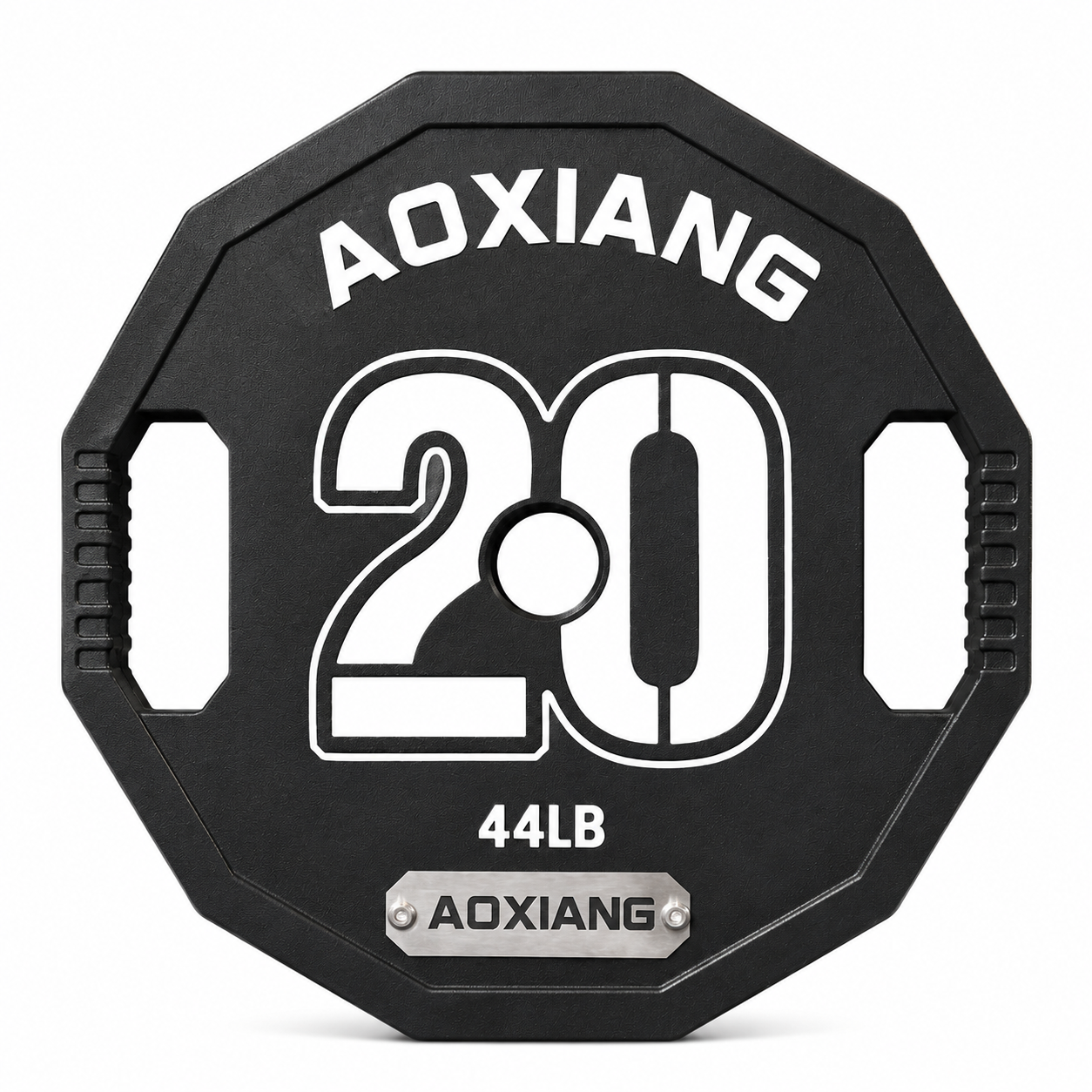
High-grade olympic weightlifting plates are precision-engineered cast or rubberized discs designed to withstand high-impact drops while maintaining exact mass. B2B buyers prioritize these specific barbell plate types because professional facilities require predictable performance and long-term bumper plate durability to ensure athlete safety and equipment longevity.
From a professional lifter's perspective, the most frustrating variable is uneven weight distribution. When a factory lacks rigorous quality control, a single set may feature plates that are slightly off-center or inconsistent in mass. This lack of precision disrupts a lifter's center of gravity, leading to dangerous imbalances during heavy cleans or snatches. For distributors and gym owners, sourcing from manufacturers that adhere to strict manufacturing standards is non-negotiable. We recommend vetting partners who can guarantee weight consistency across entire production runs. Reliable olympic weightlifting plates must feel identical in hand and balance perfectly on the barbell; otherwise, you are not just selling weight—you are selling an unpredictable training experience that can compromise an athlete's technical progression.
To ensure your facility remains operational without frequent replacement costs, look beyond the surface. A professional weightlifting equipment guide should emphasize the importance of material inspection. One of the most critical indicators of quality is the rubber density; high-density virgin rubber prevents cracking and maintains structural integrity under constant stress. When sourcing, ask suppliers about their high-impact testing protocols. Premium manufacturers subject their products to repetitive drop tests to simulate years of heavy use, ensuring the bumper plate durability meets the rigorous demands of a commercial training environment.
When evaluating various barbell plate types, pay close attention to the edge finish and the thickness uniformity. A high-quality production run will show no signs of air bubbles or uneven casting, which are common flaws in lower-tier manufacturing. By prioritizing manufacturers that focus on these granular technical specifications, you protect your long-term investment and provide a stable, high-performance platform for every athlete in your weight room.
Selecting the appropriate tier of equipment is not just about the initial purchase price; it is a strategic decision regarding your long-term operational overhead. Depending on your training environment, the required level of bumper plate durability and the subsequent maintenance frequency will vary significantly. For instance, a high-traffic commercial facility faces much harsher wear than a private home studio, requiring a different approach to sourcing olympic weightlifting plates.
To help you navigate these procurement decisions, we have categorized the most common manufacturing tiers based on their intended use and maintenance profiles. Use this guide to align your inventory with your specific facility needs.
| Manufacturing Tier | Lifter Profile | Durability Level | Maintenance Frequency | Ideal Use Case |
|---|---|---|---|---|
| Premium/Professional | Elite Athletes & Competition | Extreme (High-Impact) | Minimal (Routine Cleaning) | Olympic Training Centers & Pro Gyms |
| Commercial Grade | Regular Gym Members | High (Daily High-Volume) | Moderate (Periodic Inspection) | Fitness Clubs & CrossFit Boxes |
| Standard/Home | Fitness Enthusiasts | Moderate (Light-to-Medium) | Frequent (Surface Care) | Home Gyms & Small Studios |
When reviewing this weightlifting equipment guide, remember that investing in a higher tier of barbell plate types often results in lower total cost of ownership. While professional-grade plates may have a higher upfront cost, their superior build quality reduces the frequency of replacements, ensuring your facility remains a high-performance environment without constant reinvestment.
The Critical Role of Precision in Weight Distribution and Calibration
In high-performance training environments, the difference between a successful lift and a failed repetition often comes down to microscopic tolerances. When sourcing olympic weightlifting plates, many buyers focus solely on bumper plate durability, but neglecting calibration accuracy can be a costly oversight. If the weight is not perfectly centered, even a slight deviation in weight distribution can alter the bar's center of gravity during explosive movements like the snatch or clean and jerk.
Inconsistent barbell plate types often lead to significant imbalance risks, forcing athletes to compensate for uneven loading rather than focusing on technical mastery. For facility owners and distributors, this isn't just a coaching issue; it is a liability. Low-quality casting results in plates that wobble or tilt, which can prematurely wear down barbell sleeves and increase the risk of injury. Relying on a weightlifting equipment guide that emphasizes precision ensures that your inventory supports technical progression without the mechanical interference caused by substandard manufacturing.
Beyond the technicalities of balance, the true test of a professional facility's inventory lies in its resilience against repetitive force. True bumper plate durability is not merely about surviving a single drop, but about maintaining structural integrity through thousands of high-velocity impacts. High-density rubber compositions are essential for ensuring that the plates do not develop permanent deformations or "flat spots" over time. When a plate loses its roundness due to poor material quality, it becomes a liability for both the athlete's rhythm and the facility's equipment longevity.
We often see that premium olympic weightlifting plates are engineered with superior high-impact resistance to withstand the extreme kinetic energy generated during heavy cleans and snatches. For distributors and gym owners, investing in high-density construction is a strategic move for long-term training progression. It ensures that the equipment remains predictable and consistent, preventing the need for frequent replacement cycles and ensuring that the training environment remains professional and high-functioning for years to come.
Selecting the right inventory requires a nuanced understanding of how different materials interact with your facility's environment. Depending on whether you are outfitting a high-traffic CrossFit box or a specialized weightlifting academy, the ideal barbell plate types will vary significantly. A mismatch between the intensity of the training and the quality of the material can lead to premature wear, necessitating frequent replacement cycles and higher operational costs.
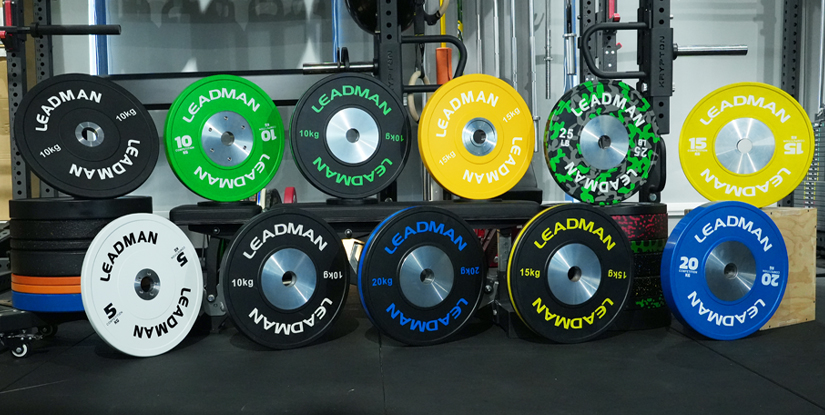
To assist in your procurement process, we have compiled this weightlifting equipment guide comparison. This table highlights how different olympic weightlifting plates perform across varying levels of impact and precision requirements.
Table: Comparing Plate Types by Durability and Precision
| Plate Type | Precision Level | Impact Resistance | Best Use Case |
|---|---|---|---|
| Standard Rubber Bumper | Moderate | High | General strength training and high-volume CrossFit |
| Competition Bumper | Very High | High | Professional weightlifting meets and technical training |
| Cast Iron/Steel Plate | High | Low (Brittle) | Static lifting and bodybuilding environments |
| Hybrid/Training Plate | Moderate | Medium | Commercial gyms with mixed training modalities |
When evaluating bumper plate durability, always consider the density of the rubber. High-density plates offer the best long-term training progression support, as they maintain their shape and calibration even after heavy, repetitive drops on hard surfaces.
Understanding Material Composition and Bumper Plate Durability
When sourcing for a commercial facility, the most common oversight is ignoring the internal density of the weight. Low-grade imitations often utilize recycled fillers or inconsistent rubber blends that crack under repeated stress. In contrast, premium olympic weightlifting plates are engineered with high-density rubber to ensure structural integrity. This density is the primary driver of bumper plate durability; it dictates whether a plate maintains its shape or begins to deform and "flat-spot" after months of heavy drops.
Beyond the plate itself, the quality of the material directly influences impact absorption. High-quality rubber dissipates kinetic energy effectively, protecting both the barbell and the subfloor from catastrophic damage. For distributors and gym owners, investing in superior density reduces long-term replacement costs and maintenance headaches.
| Material Profile | Impact Absorption | Longevity Expectation | Best Use Case |
|---|---|---|---|
| High-Density Rubber | Excellent/Consistent | High (Multi-year) | Professional Weightlifting Gyms |
| Standard Recycled Rubber | Moderate/Variable | Medium | General Fitness Studios |
| Low-Grade Composite | Poor/Brittle | Low | Light Home/Budget Use |
Selecting the correct barbell plate types requires a nuanced understanding of how different materials interact with your training environment. As a fundamental part of any professional weightlifting equipment guide, we must emphasize that material choice is not just about cost, but about long-term wear and floor protection. In high-traffic commercial settings, the ability of a plate to rebound without shedding fragments or cracking is a non-negotiable quality standard.
When evaluating your inventory, consider the specific demands of your facility. A specialized lifting platform requires much higher rubber density than a standard cardio zone to prevent surface degradation. By choosing high-grade olympic weightlifting plates, you are effectively mitigating the risk of premature equipment failure and reducing the frequency of turnover in your weight room. Whether you are outfitting a boutique strength club or a large-scale training center, prioritizing material density ensures your investment withstands the rigors of heavy, repetitive drops while maintaining consistent impact absorption.
A critical factor in long-term training progression is the consistency of the load. Substandard manufacturing often results in uneven internal densities, leading to poor weight distribution across the plate. This lack of precision can cause the barbell to tilt or oscillate during complex movements, potentially compromising an athlete's form and safety. High-quality manufacturing processes ensure that each plate meets strict tolerances, providing the consistent center of gravity required for advanced lifting.
Furthermore, the relationship between material quality and training longevity cannot be overstated. When a facility invests in premium olympic weightlifting plates, they are essentially purchasing stability. Unlike budget alternatives that suffer from rapid degradation, professional-grade equipment maintains its structural integrity even under high-volume usage. For procurement specialists and gym owners, prioritizing these high-standard barbell plate types minimizes the need for frequent re-ordering and ensures that the equipment remains a reliable asset for years of heavy-duty training.
Navigating the Spectrum of Barbell Plate Types for Diverse Training Needs
When sourcing equipment for a new facility or upgrading an existing gym, the initial temptation is often to select the lowest price point available. However, understanding the economic spectrum of barbell plate types is critical to avoiding the hidden costs of frequent replacements. In the world of professional strength training, you are essentially choosing between a short-term savings model and a long-term value investment.
The market offers a wide range of olympic weightlifting plates designed for different training environments. On one end, you have entry-level options suitable for light-duty home setups or low-impact studios. On the other end, high-performance bumper plate durability is a non-negotiable requirement for commercial weightlifting halls and competitive platforms. Navigating the budget vs performance divide requires looking beyond the unit price to consider how each plate handles high-volume drops and daily wear. Choosing the right tier ensures your capital expenditure supports sustainable growth rather than constant maintenance cycles.
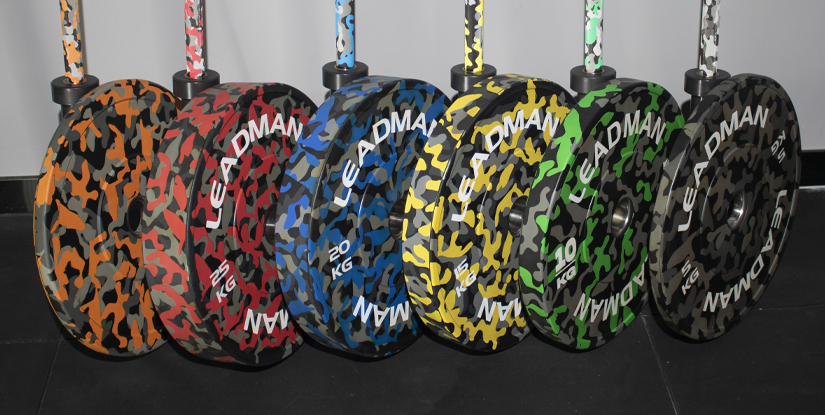
To make an informed procurement decision, you must weigh the upfront investment against the projected cost-per-use. While a cheaper plate may look attractive on a single invoice, its true cost is realized when it cracks or degrades prematurely under heavy usage. This weightlifting equipment guide provides a high-level comparison to help you visualize how different materials impact your long-term operational budget and maintenance requirements.
| Plate Material | Durability Level | Primary Use Case | Economic Profile |
|---|---|---|---|
| Rubber Bumper | High | CrossFit & Olympic Training | Moderate Initial Cost; High Longevity |
| Urethane | Extreme | High-Traffic Commercial Gyms | Higher Upfront Cost; Lowest Replacement Frequency |
| Cast Iron | Moderate | Bodybuilding & Standard Lifting | Low Initial Cost; High Impact Risk |
When evaluating olympic weightlifting plates, remember that high-end urethane options offer superior bumper plate durability, effectively protecting your flooring and reducing long-term facility repair costs. Selecting the appropriate tier allows you to balance your current capital constraints with the necessity for equipment that can withstand years of rigorous, high-volume training.
Effective budget allocation is not about finding the cheapest olympic weightlifting plates; it is about maximizing your long-term training progression. A strategic gym setup requires a shift in mindset from viewing equipment as a one-time expense to viewing it as a foundational investment. While lower-tier options may lower your initial procurement costs, they often lead to higher total cost of ownership through frequent replacements and damaged flooring.
To optimize your ROI, prioritize high-quality bumper plate durability for high-impact zones where heavy drops are frequent. By investing more upfront in premium materials, you reduce the frequency of re-ordering and minimize downtime caused by equipment failure. This approach ensures that your weightlifting equipment guide focuses on sustainable growth, allowing your facility to scale without the constant burden of replacing worn-out gear.
Optimizing Your Weight Room Layout and Storage Solutions
Efficient floor management is a critical consideration when sourcing high-quality olympic weightlifting plates for a commercial facility. The physical profile of your equipment dictates not just the training capacity, but the actual footprint of your facility. Depending on the barbell plate types you select—such as standard rubber bumper plates versus ultra-slim competition plates—your storage requirements will shift significantly.
For high-traffic gyms, space efficiency is often the difference between a cluttered, hazardous environment and a professional training floor. When planning your layout, consider the distinction between vertical vs. horizontal storage. While horizontal plate trees are stable, they consume significant floor area. Conversely, vertical weight trees or wall-mounted racks utilize height to keep the lifting area clear. When negotiating with suppliers, ensure you account for the thickness of the plates in your storage math; thinner, high-density plates allow for more weight on a single bar and more compact storage density, maximizing every square foot of your investment.
Selecting the appropriate storage method depends heavily on your inventory volume and the specific bumper plate durability requirements of your facility. A mismatch between your weight collection and its housing can lead to premature wear on both the plates and the floor. To help you plan your facility layout, we have compared the three most common industry standards below.
| Storage Method | Space Footprint | Accessibility | Durability & Stability |
|---|---|---|---|
| Weight Tree | Moderate (Requires Floor Area) | High (Easy for rapid changes) | Excellent (Best for heavy loads) |
| Wall Mount | Minimal (Utilizes Verticality) | Moderate (May require lifting) | High (Requires secure mounting) |
| Floor Rack | Large (Wide footprint) | Very High (Ideal for high-volume) | Moderate (Subject to floor load) |
When reviewing a olympic weightlifting plates, a heavy-duty weight tree provides the best structural integrity for high-frequency commercial use, ensuring your facility remains organized and safe as your inventory grows.
Beyond mere organization, the physical integrity of your equipment directly impacts your facility's overhead costs. Investing in premium weightlifting equipment guide standards means prioritizing bumper plate durability to protect your infrastructure. Low-grade rubber often suffers from uneven compression or "dead spots," which can lead to erratic bounces and, more critically, significant floor protection issues. Over time, poorly manufactured plates can cause subfloor deformation or cracks in high-impact zones.
A high-quality selection ensures a predictable, controlled drop, which is essential for maintaining a professional long-term training environment. By sourcing plates with consistent density and high-grade vulcanized rubber, you minimize the risk of debris or material degradation that creates a messy, unpolished look. Ultimately, a well-maintained, organized weight room—where the equipment respects the floor and the layout remains unobstructed—reduces long-term maintenance liabilities and enhances the premium feel of your commercial space.
Managing International Logistics and Total Landed Costs
When sourcing high-quality olympic weightlifting plates for a commercial facility, the sticker price per unit is often a deceptive metric. Professional buyers must look beyond the factory quote to understand the total landed cost. Because these products are exceptionally dense and heavy, the logistics strategy can drastically shift your procurement budget. Unlike lighter fitness accessories, the sheer mass of barbell plate types means that freight costs are driven primarily by actual weight rather than just volume.
However, the complexity increases when calculating shipping density. If your order includes a mix of different barbell plate types or bulky packaging, you may encounter volumetric weight surcharges. This occurs when the space occupied in a container is disproportionate to the actual weight, a common trap in a weightlifting equipment guide for new importers. To protect your margins, we recommend optimizing your container load by nesting plates or selecting standardized pallet configurations. Failing to account for these variables can lead to unexpected overhead that erodes the perceived savings of wholesale sourcing.
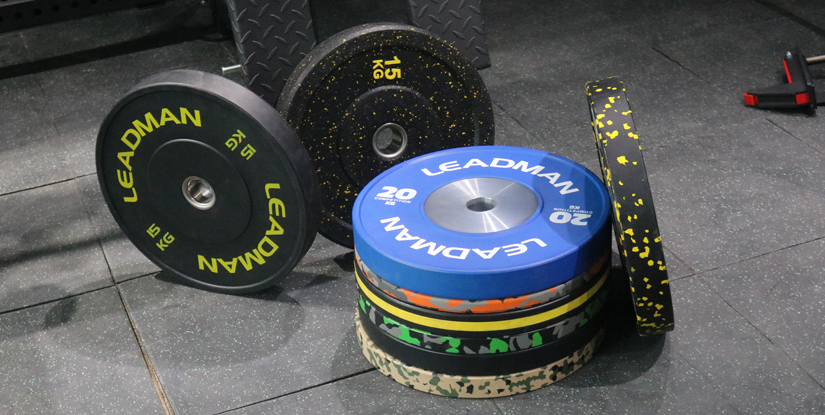
Optimizing your procurement budget requires a strategic choice between immediate savings and long-term bumper plate durability. While low-cost, low-density rubber options may seem attractive initially, they often lack the structural integrity required for high-traffic commercial environments, leading to frequent replacement cycles. In this weightlifting equipment guide, we emphasize that a higher initial investment in premium olympic weightlifting plates typically yields a much lower cost-per-use over several years of heavy training.
From a logistics standpoint, the method of transport significantly dictates your final landed cost. When ordering in large volumes, choosing a Full Container Load (FCL) is generally more cost-effective for heavy items, as it maximizes the weight-to-space ratio and provides better protection for the cargo. Conversely, Less than Container Load (LCL) shipping might serve smaller boutique studios, but it often introduces higher risks of damage and unpredictable surcharges. By balancing budget vs long-term value and selecting the right shipping container strategy, professional buyers can ensure their facility remains both high-performing and economically sustainable.
Beyond freight rates, the most significant hidden cost in international procurement is the risk of arriving at a damaged facility. High-quality olympic weightlifting plates are heavy, dense, and subject to intense kinetic energy during movement. If the manufacturer lacks rigorous packaging integrity, even the most durable barbell plate types can suffer from edge deformation, surface cracking, or structural compromise during sea transit. This is not merely a cosmetic issue; physical damage often leads to weight inaccuracies, which undermines the professional standard of a commercial gym.
Prioritizing Packaging Integrity for Long-Term Value
To ensure your long-term investment remains intact, we advise vetting suppliers based on their transit damage prevention protocols. This includes the use of reinforced heavy-duty pallets, moisture-resistant wrapping to prevent oxidation on metal cores, and standardized crate dimensions that minimize shifting within a container. While premium bumper plate durability is essential for the gym floor, it must be matched by robust shipping standards to ensure the product reaches your loading dock in factory-spec condition. Investing in superior protection at the source is always more cost-effective than dealing with the logistical headache of damaged, unusable inventory upon arrival.
Implementation checklist for buyers
When sourcing for a commercial facility, the temptation to prioritize low upfront costs can lead to significant hidden expenses. To truly understand the value of your procurement, you must look beyond the initial invoice and apply a cost-per-use concept. High-quality olympic weightlifting plates are engineered to withstand thousands of high-velocity drops, whereas budget alternatives often suffer from premature cracking or uneven density shifts.
A professional weightlifting equipment guide should emphasize that the true expense of cheap barbell plate types isn't just the replacement frequency, but the secondary damage they cause. Inferior bumper plate durability often results in unpredictable bounce patterns and excessive vibration, which significantly shortens impact on floor longevity. This can lead to costly repairs or complete replacement of specialized rubber flooring. When evaluating your inventory, consider that premium, high-density rubber provides a much higher return on investment by protecting your facility's infrastructure and ensuring a consistent, safe training environment for your members over several years of heavy usage.
To assist in your procurement decision, we have categorized the most common barbell plate types based on their functional utility and long-term economic impact. Choosing the wrong material for your specific training environment can lead to unnecessary maintenance or premature equipment failure.
| Plate Type | Primary Use | Durability Level | Floor Impact | Best For |
|---|---|---|---|---|
| Bumper Plates | Olympic Lifting & High-Drop Training | High (High-Density Rubber) | Low (Shock Absorbing) | Commercial Gyms & CrossFit Boxes |
| Cast Iron Plates | Strength Training & Powerlifting | Extreme (Rigid/Static) | High (Hard Surface) | Home Gyms & Budget-Conscious Studios |
| Hybrid Plates | Versatile Strength & Conditioning | Moderate to High | Medium | Multi-purpose Training Facilities |
When auditing your next order, remember that olympic weightlifting plates made of high-grade, virgin rubber offer superior bumper plate durability compared to recycled blends. While the initial investment may be higher, the reduction in floor replacement costs and equipment turnover provides a significantly better ROI for high-traffic commercial environments.
Before finalizing your bulk shipment, perform a final quality audit to ensure your investment meets international standards. A rigorous procurement process involves more than just verifying weight; it requires a technical inspection of the physical properties that dictate long-term performance.
Final Quality Audit Checklist
To avoid the common pitfalls of low-grade olympic weightlifting plates, we recommend verifying these four critical technical benchmarks during your sampling or inspection phase:
- Rubber Density & Uniformity: Ensure the material is consistent throughout the plate. High-density rubber prevents "dead spots" and ensures a predictable bounce, which is essential for professional-grade bumper plate durability.
- Tolerance Levels: Check that the weight deviation is within strict professional margins (typically <1%). Inconsistent barbell plate types can lead to unbalanced bars, affecting athlete safety and precision.
- Grip & Color Consistency: Verify that the color is uniform across the entire batch and that the center ring provides a consistent grip for easy loading and unloading.
- Maintenance & Longevity: Confirm the material is resistant to UV exposure and temperature fluctuations to minimize long-term maintenance needs in diverse climates.
By adhering to this weightlifting equipment guide, you mitigate the risk of receiving substandard goods that could compromise your facility's reputation and operational budget.