Why Olympic Metal Weight Plates Are Essential for Strength
The Economic Logic of High-Density Strength Training Inventories
When scaling a fitness facility or upgrading a professional training studio, procurement decisions often hinge on balancing immediate capital expenditure against operational longevity. Savvy buyers must evaluate three critical checkpoints: the risk of frequent replacement cycles, the precision of weight specifications, and the logistical footprint of the inventory. Choosing low-grade alternatives might lower the initial invoice, but the hidden costs of rapid wear and imprecise calibration can disrupt a facility's professional standard and bottom line.
Investing in premium olympic metal weight plates offers a superior long-term ROI compared to budget-friendly composite options. Because high-quality iron weight plates are engineered for extreme durability, they withstand the rigorous impact of heavy barbell drops without the structural degradation common in cheaper materials. Furthermore, the high density of these strength training equipment essentials ensures maximum space efficiency; you can stack significantly more weight in a smaller footprint, optimizing your floor plan. For distributors and gym owners, this translates to a more resilient inventory that maintains its value and utility through years of heavy usage.
To assist in your procurement planning, we have categorized common inventory configurations. This comparison helps determine whether your facility requires the density of cast iron or the versatility of specialized olymbic barbell accessories. Selecting the right profile depends on your specific operational scale and the intended intensity of your training environment.
| Inventory Type | Space Requirements | Durability Profile | Est. Cost-per-Year | Ideal User Type |
|---|---|---|---|---|
| Standard iron weight plates | Minimal (High Density) | Extremely High | Very Low | Commercial Gyms & Powerlifting Hubs |
| Bumper Plate Sets | Moderate (Bulkier) | High (Impact Focused) | Moderate | CrossFit & High-Impact Studios |
| Hybrid strength training equipment | Variable | Moderate | Variable | Boutique Studios & Home Gyms |
When sourcing olympic metal weight plates, prioritize density to maximize your floor utility. While bumper plates offer impact absorption, high-quality cast iron remains the most cost-effective solution for high-traffic commercial environments where space and longevity are the primary drivers of profitability.
Beyond the physical durability of individual units, the true strategic advantage of a high-quality inventory lies in the power of standardization. For facility managers and distributors, managing a diverse catalog of non-standardized components often leads to a logistical nightmare of mismatched parts and wasted storage. By prioritizing a uniform set of olympic barbell accessories, you simplify your inventory management and ensure that every piece of strength training equipment in your facility communicates seamlessly with the next.
Optimizing Scalability and Supply Chain Fluidity
A standardized approach to sourcing olympic metal weight plates provides the necessary scalability to expand your facility without friction. Whether you are adding a single power rack or an entire strength zone, having a consistent diameter and center-hole specification allows for rapid expansion. This predictability minimizes the risk of SKU fragmentation and ensures that your procurement cycles remain predictable. When your inventory follows a strict global standard, you reduce the overhead associated with sourcing specialized replacements, allowing your business to scale its capacity while maintaining a lean, efficient operational footprint.
Why Iron Weight Plates Remain the Standard for Commercial Durability
In high-traffic fitness facilities, equipment undergoes constant mechanical stress. While modern polymers have their place, professional gym owners frequently prioritize olympic metal weight plates due to their unmatched structural resilience. Unlike lighter alternatives that may degrade or deform under heavy use, iron weight plates are engineered to withstand the rigors of high-volume usage without losing their dimensional accuracy.
For distributors and facility managers, this durability translates directly into a long-term investment. When sourcing strength training equipment for a commercial setting, the goal is to minimize replacement cycles. High-quality cast iron provides a consistent density and a robust profile that remains stable even after years of being dropped or loaded onto bars. By selecting premium olympic metal weight plates, you ensure that your facility maintains a professional standard of reliability, reducing the frequency of maintenance and ensuring the longevity of your strength training zones.
Understanding the long-term maintenance requirements of your facility is critical for operational efficiency. While rubber-coated or polymer options offer certain benefits, they often suffer from surface degradation or scent issues over time. In contrast, high-grade iron weight plates are virtually indestructible, provided they are kept in a controlled environment. The primary concern with metal is surface oxidation, but this is easily managed with basic upkeep, making them a staple in high-performance strength training equipment catalogs.
To help you decide which material fits your specific operational model, we have provided a quick durability comparison below. This looks at how different materials handle the inevitable wear and tear of a commercial gym environment.
| Material Type | Typical Lifespan | Maintenance Effort | Best Use Case |
|---|---|---|---|
| Olympic Metal Weight Plates | Decades | Low (Occasional cleaning) | Commercial Gyms & Heavy Lifting |
| Rubber Coated Plates | Moderate | Medium (Surface care) | Standard Fitness Clubs |
| Polymer/Bumper Plates | Variable | High (Deformation risk) | CrossFit & High-Impact Zones |
When selecting your olympic barbell accessories, prioritizing metal ensures that your capital expenditure yields the highest possible return through extended service life and minimal downtime.
Beyond material longevity, the physical footprint of your equipment is a critical factor in facility management. One of the most significant advantages of opting for olympic metal weight plates is their inherent space-saving capability. Because metal provides a much higher density than polymer or bumper alternatives, you can achieve significantly higher load capacities on a single barbell without the excessive bulk. This allows for a more compact storage solution, which is essential when managing floor space in premium training centers.
For facility designers, this efficiency means that specialized storage racks for olympic barbell accessories can be smaller and more streamlined. Instead of sprawling, oversized plate trees, you can utilize vertical storage systems that maintain professional gym standards and keep your lifting zones organized. By optimizing the ratio of weight to volume, you maximize your usable square footage, allowing for more diverse training stations within a limited footprint. This strategic approach to equipment selection ensures that your facility remains both functional and aesthetically professional.
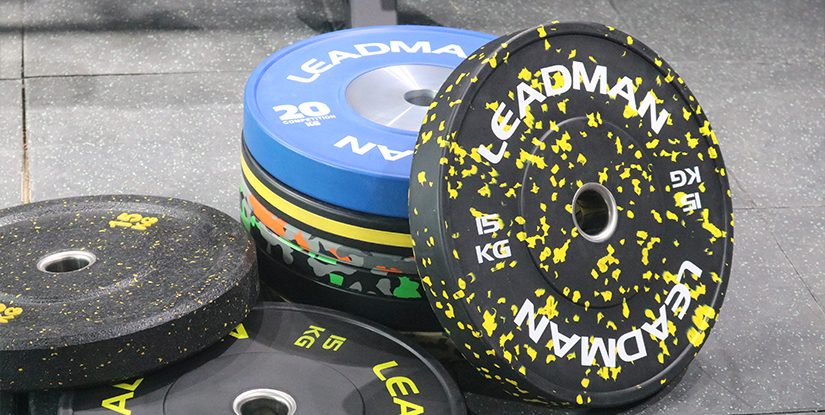
Optimizing Floor Space with Precision-Engineered Olympic Barbell Accessories
Efficient facility management relies heavily on the standardized dimensions of your equipment. High-quality olympic metal weight plates are engineered with a consistent 50mm center hole, ensuring they fit perfectly onto standard bars and, more importantly, onto professional-grade storage solutions. This uniformity allows gym owners and distributors to maximize their facility's footprint by utilizing specialized vertical storage systems. Whether you are outfitting a boutique studio or a high-traffic commercial facility, the ability to stack iron weight plates securely prevents floor clutter and reduces trip hazards.
When sourcing olympic barbell accessories, consider how different storage methods impact your operational flow. A well-organized training environment not only looks professional but also extends the lifespan of the equipment by preventing unnecessary contact with the floor.
| Storage Method | Space Efficiency | Best Use Case | Durability Factor |
|---|---|---|---|
| Barbell Tree | High | Active training areas | Excellent for heavy iron weight plates |
| Vertical Plate Trees | Maximum | Small footprint/Tight corners | Optimized for vertical storage |
| Wall-Mounted Racks | Extreme | Minimalist or compact gyms | Reduces floor obstruction |
By prioritizing standardized olympic metal weight plates, you ensure that your inventory remains compatible with a wide range of professional organizational tools, maintaining a streamlined and professional organized training environment.
Selecting the right configuration depends largely on whether you are managing a compact home gym or a high-volume commercial gym. For smaller setups where every square inch of floor space counts, wall-mounted racks are often the superior choice, as they lift the weight off the ground and clear pathways for movement. However, for facilities requiring high storage density and rapid access during peak hours, a heavy-duty weight plate tree offers better mobility and stability for large volumes of iron weight plates.
When procurement specialists evaluate strength training equipment, they must account for the long-term logistical impact of these choices. A vertical tree allows for quick transitions between exercises, while wall-mounted systems minimize the facility's overall footprint. Ultimately, matching your olympic barbell accessories to your specific spatial constraints ensures a safer, more professional environment that remains organized even during the most intense training sessions.
Beyond mere organization, the long-term value of high-quality strength training equipment lies in its ability to maintain a consistent professional aesthetic over years of heavy use. Unlike lower-grade alternatives that may warp or degrade, premium olympic metal weight plates are built for extreme durability. This resilience is crucial for maintaining a clean, high-end look in a commercial setting, as even slight imperfections in weight profiles can lead to a disorganized or neglected appearance.
Investing in standardized sets facilitates superior long-term organization. When your inventory consists of uniform, high-density plates, they stack with precision, preventing the chaotic pile-up often seen with substandard gear. This precision leads to minimal clutter, ensuring that your facility remains visually sharp and operationally efficient. For distributors and gym owners, choosing robust metal options is a strategic move to reduce replacement frequency and uphold a premium brand image through a meticulously maintained training environment.
Comparing Material Longevity: Iron vs. Alternative Formulations
When outfitting a high-traffic facility, the total cost of ownership matters far more than the initial sticker price. While polymer or composite options may offer a lower entry cost, they often lack the structural integrity required for professional environments. In contrast, olympic metal weight plates are engineered to withstand the rigors of heavy lifting and constant movement. The inherent durability of iron weight plates ensures they can endure years of heavy drops and rigorous use without the cracking or warping common in cheaper alternatives.
For gym owners and distributors, choosing metal over synthetic materials is a strategic long-term investment. High-intensity training sessions demand high-impact resistance that only high-grade iron can consistently provide. By selecting robust olympic metal weight plates, you reduce the frequency of replacement cycles and minimize maintenance downtime. This reliability makes them an essential component of premium strength training equipment, providing a stable, dependable foundation for athletes while protecting your bottom line.
To better understand how this investment scales over time, we have outlined a comparison between standard iron weight plates and common synthetic alternatives. This breakdown highlights why metal remains the standard for professional-grade strength training equipment.
| Feature | Olympic Metal Weight Plates | Polymer/Composite Options |
|---|---|---|
| Lifespan | Decades of heavy use | Moderate (prone to wear) |
| Maintenance | Minimal (occasional cleaning) | Higher (surface degradation) |
| Budget vs. Longevity | High upfront/High ROI | Low upfront/Lower ROI |
| Impact Resistance | Extreme (ideal for heavy drops) | Variable (risk of cracking) |
While synthetic options might seem attractive for budget-conscious setups, they often fail to meet the rigorous standards of a commercial environment. When sourcing olympic barbell accessories, the goal is to build a kit that survives the test of time. Choosing high-quality metal ensures that your facility remains operational and your equipment stays in peak condition, regardless of how intense the training sessions become.
Ultimately, the decision to invest in metal over plastic is a calculation of cost-per-use. For both home gym enthusiasts and large-scale facility managers, the goal is to acquire strength training equipment that survives high-volume training cycles without requiring frequent replacement. Because olympic metal weight plates maintain their structural integrity even under extreme impact, they provide a significantly higher return on investment compared to lighter, more fragile alternatives.
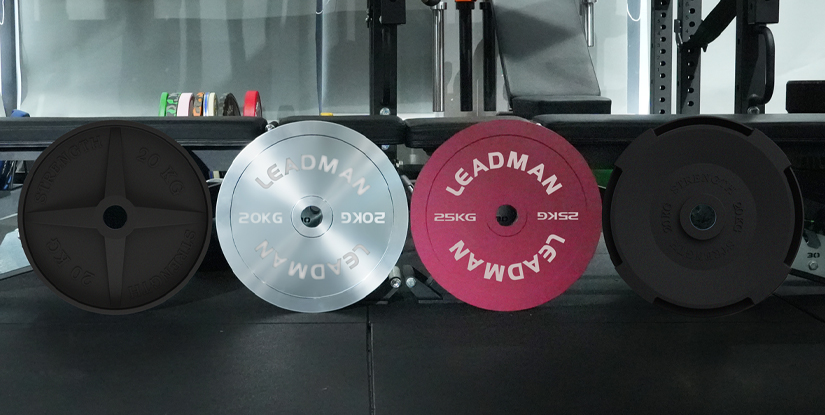
Whether you are sourcing a single set for a personal garage gym or a full shipment of olympic barbell accessories for a commercial distribution project, prioritizing metal ensures a professional standard of performance. By opting for the density and resilience of iron, you avoid the hidden costs of equipment turnover and degradation. In the long run, the reliability of these heavy-duty components establishes a more stable and cost-effective foundation for any serious lifting environment.
Sourcing High-Tolerance Plates for Professional Strength Training Equipment
When outfitting a commercial facility, the difference between a premium experience and a mediocre one lies in the microscopic details of manufacturing. For serious lifters, even a slight imbalance can disrupt a heavy set or cause uneven wear on expensive olympic barbell accessories. This is why sourcing olympic metal weight plates requires a strict focus on precision casting and manufacturing standards.
Top-tier iron weight plates must adhere to high-tolerance specifications to ensure absolute weight consistency across every single unit in a shipment. If one side of a barbell weighs slightly more than the other due to poor quality control, it creates lateral instability that can lead to injury and premature fatigue of the equipment. As a buyer or distributor, prioritizing manufacturers that utilize advanced molding techniques ensures that your strength training equipment remains balanced, durable, and reliable under the most intense training conditions.
Selecting the appropriate material is not just a matter of budget; it is a strategic decision regarding long-term maintenance and operational efficiency. Depending on your gym's environment—whether it is a high-traffic commercial center or a specialized garage gym—the choice between different metal compositions will dictate the lifespan of your strength training equipment. For instance, while standard cast iron is incredibly rugged, specialized coatings or different alloy compositions can significantly impact how the plates interact with your flooring and other olympic barbell accessories.
To help you navigate these procurement decisions, we have outlined a comparison of common metal options below. This guide focuses on the practical trade-offs between durability, noise, and intended use cases.
| Material Type | Durability | Noise Level | Best For |
|---|---|---|---|
| Standard Cast Iron | Extremely High | High (Metallic Clang) | Budget-conscious commercial gyms & heavy lifting |
| Powder-Coated Iron | High (Corrosion Resistant) | Moderate | Home gyms & high-humidity environments |
| Machined Steel | Maximum Precision | Moderate | Professional competition & precision training |
When sourcing olympic metal weight plates, always consider the ambient environment. A facility with high humidity may require coated iron weight plates to prevent oxidation, whereas a high-volume powerlifting gym might prioritize the raw, indestructible nature of standard cast iron to ensure maximum longevity.
Beyond the initial purchase, the long-term value of your investment depends heavily on how your facility manages routine upkeep. Even the highest quality olympic metal weight plates require strategic care to prevent environmental degradation. To maximize the longevity of your inventory, we recommend implementing strict storage tips, such as keeping equipment in climate-controlled environments to avoid moisture buildup. For facilities in humid regions, prioritizing rust prevention through regular inspection is vital; a light application of a specialized metal protectant can prevent surface oxidation before it compromises the structural integrity of the plates.
Furthermore, organized storage tips, such as utilizing dedicated plate trees or heavy-duty racks, prevent unnecessary friction and impact. Proper stacking ensures that your olympic barbell accessories and plates do not suffer from surface chipping or deformation over time. By maintaining a disciplined maintenance schedule, distributors and gym owners can ensure their strength training equipment remains in peak condition, reducing replacement frequency and protecting the long-term ROI of their procurement decisions.
Logistical Considerations for Bulk Metal Weight Shipments
When sourcing high-quality strength training equipment, the physical reality of weight becomes your primary logistical challenge. Unlike lighter accessories, olympic metal weight plates possess a high density that significantly impacts the total shipping weight of any container. For gym owners and distributors, failing to account for this density can lead to unexpected budget overruns during the procurement process.
Effective procurement requires a deep understanding of how bulk orders influence freight costs. Because these items are heavy and compact, optimizing pallet density is essential to maximize your shipping value. We recommend working with suppliers who prioritize the durability of packaging; specialized reinforced crates and heavy-duty pallets are non-negotiable to prevent damage during long-haul transit. By coordinating closely with your manufacturer regarding container load optimization, you can mitigate the rising costs of international freight and ensure your iron weight plates arrive at your facility in pristine, ready-to-use condition.
To optimize your procurement strategy, you must align your shipping method with your facility's scale and budget. Choosing between ocean freight for massive inventory replenishments or air freight for urgent, smaller updates to your olympic barbell accessories can drastically change your landed cost per unit. Below, we have outlined common logistics scenarios to help you navigate the complexities of global transit for olympic metal weight plates.
| Shipping Method | Typical Use Case | Cost Impact | Delivery Speed | Weight Considerations |
|---|---|---|---|---|
| Sea Freight (LCL/FCL) | Full gym build-outs or major inventory restocks | Lowest per-unit cost | Slowest (Weeks/Months) | High density; requires heavy-duty palletization |
| Air Freight | Urgent replenishment of specialized iron weight plates | Highest per-unit cost | Fastest (Days) | Strict weight limits; high volumetric sensitivity |
| Express Courier | Small samples or boutique strength training equipment sets | Moderate to High | Rapid (1-2 Weeks) | Often limited by individual parcel weight caps |
When planning your next shipment, always request a detailed packing list from your supplier. Understanding the exact breakdown of weight and volume will allow you to better forecast your total landed cost and manage warehouse intake efficiently.
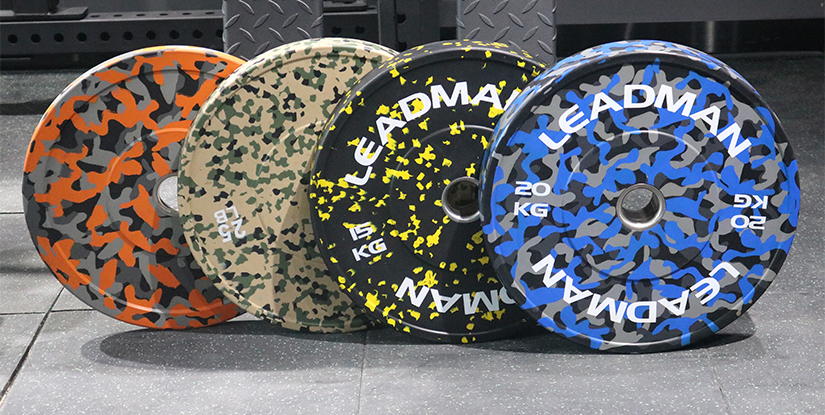
Beyond the initial freight selection, the integrity of your shipment depends heavily on rigorous quality assurance protocols during the loading phase. Because iron weight plates are exceptionally dense and prone to surface scuffing if mishandled, a standardized inspection process is vital before any container is sealed. We advise distributors to ensure their manufacturing partners implement a strict quality control checklist that covers not just the weight accuracy, but also the finish and coating integrity of the olympic metal weight plates.
A common pitfall in global sourcing is overlooking the necessity of professional handling during the transition from factory to port. Without robust internal bracing and high-grade protective layering, heavy loads can shift, leading to significant transit damage or even structural deformation of the pallets. To protect your investment, verify that your supplier utilizes reinforced steel or heavy-duty timber pallets designed specifically for high-density strength training equipment. This proactive approach to quality assurance ensures that when your shipment reaches its destination, the products are ready for immediate deployment without the need for costly returns or replacements.
Selecting the Right Weight Profile for Your Facility Type
When evaluating the procurement budget for a new facility, the initial outlay for olympic metal weight plates can seem significant compared to budget-friendly alternatives. However, professional buyers must look beyond the sticker price to calculate the true return on investment. Choosing high-quality iron weight plates is a strategic decision centered on durability and operational longevity.
For a home gym vs commercial gym comparison, the economic logic shifts. A home enthusiast might prioritize low entry costs, but for high-traffic commercial environments, the long-term value of heavy-duty steel or cast iron is undeniable. In a commercial setting, frequent drop sets and heavy usage can degrade lower-grade equipment, leading to high replacement costs and downtime. By investing in premium olympic metal weight plates, facility owners reduce the frequency of reordering and minimize maintenance issues.
Ultimately, the goal is to select strength training equipment that survives the rigors of daily use. While the upfront cost of premium iron weight plates may be higher, the extended lifecycle ensures a much lower total cost of ownership, making them the most cost-effective choice for professional fitness providers.
To optimize your procurement strategy, it is essential to match your facility's specific load requirements with the appropriate grade of olympic metal weight plates. A one-size-fits-all approach often leads to premature wear or unnecessary expenditure. For instance, while high-end rubberized finishes are popular for sound reduction, standard iron weight plates offer superior density and a more compact profile, which is critical for maximizing storage space in high-density training zones.
When sourcing olympic barbell accessories, consider how your users interact with the gear. A boutique studio focusing on precision lifting has different capital requirements than a high-volume strength club. Use the following guide to align your budget with your operational reality:
| Facility Type | Primary Driver | Recommended Plate Style | Maintenance Level |
|---|---|---|---|
| Boutique/Home Studio | Aesthetics & Noise | Coated/Rubberized Iron | Low |
| Commercial Strength Club | Durability & Volume | Standard Cast Iron | Moderate |
| Performance/CrossFit Box | Impact Resistance | Heavy-Duty Steel/Bumper Mix | High |
Selecting the right strength training equipment based on these profiles ensures that your capital expenditure translates into long-term reliability rather than frequent replacement cycles.
Strategic Procurement and Scaling Capacity
A sophisticated investment strategy requires looking beyond the immediate purchase order to consider how your inventory will evolve. When building out a facility, your initial order of olympic metal weight plates should serve as a foundation for scaling equipment as your membership grows. Rather than purchasing fragmented or low-grade sets that lack uniformity, prioritize a consistent manufacturing standard to ensure seamless expansion.
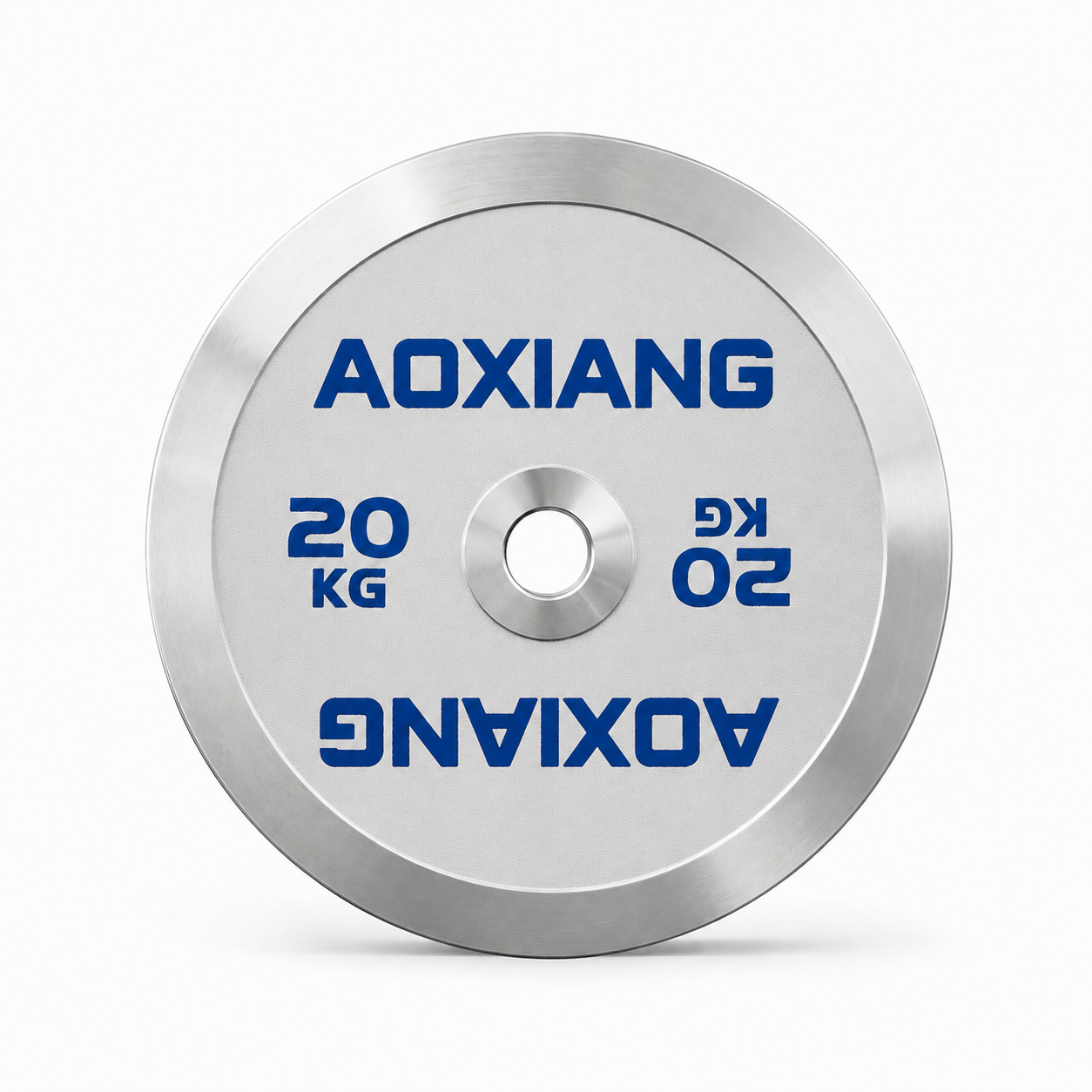
Maintaining quality consistency is the hallmark of a professional facility. As you add more olympic barbell accessories and heavier denominations to your racks, any discrepancy in plate thickness or weight tolerance can disrupt the user experience and compromise barbell balance. By sourcing high-spec iron weight plates from a reliable manufacturer, you ensure that a 20kg plate purchased today will perfectly match the specifications of a set added two years from now. This foresight prevents the logistical headache of mismatched equipment and ensures your strength training equipment remains a cohesive, high-performance asset for the long term.