what is the difference between bumper plates and Guide
High-Traffic Deployment: Selecting the Right Plate Type for Facility Layouts
When planning a high-performance training zone, procurement managers must look beyond individual unit costs to evaluate how plate thickness affects long-term facility layout and operational flow. A critical assessment involves balancing the risk of bar loading limits, the technical specifications of the weight increments, and the logistics of managing bulk inventory. In many commercial settings, the choice between rubber bumper plates and thinner competition-style plates dictates how much equipment can actually fit on a single barbell, which directly impacts the density of your training area.
For high-traffic deployment in functional fitness or CrossFit-style gyms, rubber bumper plates are often the standard due to their ability to absorb impact and protect the subfloor. However, because these plates are typically thicker to accommodate the rubber density, they consume more linear space on the barbell sleeve. This increased thickness can limit the total weight a client can load, potentially creating a bottleneck in heavy lifting zones. Conversely, prioritizing space efficiency by utilizing slimmer profiles allows for higher weight capacities, but requires a more robust flooring solution to mitigate vibration and noise. Optimizing your facility layout requires a strategic mix of both types to ensure that high-volume areas remain both durable and highly functional.
Beyond spatial density, the core of the decision rests on understanding what is the difference between bumper plates and competition plates regarding long-term maintenance and Total Cost of Ownership (TCO). For facility owners, the upfront procurement price is rarely the most significant factor; rather, it is the replacement cycle and the durability of the equipment under constant use. While rubber bumper plates offer superior shock absorption and are essential for high-impact drops, they are subject to wear, such as surface chipping or compression over time, which may require more frequent inspection and eventual replacement.
In contrast, calibrated competition plates are engineered for precision and extreme durability. These plates feature a much thinner profile and a more rigid construction, making them ideal for strength-focused zones where heavy loading is the priority. Because they are built to meet strict tolerance standards, they offer a more consistent feel for the athlete and a higher weight-to-thickness ratio. When calculating TCO, procurement managers should consider that while competition plates may require more specialized flooring to manage impact, their longevity in controlled lifting environments often justifies the initial investment for premium training facilities.
From a professional weightlifting equipment procurement standpoint, the decision-making process must account for the total facility lifespan and the structural integrity of the training environment. Relying solely on a single plate type can lead to uneven long-term wear patterns across your facility. For instance, a heavy reliance on thick, high-impact rubber bumper plates in a limited-space zone may lead to premature sleeve fatigue or insufficient loading capacity for advanced athletes. Meanwhile, an over-reliance on rigid, thin-profile plates without adequate subfloor protection can result in costly structural damage to your flooring systems.
Effective distributors and facility managers should approach bulk orders by categorizing zones based on impact frequency and weight requirements. By diversifying your inventory to include both high-durability rubber and high-precision calibrated options, you mitigate the risk of frequent replacement cycles. This strategic approach ensures that your capital expenditure is optimized, providing a balance between the shock-absorption needs of functional training and the high-load density required for competitive strength environments.
Structural Integrity and Impact Absorption in Rubber Bumper Plates
When sourcing for high-traffic strength and conditioning facilities, the primary concern shifts from simple weight accuracy to long-term asset protection. Unlike the high-density steel or iron used in competition-grade plates, rubber bumper plates are engineered specifically for high-drop environments. The material composition relies on a specialized rubber compound designed to prioritize impact absorption over rigid density. This distinction is critical for facility managers who must account for the total cost of ownership regarding both equipment and flooring maintenance.
In professional weightlifting settings, the constant kinetic energy from dropped barbells can cause significant structural fatigue to subflooring if the wrong equipment is selected. High-quality rubber bumpers act as a shock-absorbing buffer, dissipating force upon impact to preserve floor longevity. While competition plates focus on precision and minimal thickness, bumper plates leverage structural density and elasticity to protect the facility's foundation. For distributors and bulk buyers, specifying the correct rubber grade ensures that the equipment can withstand heavy use without compromising the facility's structural integrity.
To facilitate more efficient procurement decisions, it is essential to understand how these two distinct categories of weight plates perform under different stress levels. While one prioritizes the ability to survive high-velocity drops, the other focuses on maintaining strict dimensional tolerances. For procurement specialists, the following comparison highlights the fundamental differences in material behavior and maintenance requirements.
Bumper vs. Competition Plate Durability
| Metric | Rubber Bumper Plates | Calibrated Competition Plates |
|---|---|---|
| Material Type | High-density vulcanized rubber | Precision-cast steel or iron |
| Impact Tolerance | High (Designed for frequent drops) | Low (Strictly for controlled lifts) |
| Ideal Use Case | CrossFit, HIIT, and Olympic training | Professional lifting meets and strength contests |
| Maintenance Level | Low (Requires occasional surface cleaning) | Moderate (Requires care for precision/coating) |
When evaluating your inventory or client requirements, consider that the calibrated competition plates are sensitive to impact; dropping them can compromise their weight accuracy and surface finish. Conversely, a robust stock of rubber bumpers provides the necessary durability for commercial gyms where equipment turnover and heavy usage are the standard. Choosing the correct specification during the sourcing stage prevents premature replacement costs and ensures long-term reliability for the end-user.
From a procurement standpoint, the distinction between these two categories dictates the long-term TCO (Total Cost of Ownership) for a commercial facility. While calibrated competition plates offer the unmatched precision required for sanctioned events, they are inherently more fragile under uncontrolled stress. A single high-velocity drop can potentially alter the calibration or damage the precision coating, making them a high-maintenance asset in non-specialized environments.
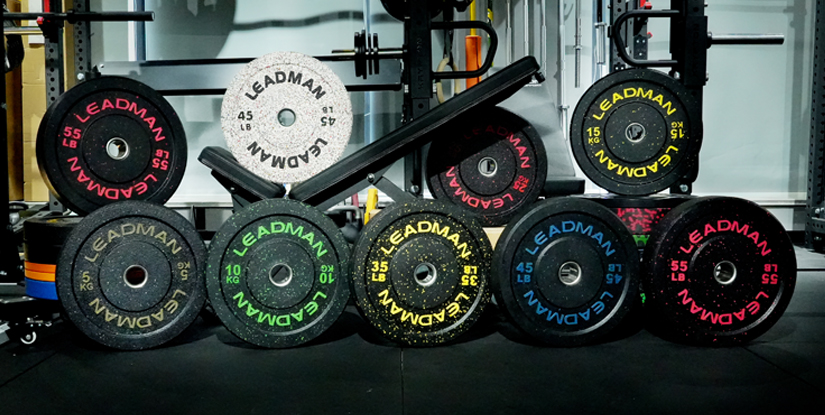
In contrast, high-grade rubber bumper plates are built for high-frequency impact cycles. When managing weightlifting equipment procurement for large-scale distributors or gym chains, prioritizing wear resistance in your rubber selection is vital. A superior rubber compound prevents the "cracking" or "chunking" often seen in lower-quality, mass-produced alternatives. By investing in high-density, vulcanized rubber, buyers ensure the equipment maintains its shape and density over years of heavy usage, effectively protecting the initial capital expenditure. For volume buyers, selecting products with high impact resilience is not just about the weight itself, but about ensuring the longevity of the entire training ecosystem.
Precision Standards and Tolerance Requirements for Calibrated Competition Plates
When evaluating long-term Total Cost of Ownership (TCO), procurement specialists must look beyond the initial unit price and consider the maintenance frequency dictated by manufacturing tolerances. While rubber bumper plates are engineered for impact absorption and high-volume durability, they inherently possess a higher margin for weight fluctuation due to the density variations in rubber compounds. In contrast, calibrated competition plates are manufactured to meet rigorous precision standards, ensuring that weight deviation remains minimal across the entire set.
For high-end strength facilities or professional training centers, the choice between these two impacts your operational overhead. A lack of precision in lower-grade equipment can lead to uneven loading and premature wear on barbell sleeves. Understanding these structural differences allows distributors to better manage client expectations regarding equipment longevity and calibration needs.
| Procurement Factor | Rubber Bumper Plates | Calibrated Competition Plates |
|---|---|---|
| Tolerance Sensitivity | Moderate (Designed for impact) | Extremely Low (Precision focused) |
| Weight Fluctuation | Higher potential variance | Strictly controlled precision |
| Long-term Durability | High (Excellent for drops) | High (Excellent for stability) |
| Maintenance Profile | Surface cleaning/Inspection | Periodic recalibration checks |
To optimize your procurement decision, it is essential to align the equipment specifications with the actual usage environment of your facility. While high-performance training centers prioritize the shock absorption of rubber, professional competition venues require the strict dimensional stability offered by steel-core or high-density precision plates. A clear understanding of these maintenance and structural profiles prevents unexpected replacement cycles and ensures long-term operational efficiency.
| Comparison Factor | Rubber Bumper Plates | Calibrated Competition Plates |
|---|---|---|
| Tolerance Range | ± 2% to 5% (Standard) | ± 10g to 30g (Strictly Calibrated) |
| Surface Material | High-density Vulcanized Rubber | Steel or High-Density Polyurethane |
| Maintenance Needs | Surface cleaning; monitoring for rubber degradation | Occasional weight verification; checking sleeve fit |
| Ideal Use Case | CrossFit, HIIT, and heavy drop training | Strength competitions and precision lifting |
From a sourcing perspective, choosing the correct plate type significantly affects your warehouse logistics and shipping weight calculations. Bumper plates offer more forgiving profiles for high-impact environments, whereas calibrated plates demand more rigorous quality control during the manufacturing stage to ensure every unit meets the specified weight deviation limits.
Navigating the complexities of weightlifting equipment procurement requires a proactive approach to quality assurance, especially when sourcing high-precision items. When placing bulk ordering requests for competition-grade equipment, relying solely on a supplier's word is insufficient; you must demand documented QC inspection protocols. For calibrated sets, the primary concern is thickness consistency and diameter precision, as even minor deviations can compromise the balance of a loaded barbell during high-stakes lifts.
To mitigate the risk of receiving non-compliant shipments, buyers should verify a manufacturer's factory capability regarding calibration verification. A reliable supplier should be able to provide calibration certificates or detailed weight tolerance reports for each production batch. Before finalizing large-scale contracts, request samples to test the dimensional stability and the fit on standard sleeves. Integrating these rigorous inspection standards into your procurement workflow ensures that your facility receives equipment that meets professional standards, rather than just aesthetic expectations.
Optimizing Procurement: Balancing Weight Accuracy and Longevity
When calculating the true cost of a facility upgrade, savvy distributors and gym owners must look beyond the initial unit price and focus on the Total Cost of Ownership (TCO). The distinction between choosing rubber bumper plates and calibrated competition plates often comes down to how your clients actually use the equipment. In high-impact environments like CrossFit boxes or heavy lifting studios, the priority shifts from microscopic precision to structural resilience.
Rubber bumper plates are engineered for maximum durability, designed to absorb kinetic energy during high-volume drops without compromising the floor or the barbell. From a procurement standpoint, these are a long-term investment in operational uptime. While competition plates offer the strict tolerances required for sanctioned events, they are significantly more susceptible to damage in high-traffic settings. By prioritizing shock-absorbent materials for general strength training, you can extend maintenance cycles and reduce the frequency of replacement orders, ensuring a more predictable budget for your clients.
To streamline your weightlifting equipment procurement, use the following framework to determine which specification aligns with your facility's operational demands and budget cycles. The choice between precision and impact resistance directly dictates your long-term replacement frequency and overall cost-per-use.
| Feature/Metric | Rubber Bumper Plates | Calibrated Competition Plates |
|---|---|---|
| Primary Benefit | High impact resistance & durability | Extreme precision & weight accuracy |
| Ideal Use-Case | CrossFit, HIIT, & heavy drop sets | Sanctioned lifting meets & technical training |
| Tolerance Level | Moderate (Designed for durability) | Strict (Calibrated for precision) |
| Maintenance Profile | Low; handles frequent heavy drops | Higher; requires controlled environments |
| Procurement Focus | Maximizing equipment lifespan | Meeting official competition standards |
For most commercial distributors, sourcing high-quality rubber bumper plates offers a more stable ROI due to their ability to withstand rigorous daily use. Conversely, if your business model relies on hosting specialized lifting events, integrating a dedicated set of calibrated competition plates is essential to meet technical requirements and professional standards.
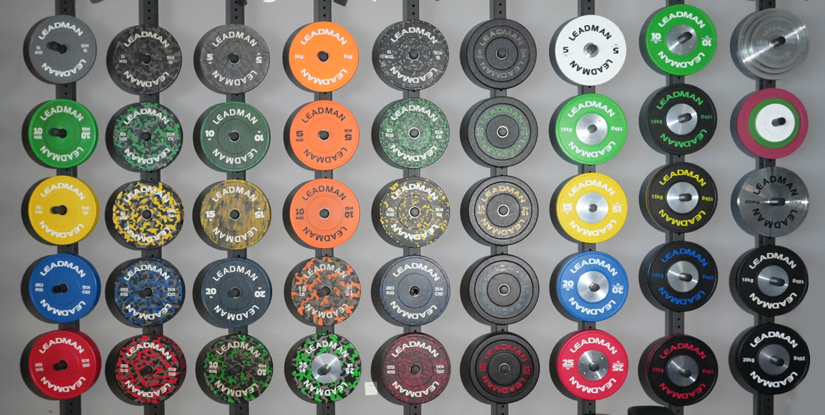
Maximizing ROI requires a strategic approach to bulk orders, particularly when navigating the different manufacturing requirements for these two product types. For distributors, the complexity lies in managing weight accuracy against shipping costs. While competition plates demand rigorous testing to meet standardized specifications, bumper plates require strict quality control regarding material density and edge uniformity to prevent premature wear.
When negotiating MOQ (Minimum Order Quantity) with manufacturers, do not simply seek the lowest price point. High-volume procurement of heavy lifting gear is heavily influenced by shipping logistics and volumetric weight. Because these items are dense and heavy, even small discrepancies in manufacturing tolerances can lead to uneven pallet distribution or unexpected freight surcharges. We recommend requesting detailed technical data sheets and pre-shipment inspection reports to ensure that every unit meets your facility's durability standards. By aligning your procurement timeline with optimized shipping schedules and verifying factory capacity for consistent quality, you can mitigate the risks of receiving non-compliant inventory and ensure a smoother distribution process for your end-users.
Logistics and Volume Considerations for Wholesale Weightlifting Equipment Procurement
When planning inventory for a commercial facility or a distribution warehouse, the physical footprint of your weightlifting equipment is a critical variable in your total cost of ownership. The primary distinction between the two types of plates lies in their weight-to-volume ratio. Because rubber bumper plates are engineered with a thick layer of high-density rubber to absorb impact, they are significantly more voluminous than their metal counterparts. This increased bulk means that a single shipment of rubber bumper plates will occupy much more cubic volume per ton of weight compared to calibrated competition plates.
For procurement managers, this translates directly to shipping and storage logistics. If your warehouse space or container capacity is limited, relying heavily on rubber bumper plates will increase your storage footprint and potentially raise freight costs due to volumetric weight. Conversely, while calibrated competition plates offer a much more compact profile, they lack the shock-absorption qualities of rubber. We recommend a balanced procurement strategy: use high-density rubber bumpers for high-impact areas to protect your flooring, while utilizing the space-saving efficiency of competition plates for specialized strength training zones where precision and density are paramount.
To streamline your inventory planning, we have synthesized the structural differences into a practical comparison. Understanding the relationship between diameter consistency and thickness is essential for calculating container loadability and optimizing your shipping weight. While both plate types typically share a standard diameter, the material density and profile thickness vary significantly, impacting how many units you can fit per pallet or shipping container.
Logistics Comparison: Bumper vs. Competition Plates
| Feature | Rubber Bumper Plates | Calibrated Competition Plates |
|---|---|---|
| Typical Profile | High-volume, thick rubber coating | Low-profile, high-density steel/iron |
| Diameter Consistency | Standardized, but subject to rubber wear | Strictly calibrated for precision |
| Volume-to-Weight Ratio | High (Requires more cubic space) | Low (Highly space-efficient) |
| Shipping Priority | Optimized for volumetric weight | Optimized for actual weight density |
When sourcing for large-scale distribution, consider that the increased thickness of rubber bumper plates can limit the number of plates per barbell sleeve compared to the slim profile of calibrated competition plates. For distributors, this means a higher frequency of shipments may be required to move the same total tonnage of rubberized equipment.
Navigating the complexities of large-scale weightlifting equipment procurement requires more than just a comparison of material specs; it demands a rigorous approach to supply chain management. For distributors and gym chains, managing the MOQ (Minimum Order Quantity) and shipping density is often the deciding factor in maintaining healthy margins. Because rubber bumper plates are inherently bulkier, your freight calculations must account for volumetric weight rather than just raw tonnage to avoid unexpected surcharges during international transit.
To mitigate risks during bulk orders, we advise implementing a strict quality control (QC) protocol that extends beyond the factory floor. When sourcing high-density rubberized products, ensure your supplier provides batch-specific density reports and diameter tolerance certificates. This prevents the common issue of "weight drift" where the actual mass of the rubber deviates from the labeled weight. For high-volume procurement, requesting a pre-shipment inspection that verifies both the calibration accuracy of competition plates and the structural integrity of bumper plate coatings is an essential step in protecting your long-term investment and ensuring customer satisfaction.
Quality Control Benchmarks for International Sourcing and Inspection
When evaluating the long-term viability of your inventory, the distinction between durability and precision becomes a critical factor in calculating the Total Cost of Ownership (TCO). High-density rubber bumper plates are engineered to absorb impact, making them ideal for high-volume functional training environments. However, constant dropping can lead to gradual surface wear or compression over time, requiring periodic inspection of the outer rim integrity. From a procurement standpoint, these are rugged assets designed for high-frequency use where shock absorption is the priority.
In contrast, calibrated competition plates are precision-engineered instruments. Because they are often constructed from solid steel or high-density cast iron with specialized coatings, their maintenance requirements differ significantly. While they lack the impact-absorbing properties of rubber, their structural rigidity ensures that weight remains consistent and calibration stays within strict tolerances. For facility managers and distributors, selecting the right product involves weighing the immediate resilience of rubber against the long-term precision of calibrated steel. Investing in the correct specification ensures that your equipment lifecycle aligns with your facility's specific training demands.
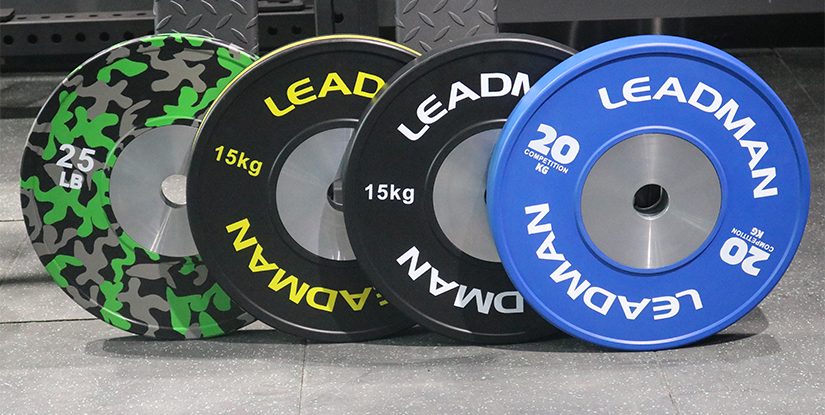
To streamline your quality assurance processes during arrival inspections or routine facility audits, use the following technical benchmarks. Distinguishing between the degradation patterns of rubber and the precision loss of metal is essential for maintaining high standards in professional training environments.
| Inspection Criteria | Rubber Bumper Plates | Calibrated Competition Plates |
|---|---|---|
| Surface Integrity | Check for rim cracking, rubber chipping, or uneven compression after heavy drops. | Inspect for coating scratches, oxidation, or denting on the metal substrate. |
| Weight Tolerance | Focus on dimensional consistency; weight may fluctuate slightly due to rubber density. | Critical check for strict calibration; weight must remain within highly narrow margins. |
| Cleaning Protocols | Use mild soap and water; avoid harsh chemicals that degrade synthetic polymers. | Wipe with a dry cloth or specialized metal cleaner to prevent rust and maintain finish. |
For wholesale buyers and distributors, understanding these nuances prevents premature replacement cycles. While rubber plates require monitoring for structural fatigue from impact, competition plates demand scrutiny regarding weight accuracy and surface oxidation to ensure professional-grade performance.
Beyond routine facility maintenance, successful weightlifting equipment procurement relies heavily on the rigor of your pre-shipment protocols. When managing high-volume orders from overseas manufacturers, relying solely on post-delivery inspections is a high-risk strategy that can disrupt your supply chain and increase replacement costs. A robust factory inspection is the most effective way to mitigate these risks before the logistics phase begins.
For high-density rubber products, a critical step involves density testing to ensure uniform material distribution. Inconsistent density can lead to uneven wear or "dead spots" that compromise the plate's bounce and lifespan. Simultaneously, for any coated metal or high-grade synthetic surface, you must verify coating adhesion. This prevents the finish from flaking or chipping during heavy usage, which is a common point of failure in lower-quality shipments. We recommend requesting a batch-specific report or video verification of these tests to confirm that the production run meets your specific durability standards. Implementing these strict bulk order verification steps ensures that your shipping logistics are moving high-value, reliable assets rather than problematic inventory that requires immediate replacement upon arrival.
Strategic Inventory Management for Commercial Distributors
For distributors and large-scale gym suppliers, effective weightlifting equipment procurement requires more than just selecting high-quality products; it demands a sophisticated understanding of how different plate types impact your warehouse logistics. Managing a diverse inventory involves balancing the high-volume, high-impact nature of rubber bumper plates against the precision-driven requirements of calibrated competition plates. Because these two categories serve distinct market segments—functional fitness versus professional strength sports—their footprint and movement within your supply chain differ significantly.
Failure to account for these differences can lead to inefficient space utilization or stagnant capital. Rubber bumper plates typically move in high volumes for CrossFit boxes and general commercial gyms, requiring significant storage volume due to their thickness and bulk. Conversely, calibrated plates are high-value, precision instruments with much faster turnover rates in specialized strength niches, yet they require much more delicate handling and specialized storage environments to maintain their tolerances.
| Inventory Factor | Rubber Bumper Plates | Calibrated Competition Plates |
|---|---|---|
| Storage Footprint | High (Bulky/Thick) | Low (Slim/Dense) |
| Typical Turnover | High (General Gym Demand) | Moderate (Niche/Specialized) |
| Handling Priority | Durability & Impact Resistance | Precision & Tolerance Control |
| Logistics Profile | Large Volume/High Weight | High Value/Compact Density |
To achieve optimal inventory optimization, distributors must align their stocking ratios with the specific facility specialization of their target clients. A supplier catering primarily to functional fitness centers or CrossFit franchises should prioritize a heavy ratio of rubber bumper plates. These facilities demand high-impact durability to withstand frequent drops and high-volume usage, making bulk orders of various color-coded diameters the standard requirement. In these environments, the ability to supply large quantities of resilient, shock-absorbing weightlifting equipment is the primary driver of repeat orders.
In contrast, if your client base consists of weightlifting federations or professional strength academies, your procurement strategy must shift toward precision requirements. These specialized institutions demand calibrated competition plates that meet strict weight tolerance standards. While the physical volume of these plates is lower, the technical scrutiny regarding thickness and dimensional accuracy is significantly higher. Successful distributors maintain a bifurcated stock model: high-volume, high-durability rubber inventory for the mass market, and high-precision, high-value calibrated stock for the professional strength sector.
When presenting options to end-users or facility owners, procurement managers often face the challenge of justifying the price gap between these two product categories. The distinction is not merely about aesthetics; it is a fundamental difference in engineering and intended utility. Using the table below can help you articulate the cost-per-use logic and technical necessity to your clients, ensuring they select the right tool for their specific training environment.
| Feature | Bumper Plate Profile | Competition Plate Profile | Procurement Impact |
|---|---|---|---|
| Primary Material | High-density rubber/urethane | Cast iron or steel with coating | Determines impact lifespan |
| Weight Tolerance | Standard (±3% to 5%) | Strict (±10g to 50g) | Critical for professional compliance |
| Thickness/Profile | Wide/Bulky (Impact absorption) | Slim/Precision (Barbell balance) | Affects barbell loading capacity |
| Durability Focus | Shock absorption & drop safety | Dimensional stability & precision | Influences long-term replacement cycles |
For a commercial facility, the decision often hinges on the total cost of ownership. While rubber bumper plates may carry a higher initial shipping cost due to volume, their ability to withstand heavy drops reduces long-term facility maintenance and flooring damage. Conversely, investing in calibrated plates for a professional lifting area is a requirement for legitimacy, as the precision ensures equitable training conditions that standard rubber alternatives cannot provide.