Optimizing Gym Floor Layout with Weight Plates and Barbells
Balancing SKU Depth and Inventory Turnover for Strength Training Kits
Weight plates and barbells constitute the foundational inventory for any strength training zone, requiring high-density manufacturing and standardized specifications. B2B buyers prioritize these items because they are high-use, high-durability assets that dictate the long-term operational capacity and aesthetic consistency of a commercial fitness facility.
For distributors and facility owners, the primary financial tension lies in managing SKU depth against the realities of inventory turnover. While offering an extensive range of plate increments and barbell types can attract diverse clientele, an over-diversified catalog often leads to significant capital tie-up. In the realm of commercial strength equipment, excessive variety without high demand results in "dead stock"—bulky, heavy inventory that occupies valuable warehouse space and drains liquidity.
Effective procurement strategies must balance the desire for a comprehensive selection with the logistical efficiency of high-turnover goods. Over-investing in niche barbell specifications or specialized plate coatings can inadvertently stifle cash flow, making it essential to focus on high-demand, standardized weight sets that move quickly through the supply chain.
To optimize your procurement strategy, you must evaluate whether your facility benefits more from a broad variety of specialized items or a lean, high-volume selection. This decision directly impacts your Total Cost of Ownership (TCO), as specialized gear often requires more frequent replacement or higher maintenance, whereas standardized sets offer better long-term durability and easier logistics.
When conducting gym floor planning, consider how much footprint your storage will occupy. Integrating efficient barbell storage solutions can mitigate the chaos of a large SKU count, but the financial burden of managing a diverse inventory remains a critical factor for distributors and gym owners alike.
| Strategy Focus | High-Volume/Standardized | Specialized/Niche Variety |
|---|---|---|
| Primary Goal | Maximizing turnover and liquidity | Targeting elite or specific training demographics |
| Inventory Profile | Common weight increments (e.g., 10kg–25kg) | Fractional plates and technical barbell types |
| Procurement Logic | Lower MOQ requirements; high predictability | Higher complexity; specialized sourcing |
| TCO Impact | Low maintenance; high durability | Potential for higher replacement frequency |
A successful approach often involves a hybrid model: maintaining a core stock of high-demand weight plates and barbells to ensure steady turnover, while selectively sourcing specialized equipment to differentiate your facility's offerings.
Beyond SKU management, the most significant lever for reducing long-term operational costs is the optimization of the sourcing and shipping pipeline. For large-scale facility projects, the cost of weight plates and barbells is not merely the unit price, but the cumulative expense of shipping, customs, and potential quality failures. Because these items are exceptionally dense and heavy, logistics optimization becomes a critical factor in protecting your margins.
Working directly with manufacturers who possess strong factory capability allows buyers to leverage bulk ordering benefits that go beyond simple discounts. High-volume procurement enables more efficient container loading patterns, reducing the per-unit shipping cost—a vital consideration for heavy iron and rubberized products. Furthermore, direct sourcing ensures that QC (Quality Control) protocols are integrated into the production phase rather than being an afterthought. Rigorous inspection of barbell sleeve tolerances and plate diameter precision prevents the costly logistical headache of receiving non-compliant, heavy-duty equipment that fails to meet commercial standards upon arrival.
Optimizing High-Traffic Zones with Strategic Plate and Barbell Placement
In high-volume commercial fitness facilities, the most common bottleneck occurs in the free weight area. When weight plates and barbells are scattered across the floor or left in disorganized piles, they do more than just create a trip hazard; they actively disrupt member flow and diminish the perceived quality of the facility. For gym owners and distributors, unmanaged equipment density leads to congestion in high-traffic zones, making even a large facility feel cramped and inefficient.
To maximize available floor space, procurement professionals must look beyond the individual unit and consider the total footprint of the training station. Relying solely on horizontal storage often results in wasted square footage. Transitioning to high-density vertical storage solutions is a critical move for optimizing the layout of commercial strength equipment. By integrating specialized racks that utilize vertical height, you can clear the walkways, reduce clutter, and ensure that heavy lifting zones remain accessible and professional throughout peak hours.
Selecting the right configuration requires a comparative analysis of how different storage architectures impact your total facility footprint. For boutique studios or facilities with limited square footage, vertical barbell trees or wall-mounted racks are often the most efficient choice. These configurations maximize accessibility by keeping essential tools within reach while reclaiming valuable floor area. However, for heavy-duty strength zones with high turnover, the durability of the mounting system is a primary procurement concern; weight-bearing capacity must be verified to prevent structural fatigue under constant load.
Conversely, many large-scale distributors and gym operators prefer freestanding weight plate trees or multi-tier barbell storage solutions. While these units occupy a larger physical footprint, they offer superior stability and can be easily repositioned during gym floor planning updates. When sourcing these items in bulk, we recommend evaluating the gauge of the steel and the quality of the powder coating. High-traffic environments demand hardware that resists both physical impact and environmental wear. Choosing robust, centralized storage not only improves safety but also streamlines the daily organizational workflow for your staff.
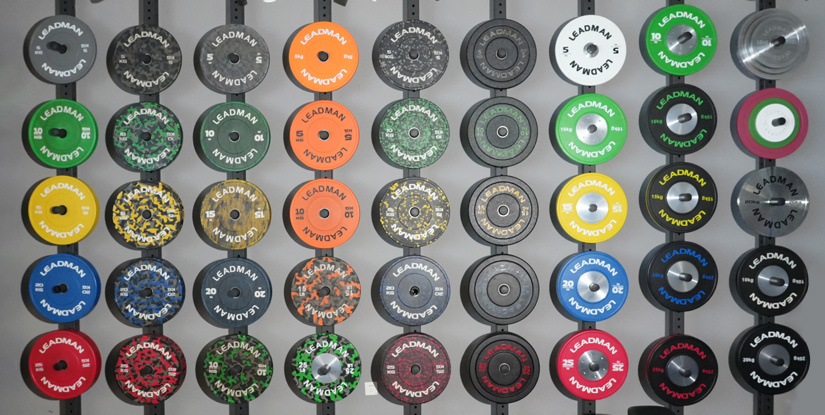
Beyond the immediate layout, procurement specialists must account for the long-term logistics of managing high-density storage. When sourcing weight plates and barbells for large-scale facilities, the weight and volume of the shipment significantly impact shipping costs and initial delivery timelines. High-density storage units are often heavy and bulky, requiring precise coordination with freight carriers to ensure they arrive without structural damage. We advise distributors to verify that the commercial grade storage hardware is packaged to withstand the rigors of international transit, preventing the bent uprights or scratched finishes that can arise from improper handling.
Furthermore, the total cost of ownership is heavily influenced by the maintenance requirements of your storage infrastructure. While cheaper, lightweight options may lower initial capital expenditure, they often fail under the stress of constant loading and unloading. For high-traffic environments, investing in heavy-duty steel construction with high-micron powder coating is a strategic move. This prevents rust and surface degradation, ensuring the storage units remain functional and aesthetically professional for years. Prioritizing high-spec materials during the sourcing stage reduces the frequency of replacement and minimizes long-term operational disruptions.
Evaluating Material Durability and Coating Standards for Longevity
In high-traffic commercial fitness facilities, the true cost of weight plates and barbells is rarely found in the initial purchase order. Instead, the long-term Total Cost of Ownership (TCO) is dictated by how well the equipment withstands daily high-traffic wear and tear. For distributors and gym owners, sourcing low-grade steel that lacks proper surface treatments leads to premature oxidation and aesthetic degradation, forcing frequent replacement cycles and increasing maintenance overhead.
When vetting suppliers for commercial strength equipment, it is critical to look beyond the weight specifications and scrutinize the durability of coatings. High-quality barbell shafts require advanced oxidation resistance—such as hard chrome or specialized zinc plating—to prevent rust in humid gym environments. Similarly, weight plates must feature resilient coatings that resist chipping and impact damage during heavy sets. Selecting premium materials during the procurement phase significantly reduces the frequency of equipment turnover.
| Material Specification | Coating Type | Durability Profile | TCO Impact |
|---|---|---|---|
| Standard Iron | Basic Powder Coat | Moderate; prone to chipping | Higher replacement frequency |
| Premium Cast Iron | High-Grade Polyurethane | High; excellent impact resistance | Longer lifecycle; lower maintenance |
| Professional Steel | Hard Chrome/Zinc | Superior; maximum oxidation resistance | Optimized for long-term heavy use |
Prioritize high-grade finishes to ensure that your inventory maintains its structural integrity and visual appeal throughout its operational lifespan.
Selecting the right combination of weight plates and barbells requires a technical understanding of how different materials react to impact and environmental exposure. For example, the choice between bumper plates vs iron plates fundamentally alters your maintenance requirements. While rubber-encased bumper plates are essential for high-impact functional training zones to protect both the flooring and the plates themselves, traditional cast iron plates offer a more compact profile for heavy strength training, provided they are treated with high-quality coatings to prevent oxidation.
Barbell durability is equally dependent on the surface finish. Standard chrome is a reliable, high-gloss option for many commercial settings, but it can be susceptible to micro-scratches over time. For facilities prioritizing high-end aesthetics and extreme longevity, Cerakote offers superior chemical and abrasion resistance, whereas black oxide provides a classic, low-cost matte look that is best suited for controlled, indoor environments. When negotiating with manufacturers, always verify the thickness and application method of these coatings, as a subpar finish will lead to premature rust and reduced resale value for your equipment inventory.
Standardizing Quality Control and Logistics for Bulk Orders
Reliability in large-scale procurement extends far beyond the manufacturing line; it depends heavily on the rigor of the QC inspection protocols and the integrity of the supply chain. For distributors managing high-volume orders, a single shipment of damaged or improperly calibrated weight plates and barbells can disrupt entire facility launches or seasonal inventory refreshes. It is essential to verify that the manufacturer possesses robust factory capability, including automated weight-calibration testing and standardized surface-tolerance checks, to ensure every unit meets strict commercial tolerances.
Logistics planning must also account for shipping durability and specialized packaging. Because heavy iron and steel components are prone to impact damage during transoceanic transit, sourcing partners should utilize reinforced, moisture-resistant packaging to prevent oxidation and structural deformation. Furthermore, when planning your gym floor layout, consider how your barbell storage solutions—such as heavy-duty vertical racks or specialized plate trees—will be integrated into the initial shipment. Coordinating the delivery of storage hardware alongside the primary equipment ensures that your facility remains organized and safe from the moment the first pallet is unboxed.
Maximizing Vertical Real Estate with Integrated Storage Solutions
In high-traffic training zones, floor-based clutter is a common bottleneck that disrupts member flow and increases safety risks. When weight plates and barbells are left scattered near lifting platforms, the resulting congestion can diminish the perceived quality of a premium facility. For distributors and facility managers, effective gym floor planning requires moving beyond horizontal placement to embrace verticality.
Transitioning from loose equipment to integrated vertical storage is a strategic move for floor space optimization. By utilizing specialized racks and upright holders, you reclaim valuable square footage while ensuring that commercial strength equipment remains organized and accessible. This shift not only improves the aesthetic of the weight room but also streamlines the transition between sets, facilitating a smoother movement pattern throughout the facility.
Comparing Configuration Models: Wall-Mounted vs. Free-Standing
Selecting the right configuration depends heavily on your facility's structural integrity and available footprint. For high-density training areas where floor space is at a premium, wall-mounted systems offer a streamlined profile. These solutions effectively utilize vertical real estate, keeping the ground clear for movement. However, procurement officers must account for strict installation requirements, as these units require professional anchoring to load-bearing walls capable of supporting high weight capacity. If your facility lacks reinforced masonry or structural steel, wall-mounted options may present long-term maintenance challenges.
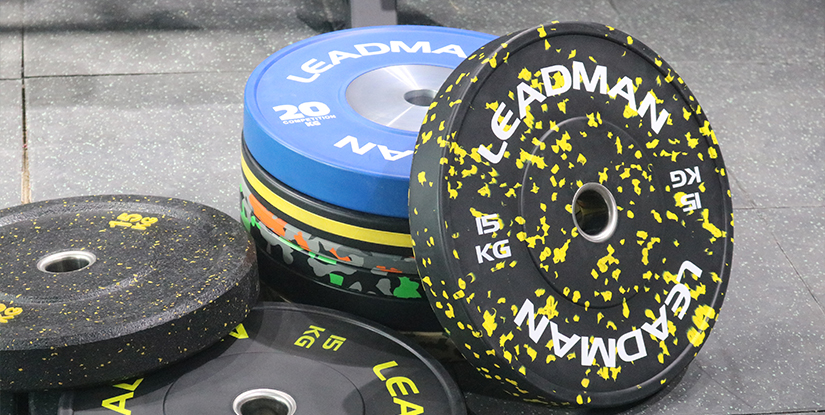
Conversely, free-standing barbell storage solutions provide greater flexibility for modular layouts. Because they do not rely on wall attachment, they can be repositioned as your gym floor planning evolves. While these units have a larger physical footprint, they are often easier to deploy in multi-use spaces or temporary setups. When sourcing these heavy-duty racks, prioritize high-gauge steel construction to ensure long-term durability and stability under heavy loads. For wholesalers and distributors, balancing the trade-off between the spatial efficiency of wall-mounted hardware and the versatility of free-standing units is essential for meeting diverse client specifications.
Logistics and Procurement: Managing Bulk Volume and Weight Distribution
When scaling up orders for high-volume facilities, the complexity of procurement extends far beyond selecting a specific SKU. For professional buyers and distributors, the primary challenge lies in managing the massive shipping volume and the logistical weight of dense iron and steel components. Because weight plates and barbells are high-density items, inefficient packaging can lead to inflated freight costs and increased transit damage risks.
To optimize the total cost of ownership, sourcing specialists should prioritize suppliers with advanced shipping volume optimization protocols. This includes palletizing strategies that maximize container load density without compromising the structural integrity of the products. Furthermore, a rigorous QC (Quality Control) process is non-negotiable when ordering in bulk. We recommend verifying that all heavy-duty steel components—from the barbell sleeves to the storage uprights—meet strict tolerances for thickness and finish. This prevents issues with weight distribution or uneven loading, which can destabilize racks during both shipping and daily facility use. Finally, always clarify the MOQ (Minimum Order Quantity) and lead times early in the negotiation phase to ensure that your logistics timeline aligns with the construction or renovation schedule of your end-user facility.
Logistics and Packaging Optimization for Bulk Weight Shipments
For high-volume distributors and gym owners, the true cost of procurement is often determined long before the equipment reaches the gym floor. When sourcing weight plates and barbells in large quantities, the relationship between packaging density and the total landed cost becomes a critical variable. A common oversight in procurement is focusing solely on the unit price while neglecting how bulk shipment logistics impact the final invoice.
Efficient freight cost optimization requires a sophisticated understanding of shipping volume vs. weight. Because strength equipment is inherently high-density, the goal is to maximize the weight carried per container without creating excessive "dead space" that drives up volumetric weight charges. Working with manufacturers who prioritize optimized packaging density—such as nested plate configurations or specialized barbell crates—ensures that you are paying for product rather than air. By aligning your order quantities with standard container load capacities, you can significantly reduce the per-unit shipping expense, making your commercial strength equipment inventory far more competitive in the local market.
Selecting the appropriate packaging method is a strategic decision that balances protection against shipping expenditures. For procurement managers, the choice between LCL (Less than Container Load) and FCL (Full Container Load) often dictates whether the shipment remains within budget or incurs unexpected surcharges due to damage or inefficient volume usage. For instance, while LCL offers lower minimums, the increased handling of LCL shipments can pose higher risks to precision-engineered barbell storage solutions and specialized plate sets.
The following table outlines common packaging configurations used in international freight to help you evaluate the trade-offs between structural integrity and cost-efficiency:
| Packaging Type | Protection Level | Impact on Shipping Cost | Best Use Case |
|---|---|---|---|
| Palletized | Moderate | Lower (Standardized) | Small to mid-sized orders; standard weight plate distributions. |
| Reinforced Crates | High | Higher (Increased Volume) | Premium barbell sets and high-end precision equipment. |
| Container-optimized Stacking | High/Optimized | Lowest (Per Unit) | Full FCL shipments; maximizing density for bulk inventory. |
When negotiating with suppliers, request specific details on how weight plates and barbells are secured within these units. A well-optimized loading plan not only prevents transit damage but also ensures that your facility receives a predictable, high-density shipment that maximizes your warehouse footprint upon arrival.
Beyond physical packaging, the financial efficiency of a procurement cycle is heavily dictated by Minimum Order Quantity (MOQ) and the directness of the supply chain. For many B2B buyers, the temptation to place smaller, more frequent orders to manage cash flow can inadvertently lead to higher long-term costs. Sourcing directly from the factory allows you to leverage economies of scale that are often lost when moving through multiple layers of distributors or local wholesalers.
A strategic procurement approach involves balancing MOQ considerations with the logistical advantages of factory-direct sourcing. When you order in bulk, you aren't just lowering the unit price of the iron or rubberized components; you are also optimizing the weight distribution in containers. A factory-direct partner can tailor the loading plan to ensure heavy plates are positioned to stabilize the load, which is essential for preventing shifting during maritime transit. This level of control is vital for reducing breakage risks and protecting the structural integrity of precision barbells. By aligning your order volume with the manufacturer's production capacity and shipping constraints, you secure a more predictable and cost-effective supply chain for your commercial facility.
Quality Control Benchmarks for Commercial-Grade Strength Equipment
In high-traffic environments, the distinction between a one-time purchase and a long-term asset lies in the rigor of the initial quality control process. For facility operators and distributors, sourcing commercial strength equipment is not merely about meeting a specification sheet; it is about managing the Total Cost of Ownership (TCO) over several years of heavy use. When weight plates and barbells are subjected to constant loading, dropping, and friction, even minor manufacturing defects can escalate into costly replacement cycles.
Transitioning from simple procurement to professional asset management requires a focus on durability and structural integrity. High-quality manufacturing ensures that weight plates maintain their calibration and that barbell coatings resist oxidation under rigorous maintenance cycles. By prioritizing suppliers with strict factory testing protocols and high-standard material sourcing, buyers can mitigate the risks of premature wear, ensuring that their investment remains functional and safe for the duration of its intended lifecycle.
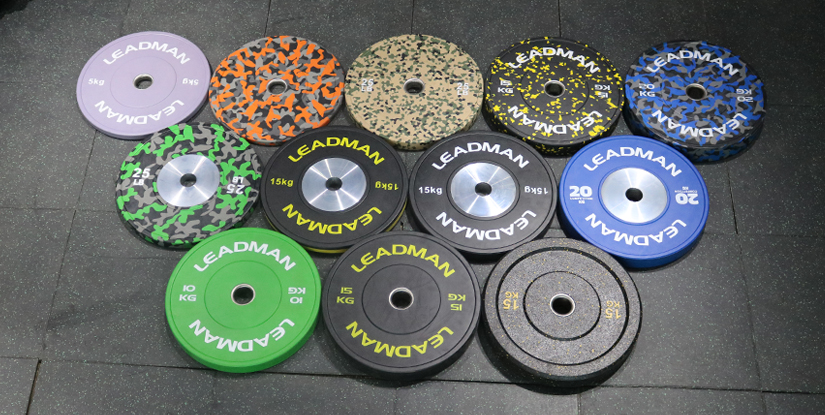
To ensure your facility receives equipment that meets global B2B quality standards, we recommend implementing a standardized inspection protocol during the receiving stage. Relying on visual aesthetics alone is insufficient for high-volume orders; instead, procurement teams should verify specific mechanical tolerances and material properties. The following technical benchmark table provides a framework for evaluating the physical integrity of your shipment, specifically regarding the precision of weight plates and barbells.
| Inspection Criterion | Standard Technical Benchmark | Procurement Focus |
|---|---|---|
| Weight Plate Concentricity | Minimal runout during rotation | Ensures balanced loading and smooth barbell movement |
| Barbell Sleeve Tolerance | Precision-machined fit | Prevents plate wobble and reduces mechanical wear |
| Coating Thickness/Uniformity | Consistent micron levels (Chrome/Zinc/Rubber) | Resists oxidation and maintains aesthetic longevity |
| Calibration Deviation | Within ±1% to 2% of nominal weight | Maintains professional training standards and trust |
Using these metrics allows distributors and gym owners to hold manufacturers accountable for the structural reliability of their inventory. Verifying these technical details at the point of entry reduces the likelihood of disputes regarding defective shipments and ensures your facility is equipped with professional-grade assets.
Beyond technical calibration, long-term asset preservation depends heavily on how equipment is handled from the warehouse to the gym floor. Effective logistics handling begins long before the first set is performed; it starts with the precision of your inventory management and the quality of your storage systems. Improperly stored steel is highly susceptible to environmental degradation, making the selection of specialized barbell storage solutions a critical procurement decision rather than an afterthought.
For high-volume distributors and facility managers, the goal is to prevent the gradual onset of rust and surface degradation. Utilizing dedicated racks and high-grade storage prevents direct contact with moisture-retaining surfaces, which is the primary driver of oxidation prevention in commercial settings. When sourcing, prioritize equipment that features advanced protective coatings and robust, ergonomic storage frameworks. By integrating professional-grade organization into your initial procurement strategy, you protect the commercial-grade durability of your weight plates and barbells, significantly reducing the frequency of replacement and optimizing your long-term maintenance budget.
Procurement Strategies for Scalable Gym Floor Planning
When scaling a commercial fitness facility, the most frequent oversight in procurement is prioritizing the initial invoice price over the Total Cost of Ownership (TCO). While budget-grade rubberized plates may offer lower upfront costs, the long-term impact on your bottom line can be significant. In high-traffic environments, the choice between standard rubber coating and premium urethane finishes dictates your maintenance cycles and replacement frequency.
Urethane-coated weight plates, for instance, provide superior resistance to abrasions and chemical degradation, ensuring the equipment maintains its aesthetic and structural integrity under heavy use. From a procurement standpoint, investing in high-spec commercial strength equipment reduces the frequency of "out-of-order" scenarios and prevents the rapid depreciation of your assets. By selecting barbells and plates with high-grade material specifications, distributors and facility managers can extend the equipment lifecycle, effectively lowering the annualized cost per use. Ultimately, a strategic focus on durability rather than just the lowest bid ensures a more stable ROI and a more professional environment for your members.
To optimize your procurement workflow, it is essential to match specific plate profiles with your facility's primary training modalities. A mismatch between equipment type and user intent often leads to premature wear on both the plates and the barbell sleeves. For example, using standard iron plates in a high-impact Olympic lifting zone can cause rapid degradation of barbell bearing systems due to inconsistent weight distribution and lack of shock absorption.
The following comparison serves as a decision-making framework for distributors and facility managers evaluating different weight plates and barbells configurations based on usage intensity and budget allocation:
| Plate Type | Material | Ideal Use Case | Durability Level | Cost-Efficiency |
|---|---|---|---|---|
| Bumper Plates | High-Density Rubber | Olympic Lifting & CrossFit | High (Impact Resistant) | Moderate (High Initial Cost) |
| Iron Plates | Cast Iron | Bodybuilding & Standard Strength | Moderate (Low Impact) | High (Low Initial Cost) |
| Calibrated Plates | Steel/Precision Rubber | Competitive Powerlifting | Extreme (Precision Focused) | Low (Premium Pricing) |
When sourcing, always verify the barbell sleeve tolerances. High-performance facilities require precision-machined sleeves to ensure smooth rotation and minimal friction, which protects the barbell's internal bearings during heavy transitions. Selecting the right combination of plate density and barbell grade will stabilize your inventory turnover and minimize long-term replacement costs.
Beyond material selection, professional buyers must address the logistical complexities of bulk procurement. Scaling an inventory for new facility expansions requires more than just a high MOQ; it requires a sophisticated understanding of shipping density and volume optimization. Because weight plates and barbells are high-density, heavy-duty items, shipping costs can quickly erode margins if the logistics plan is not optimized. We recommend working with suppliers who utilize specialized palletization techniques to maximize container utilization, ensuring that your freight-to-weight ratio remains efficient.
To mitigate the risks associated with large-scale international orders, implement rigorous quality control protocols at specific factory inspection points. A reliable manufacturer should allow for pre-shipment audits that focus on two critical areas: dimensional accuracy and weight tolerance standards. For instance, a variance of even 1% in plate weight can compromise the calibration of high-end barbell systems. Furthermore, ensure your procurement checklist includes a review of barbell storage solutions; integrating integrated racks into your initial order can streamline both the delivery process and the long-term floor organization of your facility.