Optimizing Gym Floor Layout with Weight Plates and Barbell
Evaluating Long-Term Asset Value in Strength Training Zones
When planning a high-traffic strength zone, procurement professionals must look beyond the initial invoice to mitigate long-term operational risks. A low-cost acquisition strategy often backfires when subpar specifications lead to premature degradation, causing unexpected downtime and frequent reordering cycles. To protect your investment, you must evaluate three critical checkpoints: the material integrity of the coatings, the mechanical precision of the barbell sleeve, and the logistical burden of managing frequent replacements. Neglecting these details can turn a high-volume training area into a constant maintenance liability.
The durability of your weight plates and barbell sets is heavily dictated by the quality of the finish and the structural engineering of the rotating components. For instance, while standard rubberized coatings offer basic protection, high-grade urethane finishes significantly extend the lifespan of plates in heavy-use environments by resisting abrasions and chemical degradation. Similarly, the integrity of the barbell sleeve determines how smoothly the weight transitions during high-frequency usage; a low-quality sleeve that loses its rotation capacity will quickly become a point of failure, necessitating expensive replacements and disrupting member movement flow.
| Feature/Material | Standard Rubberized | Premium Urethane | Impact on TCO |
|---|---|---|---|
| Surface Durability | Moderate wear/scuffing | High abrasion resistance | Urethane reduces replacement frequency |
| Barbell Sleeve Integrity | Basic rotation | High-precision bearing/bushings | Precision parts prevent premature SKU turnover |
| Maintenance Window | Frequent inspection required | Extended service intervals | Lower long-term labor and shipping costs |
Ultimately, the hidden costs of choosing budget-tier equipment manifest in increased shipping fees for small-batch reorders and the labor required for constant equipment rotation. By prioritizing high-specification weight plates and barbell setups during the initial sourcing phase, distributors and facility owners can stabilize their long-term capital expenditure and ensure a more reliable strength training environment.
To make an informed procurement decision, it is essential to distinguish between equipment intended for light home use and professional-grade assets designed for high-volume facilities. Relying on a single specification across all zones can lead to mismatched durability and inefficient capital allocation. A clear understanding of the technical differences between tiers helps procurement officers justify higher upfront costs through a lower total cost of ownership (TCO).
Comparative Framework: Grade-Based Specifications
The following comparison highlights the technical disparities that influence the lifespan and maintenance requirements of your strength training equipment layout. When evaluating factory capability and MOQ, ensure your quality control checklists account for these specific mechanical benchmarks.
| Metric | Entry-Level/Residential Grade | Commercial/Professional Grade | Procurement Impact |
|---|---|---|---|
| Coating Thickness | Thin, superficial finish | High-density urethane/vulcanized rubber | Reduces chipping and oxidation risks |
| Bearing Quality | Basic bushings (limited rotation) | Precision needle bearings/high-grade bushings | Prevents sleeve seizure and barbell wear |
| Expected Replacement Cycle | 12–24 months in high-traffic zones | 5–10+ years with proper maintenance | Lowers long-term SKU reorder frequency |
| Structural Tolerance | Higher deviation in weight/balance | Strict precision/calibration standards | Ensures consistent training quality |
Strategic Sourcing Note: While the initial unit price for residential-grade items may appear attractive for budget-conscious projects, the frequency of replacement and the logistical overhead of shipping new stock often result in a higher net cost. For professional facilities, investing in high-specification weight plates and barbell sets is a defensive measure against the rising costs of equipment turnover and labor-intensive maintenance.
Optimizing Procurement Logistics and Quality Control
Successful large-scale procurement requires moving beyond simple price comparisons to a rigorous technical inspection framework. When ordering bulk shipments of weight plates and barbell sets, the logistical complexity increases alongside the risk of receiving non-compliant stock. To mitigate these risks, buyers should implement strict QC inspection points that focus on mechanical precision rather than just aesthetic uniformity.
For barbells, inspection must prioritize the consistency of the knurling pattern and the structural integrity of the sleeves. A lack of uniformity in knurling can lead to grip failure or uneven wear, while imprecise sleeve tolerances can cause bearing issues. For weight plates, the critical metric is plate concentricity; even slight deviations in the center hole alignment can cause uneven weight distribution, leading to barbell oscillation and increased mechanical stress on your strength training equipment layout. Ensuring these technical standards are met at the factory level prevents the high cost of shipping defective heavy goods back to the source.
Furthermore, when negotiating MOQ considerations for customized weight sets or branded equipment, procurement officers should prioritize standardized specifications. While custom colors or logos add a premium touch, maintaining a baseline of industry-standard dimensions and tolerances is essential for future expansion. Utilizing standardized diameter and thickness profiles ensures that as your facility grows, new weight plates and barbell additions will remain fully compatible with your existing inventory, preventing the need for a complete system overhaul during future upgrades.
Strategic Floor Planning for High-Traffic Weight Areas
In high-volume commercial facilities, the density of heavy lifting zones often dictates the overall efficiency of the facility. A common oversight during the procurement phase is failing to account for the dynamic footprint of barbell setups. When planning a strength training equipment layout, buyers must look beyond the static dimensions of a single rack. You must factor in the full extension of the barbell, the necessary clearance for plate loading, and the unobstructed space required for a lifter to move safely around the station.
Congestion in these high-traffic zones is rarely a result of insufficient square footage, but rather a lack of integrated barbell storage solutions. Without dedicated, strategically placed storage, loose weight plates and bars often migrate into walkways, disrupting the natural movement flow of members. To maintain professional standards and mitigate liability, ensure your floor plan incorporates defined safety clearance zones. This proactive spatial management prevents equipment overlap and ensures that heavy lifting areas remain functional and safe even during peak hours.
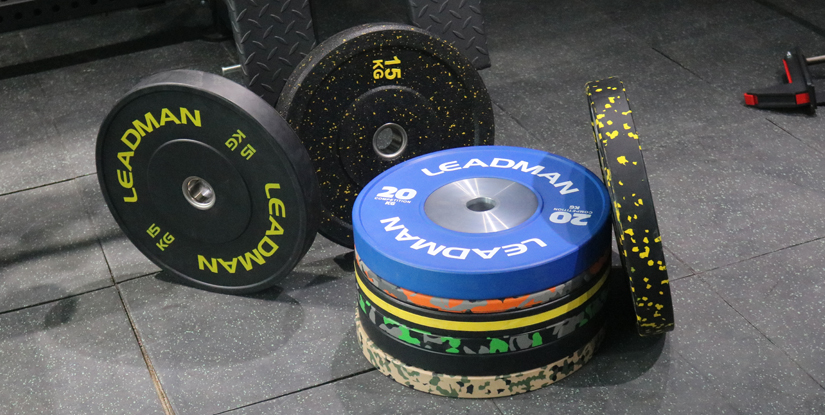
When optimizing for floor space, the choice between vertical and horizontal configurations becomes a critical decision for facility managers. This decision typically hinges on your turnover rates and the specific footprint of your weightlifting zones.
Vertical vs. Horizontal Storage Configurations
Vertical plate trees are the industry standard for high-density environments where floor space optimization is the primary concern. By utilizing verticality, you minimize the ground footprint, allowing more room for movement lanes. These are ideal for smaller boutique studios or crowded strength zones where every square foot counts. However, buyers should note that vertical setups may require more frequent maintenance of the central pillar to ensure long-term stability under heavy loads.
Conversely, horizontal weight trees offer a more streamlined loading process, which is advantageous for high-turnover facilities where speed of transition is essential. While horizontal configurations generally demand a larger linear footprint, they often provide better weight distribution and ease of access for members. When conducting commercial gym floor planning, we recommend a hybrid approach: utilize horizontal trees near primary lifting stations to facilitate rapid transitions, while deploying vertical trees in perimeter areas to reclaim valuable floor area.
Weight Distribution and Structural Logistics
Beyond surface-level layout, procurement specialists must address the long-term physical impact of heavy iron on a facility's infrastructure. Concentrated weight from dense barbell and weight plate clusters can lead to localized floor fatigue if not properly managed. When calculating your facility's total load capacity, it is essential to account for both the static weight of the equipment and the dynamic force generated during heavy lifts. This is a critical step in preventing subfloor damage or structural settling over time.
From a sourcing perspective, the durability of storage units should be treated as a long-term capital expenditure rather than a minor accessory cost. High-quality, heavy-duty racks and trees prevent uneven weight distribution and ensure structural integrity under constant use. For distributors and large-scale gym owners, we recommend incorporating scheduled maintenance windows into your annual operational budget. Regular inspections of storage stability and floor integrity help mitigate the risks associated with high-density strength zones. Furthermore, when managing bulk procurement, consider the total shipping weight and logistics complexity; heavy equipment requires precise freight planning to ensure that high-volume orders arrive without compromising the stability of the individual components.
Optimizing Vertical Footprints with Integrated Storage
In high-traffic strength zones, the most common bottleneck in commercial gym floor planning is not the lack of square footage, but the inefficient management of loose equipment. When weight plates and barbells are left scattered or stored in low-profile horizontal racks, they create significant trip hazards and disrupt the natural movement flow of members. This horizontal clutter effectively shrinks your usable training area, forcing a suboptimal strength training equipment layout that feels cramped even in large facilities.
To achieve true floor space optimization, professional procurement specialists look toward vertical storage solutions. By shifting the footprint of your weight plates and barbell setups from the floor to specialized upright structures, you reclaim valuable real estate for active training. Integrating heavy-duty vertical racks or integrated barbell trees allows your facility to maintain a high density of equipment without compromising safety or aesthetics.
| Storage Configuration | Space Efficiency | Durability Factor | Best Use Case |
|---|---|---|---|
| Horizontal Plate Trees | Moderate | High (Low Center of Gravity) | Standard strength areas |
| Vertical Weight Trees | High | Medium (Requires Secure Base) | Compact or boutique studios |
| Integrated Rack Systems | Maximum | Very High (Structural Integration) | High-volume commercial gyms |
When evaluating different barbell storage solutions, the decision between wall-mounted and freestanding configurations often hinges on a critical footprint comparison. For facility managers working with limited square footage, wall-mounted systems offer the highest degree of spatial efficiency by utilizing vertical real estate that is otherwise dormant. However, these systems require a rigorous assessment of your facility's structural integrity, as the load-bearing capacity of the mounting surface becomes the single point of failure. If your walls lack the reinforced masonry or steel backing required for heavy commercial use, a wall-mounted approach may lead to long-term maintenance issues or safety risks.
Conversely, freestanding vertical trees provide greater flexibility for commercial gym floor planning, as they can be repositioned as your training zones evolve. While these units occupy more floor space, their structural stability is often easier to manage through a heavy, wide-base design that distributes the weight of weight plates and barbell sets directly to the floor. When sourcing from a wholesale manufacturer, we recommend prioritizing units with high-gauge steel construction and reinforced welding to ensure the center of gravity remains stable even when the racks are partially loaded. This distinction is vital for long-term TCO, as lightweight or poorly balanced freestanding units often suffer from tipping or structural fatigue in high-volume environments.
Beyond spatial footprint, procurement professionals must account for the long-term Total Cost of Ownership (TCO) when selecting integrated storage. A common oversight in bulk sourcing is prioritizing initial price over material longevity. In high-use commercial environments, the constant friction of loading and unloading weight plates and barbell sets puts immense stress on both the equipment and its housing. To minimize frequent replacement cycles and maintenance interventions, it is essential to verify strict procurement standards regarding material thickness and surface treatments.
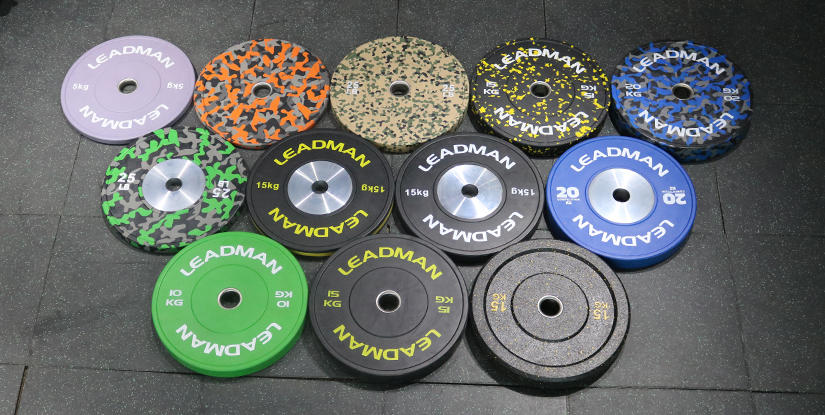
High-quality barbell storage solutions should feature heavy-gauge steel construction and a professional-grade powder coating. A robust, multi-layer finish does more than provide an aesthetic edge; it serves as a critical defense against oxidation, scratches, and the corrosive effects of sweat and cleaning agents. When managing logistics for large-scale facility builds, ensure your supplier provides detailed specifications on steel gauge and coating thickness. Opting for superior structural integrity during the initial order reduces the long-term burden of maintenance and prevents the premature structural fatigue that often plagues budget-tier alternatives in high-volume commercial gyms.
Sourcing Specifications for Durability and Compliance
In high-traffic commercial gym floor planning, the longevity of your investment depends entirely on the material specifications of your strength training equipment. Low-grade components often fail under the repetitive stress of heavy lifting, leading to increased maintenance costs and frequent replacement cycles. For distributors and facility owners, understanding the distinction between standard rubber and high-performance materials is a critical factor in managing total cost of ownership (TCO).
When sourcing weight plates and barbell sets, the durability of weight plates and barbell builds is determined by their core and outer coating. While standard rubber is common, high-density urethane (HDUR) offers superior impact resistance and prevents the surface degradation often seen in cheaper alternatives. Similarly, a barbell's lifespan is dictated by the steel grade used for the shafts; procurement professionals should prioritize high-tensile steel to ensure the bar maintains its whip and straightness under heavy loads. Selecting these high-spec materials ensures your facility can withstand the rigors of professional training without premature wear.
To mitigate long-term operational expenses, procurement specialists must look beyond the initial unit price and evaluate the mechanical components that dictate service intervals. A single low-quality bearing or a brittle coating can lead to uneven wear, forcing premature replacement of entire barbell sets or weight plate inventories. We recommend utilizing the following technical comparison to assess whether a manufacturer's specifications align with the demands of a high-intensity commercial environment.
Comparison Table: Material Durability & Maintenance
| Feature Specification | Standard Commercial Grade | Premium/Professional Grade |
|---|---|---|
| Plate Coating | Standard Vulcanized Rubber | High-Density Urethane (HDUR) |
| Steel Tensile Strength | Low-Mid Tensile (Standard Steel) | High Tensile (Precision Alloy) |
| Rotation Mechanism | Bronze/Steel Bushings | Precision Needle Bearings |
| Replacement Frequency | Higher (2–3 year cycle) | Lower (5+ year cycle) |
When negotiating with suppliers, confirm the bearing types and steel grades explicitly. While bushings are cost-effective for basic strength training equipment layout, needle bearings are essential for high-volume facilities to ensure smooth rotation and reduce mechanical fatigue. Investing in high-tensile steel and urethane coatings significantly lowers the TCO by extending the functional lifespan of your inventory.
Logistics and Global Quality Standards
Beyond material science, the complexity of importing heavy strength training equipment lies in the precision of bulk logistics. When managing large-scale orders, weight tolerance standards become a primary concern. Discrepancies in plate weight can disrupt a facility's balance and affect the long-term calibration of high-end lifting platforms. To ensure consistency, professional buyers should demand strict QC inspection protocols that verify each unit against a standardized margin of error, typically within +/- 1% for high-end commercial plates.
Efficient shipping volume optimization is equally vital for maintaining margins. Because weight plates and barbell sets are high-density, low-volume goods, improper packing can lead to crushed edges or bent barbell shafts during transit. We advise coordinating with manufacturers who utilize reinforced palletization and optimized container loading patterns to maximize cubic capacity without compromising structural integrity. Additionally, when requesting customized coatings or specialized knurling patterns, be aware of typical MOQ considerations; specialized finishes often require higher minimum order quantities to offset factory setup costs. Aligning these logistical requirements early in the procurement cycle prevents costly delays in your facility's grand opening or seasonal restocking.
Logistics and Bulk Procurement Strategies for Heavy Iron
Sourcing high-density iron components introduces unique logistical complexities that standard cardio or selectorized machines do not. When integrating weight plates and barbell sets into your facility, the procurement strategy must shift from simple unit pricing to a focus on long-term durability and structural integrity. Heavy iron assets are subject to constant impact, meaning the quality of coatings, sleeve tolerances, and metal composition directly dictates your future maintenance cycles.
Effective commercial gym floor planning requires more than just calculating square footage; it demands a deep understanding of the total cost of ownership (TCO). Low-cost, low-spec iron may satisfy an initial budget, but premature oxidation, uneven weight distribution, or sleeve wear can lead to frequent replacements and disrupted training flows. For distributors and facility owners, prioritizing factory-grade quality control and robust shipping standards ensures that these heavy assets remain functional and aesthetically consistent throughout their operational lifespan.
When evaluating specific inventory, buyers must weigh the maintenance profiles of different materials. Rubber bumper plates are favored in high-impact zones for their shock absorption, though they require regular inspections for coating integrity to prevent rubber degradation. In contrast, cast iron plates are highly durable but more susceptible to surface oxidation if the protective finish is compromised. To mitigate these issues, we recommend integrating specialized barbell storage solutions that keep equipment off the floor, reducing moisture exposure and physical damage.
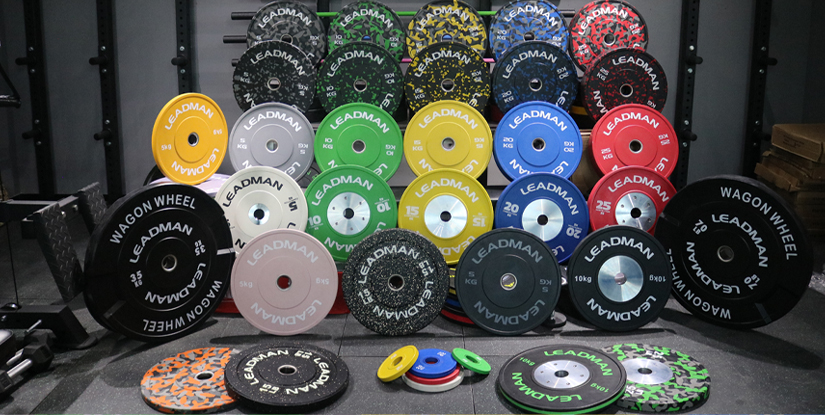
From a procurement standpoint, bulk purchasing is the most efficient way to manage these variables. When negotiating with manufacturers, it is vital to clarify MOQ considerations regarding weight increments and color variations to ensure a cohesive aesthetic. Successful distributors focus on sourcing from factories that provide standardized weight tolerances and high-grade anti-corrosion treatments. This proactive approach to quality control minimizes long-term replacement costs and ensures that your strength training equipment layout remains professional and high-performing.
Beyond product specifications, the physical arrival of heavy iron demands rigorous oversight of freight logistics. Because weight plates and barbell sets are high-density, high-impact shipments, standard parcel handling is insufficient. Professional procurement teams must ensure that their suppliers adhere to strict packaging standards—such as reinforced steel crates or heavy-duty palletization—to prevent metal deformation or coating abrasions during transit. Without these protections, even the highest-grade equipment can arrive with compromised structural or aesthetic integrity.
Upon arrival, the receiving heavy shipments process should never be a mere unloading task; it must be a formal inspection protocol. We advise facility managers to implement a systematic check of every pallet against the packing list, specifically looking for bent sleeves on barbells or cracked plate edges. Integrating these checks into your initial strength training equipment layout planning allows you to verify that the shipment matches the exact tolerances required for your floor. By enforcing these strict receiving standards, distributors can mitigate the risk of damaged goods and ensure that the heavy assets delivered are immediately ready for high-performance use.
Quality Control Benchmarks for International Shipments
When sourcing high-density weight plates and barbell sets at scale, procurement professionals must look beyond basic weight increments. Long-term durability is dictated by the structural integrity of the raw materials and the precision of the finishing processes. For commercial gym floor planning, failing to account for equipment wear can lead to premature replacement cycles and increased total cost of ownership. A failure in material integrity—such as micro-fractures in cast iron or inconsistent density in urethane coatings—can compromise both safety and the facility's professional aesthetic.
Rigorous inspection protocols should prioritize surface coating consistency and barbell knurling precision. In high-traffic environments, uneven knurling or degraded plating leads to rapid oxidation and diminished grip reliability. Buyers should demand documentation regarding weight tolerance to ensure that high-volume shipments meet strict calibration standards, preventing discrepancies that can affect professional training sessions and client trust.
| Inspection Focus | Standard Requirement | Procurement Impact |
|---|---|---|
| Weight Tolerance | Strict ±1% to 2% variance | Ensures consistent loading accuracy |
| Knurling Precision | Uniform depth and spacing | Prevents grip degradation and skin irritation |
| Coating Integrity | Non-porous, uniform finish | Reduces oxidation and surface wear |
| Material Density | Homogeneous composition | Prevents cracking under high-impact use |
To mitigate the risks of receiving substandard batches, implement a formal pre-shipment inspection (PSI) that targets the mechanical nuances of the equipment. Beyond visual aesthetics, the functional lifespan of your strength training equipment layout depends on the precision of moving parts and the uniformity of load-bearing components. A single batch of non-compliant items can disrupt your facility's operational flow and damage your reputation as a premium provider.
During factory audits, inspectors should prioritize the mechanical fluidity of the barbell sleeve rotation and the structural uniformity of the plates. For instance, uneven weight plate thickness can lead to uneven loading, which places undue stress on the barbell and accelerates wear on your storage racks. Use the following checklist to guide your quality control team or third-party inspectors during the final stage of production.
| Technical Benchmark | Inspection Method | Critical Failure Point |
|---|---|---|
| Weight Plate Thickness | Digital caliper measurement | Non-uniform thickness causing uneven loading |
| Sleeve Rotation | Manual spin and load test | Stiff or inconsistent rotation under weight |
| Rust Resistance | Salt spray or moisture exposure test | Visible oxidation or coating delamination |
| Sleeve Diameter | Inner diameter verification | Improper fit with standard weight plates |
Pro-tip for Distributors: Always request a sample from the actual production line rather than a generic showroom model. This ensures the specific metallurgy and coating techniques used for your bulk order meet the expected durability standards for high-intensity commercial environments.
Beyond manufacturing precision, the logistical integrity of your order depends heavily on protective packaging standards. For distributors managing large-scale imports, the transit phase represents a significant risk factor for structural damage. Heavy weight plates and barbell components are subject to intense vibration and shifting during sea freight, which can compromise the integrity of even the highest-quality steel if the shipment is not properly secured.
Reliable sourcing requires verifying palletization stability and the use of reinforced, heavy-duty corrugated boxing. High-density weight plates must be packed to prevent edge chipping, while barbell storage solutions—such as vertical racks or specialized weight trees—require custom bracing to avoid bending under their own weight during long-haul transit. Furthermore, moisture control is non-negotiable; ensure that all metal components are treated with anti-rust coatings and protected by desiccants or vacuum-sealed polybags to prevent oxidation during ocean transit. When evaluating a factory's capability, prioritize those that demonstrate advanced bulk shipment durability through rigorous drop tests and standardized container loading protocols. This attention to detail ensures that your strength training equipment arrives ready for immediate installation without the need for costly returns or replacements.