weight plates and rack | Optimizing Gym Floor Life with
Balancing SKU Breadth and Inventory Turnover in Strength Training Segments
Many distributors fall into the trap of over-diversifying their catalogs, mistakenly believing that an exhaustive variety of weight plates and racks will capture every niche market segment. While a broad selection may seem attractive, it often leads to excessive capital tie-up and fragmented warehouse logistics. A more sophisticated procurement strategy focuses on high-demand, standardized configurations that ensure rapid movement of goods rather than maintaining a stagnant, overly complex inventory of low-velocity items.
Effective SKU management in the commercial strength equipment sector requires a delicate balance between meeting client requests and maintaining high inventory turnover. Instead of stocking dozens of specialized variations, successful wholesalers prioritize a core range of high-durability weight plates and rack systems that serve the majority of commercial gym requirements. By optimizing this ratio, distributors can reduce the risk of obsolete stock and ensure that their working capital remains fluid, allowing for faster replenishment cycles and more predictable shipping schedules for their global clients.
To maximize profitability, buyers should implement a tiered procurement framework that distinguishes between high-turnover SKUs and specialty orders. Standardized items, such as common bumper plate denominations and universal heavy duty weight storage solutions, should constitute the bulk of your stock. These items offer predictable product lifecycles and higher volume potential, making them ideal for maintaining steady logistics efficiency. Because these products move quickly, you can often negotiate more favorable MOQ terms with manufacturers, leveraging economies of scale to lower the unit cost.
Conversely, niche or highly specialized equipment should often be treated as "just-in-time" procurement rather than permanent warehouse fixtures. While specialized racks or custom-diameter plates may offer higher margins, they carry the risk of extended storage periods and increased shipping complexities. By concentrating your primary investment on high-velocity strength equipment, you stabilize your supply chain and ensure that your warehouse space is utilized by products that guarantee a faster return on investment. This strategic separation allows for a more agile response to market fluctuations without the burden of stagnant, low-demand inventory.
Distributors must evaluate their product mix through a purely economic lens to determine which items drive volume and which drive brand prestige. The following comparison highlights the fundamental differences between maintaining high-velocity staples and investing in specialized strength equipment.
| Metric/Attribute | Standard High-Volume SKUs | Specialized/Premium Equipment |
|---|---|---|
| Turnover Speed | High (Rapid replenishment) | Low (Project-based/Occasional) |
| Storage Footprint | Consistent/Predictable | Variable/Bulky or Niche |
| Margin Potential | Moderate (Volume-driven) | High (Value-driven) |
| Target Client Type | Commercial Gyms & Fitness Centers | Boutique Studios & Pro Athletes |
For most distributors, the goal is to maintain a robust stock of weight plates and rack configurations that meet the baseline needs of 90% of the market. While the premium segment offers attractive per-unit margins, it often demands higher capital reserves and more complex quality control oversight. A successful procurement model utilizes the steady cash flow from high-turnover standard items to fund the strategic acquisition of high-margin specialized gear when market demand peaks.
Mitigating Facility Damage Through High-Grade Plate and Rack Selection
For facility managers and distributors, the true cost of a gym installation extends far beyond the initial procurement invoice. One of the most overlooked variables in long-term maintenance is the kinetic energy transferred from commercial strength equipment to the subfloor. When high-density weight plates are dropped or moved, they generate significant impact forces and structural vibrations that can lead to rapid floor degradation if the equipment is not engineered for high-performance environments.
Selecting a premium weight plates and rack configuration is not just about weight increments; it is a strategic decision in vibration mitigation. High-quality bumper plates and heavy-duty storage solutions are designed with specific density profiles to optimize impact absorption. Without this level of engineering, constant micro-vibrations can loosen floor fasteners, crack specialized rubber tiling, or compromise the structural integrity of the subfloor. For B2B buyers, prioritizing equipment that manages these forces effectively reduces the frequency of costly floor repairs and extends the operational lifespan of the entire facility.
To optimize your total cost of ownership, procurement specialists must differentiate between material types based on their impact profiles. While cast iron is a staple for traditional strength training, it offers virtually zero shock absorption, necessitating higher-grade flooring investments. Conversely, high-density urethane or rubber-coated bumper plates act as a primary defense mechanism, absorbing kinetic energy before it reaches the subfloor.
Beyond the plates themselves, the method of storage significantly dictates floor wear. Using unsecured or low-grade storage can lead to uneven weight distribution and localized pressure points. A professional-grade heavy duty weight storage system ensures that vertical loads are managed predictably, preventing the structural fatigue often seen with inferior, lightweight shelving units.
| Plate Material Type | Typical Coating/Thickness | Impact Absorption | Floor Protection Level |
|---|---|---|---|
| Cast Iron | Powder Coated (Thin) | Very Low | Requires high-impact mats |
| Rubber Encapsulated | High-Density Rubber | Moderate | Standard commercial tiling |
| Premium Bumper | Urethane/High-Grade Rubber | High | Optimal for heavy lifting zones |
When sourcing for large-scale distribution or high-traffic commercial gyms, we recommend matching the plate's density to the specific training intent. High-performance facilities often utilize a hybrid approach: cast iron for static strength stations and high-grade bumper plates for dynamic lifting areas to maximize gym floor protection and minimize long-term maintenance overhead.
A robust procurement strategy must also account for the structural stability of the storage units themselves. In high-traffic environments, a subpar rack configuration does more than just clutter the floor; it introduces uneven load-bearing stresses that can compromise both the equipment and the surface beneath it. When sourcing, buyers should prioritize heavy duty weight storage solutions that feature reinforced steel gauge specifications and high-capacity load ratings. This ensures that the vertical pressure exerted by heavy plate sets is distributed through a stable, engineered frame rather than causing localized buckling or floor indentations.
To ensure long-term durability, we advise conducting rigorous QC standards audits during the factory inspection phase. Beyond visual aesthetics, inspectors should verify the weld integrity and the thickness of the powder coating, as these factors directly influence how the equipment interacts with the floor over time. A well-engineered rack with a wide, stable footprint significantly improves gym floor protection by preventing tipping and reducing the risk of high-impact contact with the subfloor. By investing in these higher-specification components at the outset, distributors and facility owners effectively lower their long-term maintenance costs and secure a much more favorable total cost of ownership.
Structural Integrity and Load-Bearing Standards for Commercial Strength Equipment
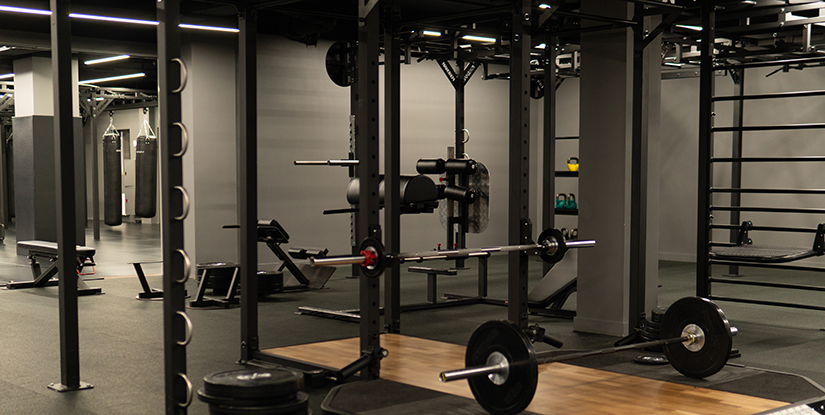
In high-traffic strength training zones, the relationship between weight plates and rack stability is often underestimated by procurement officers focusing solely on initial unit costs. When heavy plates are repeatedly loaded and unloaded, the resulting kinetic energy and shifting center of gravity can compromise the structural integrity of even high-grade steel frames. Without precise material density and optimized vibration damping, the repetitive shock of heavy iron or urethane can lead to micro-fractures in weld points and gradual structural fatigue.
For distributors and facility managers, selecting commercial strength equipment requires a deep dive into the technical specifications of the load-bearing capacity. It is not merely about the weight capacity of the uprights, but how the equipment manages the impact of high-density weight plates during rapid transitions. A mismatch between the plate density and the rack's damping capabilities often results in increased floor vibration and accelerated wear on the facility's structural components.
| Specification Factor | Standard Grade Equipment | High-Performance Commercial Grade |
|---|---|---|
| Material Density | Lower density; prone to uneven wear | High-density urethane/steel for impact absorption |
| Vibration Damping | Minimal; higher risk of structural fatigue | Advanced damping to protect floor and frame |
| Load-Bearing Stability | Standard static weight support | Dynamic load-bearing with reinforced weld points |
| Long-term Durability | Moderate; requires frequent maintenance | High; optimized for heavy-duty daily use |
When sourcing for large-scale gym installations, verifying these mechanical tolerances ensures that your weight plates and rack systems work in synergy rather than working against the facility's longevity. Investing in equipment that prioritizes these technical standards reduces the total cost of ownership by extending the replacement cycle of both the storage solutions and the structural uprights.
To effectively evaluate the long-term durability of your procurement order, buyers must distinguish between the mechanical properties of different plate materials and the gauge of the steel used in heavy duty weight storage. The interaction between a plate's impact profile and the rack's structural gauge directly dictates the frequency of maintenance and the eventual replacement cycle of the hardware.
Material and Structural Specification Comparison
The following comparison highlights why material selection is a critical variable in calculating the total cost of ownership (TCO) for commercial facilities.
| Feature / Material | Cast Iron Plates | Bumper Plates (Rubber/Urethane) | Rack Frame (Standard) | Rack Frame (Heavy-Duty) |
|---|---|---|---|---|
| Impact Resistance | Low; high shock transfer to floor | High; absorbs kinetic energy | 11-14 Gauge Steel | 7-10 Gauge Reinforced Steel |
| Durability Profile | Prone to chipping/cracking | High resilience under drop stress | Standard commercial use | High-traffic/Professional use |
| Weight Distribution | Concentrated/Dense | Distributed/Damping effect | Basic upright stability | High-stability load bearing |
| TCO Impact | Lower initial cost; higher floor wear | Higher initial cost; lower maintenance | Moderate replacement frequency | Long-term asset longevity |
From a sourcing perspective, opting for higher-gauge steel and impact-absorbing bumper plates may increase the initial shipping weight and freight costs, but it significantly reduces the long-term liability of floor damage and structural fatigue. For distributors managing high-volume inventory, aligning these specifications with the expected usage intensity of the end-user is essential for maintaining high client satisfaction and minimizing warranty claims.
Beyond structural gauge, procurement professionals must scrutinize the microscopic variables that define long-term reliability. A common oversight in high-volume orders is the failure to verify quality control standards regarding tolerance levels and surface integrity. Inconsistent weight tolerances in plates can cause uneven loading on a rack, while substandard coating durability on heavy duty weight storage units leads to premature oxidation and aesthetic degradation in humid gym environments.
Mitigating Maintenance Cycles through Precision Engineering
To ensure facility longevity, the technical vetting process should extend to the finishing and assembly tolerances of the storage hardware. High-grade commercial equipment utilizes advanced powder coating and specialized plating to resist the corrosive effects of sweat and constant mechanical friction. When sourcing at scale, it is vital to confirm that the manufacturer adheres to strict quality control protocols for both the weight uniformity of the plates and the weld precision of the uprights.
A rigorous inspection of these specifications directly influences the maintenance cycles of your facility. Equipment with high-tolerance manufacturing reduces the need for frequent recalibration or structural repairs, effectively lowering the operational overhead for the end-user. For distributors, prioritizing these high-specification components is a strategic move to reduce the frequency of replacement-related support and ensure the long-term stability of the entire strength training zone.
Optimizing Floor Footprints with Heavy Duty Weight Storage Solutions
In high-traffic commercial gyms, the strategic placement of weight plates and rack systems determines more than just aesthetic order; it dictates the functional efficiency of the entire facility. Poorly managed storage creates bottlenecks in high-traffic zones, forcing members to navigate around disorganized equipment and disrupting the natural facility flow. For gym owners and distributors, this lack of spatial efficiency is not merely a nuisance—it is a liability that can lead to premature wear on flooring and increased safety risks.
When sourcing commercial strength equipment, procurement professionals must look beyond the individual unit and evaluate how integrated storage solutions manage the floor footprint. High-density storage configurations allow for a more compact layout, maximizing usable training area while ensuring that heavy lifting zones remain unobstructed. By prioritizing verticality and structured organization in your initial equipment orders, you mitigate long-term logistical friction and optimize the operational throughput of the facility.
Selecting the correct configuration requires a technical evaluation of your facility's specific spatial constraints and the projected weight plate capacity. Buyers generally choose between vertical and horizontal orientations based on the desired density and the intended movement patterns of the training area.
Vertical vs. Horizontal Storage Configurations
Vertical storage solutions are the gold standard for footprint optimization. By utilizing height rather than floor area, vertical racks allow for high-density storage in narrow corridors or alongside power racks, effectively freeing up valuable square footage for active training zones. This is ideal for boutique studios or urban facilities where every square meter carries high overhead costs.
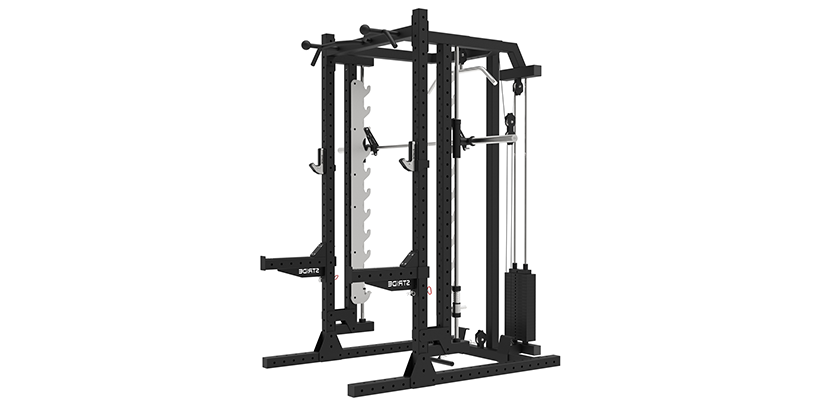
Conversely, horizontal storage or low-profile floor racks are often preferred in large-scale strength training halls where accessibility and rapid loading are the primary concerns. While these require a larger footprint, they can reduce the physical strain on users during heavy lifting sessions. Regardless of the direction, ensure your heavy duty weight storage specifications include reinforced steel frames and high-grade coatings to prevent structural bowing under maximum load. Proper selection at the procurement stage ensures that your storage density does not compromise the structural integrity of your gym floor protection or the long-term durability of the facility layout.
Beyond spatial density, the structural interaction between the weight and the floor is a critical variable in calculating the long-term TCO (Total Cost of Ownership). A common oversight during the procurement phase is failing to account for how uneven load distribution from substandard storage can impact the subfloor. When weight plates are stored on low-quality, unbalanced racks, the resulting concentrated pressure points can cause localized indentation or cracking in high-performance rubber flooring. This necessitates more frequent maintenance cycles and premature floor replacement, significantly inflating the operational budget of a commercial facility.
To ensure effective gym floor protection, buyers should prioritize heavy duty weight storage units designed with integrated load-spreading bases. High-quality commercial racks are engineered to distribute the massive static load of a full plate set across a wider surface area, rather than focusing it on a single point of contact. When negotiating with manufacturers or distributors, request technical specifications regarding the base footprint and the frame's deflection limits. Investing in precision-engineered storage during the initial equipment rollout is a strategic move that safeguards your flooring assets and stabilizes long-term facility maintenance costs.
Total Cost of Ownership: Beyond the Initial Procurement Price
In the high-stakes environment of commercial fitness, the lowest quote on a purchase order rarely translates to the lowest long-term operational expense. Many distributors and facility managers fall into the trap of prioritizing low upfront costs for weight plates and rack systems, only to face escalating maintenance overheads within the first eighteen months of operation. This oversight often stems from a failure to account for the hidden costs of inferior material specifications.
When sourcing commercial strength equipment, the structural integrity of the components dictates the lifespan of your entire facility. Low-grade steel in storage solutions or poorly calibrated weight plate coatings can lead to uneven weight distribution and structural instability. More critically, sub-standard materials lack the necessary gym floor protection qualities, often resulting in micro-vibrations or abrasive contact that permanently damages high-end rubber flooring. Understanding the impact of low-grade materials on facility maintenance is essential; a cheaper initial investment frequently leads to premature floor replacement and frequent equipment turnover, ultimately driving up the total cost of ownership.
To accurately evaluate your procurement strategy, you must distinguish between a single-purchase expense and a long-term asset. A comparative analysis of material standards reveals how quality variance directly affects your replacement frequency and facility upkeep budgets. While budget-tier options may meet minimum functional requirements, they often lack the density and coating resilience required for high-traffic commercial use.
Comparative Analysis: Budget vs. Premium Commercial Grade
| Feature/Metric | Budget/Entry-Level | Premium Commercial-Grade |
|---|---|---|
| Material Durability | Thin-gauge steel; high susceptibility to oxidation. | Reinforced heavy-duty steel; industrial powder coating. |
| Floor Impact | High vibration; potential for surface abrasion. | Optimized shock absorption; high-density construction. |
| Weight Precision | Variable tolerances; prone to calibration drift. | Strict manufacturing tolerances; consistent weight accuracy. |
| Replacement Cycle | High frequency (12–24 months in high-traffic zones). | Extended lifespan (designed for multi-year heavy use). |
For distributors and large-scale facility owners, the decision to invest in high-grade heavy duty weight storage solutions is a strategic move to stabilize operational budgets. By selecting equipment with superior structural integrity, you mitigate the risks of frequent downtime and the high labor costs associated with constant equipment turnover and floor repairs.
Securing a sustainable competitive advantage requires moving beyond simple SKU selection and focusing on the entire supply chain lifecycle. For professional buyers, the final stage of procurement is not the moment the order is placed, but the moment the equipment reaches the facility floor. To protect your long-term asset value, you must integrate rigorous oversight into your sourcing protocols.
Strategic Procurement: QC and Logistics Management
Effective procurement of weight plates and rack systems demands a dual focus on technical precision and logistical efficiency. When managing bulk orders or international shipments, do not rely solely on manufacturer claims; implement a strict QC (Quality Control) focus that inspects structural weld integrity, coating uniformity, and weight tolerance deviations before the goods leave the factory. A single batch of substandard steel can compromise your entire facility's safety and aesthetic standards.
Furthermore, sophisticated logistics considerations for bulk orders are vital to prevent transit-related damage. High-density heavy duty weight storage components are exceptionally heavy and can suffer structural stress if palletization is insufficient. Ensure your freight forwarder and factory utilize reinforced packaging and optimized loading patterns to maintain structural alignment. By prioritizing these high-level oversight standards, you ensure that your investment contributes to long-term facility upkeep rather than becoming a recurring maintenance liability.
Sourcing and Quality Verification for High-Volume B2B Orders
Transitioning from boutique studio setups to large-scale facility scaling requires a fundamental shift in procurement logic. When moving beyond single-unit purchases, the complexity of managing a weight plates and rack inventory grows exponentially. For distributors and gym owners, the primary challenge is no longer just aesthetic preference, but the logistical reliability of high-volume shipments and the technical precision of the equipment provided.
To maintain long-term operational efficiency, sourcing must prioritize partners with robust OEM/ODM customization capabilities. This ensures that specialized dimensions or branded specifications meet your specific commercial strength equipment standards. Furthermore, implementing rigorous quality control (QC) protocols is non-negotiable; without standardized inspection of metal density, coating thickness, and structural integrity, the risk of premature wear and increased maintenance costs becomes a significant liability for your facility.
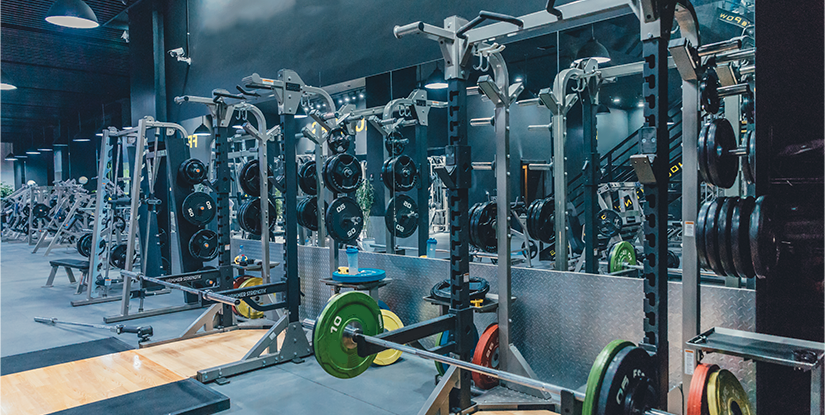
Navigating the complexities of international procurement requires a clear understanding of the divide between retail-grade sourcing and professional-grade wholesale. A reliable supplier should offer transparent technical specification verification and a structured approach to logistics coordination. For instance, when ordering heavy duty weight storage solutions, your Minimum Order Quantity (MOQ) and shipping volume will directly influence your landed cost and storage footprint. Failure to align these variables often leads to broken shipment schedules or unexpected freight surcharges.
The following table outlines the critical differences between standard procurement and the professional standards required for high-traffic commercial environments:
| Procurement Metric | Standard Retail/Small-Scale | Commercial B2B/Wholesale Requirement |
|---|---|---|
| Technical Specs | General weight tolerances | Strict precision & material density verification |
| Logistics Focus | Parcel/LTL shipping | Full container optimization & heavy-duty palletization |
| MOQ & Customization | Low MOQ; limited options | Volume-based scaling & OEM branding capability |
| Storage Durability | Light-duty aesthetics | High-frequency usage & industrial-grade resilience |
When vetting a factory, always request detailed documentation regarding their quality control processes and their ability to handle complex logistics for weight plates and rack assemblies. A professional partner will treat logistics as a core component of the product's lifecycle, ensuring that your heavy duty weight storage arrives intact and ready for immediate installation.
The final stage of the procurement lifecycle is often where the most significant risks to your total cost of ownership emerge. Even the highest quality weight plates and rack assemblies can suffer from structural or cosmetic damage if the shipping logistics are poorly managed. For large-scale distributors, the concern extends beyond simple breakage; improper palletization or inadequate cushioning can lead to micro-fractures in coatings or deformations in steel frames that compromise long-term durability.
Securing Integrity Through Transit Protection and Inspection
To mitigate these risks, sophisticated buyers must mandate specific transit protection protocols. This includes high-density foam layering, reinforced edge protectors, and heavy-duty palletization designed to withstand the rigors of maritime and overland freight. Effective packaging does more than protect the steel; it ensures that the components arrive in a state that preserves the integrity of your gym floor protection systems by preventing sharp edges or heavy weight shifts from damaging the shipping containers or the delivery vehicle.
Ultimately, relying on manufacturer claims alone is insufficient for high-volume B2B transactions. A rigorous pre-shipment inspection is the only way to ensure bulk order verification matches your technical specifications. Whether checking for weight tolerance accuracy in plates or the welding consistency of storage racks, this final oversight prevents the costly headache of receiving non-compliant inventory. For facility managers, a documented inspection report is the most effective tool to guarantee that the equipment arriving on-site is ready for high-traffic commercial use.
Strategic Procurement Questions for Long-Term Facility Partnerships
For facility owners and distributors, the initial purchase price is often a deceptive metric. When sourcing commercial strength equipment, the true cost is revealed through years of operational wear and the subsequent impact on facility infrastructure. A common oversight in bulk procurement is failing to account for how a substandard weight plates and rack configuration can accelerate structural degradation of the gym floor.
High-impact loading creates constant kinetic energy that, if not properly managed, leads to subfloor compression and surface cracking. This is why sophisticated buyers prioritize floor impact mitigation as a core technical specification rather than an afterthought. Evaluating the density of bumper plates or the footprint of heavy-duty storage solutions is not just about the weight itself, but about long-term maintenance cycles. Neglecting these variables often results in unforeseen capital expenditures for floor resurfacing and equipment recalibration. To optimize your total cost of ownership, procurement strategies must shift from merely finding the lowest MOQ to identifying high-durability assets that protect your facility's foundation.
Beyond the physical specifications of the gear, mitigating procurement risk requires a rigorous evaluation of the supplier’s operational infrastructure. A reliable partner does more than supply products; they provide stability in a volatile global market. To ensure your facility receives consistent, high-caliber assets, procurement managers should utilize a technical vetting framework focused on manufacturing integrity and supply chain reliability.
The Vendor Vetting Framework
When negotiating contracts for heavy duty weight storage and high-volume plate orders, move past superficial catalogs and demand transparency regarding these four pillars:
- Manufacturing Capability & QC: Does the factory possess specialized production lines for high-density casting or rubber molding? Inquire about their specific quality control (QC) protocols—such as tolerance testing for plate weight accuracy and impact resistance—to prevent uneven loading on your equipment.
- MOQ & Scalability: A competitive MOQ is useful for initial testing, but ensure the supplier can scale production without compromising lead times as your facility expands.
- Logistics Stability: Evaluate their experience with international freight and container optimization. A supplier with proven logistics stability minimizes the risk of delayed openings or stockouts during peak seasons.
- Technical Documentation: Reliable vendors provide detailed technical data sheets, ensuring your weight plate and rack configurations meet the structural requirements of your specific facility layout.
Establishing a long-term partnership requires looking beyond the immediate shipment to the broader facility lifecycle. A single shipment of substandard weight plates can cause a ripple effect of damage, from uneven weight distribution to premature wear on your storage structures. Therefore, effective procurement risk mitigation involves verifying that the supplier's quality assurance processes are integrated into every stage of the production cycle, not just the final packaging.
To secure shipment consistency across multiple orders, professional buyers should request documentation regarding batch-to-batch variance. For example, when sourcing large volumes of bumper plates or heavy-duty racks, you must confirm that the material density and structural tolerances remain uniform. This prevents the logistical headache of receiving mismatched equipment that fails to meet your facility's professional standards. By prioritizing vendors who demonstrate rigorous inspection protocols and transparent manufacturing workflows, you safeguard your capital investment and ensure that your equipment remains a durable asset rather than a recurring maintenance liability.