Selecting Barbell Plates Weightlifting for Commercial Gyms
Establishing Rigorous Supplier Qualification and Quality Control Protocols
When sourcing high-volume barbell plates weightlifting for commercial facilities, procurement managers must look beyond the initial unit price to assess long-term operational risks. A failure to verify technical specifications during the factory audit stage often leads to unforeseen replacement cycles, disrupted logistics schedules, and increased total cost of ownership. To mitigate these issues, buyers should prioritize suppliers who demonstrate a clear understanding of the structural integrity required for high-frequency usage scenarios, ensuring that every shipment meets strict tolerances before leaving the warehouse.
In high-traffic training environments, the physical durability of your inventory is directly tied to the quality of the rubber compound and the precision of the inner ring. Standard bumper plate specifications must account for extreme impact resistance to prevent cracking or deformation during heavy drops. Relying on substandard commercial weightlifting equipment may result in uneven weight distribution or premature surface degradation, forcing facility managers to address maintenance issues much sooner than budgeted. Selecting a partner with robust quality control protocols ensures that your barbell plates weightlifting inventory remains consistent in both weight accuracy and structural resilience over years of intense use.
To ensure long-term gym plate durability, procurement teams must implement a technical checklist that moves beyond basic weight verification. High-performance facilities require materials that withstand constant kinetic impact without losing structural shape. When evaluating potential shipments, verify the rubber density and composition; high-density virgin rubber is essential to prevent the "bouncing" or cracking common in low-grade recycled blends. Furthermore, inspect the coating standards applied to the central steel hub. A high-quality polyurethane or specialized powder coating is necessary to prevent corrosion and ensure the surface maintains its aesthetic integrity under heavy use.
Advanced quality control should also mandate strict manufacturing tolerances regarding the center hole diameter. Inconsistency here can lead to barbell instability or uneven wear on the sleeve. Additionally, look for edge beveling—a rounded profile that reduces impact shock and protects both the plates and the flooring. For facilities with high sunlight exposure or outdoor training areas, confirm the UV resistance of the rubber compound to prevent premature hardening or discoloration. Adhering to these B2B procurement standards allows distributors to justify premium pricing through significantly extended product lifecycles and reduced replacement frequency.
To streamline the vendor evaluation process, procurement officers should utilize a standardized metric system. Comparing the technical attributes of different manufacturing batches is essential to avoid the pitfalls of inconsistent weight distribution and premature material fatigue. The following table serves as a benchmark for assessing the technical quality and long-term value of your potential inventory.
Quality Verification Metrics
| Metric Category | High-Performance Standard | Standard/Budget Tier | Procurement Impact |
|---|---|---|---|
| Material Composition | High-density virgin rubber | Recycled rubber blends | Impact on bounce control and odor |
| Weight Consistency | ±1% tolerance | ±3-5% tolerance | Long-term calibration accuracy |
| Coating Quality | Premium PU or UV-resistant coating | Basic paint or thin coating | Resistance to corrosion and fading |
| Structural Integrity | Precision-molded center hub | Standard cast iron core | Sleeve wear and barbell stability |
When reviewing these specifications, remember that the initial investment in high-density rubber typically yields a lower long-term maintenance cost. While recycled rubber options may lower the immediate MOQ expenditure, the increased frequency of replacement and potential for surface cracking often results in a higher TCO. A professional procurement strategy prioritizes these durability indicators to ensure the facility's equipment remains a reliable asset rather than a recurring expense.
Technical Standards for High-Performance Bumper Plate Specifications
In high-traffic strength facilities, the structural integrity of your inventory dictates your long-term replacement cycles. When sourcing barbell plates weightlifting enthusiasts use heavily, the primary concern for facility managers shifts from initial unit cost to total cost of ownership. The distinction between low-grade rubber and premium EPDM or high-density virgin rubber is not merely aesthetic; it is a matter of impact resistance and material density. Substandard compositions often suffer from cracking or "deadness" after repeated drops, leading to premature turnover of your commercial weightlifting equipment stock.
To minimize maintenance windows and ensure consistent bounce characteristics, procurement professionals must evaluate the specific bumper plate specifications regarding their core material. High-quality manufacturing focuses on maintaining a uniform density that can withstand extreme high-impact resistance without compromising the outer coating or the central steel hub.
| Material Composition | Durability Profile | Best Use Case | Procurement Focus |
|---|---|---|---|
| Standard Recycled Rubber | Moderate; prone to surface cracking | Budget-friendly commercial gyms | Initial CAPEX reduction |
| Virgin Rubber / EPDM | High; excellent impact absorption | High-performance training centers | Long-term lifecycle value |
| High-Density Polyurethane | Extreme; superior edge protection | Professional weightlifting platforms | Minimizing replacement frequency |
Selecting the correct density ensures that your facility maintains a professional standard of equipment reliability, reducing the frequency of bulk reorders and shipping overheads caused by premature wear.
When evaluating gym plate durability, the relationship between the core material and the outer coating is a critical factor in determining the actual service life of the unit. While a thick rubber skin might look resilient, the underlying composition dictates how the plate handles the kinetic energy of a heavy drop. For example, a solid rubber core provides a consistent density that prevents the "deforming" effect often seen in lower-tier products after heavy use.
The following technical comparison highlights how different manufacturing standards impact the long-term maintenance costs and replacement cycles for distributors and facility managers:
| Core Material Type | Surface Coating & Resilience | Typical Commercial Lifespan | Maintenance Profile |
|---|---|---|---|
| Solid Recycled Rubber | Basic; prone to surface abrasion | Standard (1–3 years) | Moderate replacement frequency |
| EPDM (Ethylene Propylene Diene Monomer) | High; UV and temperature resistant | Extended (3–5+ years) | Low; maintains color and texture |
| Virgin Rubber Blend | Premium; high impact absorption | Long-term (5+ years) | Minimal; high resistance to cracking |
Selecting a high-grade EPDM or virgin rubber core is a strategic decision for high-volume distributors. While the initial unit cost may be slightly higher, the reduction in replacement frequency and the ability to maintain a consistent inventory of high-performing barbell plates weightlifting gear significantly lowers the total cost of ownership over a five-year period.
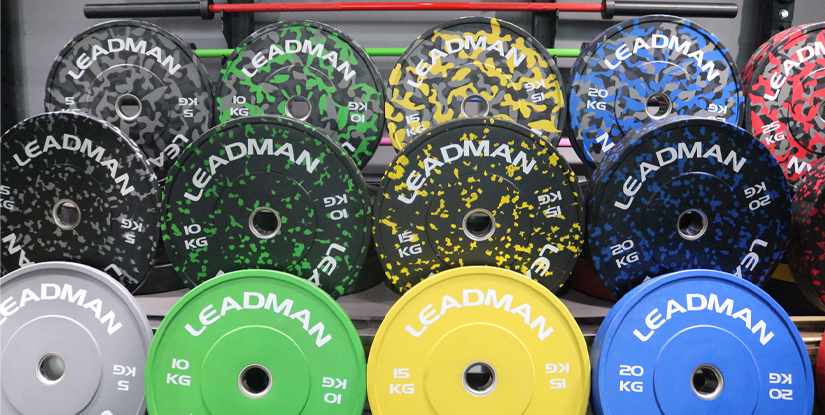
Beyond material composition, the precision of the production process determines whether a large-scale installation remains balanced or becomes a liability. For facility managers and distributors, the most significant risk in bulk procurement is not just material failure, but weight variance. If a set of plates lacks uniformity, the resulting uneven load distribution can cause premature wear on barbell sleeves and increase the risk of mechanical failure in high-performance environments.
The Critical Role of Manufacturing Tolerances and QC Protocols
True professional-grade barbell plates weightlifting standards rely on strict manufacturing tolerances. When sourcing at scale, you must verify that the manufacturer utilizes rigorous QC protocols to ensure weight consistency across every unit. A variance of even 1% to 3% may seem negligible in small batches, but in a full facility rollout, these discrepancies lead to uneven barbell oscillation and increased physical strain on the equipment.
High-tier manufacturers employ precision casting and automated weighing systems to minimize these deviations. For the buyer, prioritizing suppliers with documented precision standards is a direct way to control long-term maintenance costs. By ensuring that every plate in a 500kg set is virtually identical in mass and thickness, you protect the integrity of your entire barbell ecosystem, extending the service life of both the plates and the bars themselves.
Mitigating Risk Through Comprehensive Warranty and Claims Management
For facility managers and distributors, the true cost of a procurement cycle extends far beyond the initial invoice. Selecting subpar barbell plates weightlifting sets may offer a lower upfront price, but the hidden impact on TCO (Total Cost of Ownership) can be devastating. When bumper plate specifications are ignored or poorly executed, the resulting issues—such as uneven weight distribution or premature surface degradation—quickly escalate into operational liabilities.
Low-quality commercial weightlifting equipment often suffers from compromised structural integrity under high-volume use. Whether it is a failure in the internal core or inadequate coating durability that leads to unsightly chipping and oxidation, these manufacturing defects necessitate frequent replacements. Relying on a supplier that lacks rigorous quality control means your facility may face unexpected downtime and increased labor costs for equipment swaps. To protect your margins, prioritize sourcing from manufacturers who provide transparent technical data and reliable warranty support to mitigate long-term maintenance risks.
A critical differentiator in B2B sourcing is the depth of a supplier's accountability. When evaluating potential partners, do not merely ask if a warranty exists; demand clarity on the specific parameters of coverage. High-tier manufacturers distinguish themselves by providing granular protection that covers more than just catastrophic failure. They address the nuanced variables of high-frequency use, such as dimensional drift and coating resilience, which are common pain points in high-traffic commercial environments.
Use the following framework to evaluate whether a supplier’s quality control (QC) and warranty structure align with your facility's operational standards. A premium offering should offer explicit coverage for the mechanical and aesthetic aspects of the product, rather than vague, general terms.
| Evaluation Metric | Standard Wholesale Terms | Premium Commercial Standards |
|---|---|---|
| Surface Coating | Limited to visible peeling/cracking | Covers oxidation and impact-related chipping |
| Dimensional Accuracy | Not covered once shipped | Guaranteed weight/thickness tolerances per batch |
| Material Density | Subject to standard return policy | Protection against structural core deformation |
| QC Protocols | Basic visual inspection | Batch-level consistency and weight verification |
| Logistics Liability | Buyer assumes transit risk | Clear protocol for shipping-related damage claims |
Prioritize suppliers who demonstrate a rigorous approach to batch consistency and logistics accountability. A robust warranty is not just a safety net; it is a reflection of the manufacturer's confidence in their production stability and their commitment to your long-term facility uptime.
Effective logistics management for large-scale installations requires a proactive approach to inspection and documentation. To safeguard your investment in gym plate durability, procurement teams must implement a strict inspection upon arrival protocol. Rather than treating delivery as a mere hand-off, treat it as the first stage of quality assurance. Verify that the physical dimensions and weight tolerances of the delivered units align with the bumper plate specifications provided during the proforma invoice stage.
A common pitfall in high-volume sourcing is the lack of batch-specific documentation. High-tier manufacturers provide detailed production logs for every shipment, which is essential for tracking consistency across different manufacturing runs. Should any discrepancies arise, having these records allows for rapid replacement protocols that are based on data rather than anecdotal evidence. Furthermore, when negotiating with distributors, always clarify MOQ considerations for replacement parts. For large-scale gym setups, it is often more cost-effective to include a small percentage of "buffer stock" within the initial order to mitigate the logistical costs and downtime associated with individual unit claims.
Optimizing Inventory and Storage for Commercial Weightlifting Equipment
In high-traffic fitness facilities, floor space is often the most expensive commodity. For gym owners and distributors, the challenge isn't just about the total weight capacity of a barbell, but how that weight occupies the physical footprint of the training area. When sourcing barbell plates weightlifting sets, overlooking the dimensional profile of the plates can lead to cluttered lifting platforms and inefficient movement paths.
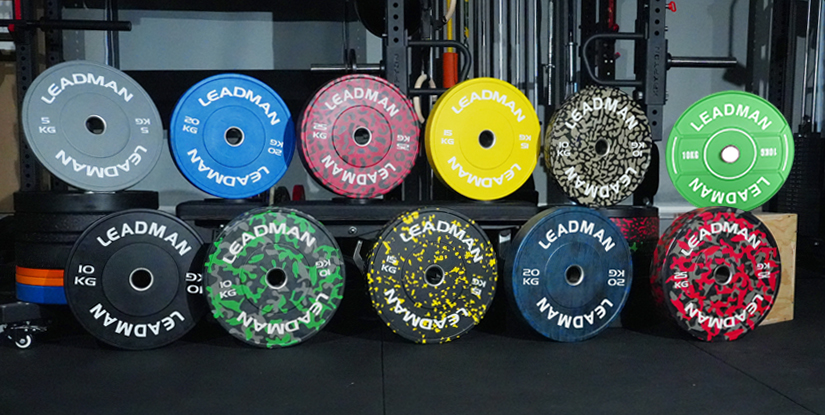
The thickness variations between different production standards can significantly impact how many plates fit on a standard Olympic bar and, more importantly, how much room they occupy on your storage racks. High-quality bumper plate specifications should account for a slim, consistent profile to ensure that even heavy loads do not extend too far outward, which can create safety hazards in crowded lifting zones. For facilities prioritizing high-density storage, selecting plates with a streamlined design allows for more efficient vertical and horizontal organization.
| Plate Profile Type | Storage Footprint | Best Use Case | Procurement Advantage |
|---|---|---|---|
| Standard Thickness | Large/Wide | General Strength Training | Lower unit cost |
| Slim/Competition Profile | Compact/Narrow | High-Volume Commercial Gyms | Maximizes bar capacity |
| Ultra-Thin Performance | Minimalist | Professional Weightlifting Hubs | Optimized for high-density racks |
When evaluating commercial weightlifting equipment for bulk orders, we recommend verifying the exact outer diameter and thickness ratios. This ensures your storage solutions—whether vertical trees or horizontal racks—are perfectly calibrated to the specific inventory, preventing wasted space and reducing long-term facility congestion.
Beyond the physical dimensions of individual units, facility managers must consider the interplay between the weight-to-thickness ratio and the chosen storage architecture. Efficient storage efficiency is not merely about where you place the equipment, but how the geometry of your barbell plates weightlifting inventory interacts with your facility's layout. For instance, a facility utilizing vertical vs horizontal storage must account for the weight distribution and the cantilevered stress placed on racks when loading heavy bumper sets.
A high-density, slim-profile plate allows for more weight to be loaded onto a single bar without increasing the lateral footprint, which is critical for maintaining clear movement paths in crowded training zones. When negotiating with manufacturers, ask for detailed dimensional tolerance reports. This ensures that your commercial weightlifting equipment—specifically the thickness of the center sleeve and the outer rim—will align perfectly with your existing rack systems, preventing the common issue of uneven weight distribution or wasted vertical space in high-capacity gyms.
Effective facility management also hinges on the frequency of turnover and the speed of transitions between training sessions. In high-volume environments, loading/unloading efficiency becomes a critical metric for operational throughput. If your inventory consists of bulky or poorly calibrated plates, the time spent by staff or athletes swapping weights increases, which can disrupt scheduled classes and peak-hour flow.
Furthermore, procurement specialists should account for maintenance windows when selecting equipment. High-quality gym plate durability is not just about the rubber's impact resistance, but also about how easily the plates can be cleaned and reorganized. Plates with smoother finishes and more standardized edges are easier to sanitize and more reliable when stored in high-density racks. By prioritizing equipment that maintains its structural integrity and dimensional consistency over time, you reduce the need for frequent replacements and minimize the labor costs associated with constant inventory reorganization. Ultimately, a well-planned approach to floor space and accessibility ensures that your weightlifting area remains a high-performance zone rather than a logistical bottleneck.
Calculating Landed Costs and International Logistics Efficiency
When sourcing high-volume barbell plates weightlifting sets, many procurement managers fall into the trap of focusing solely on the factory EXW price. However, a low unit cost can quickly be offset by inefficient logistics. To protect your margins, you must evaluate the landed cost—the total price of a product once it has arrived at your facility, including freight, duties, and insurance.
In the realm of commercial weightlifting equipment, the physical dimensions of the product are just as critical as the weight itself. Because bumper plates are high-density items, the weight-to-volume ratio directly dictates your shipping efficiency. If the bumper plate specifications result in a larger outer diameter or a thicker profile, the shipping volume increases, leading to higher container utilization costs or air freight surcharges. For distributors and facility managers, optimizing this ratio is essential to ensuring that the bulk weight of the shipment is maximized without paying for "shipping air," thereby stabilizing the long-term procurement budget.
Beyond the physical dimensions, selecting the right Incoterms is a decisive factor in managing your total expenditure. Choosing between FOB (Free on Board) and DDP (Delivered Duty Paid) requires a careful balance of control and convenience. While FOB allows for more direct control over freight optimization and local agent selection, DDP offers a streamlined, predictable cost structure that is often preferred for minimizing administrative overhead in high-volume orders. When negotiating your MOQ (Minimum Order Quantity), consider how these terms influence the final price per unit, especially when shipping heavy barbell plates weightlifting sets across ocean freight.
Furthermore, a sophisticated procurement strategy must account for the relationship between gym plate durability and total cost of ownership. While premium-grade materials might carry a higher initial price tag, their ability to withstand rigorous commercial use significantly lowers long-term maintenance costs. Investing in higher-spec bumper plate specifications—such as high-density rubber compounds and reinforced steel cores—reduces the frequency of replacement cycles. For professional gym owners, a slightly higher upfront investment often yields better fiscal results by preventing the logistical headaches and repetitive shipping costs associated with frequent reordering of worn-out equipment.
To assist in your final procurement decision-making, we have structured a comparison of how volume and density influence your shipping outcomes. High-volume orders typically allow for more efficient container loading, which can significantly reduce the per-unit logistics expenditure compared to smaller, fragmented shipments.
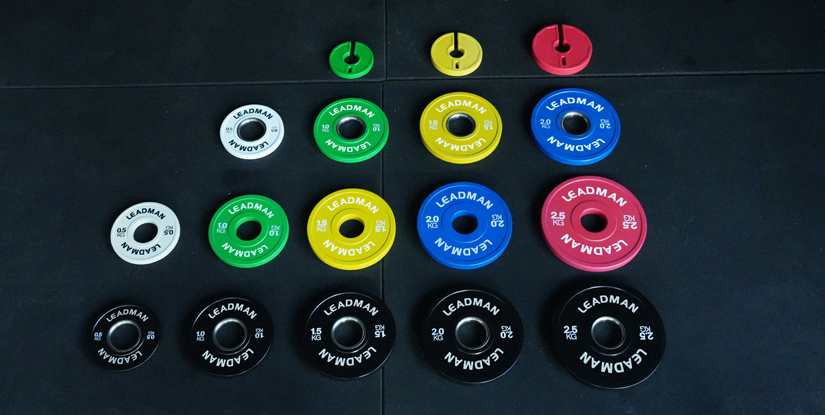
Logistics Optimization and Volume Scaling
The following table illustrates how different order scales and packaging configurations impact your total landed cost. Note that maximizing packaging density through palletization or specialized crating can stabilize the weight-to-volume ratio for your B2B shipments.
| Order Volume (Sets/Units) | Packaging Density | Preferred Shipping Method | Cost Impact & Efficiency |
|---|---|---|---|
| Low (Sample/Small Batch) | Loose/Individual Boxes | LCL (Less than Container Load) | High per-unit freight cost due to volume inefficiency. |
| Medium (Distributor Level) | Standard Palletized | LCL or 20ft Container | Balanced cost; improved protection for barbell plates weightlifting. |
| High (Large Scale Facility/Wholesale) | High-Density Container Loading | 40ft HQ Container (FCL) | Lowest per-unit landed cost via optimized container utilization. |
When negotiating with your supplier, always request the total CBM (Cubic Meters) and gross weight for your specific order quantity. This data allows your freight forwarder to provide accurate quotes and helps you avoid unexpected surcharges related to dimensional weight or inefficient space usage during transit.
Long-term Maintenance and Lifecycle Management for Gym Plates
When sourcing for large-scale fitness facilities, procurement professionals often fall into the trap of prioritizing the lowest initial invoice. However, true profitability in facility management is found by analyzing the Total Cost of Ownership (TCO). For high-traffic strength zones, the cost of a barbell plates weightlifting set is not just the purchase price, but the sum of its durability, replacement frequency, and the labor required to maintain it over several years.
In high-traffic usage scenarios—such as CrossFit boxes or heavy-duty commercial weight rooms—the mechanical stress on equipment is relentless. Low-grade commercial weightlifting equipment often suffers from premature coating degradation or structural deformation under constant impact. By focusing on rigorous bumper plate specifications during the vetting process, buyers can ensure they are investing in products designed for longevity. High-quality gym plate durability directly correlates to extended replacement cycles, reducing the logistical burden of frequent reordering and the operational downtime associated with out-of-stock weight increments.
The choice between different material coatings significantly dictates the long-term maintenance frequency and the eventual replacement timeline. For procurement managers, understanding the distinction between standard rubber and high-grade polyurethane is essential for accurate lifecycle forecasting. While rubber-based plates are cost-effective for standard gym environments, they are more susceptible to surface wear and environmental degradation over time. In contrast, polyurethane options offer superior resistance to abrasion and chemical exposure, making them the preferred choice for premium facilities where equipment aesthetics and longevity are paramount.
The following comparison assists in the decision-making process by aligning material standards with specific facility needs and expected usage intensities.
| Material/Coating Type | Typical Surface Wear Profile | Maintenance Requirements | Ideal Facility Setting |
|---|---|---|---|
| Standard Rubber | Moderate; prone to chipping or scent issues | Regular cleaning; occasional oil/UV protection | Budget-friendly gyms, home studios |
| High-Density Rubber | Low; resistant to heavy impact deformation | Standard wiping and debris removal | Standard commercial weight rooms |
| Polyurethane (PU) | Minimal; highly resistant to scratches/scuffs | Low; easy to sanitize and maintain shine | High-end CrossFit boxes, elite training centers |
When evaluating these options, consider that polyurethane coatings typically offer a much longer functional lifespan in high-impact environments, despite the higher initial procurement cost. Selecting the appropriate specification at the sourcing stage prevents the recurring logistical costs of frequent shipping and restocking as equipment wears out.
Beyond material selection, the longevity of your inventory depends heavily on operational discipline. Implementing standardized inspection protocols is essential for identifying structural fatigue before it leads to equipment failure. Facility managers should conduct monthly visual audits to check for surface cracking, edge deformation, or loosening center holes, which can signal a need for replacement or specialized repair.
Optimizing Storage and Environmental Control
Improper storage is a leading cause of premature degradation in professional weight rooms. To ensure long-term asset protection, avoid stacking plates directly on concrete floors without protective buffering; instead, utilize professional storage solutions such as heavy-duty vertical plate trees or dedicated weight racks. These methods prevent flat spots and ensure even weight distribution.
Furthermore, environmental factors such as extreme humidity or direct sunlight can accelerate the breakdown of rubber and polyurethane binders. For optimal inventory management, store your barbell plates in climate-controlled or shaded areas to prevent UV-induced brittleness or moisture-related oxidation of the metal cores. Integrating these routine commercial gym maintenance habits into your staff workflows will significantly extend the functional life of your barbell plates weightlifting assets, maximizing your initial capital expenditure.