what are weight plates made out of | Understanding Weight
High-Traffic Facility Deployment and Material Selection
For a large-scale commercial gym chain or a high-volume strength and conditioning facility, the decision regarding bumper plate materials extends far beyond simple weight increments. Procurement managers must weigh the density of the material against the operational footprint of the training floor. While cast iron offers a compact profile, the lack of shock absorption can lead to rapid degradation of subflooring and increased noise pollution. Conversely, high-quality rubberized options prioritize floor protection and impact attenuation, which is critical for maintaining a professional environment in multi-use spaces.
Optimizing space optimization requires a strategic understanding of how plate thickness affects barbell loading and movement. In high-traffic environments, selecting the right material ensures smoother movement flow by preventing equipment clutter and reducing the physical wear on the facility's infrastructure. When planning high-traffic facility deployment, the goal is to balance the durability of the plates with the long-term maintenance costs of the flooring, ensuring that heavy lifting sessions do not compromise the structural integrity of the gym floor.
To accurately calculate the Total Cost of Ownership (TCO), buyers should look past the initial unit price and evaluate the long-term maintenance cycles and replacement frequency. The choice between cast iron vs rubber plates often dictates whether a facility will face frequent subfloor repairs or unexpected equipment replacement due to material fatigue. For example, while cast iron provides a slimmer profile for high-density barbell loading, it lacks the impact resilience required for heavy Olympic lifting, often leading to higher long-term costs in flooring maintenance.
The following comparison serves as a decision-making tool for evaluating commercial weight plate durability against specific operational needs:
| Material Type | Primary Benefit | Typical Thickness | Maintenance Profile | Best Use Case |
|---|---|---|---|---|
| Cast Iron | Space Efficiency | Thin/Compact | Low (Rust prevention) | Standard Strength Training |
| Solid Rubber | Impact Absorption | Thick/Wide | Moderate (Surface wear) | Olympic/High-Impact Lifting |
| Steel/Composite | High Durability | Variable | Low (Structural integrity) | Commercial Strength Racks |
Strategic Sourcing Tip: When negotiating bulk orders or managing MOQ requirements, always request specification sheets detailing the material thickness and coating quality. This ensures that the plates delivered meet the structural standards required for your facility's specific high-impact or high-density training protocols.
Beyond material performance, professional buyers must account for the logistical complexities inherent in large-scale procurement. When determining what are weight plates made out of for a global shipment, the physical properties of the chosen material directly impact your bottom line through shipping density and freight costs. For instance, while high-density rubberized plates offer superior impact protection, their increased volume per unit can significantly expand the storage footprint and increase container utilization costs compared to more compact steel or iron alternatives.
To mitigate risks during bulk procurement, it is essential to implement rigorous QC standards that focus on dimensional consistency. Variations in plate thickness or diameter can lead to uneven weight distribution during transit, potentially causing damage or complicating inventory management at your local distribution center. We recommend that distributors request detailed technical drawings and weight-tolerance certificates prior to finalizing any large-scale order. This level of scrutiny ensures that the shipping density remains predictable and that every unit delivered aligns with the exact specifications required for your facility’s barbell systems and storage racks.
Analyzing Bumper Plate Materials for Impact Resistance
For high-traffic commercial facilities, the longevity of weight plates is determined by more than just the raw weight; it is defined by the structural integrity under heavy use. When sourcing for Olympic lifting zones, procurement specialists must look beyond the surface to understand the internal composition. Premium bumper plates are engineered with a high-density core—typically composed of high-grade steel or heavy-duty composite—which provides the necessary structural stability and prevents warping during high-velocity drops.
To ensure long-term commercial weight plate durability, a high-quality rubberized outer layer is essential. This outer shell is not merely a coating; it is a functional component designed for maximum shock absorption and impact resistance. A well-engineered rubber casing protects the internal core from deformation while simultaneously reducing the kinetic energy transferred to your facility's flooring. For distributors and gym owners, selecting plates with this specific dual-layer construction minimizes long-term maintenance costs and protects the surrounding infrastructure from the wear and tear of heavy lifting sessions.
When calculating the Total Cost of Ownership (TCO) for a new facility or a replacement order, the choice between different material types becomes a critical financial decision. While the initial unit price may be lower for certain options, the long-term maintenance requirements and replacement frequency often tell a different story. For instance, the density and wear resistance of the material will directly impact how often your staff needs to inspect or replace damaged equipment.
The following comparison outlines the performance metrics of common materials to help you decide which configuration aligns best with your budget and operational goals:
| Material Type | Material Density | Wear Resistance | Maintenance Needs | Primary Use Case |
|---|---|---|---|---|
| Cast Iron | High | Excellent (Rigid) | Low (Requires Rust Prevention) | Standard Strength Training |
| Solid Rubber | Moderate | High (Impact Absorption) | Minimal | Olympic Lifting & High-Drop Zones |
| Steel-Core Rubber | Very High | Superior (Structural Stability) | Very Low | High-Volume Commercial Gyms |
Understanding the nuances of cast iron vs rubber plates allows distributors to better advise clients on whether to invest in heavy-duty bumper plates or traditional iron sets. While cast iron offers unmatched density for compact storage, rubber-encased plates provide the necessary resilience for high-impact environments, ultimately extending the lifecycle of both the plates and the facility's flooring.
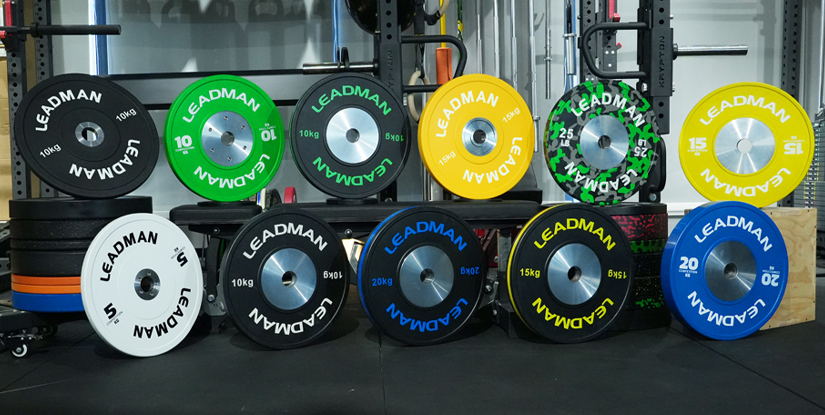
Beyond material selection, the reliability of a bulk order hinges on the manufacturer's ability to maintain strict quality control (QC). For procurement managers handling large-scale facility fit-outs, the primary risk is not just the material itself, but the lack of material uniformity across a single shipment. Inconsistent density or uneven weight distribution between individual plates can lead to uneven wear and increased mechanical stress on barbells, undermining the perceived quality of your entire inventory.
When managing bulk procurement, it is vital to verify that your supplier adheres to rigorous manufacturing standards. A reputable factory should provide documentation or testing data to ensure each plate in a 500kg or 1,000kg order meets the same tolerance specifications. This level of precision is especially critical for shipment stability; well-balanced, uniform plates are easier to stack and palletize, reducing the risk of shifting or damage during international transit. For distributors, sourcing from facilities that prioritize these technical benchmarks ensures that the product arriving at the client's door matches the exact specifications promised during the negotiation phase.
Cast Iron vs Rubber Plates: Performance Trade-offs in Commercial Settings
When scaling a fitness facility, the decision between cast iron vs rubber plates often comes down to more than just aesthetic preference; it is a calculation of long-term operational overhead. While cast iron offers a compact footprint and high density, it lacks the shock absorption required for high-impact zones. Conversely, rubberized bumper plates are engineered to mitigate impact noise and protect the structural integrity of your flooring, though they require different storage considerations due to their increased volume.
For procurement managers, understanding commercial weight plate durability involves evaluating the total cost of ownership. A high-traffic strength zone may face frequent floor damage if metal-on-metal contact is not managed, whereas a premium functional training area demands the acoustic dampening provided by high-grade rubber. Selecting the right material ensures that your maintenance frequency remains low and your facility's surfaces remain intact under heavy use.
| Material Type | Primary Benefit | Floor Protection | Maintenance Profile |
|---|---|---|---|
| Cast Iron | Compact & Cost-Effective | Low (Requires Mats) | Low (Rust Prevention) |
| Rubber Bumper | High Impact Absorption | Excellent | Moderate (Surface Wear) |
| Steel/Hybrid | High Precision | Moderate | Moderate (Coating Care) |
To accurately forecast your replacement cycles, you must account for how different bumper plate materials react to environmental factors and heavy usage. While cast iron is exceptionally durable, it carries a significant oxidation risk if the powder coating is breached in humid environments. In contrast, high-density rubber plates are more resilient to moisture but may experience surface wear or "chalk buildup" over time, which can affect the grip and visual profile of the equipment.
Evaluating the long-term maintenance requirements allows distributors and facility owners to optimize their initial procurement budget. For instance, a facility prioritizing low-touch upkeep might favor high-quality steel or iron with advanced anti-corrosion treatments. However, for high-impact functional zones, the cost of replacing damaged flooring often outweighs the premium of investing in superior rubberized surfaces. A technical breakdown of these variables helps ensure your inventory remains an asset rather than a recurring expense.
Strategically managing your inventory requires looking beyond the initial purchase price to the total lifecycle of the equipment. When determining what are weight plates made out of for a large-scale rollout, procurement specialists must consider how material density influences logistics and storage. For example, while cast iron provides a smaller volume per kilo, the sheer weight can increase shipping costs and require more robust shelving. Conversely, rubberized options, while more voluminous, often reduce the long-term costs associated with floor repairs and acoustic mitigation in high-impact zones.
To optimize your bulk procurement strategy, we recommend a tiered approach to inventory selection. Rather than a uniform order, segment your purchasing based on the specific demands of different training areas. Dedicate heavy-duty, compact iron plates to traditional powerlifting racks to maximize space, and allocate high-grade bumper plates to functional training zones to preserve the facility lifespan. This targeted distribution ensures that your capital is invested where it provides the highest utility, effectively balancing immediate budget constraints with long-term facility durability.
Structural Integrity and Coating Standards for Long-Term Use
When evaluating long-term total cost of ownership (TCO), the fundamental distinction between cast iron vs rubber plates lies in how they manage mechanical stress. For distributors sourcing for high-traffic commercial gyms, understanding these structural differences is critical to preventing premature replacement cycles. Cast iron plates offer unmatched density and a compact profile, making them ideal for strength training zones where space efficiency is a priority. However, their rigid structure lacks inherent shock absorption, meaning they rely heavily on the quality of the floor protection and the precision of the casting process to avoid chipping under heavy use.
In contrast, high-quality bumper plate materials utilize a dual-layer approach: a dense internal core—often steel or high-density polymer—encased in a thick, impact-resistant rubber shell. This construction is engineered specifically for high-frequency use scenarios, such as Olympic lifting, where the plates must endure repeated drops without compromising their structural integrity. For procurement managers, choosing between these options involves balancing the need for impact resistance against the specific training disciplines of the facility. While rubber-coated options provide superior durability in high-impact environments, the quality of the outer coating determines how well the plate resists tearing and degradation over years of rigorous service.
To streamline your procurement decision-making, we have categorized the primary material types based on their operational longevity and maintenance profiles. Selecting the right material is not just about the weight, but about how the surface coating interacts with the environment and the intensity of the training stimulus.
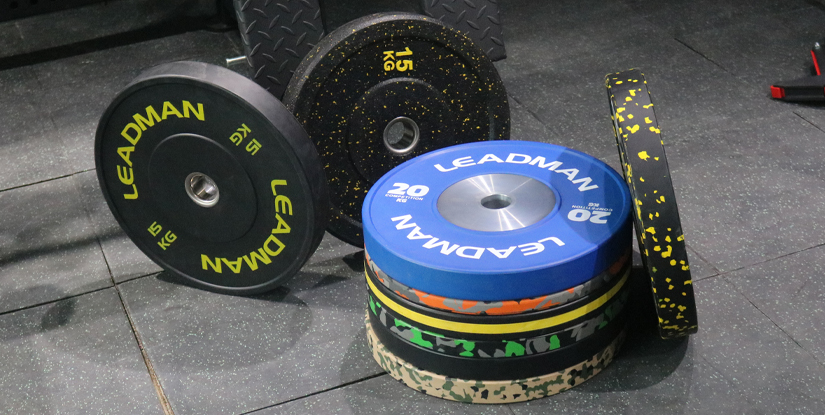
The following comparison highlights the critical distinctions in commercial weight plate durability, specifically regarding oxidation, abrasion, and long-term upkeep requirements.
| Material Type | Primary Durability Factor | Surface Coating Stability | Maintenance Requirement | Typical Use Case |
|---|---|---|---|---|
| Cast Iron | High density; high impact resistance | Moderate; prone to oxidation if coating chips | Periodic inspection for rust/oxidation | Standard strength training; compact storage |
| Rubber-Coated | Superior shock absorption | High; excellent UV and abrasion resistance | Low; minimal upkeep required | Olympic lifting; high-traffic commercial gyms |
| Steel/Stainless | Maximum structural rigidity | Very High; resistant to environmental wear | Very low; highly durable in humid zones | Premium boutique studios; high-end facilities |
When negotiating with manufacturers, we recommend requesting specific data regarding the bumper plate materials' coating thickness and UV resistance. For distributors, a higher initial investment in rubber-encased or high-grade steel plates often results in a lower TCO by reducing the frequency of replacement orders and minimizing floor damage claims from end-users.
Precision Manufacturing and Oxidation Prevention
Beyond basic material selection, professional buyers must scrutinize the manufacturing precision and surface treatment protocols. For iron-based products, the primary threat to long-term value is oxidation. A subpar coating can lead to surface rust within months of deployment, particularly in humid commercial environments or high-traffic training centers. When auditing a supplier, ask for documentation regarding their coating thickness standards. A uniform, high-micron application—whether it be powder coating or specialized paint—acts as a critical barrier that prevents moisture from reaching the core metal, thereby extending the product's functional lifespan.
Rigorous factory QC standards are the most effective way to mitigate long-term facility maintenance costs. Inconsistent casting or uneven coating thickness often leads to uneven weight distribution or premature peeling, both of which signal poor quality to end-users and increase replacement frequency. From a procurement standpoint, prioritizing manufacturers that implement strict tolerance testing for both weight accuracy and surface adhesion is essential. By investing in plates that feature superior oxidation prevention and robust structural coatings, facility owners can avoid the hidden costs of frequent inventory turnover and the logistical headaches of managing damaged or degraded equipment.
Optimizing Inventory and Logistics for Wholesale Orders
For distributors and facility managers, understanding what are weight plates made out of is not just a technical question—it is a logistical calculation. Sourcing a diverse range of bumper plate materials requires a strategic approach to inventory planning, as the physical properties of each material directly impact your shipping costs and warehouse management. Unlike smaller accessories, weight plates demand rigorous attention to volume vs. weight density to ensure your margins remain intact during international transit.
A common oversight in procurement is failing to account for the varying storage footprint of different plate types. While cast iron offers high density and a compact profile, high-quality rubberized plates, despite their durability, may require more specialized handling and different racking configurations. To optimize your stock turnover and minimize landed costs, consider how these material characteristics influence your long-term storage and shipping efficiency.
| Material Type | Density Profile | Storage Footprint | Primary Procurement Benefit |
|---|---|---|---|
| Cast Iron | High | Minimal | Cost-effective for high-volume, heavy weight increments |
| Rubberized Bumper | Moderate | Larger | Essential for high-impact zones and floor protection |
| Steel/Composite | Very High | Very Compact | Ideal for precision lifting and space-constrained facilities |
When evaluating the cast iron vs rubber plates debate, procurement officers must look beyond the unit price and analyze the total cost of ownership. While cast iron provides a dense, space-saving solution for traditional strength training, rubberized bumper plates are indispensable for high-traffic functional training environments. The choice between these materials dictates your facility's maintenance schedule and equipment longevity.
Beyond the material composition, the commercial weight plate durability profile affects your long-term replacement cycles. For instance, high-grade urethane coatings significantly extend the lifespan of bumper plates in heavy-use settings, whereas standard rubber may show wear more quickly. Furthermore, the shipping cost impact is substantial; because weight plates are high-density goods, even minor differences in volume can alter container load optimization. When planning wholesale orders, always factor in the physical dimensions of the plates to ensure your shipping and storage layouts are optimized for maximum efficiency.
To successfully manage a bulk procurement strategy, buyers must move beyond simple unit-cost comparisons and implement a rigorous quality inspection protocol. Because the physical composition of the plates—whether it is solid steel or a composite rubber—affects both the weight accuracy and the structural integrity, relying solely on factory certificates is often insufficient. We recommend requesting detailed specifications regarding the tolerance levels and coating thickness before finalizing any large-scale purchase. This ensures that the material density remains consistent across all weight increments, preventing discrepancies that could damage your reputation as a distributor.
Furthermore, effective shipping logistics planning requires a deep understanding of the Minimum Order Quantity (MOQ) and container load optimization. Since the answer to what are weight plates made out of dictates the total volume of the shipment, you should coordinate closely with your supplier to balance weight-to-volume ratios. A well-structured order should not only meet your immediate stock requirements but also account for the protective packaging necessary to prevent surface oxidation or rubber degradation during long-haul maritime transit. By integrating these quality and logistical checks into your initial sourcing phase, you minimize the risk of costly returns and ensure a lower total cost of ownership for your clients.
Quality Control Benchmarks for Global Sourcing
For facility owners and distributors, the decision regarding what are weight plates made out of extends far beyond initial procurement costs; it is a fundamental calculation of Total Cost of Ownership (TCO). While lower-grade materials may offer an attractive entry price, they often trigger hidden expenses that erode profit margins over time. For instance, choosing substandard bumper plate materials can lead to premature degradation, forcing more frequent replacement cycles and disrupting your inventory management.
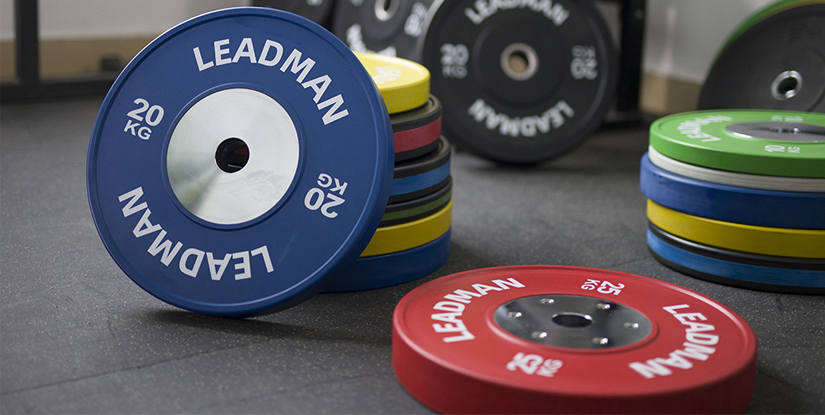
The financial impact is not limited to the equipment itself. Poorly engineered plates often lack the necessary shock absorption, leading to excessive vibration and impact force. This lack of quality control directly correlates to the increased frequency of floor repairs and structural maintenance within your facility. By prioritizing high-density, durable compositions during the sourcing phase, professional buyers can mitigate these long-term liabilities. Ultimately, understanding the structural integrity of different materials ensures a higher long-term ROI, protecting both your capital investment and your facility's infrastructure.
To facilitate more precise procurement decisions, we have developed a technical comparison framework. This allows sourcing officers to evaluate material grades based on long-term operational requirements rather than just the unit price. When assessing commercial weight plate durability, it is essential to weigh the trade-offs between impact resistance, surface finish, and maintenance overhead.
| Material Type | Durability Rating | Typical Maintenance Needs |
|---|---|---|
| Cast Iron | High (Structural) | Periodic inspection for rust; minimal coating touch-ups |
| Steel (Machined/Coated) | Moderate to High | Regular cleaning; monitoring of coating integrity |
| High-Density Rubber | High (Impact/Surface) | Surface wipe-downs; monitoring for material compression |
When negotiating with manufacturers, ensure that your quality control protocols account for these specific material behaviors. For example, high-density rubber is indispensable for high-traffic functional training zones to protect flooring, whereas cast iron remains a cost-effective standard for traditional strength training environments where impact is less frequent. Aligning your material selection with your facility's specific use case is the most effective way to optimize your long-term procurement budget.
To safeguard your investment during high-volume imports, sourcing managers must implement rigorous inspection benchmarks that go beyond visual aesthetics. A critical technical requirement is the tolerance level for weight accuracy. For professional-grade equipment, you should demand a strict weight deviation limit—typically within +/- 1% to 2% for high-end bumper plates—to ensure consistent loading and prevent imbalances during heavy lifts. Discrepancies in mass across a single set can lead to user dissatisfaction and liability concerns in commercial settings.
Beyond mass, the physical interface of the plate is a common failure point. It is essential to verify the center hole diameter against standard barbell sleeve specifications. Inconsistency here can cause plates to stick or fit too loosely, which compromises safety and increases wear on both the plates and the barbells. Furthermore, for plates with specialized finishes, request data on coating adhesion tests. High-quality commercial weight plates must undergo rigorous testing to ensure the coating can withstand repeated impact without chipping or peeling, as surface degradation not only looks unprofessional but can also lead to material oxidation and structural weakness over time.
Procurement FAQ: Selecting the Right Weight Plate Composition
When evaluating what are weight plates made out of, professional buyers must look beyond the initial unit price and focus on the Total Cost of Ownership (TCO). A lower upfront cost for certain materials often masks escalating long-term expenses related to facility upkeep and replacement cycles. For instance, the debate of cast iron vs rubber plates is rarely about which is "better," but rather which fits your specific operational model and floor infrastructure.
In high-traffic strength facilities, commercial weight plate durability is inextricably linked to your floor protection requirements. While cast iron offers a compact profile and high density, the impact force of dropped plates can lead to structural damage to subfloors if high-grade platform mats are not utilized. Conversely, high-quality bumper plates mitigate impact noise and vibration but may require more frequent inspections for edge wear. From a procurement standpoint, failing to align material choice with your facility's impact tolerance can lead to high long-term maintenance costs and premature replacement of both the equipment and the flooring itself.
To streamline your sourcing process, we have synthesized the technical differences between common compositions. This comparison is designed to help procurement officers align material specifications with the intended intensity of the training environment, ensuring that your bulk orders meet both budget constraints and longevity expectations.
| Material Type | Primary Use Case | Durability Profile | Maintenance Frequency |
|---|---|---|---|
| Cast Iron | Standard strength training and compact storage | High density; resistant to impact deformation | Low; periodic rust prevention checks |
| Urethane-Coated Rubber | High-performance lifting and CrossFit facilities | Superior abrasion resistance; high impact absorption | Minimal; highly resistant to chemical/oil degradation |
| Standard Butyl Rubber | General fitness centers and budget-conscious gyms | Moderate; susceptible to edge chipping over time | Moderate; requires monitoring for surface wear |
When negotiating with manufacturers, clarify the specific bumper plate materials being utilized. A distinction between high-grade urethane and standard butyl rubber can significantly impact your replacement cycle. For large-scale distribution or franchise rollouts, prioritizing materials with higher impact resilience often yields a better ROI by reducing the frequency of logistics-heavy reorders.
Beyond material composition, professional buyers must navigate the complexities of bulk logistics and technical specifications to avoid hidden costs. When sourcing at scale, the question of what are weight plates made out of extends into how those materials are finished and shipped. For example, if you require custom colors or specialized coatings for branding, be aware that MOQ considerations for custom coatings are often higher than standard black or color-coded lines. This is because specialized paint or urethane applications require dedicated production runs to ensure consistency across the entire batch.
Rigorous quality control is non-negotiable during the inspection phase. We recommend focusing on two critical QC inspection points: weight tolerance and coating adhesion. A high-quality manufacturer should maintain a tight weight deviation (typically within 1-3%) to ensure balanced training. Furthermore, testing the bond between the core material and the outer coating prevents premature peeling or cracking, which can compromise the professional look of your facility. Finally, optimize your shipping weight optimization by coordinating with your supplier to balance container volume against weight limits. Since weight plates are high-density cargo, maximizing the weight-to-volume ratio in a 40ft container is essential for reducing the per-unit landed cost.