what metal are weight plates made of | Understanding Metal
Optimizing Inventory Margins through Material Selection
Many distributors make the mistake of prioritizing low upfront unit costs, only to face high replacement rates and client dissatisfaction within a few years. A more sophisticated sourcing approach focuses on the Total Cost of Ownership (TCO), recognizing that the initial purchase price is merely a fraction of the long-term expenditure. By understanding the nuances of metal selection, procurement managers can shift from reactive purchasing to strategic asset management.
The specific cast iron plate composition directly influences how often a facility must refresh its inventory. While standard iron is cost-effective, high-grade alloys offer superior steel weight plate durability, resisting the structural fatigue and surface oxidation common in high-traffic commercial environments. This distinction is critical for calculating ROI; a slightly higher initial investment in premium materials often results in extended maintenance cycles and reduced replacement frequency. For large-scale distributors and gym operators, choosing materials that withstand heavy impact and environmental wear is not just a quality preference—it is a calculated move to protect long-term profit margins and ensure equipment longevity.
When deciding on a product mix, procurement specialists must balance spatial efficiency against high-impact resistance. The choice between rigid metallic structures and specialized bumper plate materials often dictates the long-term operational flow of a facility. For instance, while cast iron is unmatched for density and space-saving, it lacks the shock-absorption required for high-velocity lifting environments. Conversely, modern bumper plates often utilize a high-density rubber or urethane coating over a central core to protect both the floor and the equipment itself.
The following comparison helps distributors and gym owners align their inventory with specific usage intensities and budgetary constraints:
| Material Type | Durability Profile | Space Efficiency | Cost Tier |
|---|---|---|---|
| Cast Iron | High (Rigid) | Excellent (Compact) | Low |
| Steel/Iron Alloy | Very High (Structural) | High | Moderate |
| Rubber/Urethane Bumper | High (Impact Resistant) | Moderate (Bulkier) | High |
Strategic Sourcing Note: For strength-focused training centers where floor space is at a premium, high-density iron remains the standard. However, for CrossFit or functional training facilities, investing in bumper plates is essential to mitigate damage from dropped weights, ultimately protecting the facility's flooring and structural integrity.
Beyond material durability, the physical properties of the metal directly dictate your logistics optimization strategy. Because different alloys and plate types offer varying levels of density, procurement managers must account for the relationship between shipping weight and volume to avoid unforeseen overhead. For example, while cast iron provides superior storage density—allowing for more weight to be packed into a smaller footprint—it also increases the gross weight per container, which can drive up freight costs in weight-restricted shipping lanes.
A successful procurement strategy requires a precise calculation of how these material choices affect your inventory turnover and warehousing costs. High-density iron plates allow for compact storage and efficient vertical stacking, maximizing warehouse space. In contrast, bulkier bumper plate materials, though essential for certain training modalities, demand more cubic volume per unit. Distributors should evaluate their shipping weight vs. volume ratios carefully; choosing the right metal composition ensures you are not just buying equipment, but also optimizing the entire supply chain from the factory floor to the final client delivery.
The Economic Profile of Cast Iron Plate Composition
For facility owners and distributors managing large-scale inventory, the decision between different metal types often comes down to the balance between volume and velocity. When evaluating cast iron plate composition, the primary advantage lies in its high-density metal structure. This density allows for a significant reduction in the physical footprint of your storage systems and weight trees, offering substantial space-saving benefits in high-traffic commercial gyms where floor real estate is at a premium.
From a B2B procurement logic standpoint, cast iron remains the industry standard for high-volume orders due to its predictable cost-per-kg advantage. While specialized alloys might offer niche benefits, the sheer scalability of iron production makes it the most reliable option for maintaining consistent margins during large-scale facility build-outs or distributor restocking cycles.
| Material Type | Primary Benefit | Procurement Focus | TCO Profile |
|---|---|---|---|
| Cast Iron | High density & low cost | High-volume wholesale | Lowest initial outlay |
| Steel (Machined) | Precision thickness | Premium strength training | Moderate/Long-term |
| Rubber-Coated Steel | Floor protection | Commercial longevity | Higher upfront/Low maintenance |
When calculating the total cost of ownership (TCO), professional buyers must look beyond the initial invoice price. A high-quality steel weight plate durability profile is often more valuable than a cheaper, low-grade alternative that requires frequent replacement. For instance, while cast iron offers the lowest entry point, steel-based plates with advanced coatings often provide a superior long-term ROI by reducing the frequency of surface oxidation and mechanical wear.
The following comparison helps procurement managers weigh immediate budget constraints against long-term operational costs. We recommend analyzing the maintenance requirements alongside the expected lifecycle of the equipment to ensure your facility's budget remains optimized over several years of heavy usage.
| Material Spec | Durability Rating | Maintenance Needs | Long-term ROI |
|---|---|---|---|
| Standard Cast Iron | Moderate | Occasional rust prevention | High (for budget-focused setups) |
| Machined Steel | High | Low (minimal surface care) | Very High (for precision environments) |
| Bumper Plate Materials | Extreme | Low (impact-resistant) | Maximum (for high-impact zones) |
Strategic Note: When sourcing for high-traffic commercial hubs, prioritize materials that mitigate the need for constant staff intervention. A slightly higher upfront investment in premium steel or specialized bumper plate materials often results in lower labor costs for maintenance and a more stable asset value for your facility.
Precision in Production and Global Logistics
Beyond material selection, the technical integrity of a bulk shipment depends on rigorous quality control (QC) protocols regarding metal purity. For distributors, even minor impurities in the iron or steel alloy can compromise the structural integrity of the plates, leading to hairline fractures or uneven weight distribution under heavy loads. Reliable manufacturers implement strict metallurgical testing to ensure that every batch meets the specified density and hardness standards required for commercial use.
Logistically, weight consistency is a critical metric for international B2B procurement. Discrepancies in shipping density or individual plate mass can lead to significant issues during customs clearance and final inventory audits. When managing bulk order logistics, it is essential to verify that the factory maintains a tight tolerance for weight variance. A consistent manufacturing process ensures that your shipping containers are optimized for volume without unexpected weight overages, protecting your margins and ensuring a predictable arrival of high-quality assets to your facility.
Evaluating Steel Weight Plate Durability for High-Traffic Facilities
For facility managers and gym distributors, the decision between different metal compositions often comes down to more than just initial procurement costs; it is a calculation of Total Cost of Ownership (TCO). In high-traffic environments, the frequency of impact and environmental exposure dictates how often a facility must replace its inventory or perform intensive refurbishments.
When evaluating steel weight plate durability, procurement professionals must consider the metallurgical integrity of the base metal. While high-grade steel offers exceptional resistance to structural deformation under heavy use, the cast iron plate composition remains a staple for specific load-bearing requirements due to its predictable density and cost-efficiency. However, in premium commercial settings, the choice of metal directly influences high-traffic facility maintenance cycles. Selecting a material with superior coating adhesion and structural resilience minimizes the long-term operational burden of rust prevention and surface degradation, ensuring the equipment remains a functional asset rather than a recurring maintenance expense.
To optimize procurement specifications, buyers should analyze how metal selection interacts with environmental factors and physical wear. A technical comparison of common materials helps in predicting the long-term maintenance window and the eventual ROI for large-scale facility rollouts.
| Material Type | Oxidation Resistance | Wear Resistance | Maintenance Profile |
|---|---|---|---|
| Cast Iron | Moderate (Requires coating) | High (Impact resistant) | Periodic rust treatment |
| Carbon Steel | Low (Susceptible to moisture) | Very High (High density) | High (Requires dry storage) |
| Stainless Steel | Exceptional | High | Minimal (Low upkeep) |
When drafting purchase orders, we recommend specifying the surface coating durability. For instance, powder-coated or nickel-plated finishes significantly extend the life of standard iron plates by creating a barrier against oxidation. For distributors sourcing for humid or coastal climates, prioritizing high-grade bumper plate materials or treated steel alloys is a strategic move to prevent premature degradation, ensuring the inventory maintains its professional appearance and structural integrity over several years of intensive use.
Beyond individual plate specs, professional buyers must view the question of what metal are weight plates made of through the lens of logistics and scalability. For distributors and large-scale facility developers, the metallurgical choice dictates the long-term ROI of a single procurement cycle. While premium alloys may carry a higher upfront cost, the reduction in replacement frequency and the extension of the facility lifespan often outweigh the initial savings of lower-grade iron alternatives.
Bulk ordering considerations should always include a rigorous assessment of material reliability and weight-to-volume ratios. When shipping heavy steel or cast iron components globally, the density of the metal impacts freight costs and container optimization. A well-planned procurement strategy balances the high density of steel with the logistical ease of high-quality bumper plate materials to ensure that the bulk ordering process remains cost-effective. By prioritizing materials with standardized compositions and robust protective coatings, importers can mitigate the risks of transit-related oxidation and ensure that the delivered inventory meets the strict quality control standards required for high-end commercial installations.
Bumper Plate Materials and Impact Resistance Standards
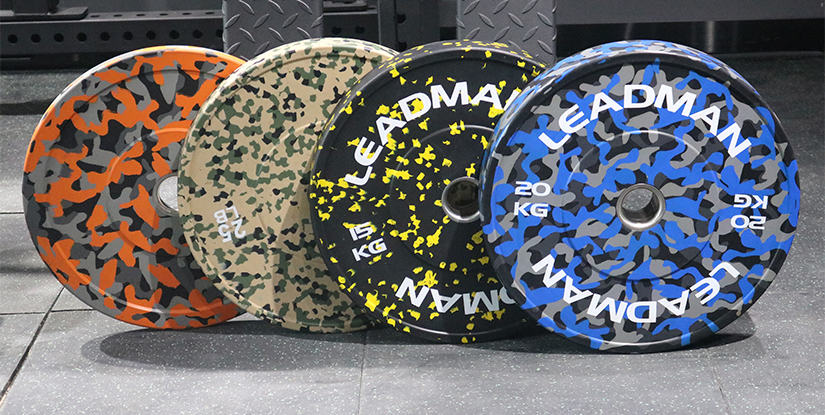
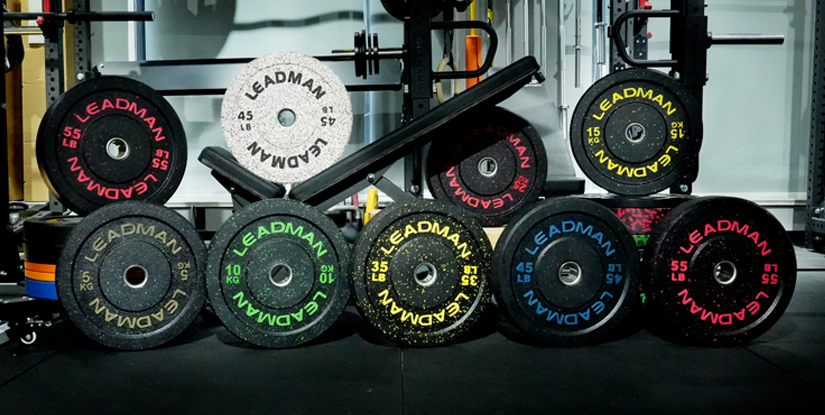
When sourcing for high-traffic functional training zones, understanding the structural distinction between standard iron and high-performance bumper plates is critical for long-term ROI. While traditional cast iron plates rely solely on metal density, professional-grade bumper plate materials utilize a sophisticated multi-layer construction designed for high-impact environments. Typically, these plates feature a high-density rubber or polyurethane outer shell wrapped around a precision-engineered internal metal core.
This dual-layer architecture serves a specific procurement purpose: the internal core provides the necessary weight stability and dimensional accuracy, while the outer layer offers essential shock absorption. This design significantly enhances impact resistance, allowing athletes to drop weights from overhead without the structural cracking or floor damage often associated with pure metal plates. For distributors and gym owners, choosing these composite structures over basic cast iron translates to better durability vs cast iron longevity, reducing replacement frequency and minimizing long-term maintenance costs in heavy-use facilities.
For procurement specialists, the decision between investing in cast iron or high-end composite plates often hinges on the Total Cost of Ownership (TCO). While a single unit of iron may have a lower initial purchase price, the long-term maintenance and replacement cycles can erode margins if the facility's use case involves high-impact functional training.
The following comparison helps evaluate the trade-offs between standard cast iron plate composition and high-durability bumper options, focusing on the practicalities of facility management and equipment lifespan.
| Evaluation Metric | Standard Cast Iron Plates | High-End Rubber/Poly Bumper Plates |
|---|---|---|
| Primary Composition | Solid iron alloy | Steel/Iron core with rubber/poly shell |
| Impact Resistance | Low (prone to cracking oise) | High (engineered for heavy drops) |
| Maintenance Frequency | Moderate (requires rust prevention) | Low (surface cleaning only) |
| Expected Lifespan | High (if stored in dry environments) | Extreme (ideal for high-volume gyms) |
| Cost-Efficiency Profile | Best for low-impact/budget builds | Best for long-term TCO in CrossFit/HIIT |
When assessing steel weight plate durability against composite alternatives, consider the intended training modality. If your clients prioritize heavy lifting with controlled descent, the cast iron plate composition offers excellent value. However, for facilities specializing in dynamic movements, the increased durability of bumper plates justifies the higher initial shipping and unit costs through reduced replacement needs.
Beyond material durability, procurement specialists must also account for the logistical implications of volume and density. When determining what metal are weight plates made of, the resulting weight-to-volume ratio dictates your logistics strategy and storage volume requirements. High-density cast iron plates are compact, making them highly efficient for bulk procurement where shipping space is at a premium. Conversely, the thicker profiles of rubber-encased bumper plates increase the dimensional footprint of each shipment, which can escalate freight costs per unit.
For a professional commercial gym setup, balancing these factors is essential to maximizing ROI. While iron plates offer a denser, more space-saving solution for traditional strength zones, the high wear and tear of functional training areas necessitates the use of bumper plates to protect both the equipment and the facility flooring. Successful distributors evaluate the total landed cost—factoring in both the shipping volume and the long-term replacement cycle—to ensure their inventory choices support both immediate budget constraints and long-term operational stability.
Logistics and Sourcing Considerations for Metal Alloys
When scaling inventory for a commercial gym or a distribution warehouse, the physical properties of the metal go far beyond mere weight. Professional buyers must evaluate the relationship between cast iron plate composition and the logistical overhead associated with high-density shipments. While cast iron offers a cost-effective solution for heavy resistance, its high density means that shipping volume vs. weight is a critical calculation for landed costs. For distributors, understanding the space-to-weight ratio is essential to optimizing container utilization and reducing per-unit freight expenses.
In contrast, choosing different alloys or bumper plate materials can significantly alter your storage footprint. While steel weight plate durability ensures a long product lifecycle, the sheer mass of heavy iron plates can slow down inventory turnover if warehouse space is at a premium. We advise procurement managers to balance the initial material cost against the long-term logistical efficiency of the product. Selecting the right metal composition is not just about the strength of the plate, but about managing the total cost of ownership through smarter shipping and storage strategies.
To assist in your procurement decision-making, we have synthesized a comparison focusing on the practical trade-offs between material types. For high-impact environments such as CrossFit boxes or heavy lifting studios, the selection of bumper plate materials—typically high-density rubber encased around a core—is often non-negotiable to protect both the equipment and the facility floor.
The following table provides a strategic overview to help you evaluate the Total Cost of Ownership (TCO) and operational requirements for your facility or retail inventory:
| Material Type | Durability Profile | Maintenance Needs | Long-term ROI |
|---|---|---|---|
| Cast Iron | High (Brittle under extreme impact) | Low (Requires occasional rust prevention) | Excellent for high-volume, budget-focused gym setups |
| Steel Alloy | Very High (Resistant to cracking) | Moderate (Surface coating inspections) | High for premium strength training and powerlifting hubs |
| Bumper (Rubber/Composite) | Extreme (Optimized for high-impact drops) | Moderate (Surface wear monitoring) | Superior for high-traffic functional training zones |
Strategic Note: While cast iron remains a staple for standard weight training due to its low unit cost, procurement specialists should weigh the durability of steel or rubberized alternatives when the facility's use case involves frequent dropping or high-intensity movement.
Beyond the material selection, a successful procurement cycle hinges on rigorous oversight of manufacturing specifications. When asking what metal are weight plates made of, the answer is only half the equation; the second half is how consistently that metal is processed. For bulk orders, relying on generic descriptions is a risk. We recommend that distributors demand strict quality control (QC) standards that address both structural integrity and dimensional accuracy. A primary concern in high-volume shipments is the variance in thickness tolerances. Even a few millimeters of deviation can lead to uneven loading on barbell sleeves, causing uneven weight distribution and premature wear on high-end bar sets.
Furthermore, the longevity of your inventory depends heavily on coating consistency. Whether the plates are powder-coated, painted, or zinc-plated, the application must be uniform to prevent oxidation and surface degradation in humid or high-traffic gym environments. When negotiating with manufacturers, be sure to clarify MOQ considerations and how these impact the customization of coatings or branding. Finally, ensure your partner offers high logistics reliability. Because metal weight plates are high-density, heavy-duty cargo, working with a supplier that understands optimized palletization and robust packaging is essential to prevent transit damage and ensure a seamless delivery to your warehouse or client site.
Quality Control Benchmarks for Bulk Metal Imports
For facility owners and distributors, the true cost of weight plates is rarely found in the initial invoice, but rather in the long-term Total Cost of Ownership (TCO). When sourcing at scale, failing to verify the specific cast iron plate composition can lead to premature degradation. Low-grade alloys often suffer from inconsistent density and poor oxidation resistance, leading to surface rust that can damage expensive barbell coatings and increase maintenance cycles.
To ensure commercial longevity, procurement specialists must look beyond basic weight specifications. A high-quality steel weight plate durability profile depends heavily on metal purity and the precision of the molding process. If the alloy lacks structural integrity, plates may develop hairline fractures under heavy impact or uneven wear. By establishing strict quality control protocols during the factory inspection phase, buyers can mitigate the risks of importing substandard materials, ensuring that every shipment meets the rigorous demands of high-traffic commercial environments.
To streamline your procurement decision-making, we have categorized the most common materials by their economic and operational impact. Choosing the right metal involves balancing the immediate acquisition cost against the long-term maintenance requirements and the expected lifespan of the equipment within your facility.
Material Comparison for Commercial Procurement
| Material Type | Cost Profile | Durability | Maintenance Needs | Typical Lifespan |
|---|---|---|---|---|
| Cast Iron | Low | High (Impact Resistant) | Moderate (Rust Prevention) | Long-term |
| Steel Alloy | Medium | Very High (Structural) | Low | Extensive |
| Coated Alloys | High | Extreme (Surface Protection) | Minimal | Maximum |
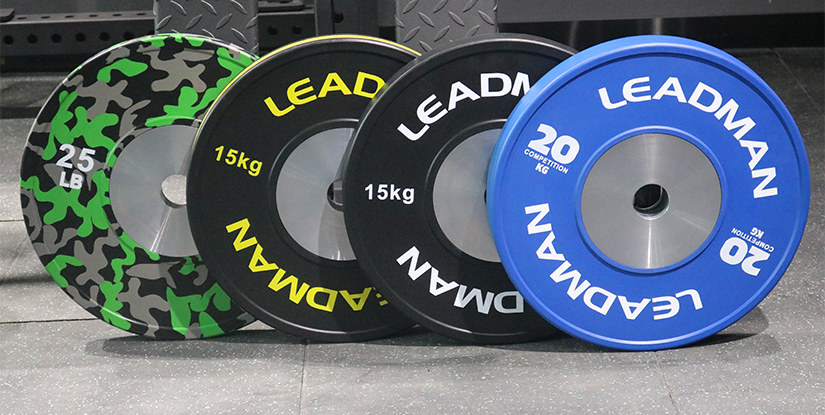
While cast iron plate composition offers the most competitive entry point for high-volume orders, coated bumper plate materials are often preferred for premium boutique studios where floor protection and aesthetic longevity are critical. Selecting the appropriate metal profile ensures your inventory remains a durable asset rather than a recurring replacement expense.
Critical Inspection Protocols for High-Volume Orders
When negotiating large-scale orders, the distinction between a successful shipment and a costly liability lies in the granularity of your inspection protocols. A common pitfall in metal sourcing is assuming that a high Minimum Order Quantity (MOQ) inherently guarantees quality. In reality, without rigorous oversight, higher volumes can actually mask issues regarding batch consistency. You should request specific documentation or third-party verification that ensures the metallurgical properties remain uniform from the first unit to the last.
Beyond the core metal, pay close attention to the surface coating integrity. Even the highest grade of steel is vulnerable if the protective layer—whether powder coating, paint, or plating—is inconsistent. Request samples to test for adhesion strength and resistance to chipping under impact. Furthermore, do not settle for vague weight descriptions; demand a strict weight tolerance specification (typically within +/- 1% to 2% for commercial standards). A factory that can provide detailed reports on weight deviation and coating thickness is a partner that understands the precision required for professional-grade distribution. By prioritizing these technical benchmarks, you protect your ROI and ensure your clients receive equipment that meets strict regulatory and performance standards.
Strategic Procurement: Matching Metal Type to Facility Use-Case
When scaling a fitness facility, the decision regarding what metal are weight plates made of extends far beyond simple weight increments; it is a fundamental calculation of space efficiency and long-term operational overhead. For high-traffic commercial gyms, the density of the material directly dictates the footprint of your strength training zones. Selecting a high-density cast iron plate composition allows distributors to maximize the weight available on a single barbell without increasing the physical diameter of the plate, which is critical for maintaining tight, efficient training lanes in premium boutique studios or crowded urban gyms.
From a procurement standpoint, the focus must shift toward the total cost of ownership (TCO). While rubber-coated options offer impact protection, high-grade steel weight plate durability and cast iron builds often provide a more streamlined profile and higher resistance to structural fatigue under heavy use. Investing in superior metallurgy reduces the frequency of replacement cycles and minimizes maintenance-related downtime. For wholesalers and facility owners, balancing the initial unit cost against the longevity of the metal alloy ensures a more predictable budget and a higher return on investment over the equipment's lifecycle.
To optimize your inventory or facility layout, you must align specific material characteristics with your primary training modalities. A mismatch between equipment type and use-case often leads to premature wear or unnecessary storage bottlenecks. Use the following matrix to evaluate how different metal structures and bumper plate materials impact your operational workflow and budget.
| Facility Type | Primary Material Focus | Key Advantage | Maintenance/ROI Profile |
|---|---|---|---|
| Bodybuilding/Powerlifting | Cast Iron or Steel | High density; compact footprint | Low maintenance; high durability |
| CrossFit/Functional Fitness | Rubber-Coated Bumper | Impact absorption; drop safety | Moderate upkeep; protects flooring |
| Boutique/Commercial Gym | Steel/Hybrid | Premium aesthetic; slim profile | Optimized for space and longevity |
For distributors managing high-volume orders, understanding these distinctions is vital for quality control. While cast iron plate composition is the gold standard for traditional strength training due to its cost-effectiveness and density, high-performance facilities may require the shock-absorption properties of premium bumper plate materials to reduce long-term structural damage to both the equipment and the facility floor.
Beyond the gym floor, the metallurgical choice dictates your complex logistics and supply chain efficiency. For large-scale distributors and international wholesalers, the weight-to-volume ratio of a specific metal alloy is a critical variable in calculating landed costs. High-density cast iron offers superior shipping density, allowing for more weight per container and reducing the per-unit shipping cost compared to bulkier, less dense alternatives. This optimization is essential when managing bulk ordering cycles where freight expenses can significantly impact your final margins.
Effective inventory management also relies on a predictable product profile. When sourcing, procurement teams must verify that the manufacturer adheres to strict quality control (QC) standards to ensure consistent dimensions and weight tolerances across every shipment. Inconsistent metallurgy can lead to variations in thickness, which complicates logistics optimization and disrupts inventory turnover rates due to unexpected returns or non-compliance with facility specifications. By prioritizing high-grade steel or standardized iron compositions, buyers can ensure a reliable replenishment cycle that supports seamless scaling and predictable warehouse throughput.