Sourcing Weight Plates via IndiaMart: A Buyer Guide
Optimizing Facility Footprint and High-Traffic Deployment
Many procurement professionals make the mistake of sourcing based solely on weight increments, overlooking how plate geometry dictates the actual usability of a gym floor. A common pitfall in commercial gym equipment sourcing is selecting high-diameter plates that inadvertently restrict barbell movement or crowd the training area. A more sophisticated approach involves evaluating the thickness-to-diameter ratio to ensure that heavy loading does not compromise the facility's spatial efficiency or athlete workflow.
When searching for weight plates indiamart suppliers, technical specifications must align with your specific deployment strategy. For high-traffic zones where floor space is at a premium, such as compact functional training areas or specialized strength studios, thinner, high-density plates are essential. These profiles minimize the floor footprint of a loaded barbell, allowing for more efficient high-traffic deployment without sacrificing the weight capacity required for heavy compound lifts. Understanding these dimensional nuances ensures your inventory supports both high-performance training and optimal facility navigation.
To make an informed B2B procurement decision, you must align your inventory with the specific physical constraints of your venue. Choosing the wrong profile can lead to overloaded barbell sleeves or cluttered weight racks, creating bottlenecks in high-density training environments. Use the following technical comparison to evaluate how different plate geometries impact your spatial efficiency and operational workflow.
| Plate Type | Thickness Profile | Space Efficiency | Typical Use Case |
|---|---|---|---|
| Standard Iron | High / Thick | Low | General strength areas with ample floor space. |
| Cast Iron (Standard) | Moderate | Medium | Standard commercial gyms and weightlifting platforms. |
| Bumper Plates (Rubber) | Variable | Medium | Olympic lifting zones requiring impact absorption. |
| Competition Bumper | Low / Slim | High | Professional training facilities and compact studios. |
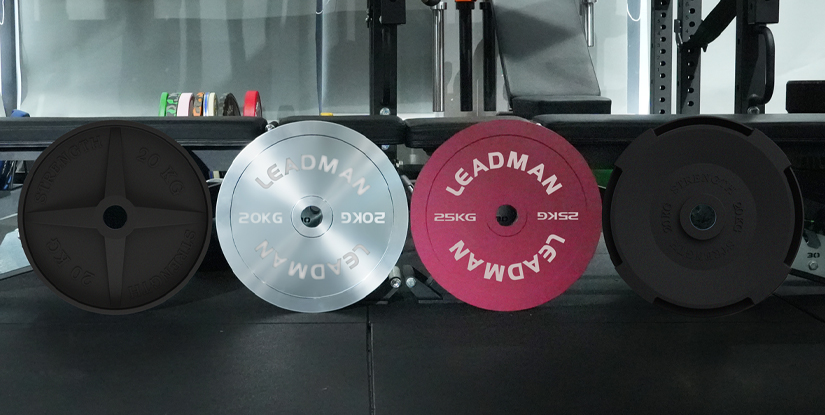
| Calibrated Steel | Ultra-Low | Maximum | Powerlifting stages where barbell sleeve capacity is critical. |
When negotiating bulk weight plates procurement, always request the exact millimeter thickness for specific weight increments. A supplier's ability to provide consistent, thin-profile plates for high-weight denominations is a key indicator of their manufacturing precision and suitability for premium industrial fitness supply chain requirements.
Beyond the dimensions of the plates themselves, successful bulk weight plates procurement requires a strategic focus on the logistics of arrival and long-term storage. A common oversight in the industrial fitness supply chain is failing to account for the sheer volume and weight of a full container load. If your facility lacks a high-density storage solution, the arrival of a massive shipment can become a logistical bottleneck rather than an asset.
Before finalizing your order, assess your warehouse management capabilities. High-quality commercial plates are often shipped via heavy-duty palletization to prevent warping or dimensional inaccuracies during transit. Ensure your receiving dock is equipped to handle the specific weight loads per pallet, and plan for storage density by selecting vertical racking systems that accommodate the weight of iron or bumper plate sets. Efficiently managing these incoming shipments ensures that your inventory remains organized, accessible, and ready for immediate deployment in your facility.
Material Integrity and Durability Standards for Commercial Environments
In the high-stakes environment of professional fitness centers, the cost of failure extends far beyond the price of a single unit. When conducting commercial gym equipment sourcing, buyers must look past aesthetic finishes to the fundamental structural integrity of the product. Unlike residential setups, commercial-grade weight plates are subjected to constant high-frequency usage, involving heavy drops, rapid transitions, and rigorous daily wear. If the material composition is substandard, the resulting cracks or deformations can compromise both safety and the facility's long-term operational efficiency.
When searching for weight plates indiamart, it is critical to verify the manufacturer's ability to produce high impact resistance. Whether you are procuring cast iron or urethane-coated plates, the core must withstand the kinetic energy of heavy lifting without losing its shape or structural stability. For distributors and gym owners, prioritizing these durability benchmarks is the only way to mitigate the risks of premature replacement and high maintenance costs in a demanding industrial fitness supply chain.
Understanding the technical nuances between various material profiles is essential for accurate bulk weight plates procurement. A mismatch between the intended use case and the material density can lead to rapid degradation of the equipment and increased facility maintenance. To ensure long-term value, buyers should evaluate the specific composition and the protective layers applied to the core material.
The following comparison outlines the standard material specifications encountered during professional sourcing. This data helps in determining which option aligns with your facility's specific intensity levels and flooring requirements:
| Material Type | Primary Use Case | Wear Resistance | Typical Coating/Thickness |
|---|---|---|---|
| Cast Iron | Standard Strength Training | High (Structural) | Powder Coated / Minimal |
| Rubber Coated | Commercial Weight Rooms | Moderate to High | 1.5mm – 3mm Rubber Layer |
| Bumper (Urethane/Rubber) | Olympic & High-Impact Lifting | Extreme | High-Density Impact Shell |
When evaluating a supplier's factory capability, always request details regarding the coating thickness and the precision of the center hole. For high-traffic commercial environments, a thicker, high-density coating is not just an aesthetic choice; it is a critical defense mechanism that prevents the core from oxidizing and protects your facility's flooring from impact damage.
Beyond material selection, the true test of a supplier’s reliability lies in their internal QC protocols. A common pitfall in international sourcing is receiving a shipment where weight tolerances vary wildly between individual units. For professional distributors, even a minor deviation in weight or diameter can lead to unbalanced loading, which creates uneven wear on bars and increases the risk of equipment failure. To safeguard your total cost of ownership, you must move beyond surface-level inquiries and demand evidence of rigorous manufacturing standards.
Effective supplier verification involves more than checking for a business license; it requires a deep dive into their quality control workflow. Ask potential partners if they perform batch-testing for weight precision and if they utilize automated or manual inspection processes to ensure uniformity. A high-tier manufacturer should be able to provide documentation regarding their tolerance levels (often within +/- 1% to 3% for commercial grades) and their methods for testing impact durability. By insisting on these technical benchmarks during the initial bulk weight plates procurement phase, you ensure that the inventory arriving at your warehouse meets the high-performance expectations of your end-users and maintains long-term durability in any commercial setting.
Evaluating Manufacturing Specifications and Precision Tolerances
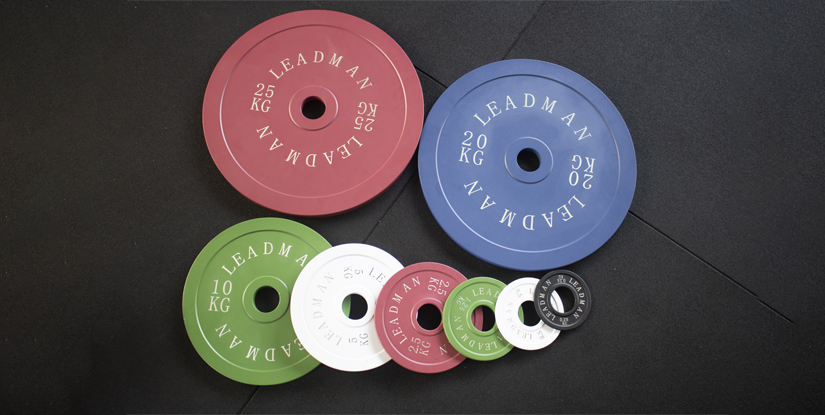
In high-traffic fitness environments, the difference between a premium facility and a budget setup often lies in the microscopic details. When sourcing weight plates indiamart, many procurement professionals overlook the critical impact of precision tolerances. If a set of plates deviates significantly in thickness or weight distribution, it can lead to uneven barbell loading, increased wear on equipment, and a diminished user experience. For professional commercial gym equipment sourcing, you are not just buying weight; you are buying consistency and long-term durability.
To mitigate these risks, do not rely on verbal assurances from suppliers. Instead, demand formal technical data sheets that explicitly state the weight deviation limits and manufacturing specifications for each SKU. A reliable manufacturer should be able to provide documented evidence of their quality control processes regarding dimensional accuracy and material density.
| Material Type | Typical Tolerance Level | Durability Profile | Best Use Case |
|---|---|---|---|
| Cast Iron | High (±1-2%) | Extremely high; resistant to impact | Standard strength training |
| Rubber Coated | Moderate (±1-3%) | High; protects flooring and equipment | High-traffic commercial gyms |
| Bumper Plates | Strict (±1%) | High impact absorption | Olympic lifting and CrossFit |
Always verify the precision tolerances before finalizing a bulk order to ensure your inventory meets the rigorous standards of the North American commercial market.
Understanding these variations is essential for maintaining a stable industrial fitness supply chain. For instance, while a slight deviation in cast iron plates might be acceptable for traditional bodybuilding, the high-velocity impact inherent in Olympic lifting requires much tighter manufacturing standards. If your bulk weight plates procurement strategy does not account for these specific weight deviation limits, you risk receiving inconsistent batches that can disrupt the balance of a barbell during heavy sets.
When evaluating potential vendors, use the following comparison to set your baseline expectations for quality control. This distinction helps clarify whether a supplier's output is suitable for high-performance training or general fitness applications.
| Plate Category | Standard Tolerance Range | Primary Quality Focus | Commercial Application |
|---|---|---|---|
| Bumper Plates | ±1% or less | Uniform density & edge thickness | CrossFit, Olympic Lifting, HIIT |
| Cast Iron Plates | ±2% to ±3% | Structural integrity & coating adhesion | Bodybuilding, Traditional Strength |
Request sample testing reports from your supplier to confirm that their actual production output aligns with these industry-standard ranges. For professional distributors, verifying these technical nuances upfront prevents the logistical headache of processing returns for non-compliant equipment.
Beyond the weight itself, the long-term viability of your investment depends heavily on the relationship between manufacturing precision and surface protection. In the context of bulk weight plates procurement, a lower initial price point often masks hidden costs related to premature degradation. For instance, a lack of rigorous quality control regarding coating thickness can lead to rapid oxidation or peeling, especially in humid or high-use environments. If the protective layer is uneven or too thin, the underlying metal becomes vulnerable to corrosion, which eventually compromises the structural durability of the plate.
From a procurement standpoint, it is essential to calculate the long-term TCO (Total Cost of Ownership) rather than focusing solely on the per-unit cost. High-quality rubberized or powder-coated finishes provide superior wear resistance, significantly extending the replacement cycle and reducing the frequency of maintenance interventions. When sourcing through platforms like IndiaMart, prioritize suppliers who can demonstrate consistent coating thickness standards and material density. Investing in higher-specification plates today ensures that your facility avoids the recurring expense of replacing damaged or rusted equipment in the near future.
Navigating Bulk Procurement and MOQ Constraints via IndiaMart
Optimizing your landed cost depends heavily on understanding the relationship between order volume and unit price. When sourcing weight plates indiamart suppliers often utilize tiered pricing structures to incentivize larger orders. For commercial gym equipment sourcing, the difference between a small sample run and a full container load can drastically shift your profit margins and total cost of ownership.
To leverage economies of scale effectively, buyers must move beyond standard catalog pricing and engage in proactive MOQ negotiation. Rather than accepting a rigid minimum order quantity, professional procurement specialists often negotiate a "hybrid MOQ." This involves committing to a higher total volume across multiple SKUs—such as a mix of bumper plates and iron plates—to lower the threshold for a single specific weight denomination. Successful bulk weight plates procurement requires presenting a long-term scaling plan to the manufacturer, demonstrating that your current order is the first of many, which builds the necessary leverage to secure more competitive industrial rates.
To execute a professional cost-benefit analysis, procurement managers must evaluate how shipping overhead and weight plate specifications impact the final landed cost. A common pitfall in the industrial fitness supply chain is focusing solely on the unit price while ignoring the volumetric weight and freight complexities associated with heavy steel or rubberized products.
The following framework assists in selecting the appropriate procurement tier based on your current business scale and logistical capacity:
| Procurement Tier | Primary Objective | Typical Volume/MOQ | Cost Implications |
|---|---|---|---|
| Sample/Prototype | Quality & Spec Verification | 1–5 Units per SKU | Highest unit cost; high air/express freight overhead. |
| Small Batch | Inventory Testing/Niche SKU | 50–200 kg per SKU | Moderate unit cost; often shipped via LCL (Less than Container Load). |
| Full Container (FCL) | Maximized Margin/Distribution | 10–20+ Tons | Lowest unit cost; optimized ocean freight and customs efficiency. |
Strategic Note: When transitioning from small batches to full containers, ensure your weight plate specifications—such as center hole diameter and coating thickness—remain consistent across all tiers to prevent discrepancies in your inventory management.
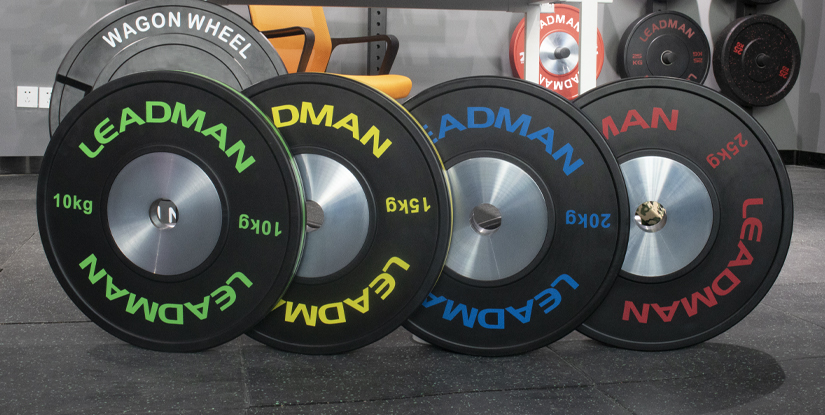
Beyond the base invoice, the true cost of heavy iron is dictated by the interplay between weight accuracy and freight logistics. A common oversight in commercial gym equipment sourcing is neglecting the discrepancy between actual weight and volumetric weight. Because weight plates are high-density items, shipping costs are driven primarily by mass, yet inefficient palletization can lead to excessive dimensional weight charges that erode your margins.
Mitigating Hidden Costs and Quality Risks
To protect your Total Cost of Ownership (TCO), procurement must account for the potential of "weight drift"—the variation in mass between units. In high-volume bulk weight plates procurement, even a 2% margin of error can lead to significant inventory discrepancies and client dissatisfaction. We recommend implementing a strict quality inspection protocol that verifies weight accuracy and coating uniformity before the shipment leaves the factory floor.
Furthermore, procurement risk mitigation requires a clear understanding of the logistics costs associated with heavy goods. Ensure your contract specifies whether the pricing is FOB (Free On Board) or CIF (Cost, Insurance, and Freight), as the responsibility for transit-related damage or freight fluctuations can drastically change your final landed cost. By accounting for these variables during the initial negotiation, you avoid the "cheap unit price" trap that often results from underestimated shipping and quality control overhead.
Logistics Coordination and Global Supply Chain Integration
Navigating the industrial fitness supply chain requires more than just selecting a high-quality vendor; it requires a deep understanding of how freight economics impact your bottom line. When sourcing weight plates indiamart, many procurement managers overlook the fact that the unit price is only a fraction of the total investment. Because weight plates are high-density, heavy-duty items, the primary driver of your landed cost calculation is often the freight, not the manufacturing cost.
The complexity lies in the relationship between volumetric weight vs actual weight. While weight plates are incredibly dense, the way they are palletized and crated can drastically alter the shipping density. If your supplier utilizes inefficient packaging or oversized wooden crates, you may end up paying for "dead air" space. To protect your margins, you must coordinate closely with suppliers to ensure the cargo configuration optimizes container utilization, minimizing the impact of high-density freight costs on your final delivered price.
Optimizing your commercial gym equipment sourcing strategy requires a strategic choice between shipping modalities. Because weight plates are exceptionally heavy, the logistics method you select will dictate both your inventory turnover speed and your overall profit margins. For large-scale distributors or gym franchise expansions, the choice between ocean freight and air freight is rarely a matter of preference, but a calculation of volume versus urgency.
Most professional buyers utilize ocean freight to manage the high weight-to-volume ratio of iron or rubberized plates. Depending on your order volume and budget, you will likely choose between LCL (Less than Container Load) for smaller, diversified shipments or FCL (Full Container Load) for maximum cost-efficiency during bulk procurement. While LCL offers flexibility for smaller orders, FCL typically provides a lower cost per unit and reduced handling risks during transit.
Shipping Method Comparison for Bulk Procurement
| Method | Typical Lead Time | Cost-Efficiency | Best Use Case |
|---|---|---|---|
| LCL | Moderate to Long | Medium | Small boutique studio restocks or mixed equipment orders. |
| FCL | Long | High | Large-scale warehouse replenishment and high-volume distribution. |
| Air Freight | Short | Low | Emergency inventory shortages or high-value specialty plates. |
To mitigate risks, always partner with a reliable freight forwarding agent who specializes in heavy-duty fitness cargo. A competent forwarder will manage the complexities of customs documentation and ensure that your shipment complies with North American import regulations, preventing costly delays at the port of entry.
Mitigating Transit Damage and Documentation Errors
Effective bulk weight plates procurement extends beyond selecting a shipping method; it requires rigorous oversight of packaging durability and documentation accuracy. Because metal plates are prone to oxidation and physical impact, your technical specifications must include strict requirements for palletization and moisture protection. Insist that suppliers use heat-treated wooden pallets and heavy-duty shrink wrapping to prevent shifting or corrosion during long ocean transits. A failure in packaging standards often results in damaged coatings or bent edges, which can lead to rejected shipments and significant financial loss.
Beyond physical protection, the administrative side of the industrial fitness supply chain is equally critical. Discrepancies in the Bill of Lading or incorrect HS codes can trigger lengthy customs clearance delays, resulting in expensive demurrage fees at the port. Ensure your supplier provides precise weight and dimension data that matches the commercial invoice exactly. By enforcing these high-level documentation and packaging protocols, you protect your inventory integrity and ensure a predictable arrival window for your facility or distribution center.
Strategic Inventory Management and Stocking Cycles
Effective inventory management in the commercial fitness sector requires a proactive approach to seasonal demand fluctuations. For facility managers and distributors, relying on just-in-time delivery for weight plates can lead to critical stockouts during peak expansion periods or new gym openings. When sourcing weight plates indiamart, professional buyers must account for the complexities of the industrial fitness supply chain, including manufacturing cycles and international transit times.
To maintain high inventory turnover without risking operational downtime, it is essential to establish consistent lead time buffers. This buffer accounts for potential production delays or shipping bottlenecks that can occur during high-volume periods. By integrating these variables into your procurement strategy, you ensure that your facility remains fully equipped even when global logistics face friction.
| Procurement Strategy | Primary Objective | Ideal For | Risk Level |
|---|---|---|---|
| Just-in-Time (JIT) | Minimize storage costs | Small boutique studios | High (Stockout risk) |
| Seasonal Pre-stocking | Mitigate demand spikes | Large-scale gym chains | Moderate (Capital tie-up) |
| Buffer-based Bulk Sourcing | Ensure supply reliability | Global distributors | Low (Optimized turnover) |
Strategic stockpiling allows distributors to leverage bulk weight plates procurement to reduce per-unit costs while safeguarding against sudden market shifts. A well-calculated buffer protects your bottom line and maintains service continuity.
Deciding between a lean JIT model and a robust safety stock approach depends largely on your tolerance for logistics volatility. While JIT minimizes capital tied up in warehouse space, it leaves your operations vulnerable to the unpredictable nature of international freight. For many professional distributors, the complexity of the industrial fitness supply chain necessitates a more defensive stance.
When calculating your optimal safety stock levels, you must look beyond simple monthly sales averages. Factor in the specific shipping transit times associated with your chosen freight method—sea freight, for instance, often carries higher variability than air cargo. Furthermore, always evaluate MOQ considerations against your storage capacity; sometimes, increasing an order size to meet a manufacturer's minimum threshold is a strategic move to hedge against future price hikes or extended lead times. A data-driven inventory model ensures that your facility or distribution center remains a reliable provider, regardless of global shipping disruptions.
Choosing the correct inventory model is a fundamental decision that dictates your long-term operational agility. A mismatch between your procurement model and your actual warehouse capacity can lead to either unnecessary capital stagnation or, more critically, an inability to fulfill large-scale commercial contracts when they arise.
The following comparison outlines the trade-offs between different approaches to help you determine which method aligns with your current business scale and capital availability:
| Stocking Strategy | Pros | Cons | Ideal User Type | Risk Level |
|---|---|---|---|---|
| Just-in-Time (JIT) | Minimal warehousing costs | High vulnerability to shipping delays | Boutique studios & Local gyms | High |
| Bulk Pre-ordering | Lower per-unit cost via MOQ | Significant capital tie-up | Large-scale gym chains | Moderate |
| Hybrid Buffer Model | Balanced cost and reliability | Requires sophisticated tracking | Equipment Distributors | Low |
For those managing large-scale commercial gym equipment sourcing, the Hybrid Buffer Model is often the most resilient. This involves maintaining a baseline of high-turnover SKUs—such as standard 20kg iron or bumper plates—while utilizing more agile ordering for specialized or niche equipment. By prioritizing high-volume items for bulk procurement, you effectively mitigate the impact of freight volatility and ensure your most essential inventory remains constant.
Risk Mitigation in International Vendor Selection
When sourcing weight plates indiamart, many procurement managers fall into the trap of prioritizing the lowest unit price. However, in high-volume commercial gym equipment sourcing, the lowest quote often masks significant long-term liabilities. A lower initial price can quickly be negated by substandard manufacturing standards, leading to premature wear, uneven weight distribution, or even structural failure under heavy use.
True ROI is not found in the initial invoice, but in the cost-per-use and the longevity of the equipment within your facility. If a batch of plates suffers from poor material integrity—such as inconsistent iron density or low-grade coatings that chip easily—the resulting replacement costs and maintenance downtime will far exceed any upfront savings. To protect your margins, shift your evaluation from simple price comparison to a Total Cost of Ownership (TCO) model. By auditing a supplier's ability to maintain strict tolerances and material quality, you transform a high-risk procurement task into a strategic investment in durability.
To safeguard your capital, your vetting process must move beyond digital catalogs and into rigorous technical verification. During bulk weight plates procurement, a vendor's willingness to provide verifiable documentation is the first indicator of professional capability. Request explicit evidence of ISO/ASTM compliance to ensure the metallurgical properties of the iron or rubber meet international safety benchmarks. A reputable manufacturer should be able to provide material data sheets that confirm consistent material thickness and density across all weight denominations, preventing the common issue of unbalanced loading in commercial settings.
Red Flags to Watch For:
- Vague Coating Specifications: If a supplier cannot detail the application process for their coating durability—such as powder coating thickness or polyurethane depth—expect rapid oxidation or peeling in high-humidity gym environments.
- Resistance to Factory Audits: Professional-grade suppliers should accommodate remote or third-party factory audit requests. A refusal to show real-time production lines or quality control (QC) protocols often signals a middleman posing as a manufacturer.
- Inconsistent Weight Tolerances: Avoid vendors who cannot guarantee a specific tolerance percentage (e.g., +/- 1%). Inconsistent weights lead to high client turnover and increased liability for facility operators.
To streamline your decision-making process, use the following comparison framework. This table differentiates between vendors offering high-volume, low-quality commodities and those capable of meeting the rigorous demands of a professional industrial fitness supply chain.
| Evaluation Metric | Low-Cost / High-Risk Vendor | Standard-Compliant Manufacturer |
|---|---|---|
| Weight Plate Tolerances | High variance; often exceeds +/- 3% without notice. | Strict control; maintains consistent +/- 1% or better. |
| Specification Verification | Reliance on unverified photos and vague descriptions. | Provides technical data sheets and material certifications. |
| Logistics Risk | Minimal packaging; high potential for transit damage. | Industrial-grade crating and standardized palletization. |
| Vendor Vetting | Limited transparency; often a trading company. | Direct factory access and documented QC protocols. |
| Long-term ROI | High replacement frequency due to material fatigue. | Low maintenance; high durability for commercial use. |
When managing weight plates indiamart orders, remember that the cheapest option often introduces the highest logistics risk. A supplier that lacks a robust quality control framework may deliver products that meet visual standards but fail on structural integrity. For distributors and gym owners, the goal is to select a partner that treats specification verification as a non-negotiable standard rather than an optional service.