How Are Weight Plates Made: Manufacturing and Quality
Vetting Suppliers Through Production Audits and Quality Standards
For commercial distributors and gym owners, the difference between a high-margin asset and a liability often lies in the invisible stages of manufacturing. When sourcing heavy iron or rubberized equipment, procurement professionals must evaluate three critical checkpoints: the mitigation of structural risk, the precision of technical specifications, and the reliability of long-term logistics. Without rigorous oversight, even a standard order can arrive with hairline fractures or uneven weight distributions that compromise the user experience and increase your total cost of ownership.
Ensuring long-term durability requires a deep dive into industrial weight plate production protocols. A reliable manufacturer does not merely cast metal; they manage material consistency from the initial melt to the final coating. During cast iron plate manufacturing, for instance, the chemical composition of the iron must be strictly monitored to prevent brittleness. We advise buyers to request detailed documentation regarding quality control (QC) protocols, specifically looking for evidence of stress testing and dimensional verification. High-standard facilities implement multi-stage inspections to safeguard structural integrity, ensuring that every plate meets the exact tolerances required for high-traffic commercial environments.
To streamline your factory audits or third-party inspections, we have synthesized the most critical technical benchmarks into a practical evaluation tool. Whether you are auditing a facility specialized in cast iron plate manufacturing or one focused on complex bumper plate fabrication processes, these metrics serve as the baseline for professional-grade quality. Using this checklist helps procurement teams move beyond surface-level visual inspections to verify the actual technical capabilities of a supplier.
The following table outlines the essential parameters that distinguish premium commercial-grade equipment from low-tier alternatives. Use these dimensions to verify if a manufacturer's internal QC standards align with the rigorous demands of North American commercial fitness centers.
| Audit Dimension | Critical Inspection Metric | Commercial Standard Expectation |
|---|---|---|
| Dimensional Tolerance | Diameter and thickness consistency | Strict adherence to ±1-2% variance limits |
| Weight Deviation | Actual mass vs. labeled weight | Minimal deviation (typically within ±1% to 2%) |
| Surface Coating | Powder coating or rubber thickness | Uniform application without bubbling or peeling |
| Hardness Testing | Material density and impact resistance | Consistent Shore hardness for bumper plates |
| Structural Integrity | Center hole precision and edge smoothness | No burrs or irregularities that affect barbell fit |
By prioritizing these technical specifications during your sourcing phase, you reduce the risk of receiving non-compliant shipments and ensure your inventory can withstand the high-frequency use typical of professional training facilities.
Beyond technical specifications, a critical differentiator for large-scale distributors is the manufacturer's ability to maintain batch consistency during high-volume production runs. Scaling production should never come at the expense of precision; a supplier capable of handling high MOQs must demonstrate that their tenth batch of 50kg plates is identical in density, diameter, and coating quality to the first. This stability is essential for maintaining brand reputation and preventing customer returns caused by mismatched weight sets.
Effective supplier vetting must also extend to the final stages of the supply chain. A professional manufacturer understands that high-quality fabrication is wasted if the product arrives damaged. We recommend verifying that the facility utilizes logistics-ready packaging—such as reinforced heavy-duty cartons or custom-fitted pallets—designed specifically to withstand international maritime transit and multiple handling points. Furthermore, always request formal quality assurance (QA) documentation for every shipment. A credible partner will provide comprehensive inspection reports and material certifications, proving that their production standards remain uncompromised, regardless of the order volume or shipping complexity.
Material Integrity: From Raw Iron to Precision Castings
For facility managers and distributors, the total cost of ownership is often dictated by the invisible quality of the raw materials. In cast iron plate manufacturing, the journey from molten metal to a finished weight begins with the purity of the iron ore. High-quality production requires a precise chemical balance; if the raw iron purity is compromised by excessive impurities or inconsistent carbon levels, the resulting product faces significant structural risks.
When sourcing for high-traffic commercial gyms, understanding this metallurgical foundation is vital. A lack of density or improper cooling rates during the casting process can lead to microscopic air pockets. These internal flaws weaken the structural integrity of the plate, making it susceptible to chipping or even preventing cracks from forming during heavy drops. By prioritizing suppliers who maintain strict control over their smelting and casting environments, buyers ensure that their inventory remains durable and maintenance-free under rigorous daily use.
Selecting the appropriate grade is not merely a choice of aesthetics; it is a strategic decision regarding long-term operational overhead. While standard options satisfy basic requirements, high-density precision castings offer significant advantages for premium facilities. To assist in your procurement evaluation, we have outlined the primary differences in density, finish, and upkeep requirements below.
Material Grade Comparison
| Material Grade | Density | Surface Smoothness | Durability | Maintenance Frequency |
|---|---|---|---|---|
| Standard Cast Iron | Moderate | Textured/Variable | High (Standard Use) | Occasional (Rust Check) |
| High-Density Precision Cast | High/Uniform | Smooth/Consistent | Extreme (High-Impact) | Minimal (Low Wear) |
When calculating your total cost of ownership, remember that higher initial material costs for precision-cast units often translate to lower replacement rates and reduced labor costs for facility upkeep over a multi-year cycle.
Critical QC Checkpoints in Industrial Production
Reliability in a commercial setting is not a matter of chance; it is the result of rigorous industrial weight plate production protocols. For distributors and large-scale buyers, the most significant risk during procurement is weight inconsistency. If a manufacturer lacks sophisticated quality control (QC) checkpoints during the cooling and casting phases, the end product may suffer from thermal instability. One of the most common issues in low-tier manufacturing is shrinkage prevention failure, where uneven cooling causes the metal to contract unpredictably, leading to dimensional inaccuracies.
To ensure your shipment meets strict commercial standards, verify that the factory utilizes standardized weight tolerance testing. A professional-grade manufacturer should maintain a tight deviation margin to ensure that a 25kg plate remains consistently close to its rated mass. This precision is equally vital in bumper plate fabrication processes, where the density of the rubber core and the steel inner ring must be perfectly calibrated to prevent uneven wear. By demanding documented QC reports regarding casting density and weight precision, procurement officers can mitigate the risk of receiving sub-par inventory that fails to meet international commercial gym specifications.
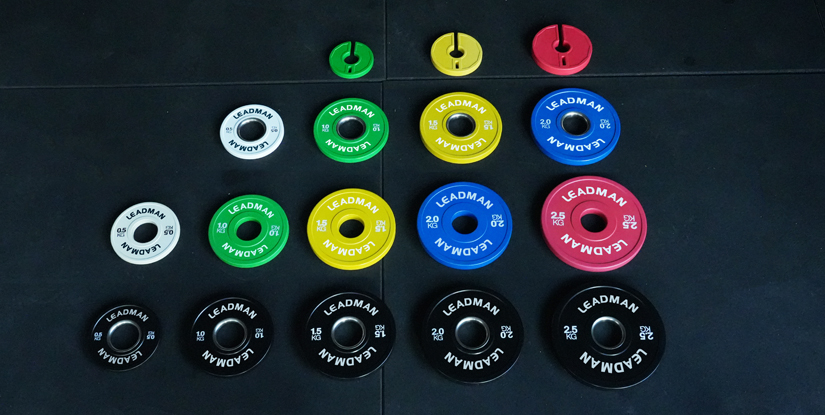
Comparing Manufacturing Methods for Bumper and Cast Iron Plates
For facility managers and distributors, understanding the structural divergence between weight plate types is essential for calculating long-term TCO. The durability of a fitness inventory depends heavily on whether the product is designed for static stability or high-impact kinetic movement. While both serve the same fundamental purpose, their material density and resistance to mechanical stress vary significantly based on the production method used.
Cast iron plate manufacturing typically focuses on high material density and rigidity. These plates are engineered for precision and space-saving, making them ideal for strength training environments where plates are rarely dropped. Conversely, bumper plate fabrication processes prioritize impact resistance. By utilizing high-density rubber or urethane skins over a structural core, these plates can absorb kinetic energy, protecting both the equipment and the facility flooring from long-term wear and tear.
| Material Type | Primary Structural Benefit | Impact Resistance | Ideal Use Case |
|---|---|---|---|
| Cast Iron | High density & precision | Low (Brittle under drop) | Standard strength training |
| Rubberized Bumper | Shock absorption | High (Designed for drops) | CrossFit & Olympic lifting |
| Urethane Bumper | Superior surface durabilityHigh (Resists denting) | High-traffic commercial gyms |
When sourcing at scale, buyers must weigh these structural integrity factors against the intended intensity of the end-user environment to prevent premature replacement cycles.
To make an informed procurement decision, distributors must look beyond the surface aesthetics and evaluate the technical specifications that dictate long-term utility. The industrial weight plate production standards for each type lead to vastly different maintenance requirements and operational lifespans. A misalignment between the plate's build and the gym's training style often results in increased replacement costs and floor damage.
The following comparison provides a technical breakdown to help you determine which manufacturing method aligns with your facility's specific operational needs and budget constraints.
| Feature | Cast Iron | Bumper Plate |
|---|---|---|
| Material | Solid Cast Iron | High-Density Rubber or Urethane |
| Impact Durability | Low (Prone to cracking/chipping) | High (Designed for kinetic energy) |
| Surface Coating | Powder Coating or Paint | Integrated Vulcanized Skin |
| Typical Use Case | Bodybuilding & Standard Strength | Olympic Lifting & HIIT Training |
When evaluating your inventory, consider that while cast iron offers a lower initial cost per unit, the maintenance requirements for flooring and structural stability are higher in high-impact zones. Bumper plates, though often requiring a higher initial investment, offer better protection for high-traffic commercial environments.
Logistics Optimization and Storage Efficiency
Beyond physical durability, procurement specialists must evaluate how different bumper plate fabrication processes impact the bottom line through shipping and warehousing. Because bumper plates utilize a lower volume/density ratio compared to solid metal, they occupy significantly more cubic volume per kilogram of weight. This discrepancy is a critical factor in shipping weight optimization; while cast iron is more compact and cost-effective for long-distance sea freight, bumper plates require more strategic palletizing to manage the increased volume.
For distributors managing large-scale inventories, the storage footprint of rubberized versus cast iron stock can dictate warehouse throughput. Cast iron plates allow for tighter nesting and higher density in shipping containers, reducing freight costs per unit. However, when sourcing high-performance bumper plates, wholesale considerations should include the specialized packaging required to prevent skin deformation during long-term stacking. Efficiently managing these volumetric differences ensures that your logistical overhead remains predictable during bulk replenishment cycles.
Tolerance Control and Dimensional Accuracy in High-Volume Runs
In large-scale gym fit-outs or distributor inventory replenishment, the subtle discrepancy in plate thickness can lead to significant operational headaches. During industrial weight plate production, maintaining strict tolerance control is not merely about aesthetic uniformity; it is a critical requirement for long-term equipment compatibility. If a production run lacks precision, even a millimeter of variance can cause plates to sit unevenly on a barbell, leading to dangerous oscillations during heavy lifts.
For high-performance rubberized gear, bumper plate fabrication processes must account for material compression and mold shrinkage. Without rigorous dimensional accuracy, buyers often encounter stacking issues where plates do not sit flush, compromising stacking stability in storage racks or on weight trees. When sourcing for high-volume commercial environments, ensuring that every unit adheres to specified tolerances prevents the need for premature replacement and ensures that your facility's equipment remains professional, safe, and easy to manage.
To mitigate procurement risks, professional buyers should utilize a standardized inspection framework during pre-shipment quality control (QC). Relying on visual inspection alone is insufficient for high-volume orders; instead, technical verification against established dimensional benchmarks is required to ensure long-term durability and barbell balance. The following table serves as a technical reference for evaluating acceptable deviations across common material types during the receiving process.
| Material Type | Thickness Tolerance | Diameter Tolerance | Inspection Standard |
|---|---|---|---|
| Cast Iron Plates | ±1.5% to 2.0% | ±1.0mm to 2.0mm | ASTM / ISO Standard |
| Rubberized Bumper Plates | ±2.5% to 3.0% | ±2.0mm to 3.0mm | High-Impact Compression Test |
| Steel/Vinyl Coated | ±1.0% to 1.5% | ±1.0mm | Dimensional Precision Check |
Quality control (QC) protocols should prioritize these metrics to prevent uneven loading. For distributors, verifying these tolerances during factory audits or third-party inspections is essential to maintaining a reputation for reliability and high-tier equipment standards.
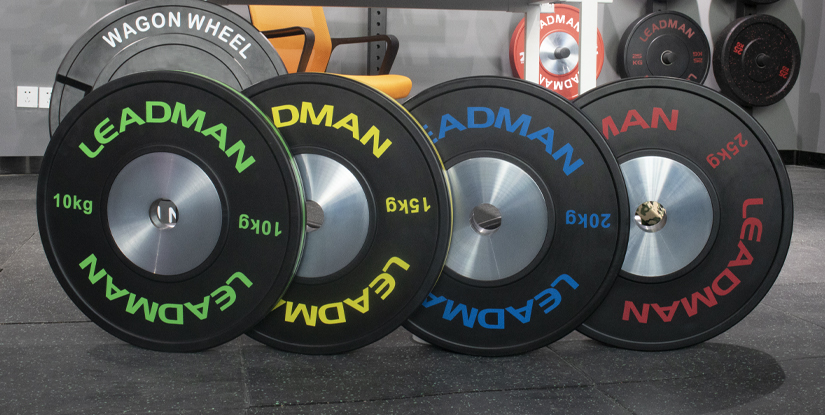
Beyond the immediate technical specifications, failing to account for dimensional precision creates a significant procurement risk regarding the Total Cost of Ownership (TCO). When a shipment contains plates with inconsistent thickness or uneven weight distribution, the consequences extend far beyond a single workout. Over time, these discrepancies lead to uneven wear on barbell sleeves and internal bushings, accelerating the degradation of much more expensive lifting bars.
For facility managers and wholesale buyers, this lack of barbell balance translates into increased maintenance cycles and a shortened lifecycle for the entire lifting station. A single "bad batch" of poorly manufactured plates can compromise the long-term durability of your high-end barbell sets, forcing premature replacement and higher operational costs. Prioritizing manufacturers with advanced cast iron plate manufacturing precision is not just a quality preference; it is a strategic decision to protect facility longevity and ensure the long-term profitability of your commercial fitness investment.
Surface Finishing and Coating Longevity for Commercial Environments
In a high-traffic commercial gym environment, the durability of weight plates is determined as much by their surface treatment as by their core material. For distributors and facility owners, selecting the right finish is a critical decision that directly impacts the Total Cost of Ownership (TCO). While basic industrial weight plate production focuses on structural integrity, the final coating dictates how the equipment survives daily wear and tear.
High-grade powder coating durability is often the preferred standard for premium bumper plates and cast iron sets. Unlike thinner electroplating, a robust powder coating provides a thick, resilient barrier that offers superior corrosion resistance against humidity and perspiration. This specialized finish prevents oxidation and unsightly rust, significantly extending the maintenance cycles required for the equipment. For large-scale procurement, investing in high-quality surface treatments reduces the frequency of replacements and lowers long-term operational costs, ensuring the inventory remains in showroom condition for years.
When evaluating bulk orders, procurement specialists must weigh the initial unit price against the long-term maintenance requirements of the facility. Different casting iron plate manufacturing methods result in varying surface textures, which in turn dictate how well a coating adheres and resists environmental stress. For instance, a facility in a high-humidity coastal region will require different moisture protection than a climate-controlled indoor studio.
The following table provides a comparative overview to assist in your selection process based on usage intensity and budget optimization:
| Coating Type | Wear Resistance | Moisture Protection | Best Use Case | Cost-Benefit Ratio |
|---|---|---|---|---|
| Black Enamel | Moderate | Standard | Home gyms or low-traffic studios | High (Low initial cost) |
| Powder Coating | High | Excellent | Commercial fitness centers & CrossFit boxes | Optimal (Best for TCO) |
| Galvanized | Very High | Maximum | Outdoor training areas or high-humidity zones | Moderate (Higher upfront investment) |
Understanding these nuances helps distributors manage client expectations regarding equipment longevity. Choosing a finish that aligns with the specific environment prevents premature oxidation and ensures the product maintains its professional aesthetic throughout its service life.
Ensuring Long-Term Durability Through Rigorous QC and Storage
Beyond the initial selection of coating types, the long-term durability of a shipment depends heavily on the inspection criteria applied during the final stages of production. During the final quality control phase, buyers should verify that the bumper plate fabrication processes include rigorous adhesion testing. A common failure point in low-tier manufacturing is surface chipping; if the coating is not properly cured, even minor impacts can lead to exposed metal and subsequent oxidation. Ensuring that the manufacturer performs impact tests and edge-integrity checks is a vital step in preventing premature degradation in high-volume facilities.
Proper handling and environmental management are equally critical for maintaining inventory value. When receiving large bulk shipments, distributors must prioritize humidity control within their warehouses to prevent moisture buildup between stacked plates. We recommend that facility managers avoid storing equipment directly on concrete floors without pallets and ensure that ventilation is sufficient to mitigate condensation. By implementing these standard operating procedures for storage and routine inspection, wholesalers can protect their investment and ensure that the weight plates arrive at the end-user site in pristine, professional condition.
Optimizing Logistics: Packaging and Landed Cost Considerations
For distributors and gym owners, the true cost of weight plates is rarely just the factory EXW price. A critical factor in industrial weight plate production is the relationship between material density and shipping overhead. Because weight plates are high-density goods, the logistics strategy must account for the fact that freight costs are driven primarily by actual weight rather than volume. Unlike lighter equipment that may incur volumetric weight penalties, heavy plates demand precise weight management to prevent inflated landed costs during sea freight or heavy-duty trucking.
When sourcing, it is essential to understand how cast iron plate manufacturing affects your final margins. While iron is highly dense and space-efficient, the thickness and diameter variations between different production methods can change how many units fit into a standard 20ft or 40ft container. Choosing the right material profile can significantly optimize your container utilization and reduce the per-unit shipping expense.
| Material Type | Density Profile | Logistics Impact | Procurement Focus |
|---|---|---|---|
| Cast Iron | High | Low volumetric weight; high weight-to-space ratio | Maximizing container weight limits |
| Rubber Bumper | Medium | Higher volume per kg; sensitive to stacking | Optimizing pallet dimensions |
| Steel/Polymer | Variable | Highly dependent on core thickness | Balancing durability vs. shipping ease |
Strategic Sourcing Tip: Always request the precise dimensions and estimated pallet weight from your supplier before finalizing an order. This allows your logistics team to calculate the most cost-effective shipping mode and avoid unexpected surcharges at the port of entry.
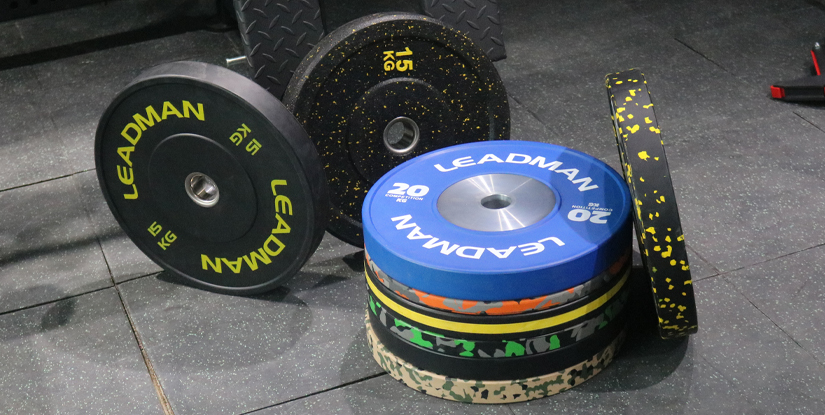
Beyond material density, the method of final containment significantly influences both the safety of your inventory and your total landed cost. Depending on whether you are shipping small batches to retail outlets or large-scale orders to a commercial facility, your choice of packaging will impact the physical integrity of the product upon arrival.
For example, while bulk palletization is highly efficient for large-scale gym fit-outs, it may lack the granular protection required for high-end bumper plate sets. Conversely, individual box packaging offers superior retail-ready presentation but increases the overhead per unit. Below is a comparison to assist in your procurement decision-making.
| Packaging Type | Protection Level | Cost Impact |
|---|---|---|
| Bulk Palletization | Moderate (High density stacking) | Lowest (Optimized for freight) |
| Individual Box | High (Reduced impact damage) | Moderate to High (Increased labor/material) |
| Protective Coating/Wrapping | Maximum (Prevents oxidation/scratches) | Variable (Increases unit cost slightly) |
When evaluating bumper plate fabrication processes, ensure your supplier uses high-grade protective wrapping if shipping to humid climates. This prevents surface rust during long sea transit, protecting your long-term product quality and reducing the risk of client returns due to aesthetic defects.
To maximize procurement efficiency, buyers must align their Minimum Order Quantity (MOQ) with container optimization strategies. For large-scale commercial distributors, ordering just below a container threshold can lead to significant inefficiencies. For instance, if your order volume falls short of a full 40ft High Cube capacity, you may end up paying for "dead space" that does not add value to your inventory. Instead, it is often more economical to increase the order volume to meet the weight capacity of the container, thereby lowering the average freight efficiency cost per unit.
Effective procurement involves calculating the balance between SKU variety and shipping density. While a diverse catalog is attractive for retail, a high-volume order of a single weight class—such as 45lb (20kg) plates—typically offers the best container optimization. This approach maximizes the weight-to-volume ratio, ensuring that you hit the maximum allowable weight for sea freight without running out of physical space. By strategically managing your MOQ to match standard container load profiles, you can achieve a much lower landed cost, providing a competitive edge in both wholesale and retail markets.
Managing Warranty Claims and Long-Term Replacement Cycles
For distributors and gym operators, the true cost of a shipment is rarely defined by the initial invoice. While low-cost alternatives may seem attractive during the procurement phase, substandard cast iron plate manufacturing often leads to premature failure, resulting in high turnover and frequent warranty claims. When manufacturing tolerances are loose, plates may exhibit uneven weight distribution or structural inconsistencies that compromise safety and user experience.
Investing in high-precision industrial weight plate production is a strategic move to optimize the Total Cost of Ownership (TCO). Precision in the molding and finishing stages ensures that each unit meets strict dimensional standards, which directly impacts long-term replacement cycles. A plate that maintains its integrity under heavy use reduces the need for restocking and logistical overhead caused by defective returns. Ultimately, prioritizing durability vs. cost allows buyers to move away from the cycle of constant replacement, securing a more predictable and profitable long-term asset for their facilities.
To mitigate financial risk, procurement professionals must look beyond the unit price and establish rigorous inspection checklists before a shipment leaves the factory. Effective quality assurance begins by auditing the bumper plate fabrication processes to ensure consistent density and edge durability. A robust sourcing strategy requires verifying that the manufacturer employs standardized QC standards, such as weight tolerance testing and surface coating adhesion checks, to prevent common warranty claim scenarios like cracking, peeling, or dimensional deviations.
When evaluating potential suppliers, demand clarity on material consistency across different production batches. A high-tier manufacturer should provide documentation proving that the rubber or iron used in one shipment is identical in composition to the last. For B2B buyers, a successful procurement cycle is defined by the ability to present a clear, evidence-based case during inspections. By focusing on these technical benchmarks rather than just the lowest MOQ, distributors can ensure their inventory remains a reliable, long-term asset rather than a recurring logistical headache.
Deciding which production grade to order depends heavily on your facility's specific operational profile. A mismatch between the manufacturing grade and the actual usage intensity can lead to unexpected capital expenditures or unnecessary overhead. For example, sourcing high-end, shock-absorbent bumper plates for a low-impact home gym setting may be an inefficient use of budget, whereas using standard cast iron in a high-impact CrossFit environment will lead to rapid degradation and increased maintenance requirements.
The following comparison helps procurement managers align their inventory selection with the intended facility usage to maximize ROI.
| Manufacturing Grade | Primary Facility Usage | Material Durability | Typical Replacement Cycle |
|---|---|---|---|
| Premium High-Impact (Urethane/Rubber) | High-frequency commercial/CrossFit | Extreme; resistant to cracking/abrasion | Long-term (5+ years) |
| Standard Commercial (Coated Iron) | General fitness/Strength training | High; durable with proper care | Mid-term (3–5 years) |
| Economy/Light Commercial (Uncoated) | Residential/Low-traffic studios | Moderate; prone to surface oxidation | Short-term (1–3 years) |
When calculating your procurement budget, consider that high-frequency commercial use demands a higher upfront investment in specialized bumper plate fabrication processes. While the initial unit cost is higher, the extended lifespan and reduced frequency of replacement orders significantly lower the long-term operational costs for large-scale distributors and facility owners.